
Comprehensive Guide to Synthetic Fiber Dye Selection and Application
Understanding Synthetic Fiber Dye: A Comprehensive Guide
Synthetic fiber dyes are crucial components in the textile industry, providing vibrant and lasting color to a wide range of materials. As a leading chemical supplier, YanHong Chemical specializes in providing high-quality synthetic fiber dyes for diverse applications. This article delves into the world of synthetic fiber dyes, exploring their types, applications, advantages, and considerations for optimal use. We'll cover everything from dye selection to ensuring colorfastness, helping you make informed choices for your textile projects.
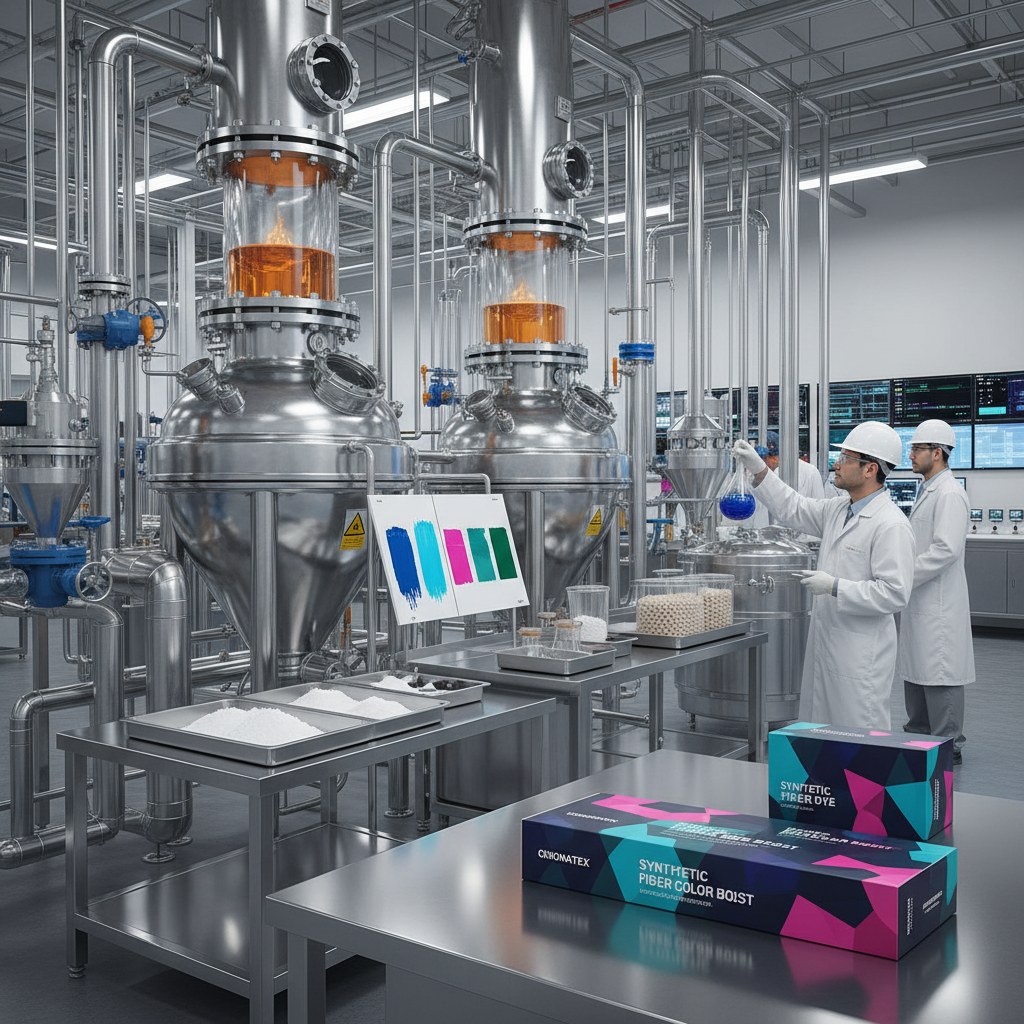
What are Synthetic Fiber Dyes?
Synthetic fiber dyes are chemical compounds designed specifically to color synthetic fibers like polyester, nylon, acrylic, and polypropylene. Unlike natural dyes, which are derived from plants or animals, synthetic dyes are created through complex chemical processes. This allows for a much wider range of colors and improved colorfastness. The development of these dyes has revolutionized the textile industry, enabling the mass production of brightly colored and durable fabrics. YanHong Chemical offers a comprehensive selection of these essential compounds.
Key Benefits: Synthetic dyes offer superior colorfastness, wider color range, and consistent quality compared to natural dyes.
Types of Synthetic Fiber Dyes
Several types of synthetic fiber dyes cater to different fiber types and application requirements. Here's a breakdown of some common categories:
- Disperse Dyes: Primarily used for polyester, these dyes are insoluble in water and are applied as a fine dispersion.
- Acid Dyes: Suitable for nylon, silk, and wool, acid dyes contain acidic groups that bind to the fiber.
- Basic Dyes: Used for acrylic fibers, these dyes provide bright, intense colors.
- Direct Dyes: Can be used on various synthetic fibers but generally offer lower colorfastness.
Choosing the Right Synthetic Fiber Dye for Your Application
Selecting the appropriate dye is critical for achieving the desired color and performance. Factors to consider include:
- Fiber Type: Different dyes are formulated for specific fibers.
- Colorfastness: Consider the required level of resistance to washing, light, and rubbing.
- Application Method: Dyeing processes vary and influence dye selection.
- Cost: Dye prices can vary significantly based on type and quality.
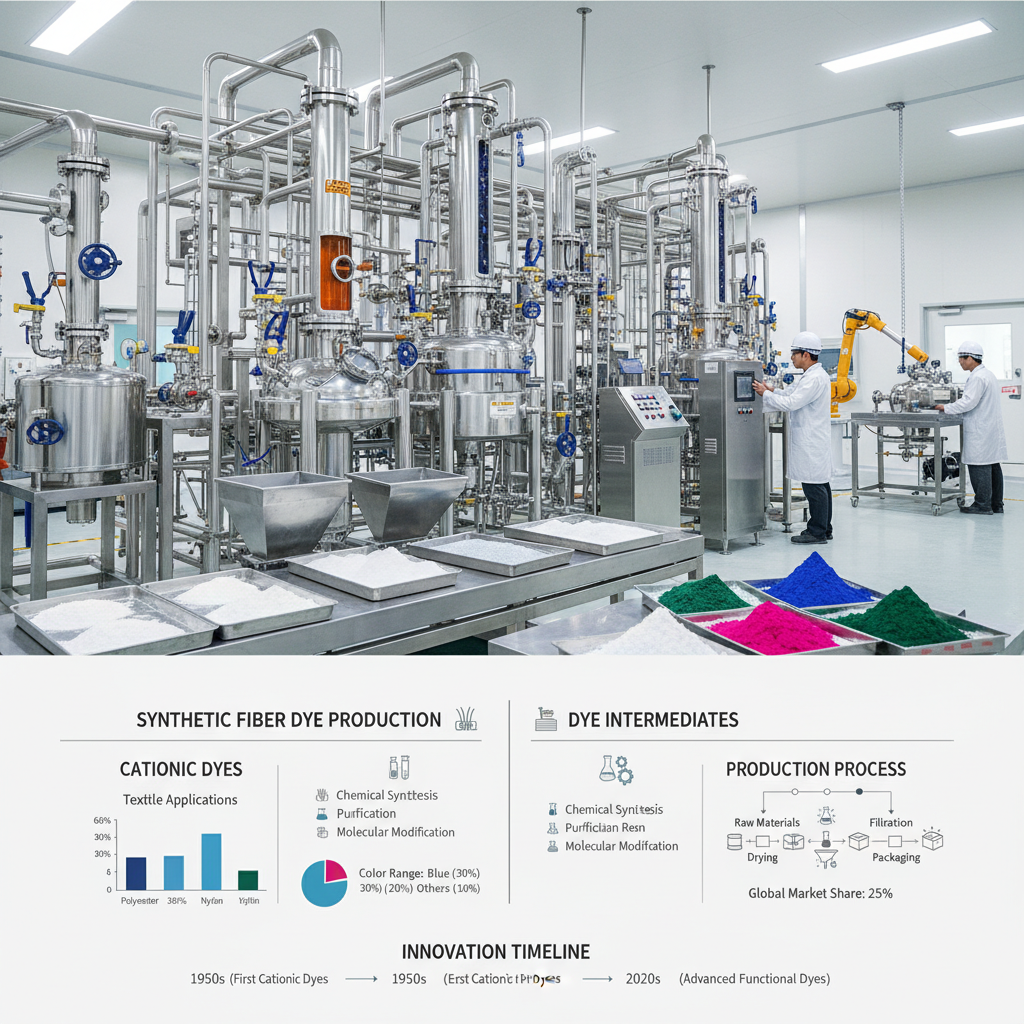
Comparison of Common Synthetic Fiber Dyes
Understanding the characteristics of different dye types is essential for making informed decisions. The table below provides a comparison:
YanHong Chemical: Your Trusted Partner for Synthetic Fiber Dyes
At YanHong Chemical, we are committed to providing high-quality synthetic fiber dyes and expert technical support. We offer a wide range of dyes to meet your specific needs, ensuring consistent color, excellent fastness properties, and reliable performance. Our dedicated team can assist you in selecting the optimal dye for your application and provide guidance on dyeing processes. Contact us today to learn more about our products and services.
Conclusion: Achieving Vibrant and Durable Colors with Synthetic Fiber Dyes
Choosing the right synthetic fiber dye is crucial for achieving the desired aesthetic and functional properties in textiles. YanHong Chemical provides a comprehensive range of high-quality dyes and expert support to help you optimize your dyeing processes and achieve exceptional results.
Frequently Asked Questions (FAQs)
What is the environmental impact of synthetic dyes?
The production and use of synthetic dyes can have environmental implications, primarily related to wastewater discharge. Some dyes contain heavy metals or other harmful chemicals. However, advancements in dye chemistry and wastewater treatment technologies are mitigating these concerns. Many manufacturers, including YanHong Chemical, are focused on developing eco-friendly dyes and implementing sustainable production practices. Choosing dyes with certifications like OEKO-TEX Standard 100 can help minimize environmental impact.
How do I test the colorfastness of a dyed fabric?
Colorfastness can be tested through various methods, including wash fastness, light fastness, and rub fastness. Wash fastness involves washing the dyed fabric under specific conditions and assessing color bleeding or fading. Light fastness tests expose the fabric to artificial light to evaluate color fading over time. Rub fastness checks for color transfer when the fabric is rubbed against another surface. Standardized testing methods are outlined by organizations like AATCC and ISO.
What are the common problems encountered during synthetic fiber dyeing?
Common problems include uneven dyeing, poor colorfastness, and dye migration. Uneven dyeing can result from inadequate dye solubility, improper agitation, or variations in fiber properties. Poor colorfastness may be due to incorrect dye selection or insufficient dye fixation. Dye migration can occur during drying or finishing processes. Addressing these issues requires careful process control, proper dye selection, and appropriate finishing treatments.
Where can I find more information and support for synthetic fiber dyeing?
YanHong Chemical offers comprehensive technical support and resources for synthetic fiber dyeing. You can also find valuable information from industry organizations like AATCC (American Association of Textile Chemists and Colorists) and publications focused on textile chemistry and processing.
-
Basic Dye Factory: Essential Insights on Production, Impact & InnovationNewsDec. 13, 2025
-
Understanding Dye Fabric Colour for Optimal Textile Production and QualityNewsFeb. 24, 2026
-
Buy Dye for Clothes – Expert Tips & Reliable ProductsNewsDec. 03, 2025
-
Understanding Synthetic Dye Black Applications Sourcing and Emerging TrendsNewsMar. 10, 2026
-
Comprehensive Guide to China Basic Dye Manufacturer: Quality, Innovation & SustainabilityNewsDec. 03, 2025
-
What Is Basic Green Color? Properties, Applications & Vendor GuideNewsDec. 03, 2025












