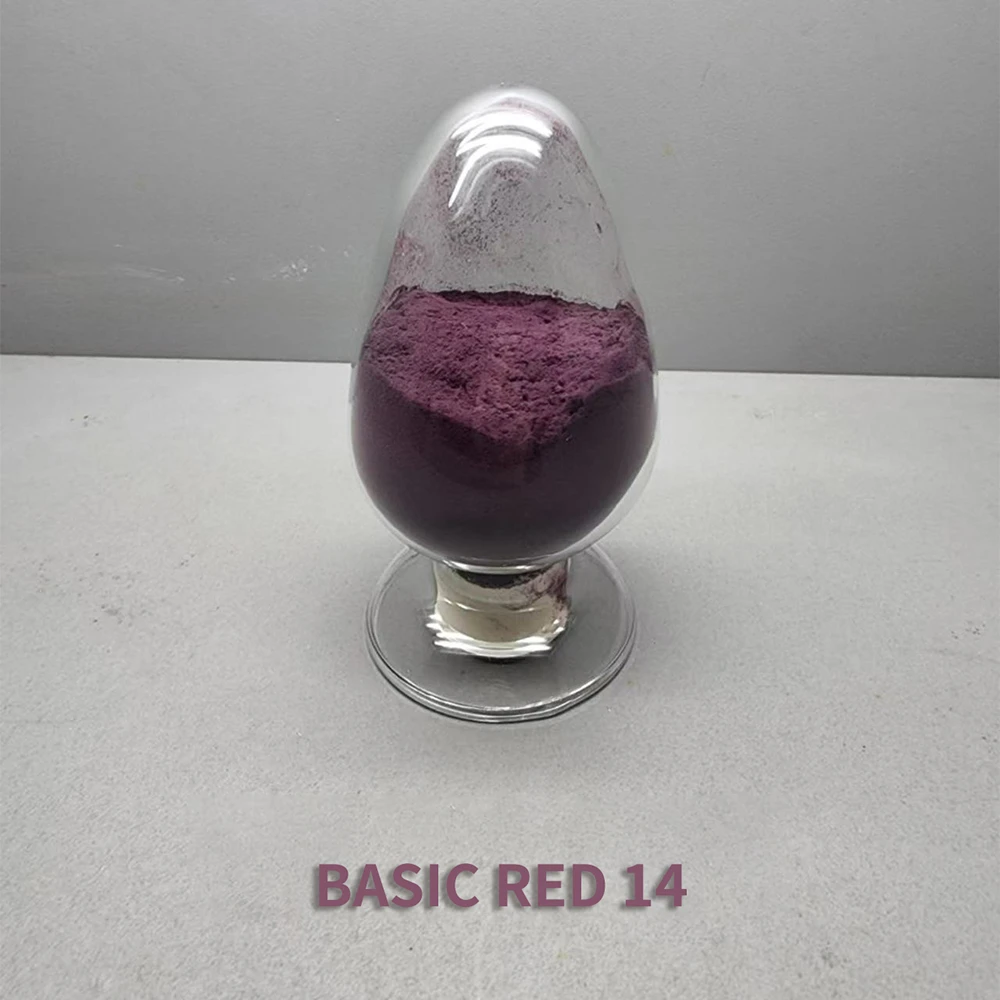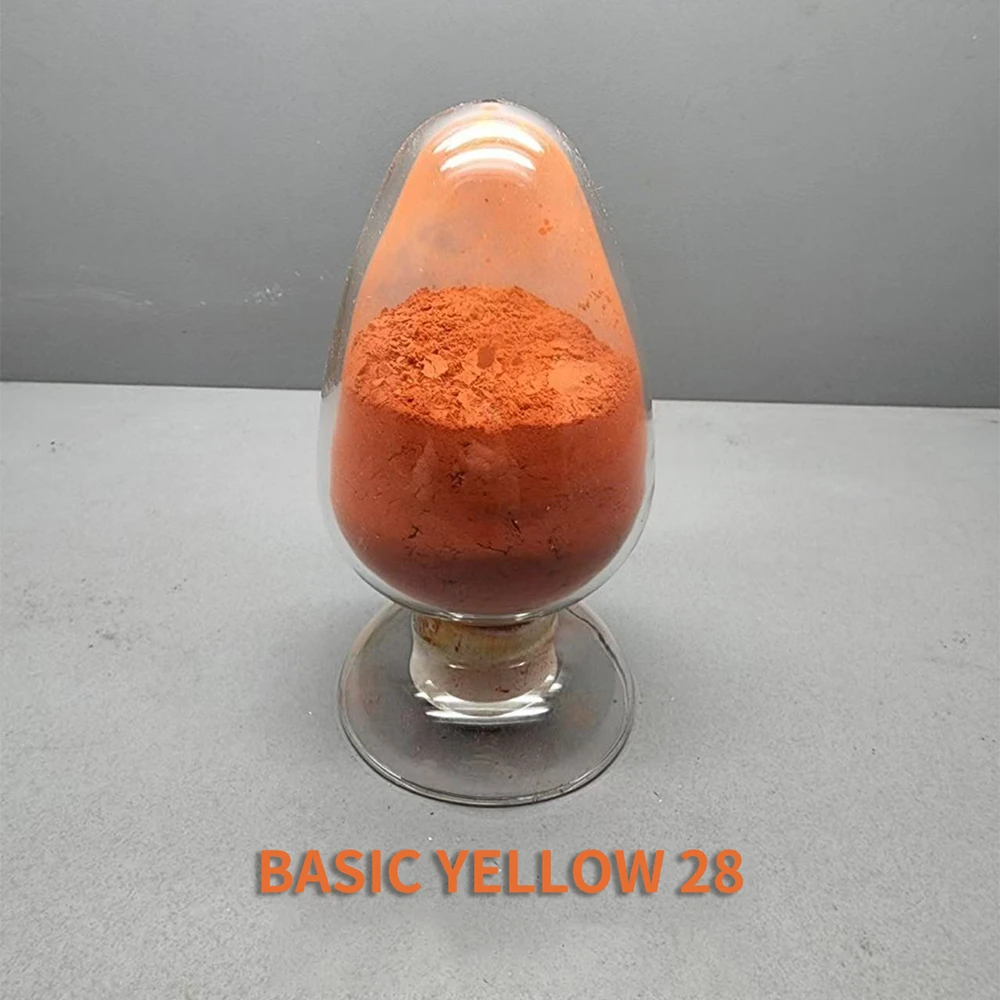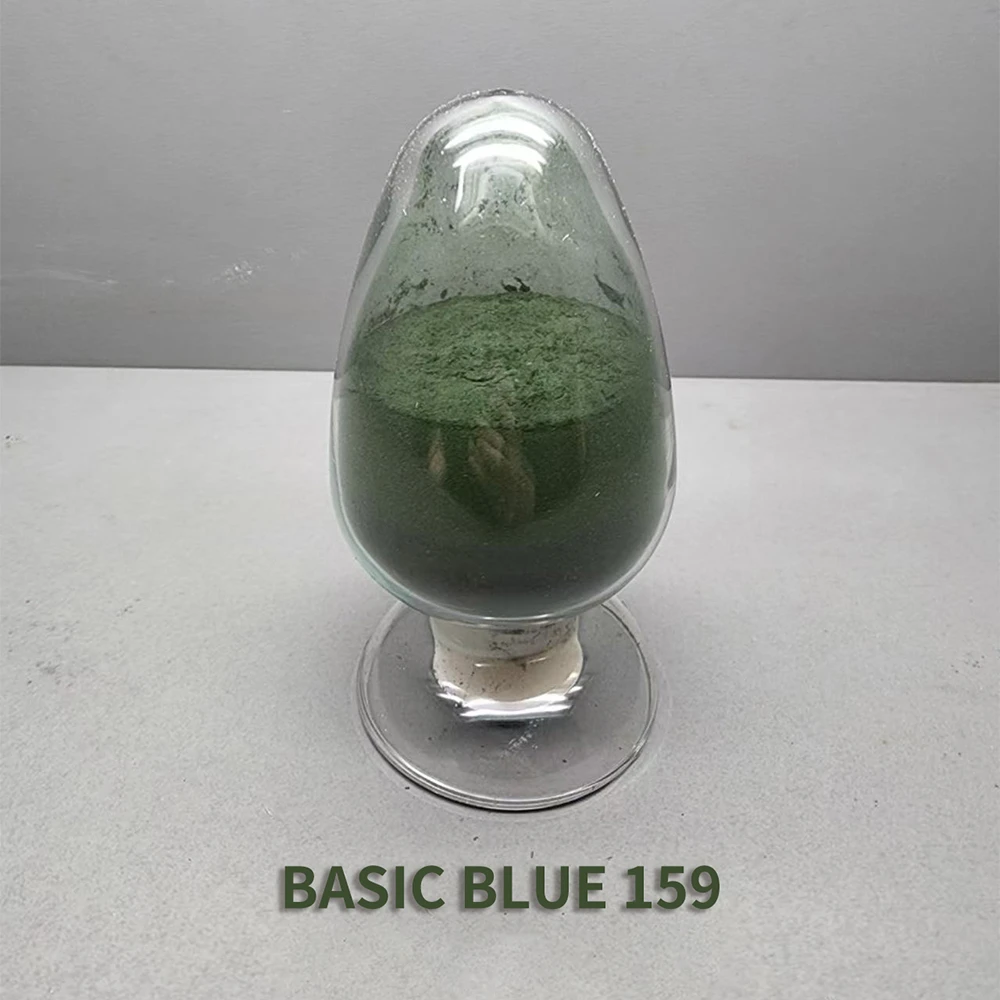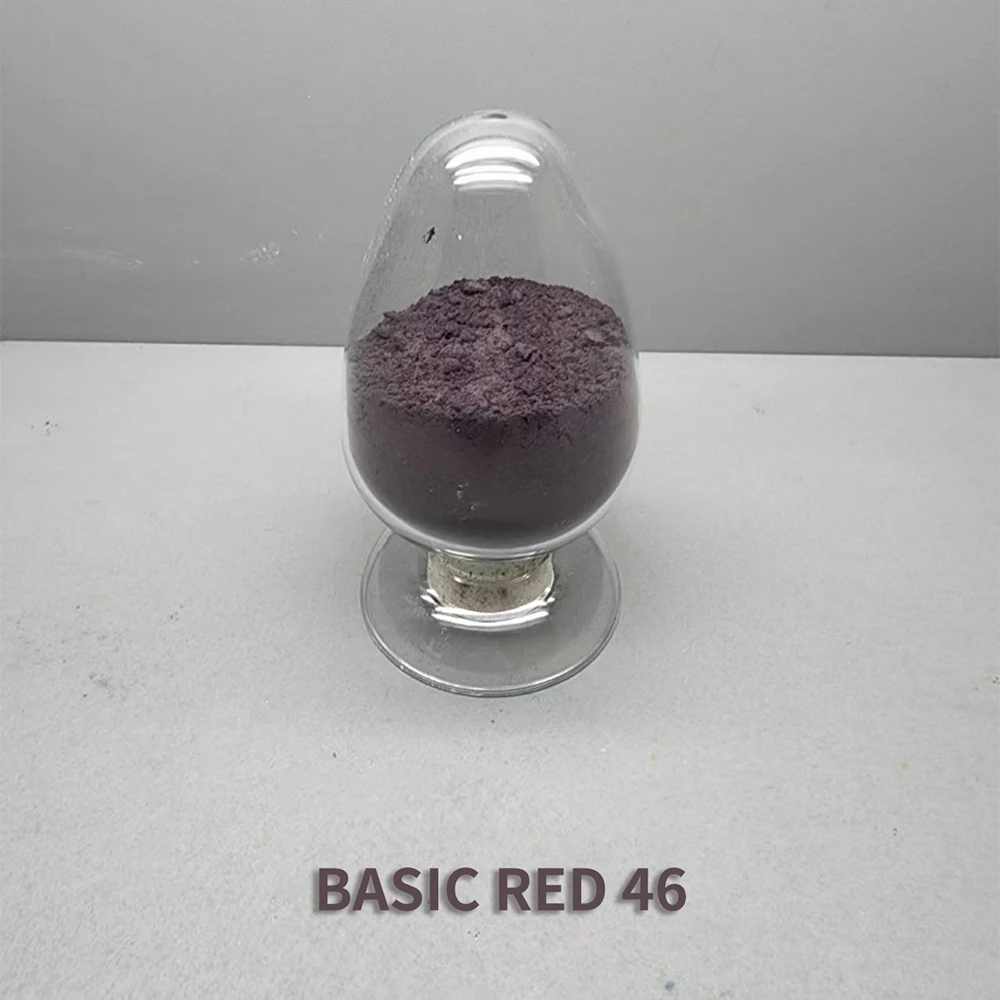
Comprehensive Guide to China Basic Dye Manufacturer: Quality, Innovation & Sustainability
Understanding the Role of a China Basic Dye Manufacturer
Basic dyes might not be the flashiest topic in the chemical industry, but their significance — especially when it comes to manufacturers in China — is quite profound. These dyes serve as foundational colorants used worldwide in textiles, paper, leather, and other materials. Why does this matter? Well, with the global textile market expected to surge to over $1.2 trillion by 2027 (according to Statista), having reliable, high-quality basic dye suppliers is essential for sustainable and consistent production.
In this article, we dive into what a china basic dye manufacturer actually does, why the global industry leans heavily on them, and what you should know if you’re involved in sourcing, manufacturing, or innovation in this space.
Global Context: Why the China Basic Dye Manufacturer Matters
China dominates the global chemical manufacturing sector, producing roughly 35-40% of the world's dyes and pigments according to recent industry analyses. The country’s basic dye manufacturers contribute massively to global supply chains, keeping textile and printing industries running smoothly across Asia, Europe, and the Americas. What’s interesting is how these companies balance scale with increasing demands for sustainability and regulatory compliance.
However, a major challenge tying into this industry is environmental impact. Dye manufacturing is notoriously water- and energy-intensive, often involving toxic intermediates. So manufacturers in China are under constant pressure to innovate greener processes and reduce waste throughout their operations.
What Exactly Is a China Basic Dye Manufacturer?
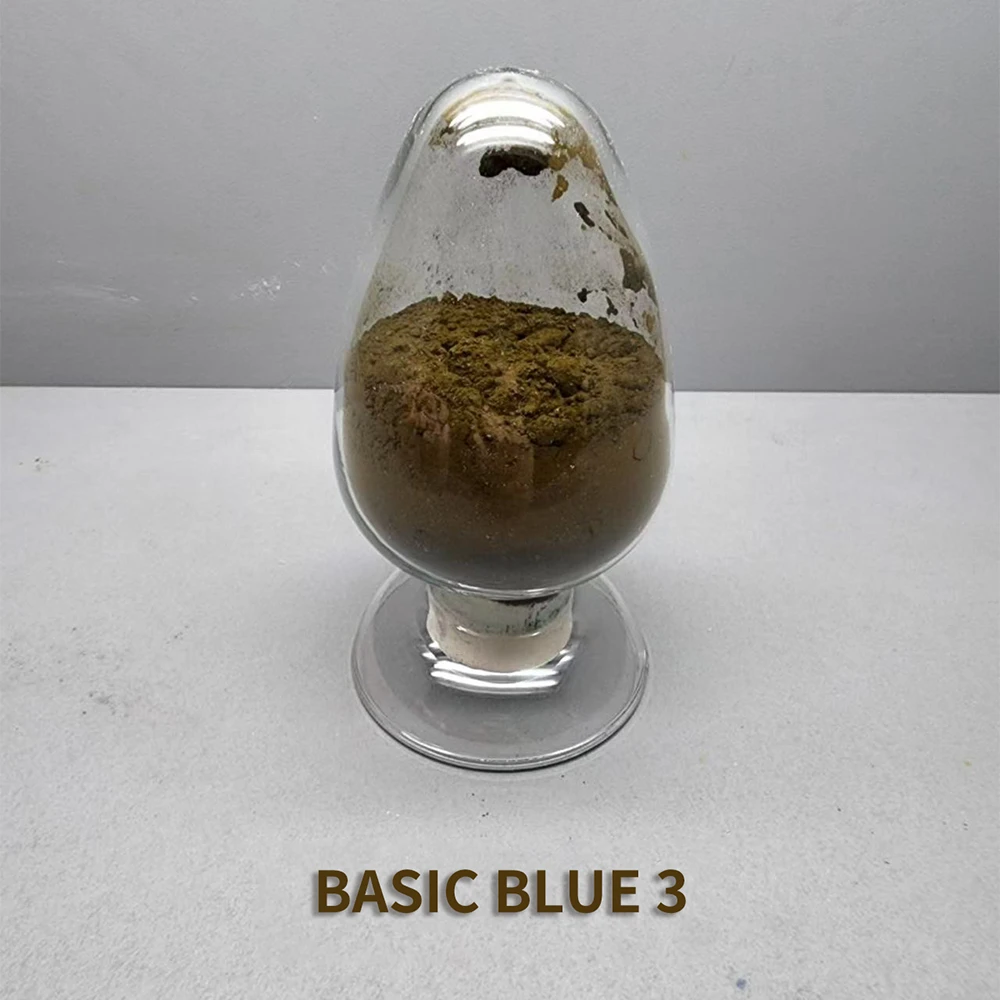
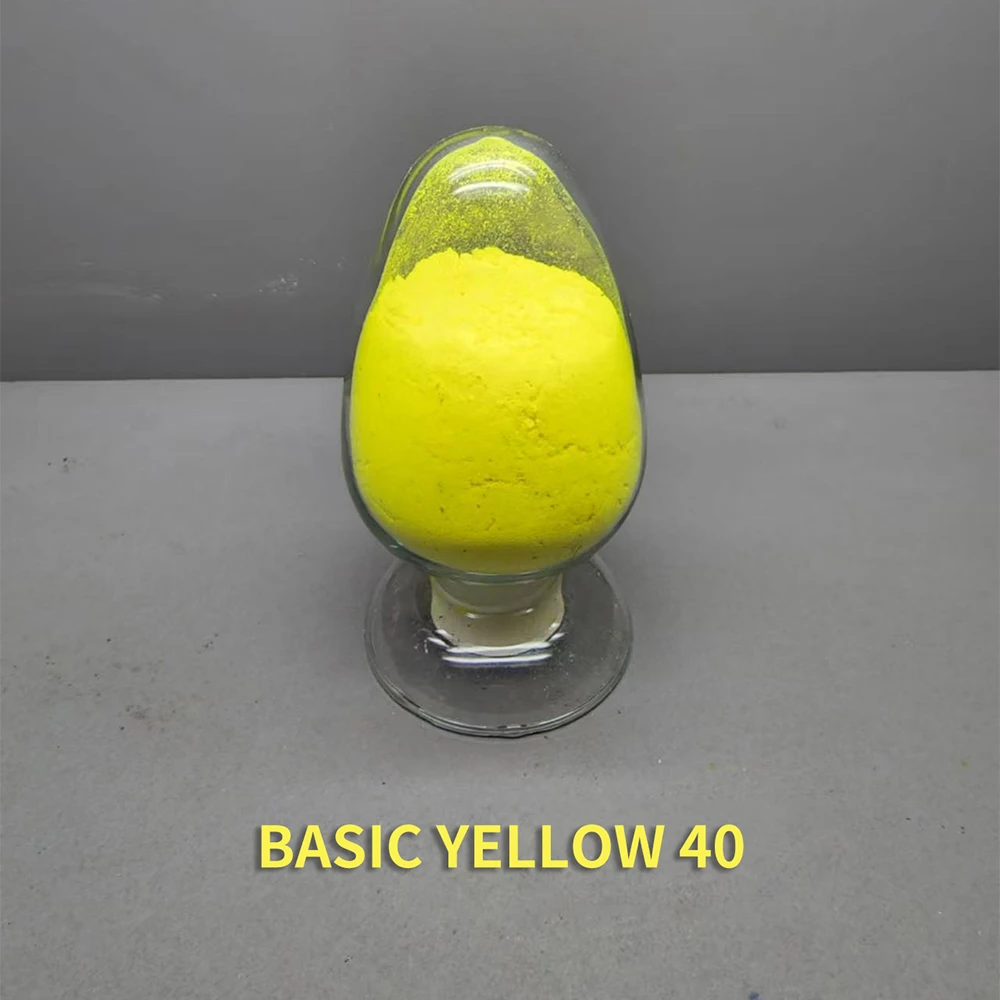
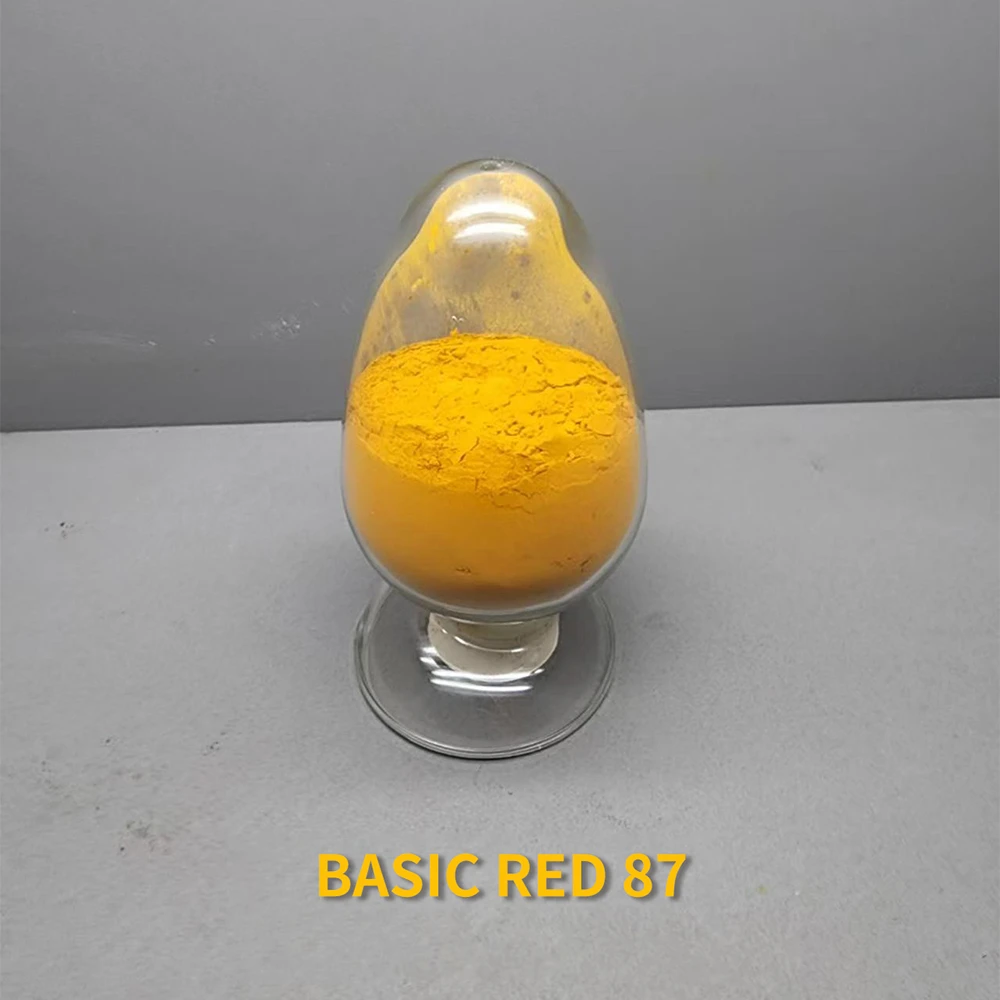
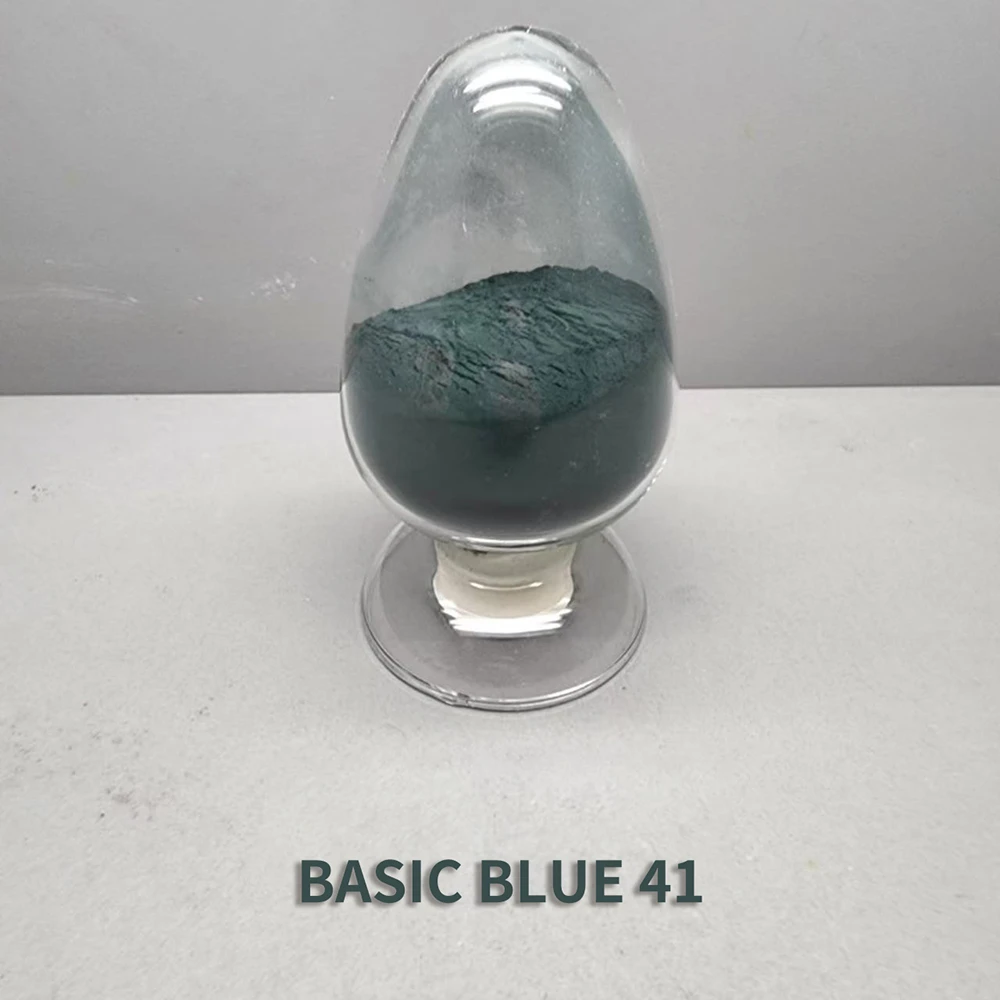
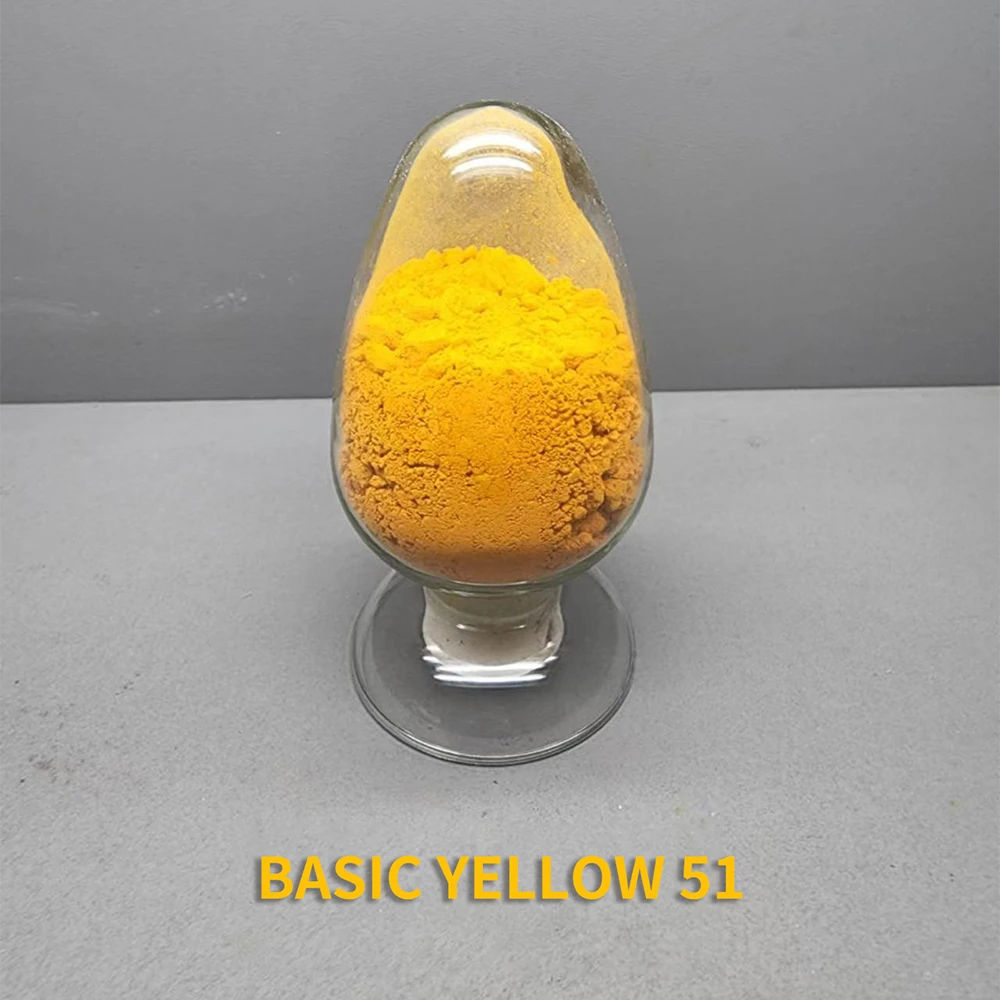
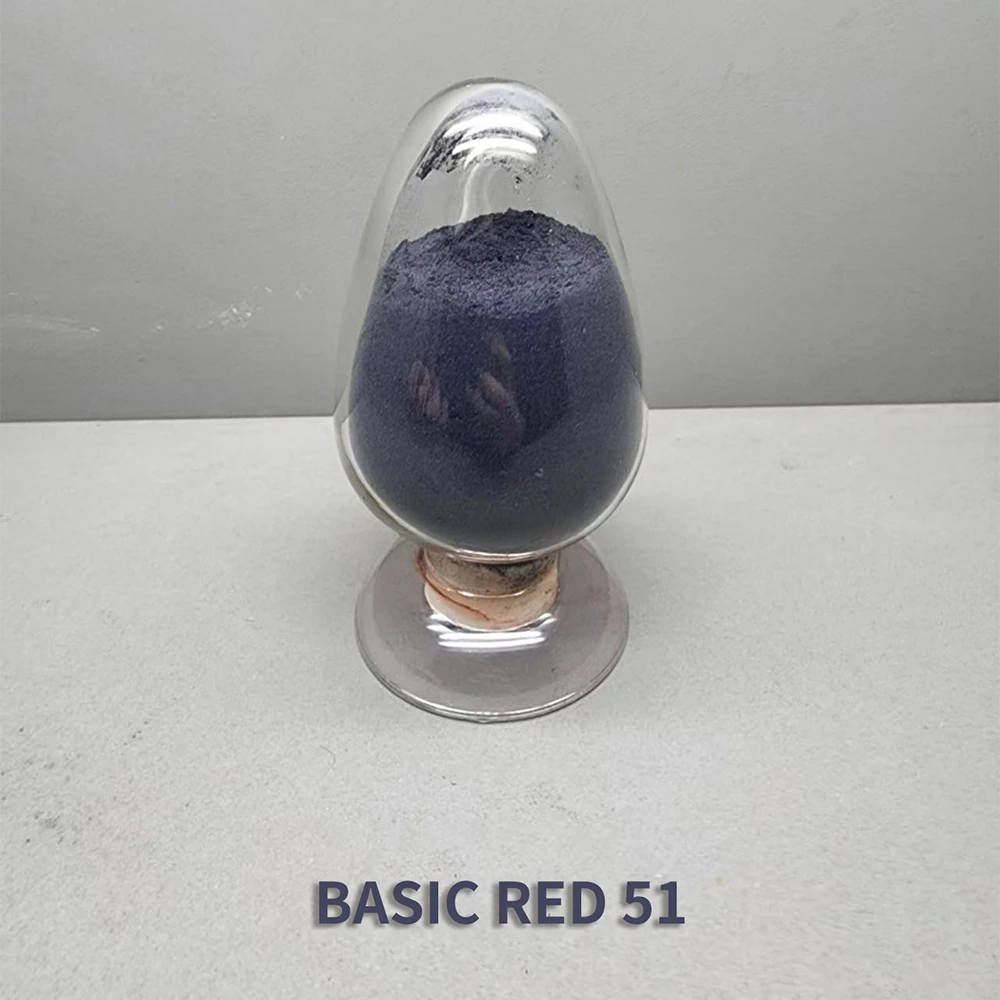
Simply put, a china basic dye manufacturer formulates and produces synthetic basic dyes — typically cationic colorants that bind effectively to fibers like acrylics, paper, and leather. “Basic” refers to the positive charge these dyes carry, which influences their affinity and brilliance on certain materials. These manufacturers handle everything from raw material sourcing to synthesis, purification, and packing.
These dyes play a crucial role not only in commercial fashion but also in essential applications such as color-coded medical supplies and safety materials. In many ways, a basic dye supplier underpins modern industrial dyeing processes and emerging eco-conscious textile trends alike.
Core Factors of Effective China Basic Dye Manufacture
1. Product Quality & Consistency
The hallmark of top-tier basic dye manufacturers is maintaining consistent shade and purity batch after batch. Variations lead to costly rejects in textile production. Chinese manufacturers often invest heavily in quality control labs and advanced analytical techniques.
2. Scalability & Supply Chain Reliability
Given the massive demand, production scale matters. Leading manufacturers in China have vast facilities capable of supplying millions of kilograms per year, alongside robust logistics networks to export efficiently worldwide.
3. Environmental Compliance & Sustainability
Strict national policies push manufacturers toward cleaner production methods, such as closed-loop wastewater treatment and low-impact synthetic routes. Some have integrated renewable energy sources to limit carbon footprints — a growing competitive edge.
4. Cost Efficiency and Competitive Pricing
Price competitiveness is critical, especially when exporting to highly competitive markets. China manufacturers leverage economies of scale and local raw material availability to keep costs manageable without sacrificing quality.
5. Innovation & Customization
Some players offer tailor-made color formulations or enhanced fastness properties, aligning with niche industrial needs such as automotive interior textiles or protective clothing.
Typical Product Specification Table: China Basic Dye Example
| Parameter | Specification |
|---|---|
| Chemical Name | Basic Blue 26 |
| Molecular Formula | C37H34ClN3S |
| Purity | ≥ 95% |
| Moisture | ≤ 3% |
| Appearance | Dark blue powder |
| Packaging | 25kg bags |
Global Applications & Use Cases
Basic dyes find versatile applications worldwide. In Southeast Asia’s booming textile hubs, these dyes give vibrant colors to fast fashion garments, often exported internationally. African tanneries rely on basic dyes to achieve the durability and color fastness required for leather goods.
Environmental NGOs also find these dyes useful in demonstrations and educational materials thanks to their intense coloration and ease of application. Oddly enough, some electronics manufacturers use basic dyes in specialty inks for printed circuit boards.
The ever-evolving global pandemic shifted some demand too, leading manufacturers to supply colored fabric for PPE to improve visibility and compliance in healthcare settings.
Vendor Comparison: Leading China Basic Dye Manufacturers
| Vendor | Production Capacity (tons/year) | Environmental Certification | Pricing Tier | Special Features |
|---|---|---|---|---|
| Yanhong Chem | 5,000 | ISO 14001 | Mid | Custom color formulations, R&D-driven |
| Jinghua Dyes | 7,500 | None | Low | Bulk commodity focus |
| Zhongliang Industries | 4,000 | ISO 9001 / 14001 | High | Eco-friendly processes, higher price |
Advantages & Long-Term Value of Partnering With China Basic Dye Manufacturers
- Cost-effectiveness: Benefit from competitive pricing without compromising quality.
- Reliability: Established manufacturers in China offer dependable supply chain stability.
- Product versatility: Wide range of colors and dye types to suit various industrial needs.
- Sustainability efforts: Increasingly adopting eco-friendly manufacturing methods.
- Innovation capacity: Access to R&D and custom solutions.
Frankly, these points don’t just translate to improved business performance; they affect social and environmental facets too. When manufacturers embed sustainability at the core, downstream industries and consumers share in that benefit through lower pollution and safer end products.
Future Trends & Innovations in China Basic Dye Manufacturing
Green chemistry is carving the future of this sector. Look out for increased focus on bio-based raw materials and solvent-free synthesis. Digitalization, including AI-assisted quality inspection, is also becoming prominent, helping manufacturers reduce waste and improve consistency.
Another intriguing development is the integration of smart dyes that respond to environmental stimuli—potential game-changers for medical textiles and wearable tech. I suppose keeping an eye on emissions regulations coming out of China will be important, too, as they’ll steer the pace of change significantly.
Challenges & Solutions in Basic Dye Manufacturing
Challenges remain, no doubt. Water pollution, high energy consumption, and raw material volatility obstruct sustainable growth. But advanced wastewater recycling technology and shift towards renewable energy sources are mitigating these problems. Collaborative efforts between industry stakeholders, government, and technology providers are crucial here.
Manufacturers who invest in transparency and third-party environmental certifications tend to gain trust from increasingly eco-conscious global buyers.
FAQ: Common Questions About China Basic Dye Manufacturers
Q1: How can I ensure the quality of basic dyes from a Chinese supplier?
A1: Check for ISO certifications (ISO 9001 for quality), ask for batch test reports (e.g., purity, shade consistency), and request samples before bulk purchase. Working with china basic dye manufacturer with transparent QA processes can reduce risks significantly.
Q2: Are basic dyes produced in China environmentally safe?
A2: Leading manufacturers adhere to environmental standards like ISO 14001 and implement waste treatment protocols. It's best to confirm current compliance and inquire about their sustainability initiatives.
Q3: Can I customize dye formulations for specific textile applications?
A3: Yes, many reputable manufacturers offer custom formulation services to meet unique fastness or color shade requirements. Early consultation helps tailor solutions effectively.
Q4: What shipping options exist for importing dyes internationally?
A4: Manufacturers commonly provide sea freight, air freight, and sometimes express courier options. They handle export documentation, but verify shipping timelines and customs regulations with your supplier.
Q5: How do basic dyes compare cost-wise to reactive or disperse dyes?
A5: Basic dyes are generally more cost-effective for acrylic fibers and certain paper applications but less suitable for natural fibers. Price varies by grade and manufacturer, so get detailed quotes.
Conclusion: Why China Basic Dye Manufacturers Are Critical Pillars of the Industry
To sum up, the china basic dye manufacturer occupies a vital niche — balancing massive global demand while navigating emerging challenges like sustainability and innovation. Their ability to deliver reliable, customizable, and competitively priced products fuels multiple industries, ultimately weaving vibrant colors into everyday life.
If you're interested in high-quality basic dyes crafted with care for environment and performance alike, take a moment to visit our website: Yanhong Chem. There you’ll find a partner who understands both the science and the art behind the hues that color the world.
Mini takeaway: Choosing the right basic dye manufacturer in China means gaining a trusted supplier with expertise, innovation, and a commitment to the environment — foundations for sustainable industry growth.
References
-
Understanding Synthetic Clothes Dye Composition Benefits and Sustainable PracticesNewsMar. 08, 2026
-
Basic Yellow 2 Dye - High Purity, Bright Shade, FastnessNewsDec. 13, 2025
-
Periwinkle Fabric Dye for B2B ApplicationsNewsJan. 24, 2026
-
What You Should Know About Basic Dye Manufacturers: Industry Insights & TrendsNewsDec. 03, 2025
-
What Are Basic Dyes? A Quick Look at Their Industrial UseNewsDec. 13, 2025
-
Classification Of Cationic DyesNewsAug. 05, 2025