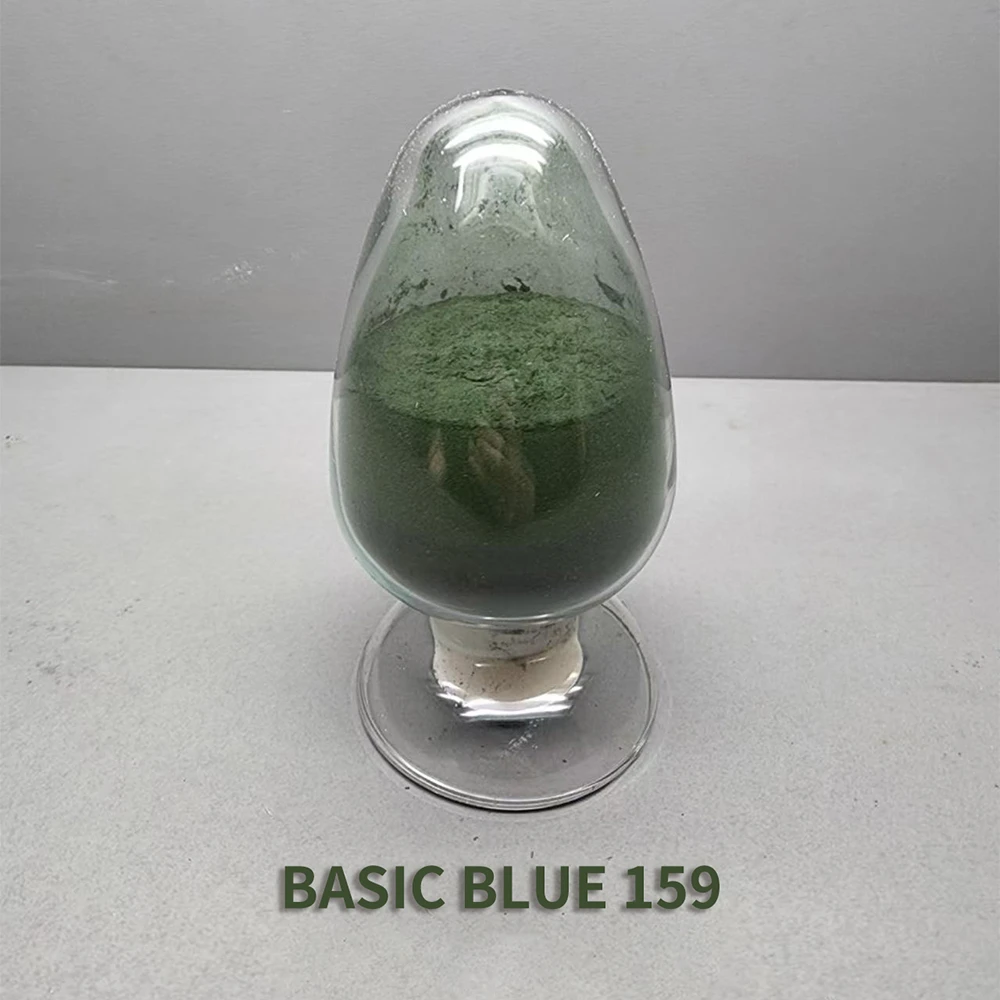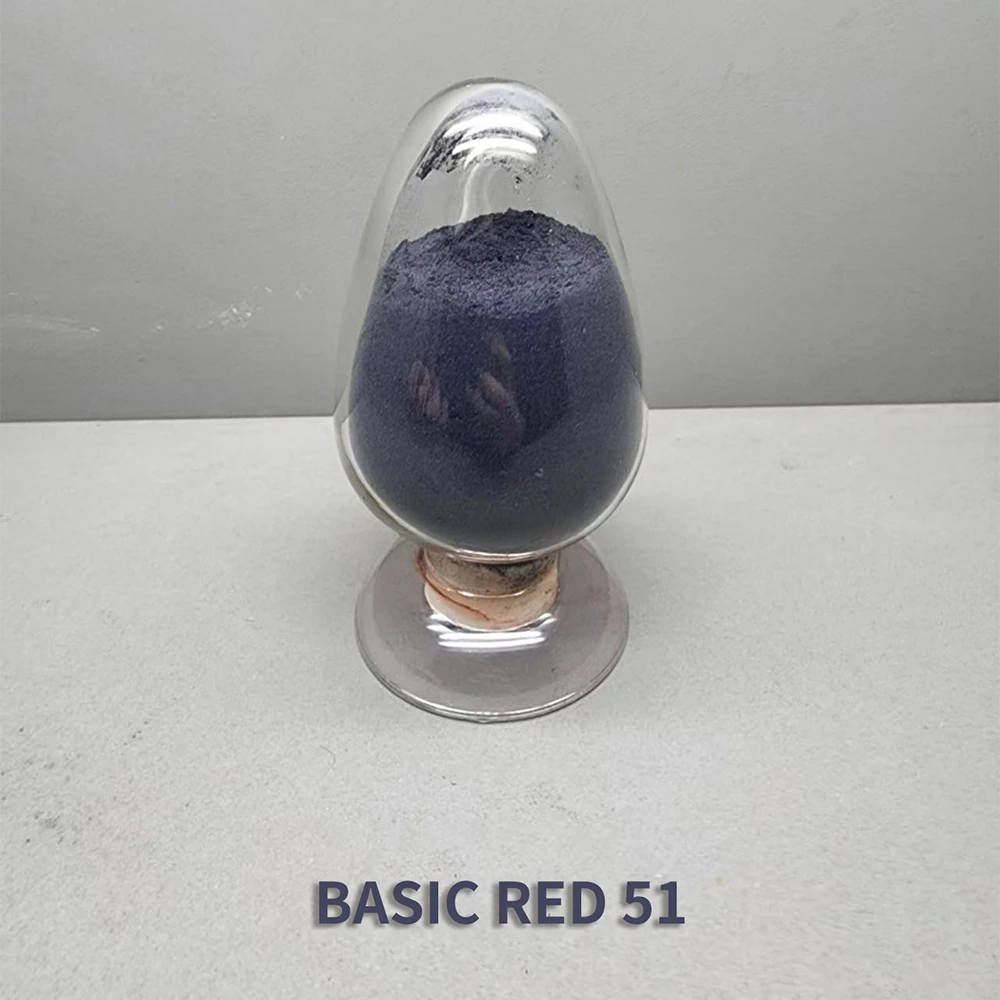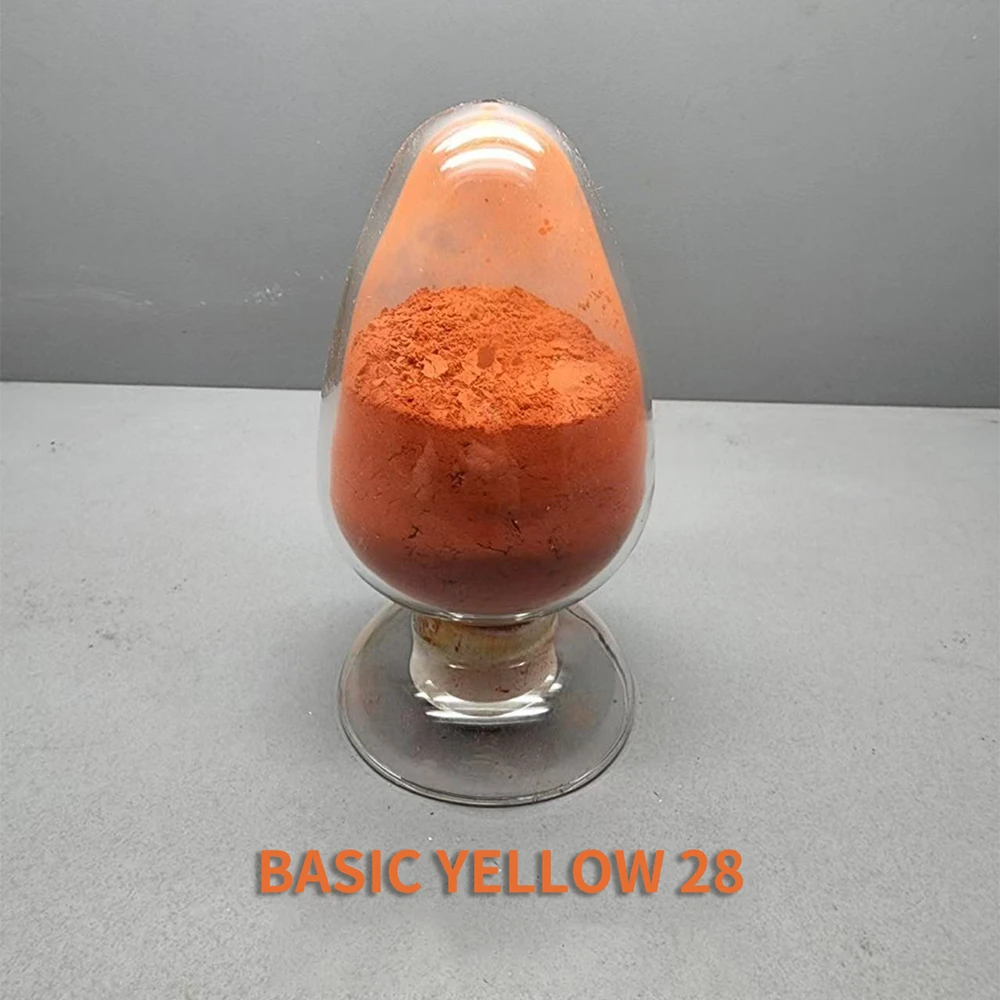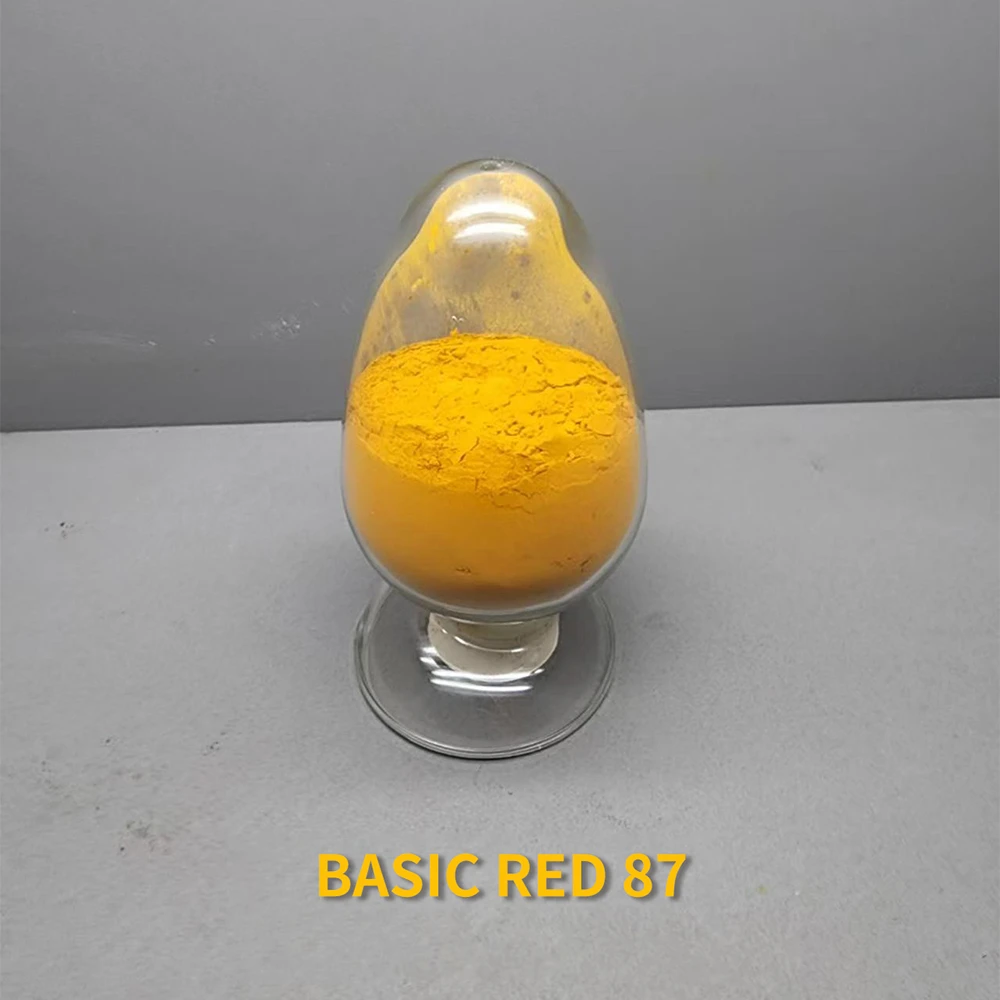
Understanding Synthetic Clothes Dye Composition Benefits and Sustainable Practices
Understanding Synthetic Clothes Dye: A Comprehensive Guide
Synthetic clothes dyes have revolutionized the textile industry, offering a vast spectrum of colors and improved colorfastness compared to natural dyes. However, understanding their composition, applications, and environmental impact is crucial for both manufacturers and consumers. This article will explore the world of synthetic clothes dye, covering different types, benefits, drawbacks, and responsible sourcing practices. Choosing the right dye impacts fabric quality, durability, and sustainability. Let’s delve into the details.

Types of Synthetic Clothes Dye
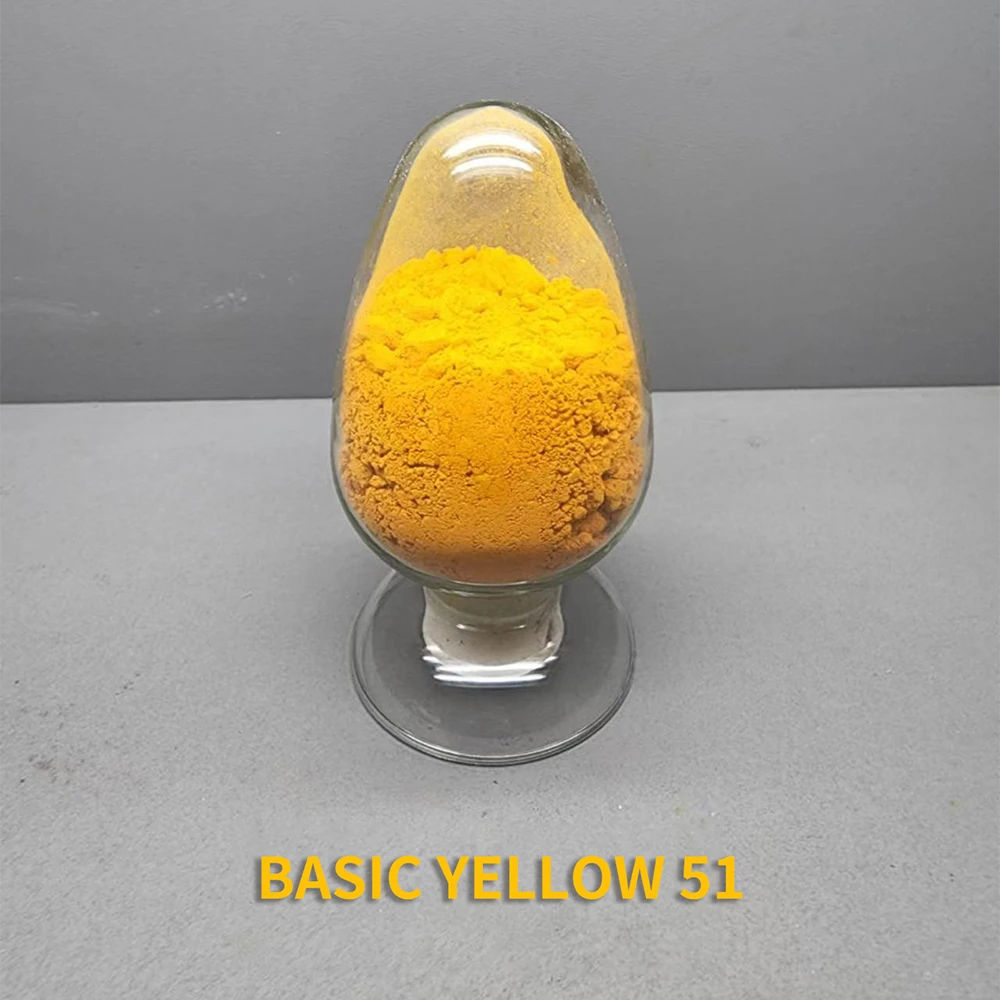
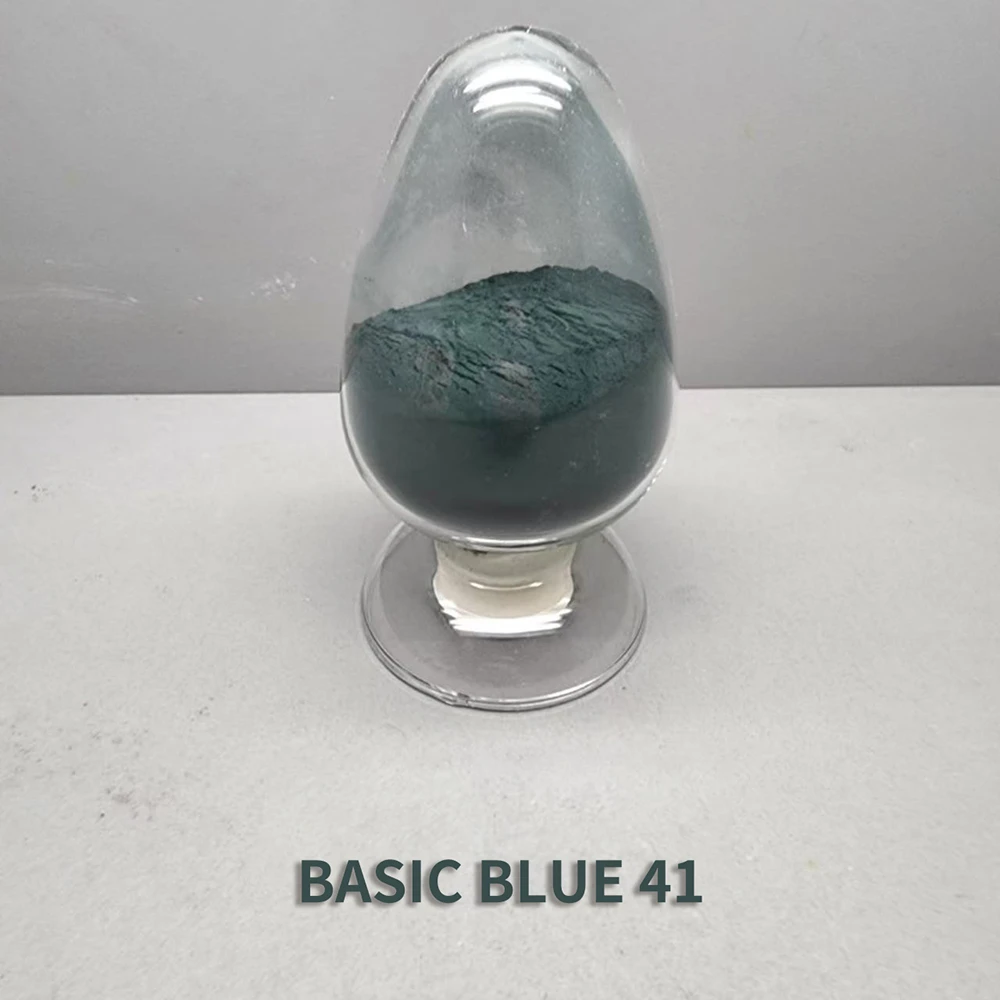
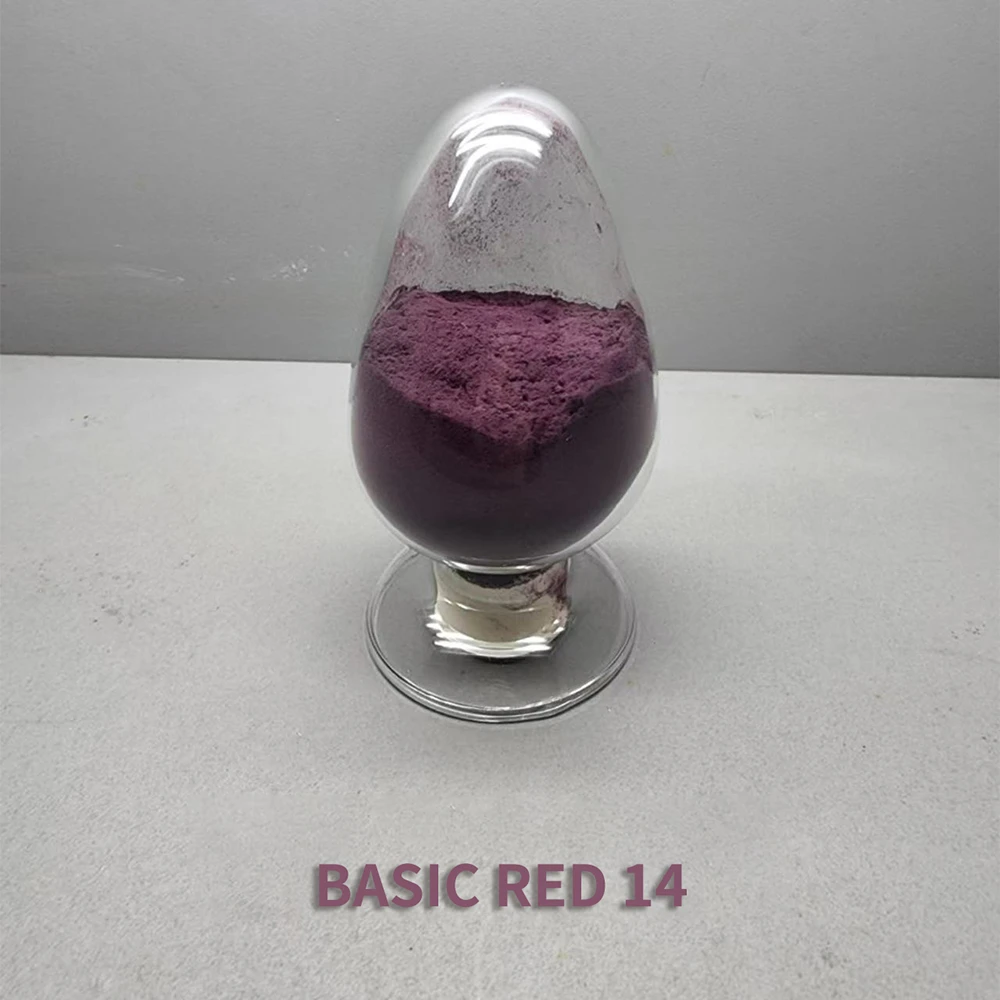
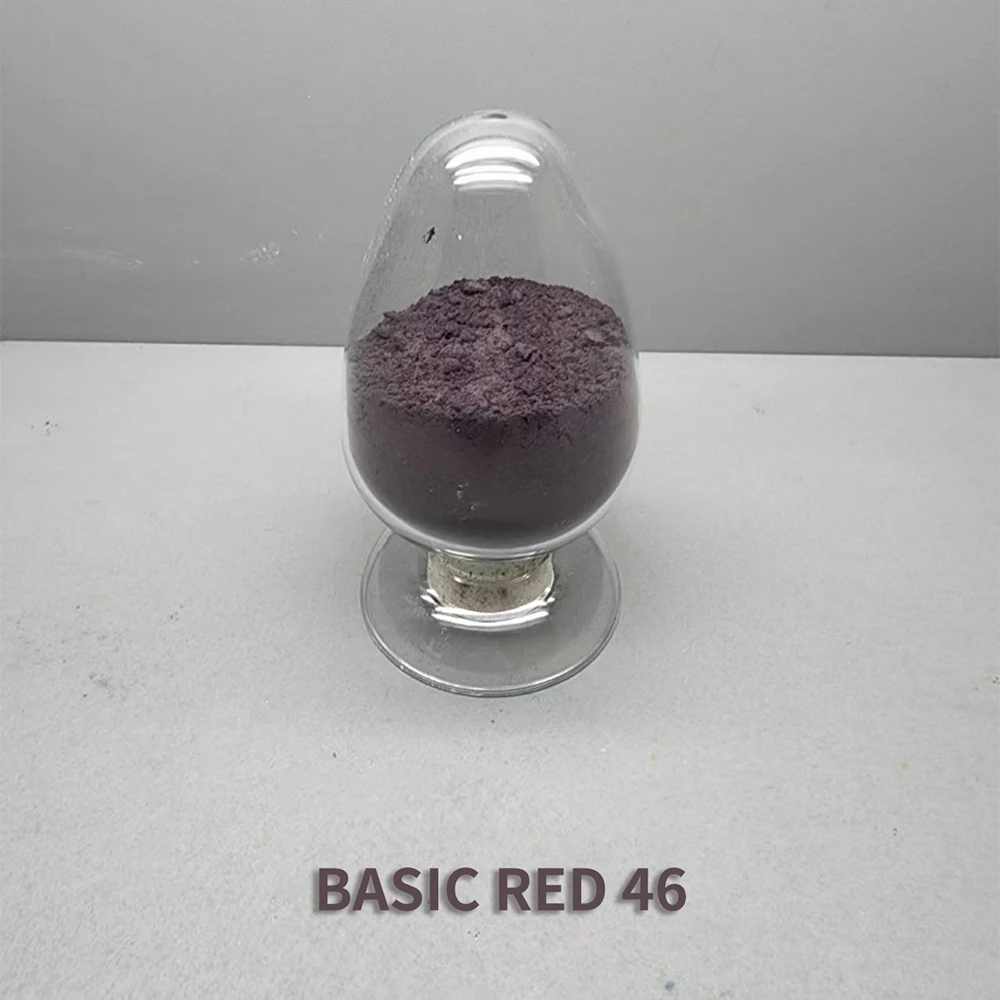
Synthetic dyes are broadly categorized based on their chemical structure and application method. Some of the most common types include azo dyes, anthraquinone dyes, and reactive dyes. Azo dyes are known for their bright colors and cost-effectiveness, making them widely used. Anthraquinone dyes offer excellent lightfastness, crucial for fabrics exposed to sunlight. Reactive dyes form a chemical bond with the fabric, resulting in exceptional wash fastness. Each type has unique properties making it suitable for different fiber types and desired outcomes. Understanding these distinctions helps manufacturers select the optimal dye for their specific needs.
Key Highlights: Synthetic dyes are categorized by chemical structure and application, with Azo, Anthraquinone and Reactive dyes being the most common.
The Benefits of Using Synthetic Dyes
Compared to natural dyes, synthetic dyes offer several advantages. They provide a wider range of colors, including shades unattainable with natural sources. Synthetic dyes generally exhibit superior colorfastness, meaning they are less likely to fade or bleed during washing or exposure to light. They are also more cost-effective to produce, contributing to lower textile prices. Furthermore, the dyeing process with synthetic dyes is often more efficient and consistent, ensuring uniform color distribution. These benefits make synthetic dyes a practical and economical choice for the mass production of textiles.
Benefits of Synthetic Dyes:
• Wider color range
• Superior colorfastness
• Cost-effectiveness
• Efficient and consistent dyeing process
Synthetic Clothes Dye vs. Natural Dyes: A Comparative Analysis
While synthetic dyes offer numerous advantages, natural dyes still hold appeal for their eco-friendliness and unique aesthetic qualities. However, they typically have lower colorfastness, a limited color palette, and are often more expensive to produce. The sourcing of natural dyes can also present challenges in terms of sustainability and consistency. Synthetic dyes, on the other hand, offer greater control over the dyeing process and ensure consistent results. The choice between synthetic and natural dyes often depends on specific application requirements and sustainability considerations.
Environmental Considerations and Sustainable Practices
The production and use of synthetic dyes can have environmental consequences, including water pollution and the release of harmful chemicals. However, advancements in dye chemistry and wastewater treatment technologies are mitigating these impacts. Responsible manufacturers are adopting cleaner production methods, utilizing dyes with lower toxicity, and investing in efficient effluent treatment systems. Furthermore, the development of biodegradable synthetic dyes is gaining traction, offering a more sustainable alternative. Choosing high-quality dyes from reputable suppliers is essential for minimizing environmental risks.

Choosing the Right Synthetic Dye: A Guide for Manufacturers
Selecting the appropriate synthetic dye requires careful consideration of several factors. The type of fiber being dyed is crucial, as different dyes have varying affinities for different materials. The desired color, colorfastness requirements, and end-use application also play important roles. Furthermore, manufacturers should prioritize dyes that meet relevant environmental standards and regulations. Partnering with a reliable dye supplier like YanHong Chemical can provide access to high-quality dyes and expert technical support.
Conclusion: Embracing Innovation and Sustainability in Dyeing
The world of synthetic clothes dye is constantly evolving, with ongoing advancements in both performance and sustainability. By embracing innovative dye technologies and adopting responsible manufacturing practices, the textile industry can minimize its environmental impact while continuing to deliver vibrant and durable fabrics. Investing in high-quality dyes and prioritizing environmental stewardship are key to a sustainable future for the fashion industry.
Frequently Asked Questions (FAQs)
Are all synthetic dyes harmful to the environment?
Not all synthetic dyes are equally harmful. Some dyes contain restricted substances that can pose environmental risks. However, advancements in dye chemistry have led to the development of dyes with lower toxicity and improved biodegradability. Furthermore, proper wastewater treatment can significantly reduce the environmental impact of dye effluent. Choosing dyes from reputable suppliers committed to sustainable practices is crucial. Manufacturers should also prioritize dyes that comply with environmental regulations like REACH and OEKO-TEX.
What is the difference between reactive and direct dyes?
Reactive dyes form a chemical bond with the fabric fibers, resulting in excellent wash fastness and color durability. This makes them ideal for dyeing cellulose fibers like cotton and linen. Direct dyes, on the other hand, are applied directly to the fabric without forming a chemical bond. While they are easier to apply, they typically have lower wash fastness and are more prone to fading. Direct dyes are often used for dyeing less demanding fabrics or when a softer hand feel is desired.
How can textile manufacturers reduce their water consumption during the dyeing process?
Textile manufacturers can implement several strategies to reduce water consumption during dyeing. These include optimizing dye formulations, utilizing low liquor ratio dyeing machines, and implementing water recycling systems. Low liquor ratio dyeing machines use significantly less water per unit of fabric processed. Water recycling systems treat and reuse wastewater, reducing the overall demand for fresh water. Furthermore, adopting continuous dyeing processes can be more water-efficient than batch dyeing methods.
Where can I source high-quality synthetic dyes?
YanHong Chemical is a trusted supplier of high-quality synthetic dyes, offering a wide range of colors and types to meet diverse textile manufacturing needs. They prioritize quality control, sustainable practices, and provide expert technical support to help customers select the optimal dyes for their applications. Look for suppliers with certifications like ISO 9001 and a commitment to environmental responsibility.
-
Thermochromic Fabric Dye for Industrial Textiles | Yanhong ChemicalNewsDec. 31, 2025
-
Lavender Fabric Dye - Reliable Industrial Quality from Yanhong ChemicalNewsDec. 13, 2025
-
Comprehensive Guide to White Fabric Dye: Technology, Applications & SustainabilityNewsDec. 03, 2025
-
Understanding Dye Fabric Colour for Optimal Textile Production and QualityNewsFeb. 24, 2026
-
Green Fabric Dye: Industrial Insights & Eco-Friendly SolutionsNewsDec. 03, 2025
-
Comprehensive Guide to Achieving Brilliant White Colour Dye for ClothesNewsMar. 26, 2026