
Understanding Dye Fabric Colour for Optimal Textile Production and Quality
Understanding Dye Fabric Colour for Optimal Textile Production
The world of textiles relies heavily on the accurate and consistent application of dye fabric colour. Choosing the right dyes and understanding colour matching processes are crucial for meeting market demands and ensuring product quality. This article delves into the key aspects of dye selection, colour fastness, application techniques, and emerging trends in textile coloration. Achieving the desired shade, durability, and environmental compliance requires a thorough understanding of the science and art of dyeing. We'll explore how YanHong Chemical provides solutions for consistent and vibrant textile dyeing.
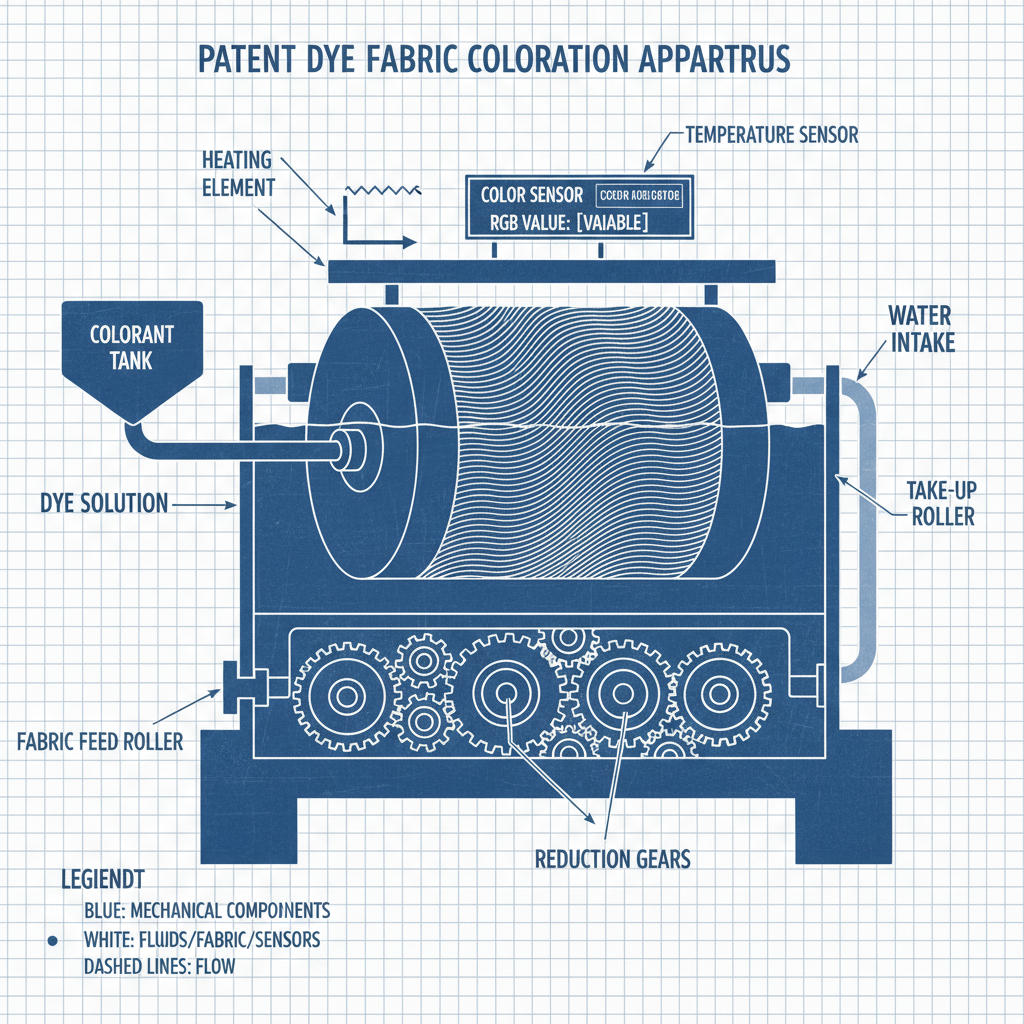
Types of Dyes and Their Applications
Different textile fibers require different types of dyes to achieve optimal colour uptake and fastness. Reactive dyes are widely used for cotton and other cellulose fibers, offering excellent wash fastness and brilliance. Disperse dyes are ideal for polyester, known for their heat resistance and vibrant shades. Acid dyes are commonly employed for wool, silk, and nylon, providing good colour depth but sometimes requiring careful application to prevent uneven dyeing. Vat dyes offer exceptional colour fastness but involve a more complex dyeing process. The selection process depends on the fabric composition, desired end-use, and required performance characteristics. YanHong Chemical offers a comprehensive range of dyes tailored to diverse textile applications.
Key Highlights: Understanding the properties of each dye type and its compatibility with different fibres is fundamental to achieving successful and lasting coloration.
Achieving Colour Fastness: A Critical Factor
Colour fastness refers to the dye’s ability to resist fading or running when exposed to various environmental factors such as washing, light, rubbing, and perspiration. Poor colour fastness leads to diminished product quality and customer dissatisfaction. Several factors influence colour fastness, including dye type, fiber characteristics, dyeing conditions, and after-treatment processes. Pre-treatment of the fabric, using appropriate fixing agents, and optimizing the dyeing process are essential for maximizing colour fastness. YanHong Chemical’s dyes are formulated to deliver exceptional colour fastness, ensuring long-lasting vibrancy.
Factors Influencing Colour Fastness:
• Dye type and quality
• Fiber composition
• Dyeing process parameters (temperature, pH, time)
• After-treatment procedures (fixing agents)
Comparing Dye Types for Cotton Fabrics
For cotton fabrics, several dye types are available, each with its own strengths and weaknesses. Reactive dyes are the most popular choice due to their excellent wash fastness and wide range of colours. Direct dyes offer a simpler application process but have lower wash fastness. Vat dyes provide exceptional fastness but require a more complex and time-consuming process. The choice depends on the desired performance characteristics and cost considerations.
Sustainable Dyeing Practices and Environmental Considerations
The textile industry is facing increasing pressure to adopt more sustainable dyeing practices. Traditional dyeing processes often generate significant amounts of wastewater containing harmful chemicals. Reducing water consumption, minimizing chemical usage, and utilizing eco-friendly dyes are crucial steps towards a more sustainable future. Innovative technologies like digital textile printing and plasma dyeing offer promising alternatives with reduced environmental impact. YanHong Chemical is committed to developing and supplying environmentally responsible dye solutions.
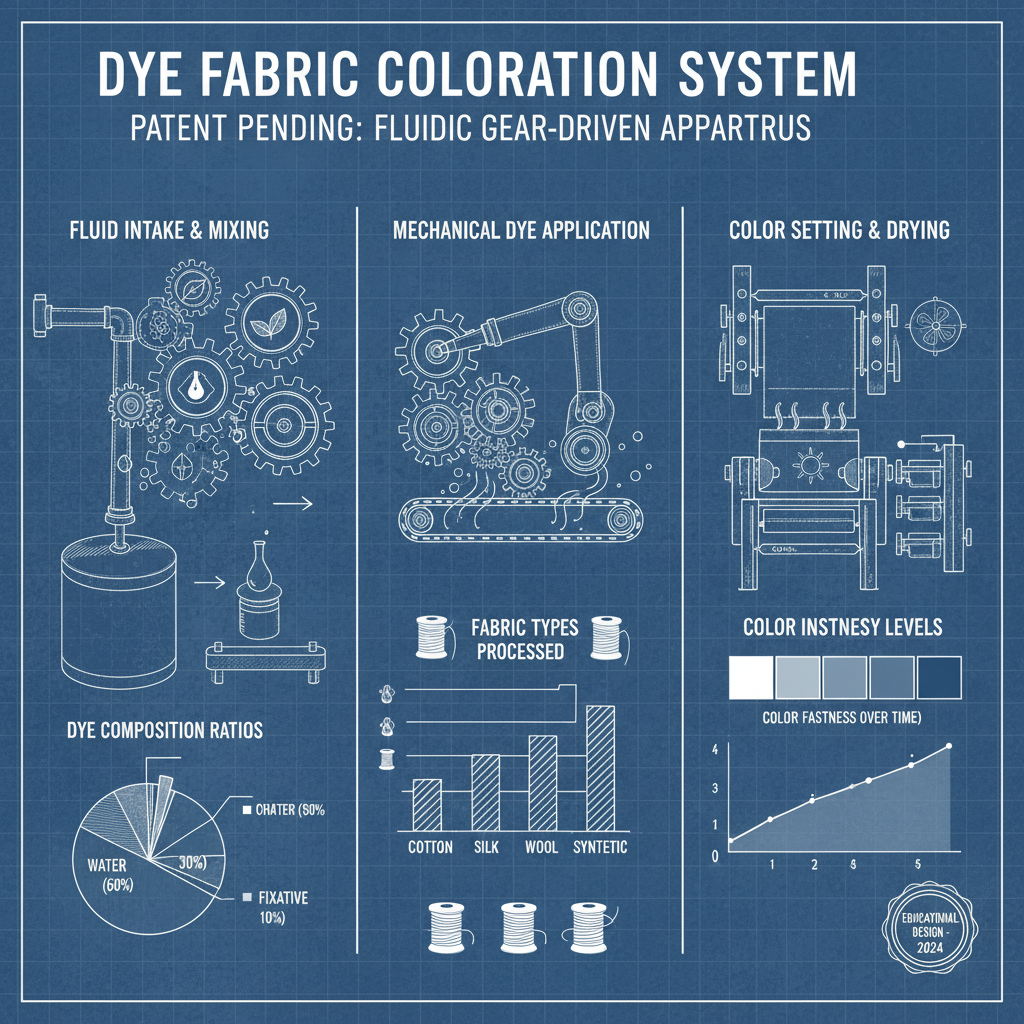
Product Specifications of YanHong Chemical’s Reactive Dyes
Here's a quick overview of the specifications for our popular range of reactive dyes:
Conclusion: Mastering Dye Fabric Colour for Success
Achieving consistent and vibrant dye fabric colour is paramount for textile manufacturers. Understanding dye types, colour fastness, and sustainable practices are crucial for success. YanHong Chemical provides high-quality dyes, expert technical support, and a commitment to environmental responsibility, empowering you to achieve optimal results.
Frequently Asked Questions (FAQs)
What is the best dye for achieving a deep navy blue on cotton?
For a deep navy blue on cotton, reactive dyes are highly recommended. Specifically, a combination of reactive blue dyes will provide the desired shade and excellent wash fastness. The exact dye formulation will depend on the specific shade of navy blue you are aiming for, and factors such as water hardness and pH levels can also influence the final colour. We at YanHong Chemical can provide you with specific dye recipes and technical assistance to achieve your desired navy blue.
How can I minimize water usage during the dyeing process?
Several strategies can reduce water consumption in textile dyeing. These include utilizing high-exhaustion dyeing techniques, optimizing dye bath concentrations, implementing water recycling systems, and exploring alternative dyeing technologies like foam dyeing or supercritical carbon dioxide dyeing. Investing in efficient dyeing machinery and proper process control can also significantly reduce water usage.
What are the benefits of using eco-friendly dyes?
Eco-friendly dyes offer numerous benefits, including reduced environmental impact, lower toxicity, and improved biodegradability. They minimize the release of harmful chemicals into waterways and reduce the risk of health problems for workers and consumers. Using eco-friendly dyes also enhances a company's brand image and appeals to environmentally conscious consumers. YanHong Chemical offers a range of dyes certified to meet strict environmental standards.
How do I ensure consistent colour matching between dye batches?
Consistent colour matching requires precise control of several factors, including dye formulation, dyeing parameters (temperature, pH, time), and water quality. It's essential to use calibrated colour measurement instruments and maintain accurate records of each dye batch. Standardized pre-treatment processes and regular quality control checks are also crucial. YanHong Chemical provides technical support to assist customers in achieving consistent colour matching.
-
Reliable Powdered Fabric Dye for Industrial Textile ApplicationsNewsJan. 04, 2026
-
Comprehensive Guide to Synthetic Fiber Dye Selection and ApplicationNewsMar. 11, 2026
-
Bulk Fabric Dye: Quality and Choices for Industrial Textile ProcessingNewsDec. 03, 2025
-
Comprehensive Guide to Choosing the Best Ivory Dye for Clothes and FabricsNewsMar. 24, 2026
-
China Fabric Dye Manufacturers: Eco, High-Fastness, OEMNewsDec. 13, 2025
-
Comprehensive Guide to Choosing the Best White Dye for ClothesNewsMar. 28, 2026












