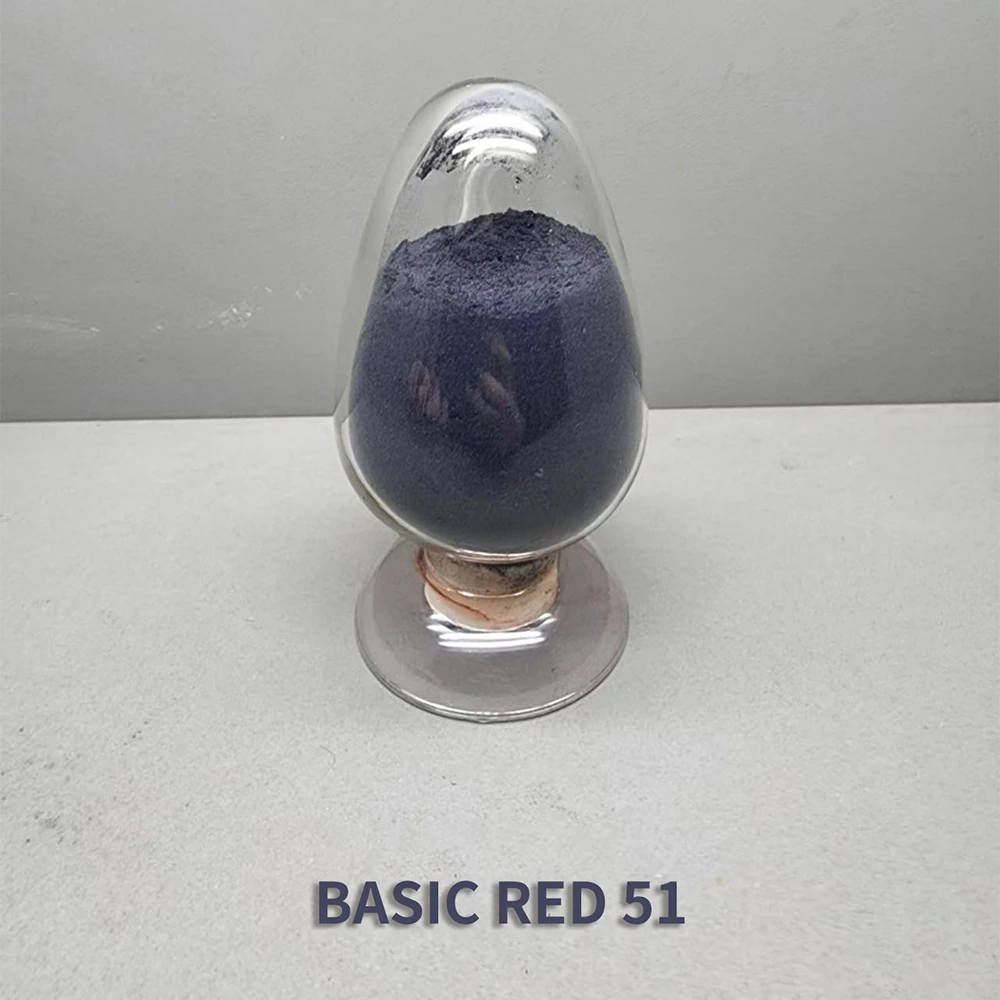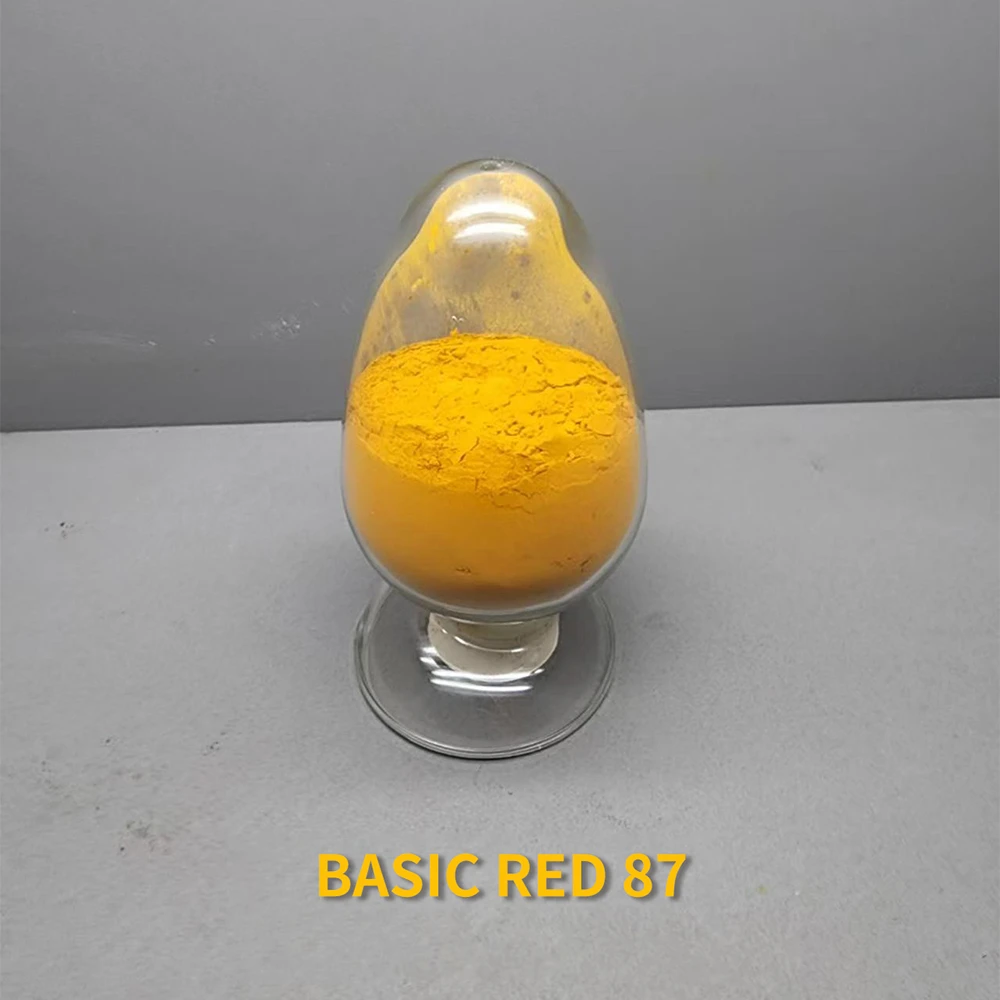
Bulk Fabric Dye: Quality and Choices for Industrial Textile Processing
Why Bulk Fabric Dye Remains Essential in Industrial Textile Processing
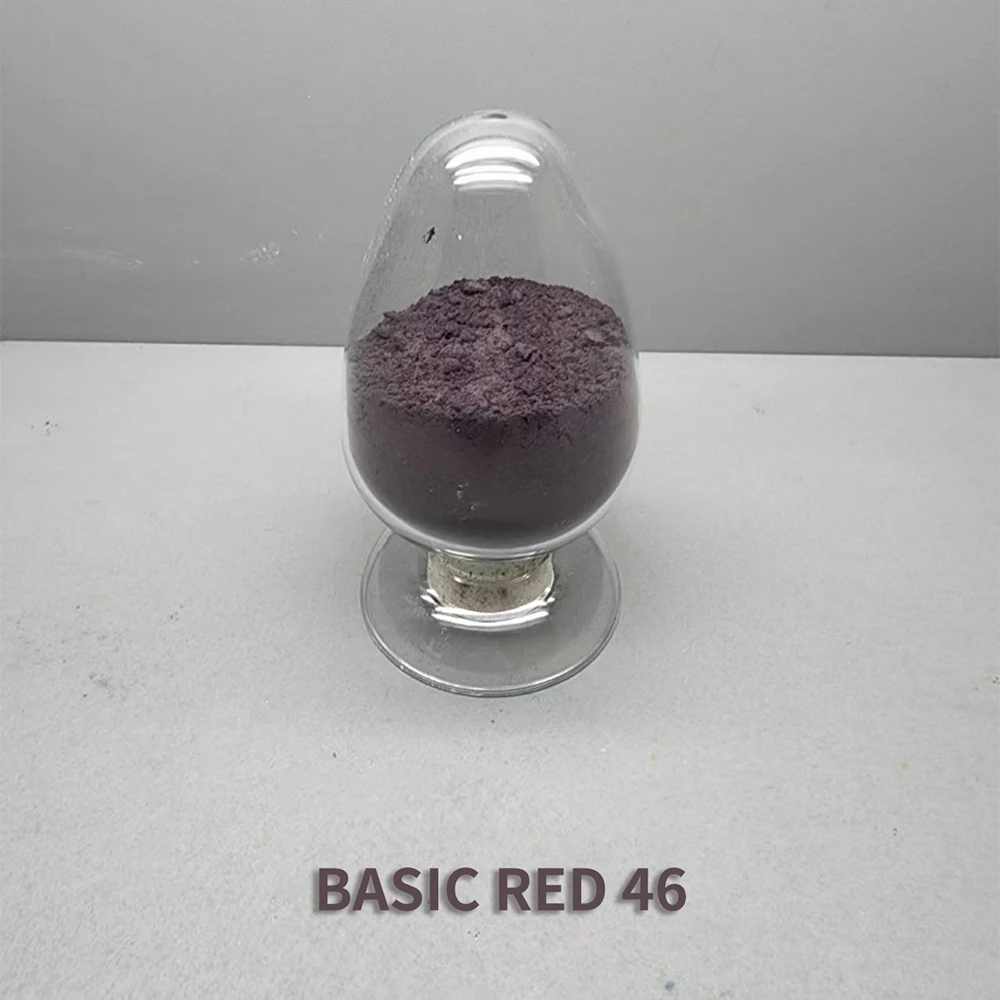
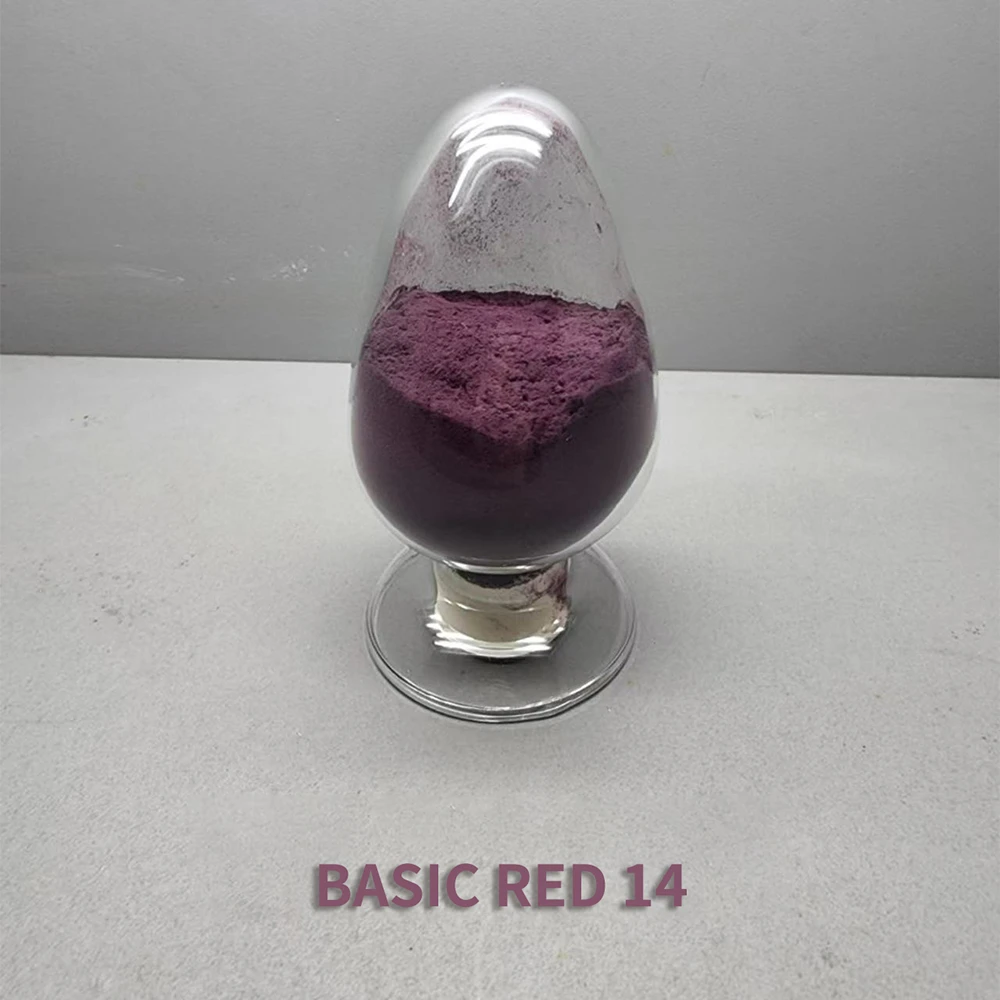
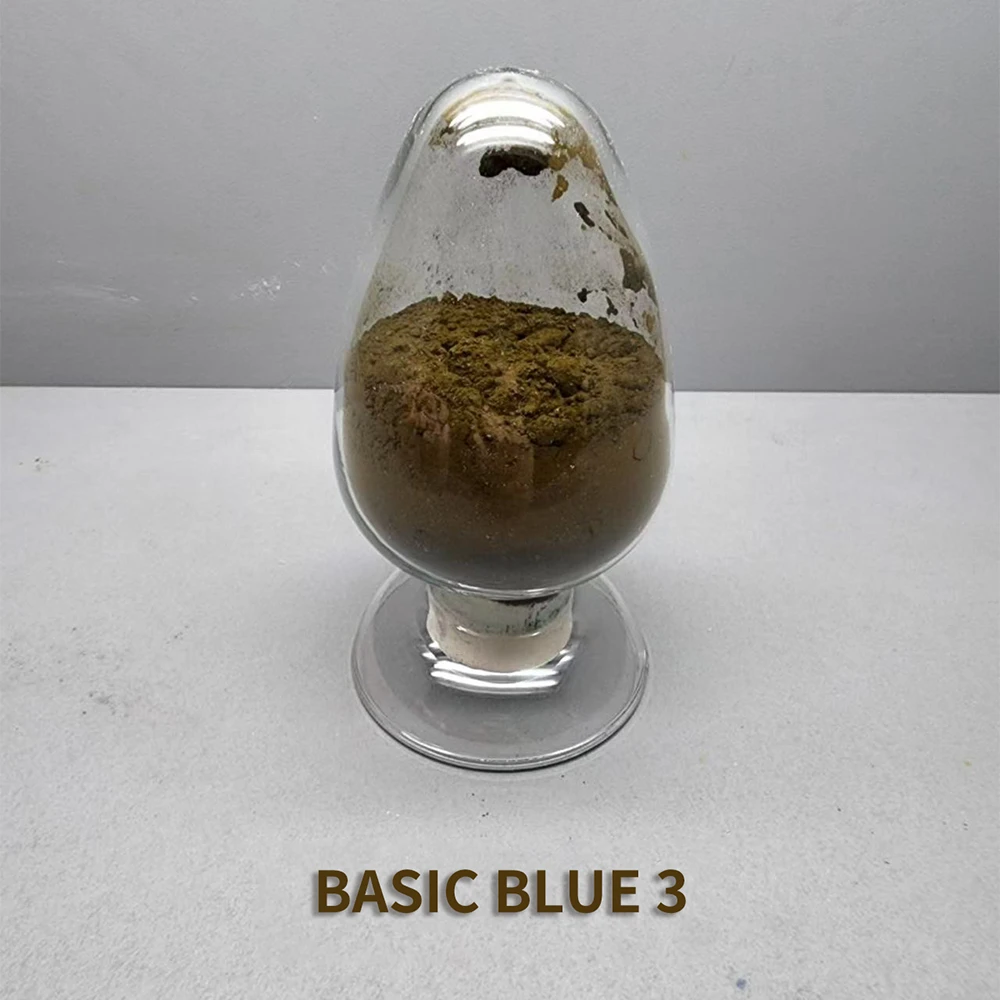
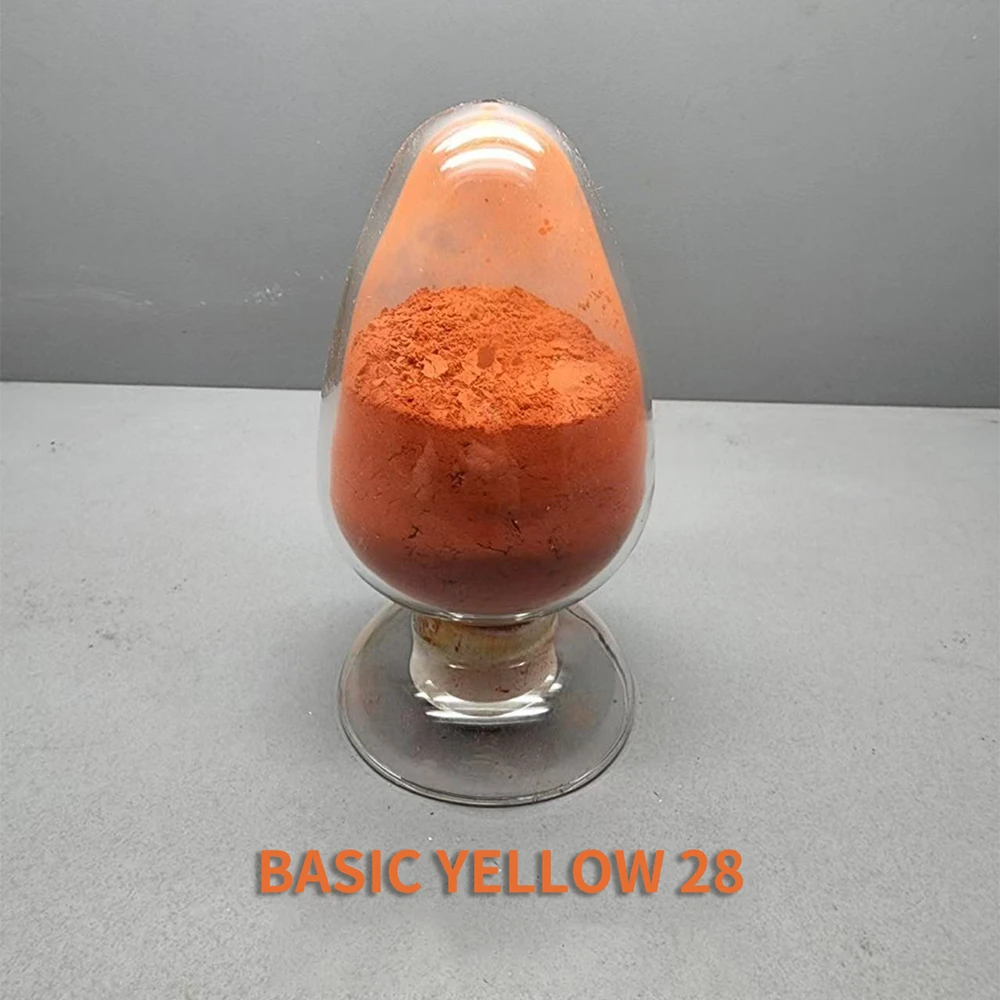
After over a decade working closely with industrial textile suppliers and manufacturers, I can say bulk fabric dye is one of those no-nonsense staples that keeps the machine humming. Frankly, in textile production, the quality and consistency of bulk fabric dye can make or break an operation’s efficiency. You might think all dyes are the same, but odd as it sounds, I’ve seen how subtle differences in formula or particle size can drastically impact colorfastness and fabric feel.
Most plants I’ve visited rely on reactive and vat dyes, especially for cotton and synthetic blends. These dyes offer a durable finish, better shade uniformity, and less waste — crucial when you’re doing large runs. The technical specs of bulk fabric dye are important, so let’s glance over some typical parameters manufacturers watch closely.
| Property | Typical Value |
|---|---|
| Type | Reactive / Vat / Direct |
| Color Range | Broad (Over 200 shades) |
| Solubility | Water-soluble powders |
| Particle Size | Micronized, 15-30 μm |
| Moisture Content | Below 2% |
| pH Range | 6 – 8 (aqueous solution) |
Testing and quality control vary by supplier. I recall a facility that switched to a bulk dye variant with a tighter particle size distribution — the difference in dye bath uniformity was clear, and they cut down re-dye percentages nearly 15%. You know, it’s these engineering details that folks outside the sector might overlook.
When choosing a vendor, several elements come into play: product quality, delivery reliability, technical support, and price competitiveness. Here’s a quick rundown comparing a few reputable suppliers I’ve worked with (names anonymized for clarity):
| Criteria | Supplier A | Supplier B | Supplier C |
|---|---|---|---|
| Color Consistency | Excellent | Good | Good |
| Delivery Time | 2-3 days | 5-7 days | 4 days |
| Technical Support | 24/7 Consultation | Business hours only | Limited |
| Pricing | Mid-range | Lowest | Highest |
| Customization Options | Extensive | Standard only | Limited |
Of course, the balance between quality and cost depends on your product goals. I once worked with a mid-sized mill that chose Supplier A’s bulk dyes because their 24/7 technical assistance helped streamline troubleshooting during a major color line changeover. It felt like a small insurance policy in a business where downtime can rack up serious losses.
Customization in bulk fabric dye is particularly interesting. More suppliers nowadays offer tailored solutions — whether that means adjusting shade depth to match a brand’s exact color swatch or optimizing chemical composition for fabric blends. Frankly, this level of flexibility wasn’t as common a decade ago.
To sum up, bulk fabric dye might sound straightforward, but its impact spans quality, operational reliability, and even sustainability efforts. Choosing the right product and partner requires looking beyond price tags and into proven performance, technical support, and product consistency. There’s a lot riding on what can feel like a simple bag of powder… but as many engineers say, “The devil’s in the dye.”
Before closing, one quick note on sourcing — suppliers like bulk fabric dye manufacturers who also prioritize R&D efforts help drive new formulations that lower water usage and environmental footprint. That’s a trend you’ll want to watch in the coming years.
Feel free to weigh your needs carefully and take your time; bulk fabric dye might be just one step in your process, but it sure helps set the tone.
References:
- Industry Textile Chemical Handbook, 2022 Edition
- “Innovations in Dye Technology,” Textile World Journal, March 2023
- Personal interviews and plant visits, 2015–2023
-
Dye Sublimation Fabric: Durable & High-Performance Fabrics for Industry | YanhongchemNewsJan. 02, 2026
-
Basic Yellow 2 Dye - High Purity, Bright Shade, FastnessNewsDec. 13, 2025
-
Fabric Dye For Furniture: Durable, Sustainable Solutions for B2B ManufacturersNewsDec. 08, 2025
-
Durable Taupe Fabric Dye for Industrial Use | Expert InsightsNewsJan. 01, 2026
-
Comprehensive Guide to CI 42520: Industrial and Humanitarian ApplicationsNewsDec. 03, 2025
-
Comprehensive Guide to Orange Fabric Dye for Industrial Use | YanhongchemNewsDec. 05, 2025