Comprehensive Guide to Choosing the Best Ivory Dye for Clothes and Fabrics
Choosing the Right Ivory Dye for Clothes: A Comprehensive Guide
Finding the perfect ivory dye for clothes can revitalize faded garments or transform existing pieces into something new and beautiful. The right dye can make all the difference, offering lasting color and vibrancy. This article will explore the world of ivory dyes, covering different types, application techniques, fabric compatibility, and tips for achieving optimal results. We’ll also showcase how YanHong Chemical provides high-quality dyes for all your textile needs. Selecting a suitable dye is crucial for a successful and satisfying dyeing experience.
Understanding Different Types of Ivory Dye
The market offers a variety of ivory dye for clothes, each with its own strengths and weaknesses. The primary categories include all-purpose dyes, fiber-reactive dyes, and natural dyes. All-purpose dyes are convenient for a wide range of fabrics but may not offer the most vibrant or long-lasting results. Fiber-reactive dyes, like reactive dyes, bond directly with the fabric fibers, creating a permanent and wash-fast color – ideal for cotton, linen, and rayon. Natural dyes, derived from plants or minerals, offer a unique, eco-friendly option, though they often require more complex application processes and may not be as colorfast. Consider the fabric type and desired level of permanence when choosing a dye.
Key Highlights: Choosing the right dye depends on fabric type, desired color intensity, and desired longevity of the color.
Fabric Compatibility: Choosing the Right Dye for Your Clothes
Not all dyes work well with all fabrics. Synthetic fabrics like polyester and acrylic require specialized disperse dyes, while natural fibers like cotton and linen respond well to fiber-reactive dyes. Silk and wool are best dyed with acid dyes. Using the wrong type of dye can result in uneven coloring, poor wash fastness, or even damage to the fabric. Always check the dye packaging to ensure it’s compatible with the material you intend to dye. Consider pre-treating the fabric to improve dye absorption, especially for synthetics.
Fabric & Dye Compatibility:
• Cotton, Linen, Rayon: Fiber-Reactive Dyes
• Polyester, Acrylic: Disperse Dyes
• Silk, Wool: Acid Dyes
• All-Purpose Dyes: Suitable for mixed fabrics, but results may vary.
Application Techniques for Ivory Dye for Clothes
The application method significantly impacts the final result. Common techniques include direct application in a washing machine, stovetop dyeing, and immersion dyeing in a dedicated dye bath. Machine dyeing is convenient but offers less control over the process. Stovetop dyeing provides consistent heat for optimal dye absorption but requires careful monitoring. Immersion dyeing allows for even color distribution and is ideal for larger items. Regardless of the method, ensuring the dye is fully dissolved and the fabric is thoroughly wetted is crucial for even coloring. Remember to follow the manufacturer's instructions carefully.
YanHong Chemical: Your Trusted Source for High-Quality Ivory Dyes
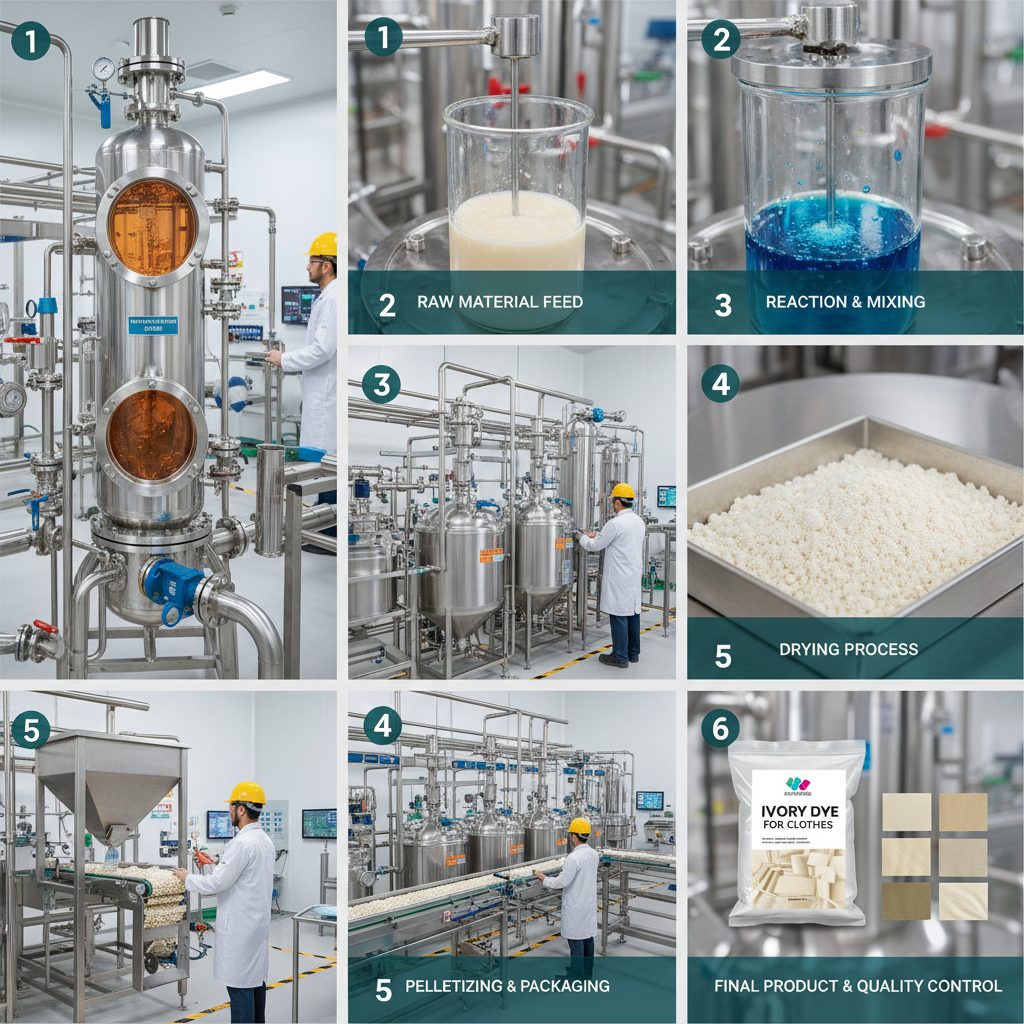
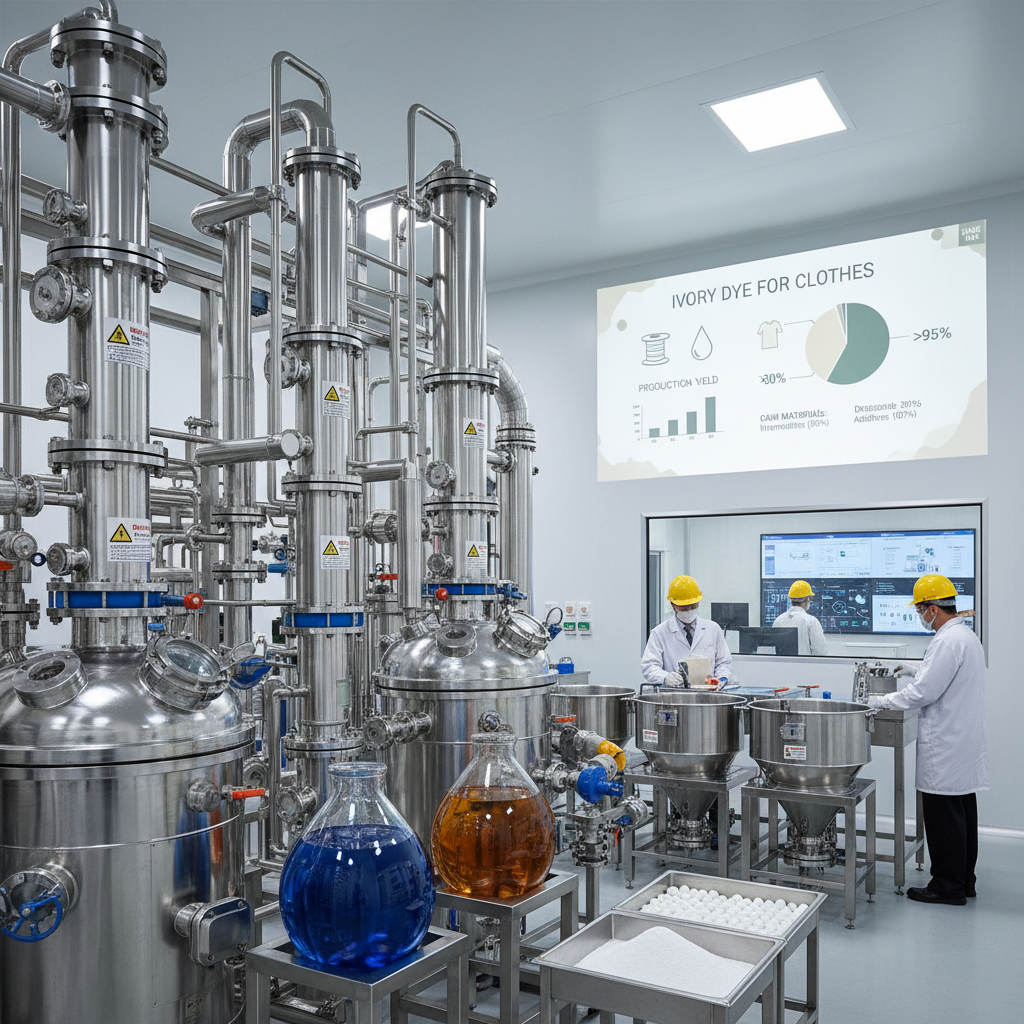
At YanHong Chemical, we specialize in providing a wide range of high-quality dyes, including a beautiful selection of ivory dye for clothes. We offer various dye types to suit different fabrics and application methods, ensuring vibrant, long-lasting color. Our commitment to quality control and customer satisfaction makes us a trusted partner for textile professionals and DIY enthusiasts alike. Explore our catalog today and discover the perfect dye for your next project.
Conclusion: Achieving the Perfect Ivory Hue
Choosing the right ivory dye for clothes involves understanding fabric types, dye categories, and application techniques. With the right knowledge and high-quality dyes from YanHong Chemical, you can achieve beautiful, lasting results. Don’t hesitate to explore our offerings and transform your wardrobe with ease.
Frequently Asked Questions (FAQs)
Will ivory dye work on all fabrics?
No, ivory dye, like all dyes, doesn’t work equally well on all fabrics. Natural fibers like cotton, linen, and silk generally dye best, but synthetic fibers like polyester and acrylic require specific disperse dyes. Always check the dye packaging to ensure compatibility with your fabric. Using the wrong dye can lead to poor color absorption and wash fastness. Pre-treating the fabric can also improve dye uptake, particularly for synthetics. YanHong Chemical offers a variety of dyes tailored to different fabric types, ensuring optimal results for your projects. Choosing a dye specifically formulated for your fabric is crucial for achieving a vibrant and lasting color.
How can I prevent uneven coloring when dyeing clothes?
Uneven coloring can occur if the dye isn't fully dissolved, the fabric isn't adequately wetted, or there isn't enough agitation during the dyeing process. To prevent this, ensure the dye powder is completely dissolved in hot water before adding the fabric. Thoroughly wet the fabric to allow for even dye absorption. Stir or agitate the fabric frequently throughout the dyeing process to ensure the dye penetrates evenly. Using a dye fixative after dyeing can also help improve colorfastness and evenness. Following the manufacturer's instructions carefully and using a quality dye from a reputable source like YanHong Chemical can significantly reduce the risk of uneven coloring.
How do I wash dyed clothes to prevent fading?
To prevent fading, wash dyed clothes in cold water with a mild detergent. Avoid using bleach or harsh chemicals, as these can strip the color. Turn the garment inside out before washing to protect the dyed surface. Air drying is preferable to using a machine dryer, as the heat can also cause fading. Consider using a color-safe detergent specifically designed for dyed fabrics. Following these washing instructions will help preserve the vibrancy of your dyed clothes for longer. The quality of the dye itself also plays a role – dyes from YanHong Chemical are formulated for excellent wash fastness.
Are natural ivory dyes as colorfast as synthetic dyes?
Generally, natural ivory dyes are less colorfast than synthetic dyes. They tend to fade more quickly with washing and exposure to sunlight. However, advancements in natural dyeing techniques and mordants (substances that help bind the dye to the fabric) can improve colorfastness. Synthetic dyes, particularly fiber-reactive dyes, offer superior wash fastness and color intensity. The choice between natural and synthetic dyes depends on your priorities – if eco-friendliness is paramount, natural dyes are a good option, but be prepared for potential fading. YanHong Chemical offers both natural and synthetic dyes, allowing you to choose the best option for your needs.
-
Durable Fabric Dye for Outdoor Cushions – UV & Water Resistant SolutionsNewsDec. 09, 2025
-
Neon Pink Fabric Dye – Vibrant, Durable, and Sustainable Textile Solutions | YanhongChemNewsDec. 12, 2025
-
Reliable Powdered Fabric Dye for Industrial Textile ApplicationsNewsJan. 04, 2026
-
Comprehensive Guide to Black Fabric Dye – Durability, Sustainability & Industry InsightsNewsDec. 03, 2025
-
Achieve Vibrant Results with Premium Sky Blue Dye for ClothesNewsMar. 21, 2026
-
Teal Fabric Dye: Durable Industrial Solutions for Textile ApplicationsNewsDec. 07, 2025