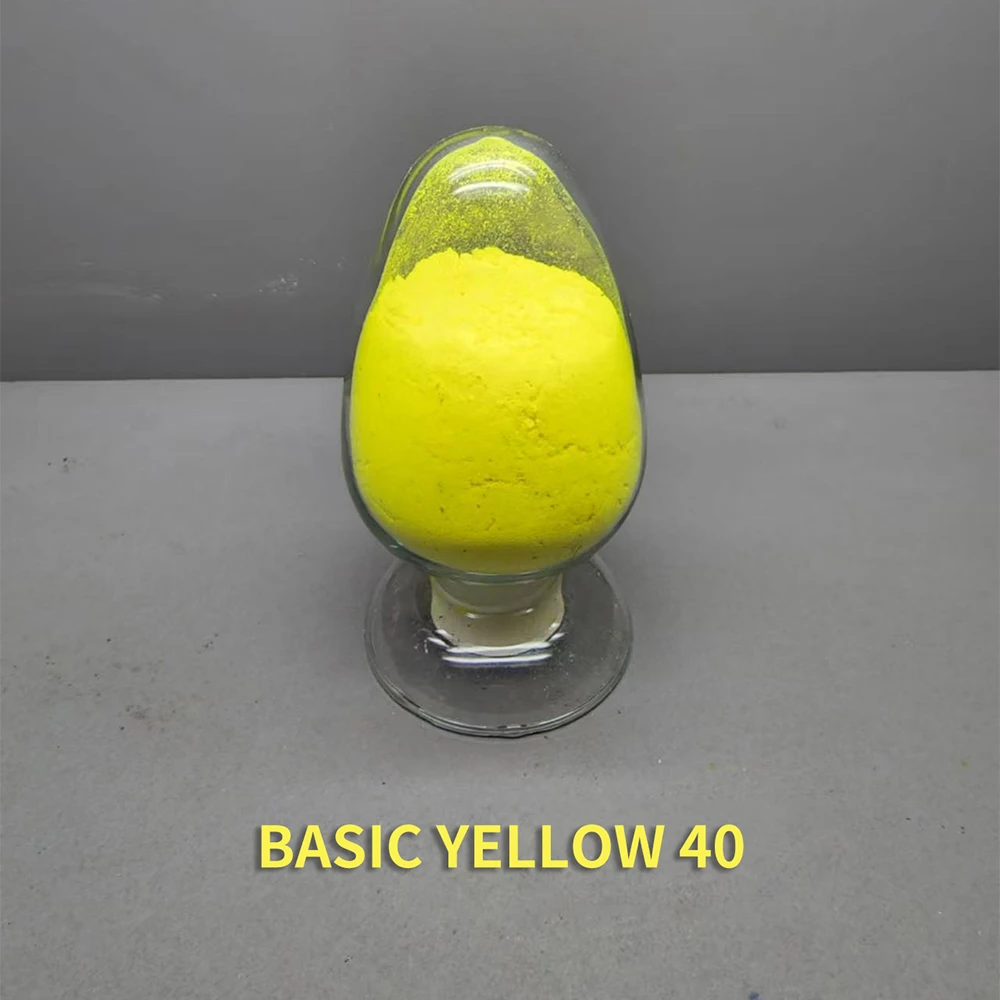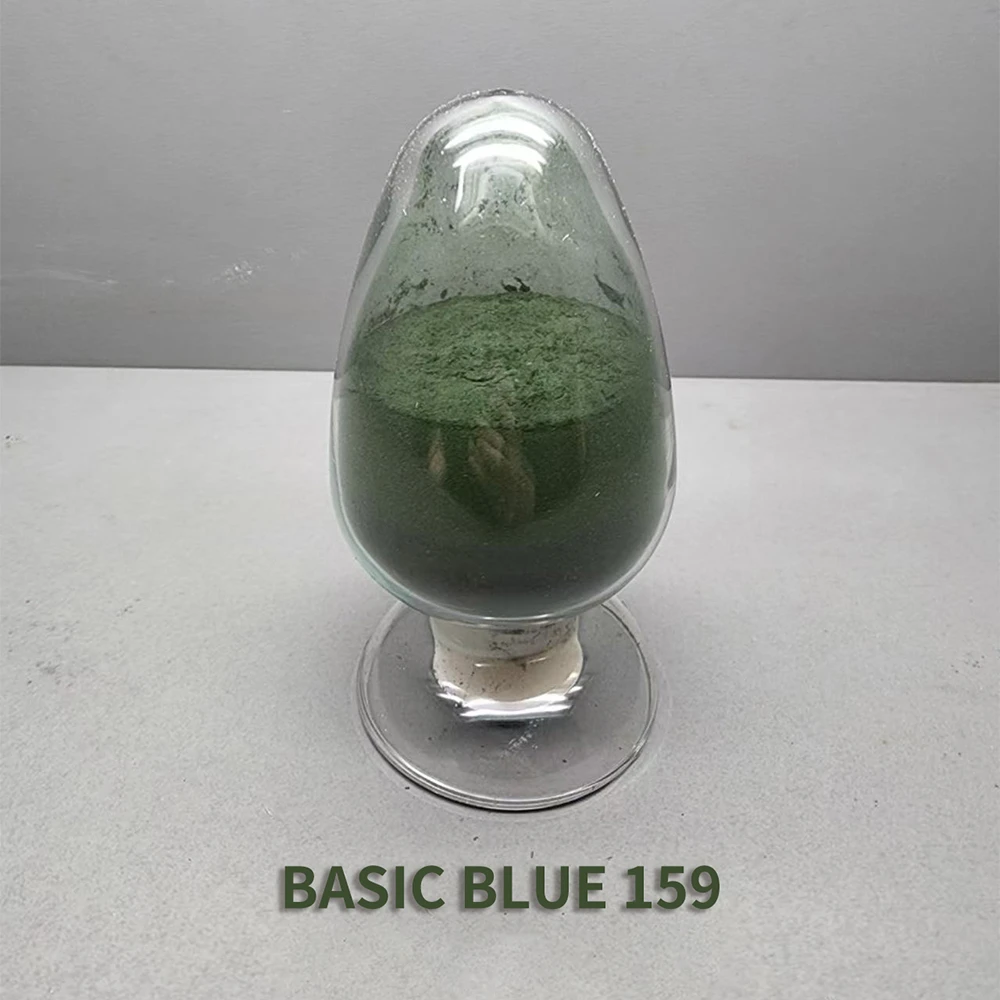
Exploring the World of Synthetic Dyes Applications and Industrial Sourcing
Understanding Synthetic Dyes: Applications, Types, and Sourcing
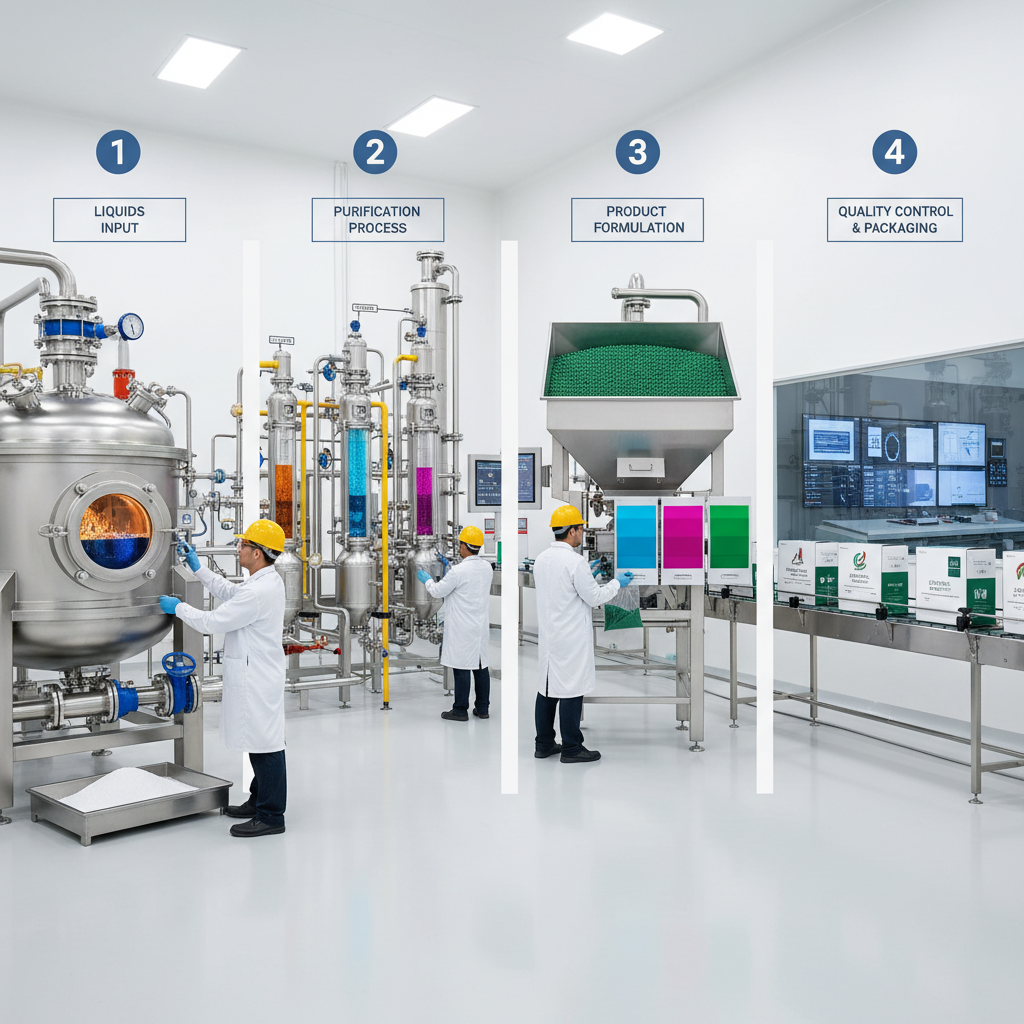
Synthetic dyes have revolutionized the textile, food, pharmaceutical, and numerous other industries, offering a vibrant and cost-effective alternative to natural dyes. These compounds, created through chemical synthesis, deliver consistent color and a broader spectrum of shades. At YanHong Chemical, we specialize in the production and supply of high-quality synthetic dyes, catering to diverse industrial needs. This article explores the world of synthetic dyes, covering their types, applications, and the importance of reliable sourcing.
A Historical Perspective: From Natural Extracts to Chemical Synthesis
For centuries, dyes were derived from natural sources – plants, animals, and minerals. While these provided beautiful colors, they were often inconsistent in quality, limited in shade range, and expensive to produce. The discovery of mauveine in 1856 by William Henry Perkin marked the beginning of the synthetic dye industry. This accidental discovery, derived from coal tar, opened the door to a new era of vibrant, affordable, and readily available dyes. The subsequent development of azo dyes, anthraquinone dyes, and others transformed industries reliant on coloration.
Types of Synthetic Dyes: A Comprehensive Overview
Synthetic dyes are categorized based on their chemical structure and application method. Key types include:
- Azo Dyes: The most prevalent class, known for their bright colors and versatility. Used extensively in textiles, leather, and paper.
- Anthraquinone Dyes: Characterized by excellent lightfastness and wash fastness. Commonly used for high-performance applications, like automotive textiles.
- Triarylmethane Dyes: Offer brilliant, intense shades, but generally have lower fastness properties. Often used in inks and specialized applications.
- Acid Dyes: Applied to protein fibers like wool and silk, known for their brilliance and leveling properties.
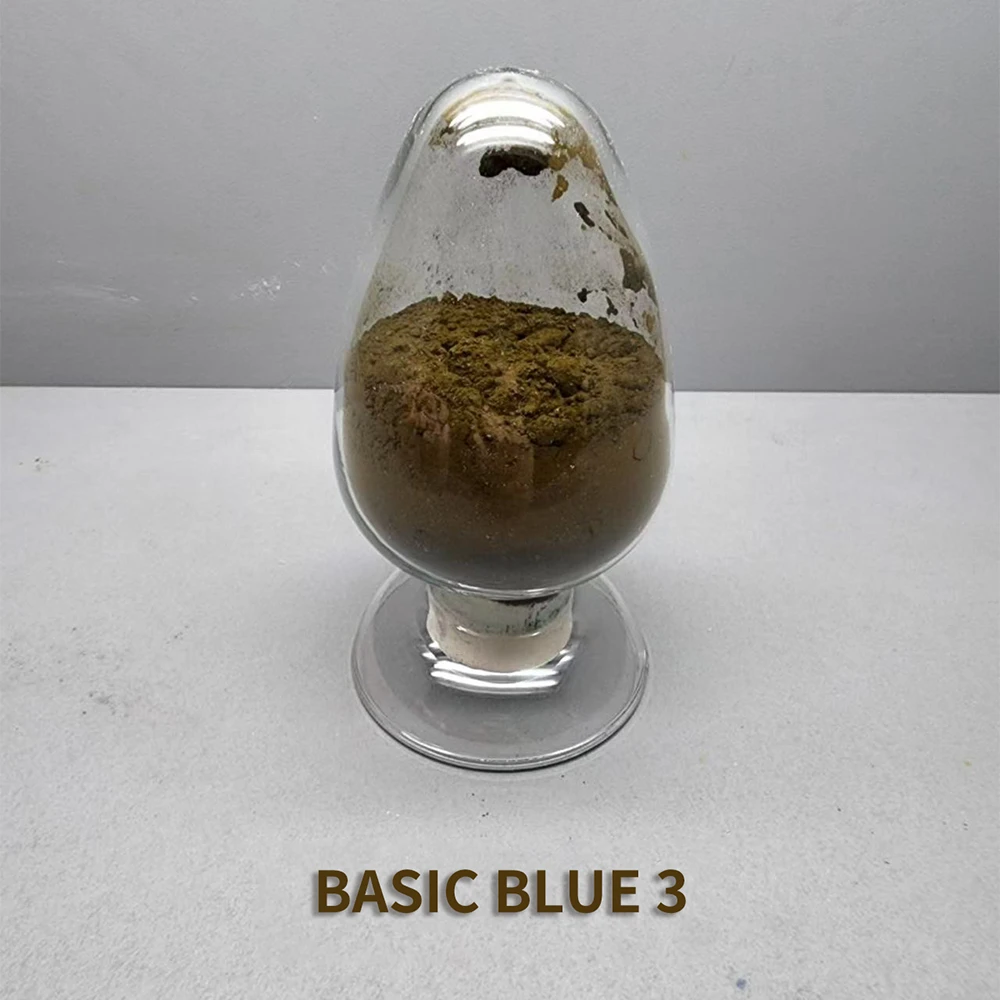
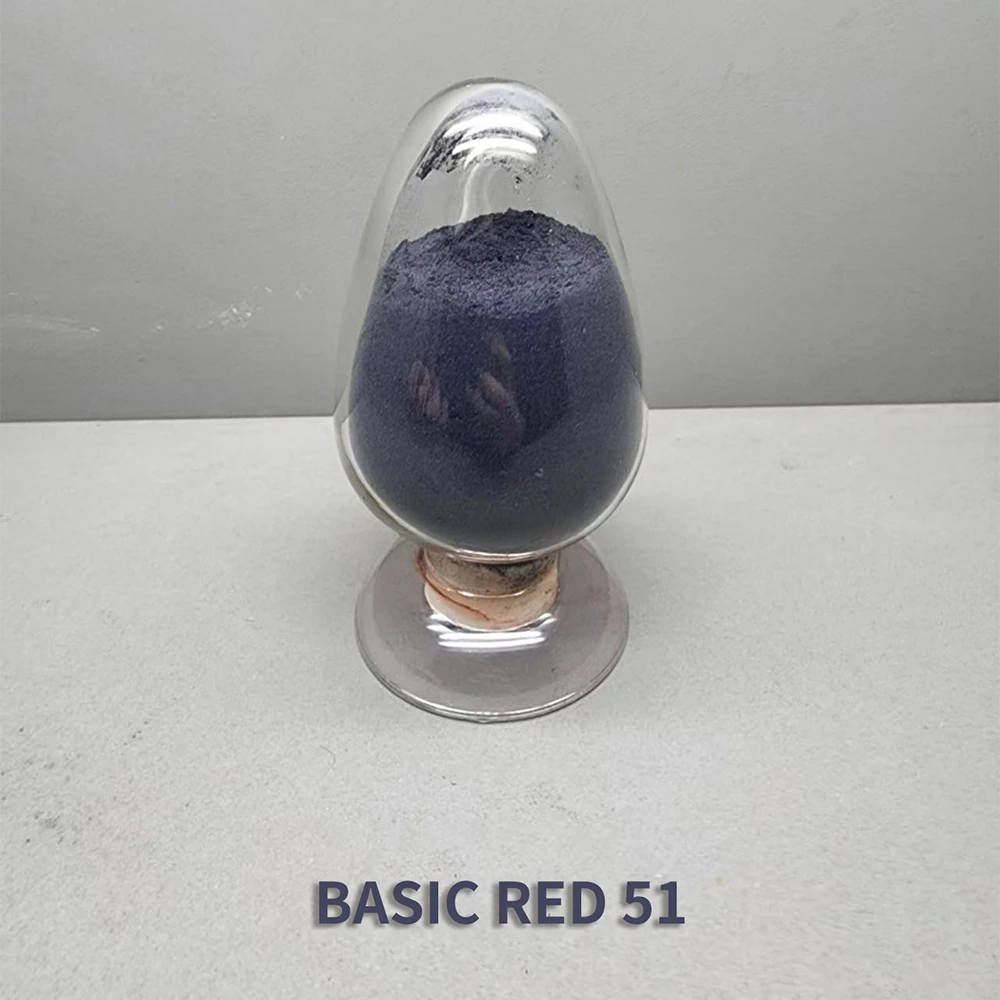
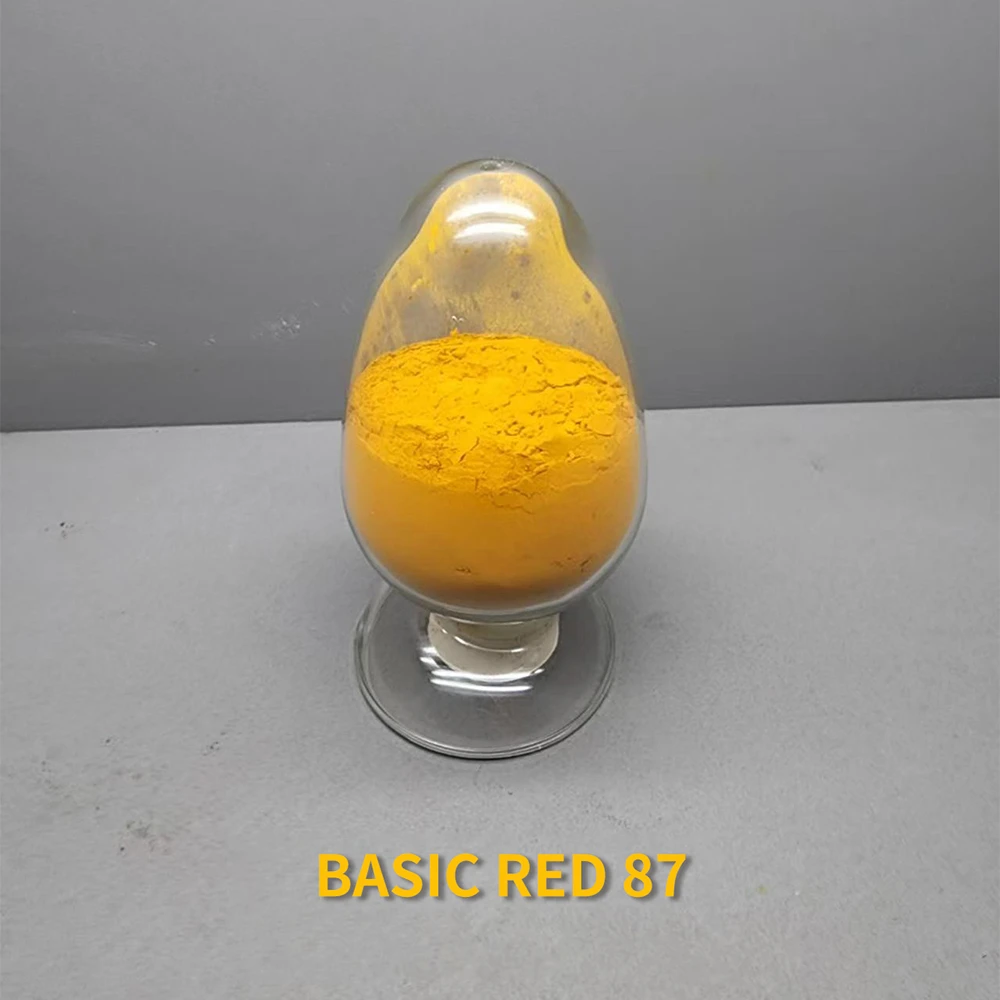
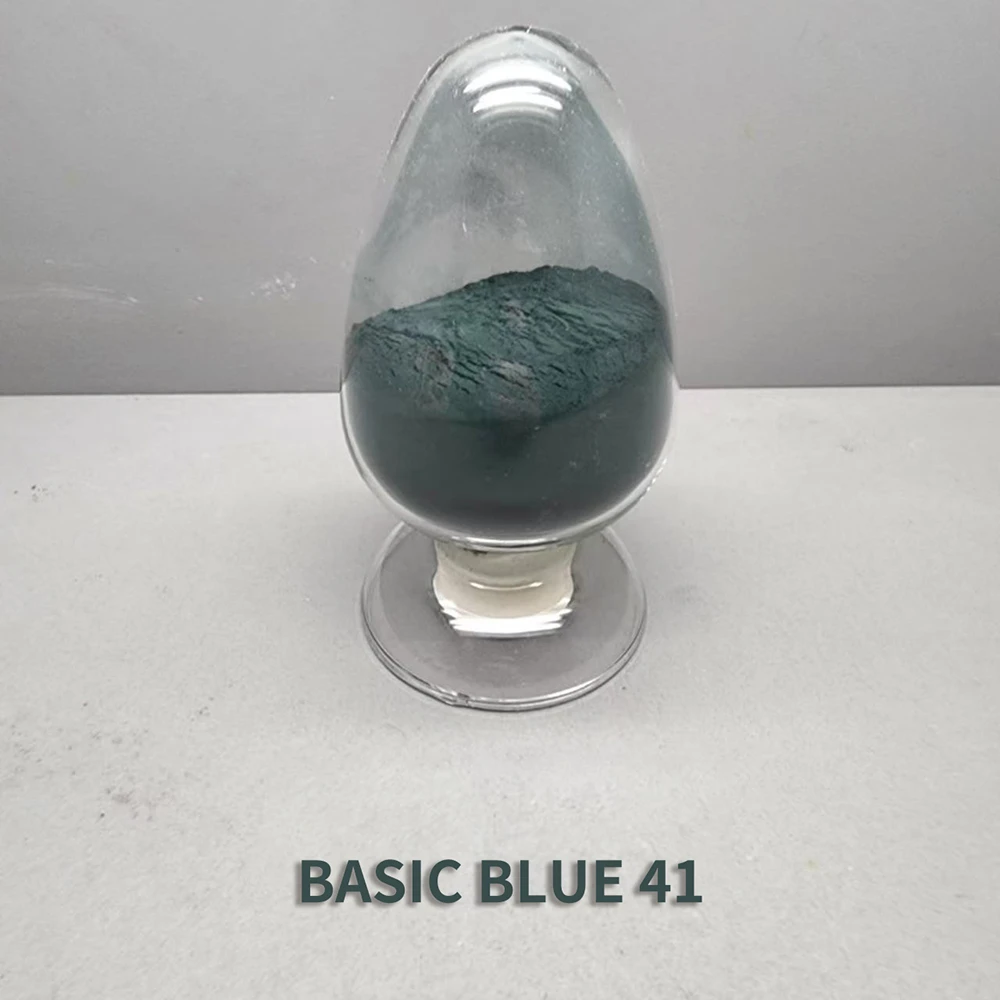
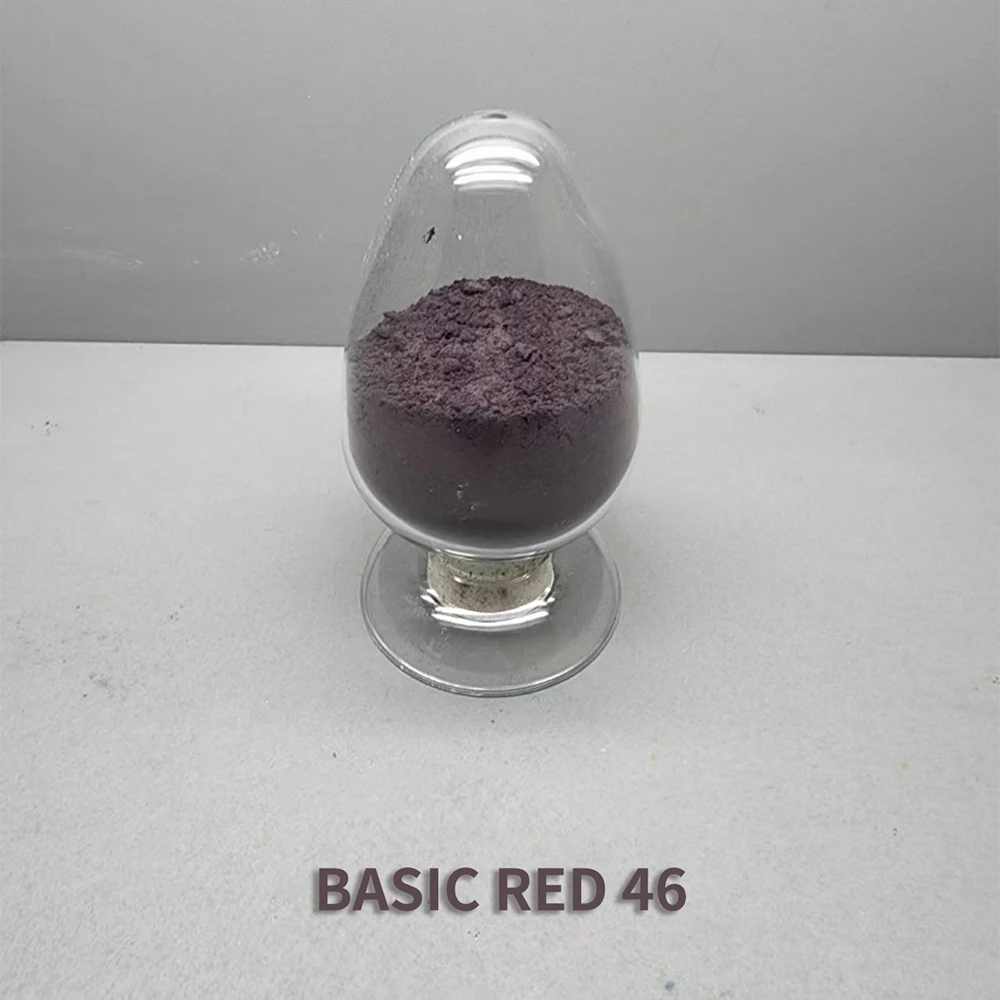
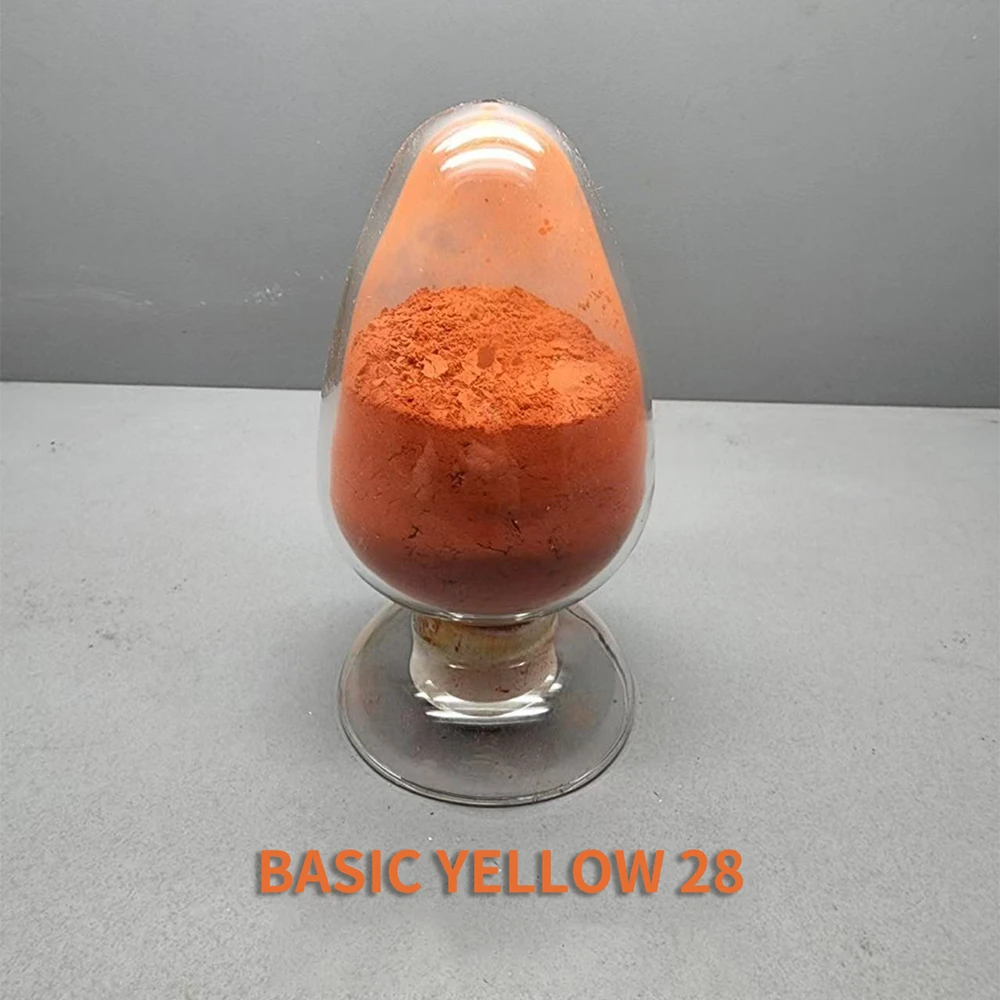
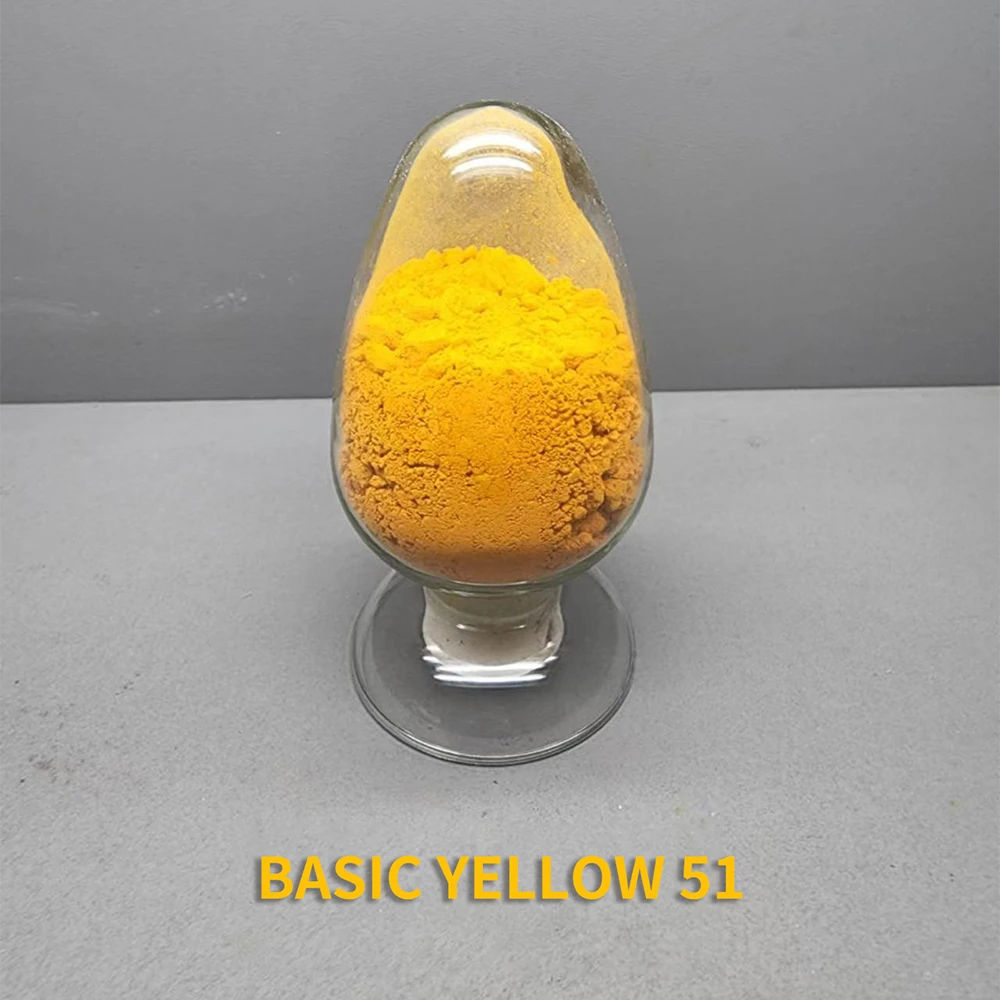
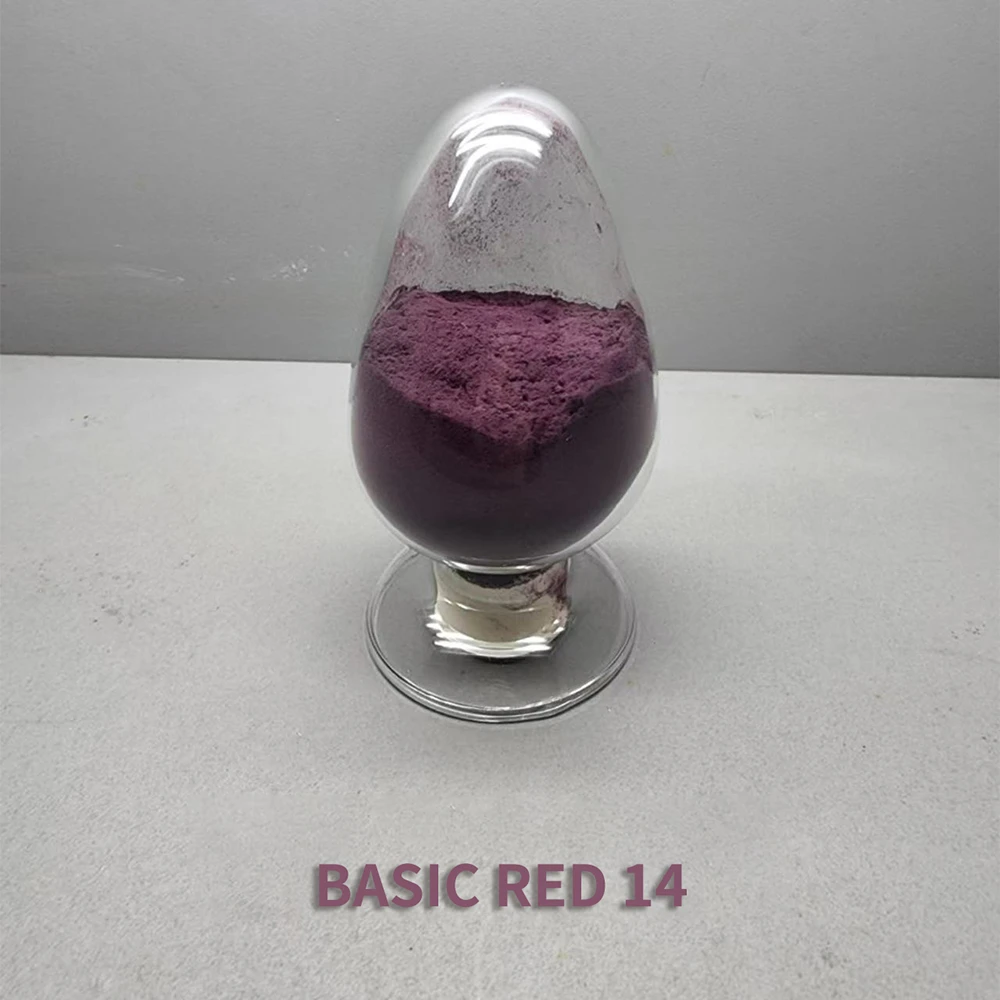
- Basic Dyes: Used for acrylic fibers, offering strong, bright colors, but often have poor lightfastness.
- Disperse Dyes: Used for polyester and other synthetic fibers, requiring a dispersing agent for application.
Applications of Synthetic Dyes Across Industries
The applications of synthetic dyes are remarkably diverse. Here's a breakdown by industry:
Choosing the Right Synthetic Dye Supplier: Key Considerations
Selecting a reliable supplier is critical for ensuring the quality and consistency of your products. Look for a supplier that:
- Offers a Wide Range of Dyes: Catering to diverse application needs.
- Provides Consistent Quality: Through rigorous quality control measures.
- Adheres to Regulatory Standards: Ensuring compliance with environmental and safety regulations.
- Offers Competitive Pricing: Providing cost-effective solutions without compromising quality.
- Provides Excellent Technical Support: Assisting with dye selection and application.
Environmental Considerations & Sustainable Dyeing Practices
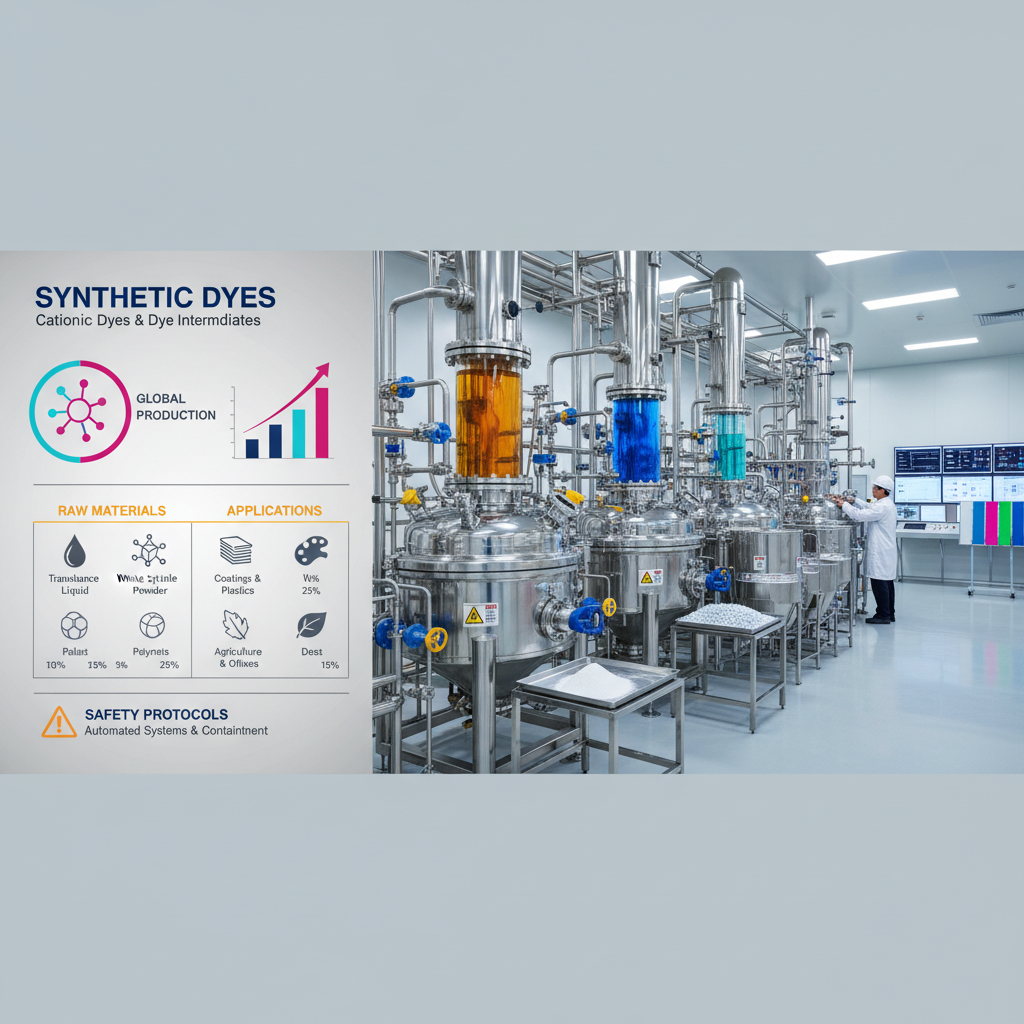
The production and use of synthetic dyes have environmental implications. Concerns include wastewater discharge and the potential for harmful byproducts. Sustainable dyeing practices focus on reducing water consumption, utilizing eco-friendly dyes, and implementing effective wastewater treatment technologies. At YanHong Chemical, we are committed to responsible manufacturing and offer dyes that meet stringent environmental standards.
Conclusion: The Future of Synthetic Dye Technology
Synthetic dyes continue to play a vital role in countless industries. Advancements in dye chemistry are focused on developing more sustainable, high-performance, and environmentally friendly solutions. Choosing a reliable and responsible supplier, like YanHong Chemical, is crucial for achieving optimal results and contributing to a more sustainable future.
Frequently Asked Questions (FAQs)
What are the main environmental concerns associated with synthetic dyes?
The primary environmental concerns revolve around wastewater pollution caused by dye effluents. These effluents often contain heavy metals and other toxic substances that can harm aquatic ecosystems. Additionally, the production of some dyes involves the use of hazardous chemicals and can contribute to air pollution. Sustainable dyeing practices and effective wastewater treatment are essential to mitigate these risks. Choosing dyes from suppliers committed to environmental responsibility, like YanHong Chemical, helps minimize your environmental footprint.
How do I ensure the dye I select is suitable for my specific application?
Selecting the right dye requires considering several factors, including the fiber type (e.g., cotton, polyester, wool), the desired color shade, the required fastness properties (e.g., wash fastness, lightfastness), and the application method. Consulting with a dye specialist or technical support team at a reputable supplier like YanHong Chemical is highly recommended. They can provide expert guidance based on your specific needs and help you choose the most appropriate dye.
What is the difference between direct dyes and reactive dyes?
Both direct and reactive dyes are used for cellulosic fibers like cotton, but they differ in their application and fastness properties. Direct dyes are simpler to apply but have lower wash fastness – meaning they are more likely to bleed during washing. Reactive dyes, on the other hand, form a covalent bond with the fiber, resulting in excellent wash fastness and brighter colors. Reactive dyes typically require more complex application processes but offer superior performance.
Are synthetic dyes regulated, and what should I be aware of?
Yes, synthetic dyes are subject to various regulations, depending on the application. For example, dyes used in food and cosmetics are strictly regulated by agencies like the FDA in the United States and EFSA in Europe. Textile dyes are often subject to regulations concerning restricted substances, such as azo dyes that can release harmful aromatic amines. It's crucial to ensure that your dye supplier complies with all relevant regulations and provides documentation verifying the safety and compliance of their products.
-
High-Performance Lilac Fabric Dye for Industrial Textile Applications | Yanhong ChemicalNewsDec. 13, 2025
-
Reliable Fabric Color Dye Insights for Industrial ApplicationsNewsDec. 07, 2025
-
Comprehensive Guide to Fabric Dye Price Factors and Optimization StrategiesNewsFeb. 27, 2026
-
High-Performance Yellow Fabric Dye Solutions for Industrial Textiles | YanhongchemNewsDec. 08, 2025
-
Gold Fabric Dye: Durable, Sustainable, and Luxurious Textile SolutionsNewsDec. 07, 2025
-
Sage Green Fabric Dye: Durable and Eco-Friendly Textile ColoringNewsDec. 05, 2025