Comprehensive Guide to Fabric Dye Price Factors and Optimization Strategies
Understanding Fabric Dye Price: A Comprehensive Guide
Navigating the world of textile manufacturing often begins with understanding the cost of fabric dye price. This is a critical factor influencing production budgets and ultimately, product pricing. At YanHong Chemical, we specialize in providing high-quality dyes for a diverse range of fabrics, offering competitive pricing and expert guidance. This article will delve into the factors impacting fabric dye prices, explore different dye types and their costs, and provide insights for optimizing your dye purchasing strategy. Choosing the right dye supplier and understanding price fluctuations are key to successful textile production.
Factors Influencing Fabric Dye Price
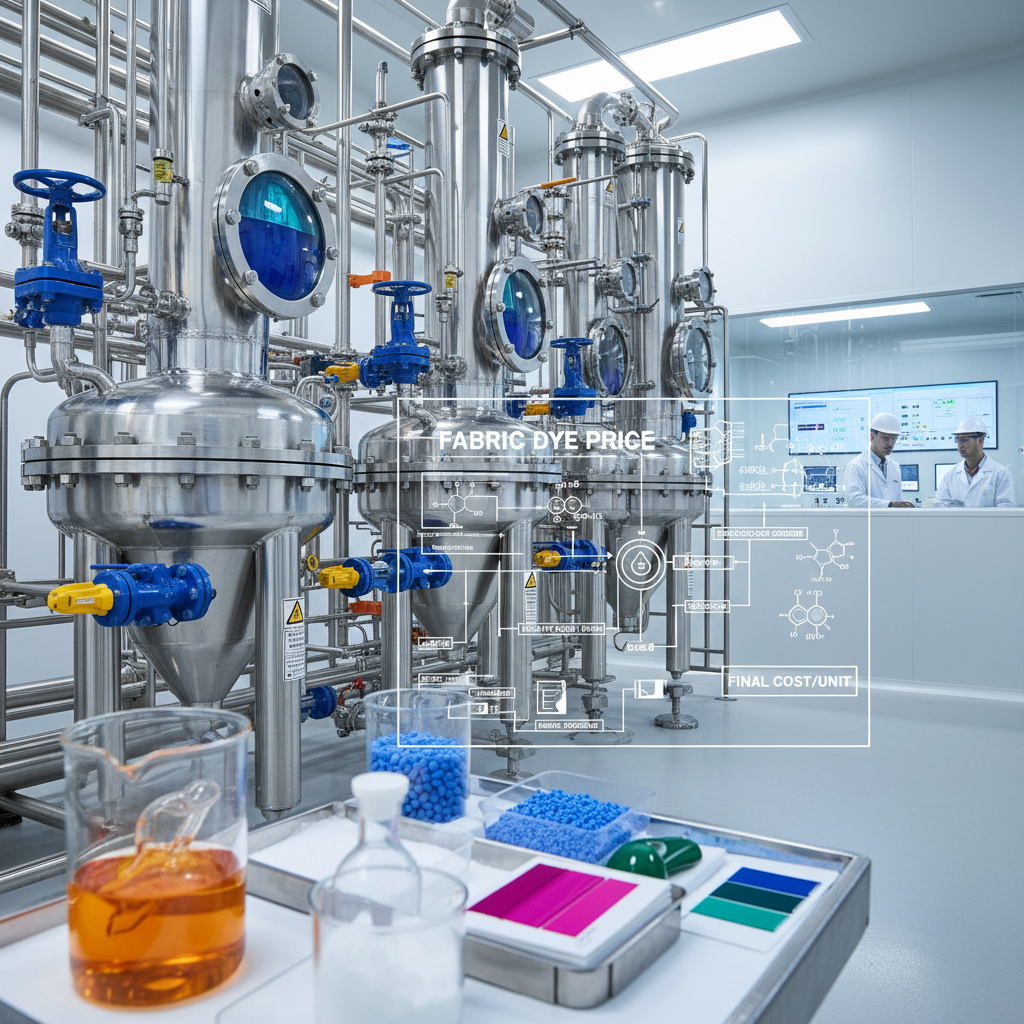
Several key factors contribute to the fluctuations in fabric dye price. Raw material costs, particularly the price of crude oil (a key component in many dye precursors), play a significant role. Manufacturing processes and energy costs also impact pricing. Demand and supply dynamics, seasonal variations, and even geopolitical events can lead to price changes. Furthermore, the complexity of the dye itself – its chemical composition, purity, and application requirements – directly affects its cost. Regulations related to environmental compliance and sustainable manufacturing practices can also increase production costs, impacting the final dye price. Understanding these factors is crucial for forecasting and budgeting.
Key Influencers: Raw material costs, manufacturing expenses, demand & supply, environmental regulations, and dye complexity.
Different Types of Dyes and Their Price Ranges
The price of fabric dye varies significantly depending on the type of dye. Reactive dyes, known for their vibrant colors and excellent wash fastness, generally fall in a mid-to-high price range. Direct dyes are more affordable but offer lower lightfastness. Vat dyes, prized for their durability and resistance to fading, are typically more expensive than reactive or direct dyes. Disperse dyes, commonly used for polyester, have a moderate price point. Acid dyes, used for protein fibers like wool and silk, also fall into the mid-range. Choosing the appropriate dye type for your fabric and application is crucial, balancing cost with performance requirements. YanHong Chemical offers a comprehensive range of dye types to meet diverse needs.
Dye Type Price Guide:
• Reactive Dyes: $8 - $25/kg
• Direct Dyes: $3 - $10/kg
• Vat Dyes: $15 - $35/kg
• Disperse Dyes: $5 - $15/kg
• Acid Dyes: $7 - $20/kg
Impact of Dye Strength and Purity on Fabric Dye Price
The strength and purity of the dye significantly affect the fabric dye price. Higher dye strength means less dye is needed to achieve the desired color intensity, potentially reducing overall costs. However, high-strength dyes often come with a higher initial price tag. Dye purity is equally important, as impurities can lead to inconsistent color results, reduced fastness properties, and potential fabric defects. Investing in high-purity dyes can save money in the long run by minimizing rework and ensuring consistent quality. YanHong Chemical provides dyes with guaranteed strength and purity, ensuring optimal performance and cost-effectiveness.
Strategies for Optimizing Fabric Dye Purchasing Costs
Several strategies can help optimize your fabric dye price and reduce overall costs. Bulk purchasing often yields significant discounts. Establishing long-term relationships with reliable suppliers like YanHong Chemical can secure favorable pricing and consistent quality. Negotiating payment terms and exploring volume discounts are also effective. Furthermore, adopting efficient dyeing processes, such as optimizing dye recipes and minimizing waste, can reduce dye consumption. Finally, staying informed about market trends and anticipating price fluctuations can help you make timely purchasing decisions.
Conclusion: Partnering with YanHong Chemical for Cost-Effective Dye Solutions
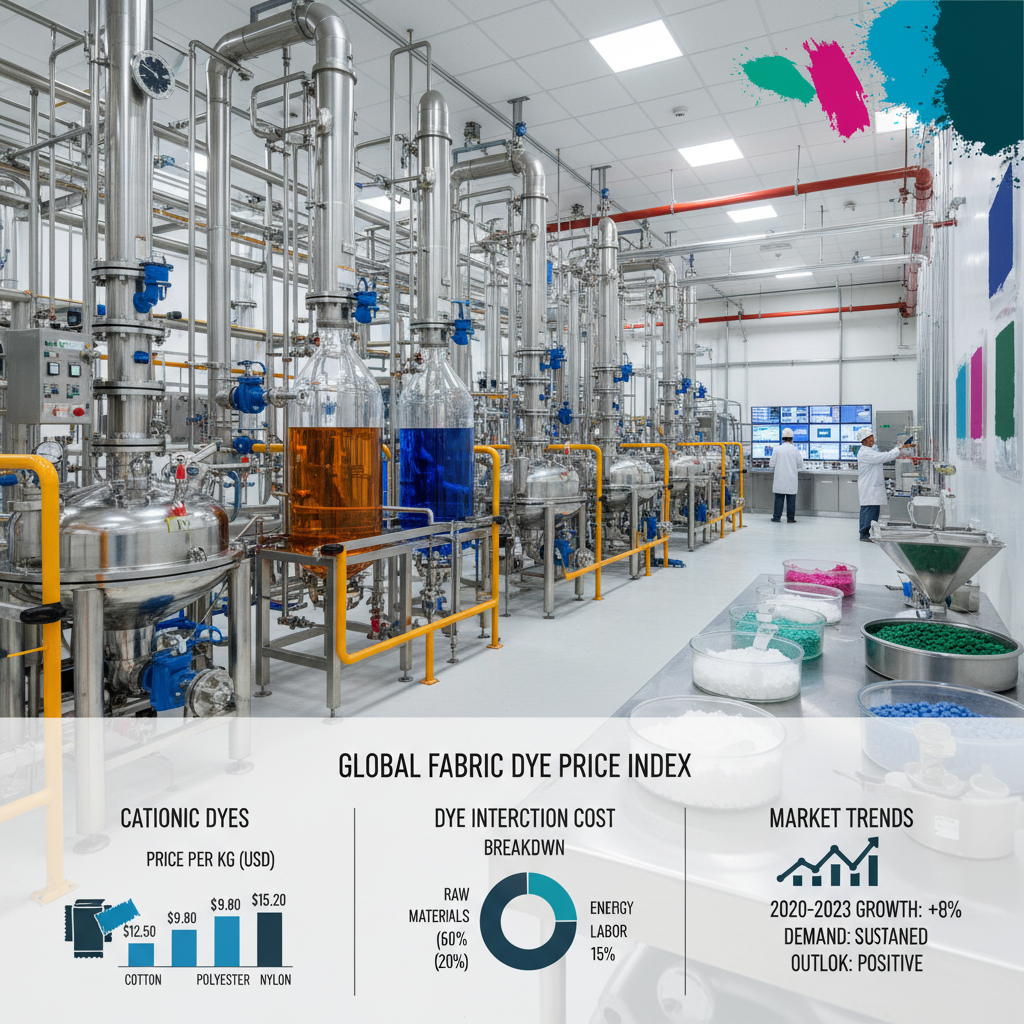
Understanding the nuances of fabric dye price is essential for successful textile manufacturing. By considering factors like dye type, strength, purity, and supplier relationships, you can effectively manage costs and maintain quality. YanHong Chemical is committed to providing high-quality dyes at competitive prices, backed by expert technical support. We strive to be your trusted partner in achieving optimal dyeing results and maximizing your profitability. Contact us today to discuss your specific needs and receive a customized quote.
Frequently Asked Questions (FAQs)
What factors contribute to the seasonal fluctuations in fabric dye prices?
Fabric dye prices often fluctuate seasonally due to several factors. Increased demand during peak textile production seasons (e.g., leading up to fashion seasons) can drive up prices. Raw material availability and harvesting cycles can also influence costs. Weather conditions affecting transportation and logistics can further contribute to price volatility. Finally, energy costs, which are often higher during peak demand periods, impact manufacturing expenses. Proactive planning and anticipating these seasonal trends can help mitigate price risks.
How does choosing a sustainable dye affect the price?
Sustainable dyes, which prioritize environmental responsibility, typically have a slightly higher price point than conventional dyes. This is due to the use of eco-friendly raw materials, cleaner production processes, and stricter environmental compliance standards. However, the benefits of sustainable dyes – reduced environmental impact, improved brand image, and potential access to environmentally conscious markets – often outweigh the cost difference. YanHong Chemical offers a range of sustainable dye options to meet your environmental goals.
What is the role of a dye supplier in managing fabric dye price risks?
A reliable dye supplier like YanHong Chemical plays a crucial role in managing fabric dye price risks. We provide market intelligence, anticipate price fluctuations, and offer strategies for mitigating risks. We can also offer flexible pricing options, such as long-term contracts and volume discounts. Furthermore, we maintain stable supply chains and ensure consistent product quality, minimizing disruptions and cost overruns. A strong supplier-customer partnership is essential for navigating the complexities of the dye market.
Can you provide a breakdown of shipping costs for fabric dyes?
Shipping costs for fabric dyes vary depending on the quantity, destination, and chosen shipping method. We offer a range of shipping options, including sea freight, air freight, and express delivery. Shipping costs typically include freight charges, insurance, and handling fees. We provide transparent shipping quotes and work with reputable logistics partners to ensure timely and cost-effective delivery. Bulk shipments generally benefit from lower per-unit shipping rates.
-
Explore Cationic Dyes Names: Chemistry, Applications & Global InsightsNewsDec. 03, 2025
-
Comprehensive Guide to CI 42520: Industrial and Humanitarian ApplicationsNewsDec. 03, 2025
-
Comprehensive Guide to Choosing the Right Fabric Leather Dye for Optimal ResultsNewsFeb. 28, 2026
-
China Basic Dye Manufacturer | High Purity & Eco OptionsNewsDec. 13, 2025
-
Dark Brown Fabric Dye – Industrial Quality and Supplier ComparisonNewsDec. 12, 2025
-
A Comprehensive Guide to Choosing the Best Khaki Dye for ClothesNewsMar. 19, 2026