A Comprehensive Guide to Choosing the Best Khaki Dye for Clothes
Choosing the Right Khaki Dye for Clothes: A Comprehensive Guide
Achieving the perfect khaki shade for your clothing requires understanding the nuances of khaki dye for clothes. This guide will delve into the different types of dyes, application techniques, colorfastness considerations, and how to select the ideal dye for various fabrics. Whether you’re a fashion designer, textile manufacturer, or a DIY enthusiast, this article will provide valuable insights into the world of khaki dyeing. Understanding the properties of different dyes and fabrics is crucial for achieving professional-looking results that last.
Understanding Khaki Dye Types
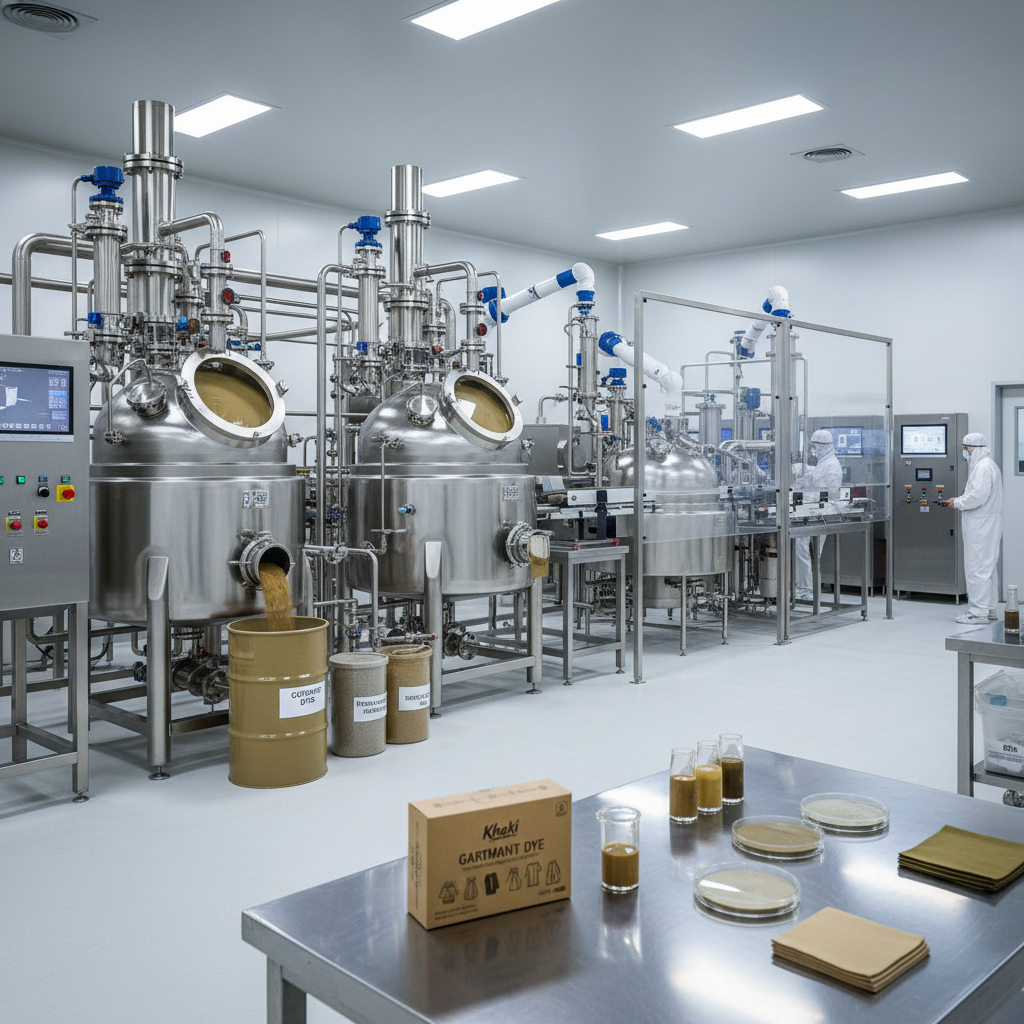
Khaki isn't a single color; it's a range of light yellowish-brown shades. Different dye classes yield slightly different nuances within this spectrum. Reactive dyes are popular for cotton and other cellulose fibers, offering excellent colorfastness and a wide range of shades. Disperse dyes are preferred for polyester and other synthetic fabrics. Direct dyes are cost-effective but generally have lower wash fastness. Acid dyes are suitable for protein fibers like silk and wool. The choice depends on your fabric composition and desired level of permanence. YanHong Chem offers a diverse portfolio of khaki dyes suitable for various applications.
Key Considerations: Dye selection hinges on fabric type, desired colorfastness, and budget. Proper pretreatment of the fabric is essential for optimal dye uptake.
Fabric Compatibility and Dye Selection
The type of fabric dictates the best dye choice. Cotton, linen, and viscose readily accept reactive dyes, providing vibrant and durable khaki shades. Polyester requires disperse dyes, which are specifically designed to penetrate synthetic fibers. Silk and wool benefit from acid dyes, delivering rich and subtle khaki tones. Before dyeing, it's crucial to pretreat the fabric to remove impurities and ensure even dye absorption. This often involves scouring (cleaning) and potentially bleaching depending on the initial fabric color.
Fabric & Dye Compatibility:
• Cotton/Linen/Viscose: Reactive Dyes
• Polyester: Disperse Dyes
• Silk/Wool: Acid Dyes
Colorfastness: Ensuring Long-Lasting Khaki Shades
Colorfastness refers to the dye's resistance to fading or bleeding when exposed to light, washing, and rubbing. Reactive dyes generally offer the best colorfastness, especially for cotton fabrics. Disperse dyes have good lightfastness but may be less resistant to washing. Using appropriate fixing agents during the dyeing process can significantly enhance colorfastness. Always test a small sample of dyed fabric for colorfastness before proceeding with a large batch. YanHong Chem's dyes are rigorously tested to ensure high colorfastness standards.
Selecting the Right Khaki Shade: From Pale to Deep
Khaki encompasses a spectrum of shades, from very pale, almost off-white, to deeper, more brownish tones. The shade you choose depends on the desired aesthetic and the end-use of the garment. Lighter khakis are ideal for summer clothing and create a fresh, airy look. Darker khakis offer a more sophisticated and versatile style. By carefully adjusting the dye concentration and potentially blending different dye components, you can achieve the precise khaki shade you envision.

Product Specifications & Application Guide
Here's a sample specification for one of our popular reactive khaki dyes. Always refer to the specific product datasheet for detailed instructions.
Conclusion: Achieving the Perfect Khaki
Selecting the right khaki dye for clothes requires careful consideration of fabric type, desired shade, and colorfastness requirements. By understanding the different dye classes and following proper application techniques, you can achieve professional-looking results that stand the test of time. YanHong Chem is your trusted partner for high-quality dyes and expert technical support.
Frequently Asked Questions (FAQs)
What is the best dye for a vintage khaki look?
For a genuinely vintage khaki look, consider using direct dyes or a blend of reactive and direct dyes. Direct dyes tend to offer softer, more muted shades that resemble the faded colors of older garments. However, remember that direct dyes have lower wash fastness, so they're best suited for items that won't be washed frequently. Adding a small amount of a brownish-yellow dye can also enhance the vintage effect. Experimenting with dye concentrations and combinations is key to achieving the desired aesthetic.
How do I prevent dye migration during washing?
Dye migration, where the dye bleeds from one area of the fabric to another, can be prevented by using appropriate fixing agents. For reactive dyes, a cationic fixing agent can help to lock the dye molecules onto the fibers. Thorough rinsing after dyeing is also crucial to remove any unfixed dye. Washing dyed garments separately for the first few washes is recommended to minimize the risk of dye transfer.
What pre-treatment is essential before dyeing fabric khaki?
Essential pre-treatment includes scouring (washing) to remove oils, waxes, and dirt, and potentially bleaching if the fabric has a strong color. Scouring ensures the dye can penetrate the fibers evenly. For cotton, a desizing process may also be necessary to remove starch. The specific pre-treatment steps will vary depending on the fabric type and its initial condition.
Can I overdyed an existing garment khaki?
Yes, you can overdye an existing garment khaki, but the result will depend on the original color and the fabric type. It's best to choose a dye that is darker than the original color, as lighter shades may not fully cover it. You may need to strip the original color first if it's very strong. Remember to consider the fabric content to choose the appropriate dye type.
-
Comprehensive Guide to Dark Green Fabric Dye: Sustainability and Durability in TextilesNewsDec. 07, 2025
-
Neon Fabric Dye: Industrial-Grade Bright Textile Solutions | YanhongNewsDec. 09, 2025
-
Fabric Dye for Sofa - Industrial-Grade Solutions & Supplier InsightsNewsDec. 07, 2025
-
Choosing the Optimal Outdoor Waterproof Fabric Dye for Enhanced DurabilityNewsJan. 27, 2026
-
Jacquard Basic Dye: Durable, Vibrant Textile Solutions from Yanhong ChemicalsNewsDec. 03, 2025
-
Achieving Vibrant Results with the Right Satin Fabric Dye SelectionNewsJan. 30, 2026