Choosing the Optimal Outdoor Waterproof Fabric Dye for Enhanced Durability
Choosing the Right Outdoor Waterproof Fabric Dye: A Comprehensive Guide
Selecting the appropriate outdoor waterproof fabric dye is critical for enhancing the durability, aesthetics, and functionality of textile products designed for external use. This article provides an in-depth exploration of the factors to consider, common dye types, application techniques, and the latest innovations in this field. Understanding these aspects will enable manufacturers and designers to make informed decisions, ensuring high-quality, long-lasting, and vibrant outdoor fabrics. YanHong Chemical provides high-quality dye solutions.
Understanding the Requirements for Outdoor Waterproof Fabric Dye
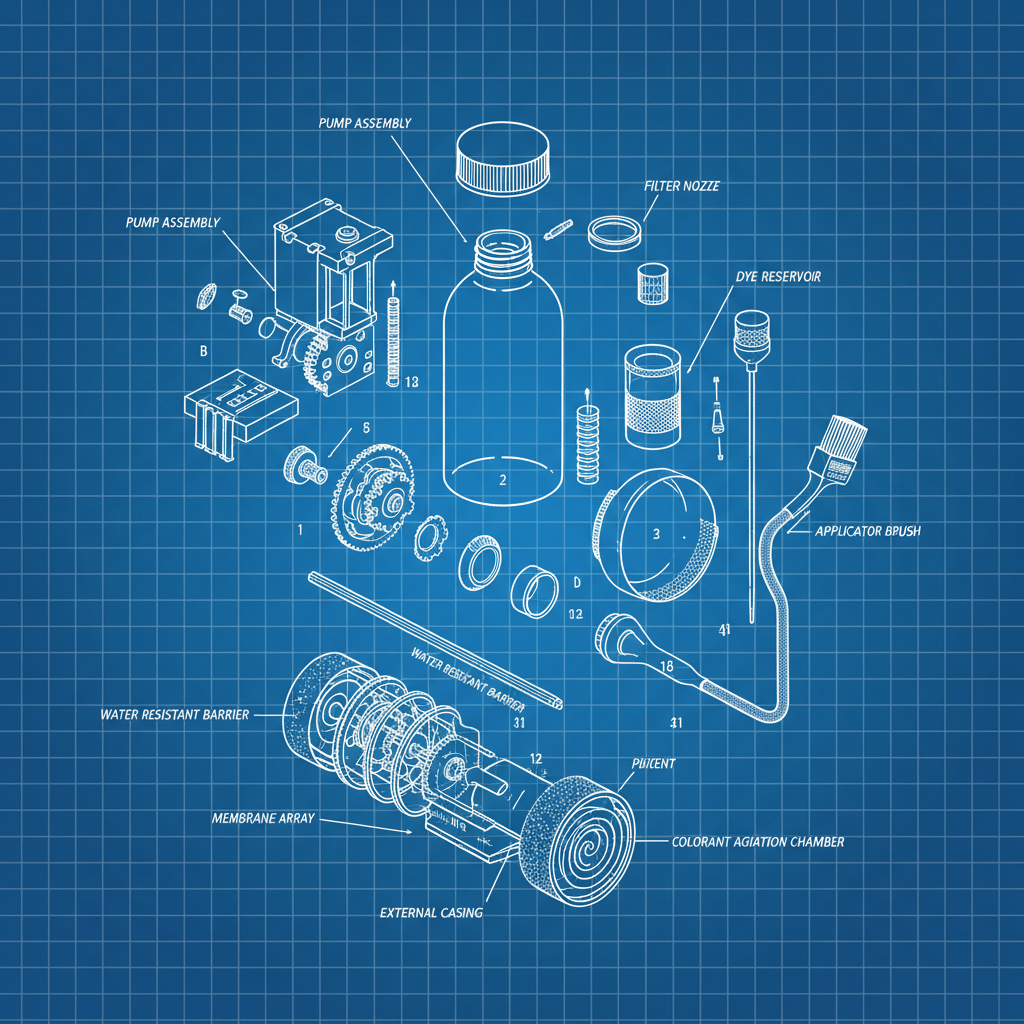
Fabrics intended for outdoor use face unique challenges, including prolonged exposure to sunlight, rain, temperature fluctuations, and abrasion. Consequently, the dye must possess excellent lightfastness, wash fastness, and resistance to chemical degradation. Crucially, the dye should maintain its vibrancy and integrity even after repeated exposure to harsh weather conditions. Waterproof fabrics require dyes that won’t leach out during the waterproofing process or compromise the fabric’s water-resistant properties. The dye's compatibility with the fabric material (polyester, nylon, acrylic, etc.) is also a paramount consideration. Selecting the right dye directly impacts the product’s lifespan and performance. YanHong Chemical offers dyes specifically formulated for these challenging conditions.
Key Considerations: Lightfastness, wash fastness, chemical resistance, fabric compatibility, and color vibrancy are all essential criteria when choosing a dye for outdoor waterproof fabrics.
Common Dye Types for Waterproof Outdoor Fabrics
Several dye types are commonly used for coloring outdoor waterproof fabrics, each with its own advantages and limitations. Disperse dyes are popular for polyester fabrics, offering good lightfastness and wash fastness. Reactive dyes are ideal for cellulosic fibers like cotton and rayon, forming a strong chemical bond with the fabric for excellent color retention. Acid dyes are used for nylon and silk, providing bright colors but potentially having lower lightfastness. Vat dyes, although more complex to apply, offer exceptional colorfastness and are suitable for demanding outdoor applications. The choice of dye depends heavily on the fabric composition and the desired performance characteristics.
Dye Type Comparison:
• Disperse Dyes: Polyester, good lightfastness.
• Reactive Dyes: Cellulosic fibers, excellent color retention.
• Acid Dyes: Nylon & Silk, bright colors.
• Vat Dyes: Exceptional colorfastness, complex application.
Comparing Dye Performance: Lightfastness & Wash Fastness
Lightfastness and wash fastness are two critical properties for outdoor waterproof fabric dye. Lightfastness refers to the dye's ability to resist fading or discoloration when exposed to sunlight, while wash fastness indicates its resistance to color loss during washing. Dye performance is often rated on a scale of 1 to 8, with 8 representing the highest level of fastness. The following table provides a comparative overview:
Application Techniques and Best Practices
Proper dye application is crucial for achieving optimal results. Factors such as water quality, dye concentration, temperature, and dyeing time significantly impact color uniformity and fastness. Pre-treatment of the fabric to remove impurities and ensure proper dye absorption is essential. Post-treatment processes, like washing and fixing, help to improve colorfastness and prevent dye migration. Modern dyeing techniques, including continuous dyeing and jet dyeing, offer improved efficiency and consistency. YanHong Chemical provides technical support and guidance on optimal application methods.
Innovations in Outdoor Waterproof Fabric Dye Technology
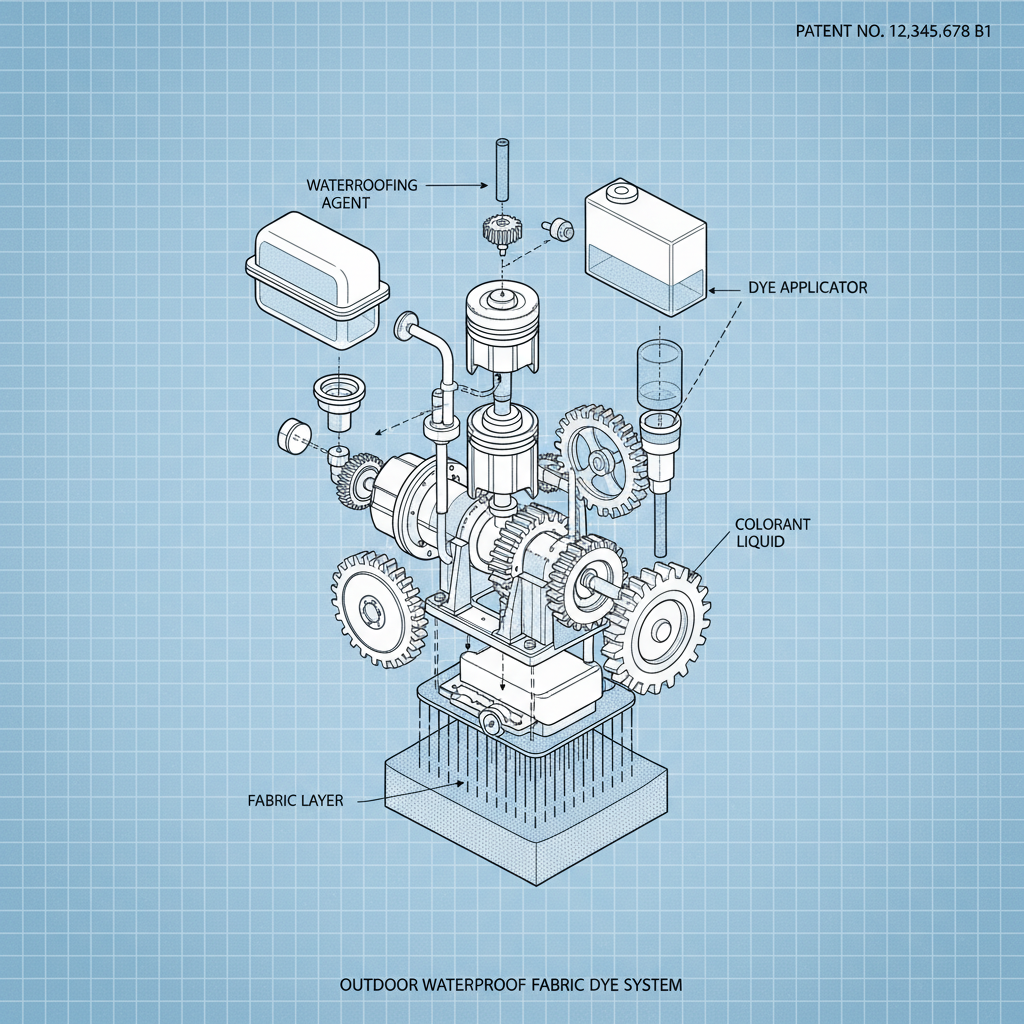
Recent advancements in dye technology focus on sustainability and enhanced performance. Microencapsulation techniques encapsulate dyes within protective shells, improving lightfastness and reducing dye migration. Nanotechnology is being used to create dyes with enhanced color brilliance and improved penetration into the fabric. Bio-based dyes derived from renewable resources are gaining popularity as environmentally friendly alternatives. These innovations are driving the development of more sustainable and high-performance outdoor fabrics.
Conclusion: Selecting the Best Dye for Durable Outdoor Fabrics
Choosing the right outdoor waterproof fabric dye is vital for creating high-quality, durable, and visually appealing products. Understanding the different dye types, their performance characteristics, and the latest innovations will empower you to make informed decisions. YanHong Chemical is a trusted partner in providing innovative dye solutions and technical expertise.
Frequently Asked Questions (FAQs)
What is the impact of UV radiation on dyed outdoor fabrics?
Prolonged exposure to UV radiation can cause dyes to fade and break down, leading to color loss and fabric weakening. Dyes with high lightfastness ratings are crucial for outdoor applications. UV absorbers can also be applied to fabrics to provide an extra layer of protection. The choice of dye, combined with UV protection treatments, significantly extends the lifespan and aesthetic appeal of outdoor fabrics.
How does the waterproofing process affect dye performance?
Certain waterproofing treatments can potentially affect dye performance by causing dye migration or leaching. It is essential to select dyes specifically formulated to withstand the waterproofing process. Pre-treating the dyed fabric with a fixing agent can help to improve dye fastness and prevent color loss during waterproofing. Always test dye compatibility with the chosen waterproofing agent before large-scale production.
Are there environmentally friendly dye options for outdoor fabrics?
Yes, bio-based dyes derived from renewable resources are increasingly available as environmentally friendly alternatives to traditional synthetic dyes. These dyes offer reduced environmental impact and are gaining popularity in sustainable textile production. However, it's crucial to ensure they meet the required performance standards for lightfastness and wash fastness for outdoor applications. YanHong Chemical offers a range of eco-friendly dye options.
What are the key considerations when dyeing synthetic fabrics like polyester?
Polyester requires disperse dyes for optimal coloring. Proper temperature control is vital during dyeing, as it affects dye absorption and leveling. The use of carriers can enhance dye uptake. It's also important to ensure complete dye exhaustion to minimize environmental impact. Pre-treatment to remove impurities and ensure proper fabric swelling is crucial for achieving even dyeing.
-
Tulip Fabric Dye – Durable, Eco-Friendly Textile Color SolutionsNewsDec. 07, 2025
-
Basic Black in Industrial Equipment: Timeless and ToughNewsDec. 13, 2025
-
Gold Fabric Dye: Durable, Sustainable, and Luxurious Textile SolutionsNewsDec. 07, 2025
-
China Basic Dye Factory Insights & Product Comparison | Industrial Dye GuideNewsDec. 03, 2025
-
Durable Fabric Dye for Outdoor Cushions – UV & Water Resistant SolutionsNewsDec. 09, 2025
-
Industrial Dark Red Fabric Dye: Durable & High-Quality Textile ColorNewsDec. 31, 2025