Comprehensive Guide to Choosing the Right Fabric Leather Dye for Optimal Results
Choosing the Right Fabric Leather Dye for Your Project
Selecting the perfect fabric leather dye can be a daunting task. With so many options available, understanding the different types, applications, and characteristics of each dye is crucial for achieving a professional and long-lasting finish. This article provides a comprehensive guide to help you navigate the world of fabric leather dyes, covering everything from choosing the right dye for your material to application techniques and aftercare. Whether you're a seasoned professional or a DIY enthusiast, we’ll help you make informed decisions and achieve exceptional results.
Understanding Different Types of Fabric Leather Dye
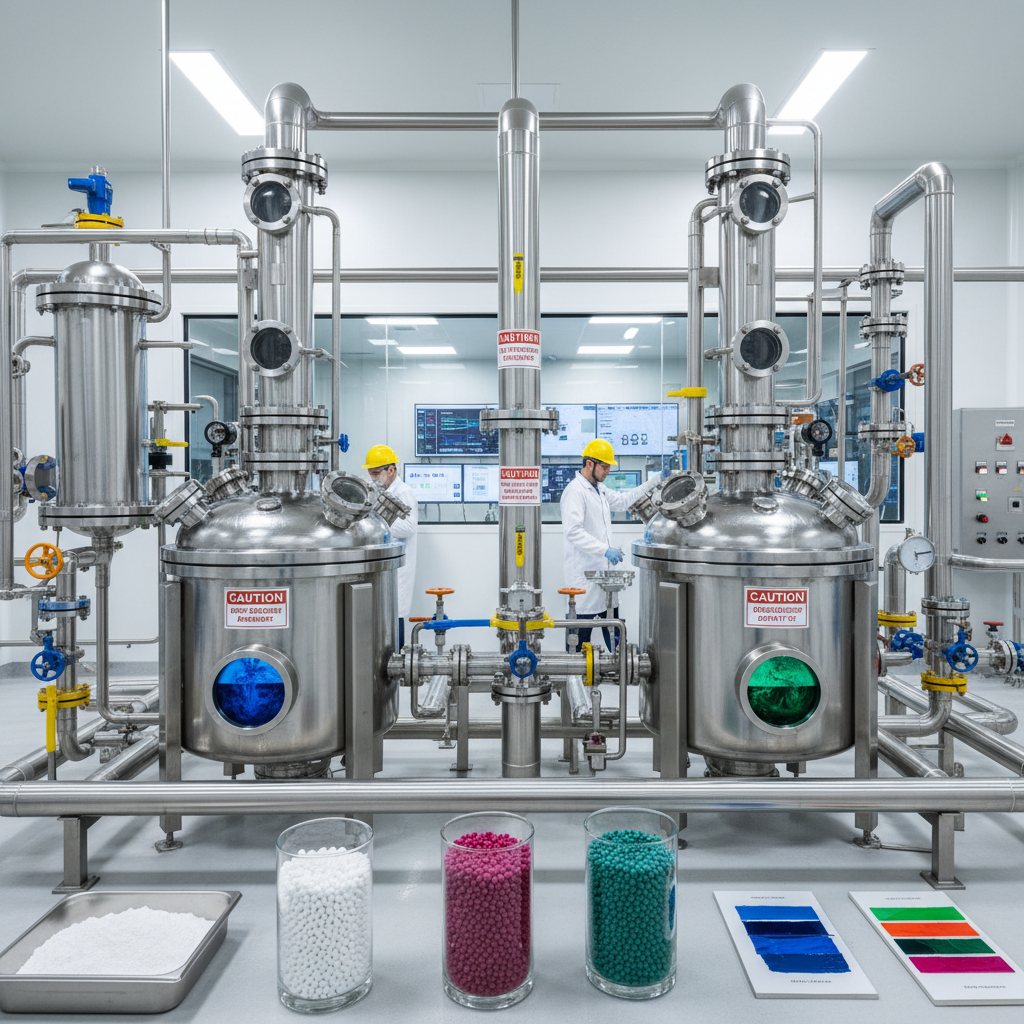
There are several types of fabric leather dye available, each with its own unique properties and best-suited applications. Acid dyes are commonly used for protein fibers like silk and wool, offering brilliant colors and good wash fastness. Direct dyes are simpler to use and effective on cellulose fibers like cotton and linen, but generally have lower lightfastness. Reactive dyes create a chemical bond with the fiber, resulting in excellent wash and lightfastness – ideal for garments that will be frequently washed. Disperse dyes are used for synthetic fibers like polyester, requiring heat to set the color. Choosing the right dye depends on the fiber content of your material and the desired level of color permanence.
Key Highlights: Selecting the correct dye type is paramount for achieving a vibrant, durable, and long-lasting color finish on your fabric or leather.
Dyeing Techniques: A Comparative Overview
Different dyeing techniques yield different results. Immersion dyeing involves fully submerging the fabric in the dye bath, ensuring even color distribution. This is ideal for large projects and solid colors. Brush dyeing is suitable for smaller areas or detailed designs, allowing for precise color application. Spray dyeing provides a unique, mottled effect, often used for creating ombre or distressed looks. And finally, hand painting offers the greatest control and artistic freedom, perfect for custom designs and intricate patterns. The best technique depends on the desired aesthetic and the complexity of the project.
Dyeing Technique Benefits:
• Immersion dyeing: Even color distribution, suitable for large projects.
• Brush dyeing: Precise color application, ideal for small areas.
• Spray dyeing: Creates unique, mottled effects.
• Hand painting: Highest level of control, perfect for custom designs.
Choosing the Right Fabric Leather Dye Based on Material
The type of material you’re dyeing significantly impacts dye selection. Natural fibers like cotton, linen, and silk require dyes that bond well with cellulose or protein structures. Synthetic fibers, such as polyester and nylon, need dyes specifically designed to penetrate and adhere to their chemical composition. Leather, a unique material, requires dyes that won't stiffen or damage the hide. Always test the dye on a small, inconspicuous area of the material before applying it to the entire project to ensure compatibility and desired color results. YanHong Chemical offers dyes suitable for a wide range of materials.
Post-Dyeing Care and Maintenance
Proper aftercare is essential for preserving the vibrancy and longevity of your dyed fabrics and leather. Always follow the dye manufacturer's instructions for washing and drying. Generally, hand washing in cool water with a mild detergent is recommended. Avoid harsh chemicals, bleach, and prolonged exposure to direct sunlight. For leather, regularly condition the material to keep it supple and prevent cracking. Correct aftercare can significantly extend the life of your project and maintain its beautiful color.
Product Spotlight: YanHong Chemical's Premium Dye Range
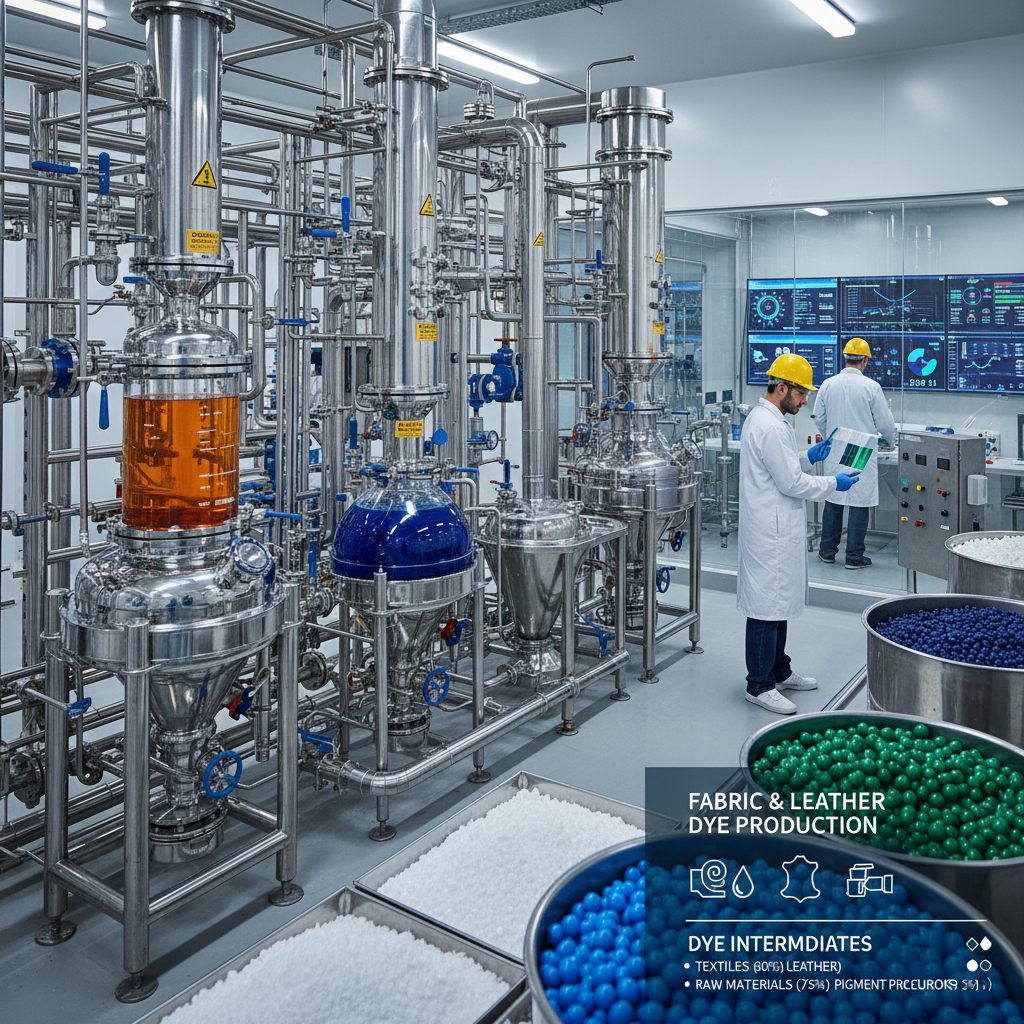
At YanHong Chemical, we offer a comprehensive range of high-quality fabric leather dyes designed to meet the needs of both professionals and hobbyists. Our dyes are formulated for excellent color fastness, vibrancy, and ease of use. We carry dyes suitable for a variety of materials, including cotton, silk, polyester, and leather. Browse our catalog today to find the perfect dye for your next project!
Conclusion: Achieving Exceptional Results with the Right Dye
Choosing the right fabric leather dye and employing the correct techniques are essential for achieving professional-quality results. By understanding the different dye types, considering the material you’re working with, and following proper aftercare procedures, you can ensure your projects are vibrant, durable, and beautiful. YanHong Chemical is your trusted partner for all your dyeing needs.
Frequently Asked Questions (FAQs)
What is the difference between direct and reactive dyes?
Direct dyes are simple to use and work well on cellulose fibers, but they have limited wash and light fastness. Reactive dyes, on the other hand, form a chemical bond with the fiber, resulting in excellent color permanence. This makes them ideal for garments that will be frequently washed or exposed to sunlight. While reactive dyes require a more complex application process, the superior results are often worth the effort.
How do I prepare fabric for dyeing?
Proper fabric preparation is crucial for achieving even and vibrant color. Start by washing the fabric to remove any sizing or finishes. For natural fibers, consider using a mordant to help the dye bond to the fabric. Ensure the fabric is clean, damp, and free of wrinkles before dyeing. Following these steps will significantly improve the results.
Can I dye synthetic fabrics at home?
Yes, you can dye synthetic fabrics like polyester at home, but it requires special disperse dyes and a heat source to set the color. The process typically involves dyeing the fabric in hot water and then heat-setting it in a washing machine or dryer. It's essential to follow the dye manufacturer's instructions carefully for optimal results.
What should I do if my dye job comes out uneven?
Uneven dye jobs can occur due to several reasons, including insufficient agitation, uneven dye distribution, or improper fabric preparation. If you encounter this issue, try re-dyeing the fabric, ensuring thorough agitation and even dye application. You may also need to pre-treat the fabric more carefully to remove any potential barriers to dye absorption.
-
Teal Fabric Dye: Durable Industrial Solutions for Textile ApplicationsNewsDec. 07, 2025
-
Gold Fabric Dye: Durable, Sustainable, and Luxurious Textile SolutionsNewsDec. 07, 2025
-
Understanding Synthetic Dye Black Applications Sourcing and Emerging TrendsNewsMar. 10, 2026
-
Comprehensive Guide to Dark Green Fabric Dye: Sustainability and Durability in TextilesNewsDec. 07, 2025
-
Gray Fabric Dye Solutions | Durable & Sustainable Textiles by YanhongChemNewsDec. 10, 2025
-
Durable Fabric Dye for Chairs | Industry-Leading Chemical SolutionsNewsJan. 06, 2026