Exploring the Creative World of Fabric Dye on Wood for Stunning Finishes
Exploring the Art of Fabric Dye on Wood: A Comprehensive Guide
The technique of applying fabric dye on wood is gaining popularity as a unique method for achieving vibrant and personalized finishes. This process allows for a spectrum of colors and patterns that are difficult to replicate with traditional wood stains. From furniture restoration to artistic crafts, understanding the nuances of this technique can unlock a new level of creativity. We'll explore the materials needed, the application process, finishing techniques, and potential challenges to help you achieve stunning results. This guide provides a detailed overview for both beginners and experienced woodworkers looking to expand their skills.

Understanding Fabric Dye and its Compatibility with Wood
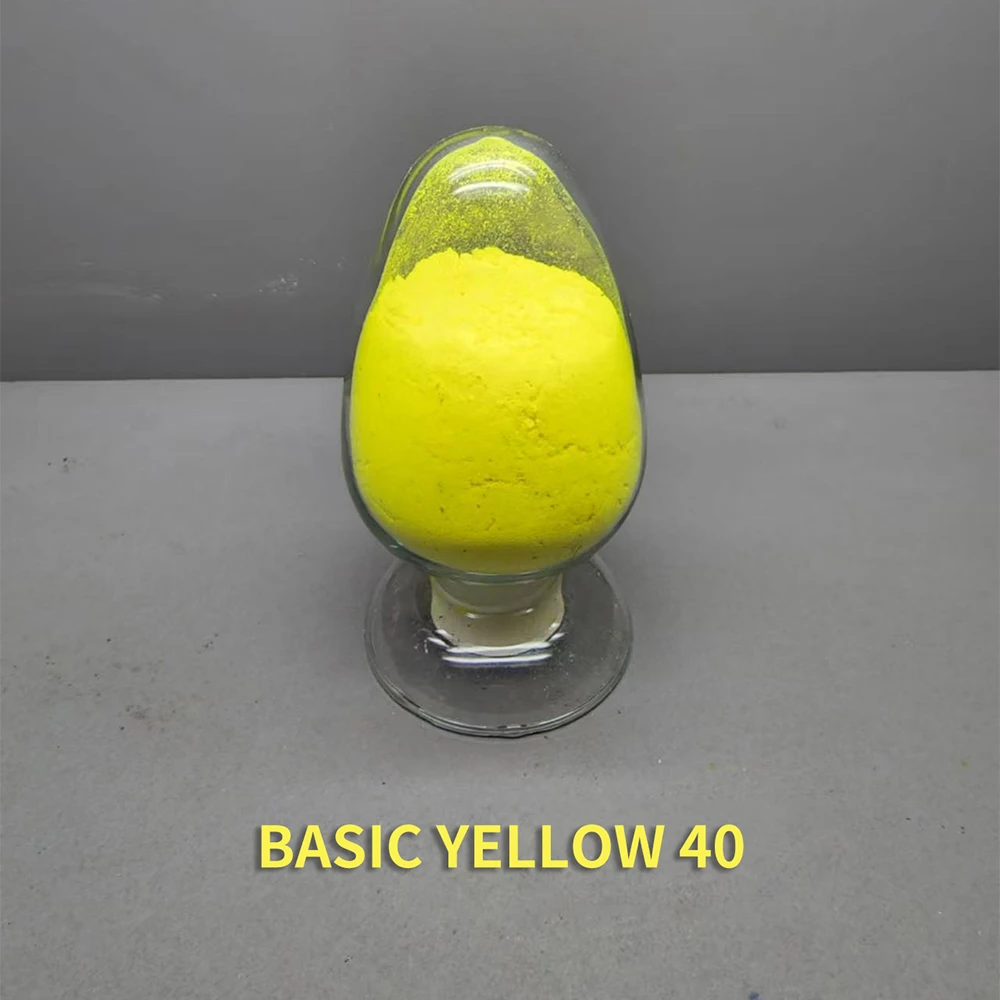
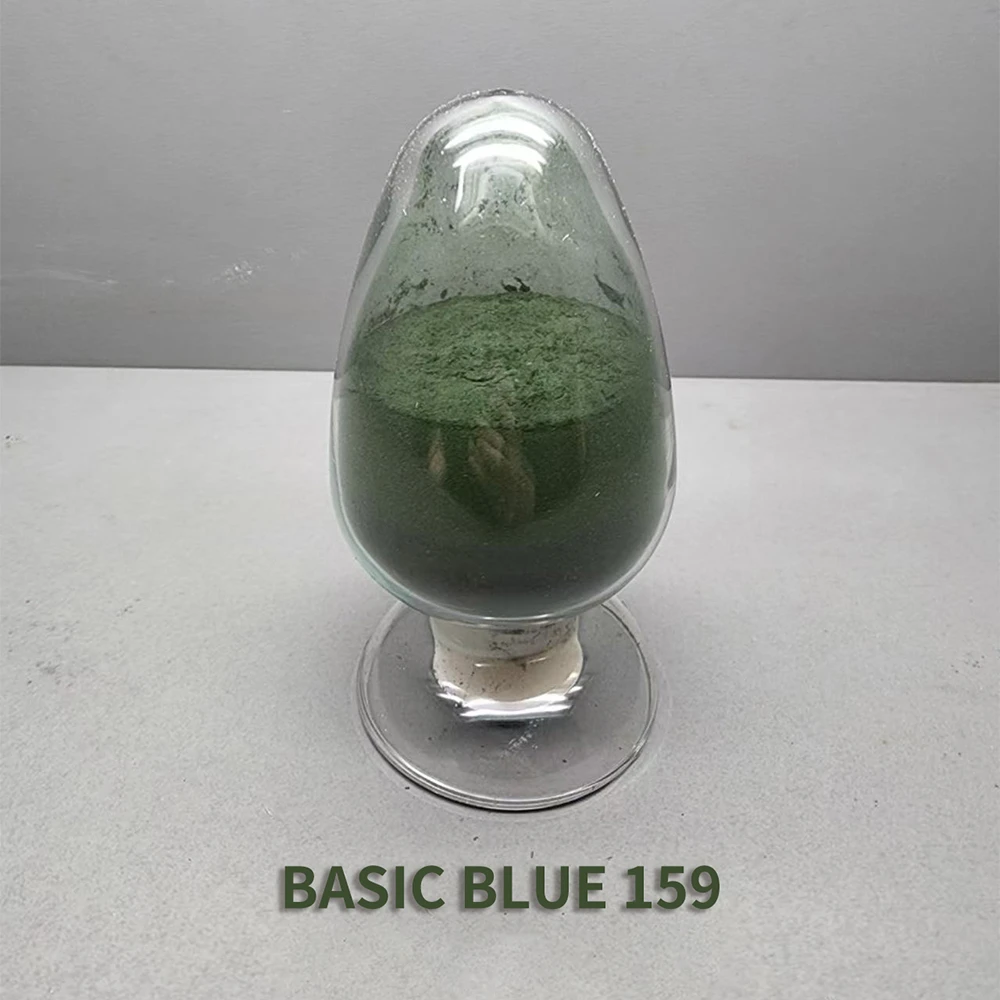
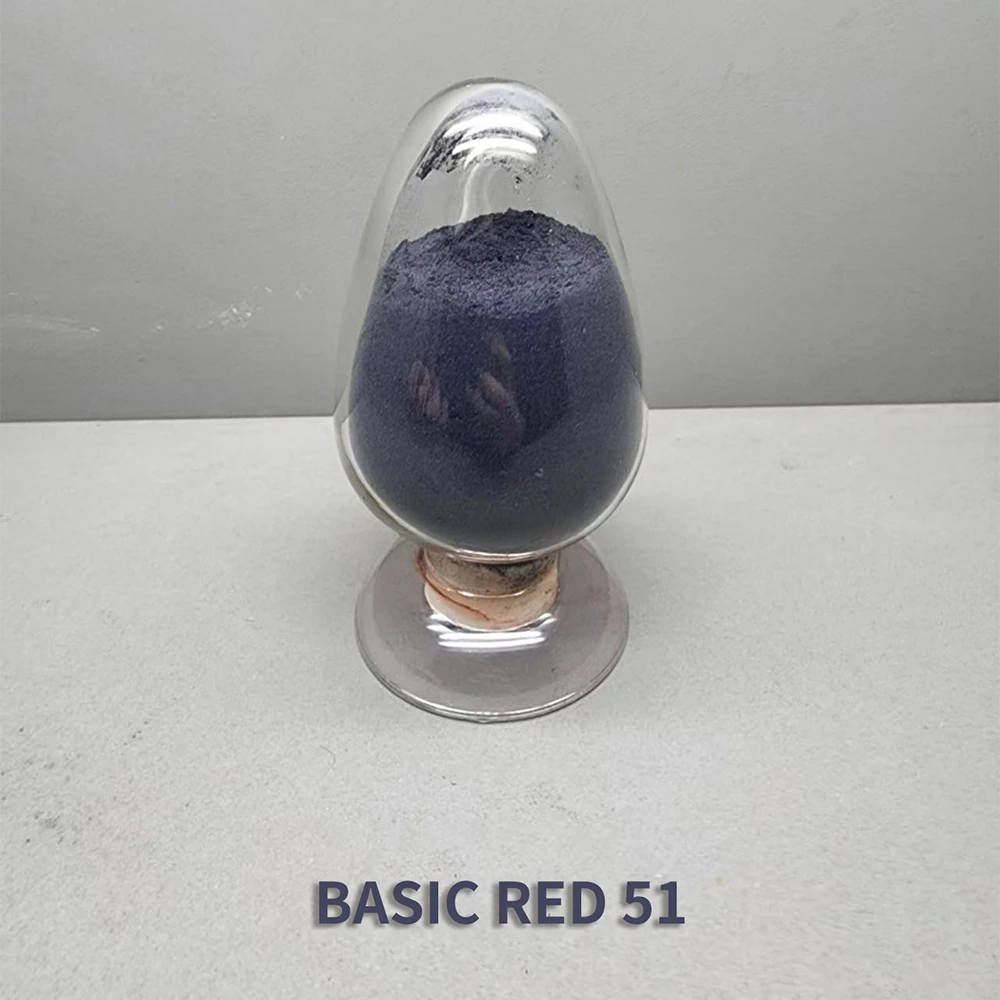
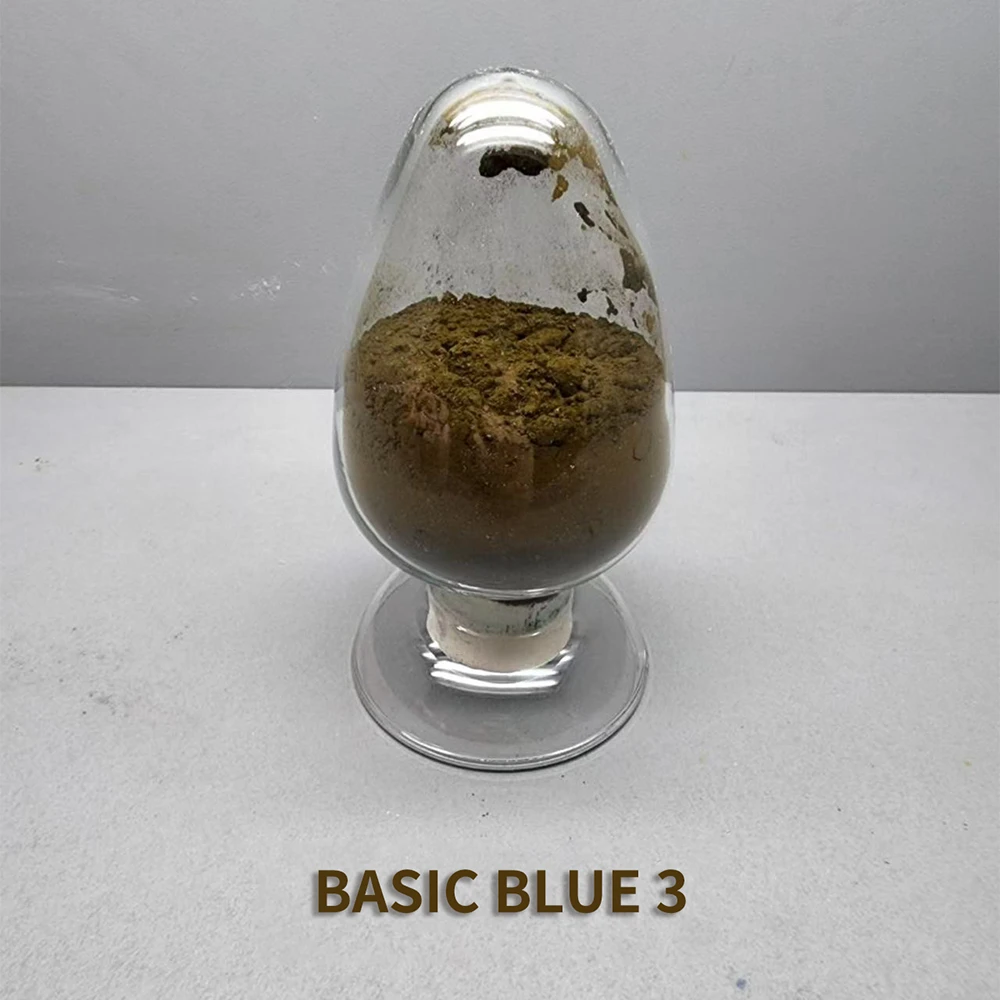
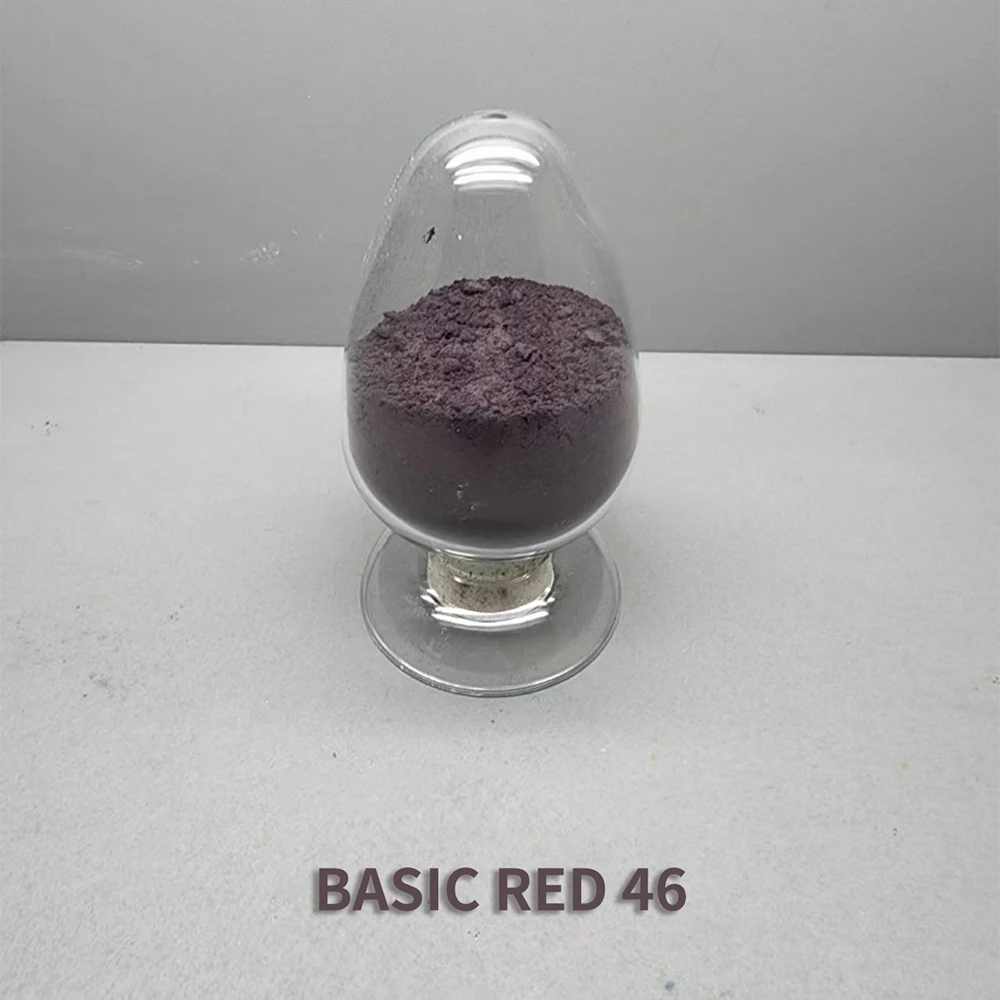
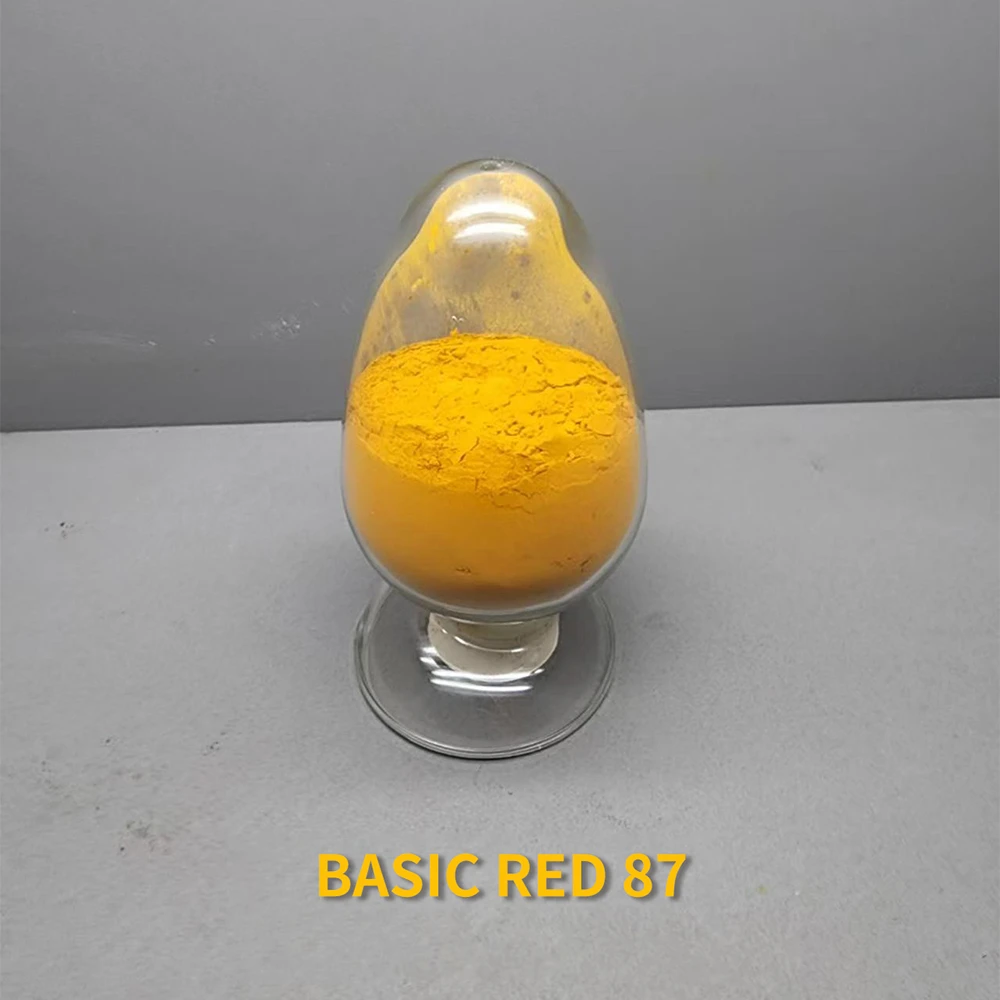
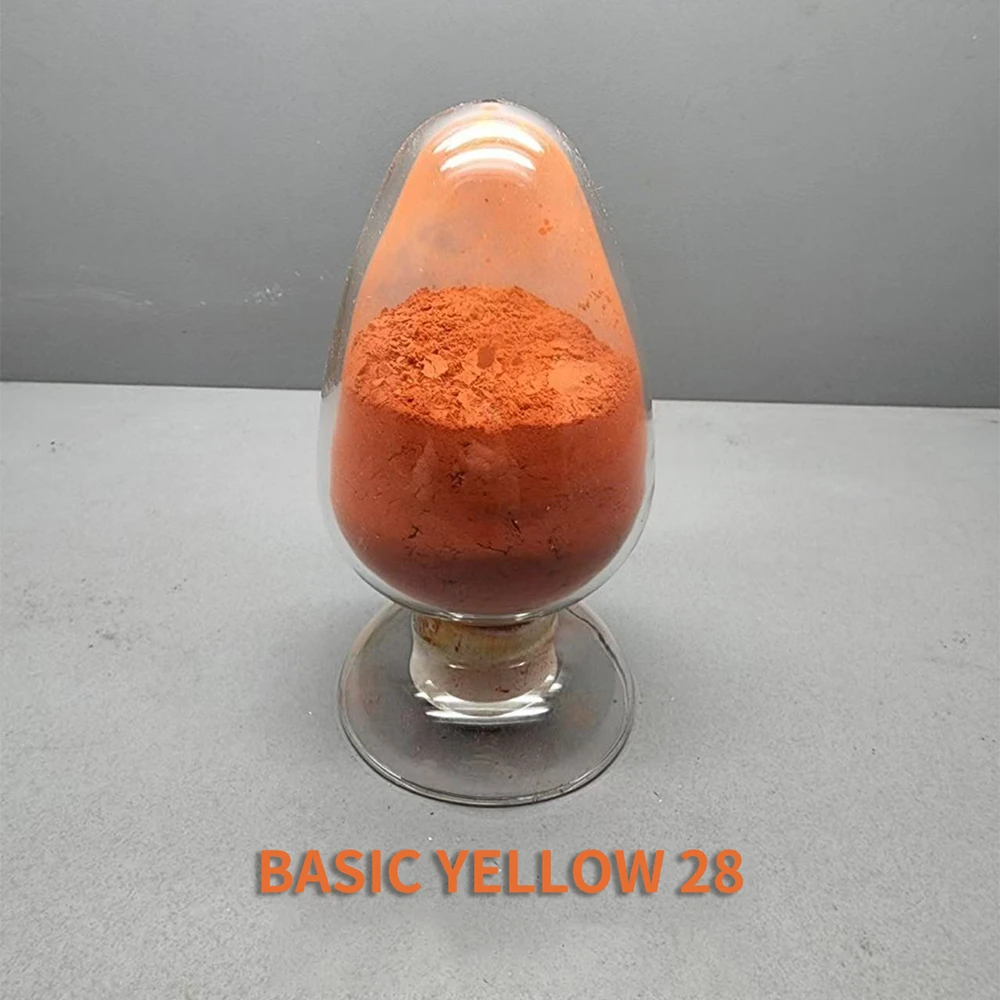
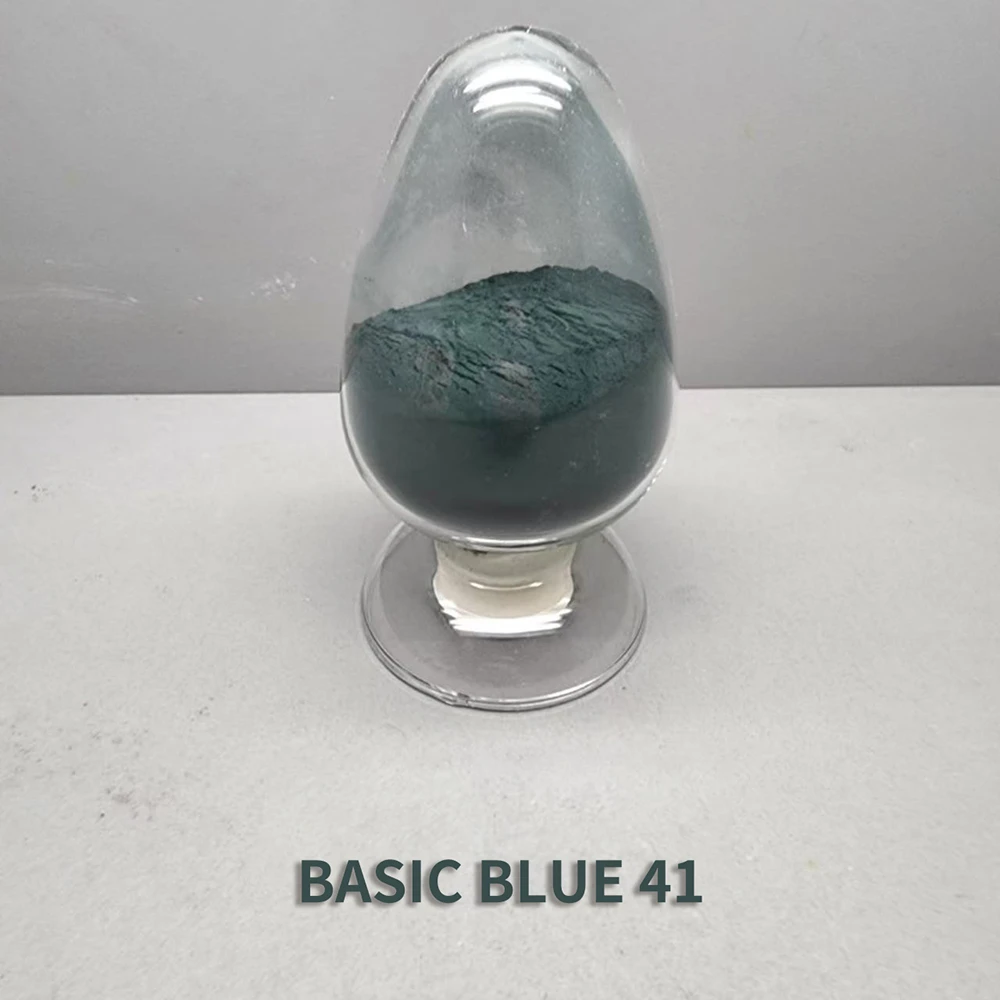
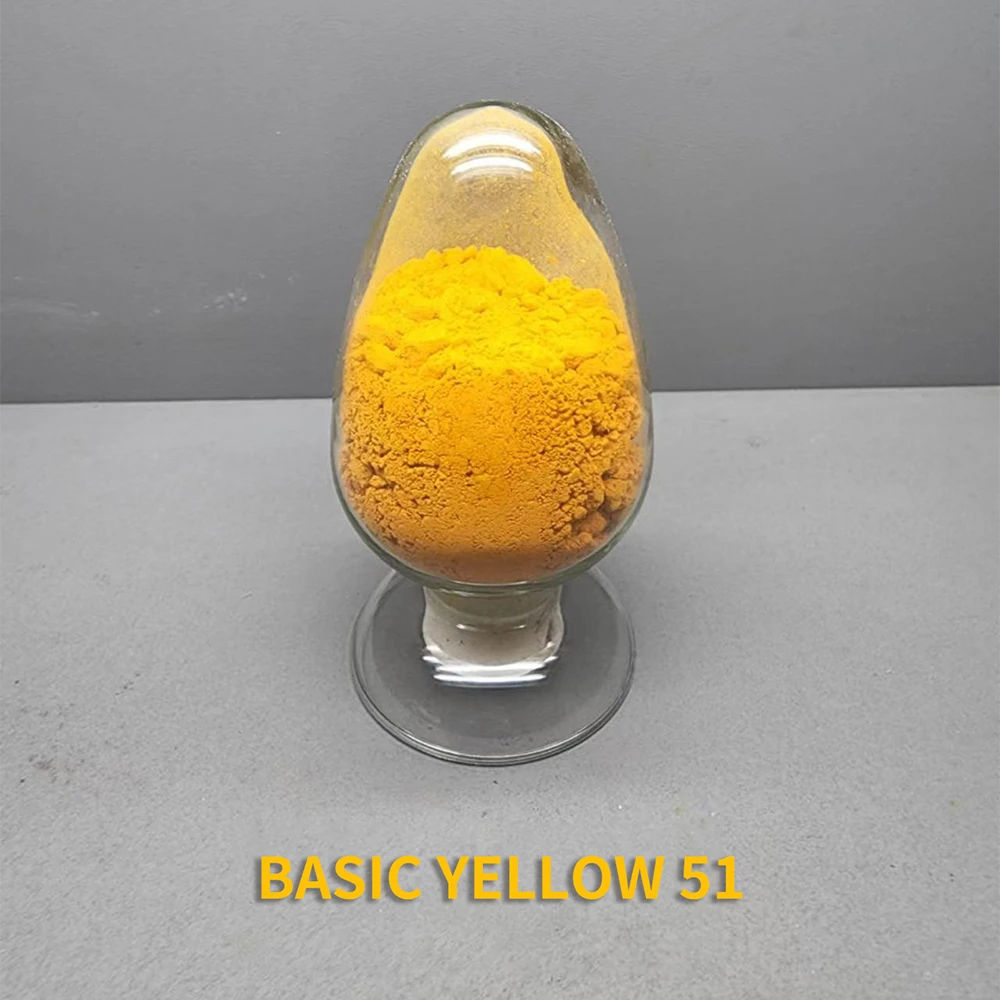
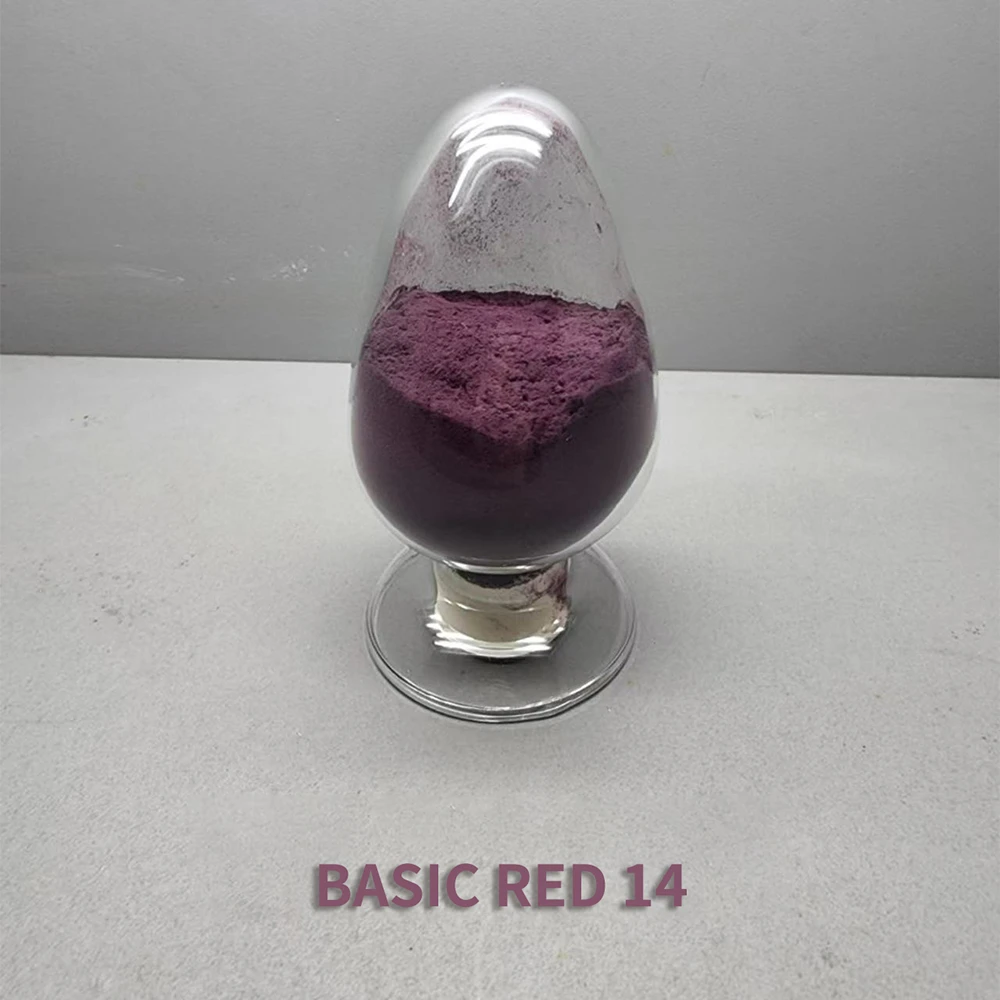
Traditionally, wood is stained using pigments designed specifically for wood. However, fabric dyes, particularly those formulated for cellulosic fibers like cotton and linen, can be surprisingly effective on wood. This is because wood, being a porous material, readily absorbs liquids. The key lies in selecting the right type of dye – reactive dyes and direct dyes are generally favored. Reactive dyes form a chemical bond with the wood fibers, offering better wash fastness and durability. Direct dyes, while easier to use, are less permanent. Before embarking on a project, it's crucial to test the dye on a scrap piece of wood to assess color absorption and potential reactions. YanHong Chemical offers a diverse range of dyes suitable for this application.
Key Considerations: Wood type affects dye absorption. Softwoods like pine absorb more readily than hardwoods like oak. Proper surface preparation is essential for even coloring.
Materials Needed for Fabric Dye on Wood Projects
Successful fabric dye application requires gathering the right tools and materials. Here’s a comprehensive list:
- Fabric Dye: Reactive or direct dye, chosen based on desired permanence.
- Wood: Sanded and prepared wood surface.
- Water: For diluting the dye.
- Fixative: (Optional, but recommended) To improve colorfastness.
- Containers: For mixing dye solutions.
- Applicators: Brushes, sponges, spray bottles, or cloths.
- Gloves and Mask: For personal protection.
- Sandpaper: For surface preparation.
- Sealant/Finish: Polyurethane, varnish, or wax to protect the dyed wood.
Fabric Dye on Wood: A Step-by-Step Application Process
The application process is relatively straightforward, but attention to detail is crucial. First, thoroughly sand the wood surface to create a smooth and receptive base. Remove all dust and debris. Next, prepare the dye solution according to the manufacturer's instructions. Apply the dye evenly, using your preferred applicator. Allow the dye to penetrate the wood for the recommended time, typically 15-30 minutes. Wipe away any excess dye with a clean cloth. For enhanced colorfastness, apply a fixative solution, if using, following the product’s guidelines. Multiple coats can be applied to achieve a deeper, more saturated color.
Application Tips:
• Test the dye on a hidden area first.
• Use consistent application strokes for even coloring.
• Avoid over-saturating the wood.
• Work in a well-ventilated area.
Comparing Fabric Dye to Traditional Wood Stains
While traditional wood stains offer a wide range of color options, fabric dyes provide a unique aesthetic that’s often more vibrant and less opaque. Traditional stains penetrate the wood and alter its color, while fabric dyes often sit more on the surface, creating a brighter, more translucent finish. Here's a comparison:
Finishing and Protecting Your Dyed Wood
Once the dye is completely dry, applying a sealant or finish is essential to protect the color and wood surface. Polyurethane, varnish, and wax are all viable options. Polyurethane provides the most durable and water-resistant finish. Varnish offers a good balance of protection and clarity. Wax provides a softer, more natural look but requires more frequent reapplication. YanHong Chemical provides high-quality finishes designed to complement and protect dyed wood surfaces.

Conclusion: Embracing Creative Possibilities with Fabric Dye on Wood
Using fabric dye on wood opens up a world of creative possibilities. While it requires careful attention to detail and proper surface preparation, the results can be truly stunning. From vibrant furniture pieces to unique artistic creations, this technique offers a versatile and rewarding experience. Experiment with different dyes, wood types, and finishes to discover your own unique style.
Frequently Asked Questions (FAQs)
Will the dye fade over time?
The extent of fading depends on the type of dye used, the exposure to sunlight, and the protective finish applied. Reactive dyes generally have better lightfastness than direct dyes. Applying a UV-resistant finish, such as polyurethane with UV inhibitors, can significantly slow down fading. Regular maintenance and reapplication of the finish may be necessary over time to maintain the vibrancy of the color. It's also important to note that some natural dyes are more prone to fading than synthetic dyes.
Can I use any fabric dye on wood?
While many fabric dyes can be used on wood, it’s best to choose dyes specifically designed for cellulosic fibers – like cotton, linen, or rayon. Reactive dyes and direct dyes are good options. Avoid dyes containing harsh chemicals or additives that could damage the wood. Always test the dye on a scrap piece of wood before applying it to your project to ensure compatibility and desired results. Refer to the dye manufacturer's instructions for specific recommendations.
What wood types are best suited for this technique?
Softwoods like pine and fir are more porous and readily absorb dye, making them ideal for achieving vibrant colors. Hardwoods like oak and maple require more preparation and may result in a more subtle color. The type of wood will also influence the final look. Experimenting with different wood types can lead to unique and interesting results. Always consider the grain pattern of the wood, as it will affect how the dye is absorbed.
How do I achieve a more even dye application?
Thorough surface preparation is key to achieving an even dye application. Sand the wood smoothly and remove all dust and debris. Apply the dye in consistent, overlapping strokes, avoiding puddling or uneven saturation. Consider diluting the dye slightly with water to improve penetration and reduce the risk of blotching. Multiple thin coats are often better than one thick coat. Using a spray applicator can also help ensure a more even finish.
-
Red Fabric Dye for Industry – Durable High-Performance Dye Solutions by YanhongchemNewsDec. 04, 2025
-
A Comprehensive Guide to Choosing the Best Pastel Fabric Dye for Your ProjectsNewsJan. 27, 2026
-
Mustard Fabric Dye: Durable & Sustainable Color Solutions for Industrial Fabrics | YanhongchemNewsJan. 05, 2026
-
Top Insights on Cotton Fabric Dye for Industrial Use | Yanhong ChemNewsDec. 12, 2025
-
Comprehensive Guide to Dark Green Fabric Dye: Sustainability and Durability in TextilesNewsDec. 07, 2025
-
High-Performance Lilac Fabric Dye for Industrial Textile Applications | Yanhong ChemicalNewsDec. 13, 2025