A Comprehensive Guide to Choosing the Best Pastel Fabric Dye for Your Projects
Choosing the Right Pastel Fabric Dye: A Comprehensive Guide
Creating delicate and visually appealing textiles often requires the perfect pastel fabric dye. Selecting the appropriate dye isn't just about color; it’s about ensuring vibrancy, durability, and compatibility with your chosen fabric. This article will explore the world of pastel fabric dyes, covering types, application techniques, and how to achieve stunning, long-lasting results. Whether you’re a seasoned textile artist or a beginner, understanding the nuances of these dyes will elevate your craft. We’ll delve into the best options available from YanHong Chemical and provide essential guidance for successful dyeing projects.
Understanding Different Types of Pastel Fabric Dye
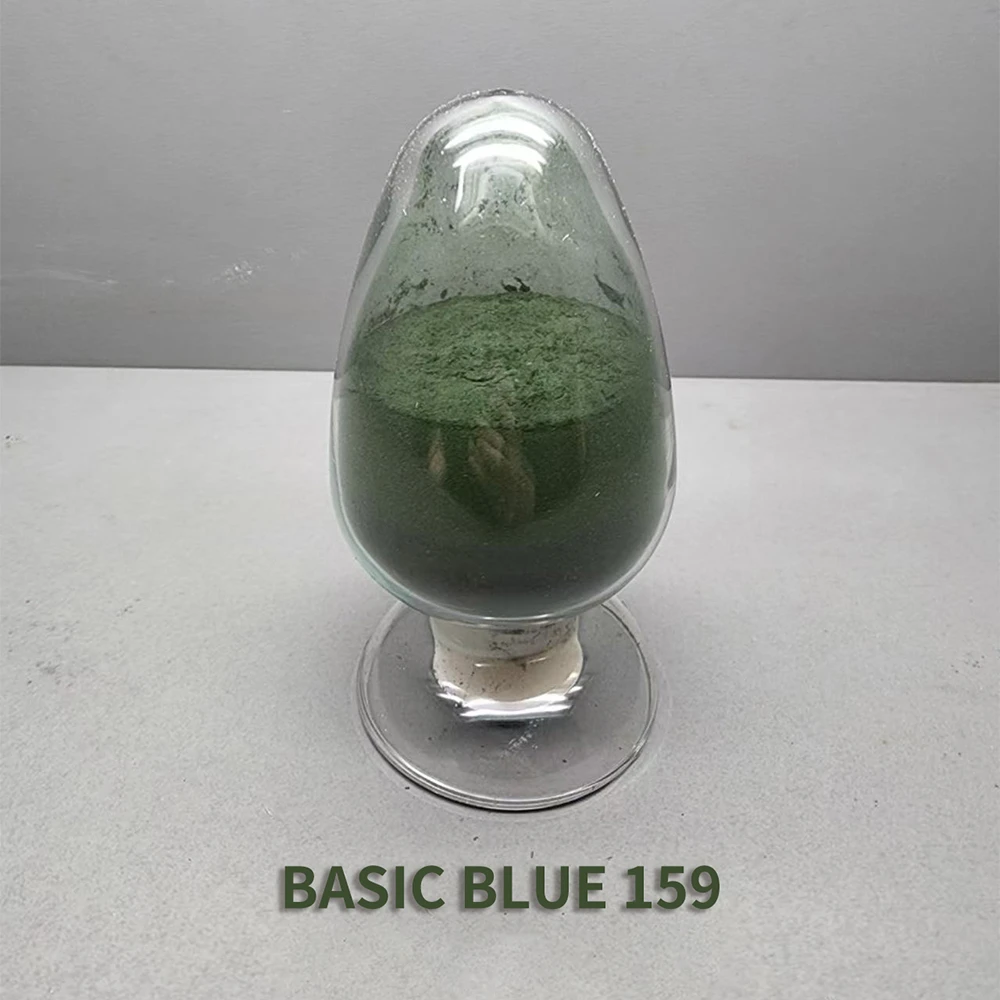
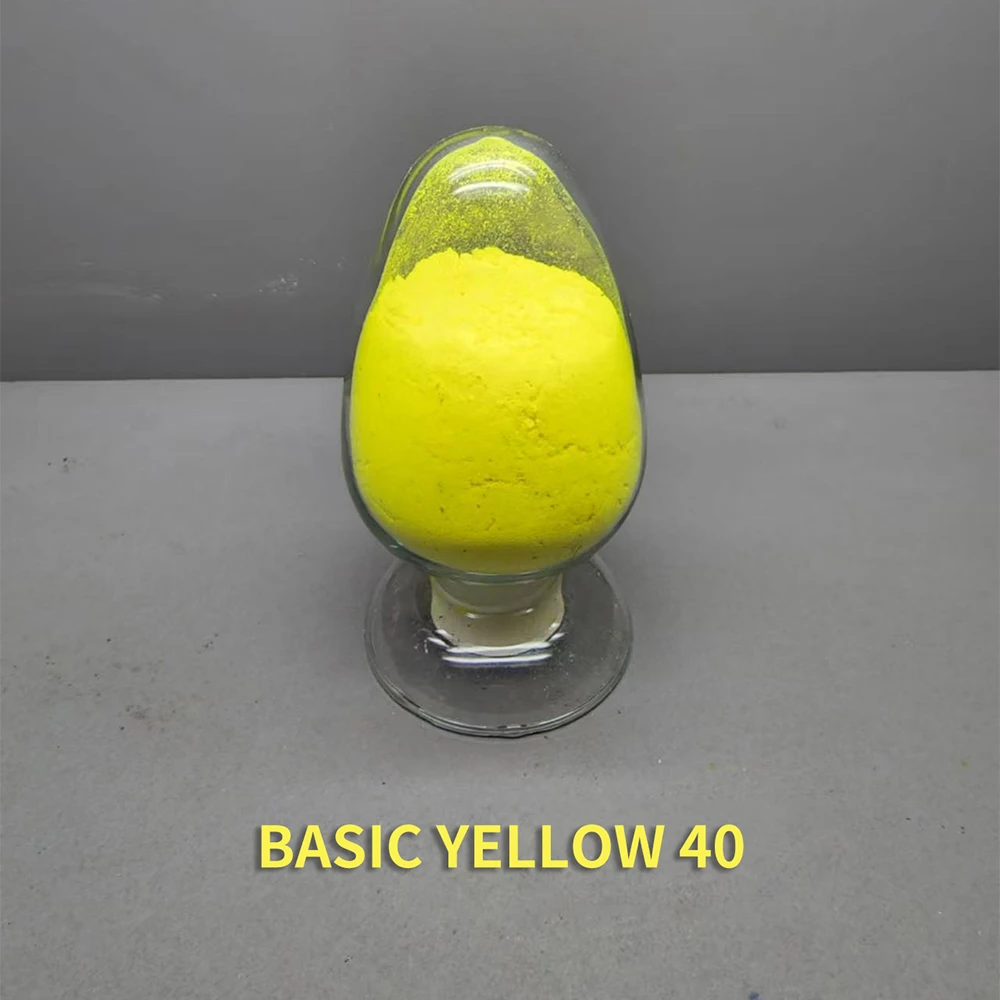
The world of fabric dyes is diverse, with each type offering unique properties and best-suited applications. Common types include reactive dyes, acid dyes, direct dyes, and disperse dyes. Reactive dyes are renowned for their excellent wash fastness and vibrant colors, making them ideal for cotton and other cellulose fibers. Acid dyes are perfect for protein fibers like wool and silk, providing rich hues. Direct dyes are an easy-to-use option for cotton, linen, and rayon, while disperse dyes excel in coloring polyester and other synthetic materials. When aiming for pastel shades, the quality of the dye significantly impacts the final result, ensuring a soft, even coloration. YanHong Chemical provides a wide selection of these dye types, ensuring you find the perfect solution for your project.
Key Highlights: Different dye types cater to specific fabrics and offer varying degrees of colorfastness and vibrancy. Selecting the correct dye is crucial for optimal results.
Achieving Pastel Shades with Pastel Fabric Dye: Techniques and Tips
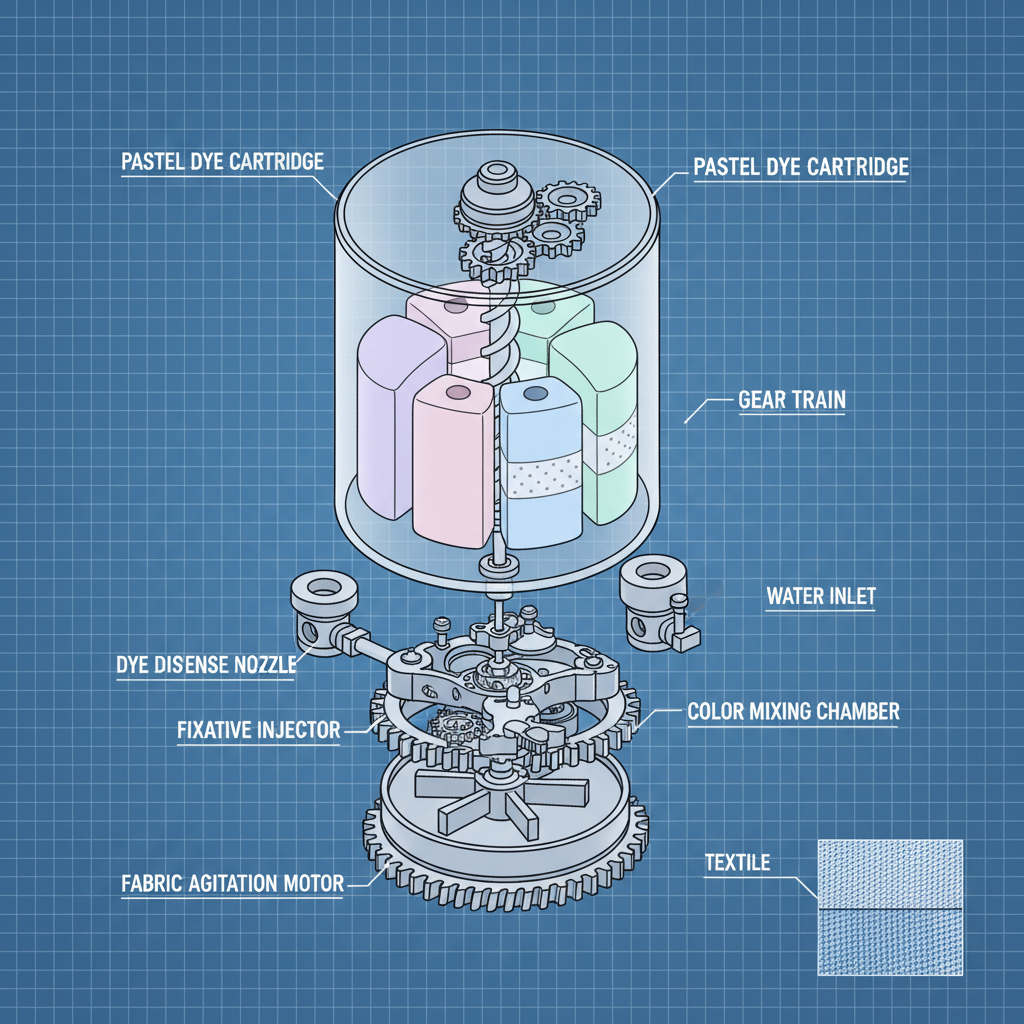
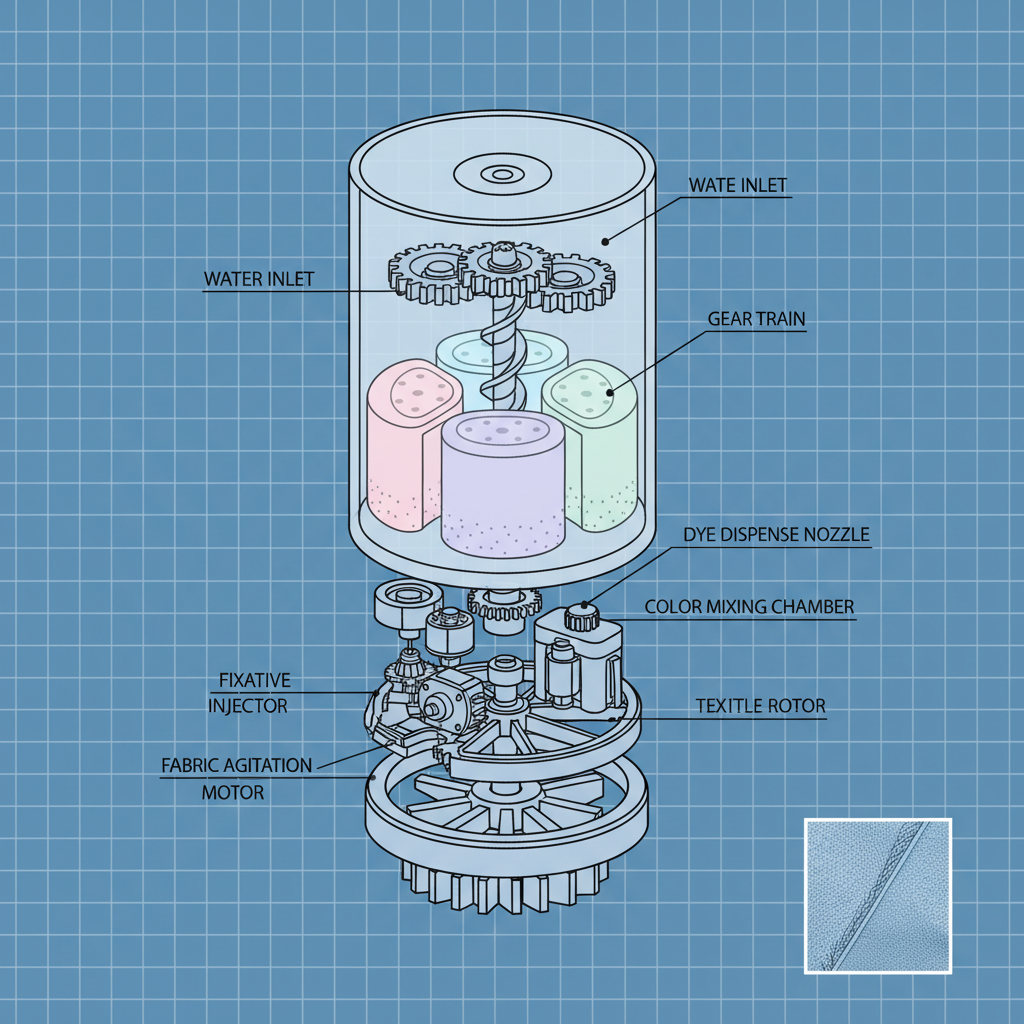
Creating true pastel shades requires more than just using a pale dye powder. Dilution is key. Start with a very small amount of dye and gradually increase it until you achieve the desired lightness. Using a dye scale is highly recommended for accuracy. Furthermore, the water temperature plays a crucial role; generally, warmer water promotes better dye absorption, but always follow the dye manufacturer's instructions. Consider using a dye fixative after dyeing to enhance colorfastness and prevent fading. Remember to pre-wash your fabric to remove any sizing or finishes that could interfere with dye uptake. YanHong Chemical’s technical support team can provide detailed guidance on optimal dyeing parameters for specific fabrics and dyes.
Essential Pastel Dyeing Tips:
• Start with a small amount of dye and gradually increase.
• Use a dye scale for accurate measurements.
• Pre-wash fabric to remove sizing.
• Consider using a dye fixative for colorfastness.
Pastel Fabric Dye Comparison: Reactive vs. Acid Dyes
Choosing between reactive and acid dyes for pastel colors depends heavily on the fabric you are dyeing. Reactive dyes are ideal for cellulose fibers (cotton, linen, rayon) because they form a strong bond with the fiber, resulting in exceptional wash fastness. Acid dyes, on the other hand, are specifically designed for protein fibers (wool, silk) and create beautiful, vibrant pastels with excellent light fastness. While reactive dyes can sometimes be used on silk with pre-treatment, acid dyes consistently produce superior results on these materials. Understanding these differences is crucial for achieving the desired outcome.
Product Spotlight: YanHong Chemical’s Pastel Dye Range
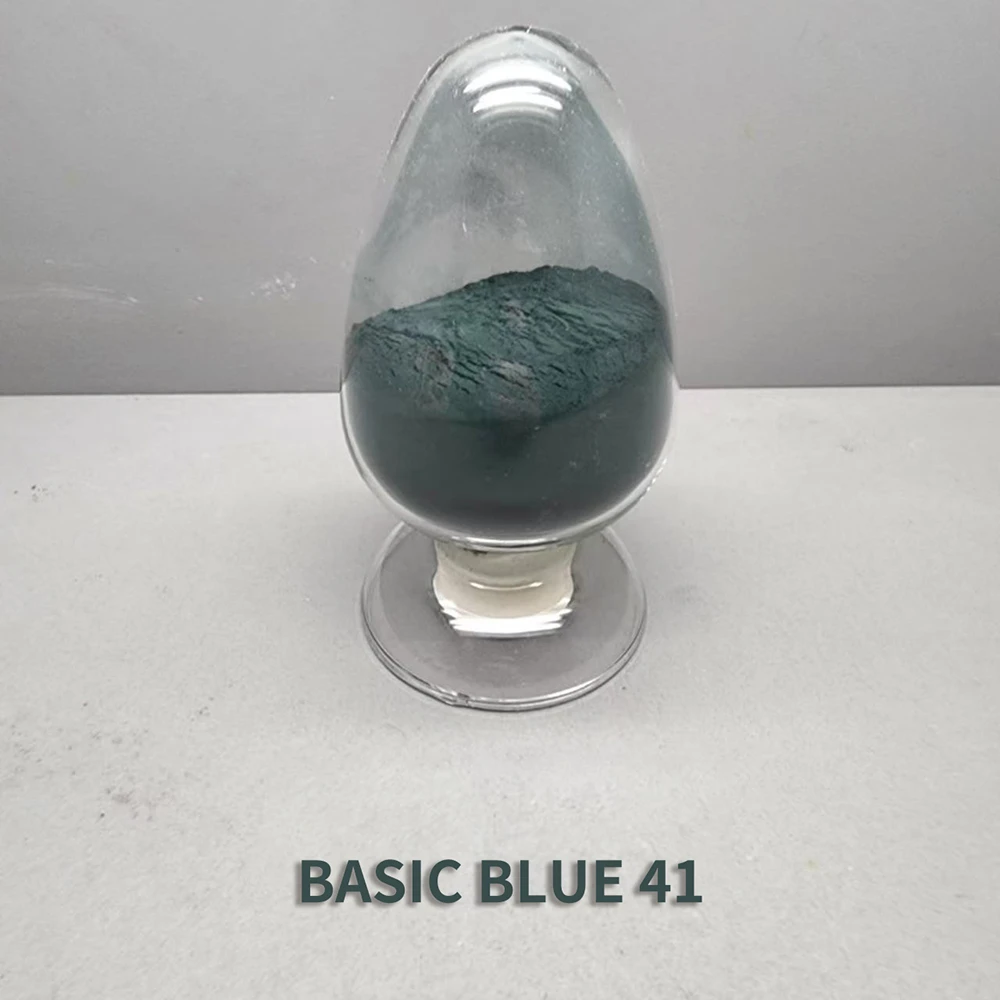
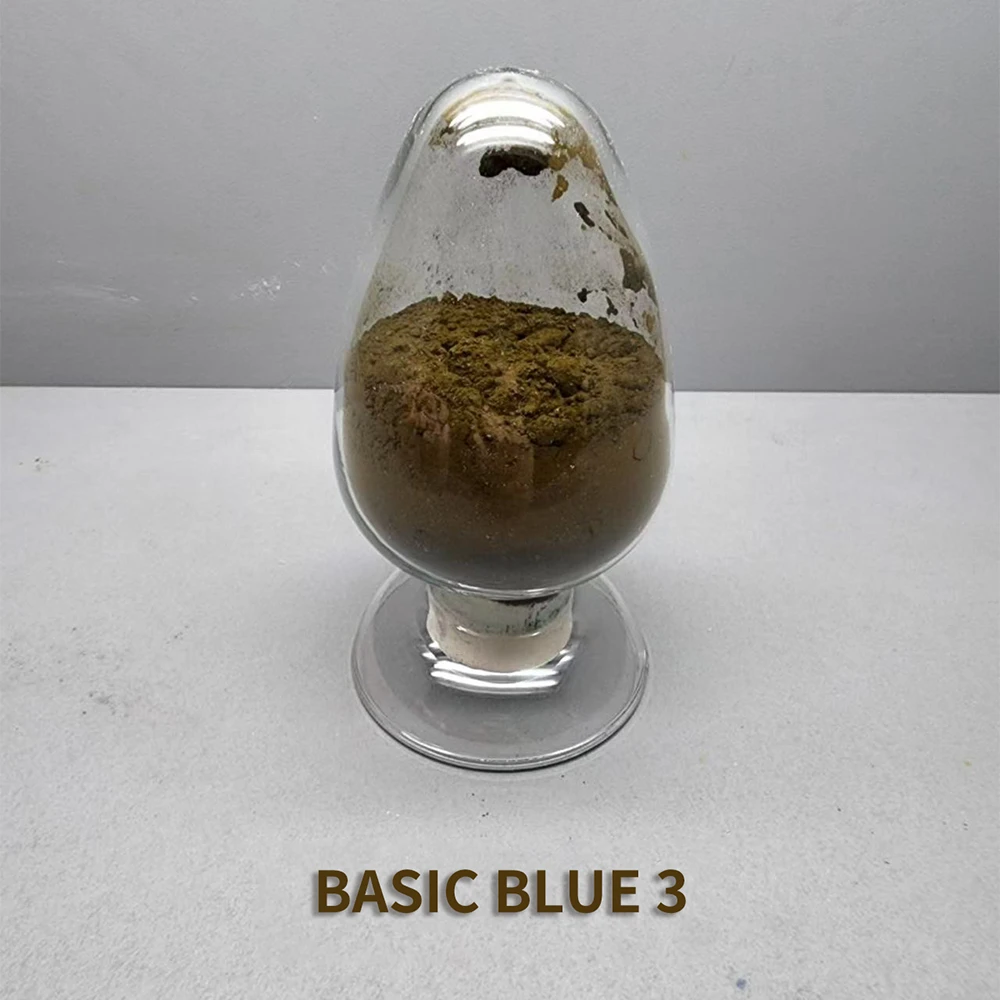
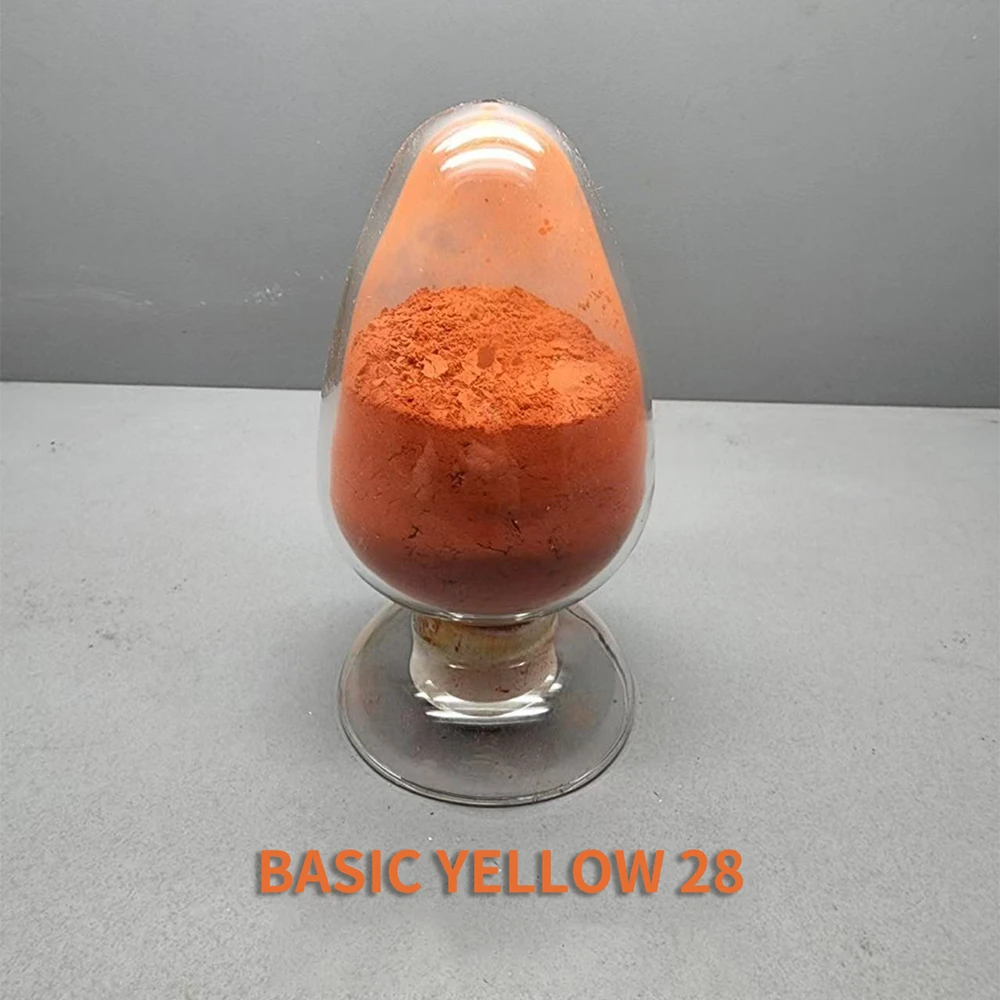
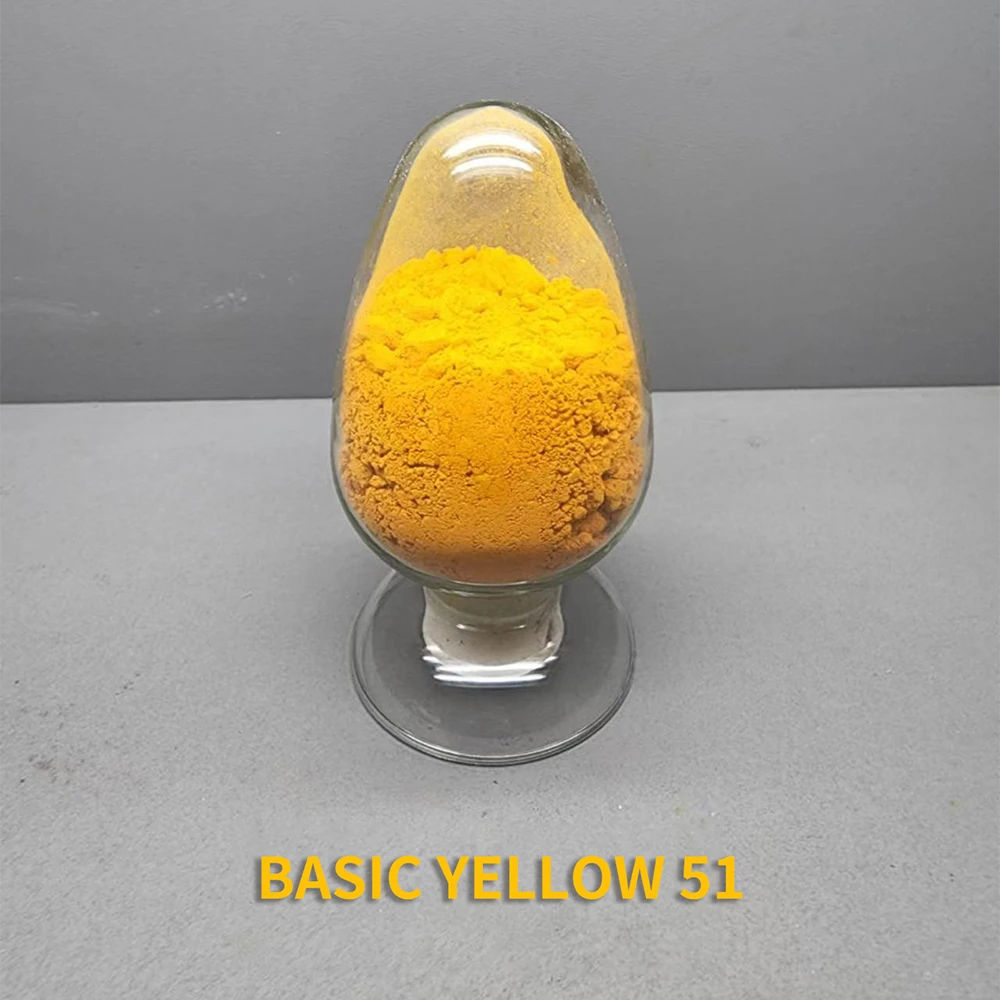
YanHong Chemical offers a comprehensive range of pastel fabric dyes specifically formulated for consistent and vibrant results. Our reactive dye series for cotton provides exceptional wash fastness and a wide spectrum of pastel shades. For silk and wool, our acid dye collection delivers unparalleled brilliance and color depth. We also carry direct dyes for convenient coloring of cellulose fibers, and disperse dyes for synthetics. Our dyes are rigorously tested for quality and environmental compliance, ensuring safe and sustainable dyeing practices.
Technical Specifications & Color Index of YanHong Chemical Pastel Dyes
Our pastel fabric dyes adhere to strict international standards. Below is a simplified specification table. For full technical data sheets and Color Index numbers, please contact our support team.
Conclusion: Unleash Your Creativity with YanHong Chemical’s Pastel Dyes
Choosing the right pastel fabric dye and understanding proper application techniques are essential for achieving stunning results. YanHong Chemical provides high-quality dyes and expert support to help you bring your creative vision to life. From vibrant shades to subtle pastels, our range of dyes caters to all your textile dyeing needs. Explore our collection today and experience the difference!
Frequently Asked Questions (FAQs)
What is the best way to store pastel fabric dyes?
To maintain the quality and vibrancy of your pastel fabric dyes, store them in a cool, dry, and dark place. Exposure to light, heat, and moisture can degrade the dye over time. Keep dyes in their original, tightly sealed containers. Avoid storing them near strong chemicals or cleaning products. Proper storage will ensure your dyes remain effective for future projects. A dedicated storage cabinet or drawer is ideal.
Can I mix different pastel dyes to create custom shades?
Yes, absolutely! Mixing different pastel dyes is a great way to create unique and personalized colors. However, it's important to start with small amounts and test the mixture on a scrap of fabric before dyeing your final piece. Keep track of the proportions you use so you can replicate the color later. Understanding basic color theory can also be helpful in predicting the outcome of your mixes.
What safety precautions should I take when using fabric dyes?
Always wear gloves and a mask when working with fabric dyes to protect your skin and respiratory system. Work in a well-ventilated area to avoid inhaling fumes. Avoid contact with eyes and skin. If dye comes into contact with your skin, rinse immediately with plenty of water. Keep dyes out of reach of children and pets. Refer to the dye manufacturer’s safety data sheet (SDS) for detailed safety information.
What is the difference between dye and pigment?
Dyes penetrate the fibers of the fabric, becoming part of the material, resulting in vibrant and wash-fast colors. Pigments, on the other hand, sit on the surface of the fabric and are held in place by a binder. Pigments generally have less vibrancy and can fade or rub off over time. For achieving soft, consistent pastel shades with good durability, dyes are generally the preferred choice over pigments.
-
Velvet Fabric Dye for Durable & Vibrant Velvet Textiles | Yanhong ChemNewsJan. 01, 2026
-
Tulip Fabric Dye – Durable, Eco-Friendly Textile Color SolutionsNewsDec. 07, 2025
-
Exploring the Benefits of Organic Dye for Clothes in Sustainable FashionNewsMar. 07, 2026
-
Bulk Fabric Dye: Quality and Choices for Industrial Textile ProcessingNewsDec. 03, 2025
-
Fabric Dye On Human Hair | Durable, High-Performance Dye Solutions from Yanhong ChemNewsDec. 03, 2025
-
Exploring Reactive Dyes in Textile A Comprehensive Guide to Chemistry and ApplicationNewsMar. 05, 2026