
Comprehensive Guide to Achieving Brilliant White Colour Dye for Clothes
Understanding White Colour Dye for Clothes: A Comprehensive Guide
Achieving a pristine white finish on clothing can be surprisingly complex. From enhancing existing whites to restoring faded fabrics, the right white colour dye for clothes is essential. This article will explore the different types of white dyes available, their applications, and how to choose the best option for your needs. We’ll cover everything from fabric types to dyeing techniques, ensuring you achieve a bright, long-lasting white. Understanding the nuances of white dyes is key to successful fabric restoration and customization.
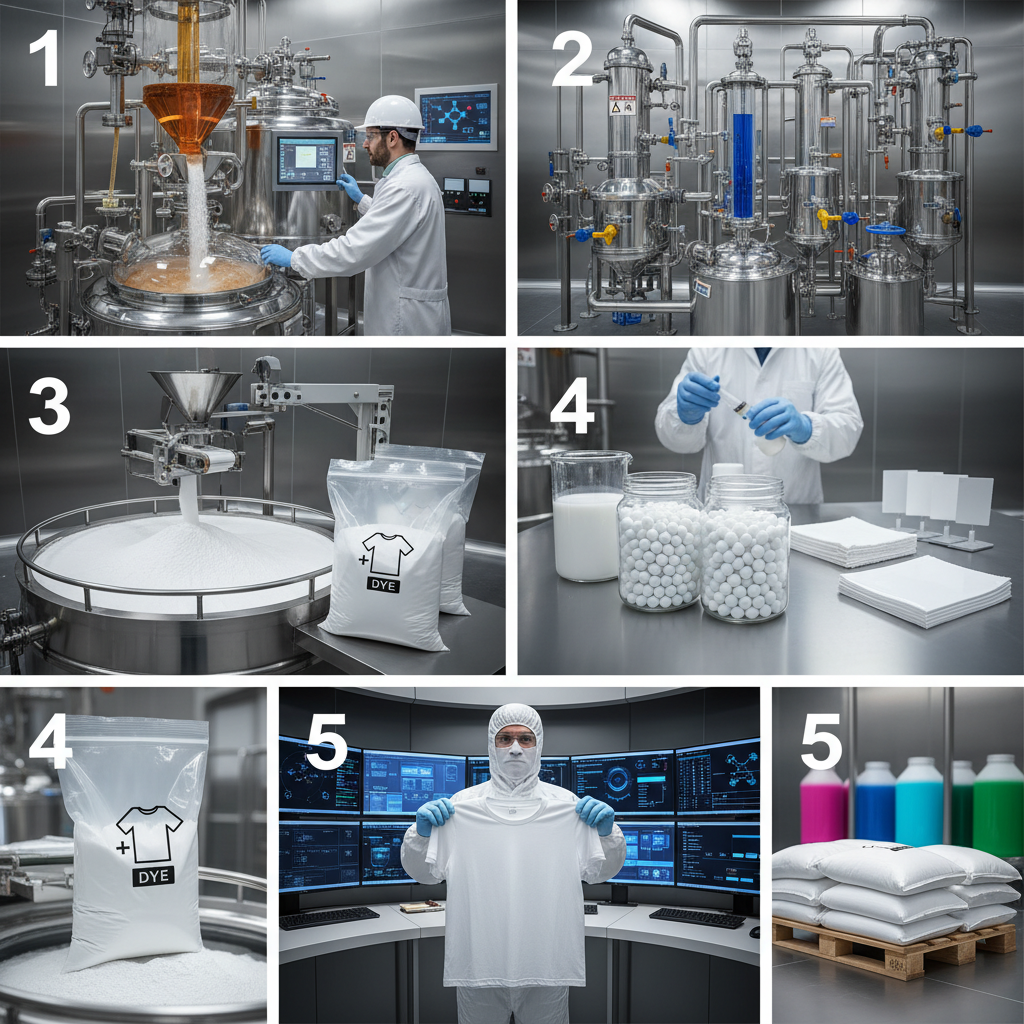
Types of White Dyes for Clothes
Several types of dyes can achieve a white colour on fabrics, each with its own strengths and weaknesses. These include optical brighteners, direct dyes, and reactive dyes. Optical brighteners don’t actually add white pigment; instead, they absorb ultraviolet light and re-emit it as visible blue light, making fabrics appear brighter. Direct dyes are simple to use but have limited wash fastness. Reactive dyes form a chemical bond with the fabric, resulting in excellent colour fastness but require more complex application processes. Choosing the right type depends on the fabric, desired durability, and your dyeing experience. Explore the range of dye products available to find the ideal solution for your project.
Key Highlights: Different types of white dyes are available, each suited for specific fabrics and desired outcomes. Selecting the correct dye ensures optimal results and longevity.
Fabric Considerations When Choosing a White Dye
The type of fabric significantly impacts the choice of white dye. Natural fibres like cotton, linen, and silk respond differently to dyes than synthetic fibres like polyester and nylon. Cotton and linen are typically best dyed with reactive dyes for their excellent colour fastness, while silk benefits from acid dyes. Synthetic fibres often require disperse dyes, which are specially formulated to penetrate these materials. Always check the fabric composition before selecting a dye to ensure compatibility and optimal results. Understanding your fabric is the first step towards achieving a brilliant white finish. YanHong Chemical offers a diverse selection to cater to all fabric types.
Fabric Compatibility Guide:
• Cotton & Linen: Reactive Dyes
• Silk: Acid Dyes
• Polyester & Nylon: Disperse Dyes
White Colour Dye Comparison: Performance and Fastness
Different white dyes offer varying degrees of performance and colour fastness. Optical brighteners provide a temporary brightening effect but wash out quickly. Direct dyes offer moderate colour fastness but are prone to fading with repeated washing. Reactive dyes, while requiring more effort, deliver exceptional colour fastness and are ideal for items that need to withstand frequent washing. Consider your intended use for the dyed item when making your selection. For everyday wear, reactive dyes are often the best choice. Selecting the right dye ensures that your white clothes stay vibrant for longer. Browse our catalogue to learn more.
Application Techniques for White Dyeing
Proper application is crucial for achieving optimal results. Begin by thoroughly cleaning the fabric to remove any dirt or oils. Follow the dye manufacturer's instructions carefully, paying close attention to water temperature, dyeing time, and dye concentration. Agitation during dyeing ensures even colour distribution. After dyeing, rinse the fabric thoroughly until the water runs clear. Finally, dry the fabric away from direct sunlight to prevent fading. Proper preparation and careful application are essential for a successful white dyeing outcome. Our resources section provides detailed guides and tips.
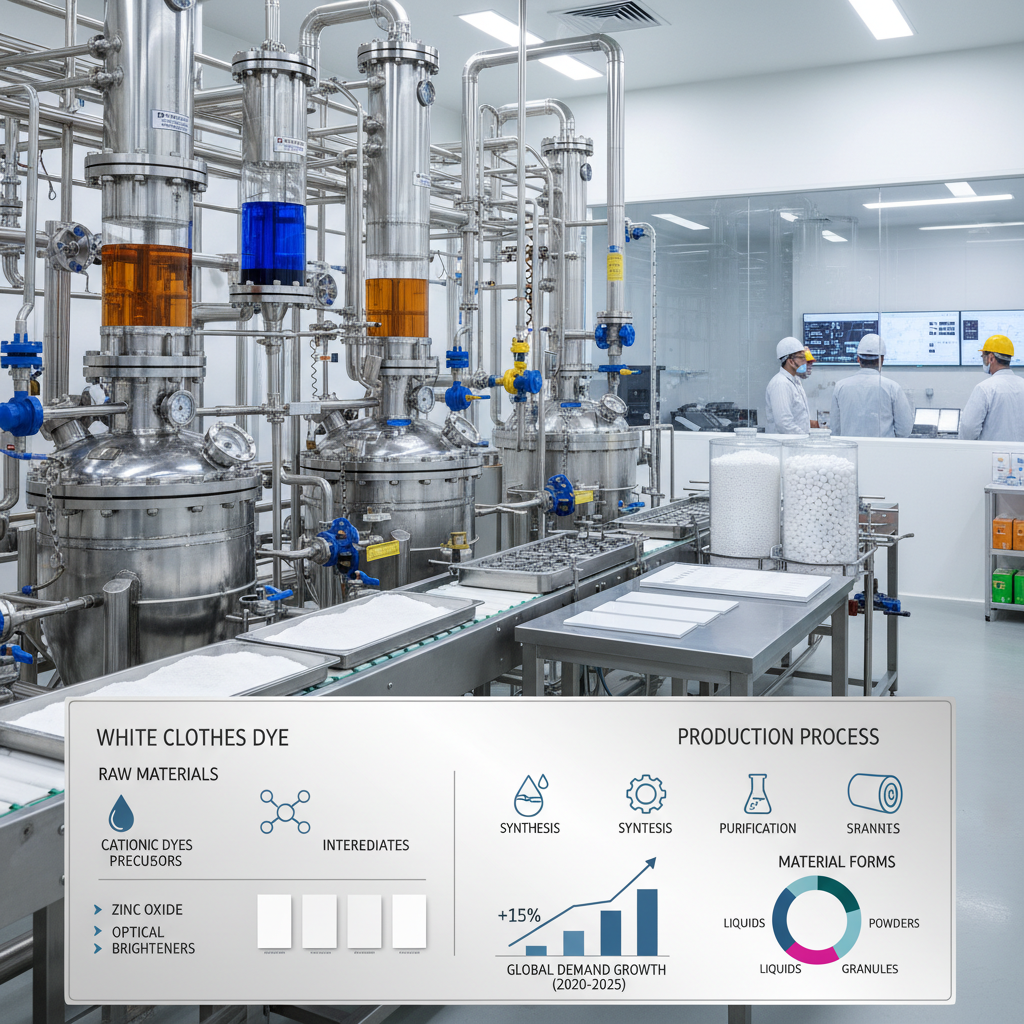
Product Specifications: YH-White 100 Dye
Introducing YH-White 100, our premium reactive dye designed for exceptional whiteness and durability. This dye is ideal for cotton, linen, and viscose fabrics.
Conclusion: Achieving Brilliant Whites with Confidence
Choosing the right white colour dye for clothes and applying it correctly is essential for achieving lasting results. By understanding fabric types, dye characteristics, and application techniques, you can restore faded garments or create custom white pieces with confidence. YanHong Chemical is dedicated to providing high-quality dyes and expert guidance for all your fabric colouring needs.
Frequently Asked Questions (FAQs)
Can I dye synthetic fabrics white?
While it’s more challenging than dyeing natural fibres, you can dye some synthetic fabrics white using disperse dyes specifically formulated for these materials. However, the results may not be as vibrant or long-lasting as with natural fibres. Polyester and nylon are the most common synthetic fabrics that can be dyed, but always check the fabric composition and dye compatibility before starting. Thorough preparation and following the dye manufacturer’s instructions are crucial for success.
How do I remove existing colour before dyeing white?
Removing existing colour, especially dark shades, is crucial for achieving a true white. Colour stripping agents are available specifically for this purpose. Follow the product instructions carefully, as these agents can be harsh on fabrics. Bleaching can also be used, but it should be done cautiously and only on fabrics that can withstand it. Always test the colour removal process on a small, inconspicuous area first to ensure it doesn't damage the fabric. Complete colour removal is key to a successful white dye.
What is the best way to prevent white clothes from turning grey?
White clothes often turn grey due to the buildup of dirt, oils, and detergent residue. To prevent this, wash white clothes separately from other colours. Use a high-quality detergent designed for whites. Consider adding a laundry booster specifically formulated to brighten whites. Avoid using fabric softener, as it can leave a residue that attracts dirt. Proper washing techniques are essential for maintaining the brightness of white clothing.
Are there eco-friendly white dye options available?
Yes, there are increasingly eco-friendly white dye options available, often using natural or low-impact chemical processes. Look for dyes certified by organizations like OEKO-TEX, which ensure they meet strict environmental standards. These dyes minimize harmful chemicals and reduce water consumption during the dyeing process. Choosing eco-friendly options is a sustainable way to achieve beautiful white results.
-
Organic Fabric Dye: Durable, Eco-Friendly Solutions for IndustryNewsDec. 31, 2025
-
China Basic Dye Manufacturer | Eco-Friendly, High FastnessNewsNov. 13, 2025
-
Exploring the Science and Versatility of Color Changing Fabric Dye TechnologyNewsJan. 27, 2026
-
Exploring the Benefits of Organic Dye for Clothes in Sustainable FashionNewsMar. 07, 2026
-
Black Basic in Industrial Equipment: Essentials and InsightsNewsDec. 13, 2025
-
Pink Fabric Dye - Durable, Eco-Friendly Textile Solutions for Industry | YanhongchemNewsDec. 04, 2025












