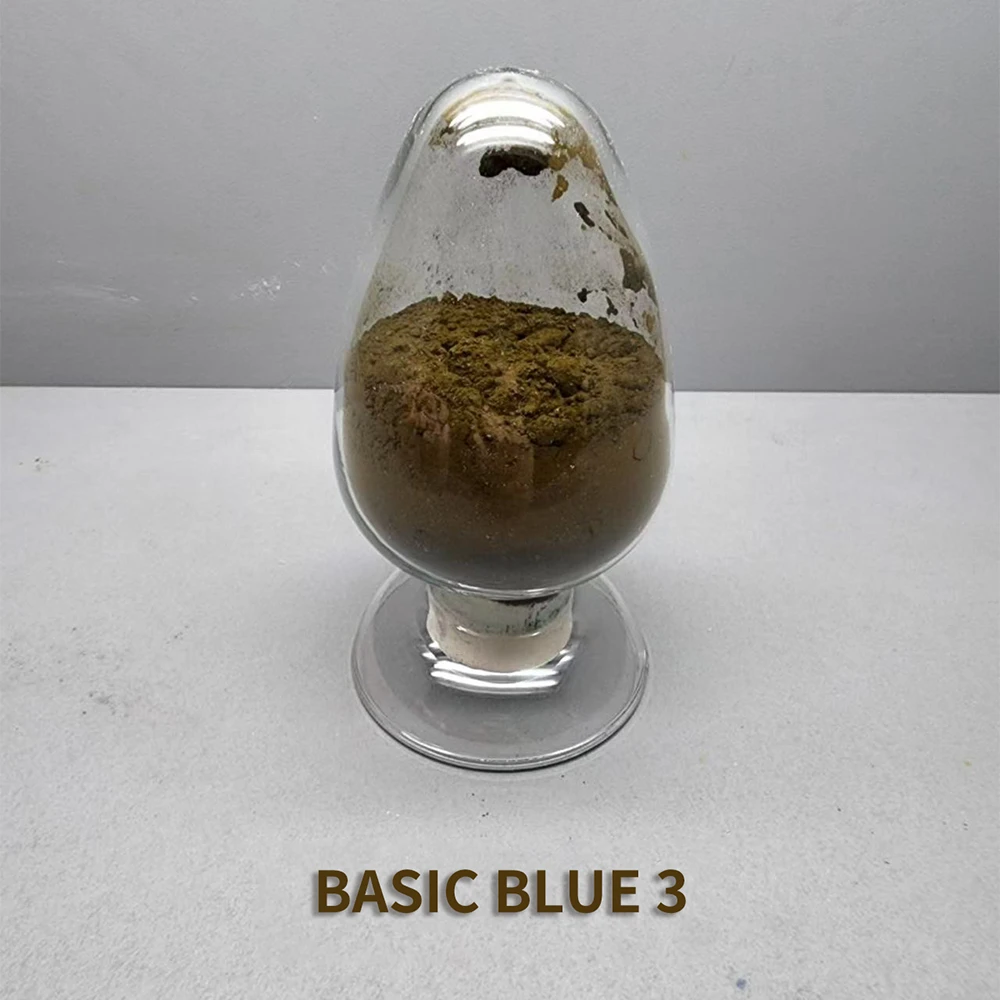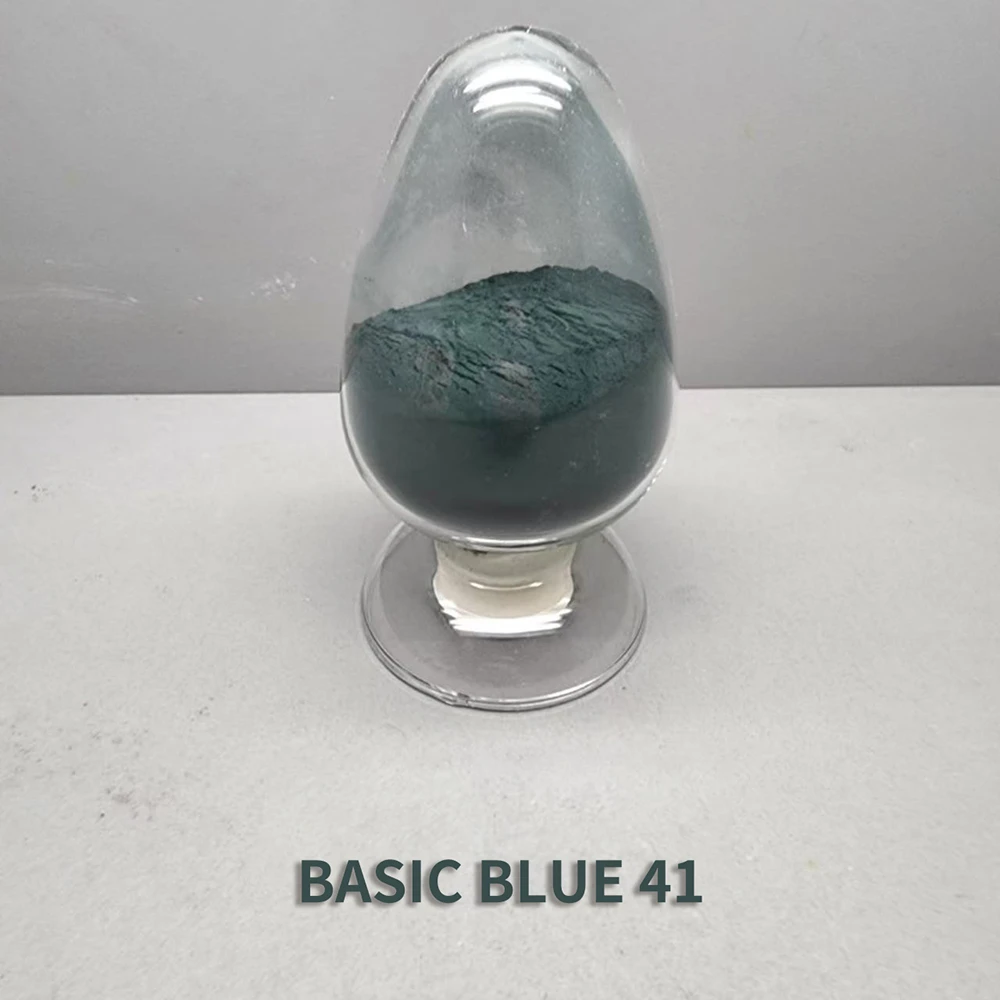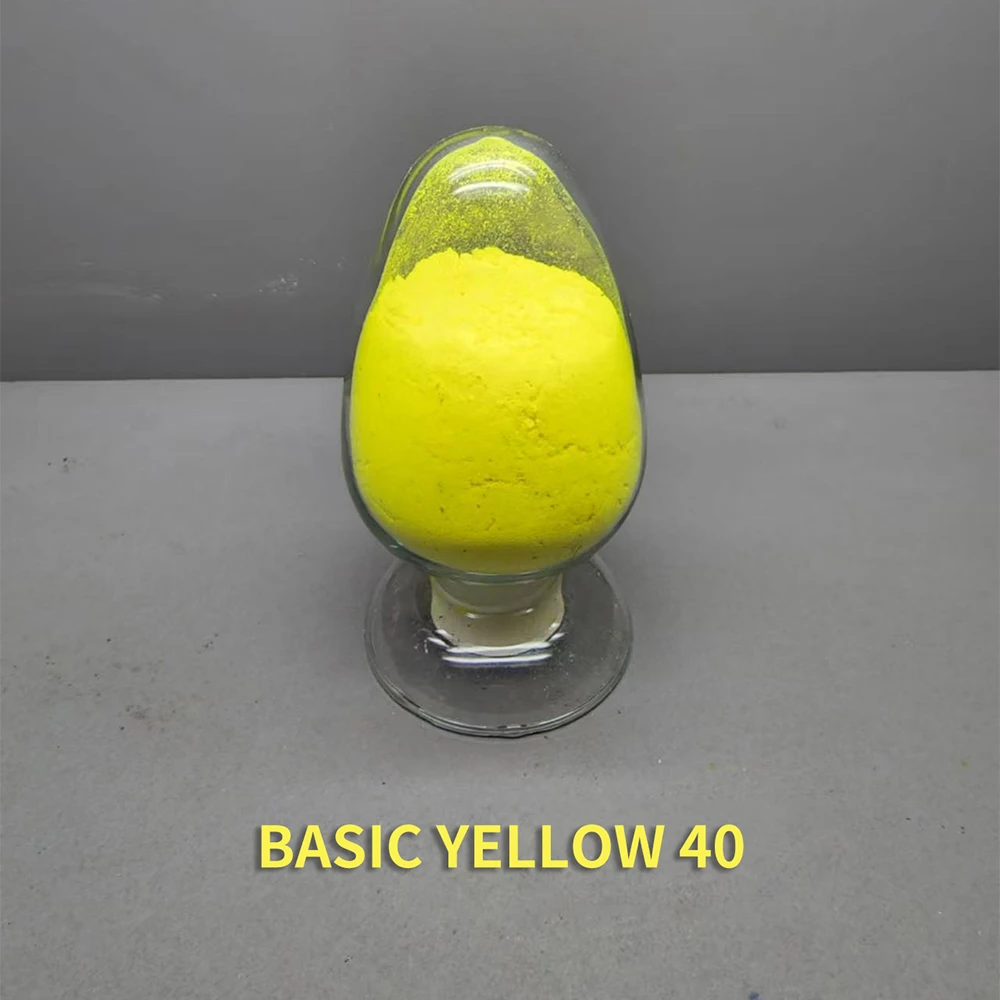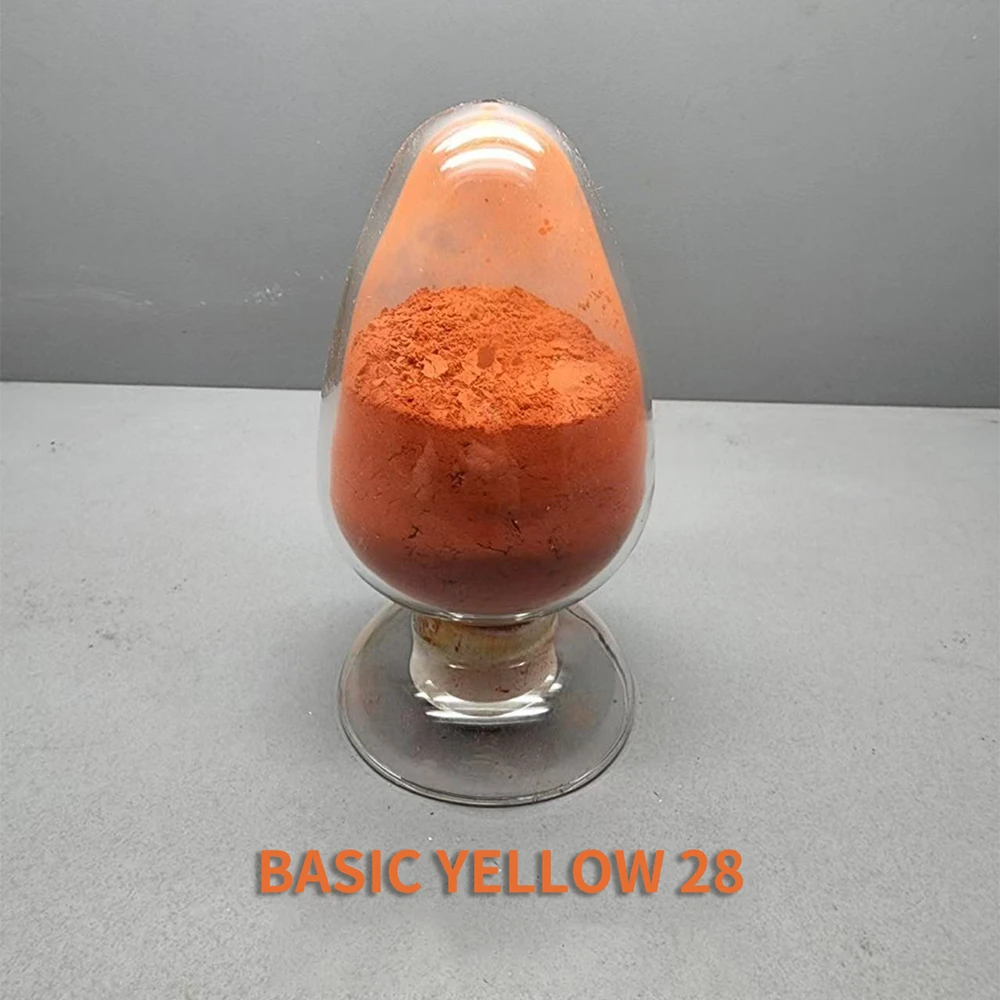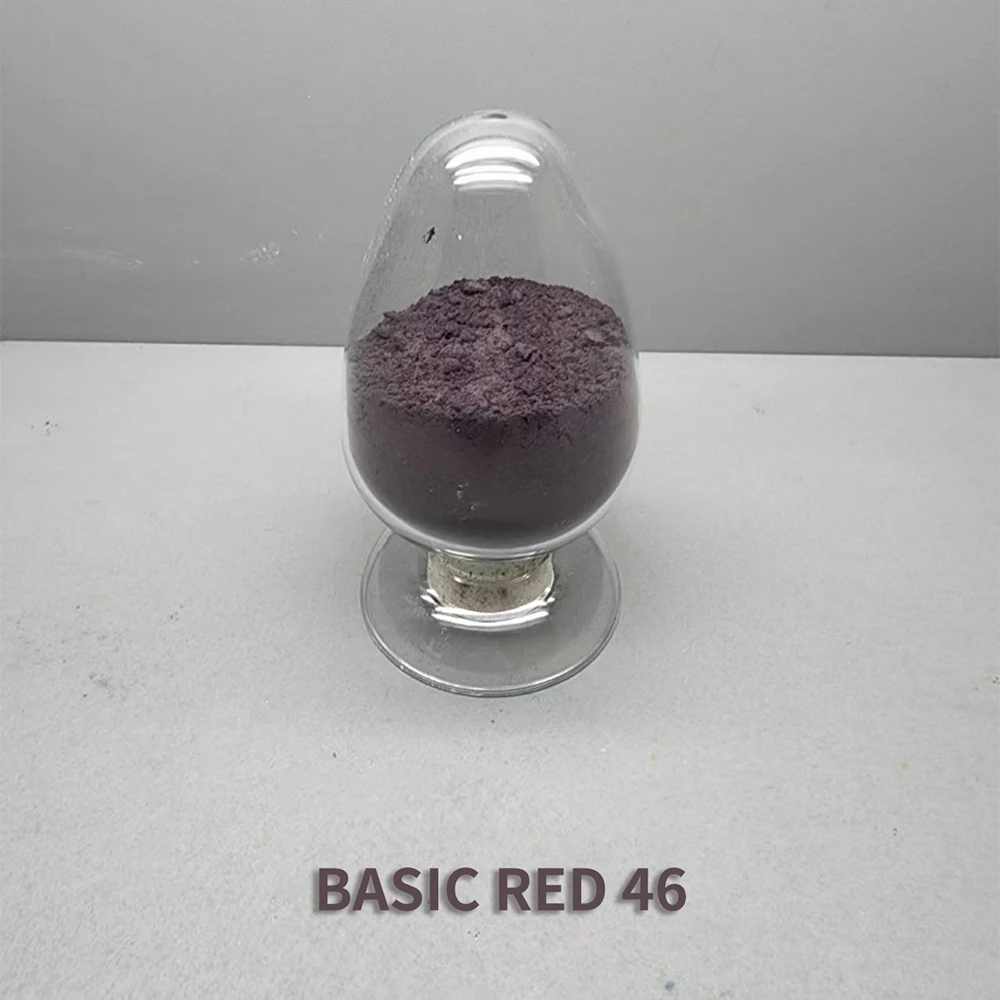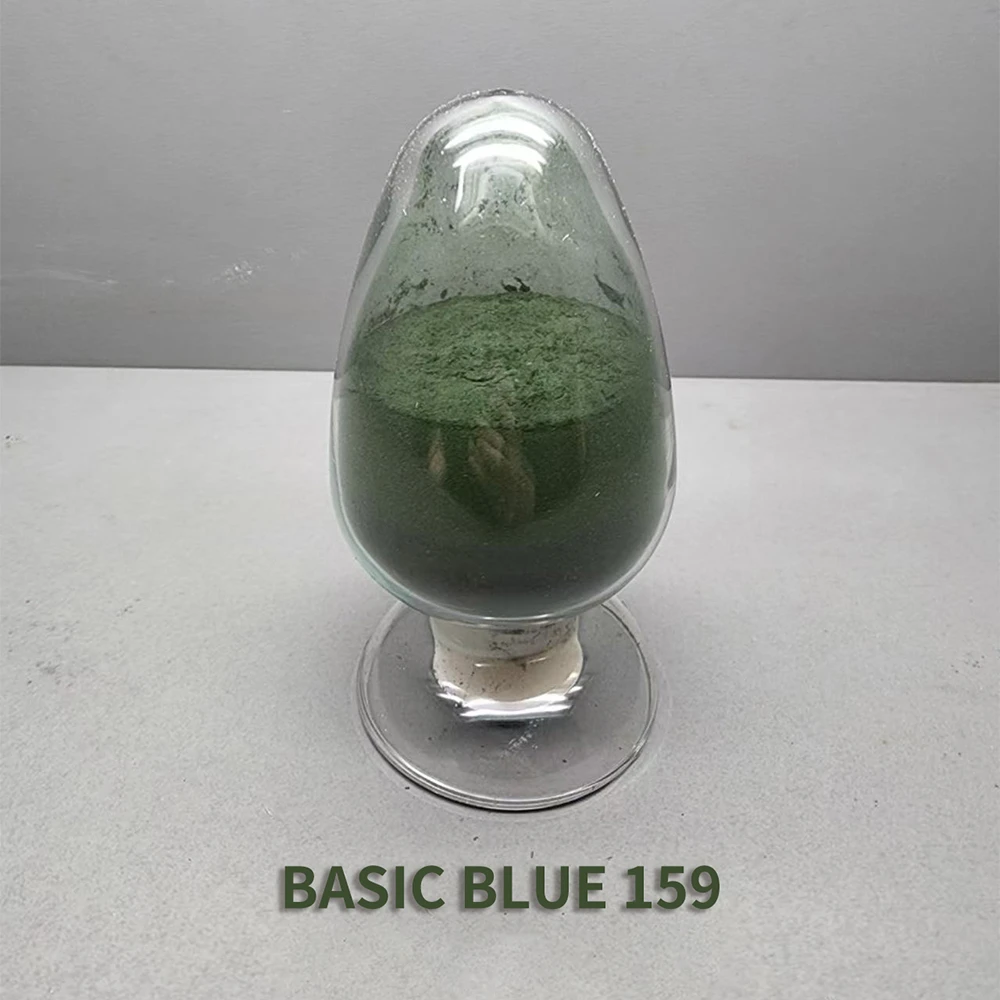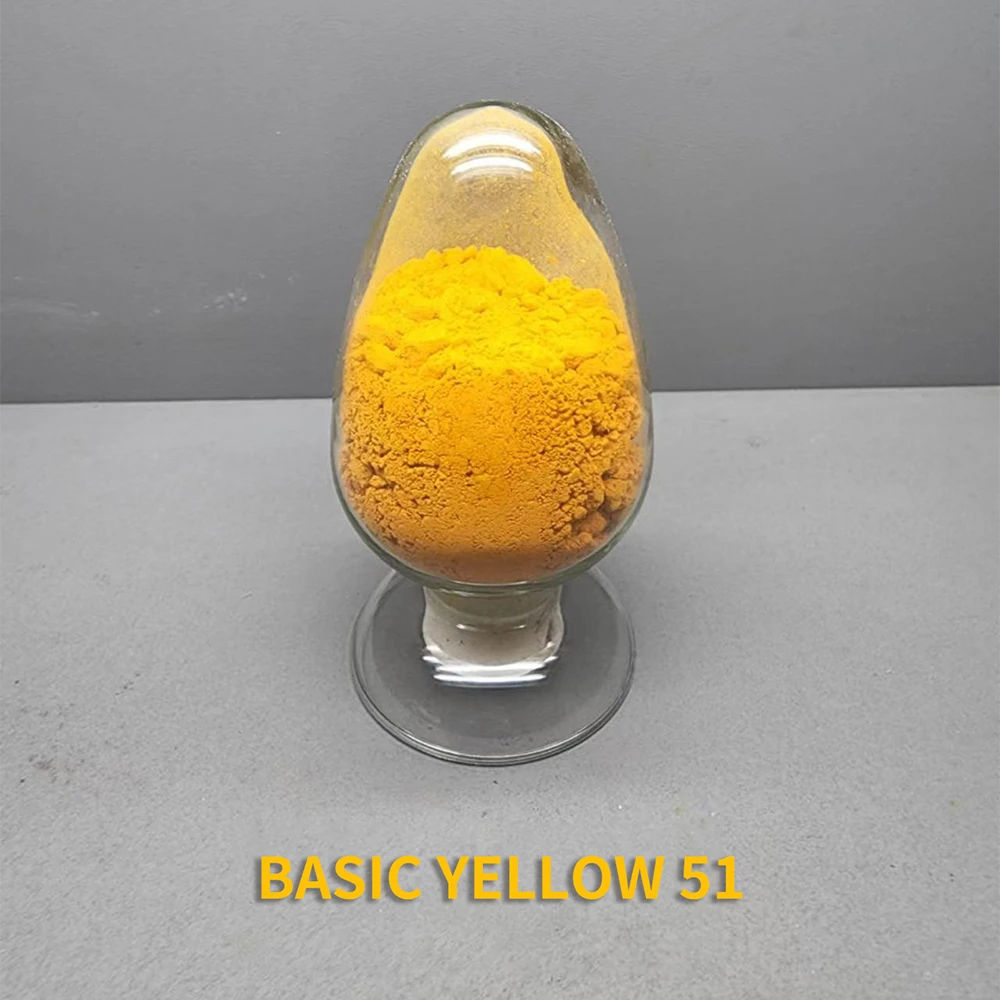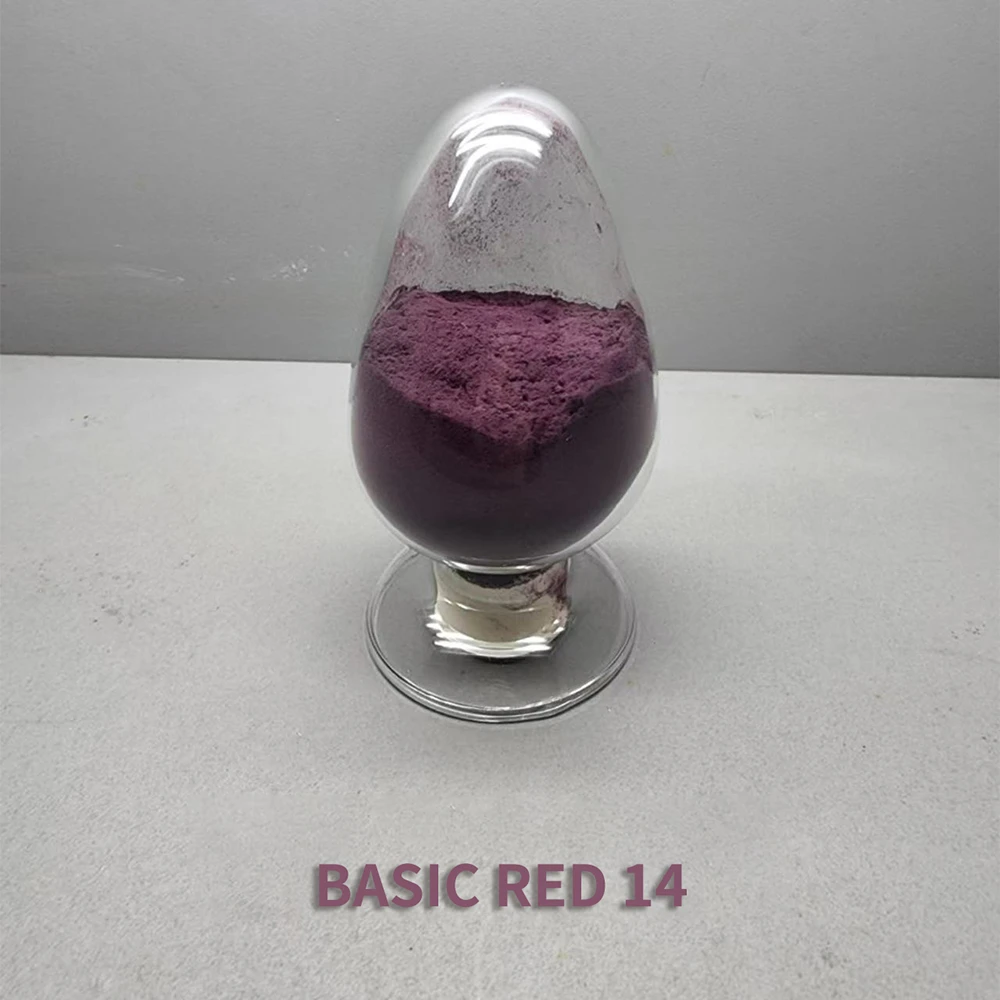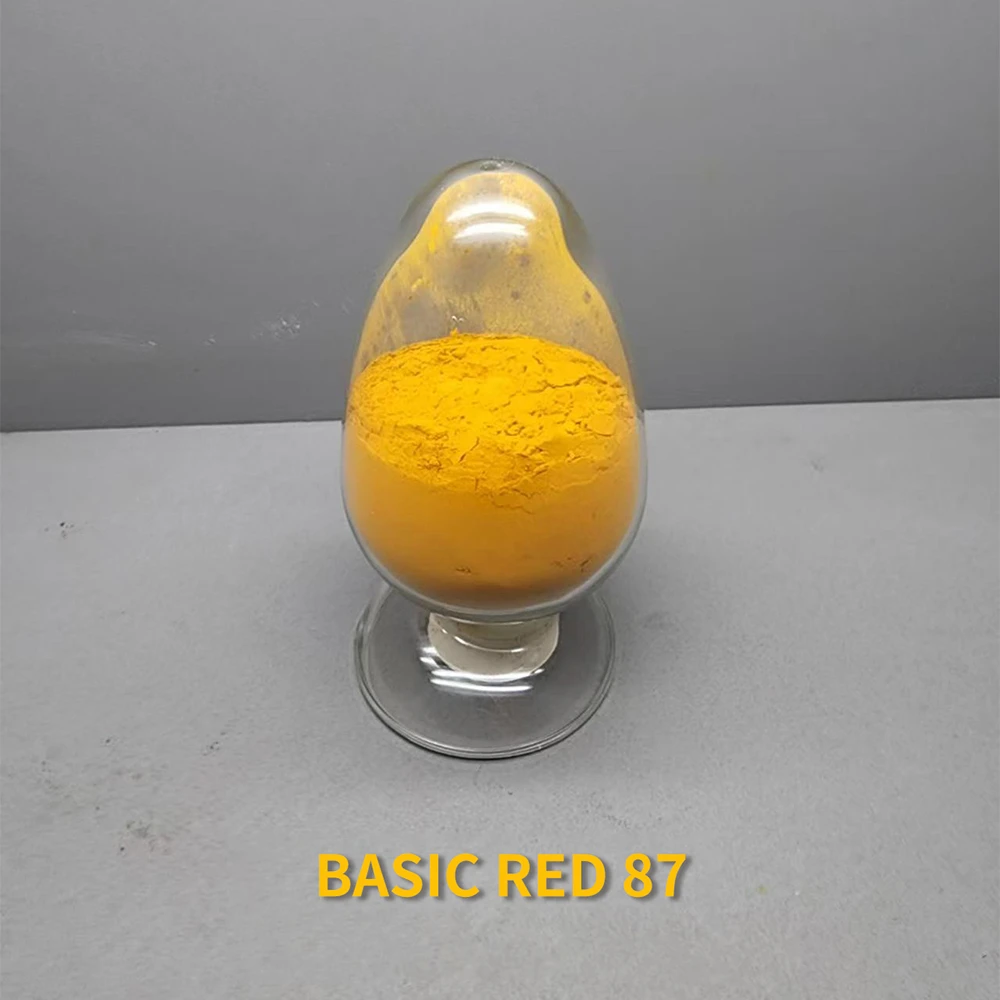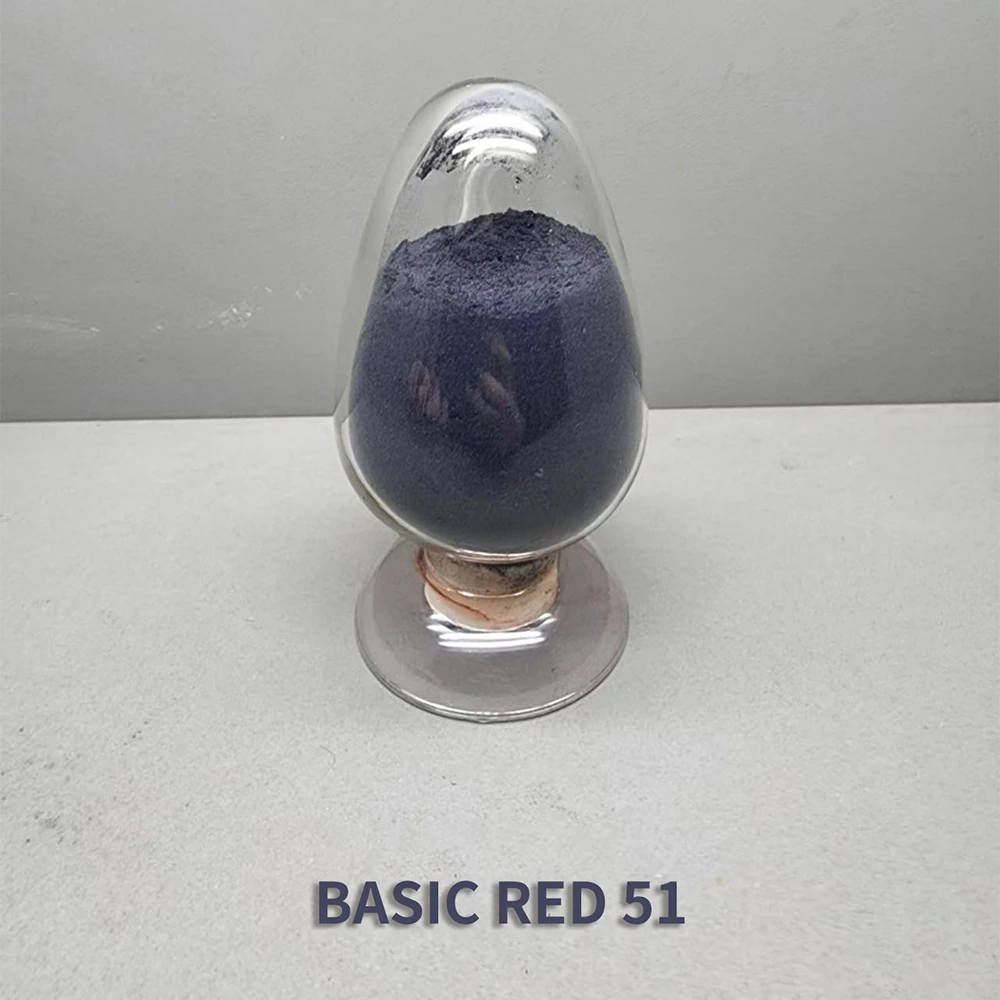
Classification Of Cationic Dyes
Cationic dyes can be classified by two methods: application performance and chemical structure type. According to application performance, China classifies the existing dyes into common type, X type and M type. According to the chemical structure, dyes are classified into isolated type and conjugated type based on the different forms of the cation charge in the dye molecule and the composition of the dye chromophore conjugate.
(1) Isolated cationic dyes: The positive charge in the dye molecule is connected to the conjugated system of the dye's chromophore through the isolation group, and the positive charge is fixed on the nitrogen atom of the quaternary ammonium salt. The characteristics of cationic dyes are that their color dosage is slightly lower, the color light is not very bright, but they are heat-resistant, sun-resistant, acid and alkali resistant, and have good stability. For example, Cationic Red GTL (C.I. basic Red 18(C.I.11085)(English name Cationic Red GTL), its structural formula is as follows
(2) Cationic red GTL is a dark red powder. It dissolves in water and appears dark red. In concentrated sulfuric acid, it shows a red-orange color. After dilution, it turns red. When dyed on acrylic fiber, it appears dark red. N-ethyl aniline hydroxyethylation, chlorination, and amination were adopted; It is obtained by diazotization of 2-chloro-4-nitroaniline and coupling with the above-mentioned ammonia compounds, followed by methylation, filtration and drying. It is used for the dyeing and printing of acrylic and its blended fabrics, and can also be used for the dyeing of modified acrylic and polyester, as well as the printing of acetate fiber fabrics.
(3) Conjugated cationic dyes: The positive charge in the dye molecule is a component of the conjugated system of the dye chromophore. The positive charge is not fixed on a certain atom but can be shifted. The characteristics of this type of dye are bright colors, high tinting strength, but medium light fastness. For example, cationic Yellow X-6G(C.I.48056)(English name: Catinic YELLOW X-6G), its structural formula is as follows
(4) Cationic yellow X-6G is a brownish-yellow powder, slightly soluble in cold and hot water, and when printed on acrylic fiber, it presents a bright greenish-yellow luster. It is prepared by condensation of 1, 3, 3-trimethylindolino-acetaldehyde with p-aminobenanisole, followed by filtration and drying. It is used for the printing and dyeing of acrylic and its blended fabrics, and can also be used for the printing of acetate fibers, polyvinyl chloride fibers and modified acrylic fibers.
-
Sustainable Eco Friendly Fabric Dye Solutions for Industrial UseNewsJan. 01, 2026
-
Teal Fabric Dye: Durable Industrial Solutions for Textile ApplicationsNewsDec. 07, 2025
-
Comprehensive Guide to Dark Green Fabric Dye: Sustainability and Durability in TextilesNewsDec. 07, 2025
-
A Comprehensive Guide to Achieving Beautiful Pastel Dye for ClothesNewsApr. 07, 2026
-
Achieve Vibrant Results with Premium Sky Blue Dye for ClothesNewsMar. 21, 2026
-
Mauve Fabric Dye: Durable, Sustainable Textile Solutions | YanhongchemNewsJan. 04, 2026