Comprehensive Guide to Effectively Setting Dye in Fabric for Lasting Color
Setting Dye in Fabric: A Comprehensive Guide
Successfully setting dye in fabric is crucial for vibrant, long-lasting colors. This process involves more than just applying dye; it requires understanding fabric types, dye chemistry, and proper techniques. This article will explore the complexities of dye setting, covering everything from pre-treatment to aftercare, ensuring your textile projects achieve optimal results. We will also delve into the crucial role of fixing agents in achieving colorfastness and provide insights for both home crafters and industrial applications.

Understanding the Dyeing Process and the Need for Setting
Dyeing, at its core, is the process of imparting color to a textile material. However, most dyes initially exist on the fiber surface rather than within it. Without proper setting, these dyes are easily removed through washing, light exposure, or abrasion. Dye setting, also known as color fixing, forms a chemical bond between the dye molecule and the fabric fiber, creating a durable and wash-resistant color. The effectiveness of dye setting depends on several factors, including the type of dye, the fabric composition, and the setting method employed. Choosing the correct fixing agent is paramount for achieving desired colorfastness. YanHong Chemical offers a diverse range of fixing agents optimized for various dye types and fabrics.
Key Takeaway: Dye setting transforms surface-level color into a durable, integrated part of the fabric, ensuring longevity and vibrancy.
Factors Influencing Dye Setting Success
Several variables impact how effectively dye sets into a fabric. Fabric type is a primary consideration. Natural fibers like cotton, linen, and silk require different setting processes than synthetic fibers such as polyester or acrylic. The type of dye used (reactive, direct, acid, etc.) also dictates the appropriate setting technique. Water temperature, pH level, and the presence of electrolytes all play a role. Insufficient rinsing after dyeing can lead to dye migration and poor colorfastness. Finally, the quality of the dye itself is crucial – cheaper dyes often lack the necessary molecular structure for strong bonding. Contact YanHong Chemical for high-quality dyes and setting agents.
Critical Factors for Dye Setting:
• Fabric Type (Natural vs. Synthetic)
• Dye Type (Reactive, Direct, Acid, etc.)
• Water Temperature & pH Level
• Quality of Dye & Fixing Agent
Common Dye Setting Methods for Different Fabrics
The appropriate method for setting dye in fabric varies significantly. For cotton and linen (cellulosic fibers), reactive dyes are popular and often require a soda ash (sodium carbonate) setting process. This involves immersing the dyed fabric in a solution of soda ash, which helps the dye bond with the fiber. Silk and wool (protein fibers) typically utilize acid dyes and benefit from a vinegar or acetic acid setting bath. Synthetic fabrics like polyester often require high-temperature, high-pressure setting techniques, sometimes involving carrier agents. Understanding these differences is key to preventing color bleeding or fading.
The Role of Fixing Agents and Aftercare
Fixing agents are essential additives that enhance dye-fiber bonding. These agents work by forming a bridge between the dye molecule and the fabric, improving colorfastness to washing, light, and rubbing. Different fixing agents are designed for specific dye types and fabrics. After setting, thorough rinsing is critical to remove any excess dye and fixing agent. Finally, proper washing and drying procedures, such as using a mild detergent and avoiding direct sunlight, will help maintain the color's vibrancy for years to come.
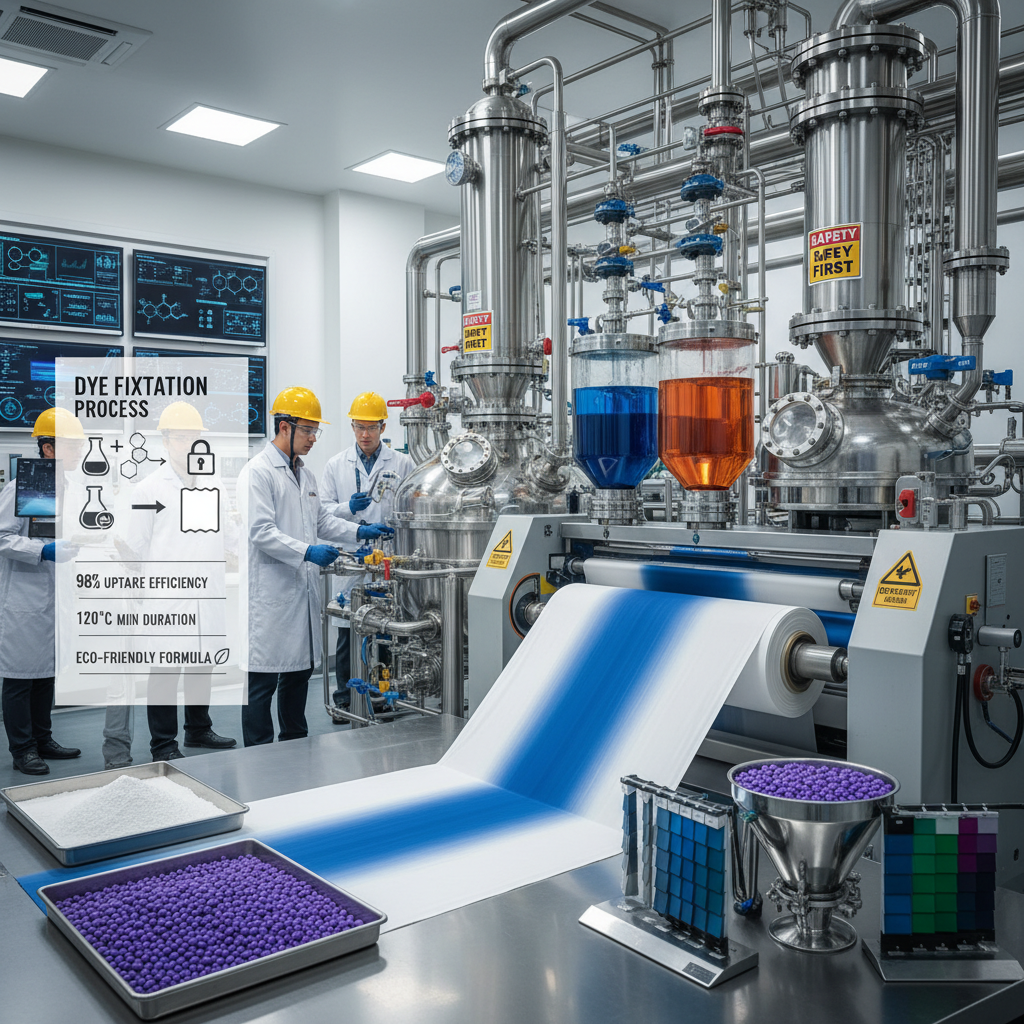
Product Spotlight: YanHong Chemical’s Dye Fixing Agents
YanHong Chemical offers a comprehensive line of dye fixing agents tailored to various applications. Our products are formulated to provide superior colorfastness, even in demanding conditions. We offer agents for reactive dyes, direct dyes, acid dyes, and more. Below is a table showcasing some of our popular products:
Conclusion: Achieving Vibrant, Long-Lasting Color
Mastering the art of setting dye in fabric is essential for anyone involved in textile production or crafting. By understanding the factors influencing dye setting, selecting the appropriate methods and fixing agents, and adhering to proper aftercare procedures, you can achieve vibrant, durable colors that withstand the test of time. YanHong Chemical is your trusted partner for all your dyeing and finishing needs.
Frequently Asked Questions (FAQs)
What is the best way to test dye setting effectiveness?
The wash test is the most common and reliable method. Take a small swatch of the dyed and set fabric and wash it in warm water with a mild detergent. Observe the wash water for any dye bleeding. Repeat the wash several times to assess long-term colorfastness. A rubbing test (gently rubbing a white cloth against the dyed fabric) can also reveal if excess dye remains on the surface. For professional testing, colorfastness standards like ISO 105 are used to quantify dye setting performance.
Can I re-set dye if the initial setting was insufficient?
Sometimes, you can improve colorfastness by re-applying the appropriate setting process. However, the success rate depends on the severity of the issue and the type of dye used. For example, if reactive dye wasn't fully fixed with soda ash, another soda ash bath may help. However, severely bled or faded colors may be difficult to restore completely. It's always best to follow the correct setting procedure from the start to avoid this issue. YanHong Chemical offers consultations on optimizing your dye setting processes.
What safety precautions should I take when using dye fixing agents?
Always read and follow the safety instructions provided by the manufacturer of the fixing agent. Many fixing agents are caustic or irritating and require the use of gloves, eye protection, and adequate ventilation. Avoid contact with skin and eyes. If contact occurs, rinse thoroughly with water. Some fixing agents may also be harmful if ingested. Store fixing agents in a cool, dry place away from children and pets. Refer to the Safety Data Sheet (SDS) for detailed safety information.
-
Comprehensive Guide to Fabric Dye Price Factors and Optimization StrategiesNewsFeb. 27, 2026
-
Light Blue Fabric Dye: Industrial Guide & Vendor InsightsNewsDec. 12, 2025
-
Durable Fabric Dye for Outdoor Cushions – UV & Water Resistant SolutionsNewsDec. 09, 2025
-
Rye Fabric Dye: Sustainable Textile ColoringNewsJan. 26, 2026
-
Mint Green Fabric Dye – Durable, Eco-Friendly Textile Solutions from Yanhong ChemicalNewsJan. 02, 2026
-
Fabric Dye for Bleach Stains – Restore and Recolor Textiles EasilyNewsJan. 06, 2026