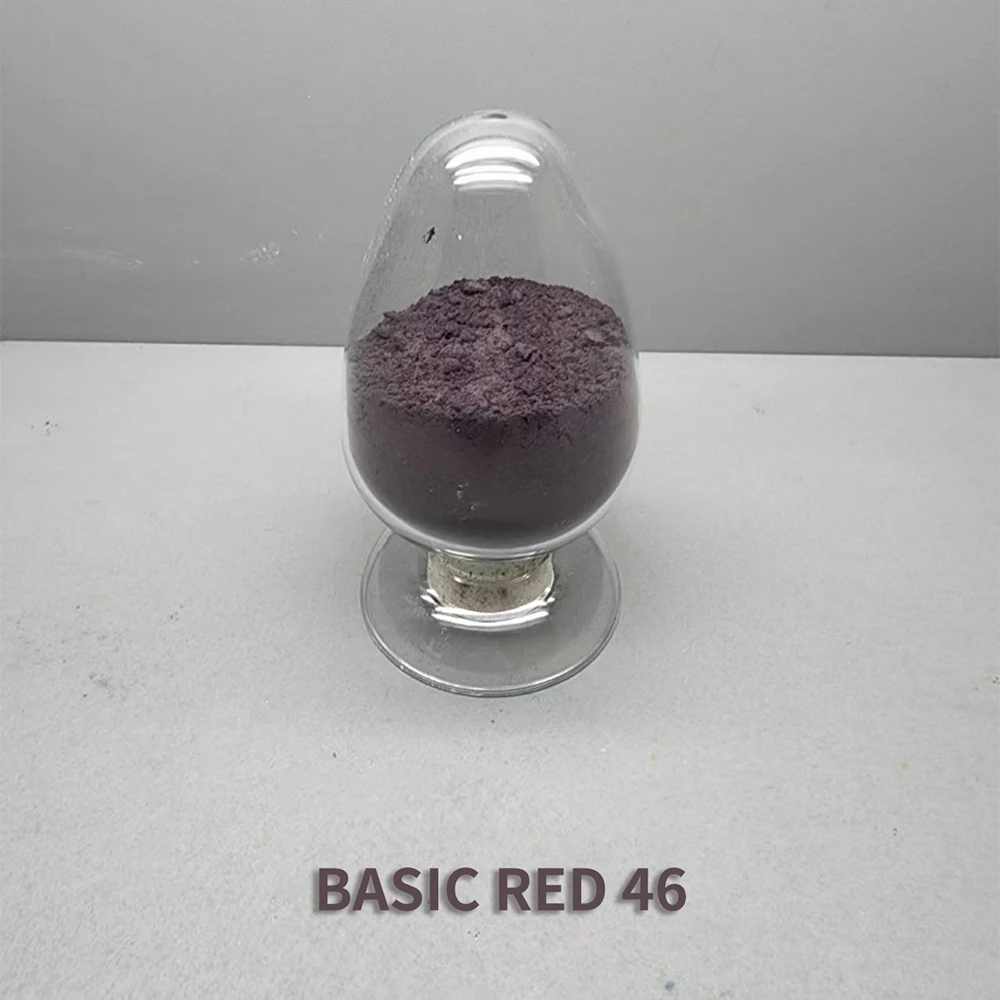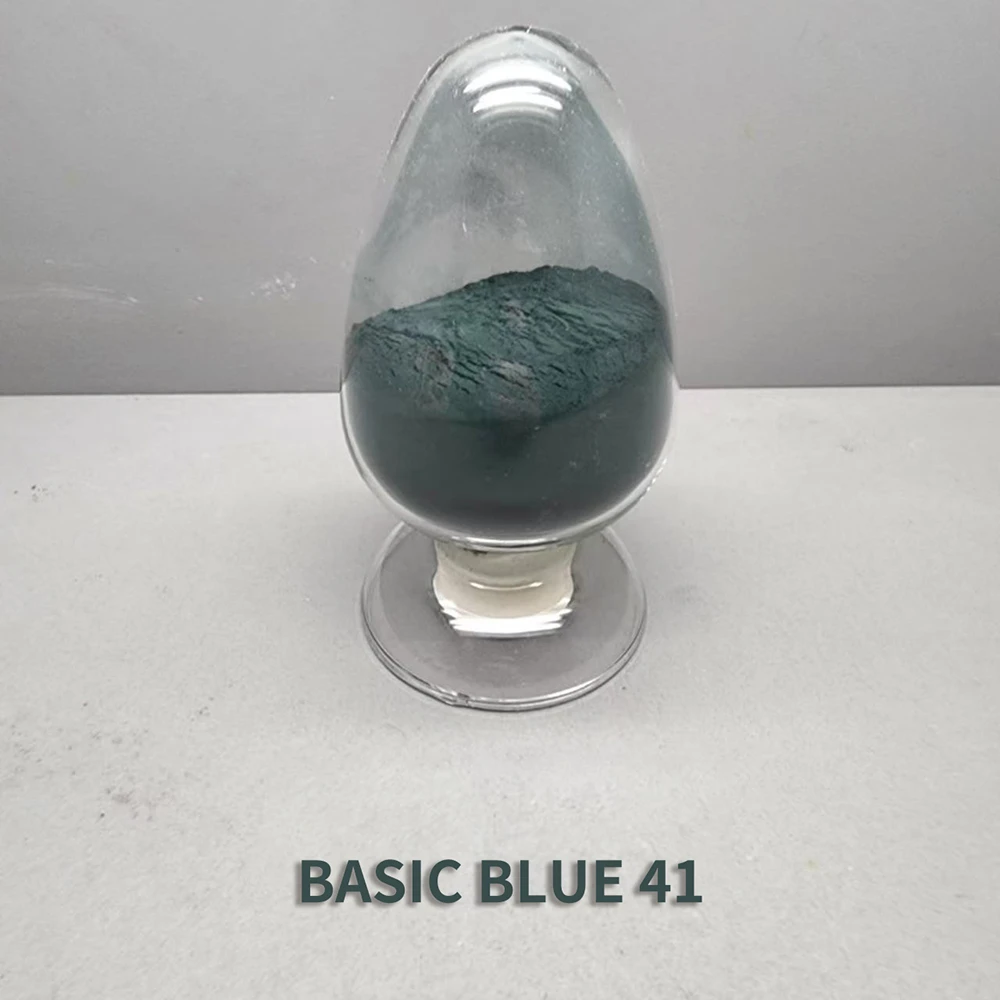
Light Blue Fabric Dye: Industrial Guide & Vendor Insights
Light Blue Fabric Dye: Insights from an Industrial Perspective
Having spent a fair few years around industrial equipment and textile manufacturing, I’ve come to appreciate how something seemingly straightforward—like light blue fabric dye—actually involves quite a layered complexity. Frankly, it’s not just about picking a pretty shade but balancing chemistry, performance, and usability on the factory floor.
In real terms, light blue fabric dye is a staple in everything from mass-produced clothing lines to specialty technical textiles. What really caught my attention over the years is how essential color consistency and fastness are in industrial applications. You don’t want your logo fading after a few washes or uneven patches ruining the uniform appearance—trust me, I’ve seen the disasters. So, having a reliable dye with a stable formula makes all the difference.
Now, diving a little into the design and material considerations, most industrial light blue dyes are azo-based or made from reactive compounds (depending on the fabric type—cotton, polyester, or blends). The reactive dyes, in particular, chemically bond with the fibers, offering better wash and light fastness, which is gold in industrial contexts. Oddly enough, the color yield often surprises newer operators — sometimes a lighter dye can be more challenging to control than a deep blue.
Talking about testing, manufacturers usually run multiple wash cycles, UV exposure, and abrasion tests before confirming the dye's suitability. In my experience, the subtle nuances in the dye’s composition can affect these results drastically, which is why I tend to lean towards suppliers who provide thorough data sheets and batch testing reports.
| Specification | Details |
|---|---|
| Shade | Light Blue (Pantone approx. 290C) |
| Dye Type | Reactive dye for natural fibers / Disperse dye for synthetics |
| Light Fastness | ≥ 6 (on Blue Wool Scale) |
| Wash Fastness | 4-5 (ISO 105-C06) |
| pH Range | 6.5 - 8.0 |
| Form | Powder or liquid concentrate |
| Recommended Fabrics | Cotton, linen, silk, polyester blends |
Back in the day, I worked with a team that sourced dyes for a large uniform supplier. We found that partnering directly with chemical manufacturers who supported customization sped up troubleshooting. For instance, a client in the hospitality industry needed a slightly muted light blue—not too pastel but definitely softer than sky blue. Getting a tailored batch helped maintain brand integrity without sacrificing durability.
That brings me to why vendor selection is paramount. Here’s a quick overview to help anyone navigating their choices:
| Supplier | Product Range | Customization | Technical Support | Lead Time |
|---|---|---|---|---|
| YanHong Chemical | Wide (reactive, disperse, vat dyes) | High - small batch options available | Dedicated technical team | 2-3 weeks |
| Supplier B | Moderate (mostly reactive dyes) | Limited | Standard support | 3-4 weeks |
| Supplier C | Niche (disperse dyes only) | None | Limited online FAQ | 4-6 weeks |
When you’re dealing with volumes that matter—hundreds or thousands of kilos—you also need to think about batch consistency and supply chain reliability. I recall a particular rush order where a vendor’s inconsistent batch caused a slight mismatch in uniform hues, which wound up costing the client time and money. Since then, I’m pretty strict about vendor transparency and certifications.
Aside from the technical side, it’s encouraging to see more suppliers (YanHong included) exploring sustainable formulations and packaging. Given the push on eco-friendly textiles these days, it feels like the industry is slowly shifting towards less wastewater contamination and safer worker exposure, which I suppose benefits us all.
In short, the light blue fabric dye world is a quiet but intricate one. It requires a careful balance of chemistry, production demands, and sometimes a bit of negotiation with color itself. Hopefully, this snapshot brings some clarity to an often underestimated component of the textile supply chain.
— The dye is more than color; it’s the first handshake with a finished product’s identity.
References:
- ISO 105-C06 Colorfastness to Washing standards
- Pantone Color Matching System for dye shade references
- YanHong Chemical official product data sheets
-
Mint Green Fabric Dye – Durable, Eco-Friendly Textile Solutions from Yanhong ChemicalNewsJan. 02, 2026
-
Comprehensive Guide to Effectively Setting Dye in Fabric for Lasting ColorNewsMar. 03, 2026
-
Durable Car Fabric Dye Solutions for Automotive Industry | YanhongchemNewsJan. 04, 2026
-
Premium Fabric Dye For Sale | Durable Industrial Textile Dyes from Yanhong ChemNewsDec. 03, 2025
-
Reliable Navy Fabric Dye for Industrial Textile Applications | YanhongNewsDec. 07, 2025
-
Understanding Dye Fabric Colour for Optimal Textile Production and QualityNewsFeb. 24, 2026