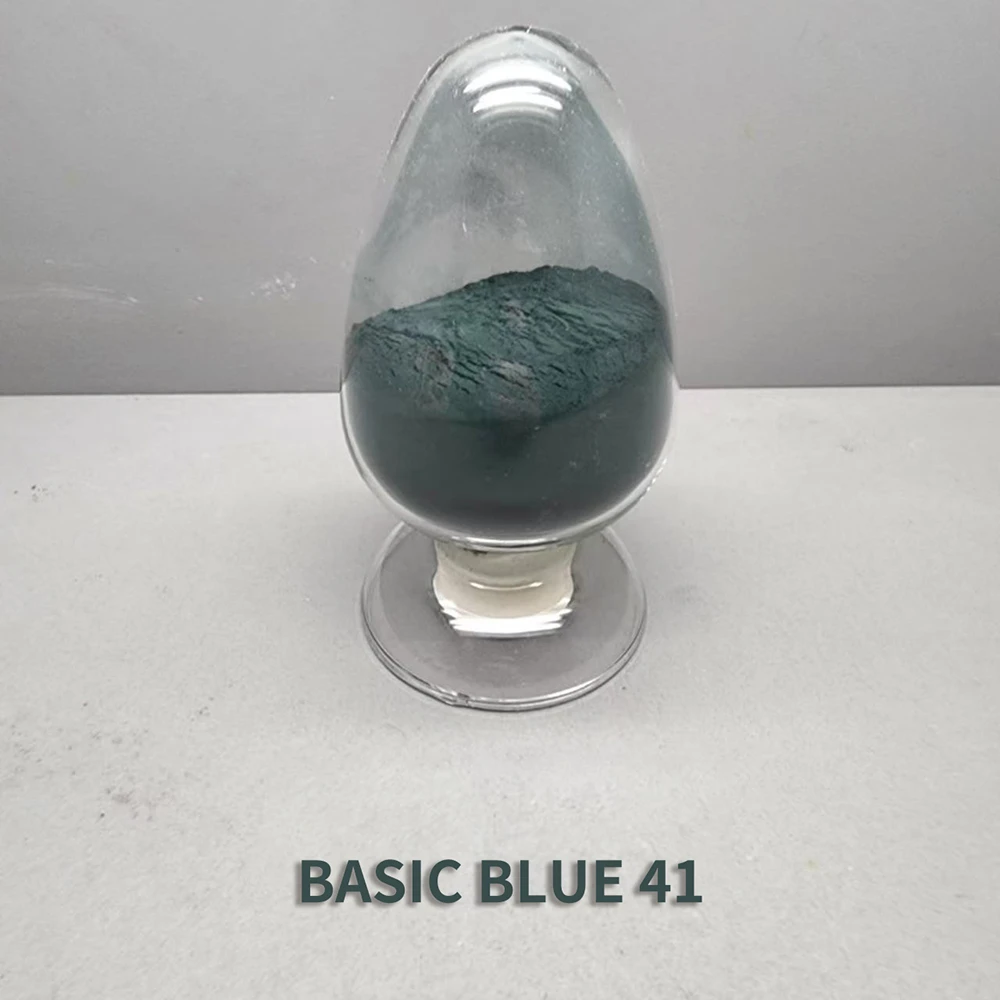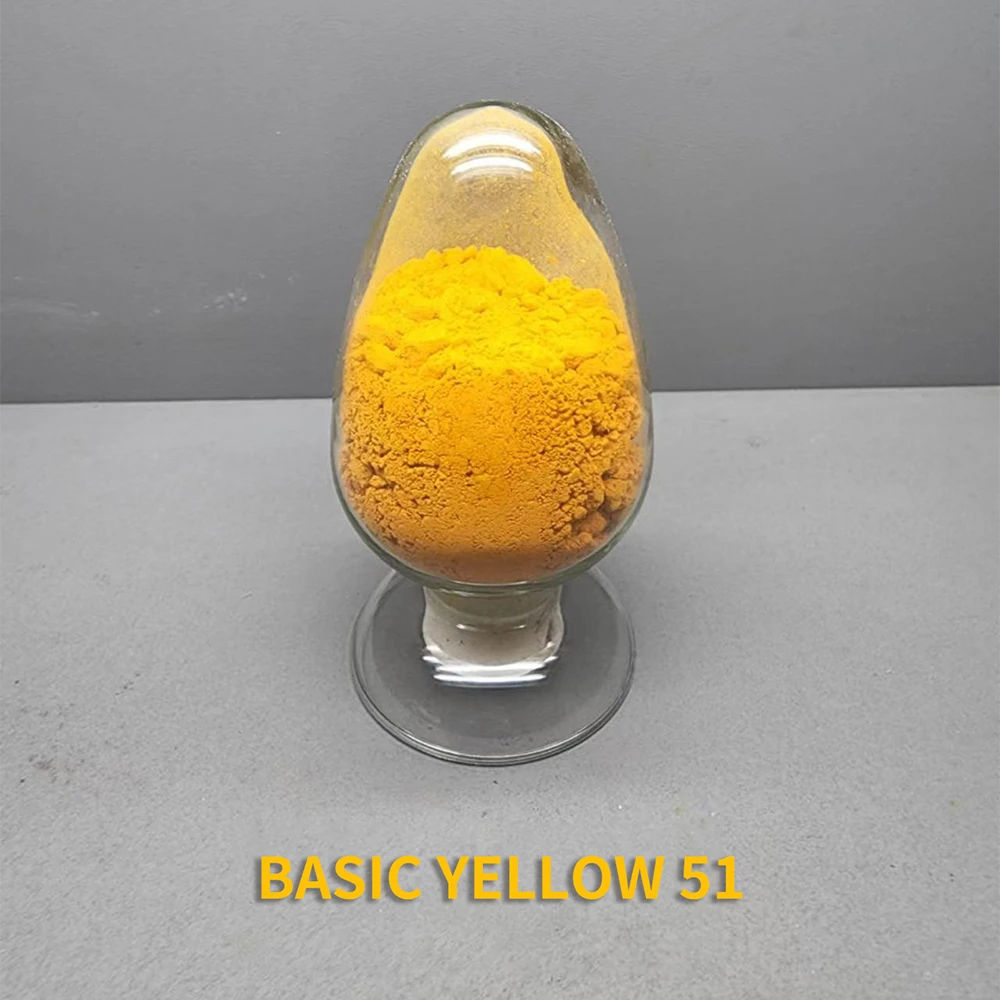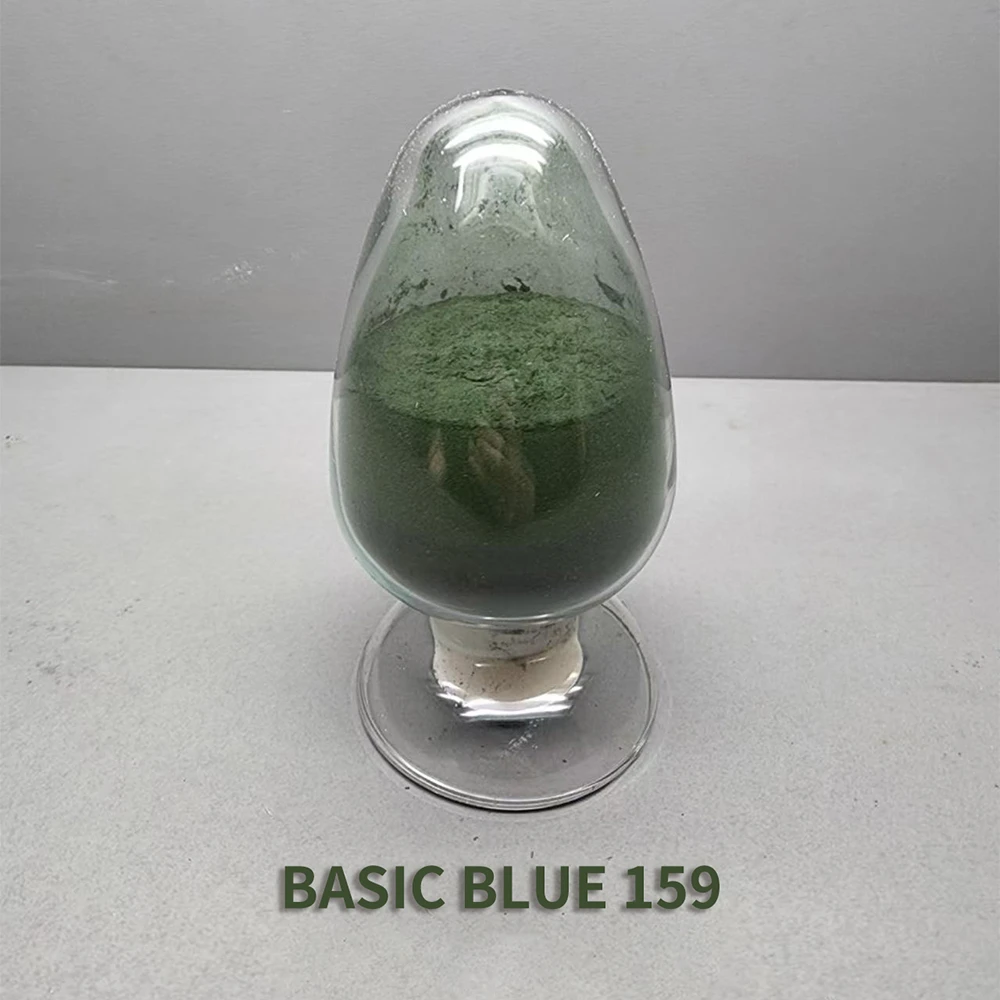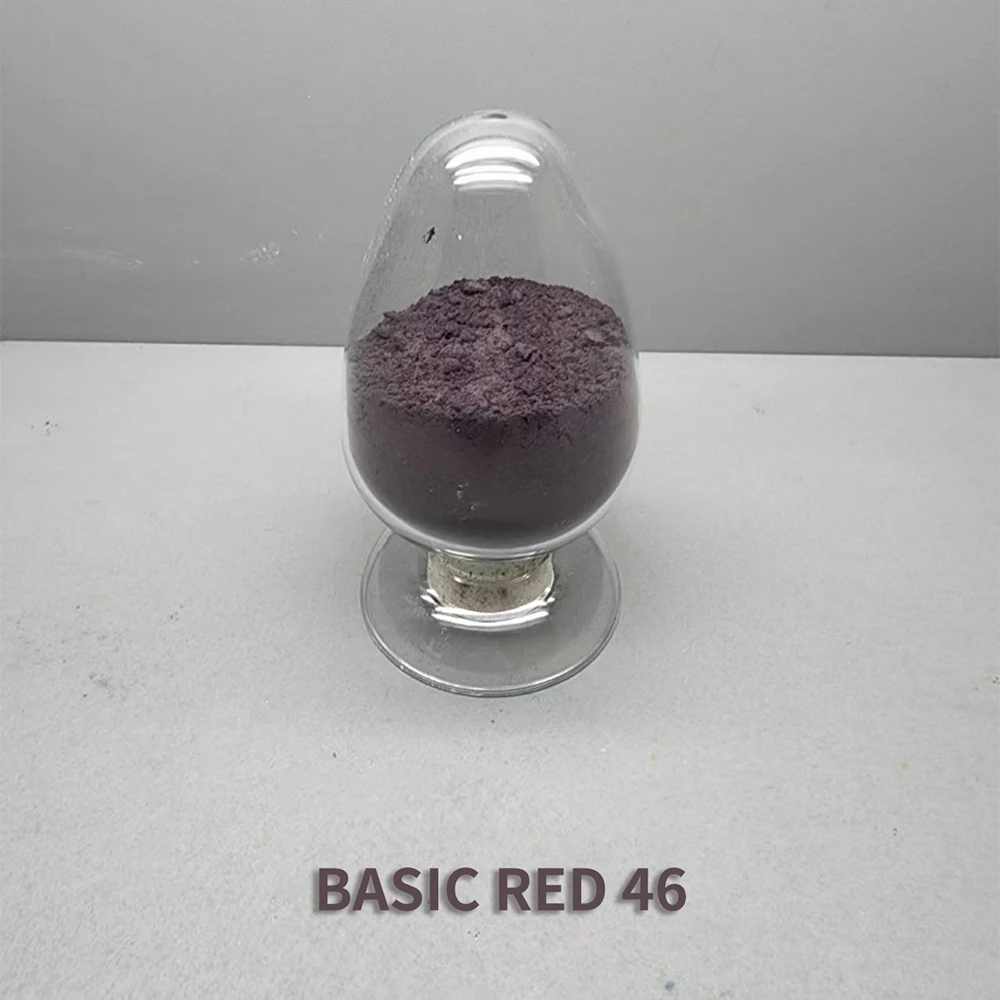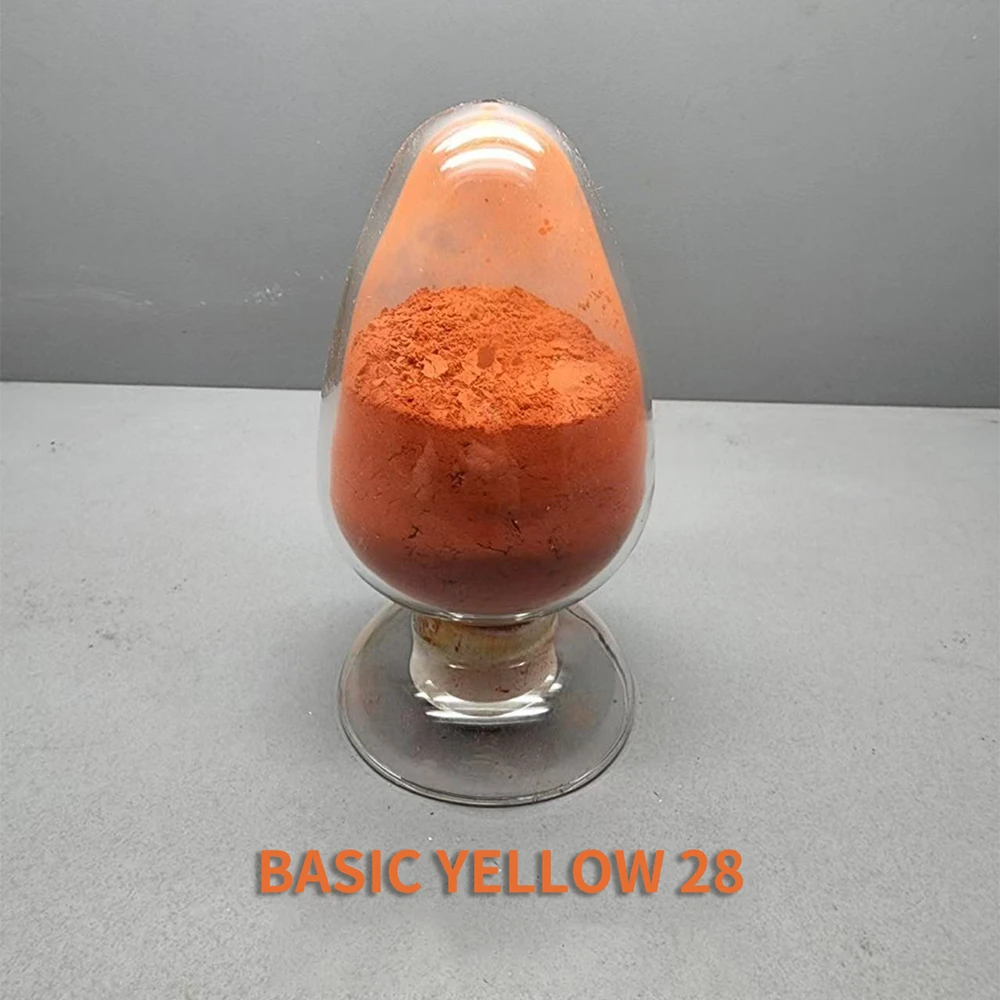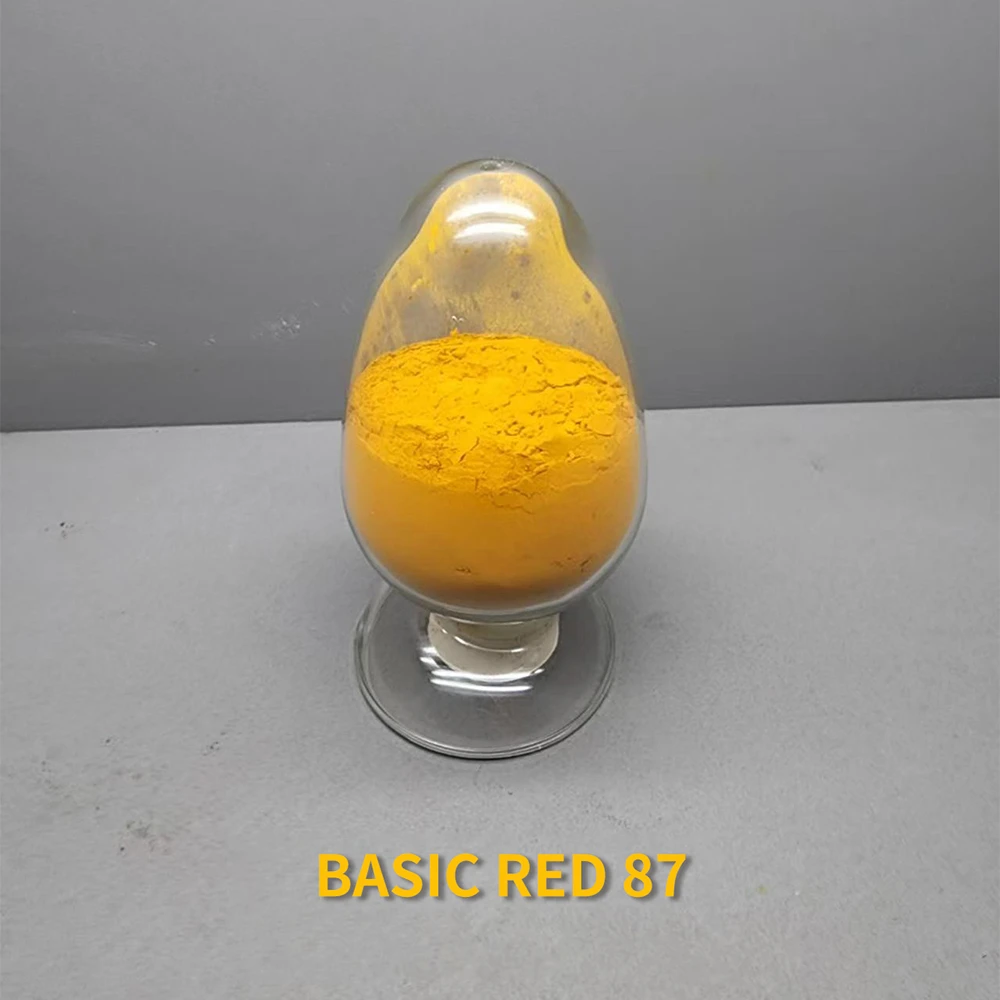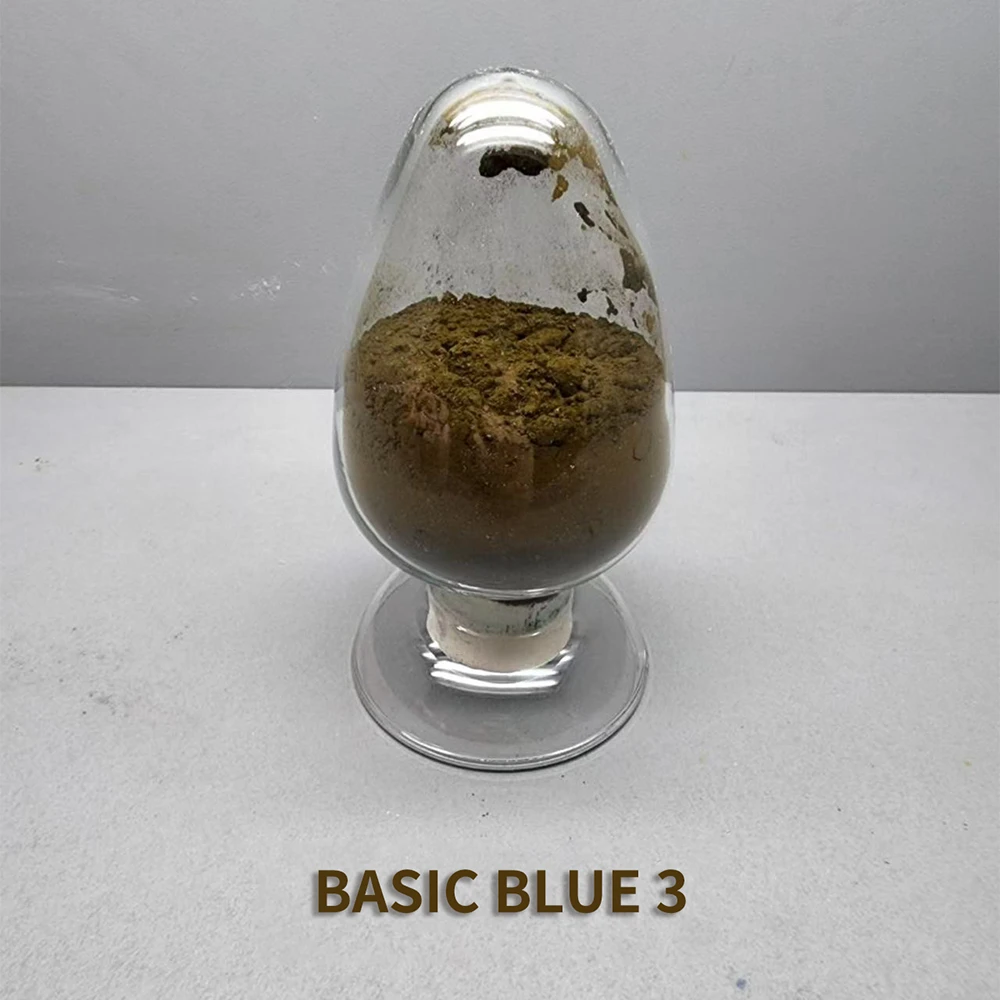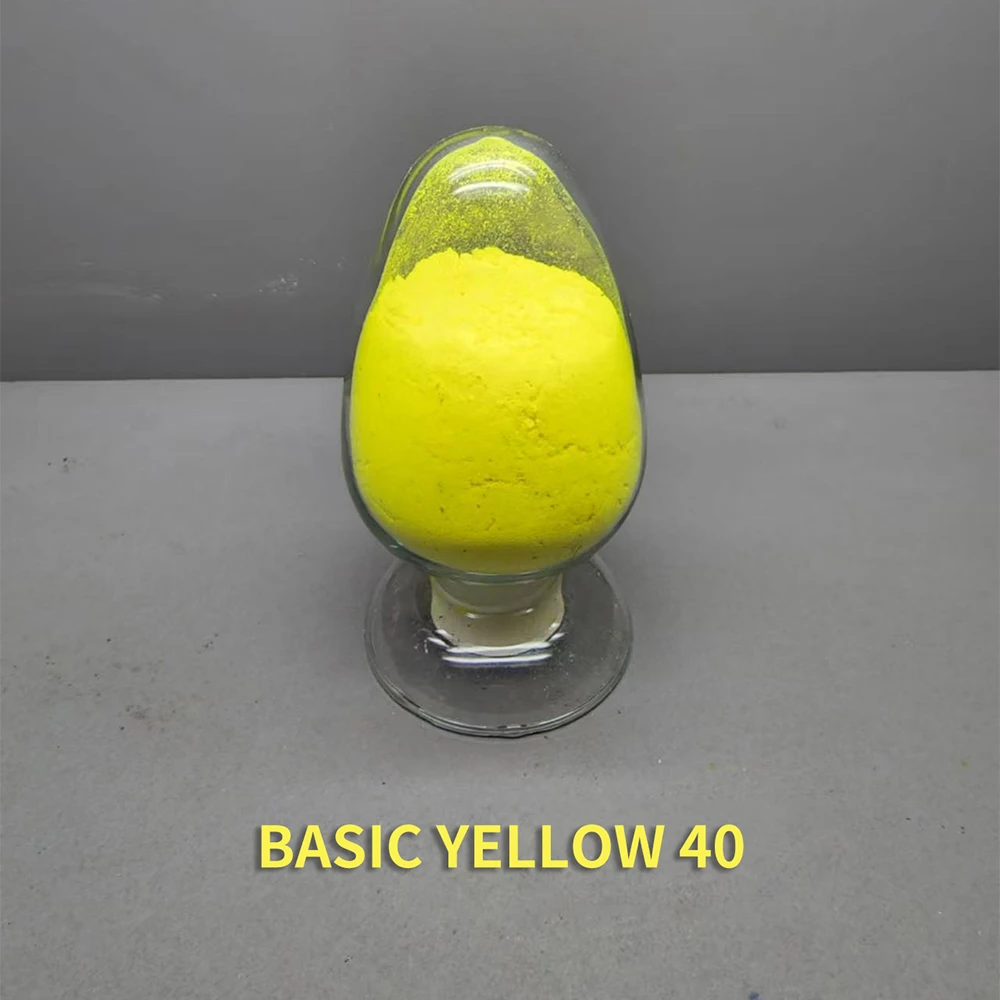
What Are Basic Dyes? A Quick Look at Their Industrial Use
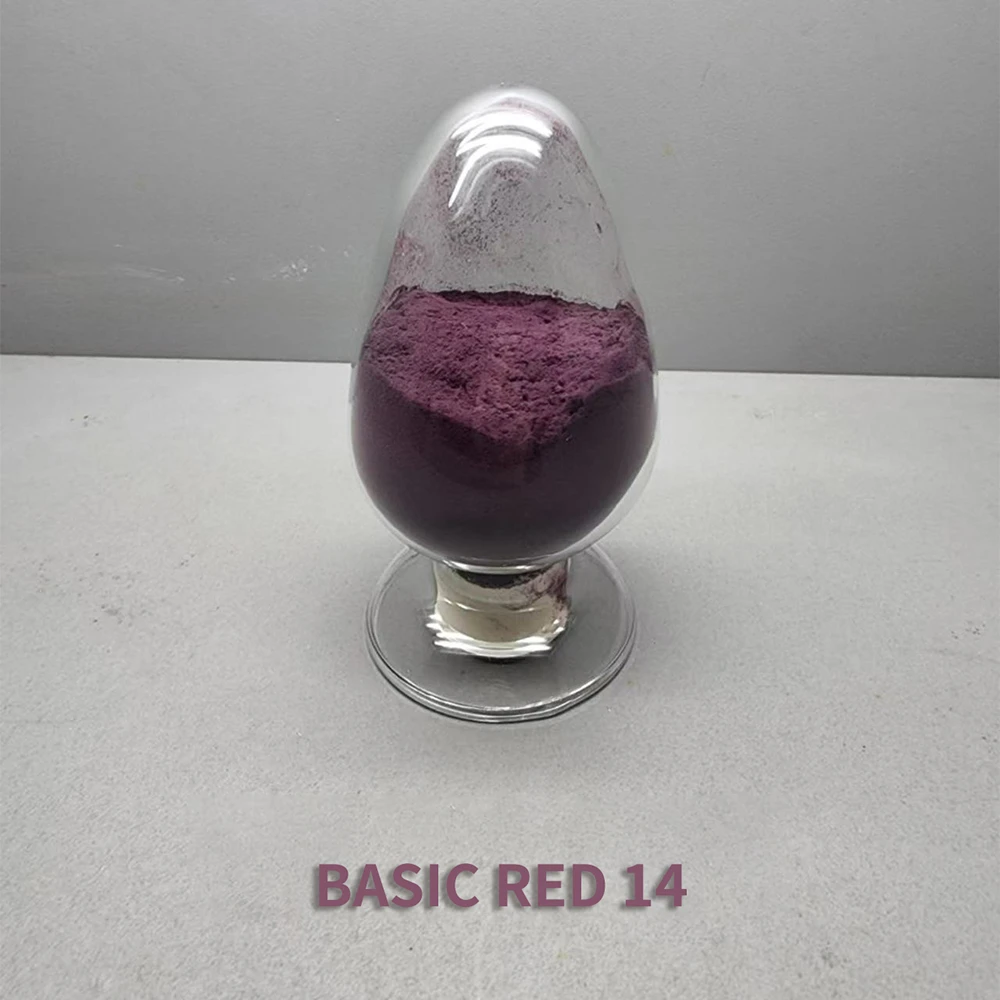
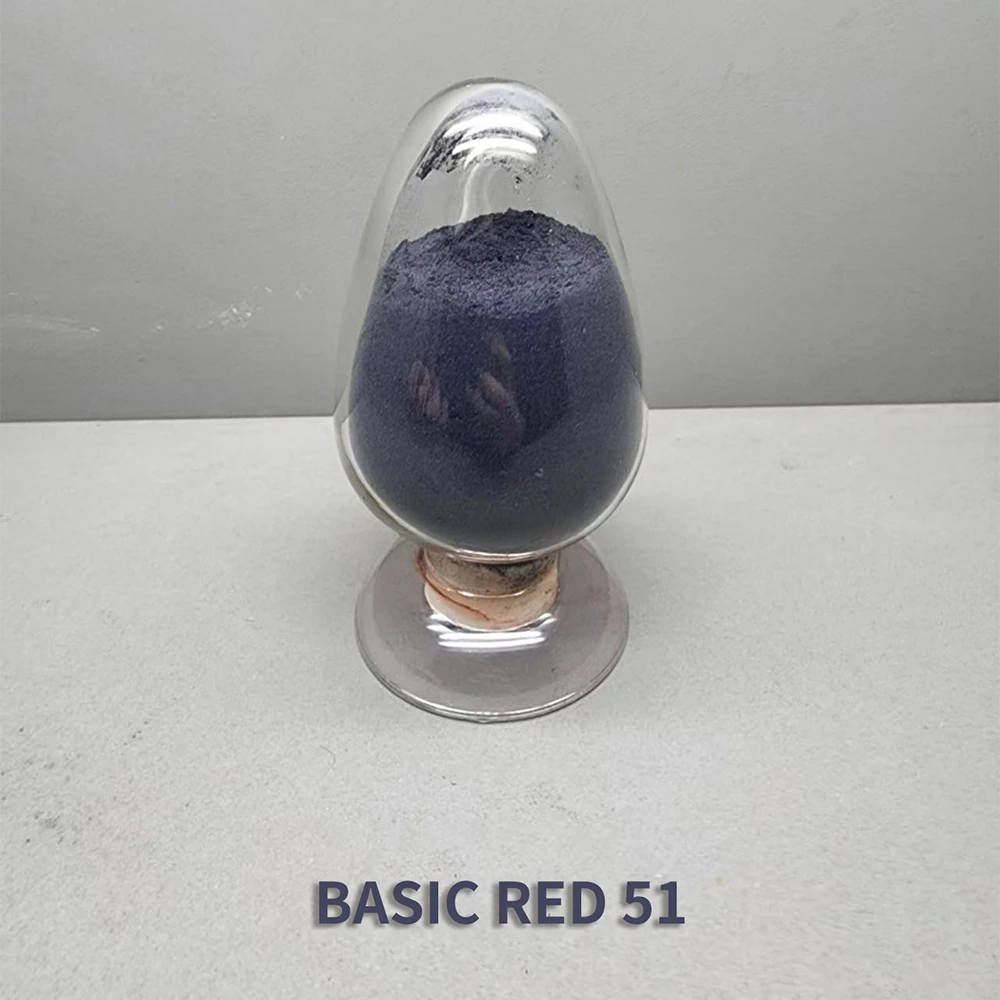
Understanding Basic Dyes: What They Are and Why They Matter
In the world of industrial chemical products, basic dyes hold a special spot — and not just because they sound straightforward. Although the name might suggest simplicity, these dyes are a bit like those quietly powerful tools you keep in your workshop: they just get the job done effectively, with a few tricks up their sleeves. I've seen many applications over the years, from textiles to paper products, and each time, these dyes reveal nuances you don't expect upfront.
Simply put, basic dyes are cationic dyes. This means they carry a positive charge and typically bond well with materials that have negative charges, such as acrylic fibers, paper, or certain synthetic textiles. This electrostatic attraction makes them incredibly efficient for vibrant, fast colors — especially where a sharp, bright finish is the goal.
Key Features and Industrial Advantages of Basic Dyes
Compared to their direct or acid dye cousins, these basic dyes tend to produce more vivid shades. I recall a project with a client in the acrylic fiber sector where the need for brilliant blues and reds proved crucial. Basic dyes answered the call superbly. However, it's important to note they don't have great wash fastness on all fibers — but in the applications where they shine, they really shine.
Because of their ionic charge, they tend to bond best on synthetic fibers like acrylic, and less so on natural fibers such as cotton or wool. Hence, their niche is quite defined but indispensable. Plus, they dissolve easily in water, allowing for efficient processing and even application at scale.
Basic Dyes Product Specifications Table
| Specification | Typical Value | Units |
|---|---|---|
| Solubility in Water | >50 | g/L at 25°C |
| pH Range for Application | 4 - 7 | pH Units |
| Substantivity (Affinity) for Acrylic Fibers | High | Qualitative |
| Light Fastness | Moderate | ISO 105-B02 scale |
| Wash Fastness on Acrylic | Good | ISO scale |
Comparing Basic Dye Vendors: What to Consider
Now, a quick word from the trenches: not all vendors deliver the same quality or the same support. When I first started in this sector, I was surprised how wildly different the colors and solubilities could be, even between products labeled “similar.” Choosing your supplier isn’t just about price, listen closely — it's also about consistency, technical assistance, and batch-to-batch reliability.
| Vendor | Color Range | Purity (%) | Technical Support | Pricing |
|---|---|---|---|---|
| Yanhong Chemical | Wide - vivid primaries to pastels | >98% | Excellent (24/7 consult) | Competitive |
| Vendor B | Limited - mostly dark shades | ~95% | Standard business hours | Lower |
| Vendor C | Moderate range | >97% | Good, with on-site visits | Higher |
A Real-World Note on Usage and Testing
Years ago, I worked on an order where the customer was dyeing acrylic yarns for upholstery. The brightness was critical, but so was durability. We ran extensive fastness tests under harsh conditions — UV exposure, washing cycles — and it was fascinating to see how the same basic dye formula could behave so differently depending on subtle batch differences and application methods. One tweak, one temperature change, and the hue might shift or fade faster. This taught me a lot about how an experienced vendor can make a difference — they don’t just supply a product; they share knowledge.
In real terms, basic dyes are often the go-to for situations requiring strong colors on synthetic fibers, rapid solubility, and a straightforward dyeing process. But, as always, matching the right dye chemistry to your unique material and process is what unlocks the best outcomes. And honestly, that part feels more like an art as much as it is a science.
To sum it all up, if you're dealing with acrylics or certain synthetic fibers and need bright, bold hues, basic dyes from reliable vendors like Yanhong Chemical should definitely be on your radar. Just remember, as with any industrial product, test thoroughly, pay attention to specs, and keep your supplier in the loop. It saves headaches later.
References & Final Thoughts
- Industry reports on dye chemistry and textile applications (2022)
- Yanhong Chemical product datasheets and technical support insights
- Personal project documentation and customer feedback from 2018-2023
Well, that's my two cents on basic dyes — a small but essential part of the industrial chemistry puzzle. Hopefully, this gives you a clearer picture next time you're picking colorants for your production lines or materials. And, if there are questions left hanging, you know where to begin your research…
-
Choosing The Right Dress Dye For Vibrant And Durable TextilesNewsMar. 06, 2026
-
Dark Grey Fabric Dye – Durable Industrial Textile Solutions | Yanhong ChemicalNewsDec. 10, 2025
-
Linen Fabric Dye Solutions for Industrial Applications | Yanhong ChemNewsJan. 07, 2026
-
Durable Charcoal Grey Fabric Dye for Industrial Textiles | Reliable SuppliersNewsJan. 06, 2026
-
China Basic Dye Factory Insights & Product Comparison | Industrial Dye GuideNewsDec. 03, 2025
-
Premium Fabric Dye For Sale | Durable Industrial Textile Dyes from Yanhong ChemNewsDec. 03, 2025