What You Should Know About Basic Dye Manufacturers: Industry Insights & Trends
Understanding the Role of a Basic Dye Manufacturer in Modern Industries
Basic dyes are more than just colorants; they are fundamental to countless industrial and commercial applications worldwide. The basic dye manufacturer plays a critical role in producing these vibrant, cationic dyes that adhere strongly to fibers and materials. Given the global scale of textile production, printing, and even biological staining, understanding the nuances of basic dyes and their manufacturers matters—for environmental sustainability, economy, and technical innovation.
Introduction: Why Basic Dye Manufacturers Matter Globally
The global textile market alone was valued at over $1.23 trillion in 2023 (Statista), with dyeing being a vital final step in producing usable fabric goods. Basic dyes contribute significantly due to their strong color fastness and vividness. Yet, the industry faces challenges such as environmental pollution, raw material sourcing, and competition from synthetic alternatives. According to ISO 9001 certifications, manufacturers strive to balance quality with ecological responsibility. A reliable basic dye manufacturer can effectively address these challenges by innovating sustainable production methods while meeting ever-increasing demand.
It is also important to note the humanitarian aspect: basic dyes are frequently used in medical diagnostics, which underscores their global significance beyond just textiles.
What Does a Basic Dye Manufacturer Do?
At its core, a basic dye manufacturer produces synthetic organic dyes containing positively charged ions (cationic dyes) that bond readily with negatively charged fibers such as acrylics and some natural fibers. This process involves complex chemical synthesis followed by purification, testing, and packaging.
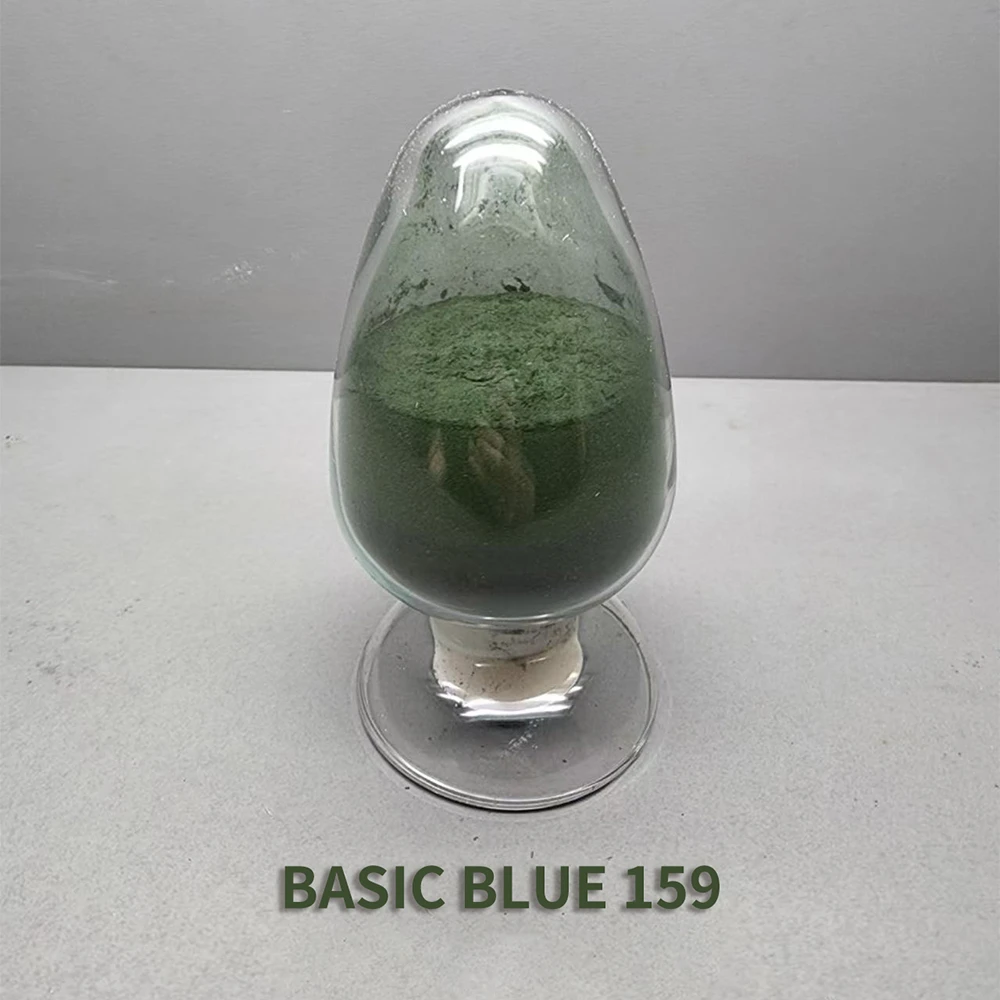
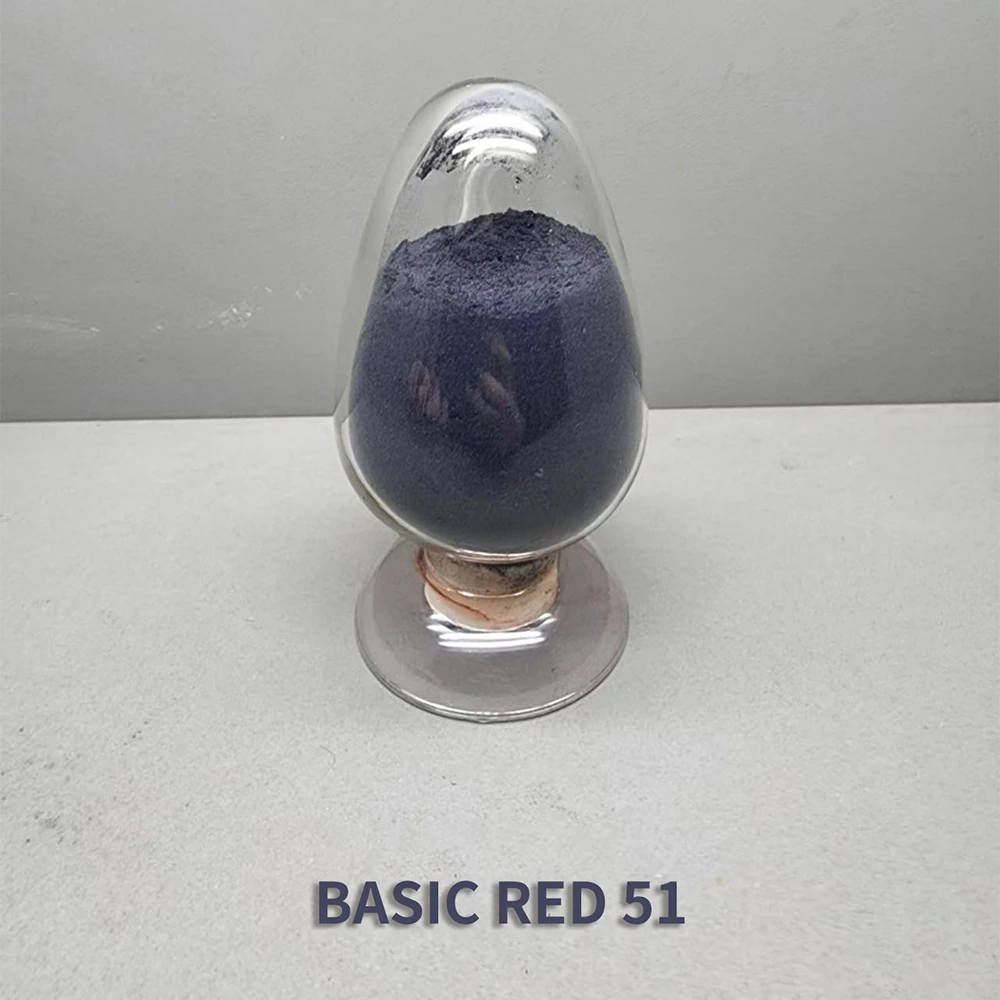
In real industry terms, these manufacturers provide critical pigments that yield intense shades ranging from blues and greens to reds and purples—the colors that define quality and vibrancy in fabrics, paper, and biological stains.
Key Components Defining the Quality of Basic Dye Manufacturers
1. Purity of Chemicals
High purity ensures consistent color and reduces impurities that can harm the environment or fabric integrity. Many manufacturers source raw materials adhering to ISO or REACH compliance, reflecting responsible chemical management.
2. Durability & Color Fastness
Basic dyes must resist fading when exposed to light, washing, or chemicals. This is crucial especially in industries like automotive textiles or upholstery, which face tough wear conditions.
3. Scalability of Production
Meeting global demand means a manufacturer should scale output without sacrificing consistency. Technologies like automated reactors and quality control labs enable this balance.
4. Cost Efficiency
Optimizing synthesis pathways reduces costs—and that’s passed on to clients. However, cheap production without standards risks subpar products and environmental damage.
5. Sustainability & Environmental Compliance
Effluent treatment and waste minimization are vital. Progressive manufacturers invest in green chemistry methods, such as using renewable feedstocks or closed-loop water systems.
Global Applications & Use Cases of Basic Dyes
- Textiles: From fashion garments in Europe to uniforms in Asia, basic dyes bring bright, long-lasting colors.
- Paper and Ink Industry: Used in printing inks for high-visibility media and packaging.
- Biomedical Applications: Basic dyes like methylene blue serve in staining cells for microscope analysis and wound care.
- Leather and Plastics: Adding vibrant pigmentation in automotive and consumer goods sectors.
- Developing Regions: Reliable dyes from trustworthy manufacturers help local industries gain access to quality colorants while maintaining environmental standards.
Oddly enough, even in post-disaster relief operations, color-coded materials treated with basic dyes assist teams in rapid identification and medical diagnostics, underscoring versatility.
Mini Takeaway:
The basic dye manufacturer's work stretches far beyond fashion—it touches healthcare, printing, and environmental stewardship worldwide.
Advantages & Long-Term Benefits of Partnering with a Quality Basic Dye Manufacturer
- Reliability: Consistent coloration and product quality build trust with end users and brand owners.
- Cost & Resource Efficiency: Optimized synthesis means more sustainable resource use and lower operational costs.
- Environmental Protection: Green manufacturing choices reduce harmful effluents and bolster regulatory compliance.
- Innovative Edge: Manufacturers embracing new chemistries and automation often pioneer cutting-edge hues and application techniques.
There’s also an emotional layer — relying on a known and trusted basic dye manufacturer provides peace of mind that your products will perform and look as intended.
Future Trends & Innovations in Basic Dye Manufacturing
The industry is slowly shifting to greener, more digital workflows. Automation systems help fine-tune dye concentrations, reducing waste. Emerging research on bio-based raw materials aims to replace petrochemical inputs, aligning with circular economy principles. Furthermore, big data analytics now allow precise prediction of dye performance under various conditions before production runs.
Sustainability policies, especially within the EU and parts of Asia, increasingly demand transparency and traceability that only credible manufacturers can provide. So in that regard, investing in a robust basic dye manufacturer partnership makes strategic sense.
Challenges & Solutions in the Current Landscape
Of course, challenges remain. High raw material costs can spike pricing. Effluent disposal costs still burden many facilities. And supply chain disruptions, like rare chemical shortages, occasionally slow down deliveries.
To combat these, some manufacturers are exploring catalyst reusability to lower synthesis costs or investing in renewable energy to reduce carbon footprints. Collaborative supply chain models, including local sourcing, help stabilize material inflow. Ultimately, transparency and innovation remain key to overcoming these hurdles.
Product Specification Table: Sample Basic Dye Product
| Specification | Details |
|---|---|
| Chemical Type | Basic Cationic Dye |
| Color Range | Blue, Red, Violet, Green |
| pH Range | 4.5 - 7.0 |
| Solubility | Water soluble |
| Fastness Grade | 4-5 (wash & light) |
Vendor Comparison Table: Leading Basic Dye Manufacturers
| Manufacturer | Sustainability | Product Range | Global Reach | Pricing Level |
|---|---|---|---|---|
| Yanhong Chemical | High (ISO 14001) | Extensive | Worldwide | Competitive |
| Global Dyes Inc. | Moderate | Focused | Asia, Europe | Mid-range |
| EcoColor Labs | Very High (Green Chemistry) | Limited | Local | Premium |
FAQ: Frequently Asked Questions About Basic Dye Manufacturers
- Q1: What sets a high-quality basic dye manufacturer apart from others?
- A top manufacturer emphasizes purity, sustainability, and consistency. They invest in research to optimize synthesis for vibrant, long-lasting colors while minimizing environmental impact.
- Q2: How can I verify that a basic dye manufacturer complies with environmental regulations?
- Look for certifications like ISO 14001 for environmental management systems or REACH compliance for chemical safety. Trusted vendors also provide detailed safety data sheets (SDS) and transparency about waste treatment.
- Q3: Are basic dyes suitable for all fabric types?
- Basic dyes primarily work best with acrylic fibers and some modified nylons. They’re generally not ideal for cotton or polyester without special treatments.
- Q4: How has digitalization impacted basic dye manufacturing?
- Automation and data analytics allow manufacturers to better control dye batches and predict performance, increasing product reliability and reducing defects.
- Q5: Can basic dye manufacturers support custom formulations?
- Yes, many manufacturers offer tailored dye blends to fit specific client needs, including shade, solubility, and fastness requirements.
Conclusion: Why Opt for a Trusted Basic Dye Manufacturer?
Choosing the right basic dye manufacturer today isn’t just about price or accessibility—it’s about reliability, sustainability, innovation, and long-term partnership. These manufacturers serve as the backbone for colorful textiles, effective biomedical tools, and vibrant printed materials that we see every day. By understanding who they are and what they bring to the table, industries can make smarter choices that benefit people, the planet, and profits alike.
If you are interested in teaming up with a reputable partner in basic dye manufacturing, I warmly recommend visiting Yanhong Chemical—their sustainable practices and extensive expertise stand out in this competitive space.
Thanks for reading; I hope this sheds some light on an often-overlooked but pivotal industry.
Mini Reflection: It feels like the future of dyes springs not just from chemistry but from a blend of ethics, economics, and a desire to do better environmentally.
References:
-
High-Quality Synthetic Fabric Dye for Industrial Applications | Yanhong ChemNewsDec. 03, 2025
-
Achieving the Perfect Pastel Shade with Light Pink Dye for ClothesNewsApr. 04, 2026
-
Rhodamine B Cationic Dye - Industrial Grade & Reliable SuppliersNewsDec. 03, 2025
-
Sage Green Fabric Dye: Durable and Eco-Friendly Textile ColoringNewsDec. 05, 2025
-
Comprehensive Guide to the Cationic Dyeable Polyester Process: Sustainability and InnovationNewsDec. 03, 2025
-
Reliable China Fabric Dye Manufacturers - Quality & Custom SolutionsNewsDec. 03, 2025