High-Quality Synthetic Fabric Dye for Industrial Applications | Yanhong Chem
Synthetic Fabric Dye: What Every Industrial Pro Should Know
After spending more than a decade in industrial textiles, I can tell you that synthetic fabric dye isn’t just another chemical sitting on a shelf — it’s a complex, fascinating world unto itself. You know, it feels like synthetic dyes have quietly revolutionized performance fabrics, yet not many folks outside the industry truly get the nuances. Frankly, understanding these dyes can make or break your production quality.
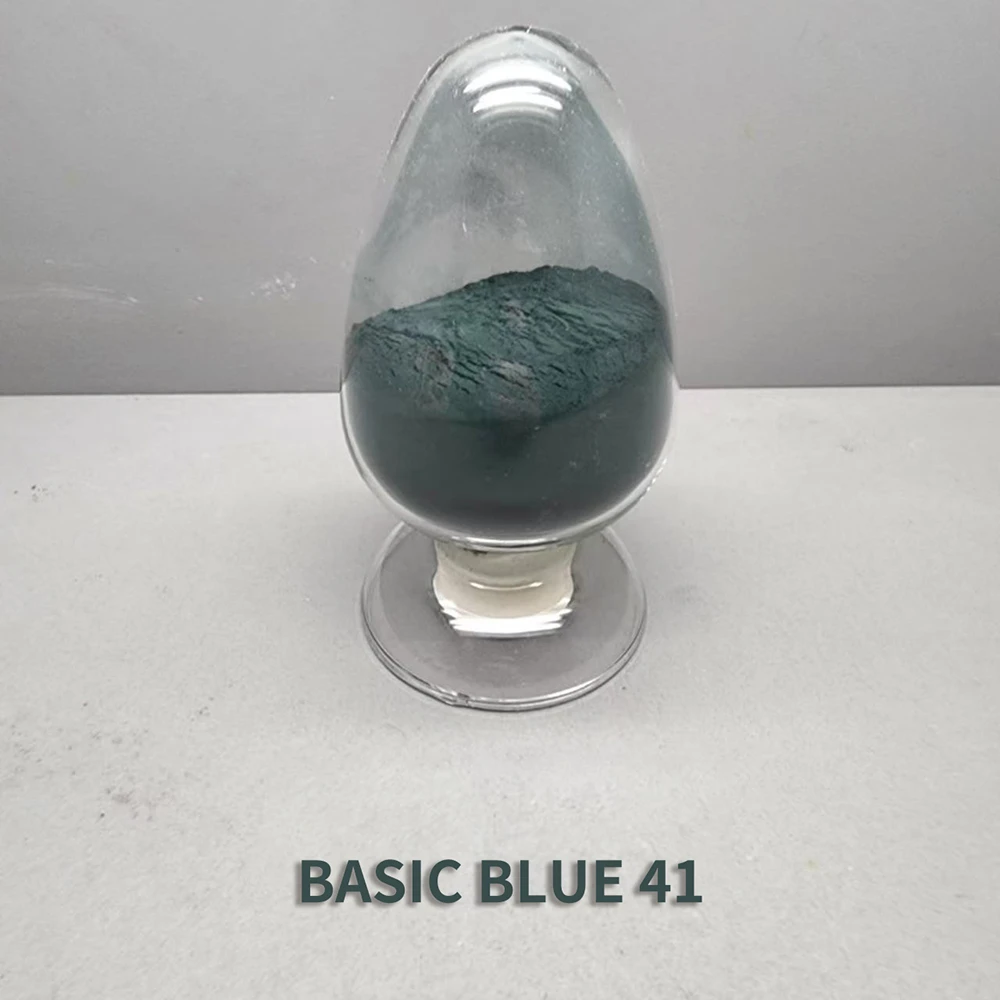
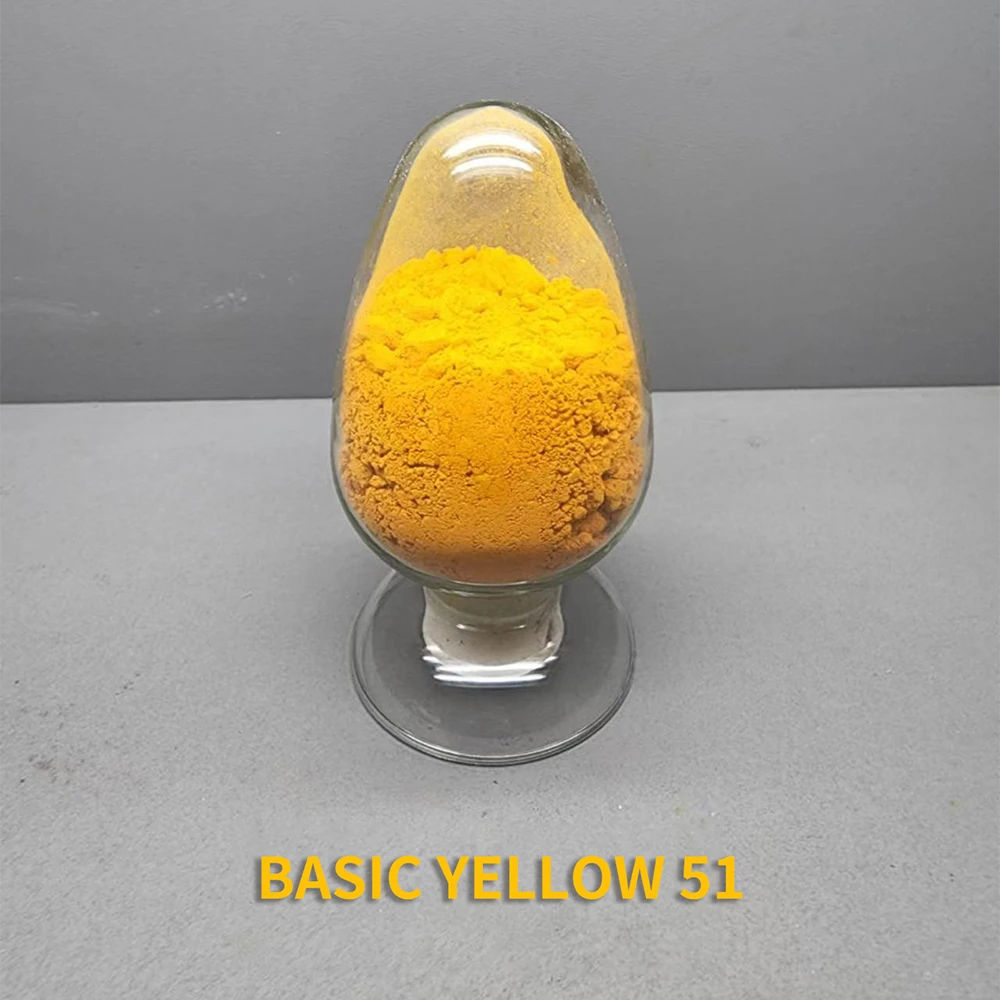
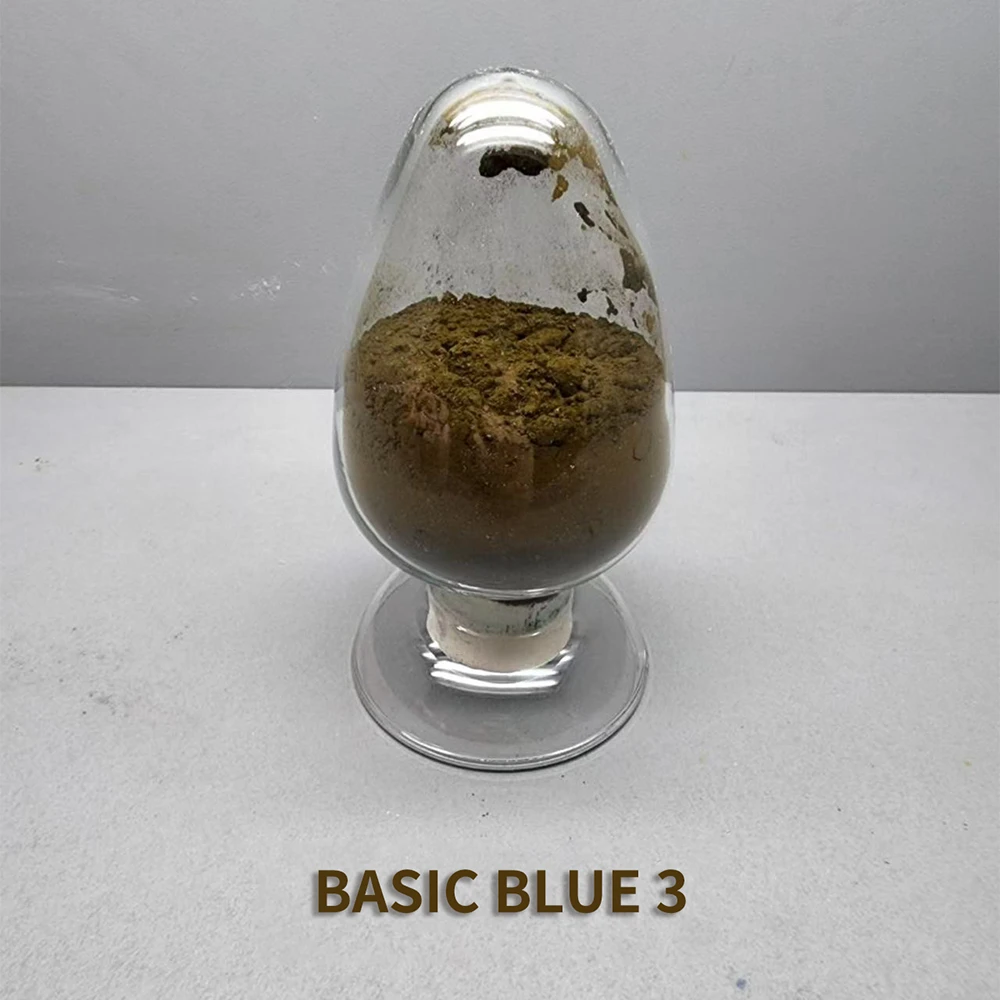
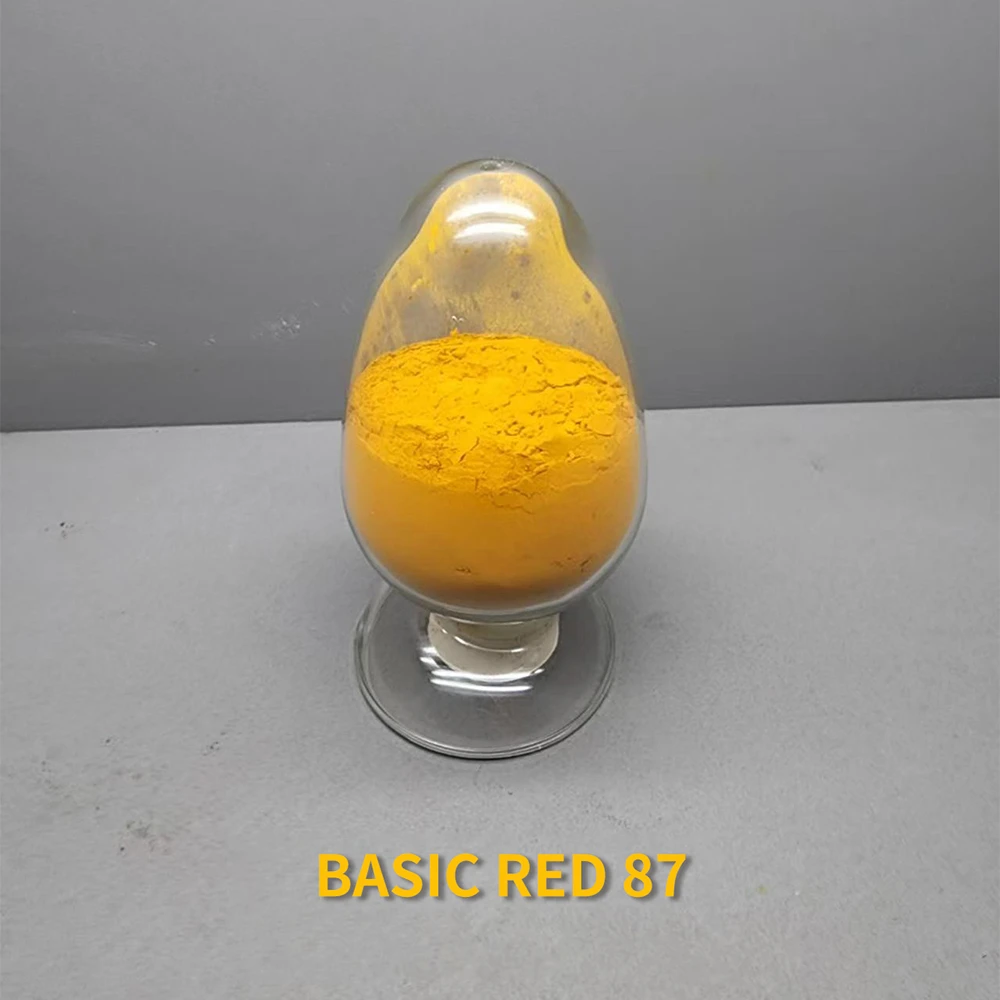
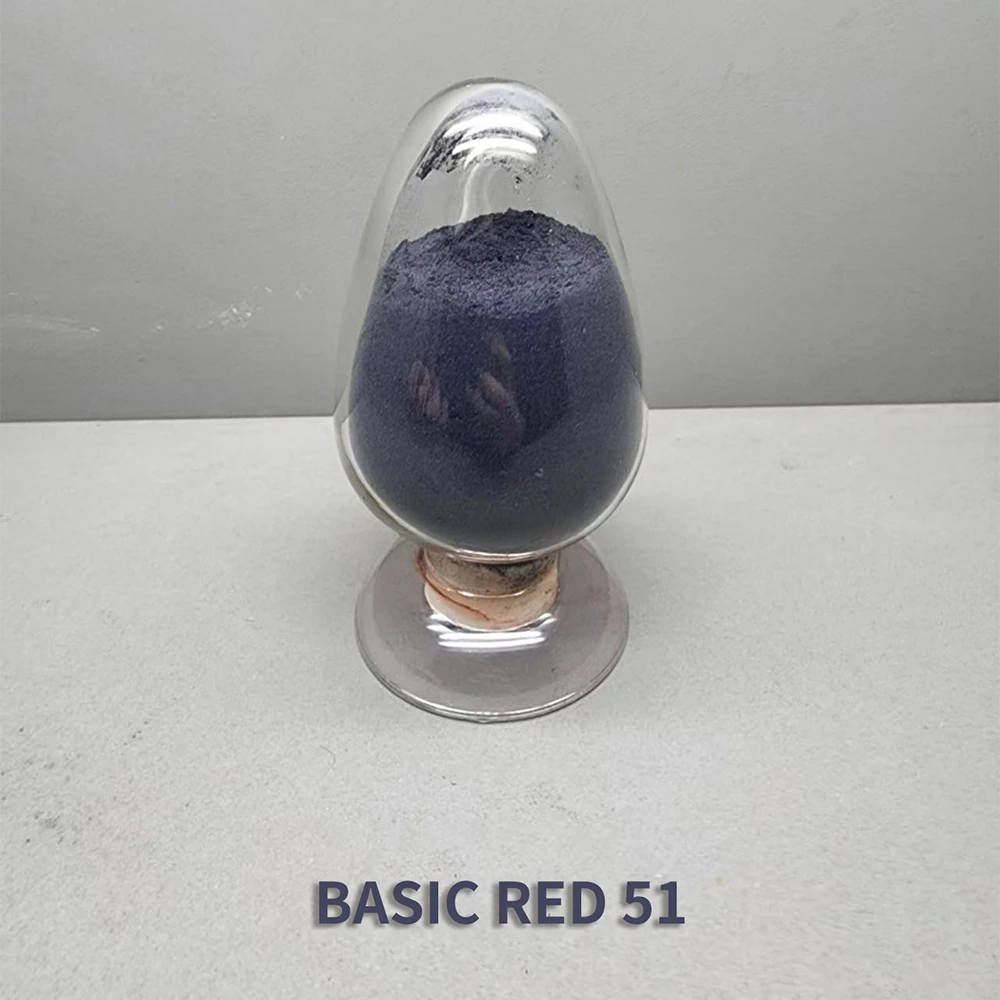
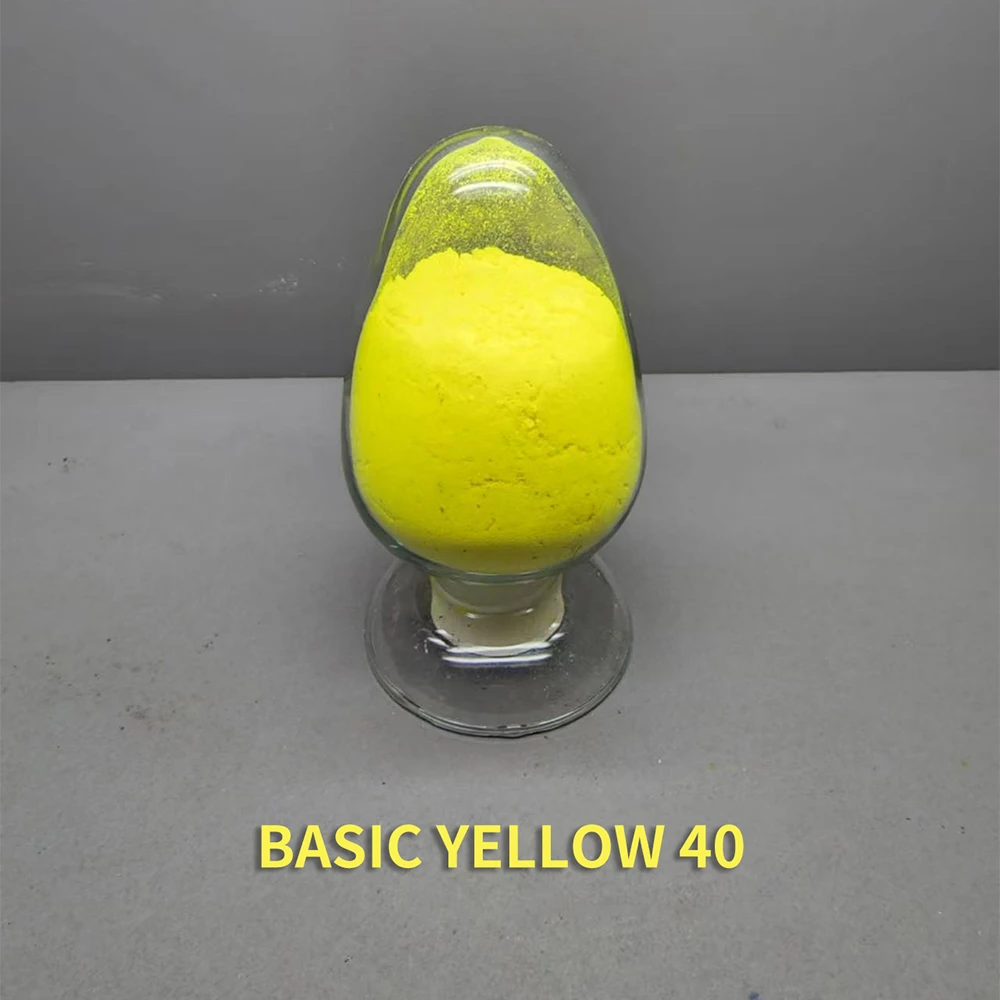
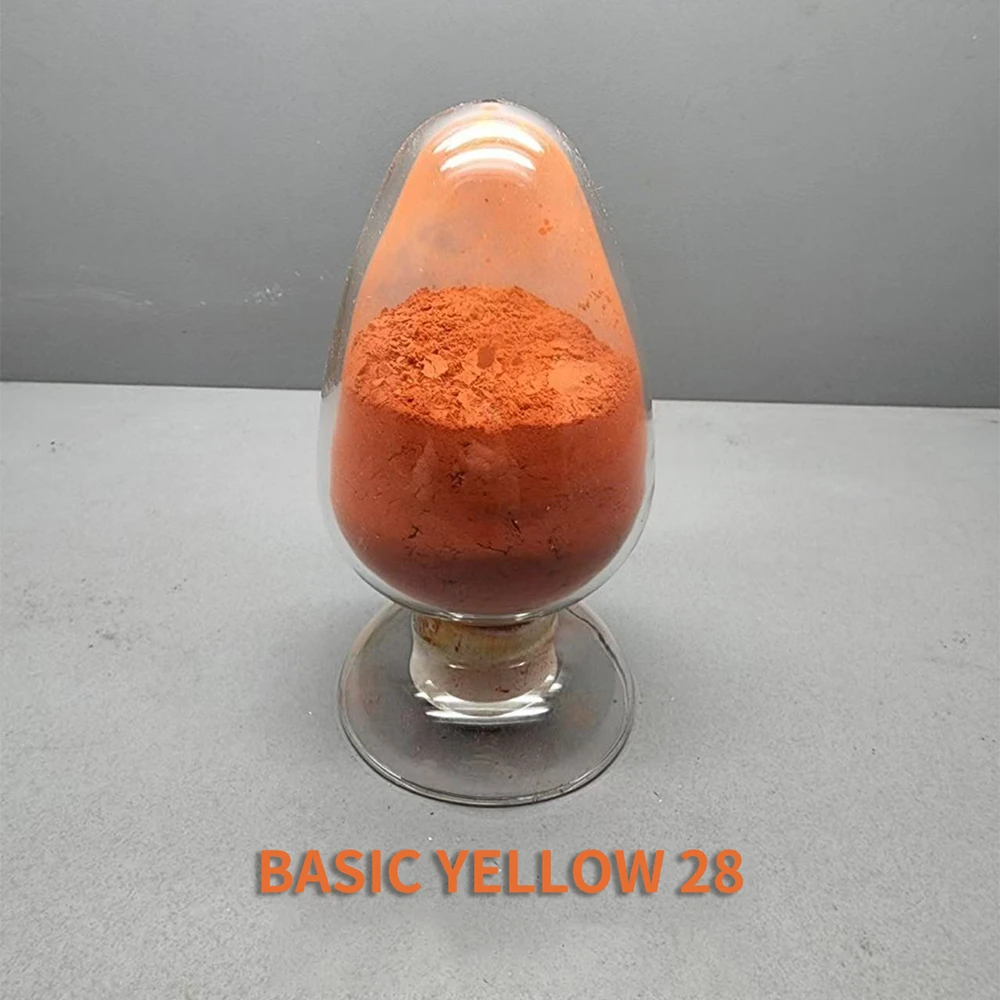
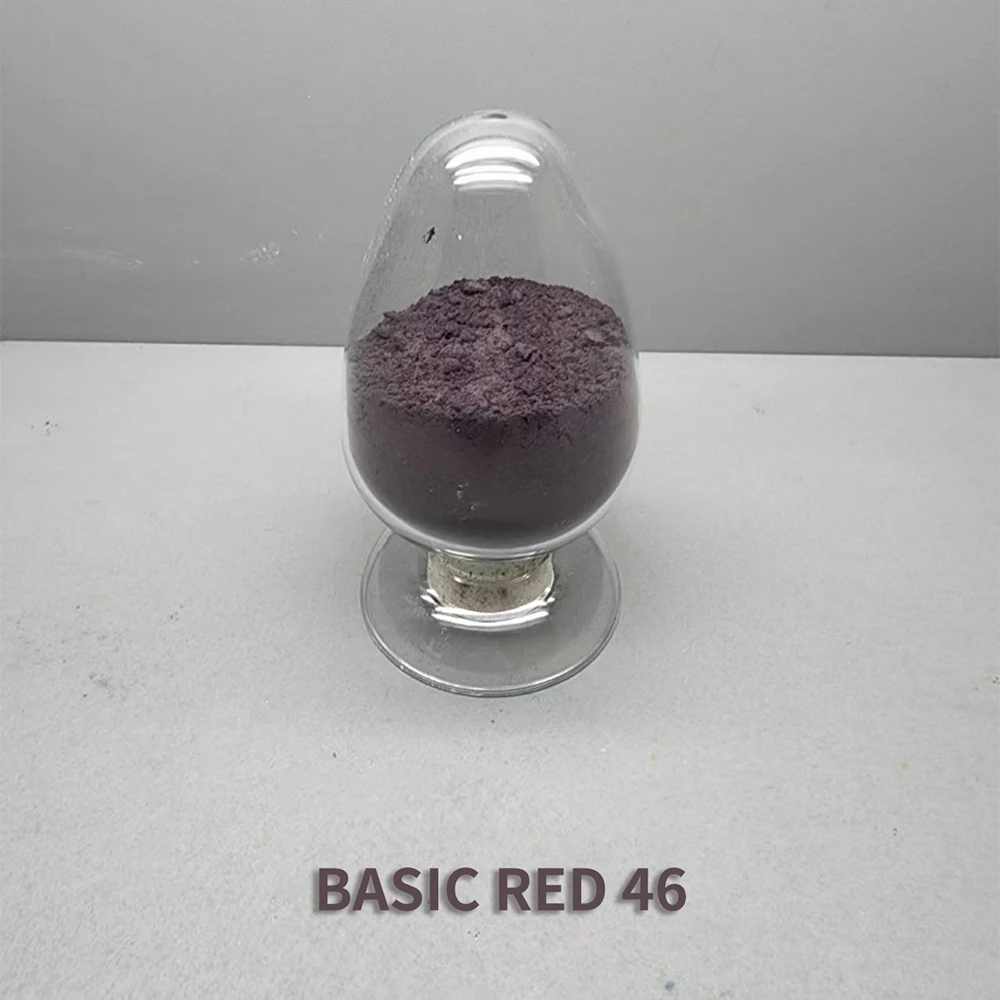
Synthetic fabric dye, often used for polyester, nylon, and acrylic textiles, is engineered to deliver vibrant, lasting colors with excellent fastness properties. It’s quite different from natural dyes or even some reactive dyes used on cotton, mainly because these fabrics don’t absorb color in the same way. Instead, synthetic dyes bond through dispersion and high-temperature processes, which is why quality and formulation matter a lot.
I remember back in the day, we tested various dyestuff formulations across different equipment setups. Some dyes worked wonderfully in jet dyeing machines but fell flat in continuous dyeing. That’s the kind of thing that only experience teaches you. Often, you need to balance between brilliance of color and how the fabric holds up under wear and washing.
Product Specifications at a Glance
| Property | Typical Value | Notes |
|---|---|---|
| Type | Disperse Dye | Ideal for polyester & nylon |
| Particle Size | 0.2 - 0.5 microns | Ensures even dispersion |
| Solubility | Low in water | Requires carriers/heat for fixation |
| Fastness to Washing | Grade 4-5 (ISO scale) | High durability |
| Fixation Temp | 130-140 °C | Typical polyester dyeing range |
What’s particularly interesting is how the formulation can be tweaked based on specific fabric blends or end-product applications. For example, when we worked with sportswear manufacturers, we clearly favored dyes with improved UV resistance — because, you know, athletes demand color that won’t fade on day one of sun exposure.
On the other hand, automotive fabric suppliers often wanted dyes that maintain their integrity in high-humidity environments. It's a whole science in itself, backed by rigorous lab testing — fastness to washing, rubbing, light, and sublimation all matter.
Comparing Synthetic Fabric Dye Vendors
| Vendor | Range of Colors | Price per Kg | Delivery Time | Customization |
|---|---|---|---|---|
| Yanhong Chem | 350+ Standard Shades | $55 - $70 | 1-2 weeks | Yes, tailored formulas |
| Vendor B | 200 Shades | $50 - $65 | 2-3 weeks | Limited |
| Vendor C | 300 Shades | $60 - $75 | 1-3 weeks | Moderate |
If you’re scouting for reliable suppliers, Yanhong Chem often stands out — mainly for their extensive color range and the willingness to customize. I’ve seen their team work closely with clients to tweak dispersion particle size, ensuring smoother runs in different dyeing machines.
Beyond technical specs, what I’ve appreciated about synthetic fabric dyes over the years is how they can adapt to industry trends. Sustainability efforts, for example, mean a growing number of manufacturers are pushing for lower-water and energy consumption dyeing processes — and the dyes have had to keep pace with that. It’s a push toward eco-conscious chemistry without sacrificing vibrancy.
To conclude, synthetic fabric dye may seem straightforward at first glance, but in real terms, it's a vibrant ecosystem of chemistry, application know-how, and supplier collaboration. Whether you’re aiming for sports gear, automotive textiles, or fashion polyester blends, understanding your dye is crucial. Oddly enough, it’s not just about color — it’s about durability, machine compatibility, and sometimes, a little bit of art.
And if you want to dive deeper into quality synthetic fabric dyes, that Yanhong Chem link I dropped earlier could be worth a look.
Reflections: Looking back, it’s the blend of science and hands-on experience that truly makes working with synthetic fabric dyes rewarding. No two batches are quite the same, and in an industry that values consistency, that challenge keeps things interesting.
References:
- Textile World – Advances in Dye Technology for Synthetic Fibers, 2022
- Industrial Textile Journal – Dye Fastness in Polyester Applications, 2023
- Yanhong Chem Product Catalogue and Technical Data Sheets
-
Mint Green Fabric Dye – Durable, Eco-Friendly Textile Solutions from Yanhong ChemicalNewsJan. 02, 2026
-
Fabric Dye For Furniture: Durable, Sustainable Solutions for B2B ManufacturersNewsDec. 08, 2025
-
Bulk Fabric Dye: Quality and Choices for Industrial Textile ProcessingNewsDec. 03, 2025
-
High-Performance Cobalt Blue Fabric Dye for Industrial Applications | Yanhong ChemicalNewsJan. 05, 2026
-
Buy Fabric Dye – Durable and Sustainable Solutions for Textile Industry | Yanhong ChemNewsDec. 03, 2025
-
Exploring the World of Space Dye Fabric A Comprehensive GuideNewsMar. 04, 2026