Comprehensive Guide to CI Basic Violet 3 – Uses, Properties & Industry Insights
Understanding CI Basic Violet 3: A Vital Dye with Broad Industrial Significance
At first glance, CI Basic Violet 3 might seem like just another chemical dye tucked away in the vast spectrum of industrial colors. But honestly, it plays a special role in textiles, printing, and even certain non-traditional applications worldwide, reflecting how dyes are more than mere colors—they’re part of a global supply chain, artistry, and technology. Today, we’ll unravel what this compound is, why it matters globally, and why industries keep relying on it.
Global Context: Why CI Basic Violet 3 Matters in Industry and Beyond
The global textile and dye industry is massive—worth more than $100 billion annually and growing steadily per the Statista insights. CI Basic Violet 3, classified under basic (cationic) dyes, is widely employed due to its affinity for synthetic fibers and vibrant magenta-like hues. It addresses several industry challenges, like colorfastness in fast fashion and improved dye uptake in polyester blends. Oddly enough, industries also value its moderate toxicity levels that simplify wastewater treatment compared to other dyes.
However, sustainability concerns continue to nudge the dye sector. Regulations from the International Organization for Standardization (ISO) and environmental bodies push manufacturers toward safer, more eco-conscious chemical choices. Therefore, understanding CI Basic Violet 3’s properties and applications isn’t just an academic exercise—it’s crucial to supply chain managers, chemists, and environmental strategists globally.
Mini takeaway: CI Basic Violet 3 is a globally relevant dye balancing vibrant textile coloration needs with emerging environmental challenges.
Defining CI Basic Violet 3: What Exactly Is It?
At its core, CI Basic Violet 3 (also known as Methyl Violet 10B) is a cationic dye characterized by its brilliant purple or violet color. “CI” stands for Color Index, a standardized system used internationally to catalog dyes. The “basic” in its name reflects its chemical nature—cationic dyes carry positive charges, bonding well with negatively charged fiber surfaces like acrylics and polyester. It’s this property that makes it particularly effective in modern synthetic textiles, as opposed to natural fibers like cotton, which generally prefer reactive or direct dyes.
Industrially, it’s produced via condensation of aniline derivatives, resulting in a mixture of methylated phenylamine components. It turns up not just in textiles, but also in inks, biological stains, and even some cosmetics (under strict guidelines). Quite a versatile little molecule!
Mini takeaway: CI Basic Violet 3 is a vibrant, cationic dye tailored for synthetic fibers and multi-sector applications.
Key Characteristics of CI Basic Violet 3
1. Color Intensity and Shade
One reason this dye is treasured is its brilliant, deep violet color that remains stable under typical lighting conditions, making it ideal for brightly colored apparel and prints.
2. Affinity for Synthetic Fibers
Unlike many dyes aimed at cotton or wool, CI Basic Violet 3 excels on acrylics, polyester, and polyamide. This selective affinity comes from the dye's positive ion charge, allowing strong ionic interactions.
3. Fastness Properties
It offers excellent light and wash fastness, meaning garments retain color through repeated use — a practical critical point when customers demand durability.
4. Solubility and Application Flexibility
Being water-soluble means it can be easily applied in water-based dye baths or ink formulations, streamlining industrial processing.
5. Toxicity and Environmental Impact
While not the most eco-friendly dye, it is less hazardous than some azo dyes. Proper wastewater treatment protocols remain critical to minimize environmental footprint.
| Property | Specification |
|---|---|
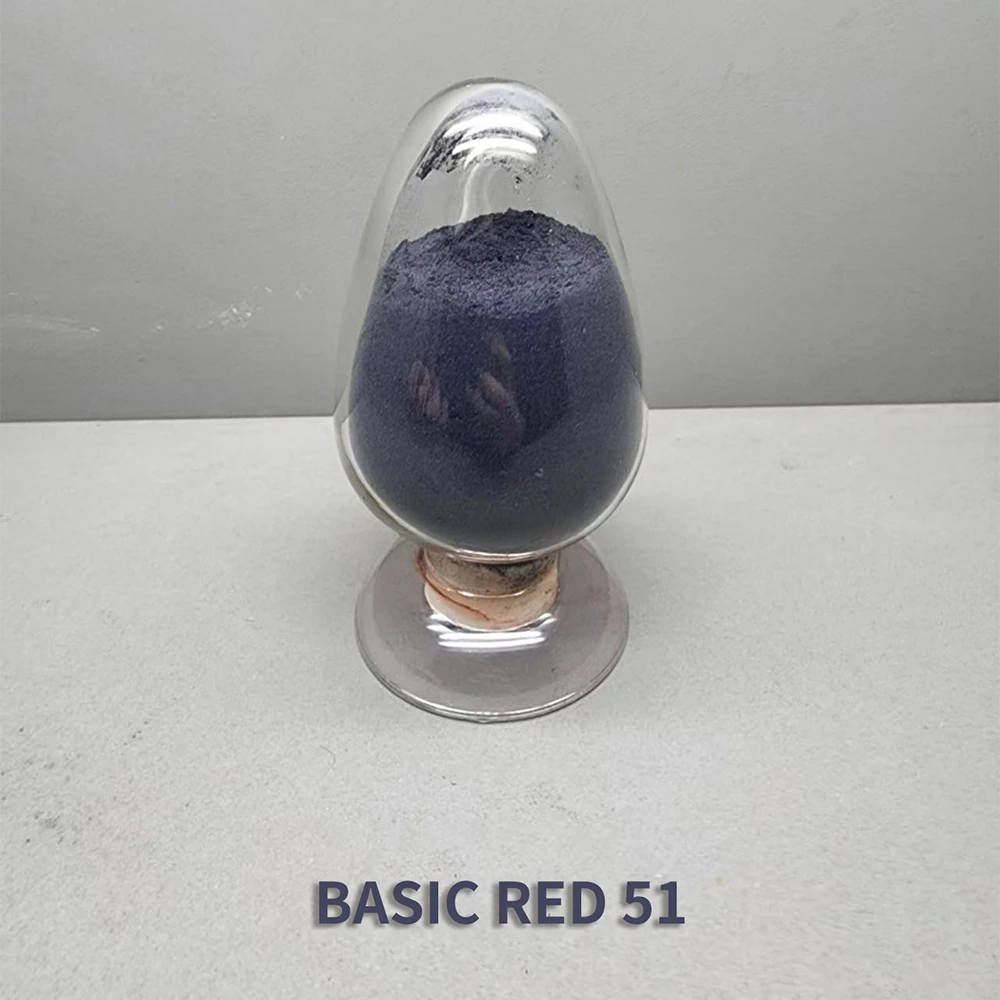
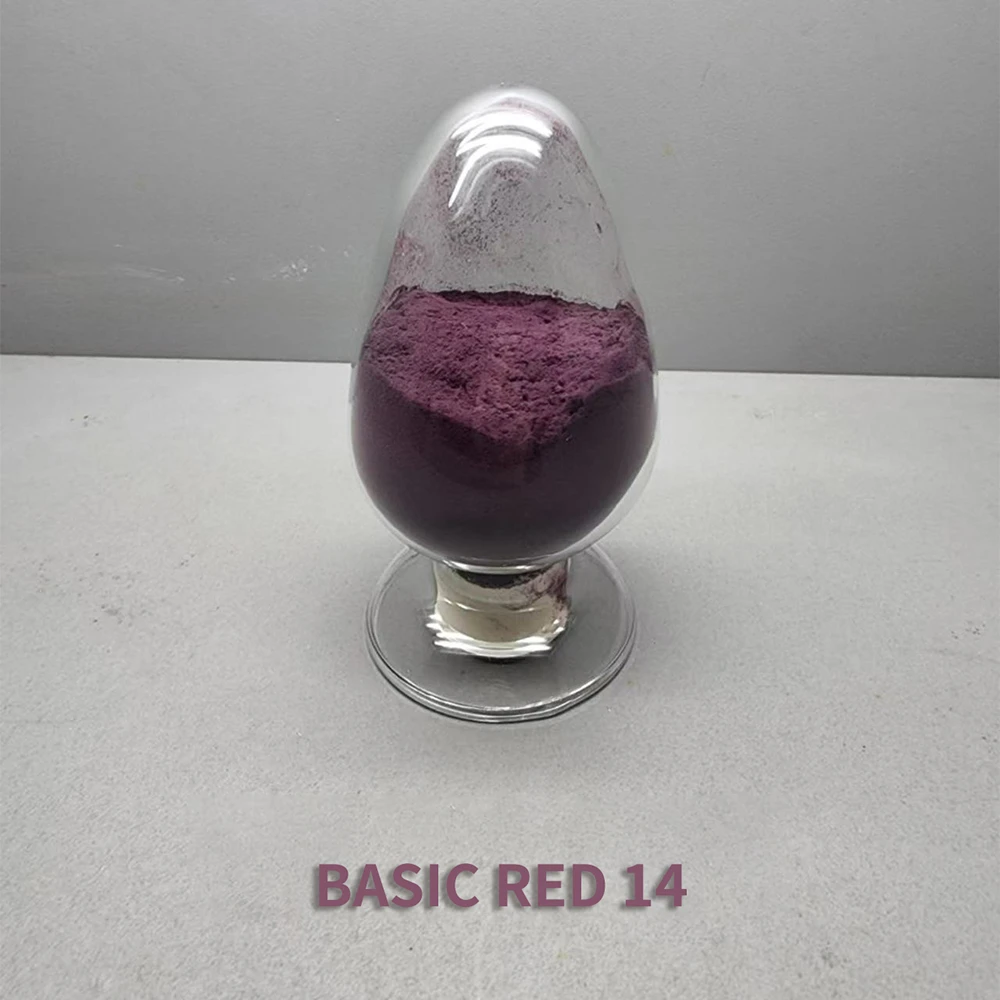
| Appearance | Dark blue-violet powder |
| Molecular Weight | 374.99 g/mol (approx.) |
| Solubility | Water-soluble |
| pH Stability | Stable between pH 3–8 |
| Light Fastness | Medium to high (Grade 5 ISO standard) |
Mini takeaway: CI Basic Violet 3 combines strong color impact, fiber compatibility, and reasonable safety for industry use.
Global Applications & Use Cases for CI Basic Violet 3
You find this dye quietly at work from fashion hubs in Europe and Asia to printing presses in North America, and manufacturing plants in India and Southeast Asia. Globally, the synthetic fiber market drives demand—acrylic sweaters, polyester sportswear, and brightly printed fabrics all rely on dyes like CI Basic Violet 3.
In humanitarian contexts, its role is less obvious but significant. For example, organizations producing durable tarpaulins or school uniforms in developing countries benefit from the dye’s resistance and vivid color retention. Plus, in biomedical labs, CI Basic Violet 3 is used as a staining agent to analyze bacterial cells, bridging textile chemistry and life sciences.
Mini takeaway: This dye’s versatility supports industries from fashion to healthcare across continents.
Advantages and Long-Term Value of CI Basic Violet 3
- Cost effective: Available widely and relatively inexpensive.
- Durable colors: Less fading means longer garment life and customer satisfaction.
- Environmental compliance: Easier to treat wastewater than some azo dyes.
- Bold aesthetic: Magnetizes buyers with vivid violet shades.
Frankly, it feels like this dye hits a sweet spot: affordable yet beautiful, technical yet approachable.
Future Trends & Innovations
Industry watchers foresee green chemistry and digital textile printing influencing CI Basic Violet 3’s role. Efforts to tweak its molecular backbone for enhanced biodegradability and compatibility with waterless printing methods are underway. Automation in dye formulation and environmental sensors promise greater process controls, reducing waste. Oddly enough, even though synthetic dyes face challenges, demand for vibrant, reliable colors keeps CI Basic Violet 3 relevant into the foreseeable future.
Challenges & Solutions
Despite its positives, CI Basic Violet 3 isn’t perfect. Challenges like:
- Residual toxicity concerns for aquatic life
- Color limitations on natural fibers
- Competition from newer bio-based dyes
are notable. However, innovations in effluent treatment—like membrane filtration and enzymatic degradation—help mitigate risks. Plus, hybrid dye blends are expanding application ranges while respecting environmental standards.
| Supplier | Purity (%) | Price (USD/kg) | Lead Time | Sustainability Certification |
|---|---|---|---|---|
| Yanhong Chemicals | 98% | $10.50 | 2 weeks | ISO 14001 |
| ChemCo | 95% | $9.80 | 3 weeks | None |
| DyeMasters Inc. | 99% | $12.00 | 1 week | OEKO-TEX |
FAQ: Common Questions About CI Basic Violet 3
Q1: What makes CI Basic Violet 3 preferable over other violet dyes?
A: Its high affinity for synthetic fibers and excellent fastness properties make it ideal for polyester and acrylic fabrics. Additionally, it is water-soluble and relatively easier to apply, which improves manufacturing efficiency.
Q2: Is CI Basic Violet 3 safe for use in clothing that touches skin?
A: When properly fixed and processed, it generally poses low risk for skin irritation. However, regulations require that residual dye levels meet safety limits, and manufacturers often perform patch tests to ensure compatibility.
Q3: How can manufacturers ensure environmental compliance when using CI Basic Violet 3?
A: By investing in advanced wastewater treatment systems like activated carbon filters or enzymatic degradation, and adhering to discharge limits set by organizations like the EPA or local authorities.
Q4: Can I source CI Basic Violet 3 in bulk internationally?
A: Yes, many suppliers (like Yanhong Chemicals) export globally with necessary customs documentation, but buyers should check import regulations, especially related to chemical handling.
Conclusion: Why Embracing CI Basic Violet 3 Is a Smart Choice Now and Ahead
CI Basic Violet 3 stands as a prime example of a tried-and-true industrial dye that keeps evolving amid modern demands—from durability to environmental impact. It’s clear why industry leaders, textile manufacturers, and even biochemistry labs lean on it. If you’re in the market for a reliable, vibrant, and moderately eco-conscious dye, you might want to explore offerings from reputed suppliers like Yanhong Chemicals.
Explore more and make informed choices on dye solutions at our website: https://www.yanhongchem.com.
It’s fascinating how a single dye molecule connects art, industry, and global sustainability efforts—in weaving together stories of color and commerce.
References:
-
Exploring Reactive Dyes in Textile A Comprehensive Guide to Chemistry and ApplicationNewsMar. 05, 2026
-
Choosing The Right Dress Dye For Vibrant And Durable TextilesNewsMar. 06, 2026
-
Fabric Dye For Tie Dye – Durable, Vibrant Solutions for Textile Industries | YanhongchemNewsJan. 03, 2026
-
Comprehensive Guide to the Cationic Dyeable Polyester Process: Sustainability and InnovationNewsDec. 03, 2025
-
Professional Fabric Dye for Industrial Use - Yanhong ChemNewsDec. 31, 2025
-
Exploring the Benefits of Organic Dye for Clothes in Sustainable FashionNewsMar. 07, 2026