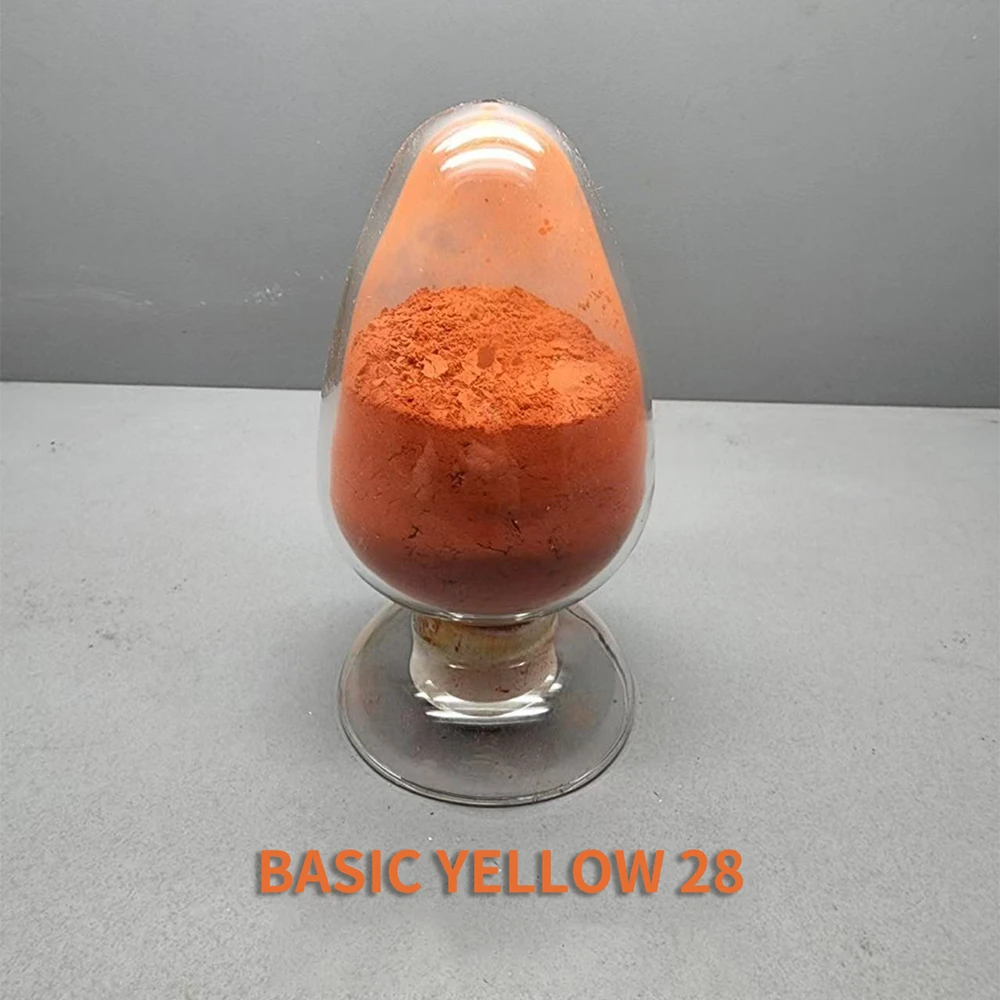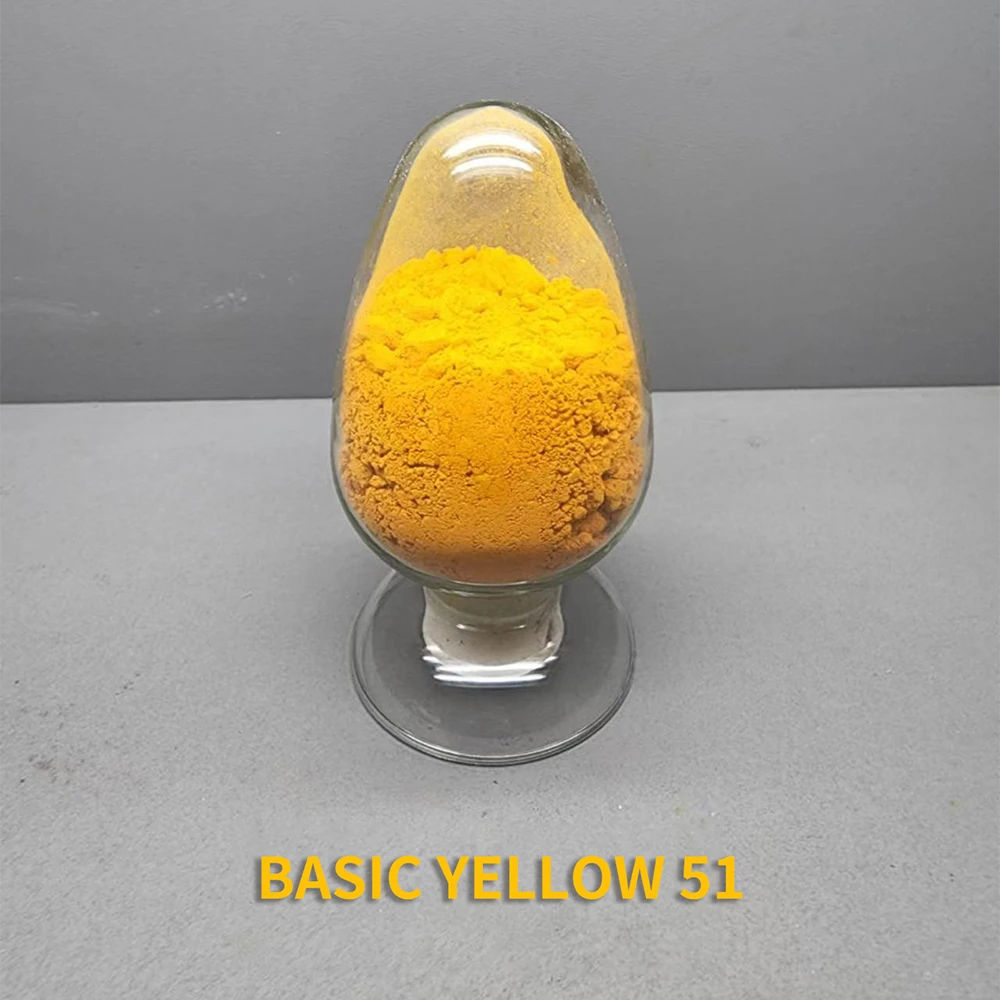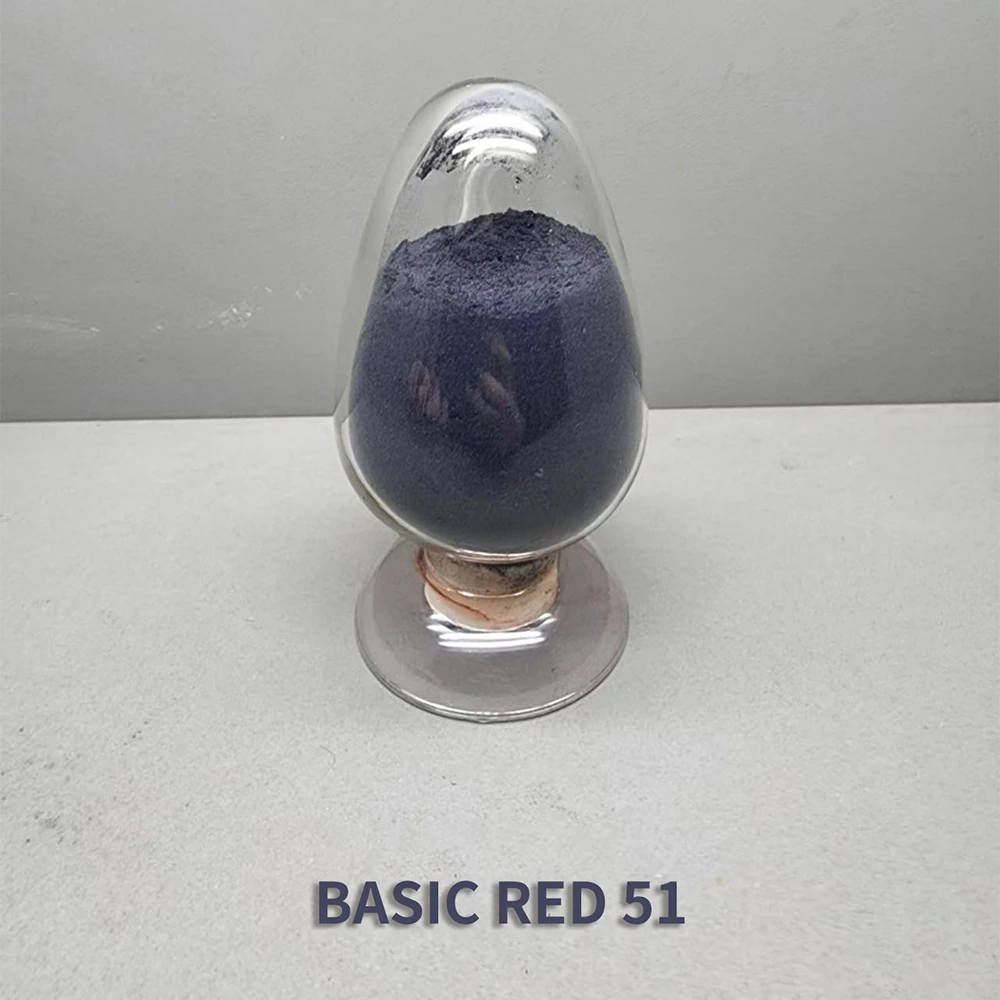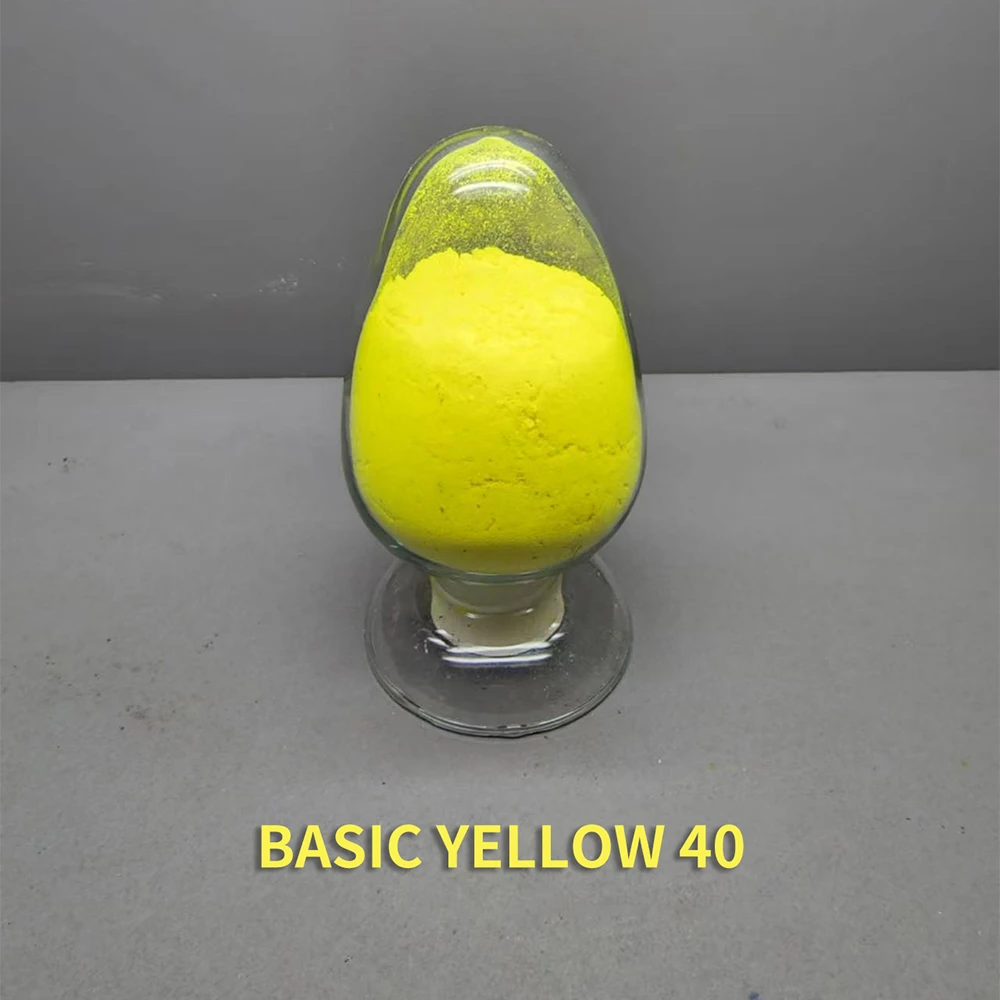
Achieving the Perfect Pastel Shade with Light Pink Dye for Clothes
Choosing the Right Light Pink Dye for Clothes: A Comprehensive Guide
Finding the perfect light pink dye for clothes can be a surprisingly complex process. From understanding dye types to ensuring colorfastness and fabric compatibility, there’s a lot to consider. This guide provides a detailed overview of light pink dyes, their applications, and how to achieve the best results. Whether you're a fashion designer, a DIY enthusiast, or a textile manufacturer, we'll cover everything you need to know. Selecting the correct dye ensures vibrant, lasting color and fabric integrity.
Understanding the Different Types of Light Pink Dye
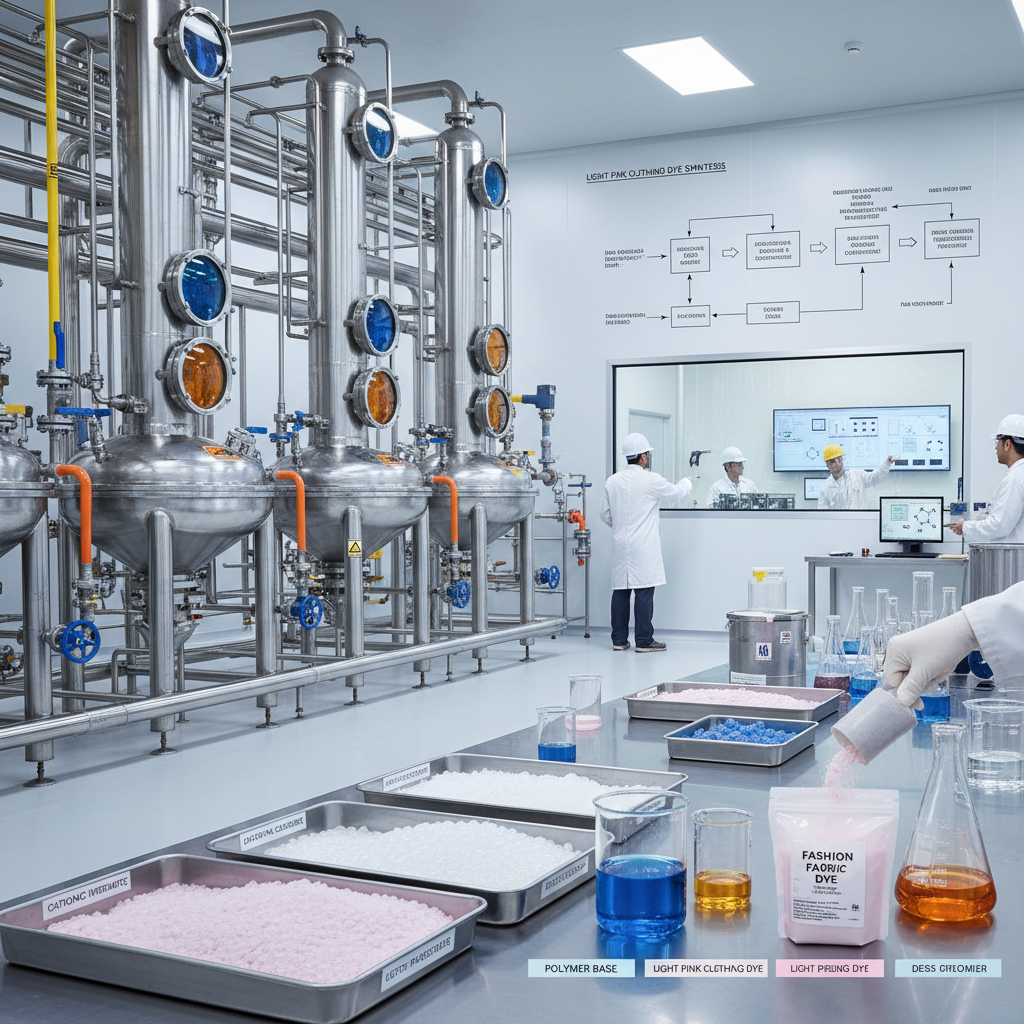
Light pink dye comes in several different formulations, each suited for different fabrics and applications. Some common types include acid dyes (ideal for protein fibers like wool and silk), reactive dyes (best for cellulose fibers like cotton and linen), and direct dyes (suitable for a wider range of fabrics but generally less colorfast). Disperse dyes are commonly used for polyester. Each type has unique properties regarding wash fastness, lightfastness, and application methods. Selecting the right dye type is critical for achieving optimal results and ensuring the longevity of the color.
Key Highlights: The choice of dye hinges on the fabric composition. Acid dyes excel with silk and wool, while reactive dyes are a top choice for cotton. Disperse dyes are best for polyester fabrics.
Light Pink Dye Application Methods
The method of application also affects the final outcome. Common techniques include immersion dyeing, where fabric is submerged in a dye bath, and exhaust dyeing, where the dye is gradually absorbed by the fabric. Tie-dyeing and ombre techniques offer creative ways to achieve unique patterns and shades of pink. The temperature, pH level, and duration of dyeing are crucial parameters that need to be carefully controlled to ensure even color distribution and optimal dye uptake. Proper pre-treatment of the fabric, such as scouring, is essential for removing impurities and enhancing dye absorption.
Application Technique Benefits:
• Immersion dyeing provides even color distribution.
• Tie-dyeing allows for unique patterns and designs.
• Exhaust dyeing is efficient for large batches.
• Ombre techniques create gradient color effects.
Comparing Popular Light Pink Dye Options
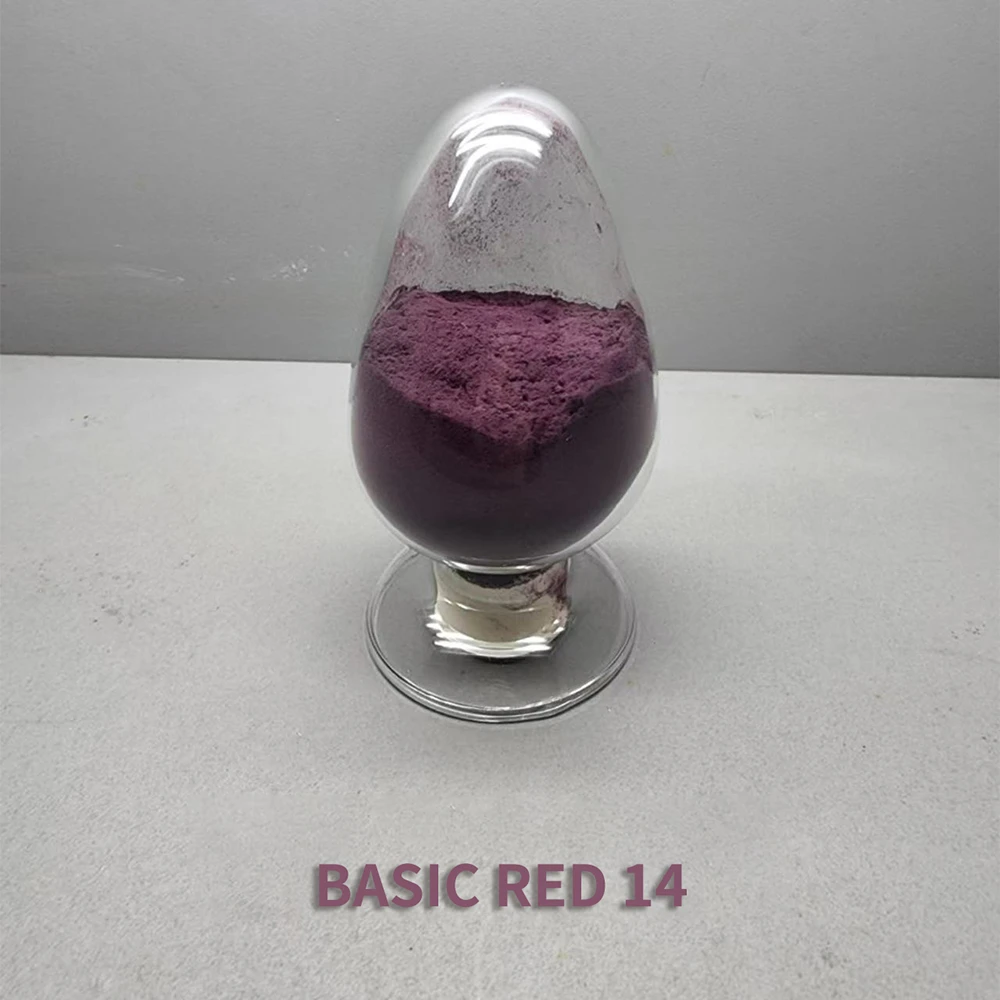
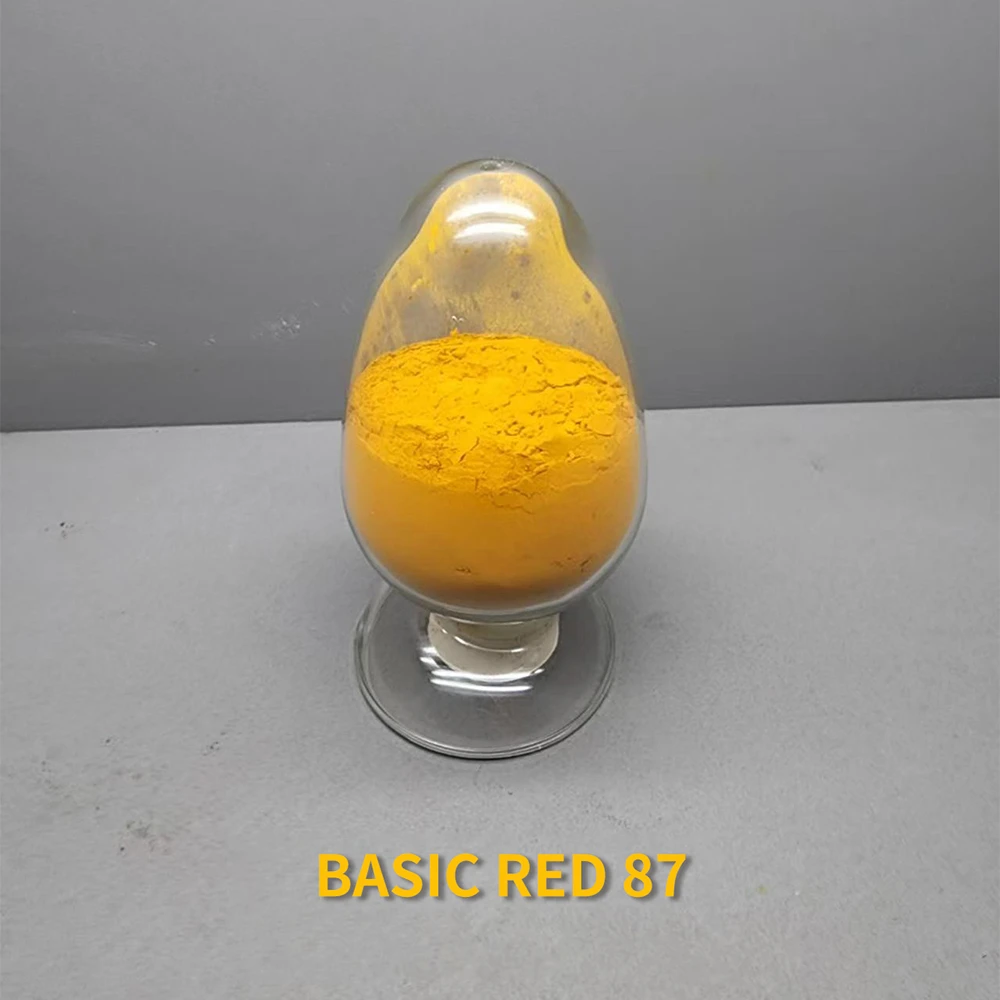
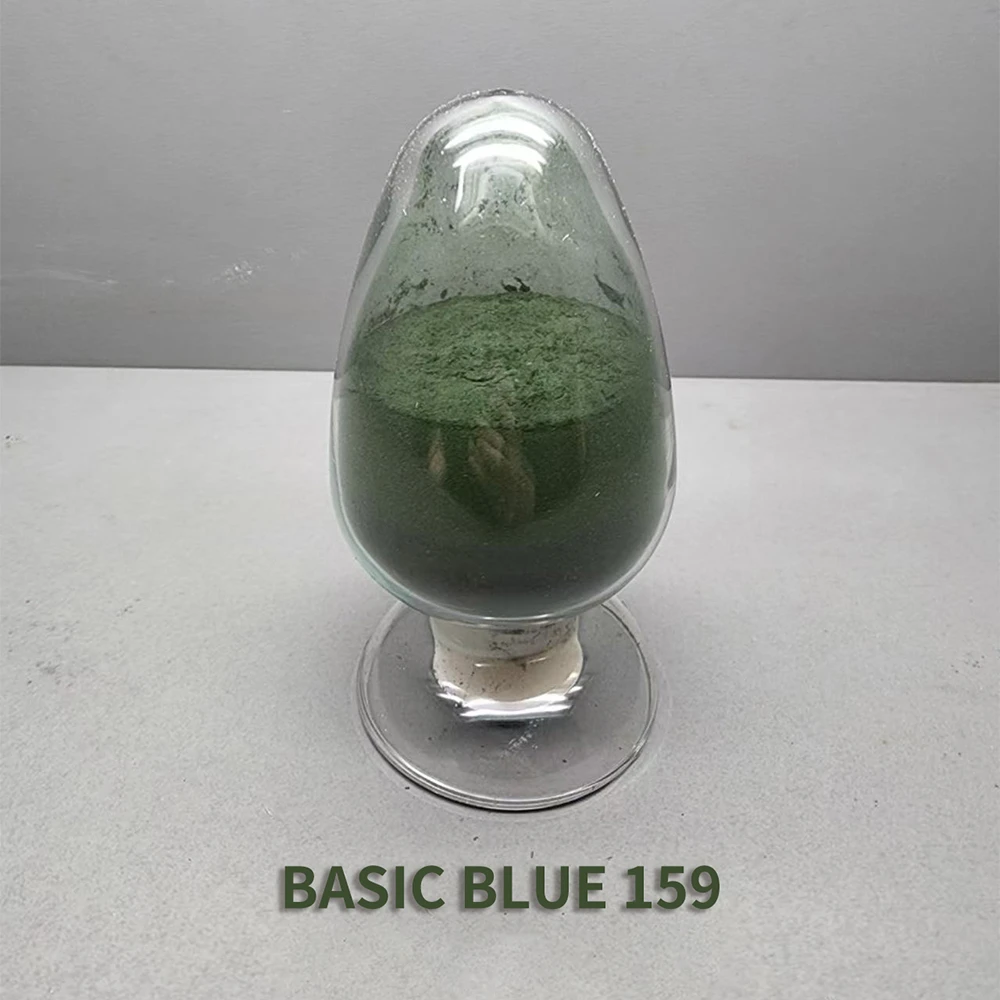
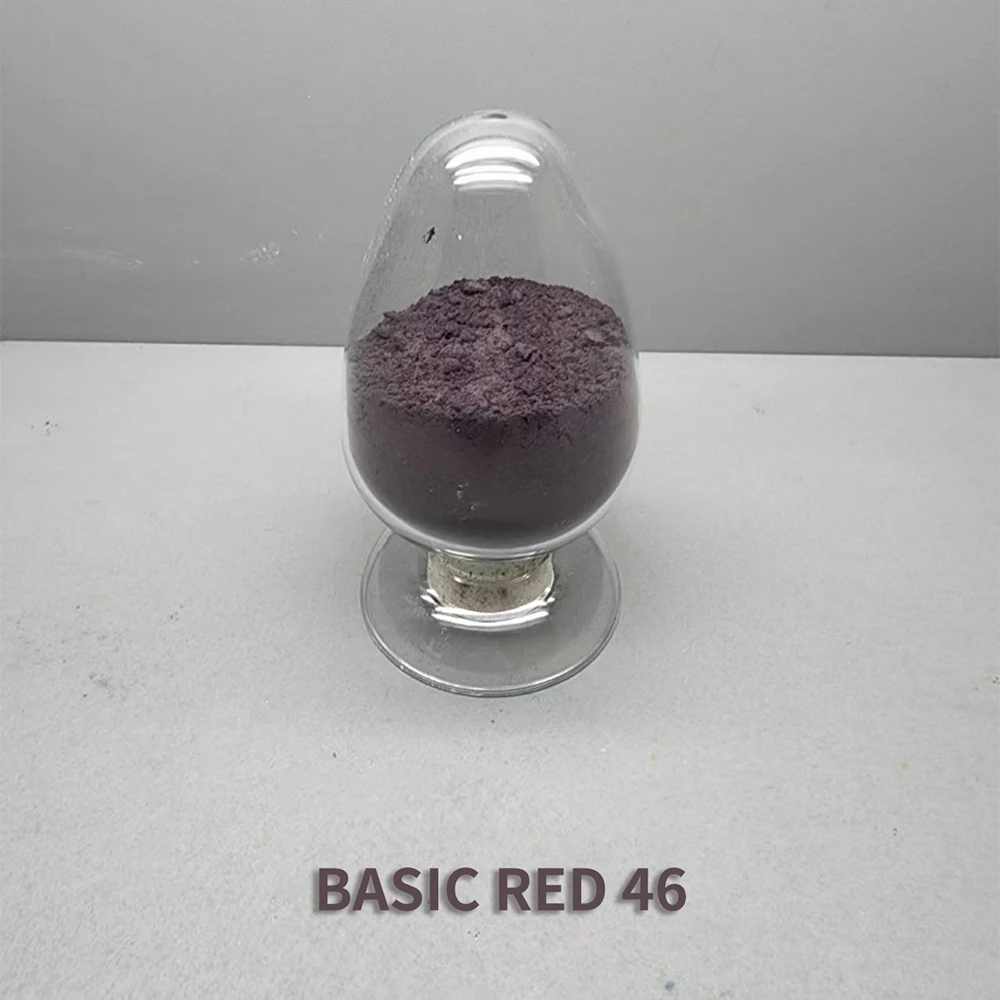
When choosing a light pink dye, consider the fabric type, desired shade, and colorfastness requirements. Here's a comparison of popular options:
Achieving the Perfect Shade of Light Pink
The intensity of the pink shade can be adjusted by varying the dye concentration. Start with a small amount of dye and gradually increase it until you achieve the desired color. Always test the dye on a swatch of the fabric first to assess the color outcome and ensure compatibility. Factors like water hardness and pH levels can also influence the final shade, so it’s important to maintain consistent conditions during dyeing. YanHong Chemical offers a wide range of high-quality light pink dyes to suit various needs.
Product Specifications & Safety Considerations
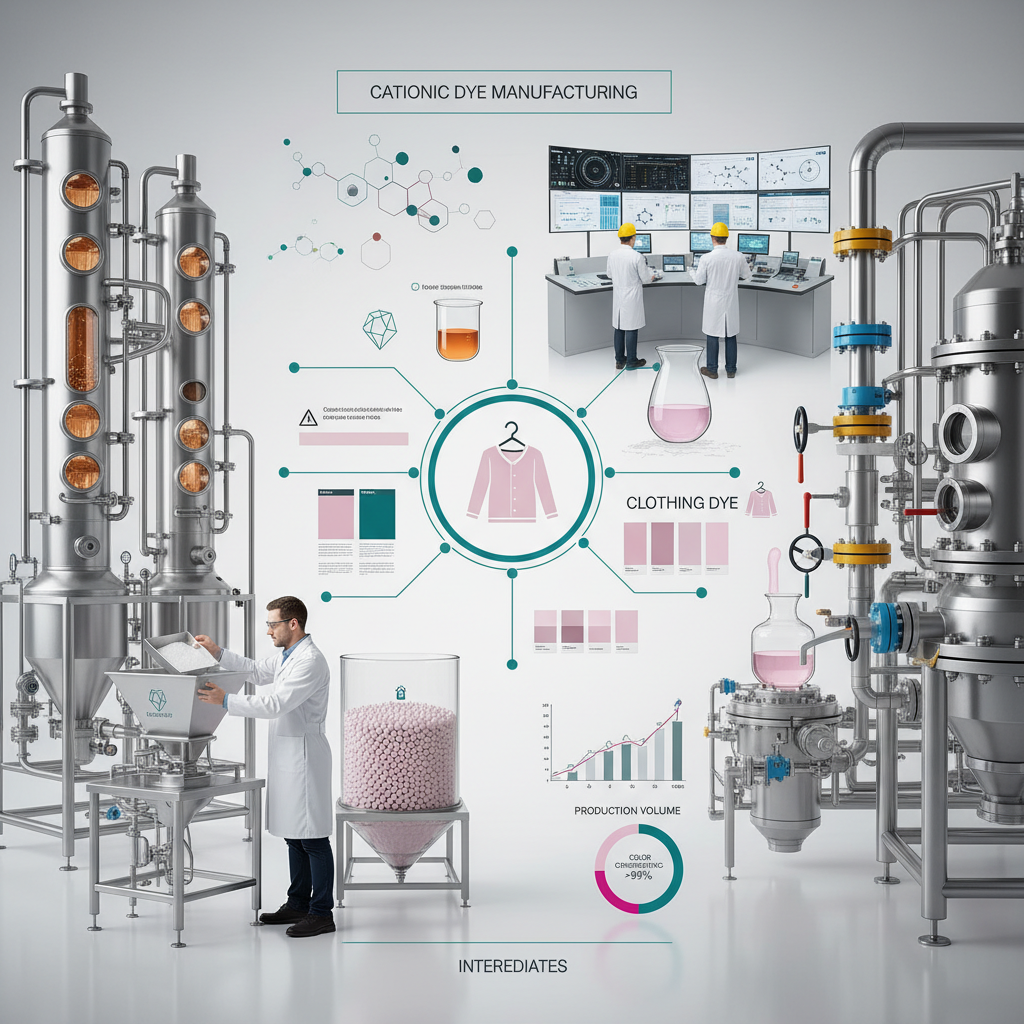
When working with dyes, always prioritize safety. Wear appropriate protective gear, including gloves, eye protection, and a mask. Ensure adequate ventilation in the work area. Refer to the Material Safety Data Sheet (MSDS) for detailed information on handling and safety precautions. Always store dyes in a cool, dry place away from children and pets.
Conclusion: Achieving Vibrant Light Pink Colors
Selecting the correct light pink dye for clothes involves understanding fabric types, dye characteristics, and application techniques. By following the guidelines outlined in this guide, you can achieve beautiful, long-lasting results. Remember to prioritize safety and always test the dye before applying it to your final project. With the right approach, you can confidently create stunning light pink garments and textiles.
Frequently Asked Questions (FAQs)
What's the best dye for light pink color on cotton?
Reactive dyes are generally considered the best choice for achieving vibrant and colorfast light pink on cotton. They form a strong chemical bond with the cotton fibers, resulting in excellent wash and lightfastness. Direct dyes can also be used, but they tend to fade more quickly. Proper preparation of the cotton fabric, including scouring to remove any impurities, is crucial for optimal dye uptake and color intensity. Ensure you follow the manufacturer's instructions for the reactive dye carefully for the best results.
How do I prevent color bleeding when dyeing fabric light pink?
Color bleeding can be minimized by using a color fixative after dyeing. Thorough rinsing of the fabric after dyeing is also essential to remove any unfixed dye particles. Avoid washing the dyed fabric with other garments, especially light-colored ones, for the first few washes. Using a gentle detergent formulated for delicate fabrics can also help prevent bleeding. For reactive dyes, ensure complete reaction by using the correct amount of salt and alkali during the dyeing process.
Can I dye synthetic fabrics like polyester light pink?
Yes, you can dye polyester light pink, but it requires disperse dyes specifically designed for synthetic fibers. The dyeing process for polyester typically requires higher temperatures and pressure than natural fibers. It's important to follow the dye manufacturer's instructions carefully to achieve the desired color and prevent damage to the fabric. Polyester is generally more challenging to dye than natural fibers, and the color range may be limited.
What safety precautions should I take when handling light pink dye?
Always wear gloves, eye protection, and a mask when handling dyes to prevent skin and respiratory irritation. Work in a well-ventilated area to avoid inhaling dye fumes. Avoid contact with skin and eyes. If contact occurs, rinse immediately with plenty of water. Store dyes in a cool, dry place out of reach of children and pets. Consult the Material Safety Data Sheet (MSDS) for specific safety information regarding the dye you are using.
-
Ivory Fabric Dye - Durable, Eco-Friendly Textile Solutions | YanhongchemNewsDec. 10, 2025
-
Periwinkle Fabric Dye for B2B ApplicationsNewsJan. 24, 2026
-
Blush Fabric Dye: Industrial Textile SolutionsNewsJan. 25, 2026
-
Photochromic Fabric Dye: Innovative Textile Solutions for B2B Professionals | YanHongChemNewsJan. 06, 2026
-
Lavender Fabric Dye - Reliable Industrial Quality from Yanhong ChemicalNewsDec. 13, 2025
-
China Basic Dye Factory Insights & Product Comparison | Industrial Dye GuideNewsDec. 03, 2025