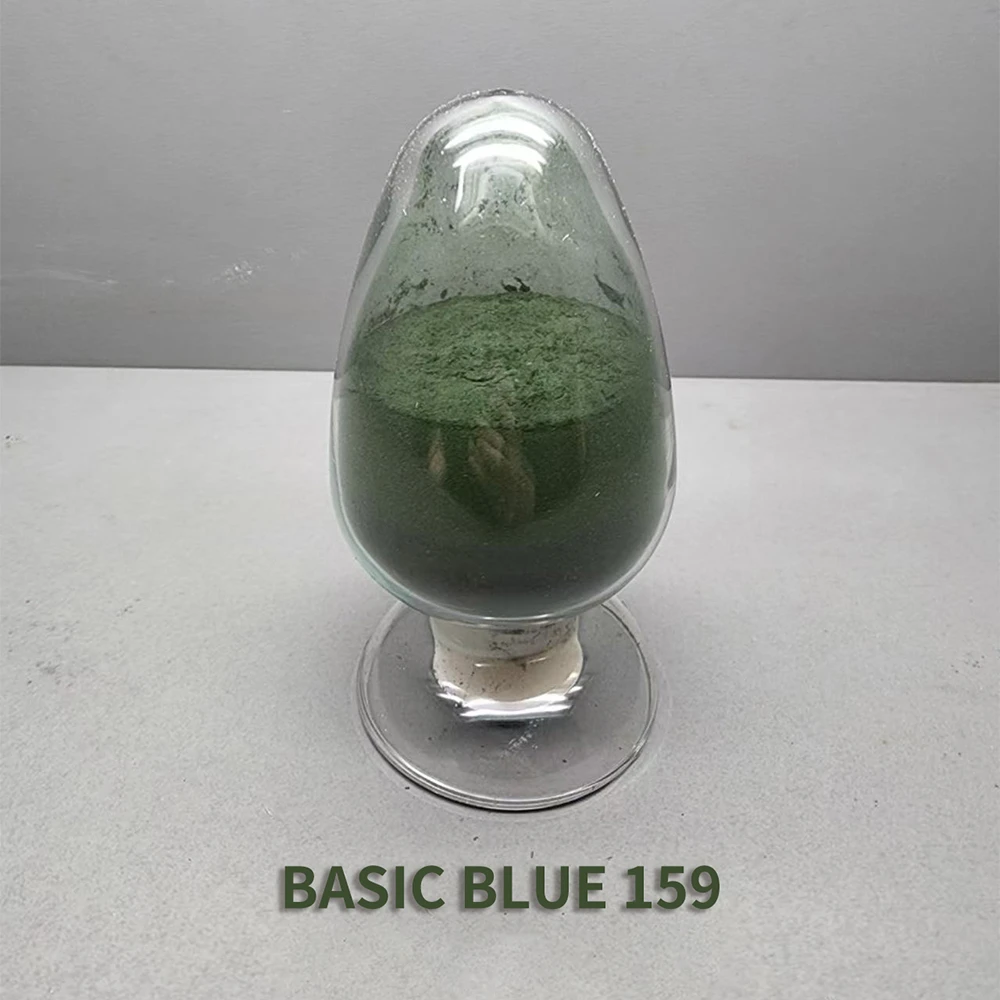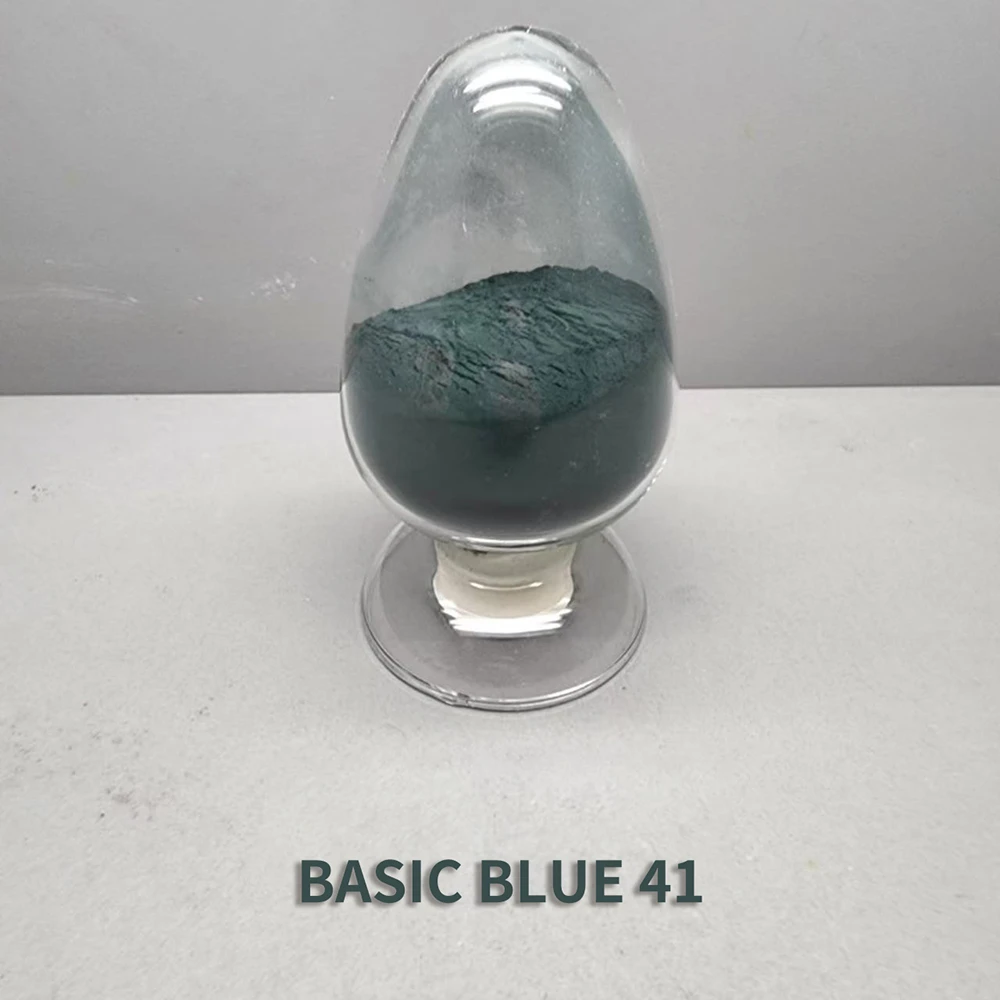
What Is Basic Green Color? Properties, Applications & Vendor Guide
Understanding Basic Green Color: What It Is and Why It Matters
If you’ve ever looked closely at the subtle shades in industrial coatings, textiles, or even cosmetic products, you might’ve noticed references to basic green color. While it sounds simple, this term encapsulates a whole world of applications ranging from eco-friendly dyes to chemical indicators that matter globally.
Why should we care? Well, in an age driven by sustainability and precision manufacturing, understanding the nuances of basic green hues — their chemical makeup, durability, and environmental footprint — offers more than just aesthetic value. It’s about safety, innovation, and meeting international standards that impact industries and humanitarian projects alike.
Mini takeaway: Basic green color is far from just a shade; it’s a technical and environmental pivot in many modern applications.
Global Context: Tracking the Rise of Basic Green Color
The world’s push toward greener, less toxic materials isn’t just a buzzword. According to the UN Sustainable Development Goals, industries worldwide are encouraged to reduce chemical hazards and embrace safe, sustainable inputs. In that vein, producing and utilizing basic green color substances that comply with ISO standards (ISO 14001 environment management, for example) is vital.
Interestingly, the global market for organic and inorganic pigments — including variants of green dyes — is expanding steadily, with Asia-Pacific leading production and innovation. Many manufacturers face challenges balancing cost-efficiency with environmental compliance, which turns attention to “basic” green formulations that are safer and often more scalable.
Mini takeaway: Basic green color plays a central role in meeting global environmental and safety targets, especially across manufacturing and textiles.
What Is Basic Green Color? Definition and Industrial Relevance
Simply put, basic green color refers to a category of cationic (positively charged) dyes known for their vibrant green hues. Chemically, they belong to the triarylmethane family and often serve as antimicrobial agents or indicators in various products.
For example, in tissue staining and microscopy, basic green dyes highlight cells clearly without excessive toxicity. Beyond labs, they are ingredients in textile dyeing and sometimes appear in paper manufacturing. Their significance extends to water treatment, where certain “basic green” compounds help identify pollution or treat contaminants, making them unexpectedly vital for public health.
Mini takeaway: Basic green color is a versatile chemical dye with uses stretching from healthcare to industry and environmental monitoring.
Key Properties of Basic Green Color
1. Chemical Stability and Durability
One reason many industries favor basic green color is its remarkable stability under different conditions. It resists fading when exposed to light and heat, which is crucial for textiles and coatings exposed outdoors.
2. Antimicrobial Functionality
Some variants exhibit antimicrobial properties, helping reduce bacteria growth on surfaces—a handy trait in medical textiles or sanitation products.
3. Cost Efficiency
Compared to some complex organic dyes, basic green colors are relatively affordable to synthesize and can be produced at scale, which is why they continue to hold their place in the market despite newer alternatives.
4. Environmental Impact
Of course, not all “green” dyes are truly green in footprint, but many basic green color formulations nowadays are engineered to be less toxic and biodegradable, conforming to strict regulations.
| Property | Description |
|---|---|
| Color Intensity | Strong vivid green, easily visible in dilute solutions |
| Water Solubility | High, facilitating use in aqueous applications |
| Toxicity | Low to moderate; varies by compound and purification |
| UV Resistance | Good resistance, suitable for outdoor use |
| Typical Uses | Textiles, medical staining, water treatment indicators |
Mini takeaway: Basic green color's balanced properties make it a go-to choice across diverse applications requiring color visibility, durability, and sometimes antimicrobial effect.
Real-World Applications and Industry Use Cases
Unsurprisingly, the applications are diverse. In the textile sector, basic green dyes usher in rich, uniform colors without harsh chemical treatments. Many garments used in healthcare or hospitality incorporate these dyes for both aesthetics and hygienic benefits. There’s also a significant role in paper manufacturing, where colorants help produce recyclable, sustainable products.
Oddly enough, in humanitarian aid, basic green compounds serve in water quality tests during disaster relief situations. Field workers use quick colorimetric tests to detect hazardous levels of contamination, ensuring safe drinking water.
Regions with strong textile industries, like Southeast Asia and parts of Europe, are prolific users, balancing tradition with modern environmental mandates. Moreover, specialty chemical companies focus on advanced formulations that meet client specs, including reduced environmental impact.
Mini takeaway: Basic green color plays an integral role from everyday apparel to critical humanitarian services, proving its versatile importance globally.
Advantages and Long-Term Value of Basic Green Color
- Environmental Sustainability: Newer formulations are biodegradable and comply with global environmental standards.
- Economic Feasibility: Manufacturing costs remain competitive, keeping products affordable.
- Reliability and Safety: Proven chemistry with consistency in color and performance across varying settings.
- Social Impact: Supports safer medical diagnostics and sanitation efforts worldwide — not trivial in the grand scheme.
It’s refreshing to think that something as simple as a green dye can hold such promise for innovation and safety. You know, we often overlook these details thinking about grander technologies, but in reality, these chemicals are quietly pivotal.
Mini takeaway: Basic green color merges sustainability with functionality, delivering economic and societal value for the long haul.
Future Trends and Innovations
Looking forward, the trend is unmistakable: greener, more sustainable, and smarter pigments. Research is ongoing on encapsulating basic green dyes into nanomaterials for improved efficiency, or combining them with digital printing technologies to minimize waste.
Policy-wise, regulations such as REACH in Europe enforce stricter usage standards, compelling manufacturers to adopt safer and more eco-conscious processes. Meanwhile, automation in pigment production promises better quality control and scalability.
Another fascinating area is bio-based pigment development where microbes or plants synthesize green dyes — likely to revolutionize basic green color sourcing in the next decade.
Mini takeaway: Innovation for basic green color is happening not just in labs but across policy and sustainability domains, promising an eco-friendly future.
Challenges and Proposed Solutions
No silver bullet here, I’m afraid. Basic green color production sometimes depends on hazardous precursors, and disposal remains an issue if not managed properly. Limited knowledge about long-term ecological effects still lingers in scientific circles.
The solution? Companies increasingly embrace green chemistry principles, reducing toxic byproducts and improving recycling techniques. NGOs and governments foster transparency, so buyers can verify certifications verifying safe manufacture and use. Ongoing academic-industry collaborations also promise breakthroughs in less impactful formulations.
Vendor Comparison: Selecting the Right Basic Green Color Supplier
| Supplier | Product Range | Sustainability Certifications | Price Range (per kg) | Global Delivery |
|---|---|---|---|---|
| Yanhong Chem | Basic Green 4, 3, and custom formulations | ISO 14001, REACH Compliant | $15 - $25 | Yes, worldwide |
| EcoDyne | Limited green dye variants focused on bio-based | Cradle to Cradle Certified | $20 - $35 | Europe and North America only |
| Spectrum Chemicals | Extensive pigment lines including basic green | ISO 9001 Certified | $18 - $28 | Global |
FAQs About Basic Green Color
Q1: Is basic green color safe for use in medical applications?
Yes, many basic green dyes, like Basic Green 4, are widely used in histology and microbiology because of their relative safety compared to other dyes. However, it’s crucial they are used in controlled amounts, and purity must meet healthcare standards.
Q2: Can basic green dyes be used in eco-friendly textiles?
Absolutely. When sourced from responsible manufacturers compliant with environmental standards — for instance, ISO 14001 — basic green dyes provide vibrant colors without harsh chemicals. They fit well into eco-conscious manufacturing processes.
Q3: How long do textiles dyed with basic green color remain vibrant?
With proper treatment and exposure conditions, colors can last years without significant fading, thanks to the dye’s excellent UV and chemical stability. Real-world durability depends on fabric type and usage conditions.
Q4: Are there biodegradable options among basic green colors?
Yes, advancements in pigment chemistry have led to formulations that biodegrade more readily. Though classic triarylmethane dyes might resist breakdown, newer variants and bio-based pigments address this eco-issue increasingly well.
Conclusion: Why Basic Green Color Deserves Your Attention
Understanding basic green color is more than a chemical curiosity. It embodies a nexus of sustainability, economics, and social good. Whether in textile manufacturing, healthcare, or environmental monitoring, it’s a small but significant player in our global move toward greener, safer products.
If you want to dive deeper or source high-quality basic green dyes, don’t hesitate to visit our website for more technical specifications and expert advice.
Short reflection: Sometimes, the unsung heroes like basic green color quietly shape industries and lives, reminding us innovation often lives in the details we overlook.
References:
-
A Comprehensive Guide to Choosing the Best Pastel Fabric Dye for Your ProjectsNewsJan. 27, 2026
-
Peach Fabric Dye – Reliable Industrial Textile Color SolutionsNewsJan. 03, 2026
-
Comprehensive Guide to Synthetic Fiber Dye Selection and ApplicationNewsMar. 11, 2026
-
Basic Green Color – Sustainable Pigments for Industry & InnovationNewsDec. 13, 2025
-
Comprehensive Guide to CI Basic Violet 3 – Uses, Properties & Industry InsightsNewsDec. 03, 2025
-
Black Basic in Industrial Equipment: Essentials and InsightsNewsDec. 13, 2025