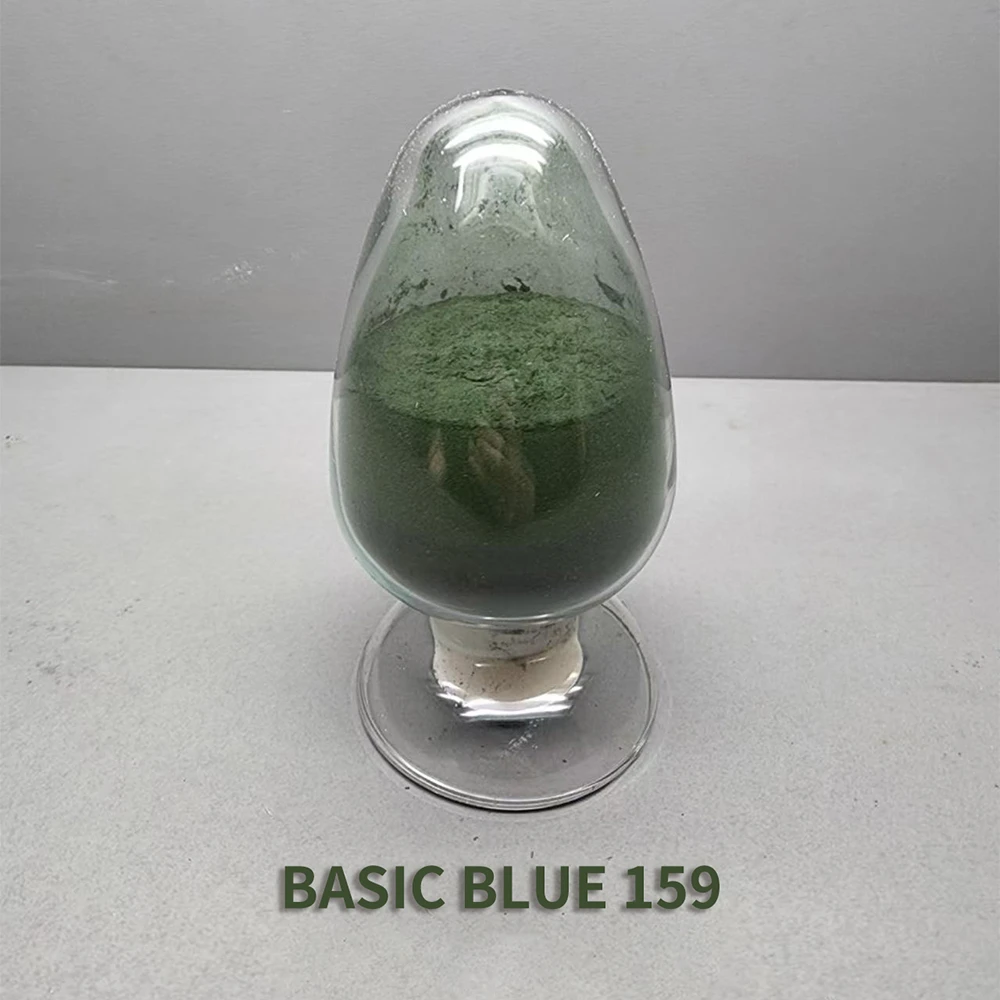
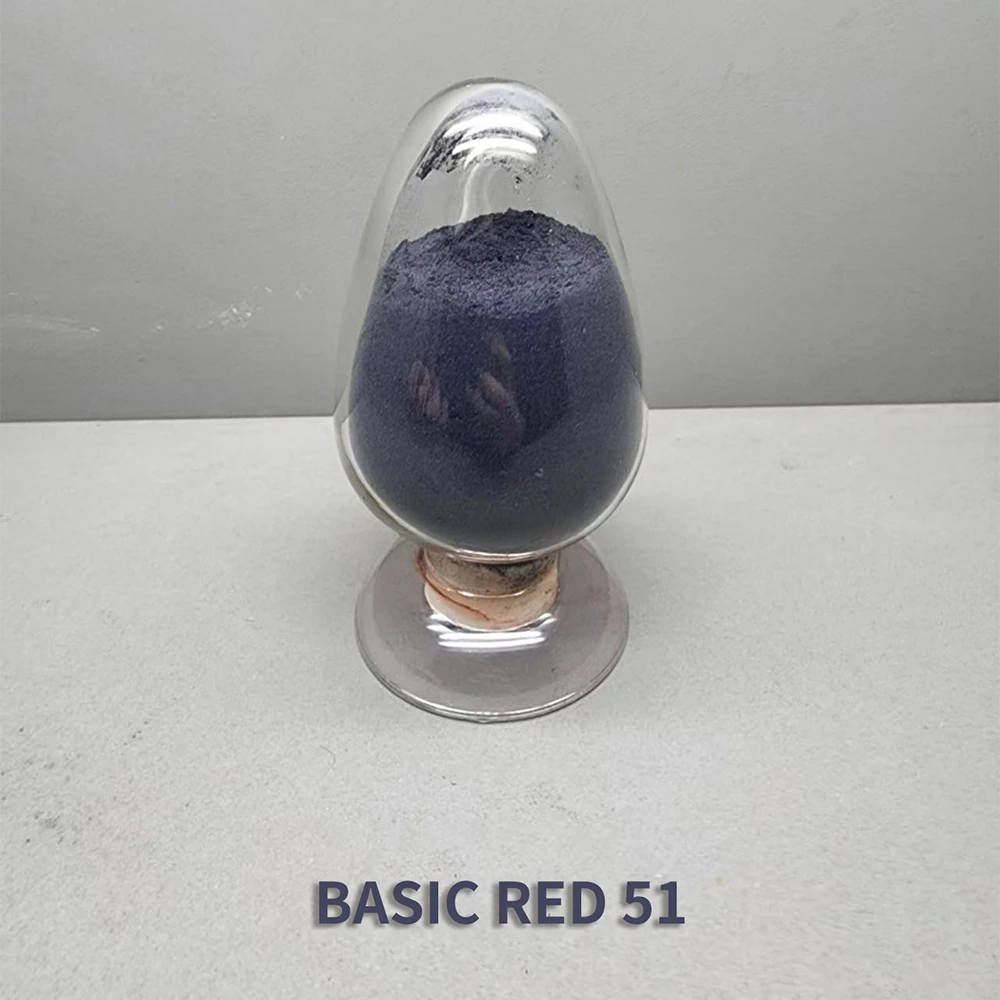
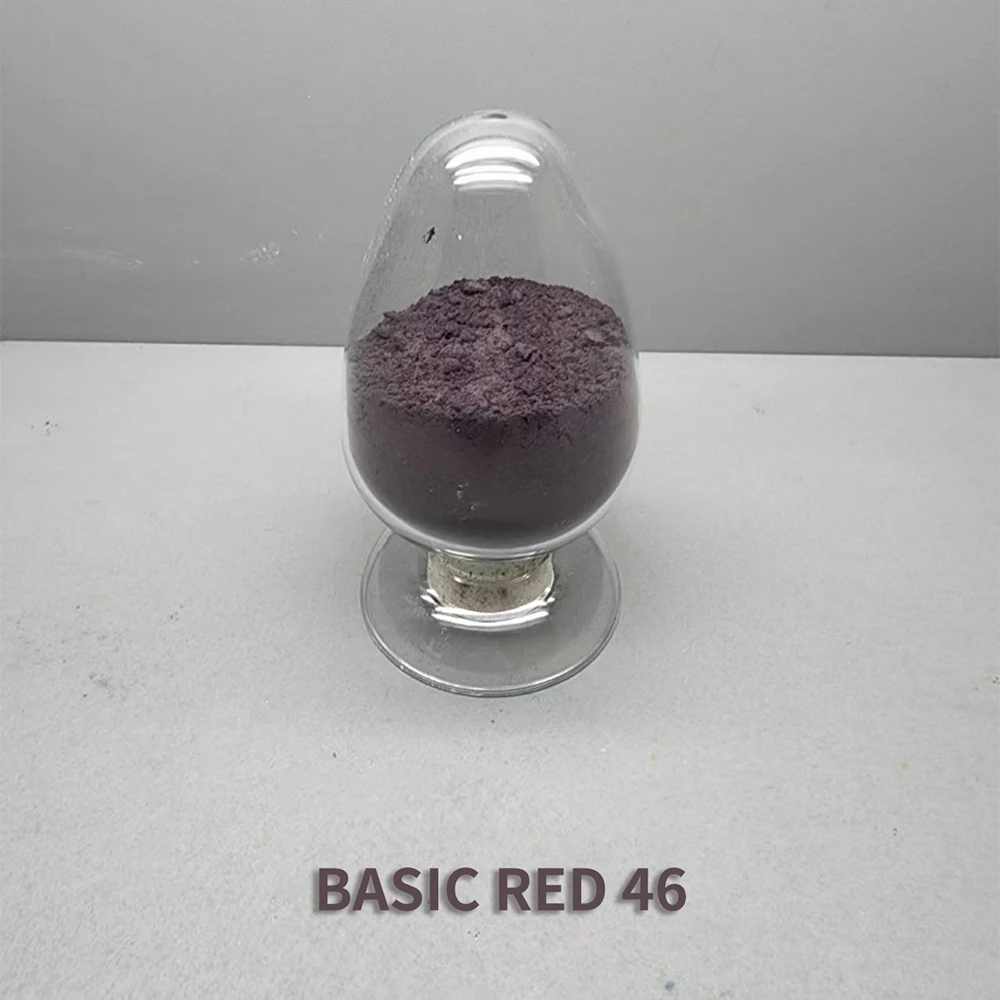
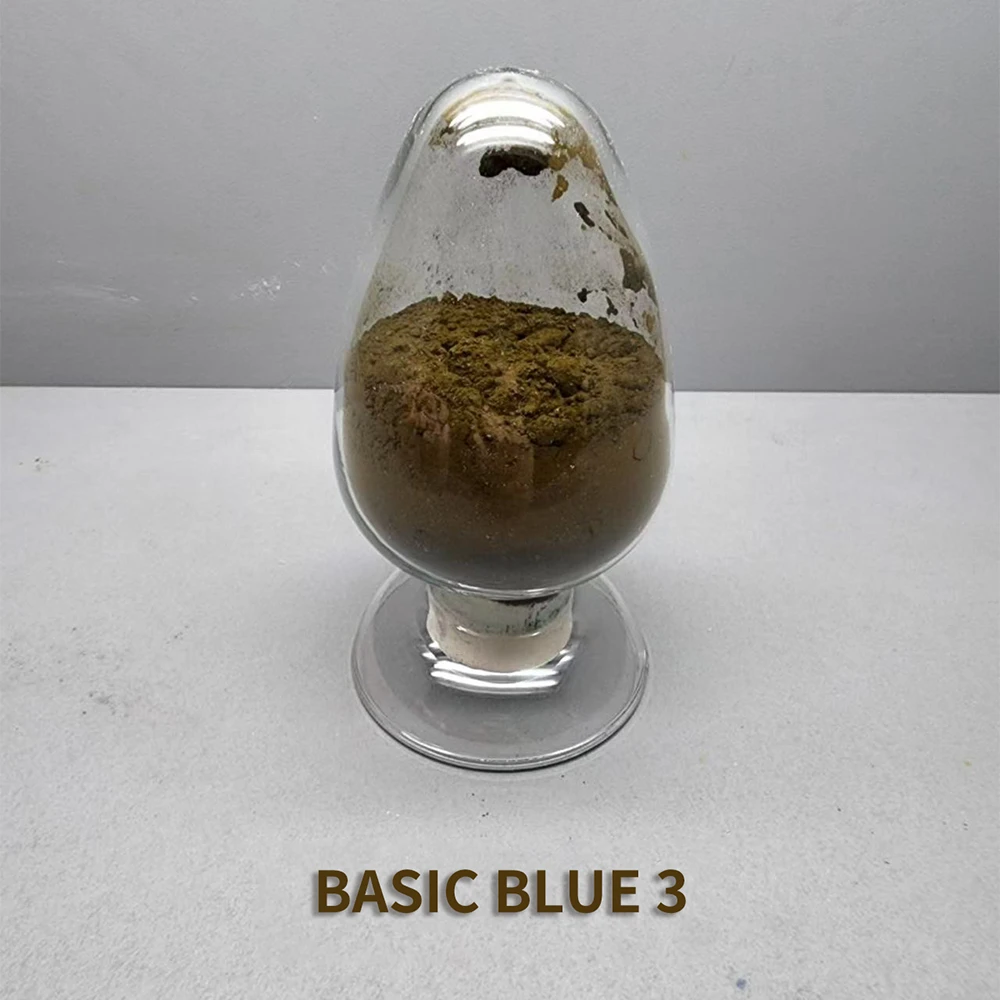
Basic Green Color – Sustainable Pigments for Industry & Innovation
Understanding Basic Green Color: What It Is and Why It Matters Globally
The term basic green color isn’t just about the hue you pick for your garden shed or website background. It’s a fundamental pigment widely used in various industries including textiles, plastics, and even humanitarian aid. Its vibrant, stable green tone plays a role far beyond aesthetics — it helps industries innovate sustainably and serves critical functions in manufacturing and safety. Understanding the basic green color and its uses opens windows into environmental benefits, cost efficiencies, and global industrial trends, all increasingly important as the world shifts towards greener policies and practices.
Introduction: The Global Significance of Basic Green Color
In an era where sustainability is no longer optional but mandatory, the global demand for eco-friendly dyes and pigments has skyrocketed. The basic green color sits right in this crossroad. According to the United Nations Environment Programme (UNEP), the global dye industry is responsible for roughly 20% of industrial water pollution worldwide, pushing the need for safer, more sustainable colors and pigments. Basic green pigments offer improved stability and lower toxicity, helping to reduce environmental footprints, particularly in regions like East Asia and Europe where textile manufacturing is high.
Meanwhile, industries face a common challenge: balancing vibrant, durable colors with environmental compliance and cost control. Basic green pigments are a practical solution that addresses this head-on.
Mini takeaway: The basic green color is more than a pigment — it’s a critical industrial catalyst for sustainability in a world demanding greener solutions.
The Meaning Behind Basic Green Color
In simple terms, basic green color refers to a group of synthetic dyes characterized by their vivid green appearance and chemical stability. Also known under names like pararosaniline or malachite green derivatives, these colors are cationic dyes often used for staining, manufacturing plastics, or coloring textiles. Their “basic” label comes from their chemical properties — basic dyes are positively charged and bind easily to negatively charged materials, like fabrics or paper.
Beyond cosmetics, the basic green color is essential in many applications, from providing corrosion resistance in industrial coatings to helping fight microbial contamination in medical supplies. It’s also found in humanitarian contexts, such as coloring materials for fast-assembly shelters or signage where visibility and safety are critical.
Core Aspects of Basic Green Color
1. Chemical Durability
Basic green pigments are known for their excellent lightfastness and resistance to fading. For industries where color fastness affects both product lifespan and customer satisfaction — say, automotive interiors or high-end apparel — this trait is a deciding factor.
2. Environmental Compatibility
They typically exhibit lower toxicity compared to older green dyes, making them more aligned with strict ISO environmental standards and reducing hazardous waste disposal problems for manufacturers.
3. Versatility
The range of substrates basic green colors work on—from synthetic fabrics to metals in coatings—makes them ubiquitous across sectors like construction, healthcare, and fashion.
4. Cost Efficiency
While sometimes pricier upfront than standard dyes, their durability and lower environmental handling costs often even out or surpass expectations when factored over a product’s life cycle.
5. Safety and Visibility
In signage or emergency gear, the vibrant hue enhances visibility. Many engineers in safety gear production mention that basic green pigments maintain readability and brightness even under harsh conditions.
Mini takeaway: The multi-faceted benefits of basic green color—from durability to eco-friendliness—make it a prime choice across diverse industries.
Global Applications & Industry Use Cases
From Asia’s textile clusters to Europe’s automotive finishing lines, the use of basic green color is prolific:
- Textile Manufacturing: Factories in Bangladesh and Vietnam use it for high-quality fabrics requiring vibrant, lasting color.
- Plastics and Polymers: In North America and Europe, it's essential for coloring durable household items and packaging materials.
- Humanitarian Aid: Organizations producing modular shelters for disaster relief rely on basic green pigments for resilient and easily-recognizable canvas materials.
- Medical Instruments: Given antiseptic properties in some formulations, it’s also applied in laboratory equipment and diagnostic kits.
For example, in post-disaster relief operations in Southeast Asia, fast deployment shelters dyed with basic green colors stand out clearly for both visibility and psychological reassurance — a reminder that safety can indeed be colorful.
Product Specification Table
| Specification | Typical Value | Notes |
|---|---|---|
| Chemical Formula | C23H25ClN2 | Malachite green base form |
| Solubility | Soluble in water | Enhances textile penetration |
| Lightfastness | 6 out of 8 (ISO scale) | Good fading resistance |
| Toxicity | Low (regulated) | Meets REACH standards |
| Typical Uses | Textiles, plastics, coatings | Versatile across industries |
Advantages and Long-Term Value of Basic Green Color
Thinking beyond the immediate "looks nice" factor, I’ve noticed industries reap real benefits:
- Cost Savings: Reduced replacement and re-dyeing costs because of strong colorfastness.
- Environmental Impact: Lower waste toxicity leads to reduced regulatory burdens and cleaner manufacturing.
- Social Impact: The bright, reassuring color positively affects worker safety and branding clarity.
- Reliability: Consistent color output and chemical stability maintain trust between manufacturers and customers.
Emotionally, it feels like choosing basic green color conveys a commitment to quality and responsibility, which isn’t something you find in every pigment.
Future Trends & Innovations in Basic Green Color
The pigment industry isn’t standing still. Green chemistry advancements now enable formulations with even less environmental impact. Digitally optimized pigment mixing and AI-driven quality controls are becoming the norm, ensuring better color matching and waste reduction. Meanwhile, policies pushing carbon neutrality require pigments with sustainable sourcing and biodegradability — areas basic green pigments are actively evolving in.
Automation in textile printing and coatings also leverages these stable pigments for faster, cleaner production. And as green energy technologies like solar panels incorporate color layers for efficiency and aesthetics, expect basic green color derivatives to find new niches.
Challenges & Solutions in Using Basic Green Color
No product is perfect, of course. Some common issues:
- Potential environmental risks: Though less toxic, improper disposal can still cause harm.
- Cost barriers: Higher-grade pigments are pricier upfront, discouraging some small manufacturers.
- Regulatory hurdles: Compliance varies globally, requiring constant updating of formulas.
Experts recommend advanced filtration systems during dyeing and recycling protocols to mitigate pollution. Also, collaborative R&D grants from governments encourage development of cost-competitive eco-friendly dyes. For manufacturers, investing in these solutions upfront pays off long term.
Frequently Asked Questions About Basic Green Color
Q1: What makes basic green color different from other green dyes?
A: Basic green dyes are cationic, meaning they have a positive charge, which allows strong bonds with materials like cotton, paper, and plastics, resulting in vibrant, durable colors that resist fading and washing better than many other green dyes.
Q2: Is the basic green color safe for use in medical supplies?
A: Yes, certain formulations of basic green pigments have antimicrobial properties suitable for medical environments and are generally compliant with safety regulations, but it's crucial to verify each product’s certification.
Q3: Can basic green color be recycled or reclaimed during manufacturing?
A: Manufacturers can implement wastewater treatments and pigment recovery technologies that reduce environmental impact and reclaim some dye components, though full recycling is still under research.
Q4: How does basic green color perform under UV light exposure?
A: It generally offers good lightfastness and resists fading for extended periods under UV, making it suitable for outdoor use with proper formulation.
Q5: Where can I source high-quality basic green pigments?
A: Reliable vendors specialize in industrial-grade basic green pigments — see the vendor comparison table below for key players.
Vendor Comparison Table for Basic Green Pigments
| Vendor | Product Purity (%) | Compliance | Price Range (per kg) | Lead Time |
|---|---|---|---|---|
| Yanhong Chemicals | ≥99.5% | REACH, ISO 14001 | $45-$55 | 1-2 weeks |
| GreenTech Pigments | ≥98% | OEKO-TEX, ISO 9001 | $40-$50 | 2-3 weeks |
| EcoColors Ltd. | ≥97.5% | ISO 14001, Low VOC | $43-$53 | 3-4 weeks |
Conclusion: Why Basic Green Color Will Remain Essential
The journey of basic green color from a simple pigment to an industrial mainstay is fascinating. It bridges the gap between aesthetics and function, sustainability and innovation, cost and compliance. Its widespread applications and evolving formulations ensure it remains a cornerstone color in manufacturing, safety, and humanitarian operations across the globe.
If you want to explore more about how basic green pigment solutions could fit into your products or supply chain, check out the detailed resources at https://www.yanhongchem.com. They offer industry-leading products and insights that help make your green ambitions real.
References
-
Professional Fabric Dye for Industrial Use - Yanhong ChemNewsDec. 31, 2025
-
Reliable Navy Fabric Dye for Industrial Textile Applications | YanhongNewsDec. 07, 2025
-
Mint Green Fabric Dye – Durable, Eco-Friendly Textile Solutions from Yanhong ChemicalNewsJan. 02, 2026
-
Durable Dark Teal Fabric Dye for Industrial Textile Applications - YanhongchemNewsJan. 04, 2026
-
Rhodamine B Cationic Dye - Industrial Grade & Reliable SuppliersNewsDec. 03, 2025
-
Organic Fabric Dye: Durable, Eco-Friendly Solutions for IndustryNewsDec. 31, 2025