Achieving Vibrant Color with Mint Green Dye for Clothes A Comprehensive Guide
Mint Green Dye for Clothes: A Comprehensive Guide
Achieving the perfect mint green shade for your fabrics can be surprisingly complex. From choosing the right dye type to understanding fabric compatibility, careful consideration is crucial. This article will delve into the world of mint green dye for clothes, covering everything from selecting the best options to application techniques and colorfastness. We'll also explore various dye types and their suitability for different materials, ensuring vibrant, long-lasting results.

Understanding Dye Types for Mint Green
When seeking the ideal mint green dye, understanding the different types available is essential. Reactive dyes are popular for cotton, linen, and rayon, offering excellent wash fastness and vibrant colors. Acid dyes are best suited for protein fibers like wool and silk, providing bright shades but potentially requiring more careful application. Disperse dyes are used for synthetic fabrics such as polyester, known for their good lightfastness but often requiring heat setting. Direct dyes, while simple to use, generally offer lower wash fastness. Choosing the correct dye type will significantly impact the final result and longevity of the color.
Choosing the Right Mint Green Shade
“Mint green” isn’t a single color – it exists on a spectrum! Variations range from pale, pastel shades to more vibrant, bluish-green hues. Factors to consider include the base fabric color (lighter fabrics require less dye), desired vibrancy, and the overall aesthetic you're aiming for. It’s always recommended to test a small sample of the dye on a scrap of the fabric before committing to a full dye bath. YanHong Chemical offers a wide range of mint green dye options to suit various preferences.
Fabric Compatibility and Dye Selection
The type of fabric significantly dictates which dye will yield the best results. Natural fibers like cotton and linen absorb dyes readily, but may require mordanting (a pre-treatment) for optimal colorfastness. Synthetic fibers often require specialized dyes and higher temperatures. Here's a quick guide:
The Dyeing Process: A Step-by-Step Guide
Regardless of the dye type, a few core steps remain consistent. Begin by thoroughly washing the fabric to remove any finishes or impurities. Prepare the dye bath according to the manufacturer's instructions, ensuring the correct temperature and dye concentration. Submerge the fabric completely, stirring frequently to ensure even dye distribution. The dyeing time will vary depending on the dye type and desired color intensity. Finally, rinse the fabric thoroughly until the water runs clear, followed by a wash with a mild detergent.
Colorfastness and Aftercare
Achieving a vibrant mint green is only half the battle; maintaining that color requires proper aftercare. Wash dyed garments separately in cold water with a mild detergent. Avoid harsh chemicals, such as bleach, which can fade the color. Tumble drying on low heat or air drying is recommended. Properly dyed fabric, particularly with reactive dyes on natural fibers, should exhibit good wash fastness, but repeated washing and exposure to sunlight will eventually cause some fading.
Conclusion: Bringing Your Mint Green Vision to Life
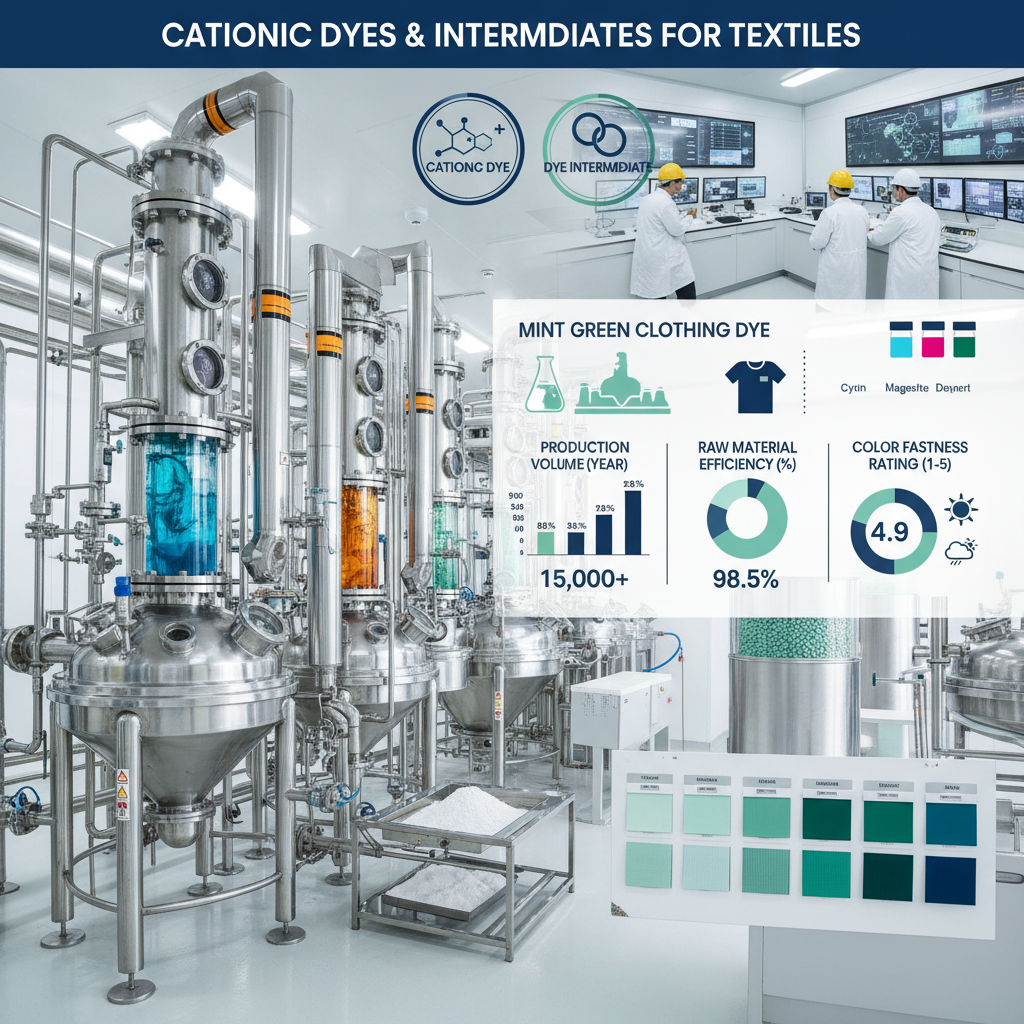
Selecting the perfect mint green dye for clothes requires careful consideration of fabric type, dye characteristics, and proper application techniques. With the right knowledge and high-quality dyes from reputable suppliers like YanHong Chemical, achieving beautiful, long-lasting results is within reach. Don't hesitate to experiment and find the shade that perfectly complements your creative vision!
Frequently Asked Questions (FAQs)
Will the mint green dye bleed after washing?
Bleeding can occur, especially with lower-quality dyes or improper application. Reactive dyes, when properly fixed to the fabric, generally exhibit excellent wash fastness and minimal bleeding. Acid and disperse dyes may require specific after-treatment to improve colorfastness. Always rinse the fabric thoroughly after dyeing until the water runs clear, and consider using a color fixative to minimize bleeding. Washing the dyed item separately for the first few washes is also recommended.
Can I over-dye a garment that's already a different color?
It's possible to over-dye, but the result is unpredictable. The original color will influence the final shade. For example, dyeing a yellow garment mint green will likely result in a more olive-toned green. It's best to choose a lighter base color for optimal results. Always test a small sample first to assess the color outcome. Consider that the original dye type and fiber content will also impact the success of over-dyeing.
What safety precautions should I take when dyeing clothes?
Dyeing involves handling chemicals, so safety is paramount. Always wear gloves and eye protection to prevent skin and eye irritation. Work in a well-ventilated area to avoid inhaling fumes. Avoid contact with skin and clothing. Dispose of dye waste responsibly according to local regulations. Read and follow the manufacturer's instructions for the specific dye you are using.
How do I dispose of leftover dye?
Never pour leftover dye down the drain. This can contaminate water sources. Most dyes should be disposed of as hazardous waste, following local environmental regulations. Contact your local waste management authority for specific guidance. Some dyes can be neutralized before disposal, but this requires careful handling and knowledge of the dye's chemical properties.
-
Understanding Synthetic Dye Black Applications Sourcing and Emerging TrendsNewsMar. 10, 2026
-
Rye Fabric Dye: Sustainable Textile ColoringNewsJan. 26, 2026
-
Comprehensive Guide to Choosing the Best Dye for Clothes Black and Achieving Optimal ResultsNewsMar. 14, 2026
-
Dye Sublimation Fabric: Durable & High-Performance Fabrics for Industry | YanhongchemNewsJan. 02, 2026
-
Red Fabric Dye for Industry – Durable High-Performance Dye Solutions by YanhongchemNewsDec. 04, 2025
-
China Basic Dye Factory - Eco-Friendly, OEM & Fast DeliveryNewsNov. 13, 2025