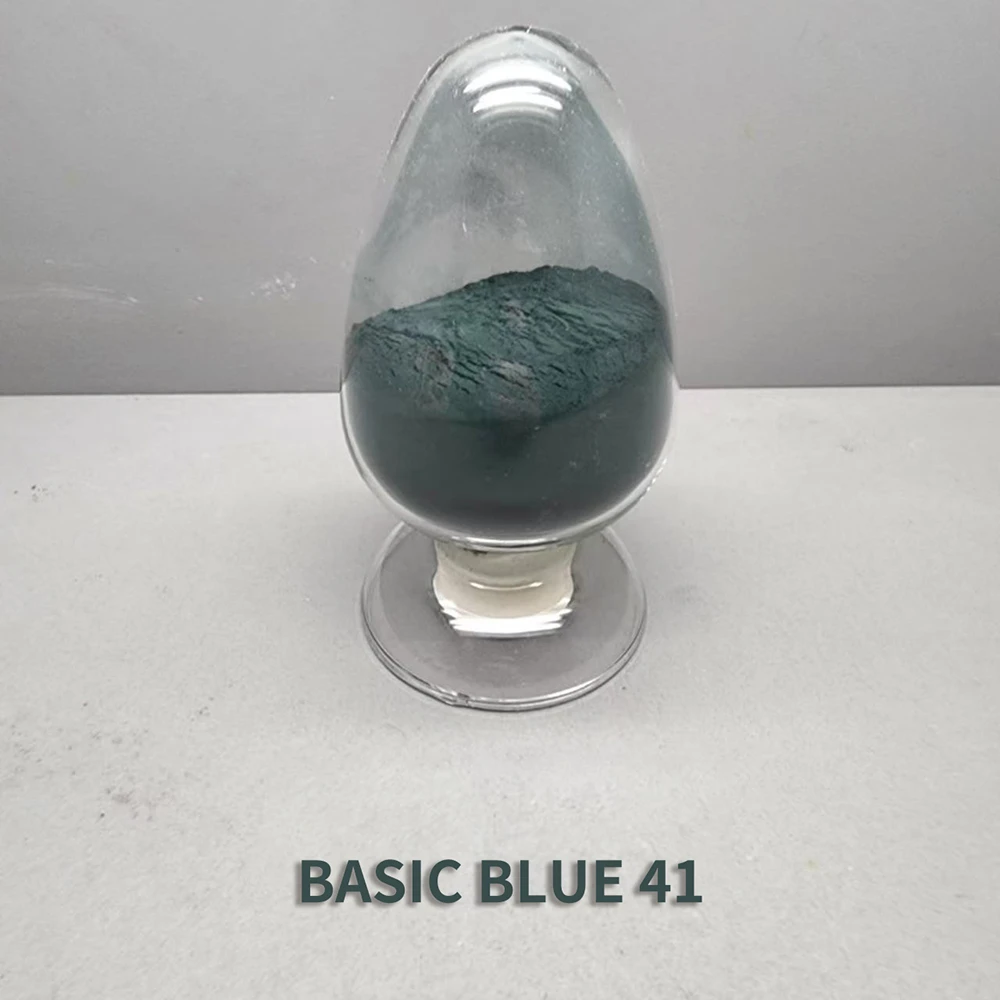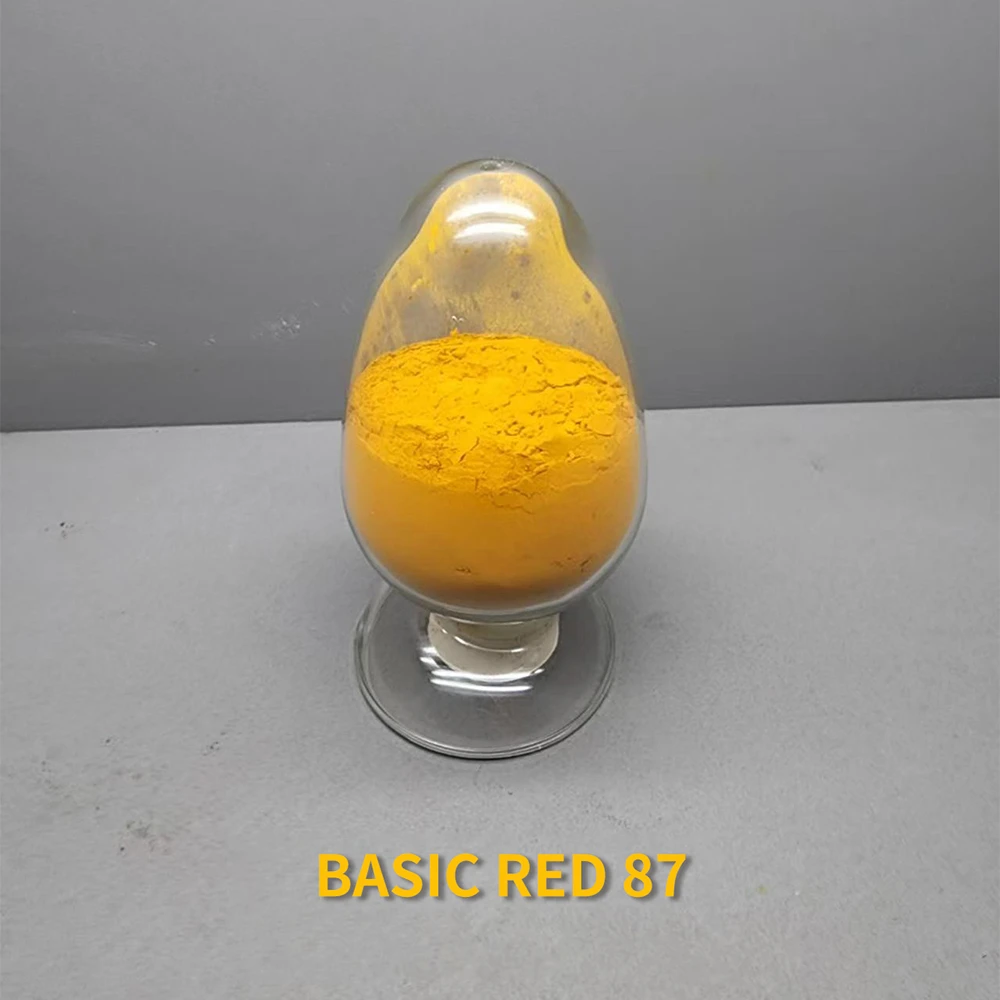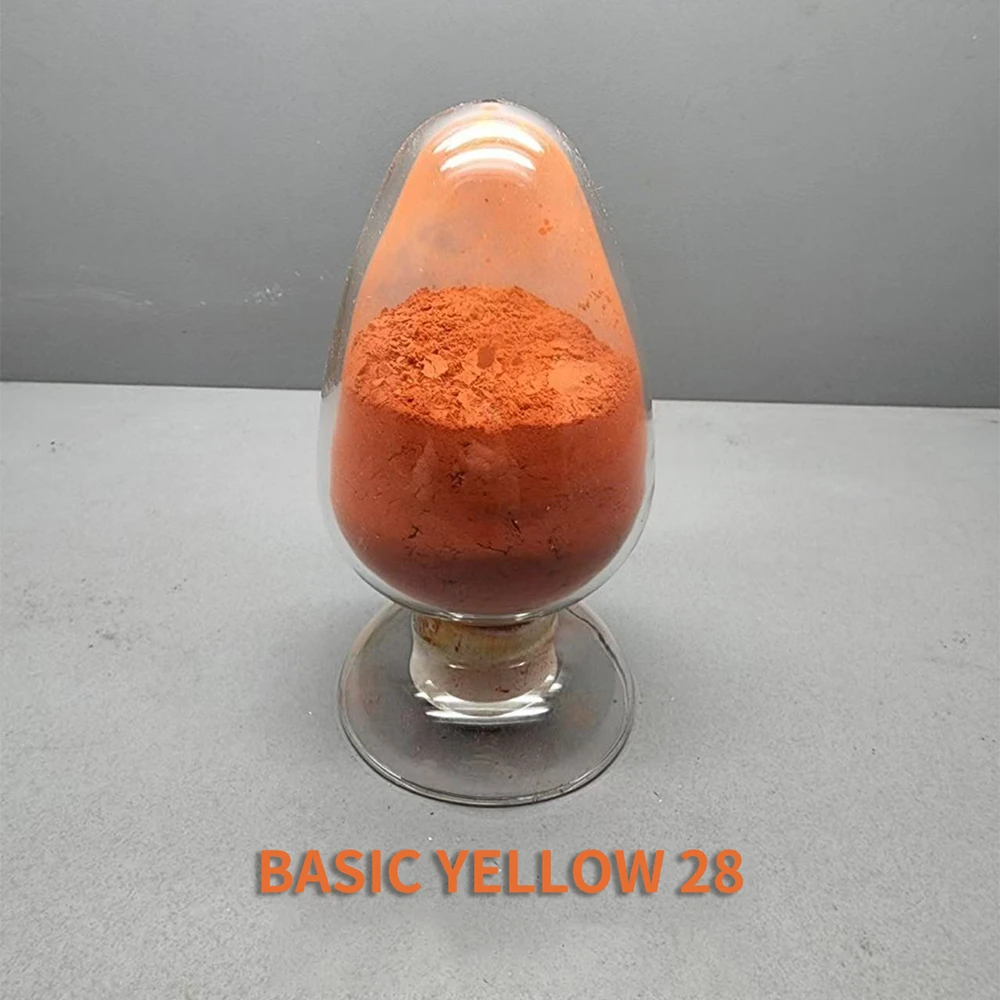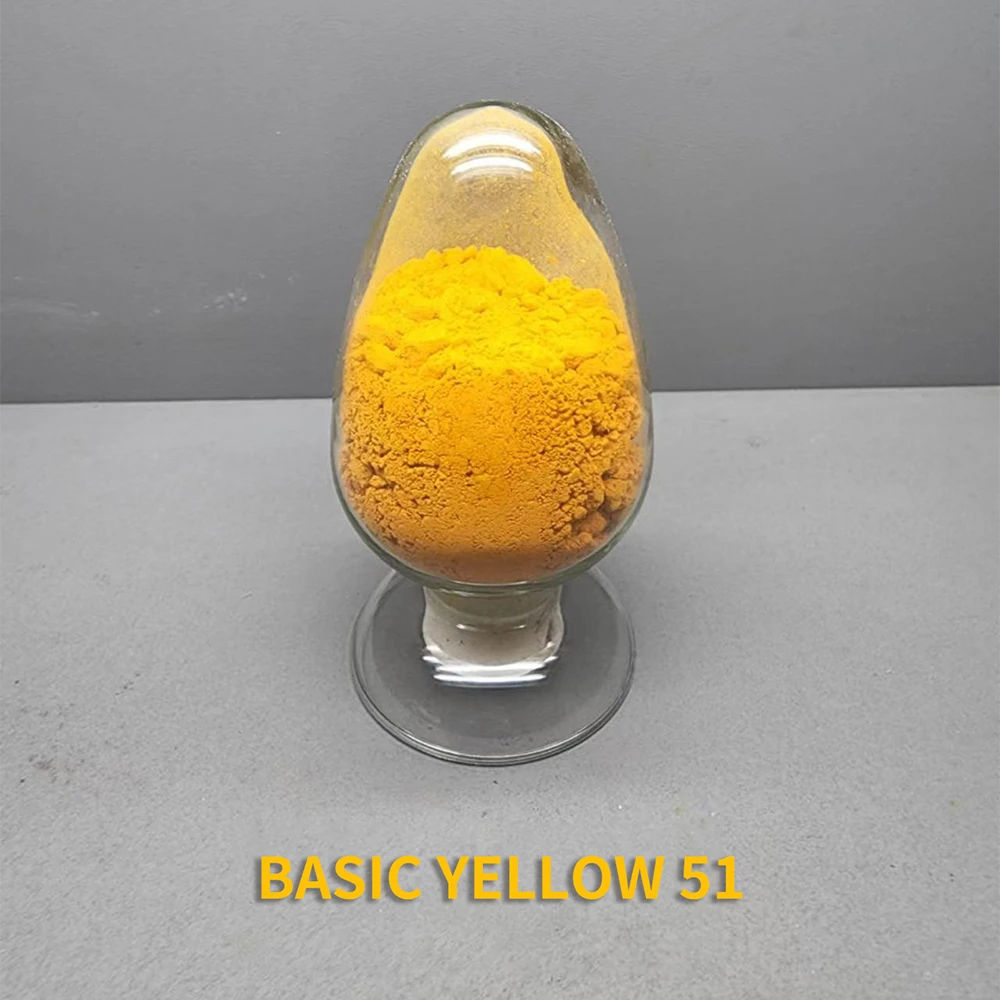
What Is Basic Blue? Understanding Its Industrial Importance
What Is Basic Blue and Why It Matters in Industry
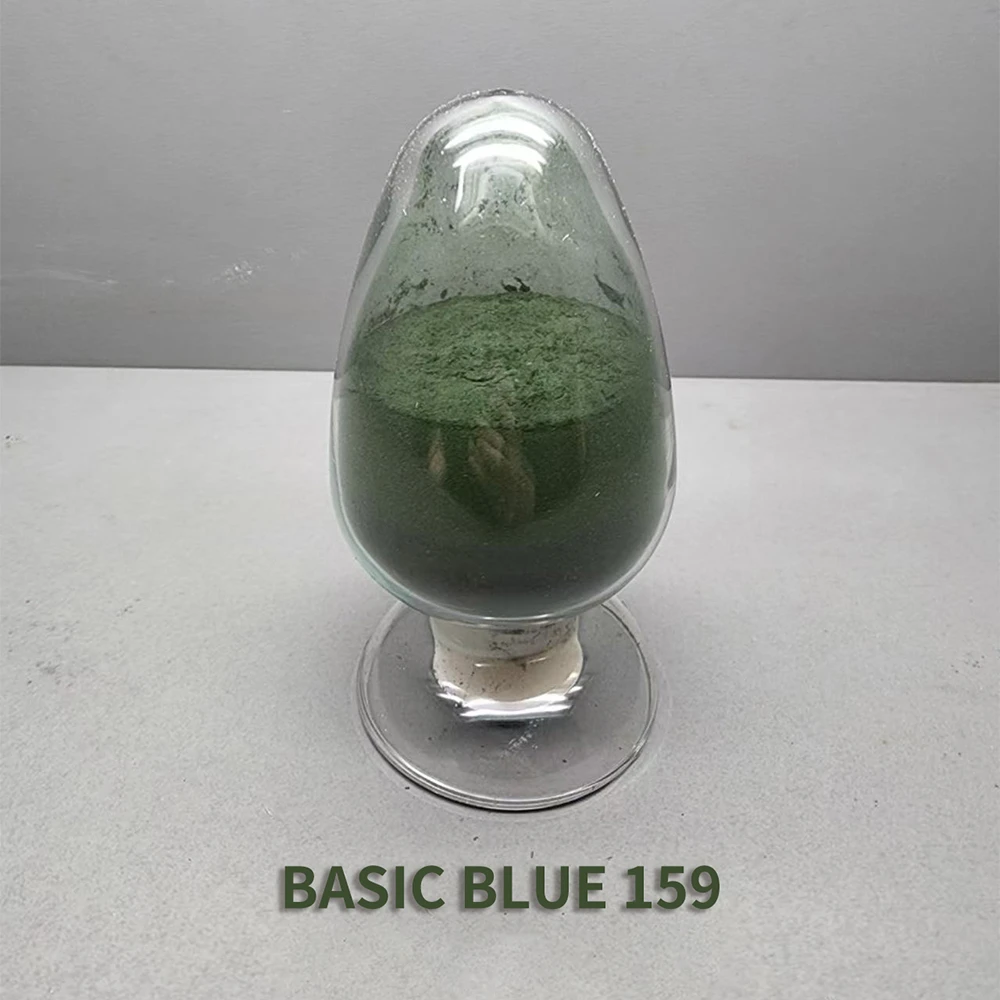
For those who’ve spent even a bit of time in the industrial equipment or chemical sectors, the term Basic Blue probably rings a bell. But to the untrained ear, it might just sound like some old-fashioned dye. Truth is, Basic Blue is far from just a “colorant.” It’s a key player in fields ranging from textile manufacturing to paper and leather processing. I recall the first time I encountered Basic Blue while inspecting a textile plant — it was part of a batch of dyes that impressed me by how consistent and stable the hue was, even through harsh conditions. That’s no small feat in our line of work.
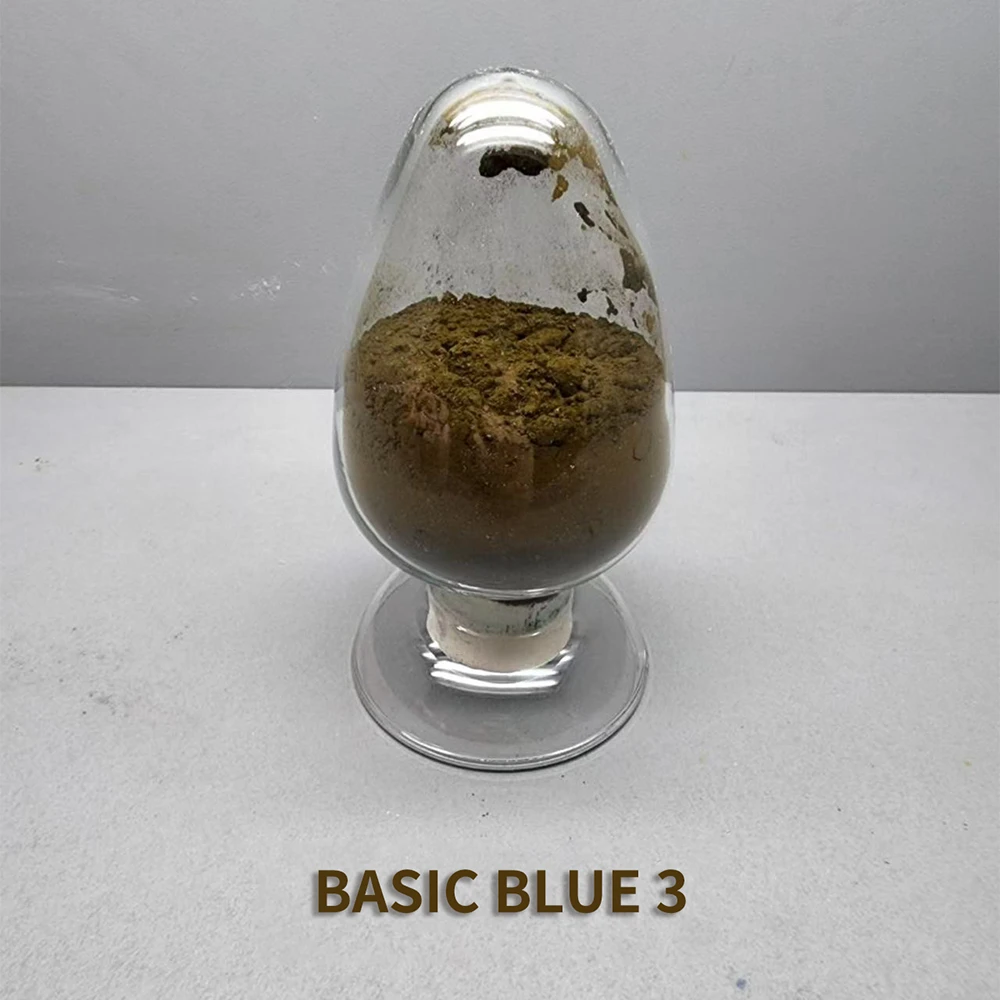
Basic Blue, often classified as a cationic dye, literally sticks to materials with a positive charge, making it perfect for dyeing acrylic fibers and other synthetic materials that don’t respond well to traditional dyes. It's valued for its vibrant blues — we’re talking rich, deep, and long-lasting. This vibrancy isn’t just for aesthetics; it often correlates with durability against washing, light exposure, and chemicals. So your investment doesn't fade overnight.
Product Specifications: What To Expect from Basic Blue
Basic Blue isn’t just one formula or color. There are several variants depending on purity, particle size, and concentration. Here’s a rundown of some typical specs you might see — worth knowing when sourcing or specifying it:
| Property | Typical Value | Units |
|---|---|---|
| Chemical Composition | Cationic Dye (varies by grade) | - |
| Color Shade | Intense Blue to Dark Blue | - |
| Purity | ≥ 98% | % |
| Moisture | ≤ 1.5% | % |
| Particle Size | 80% passing 100 mesh | Mesh |
| Solubility | Water Soluble | - |
These figures aren’t just numbers; they really influence the dyeing process’s success and economic value. When you’re sourcing Basic Blue dyes, consistency in these specs means less guesswork and better product performance – and frankly, less headache on the production floor.
Comparing Vendors: What Sets Suppliers Apart
In my experience, not all Basic Blue suppliers are created equal. Some have been in the game for decades, offering custom blending and stringent quality control, while others might simply repackage generic dyes. Here’s a quick comparison based on what matters most to industrial buyers like us:
| Supplier | Purity (%) | Delivery Lead Time | Customization Options | Technical Support |
|---|---|---|---|---|
| Yanhong Chemical | ≥ 98% | 2–3 weeks | Full blend options | 24/7 Expert Support |
| Global Dyes Co. | 95–97% | 3–5 weeks | Limited blends | Business hours only |
| ColorChem Solutions | 97% approx. | Variable | Standard blends | Email support only |
Now, I’m not here to champion one vendor over another blindly. But from multiple plants to warehouses, companies that pick a supplier with solid technical know-how — and not just cheap pricing — tend to avoid those sudden color shifts or costly batch rejections. Basic Blue from reliable vendors frequently comes with tailored advice, which can make all the difference.
Real-World Use and Why It Sticks Around
One interesting tale: A textile factory I once worked with was struggling to find a dye that could handle their mixed synthetic-polyester fabric blend without fading or bleeding. Switching to Basic Blue was a game-changer. Their batches stayed consistent, washing tests passed with flying colors, and customer complaints dropped. The factory manager told me, “It’s like this dye just understands the fabric.” Okay, that’s a bit poetic, but the truth is, Basic Blue’s molecular structure fits perfectly with certain fibers. When you see that kind of synergy, you want to stick to that product.
In real terms, that means fewer returns, less downtime, and better end-product appeal. With industrial supply chains getting more complex (and picky), dyes like Basic Blue that offer both reliability and flexibility are gold.
Personally, I’m always a fan of solutions that blend chemistry with practical field application. Basic Blue doesn’t scream for attention, but it’s quietly making a big impact.
— Joe M., Industrial Equipment Specialist
Reflection and Recommendations
So, if your operation involves synthetic fibers, leather treatment, or any process needing fast, reliable blue coloring, considering Basic Blue is probably a smart move. Look for suppliers that back their product with real testing data and good support. It’s worth paying a little more for the peace of mind that everything will run smoother at scale.
One last note: the industry keeps evolving, and new formulations are popping up, but the basics still keep their value — pun intended.
References
- Yanhong Chemical Official Product Specs – yanhongchem.com
- Industrial Dyeing Techniques, Textile World Magazine, 2022
- Interview with Textile Plant Manager, 2023
-
Industrial Dark Red Fabric Dye: Durable & High-Quality Textile ColorNewsDec. 31, 2025
-
Choosing The Right Dress Dye For Vibrant And Durable TextilesNewsMar. 06, 2026
-
Dark Brown Fabric Dye – Industrial Quality and Supplier ComparisonNewsDec. 12, 2025
-
Exploring the World of Space Dye Fabric A Comprehensive GuideNewsMar. 04, 2026
-
Jacquard Fabric Dye - Expert Insights & Industrial SolutionsNewsJan. 05, 2026
-
Fabric Dye For Furniture: Durable, Sustainable Solutions for B2B ManufacturersNewsDec. 08, 2025