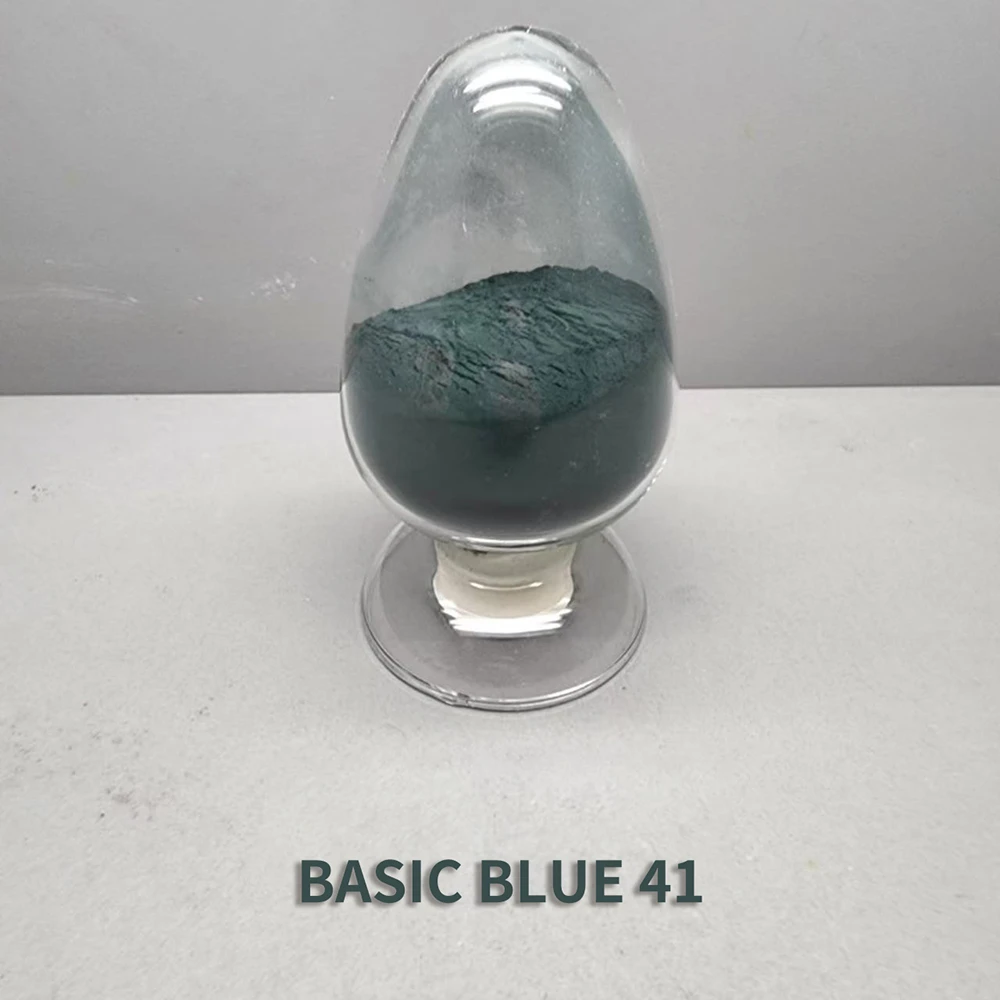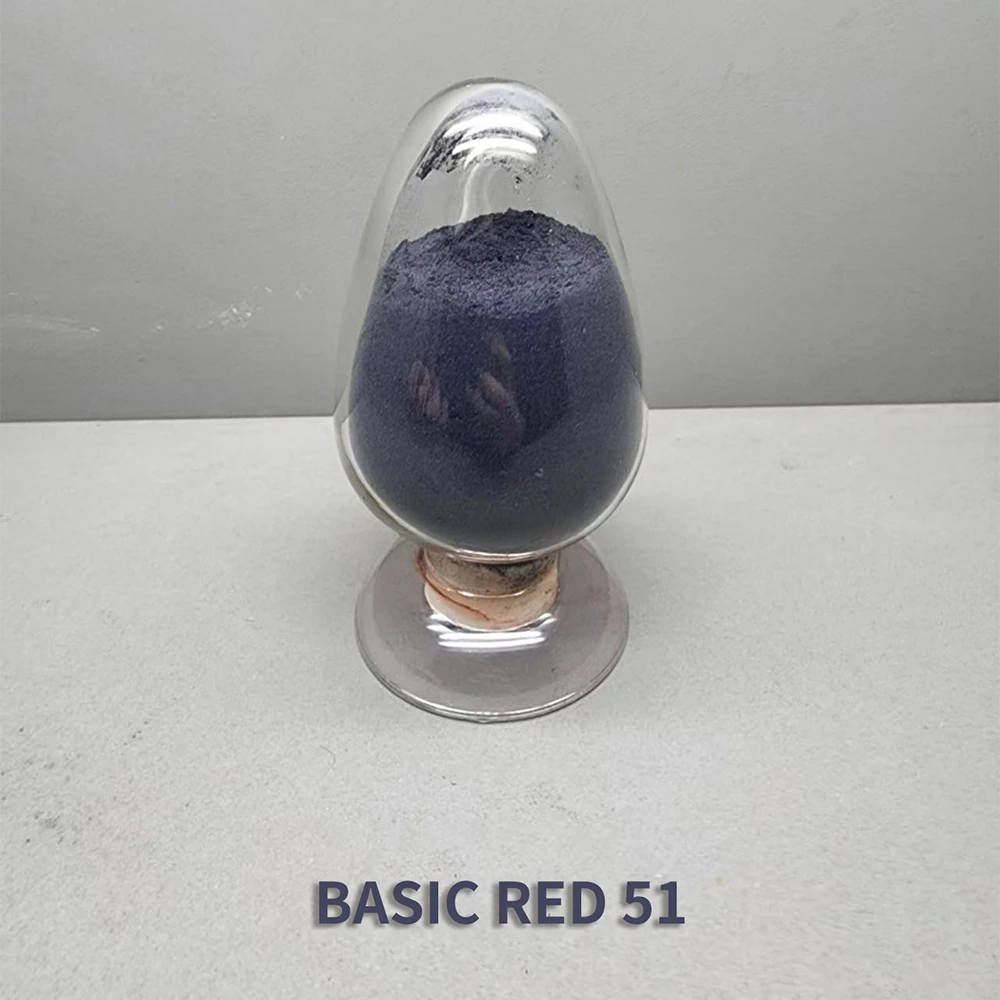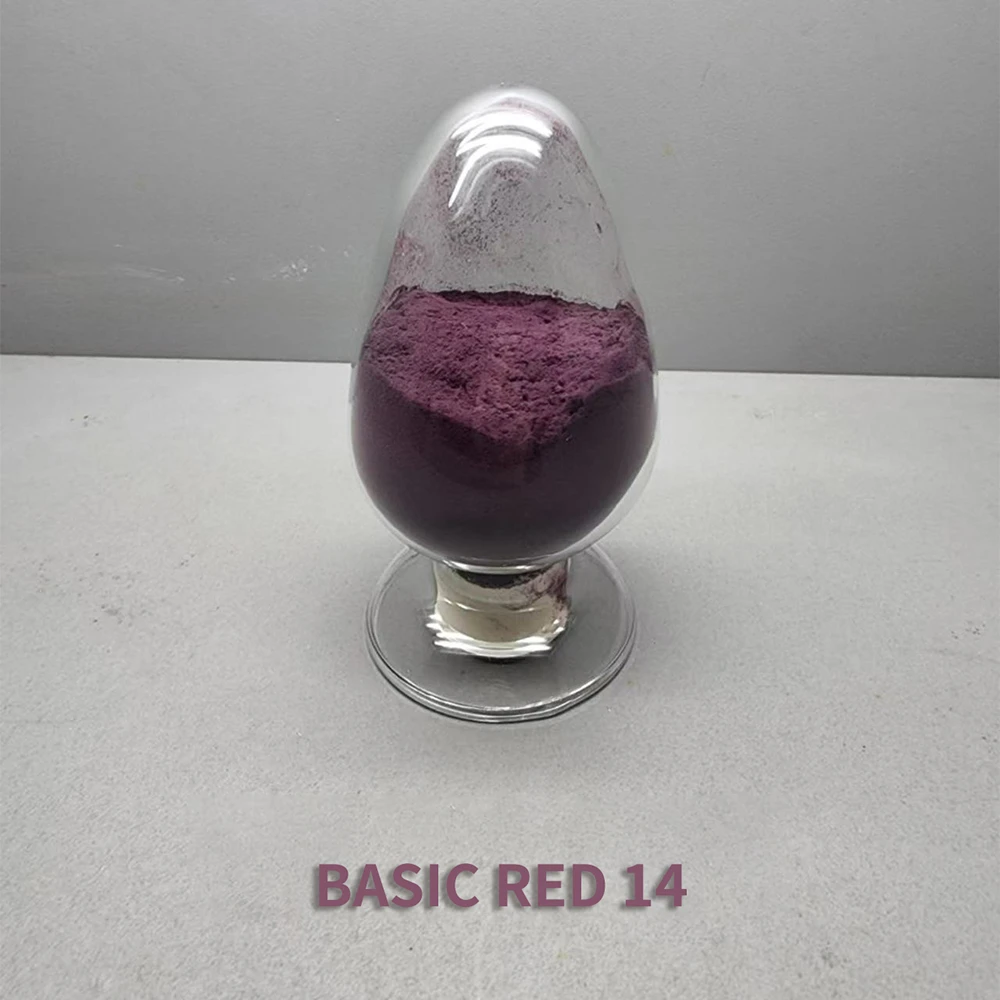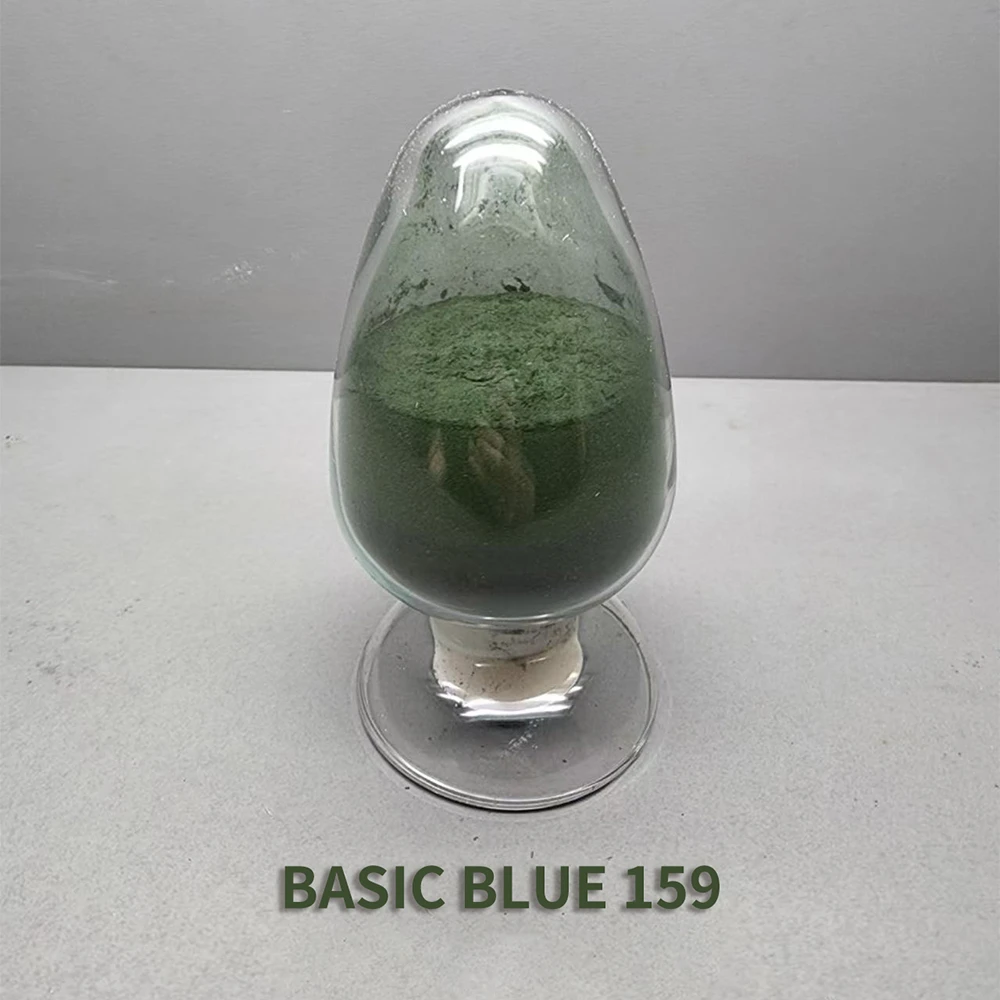
China Basic Dye Factory: High-Purity Dyes, Fast Delivery
China Basic Dye Factory is a key solution in the chemicals industry, specifically within dyes and their intermediates and sustainable textile dyeing. This article explores how a China Basic Dye Factory supports professionals with durable, high-performance products, and explains why this product is an ideal choice for businesses in these sectors.
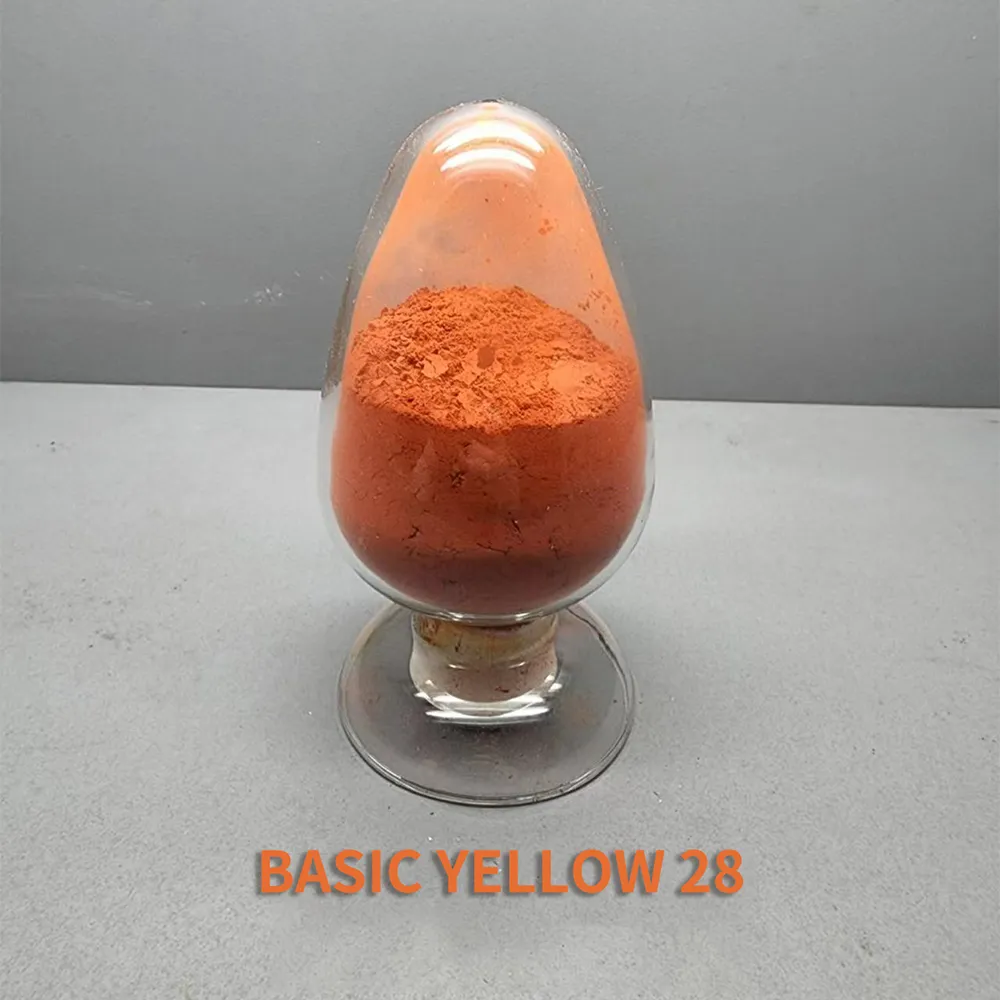
Table of Contents
- China Basic Dye Factory Overview
- Benefits & Use Cases of China Basic Dye Factory in Textiles, Paper & Leather
- Cost, Maintenance & User Experience
- Sustainability & Market Trends in Dyes & Textile Coloration
- Conclusion on China Basic Dye Factory from Yanhong Chemical
China Basic Dye Factory Overview
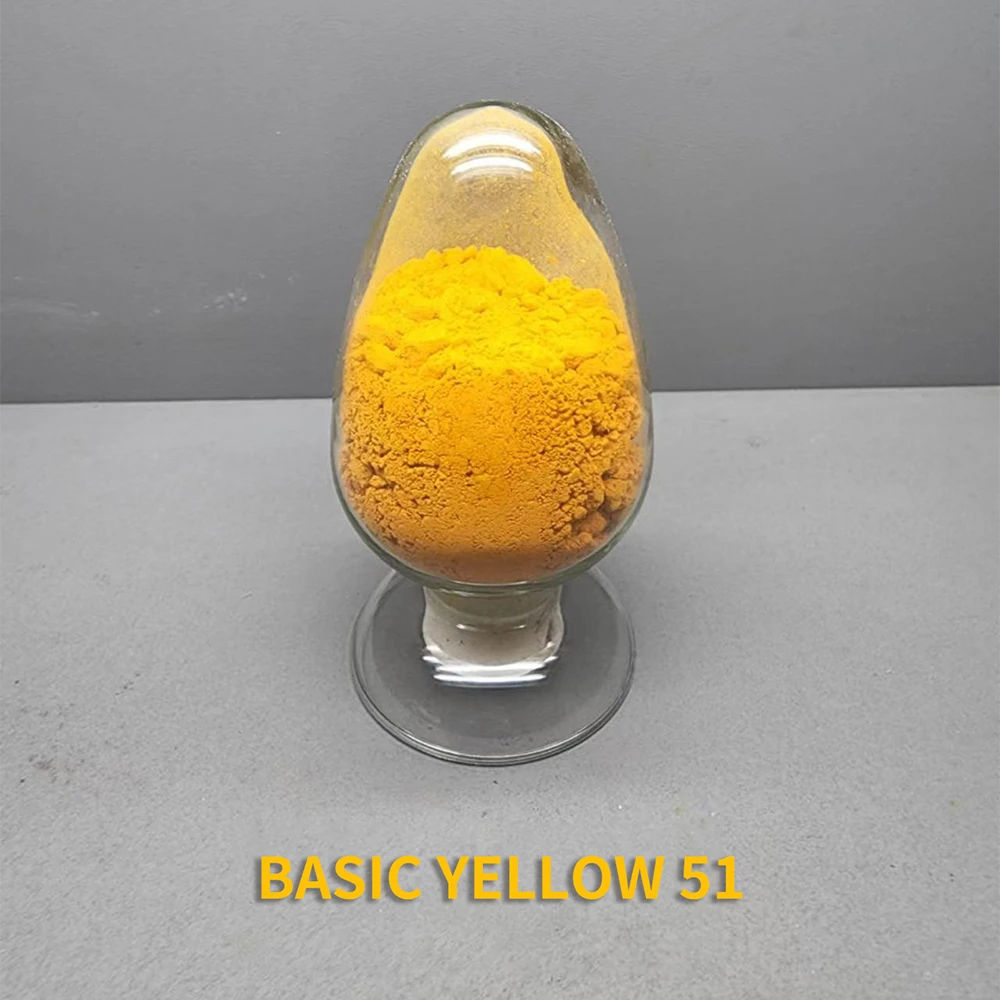
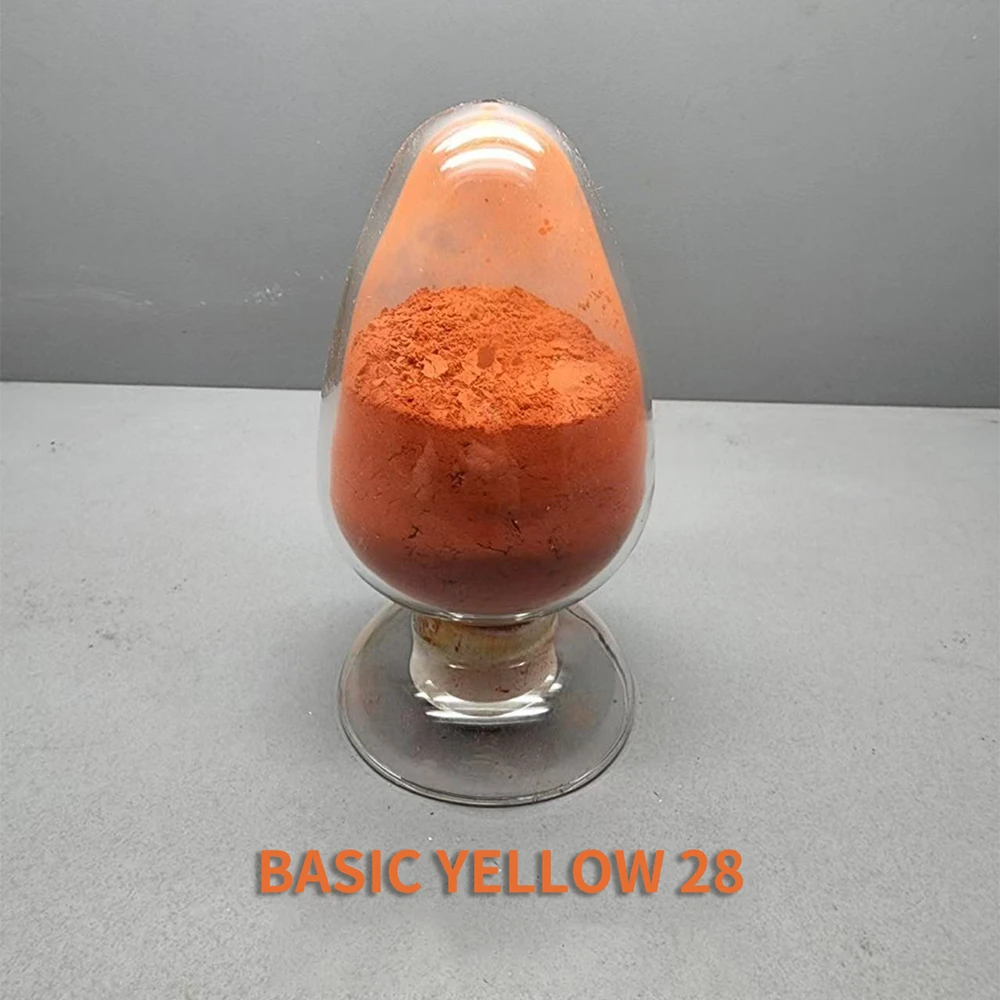
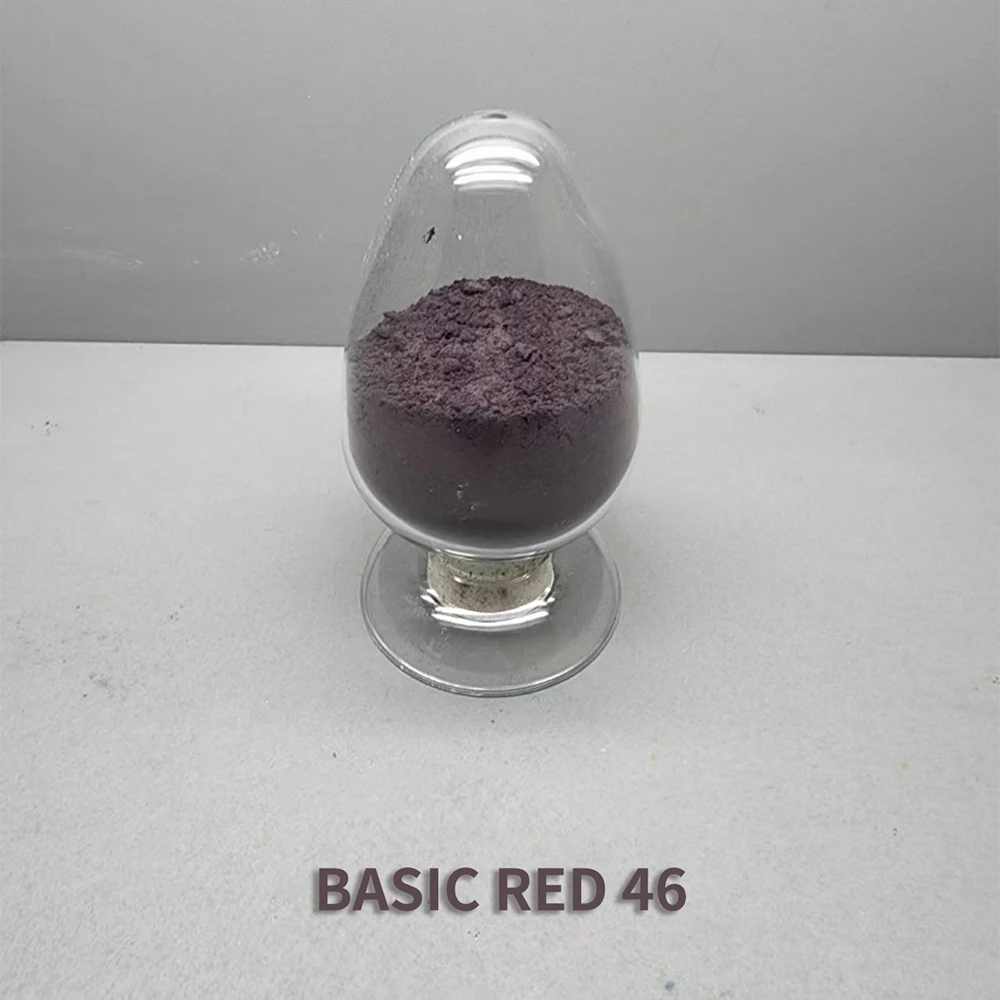
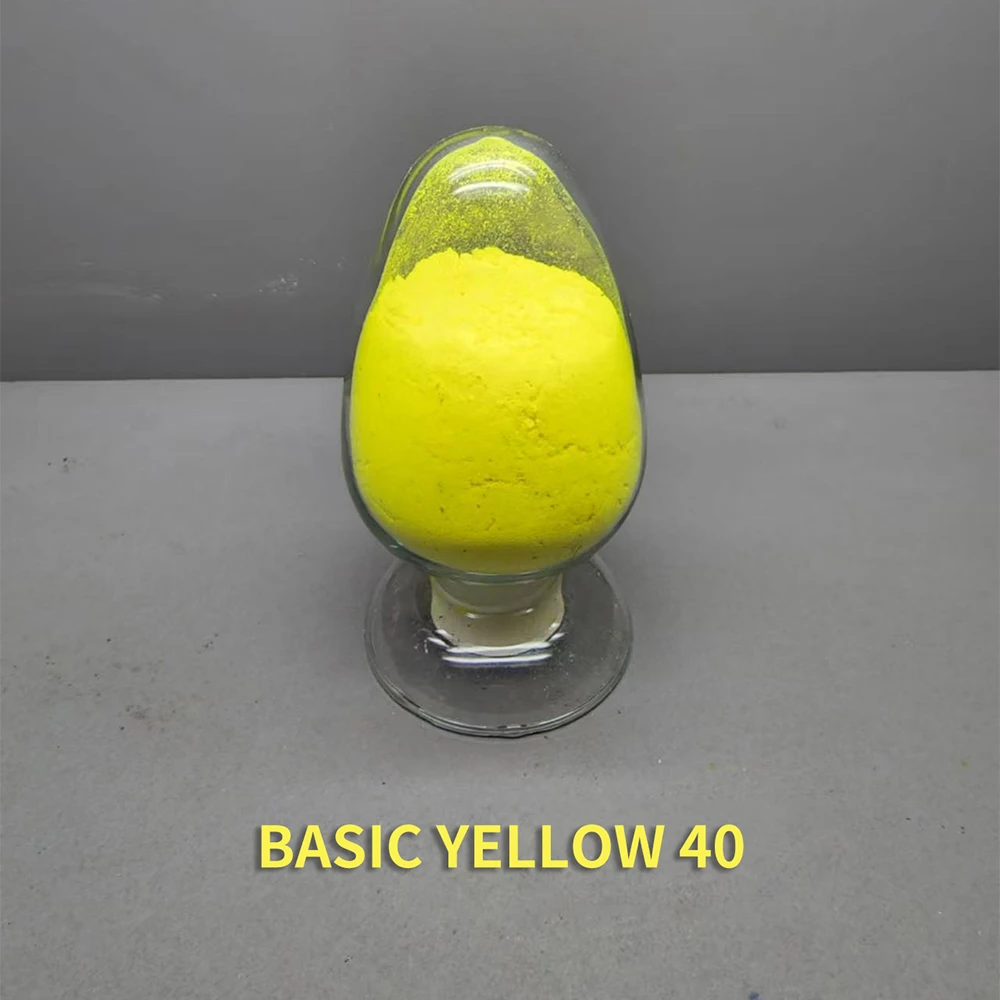
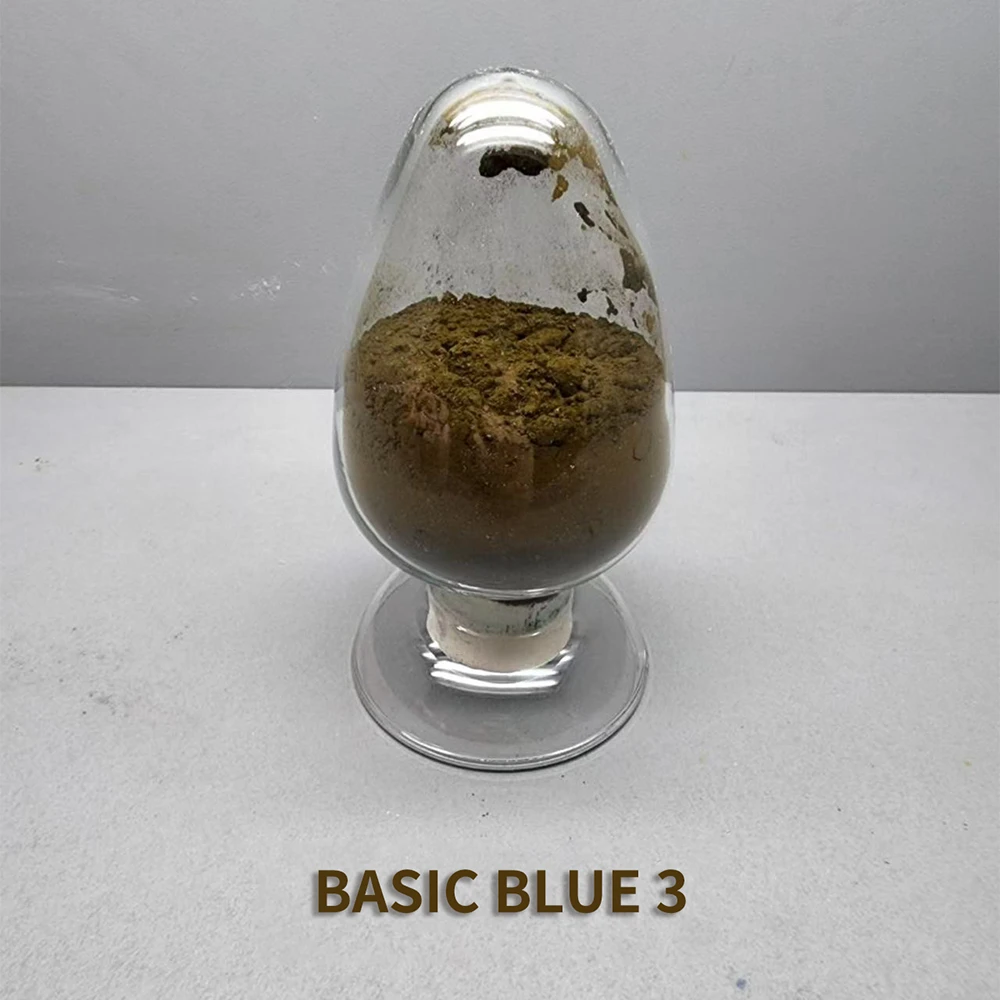
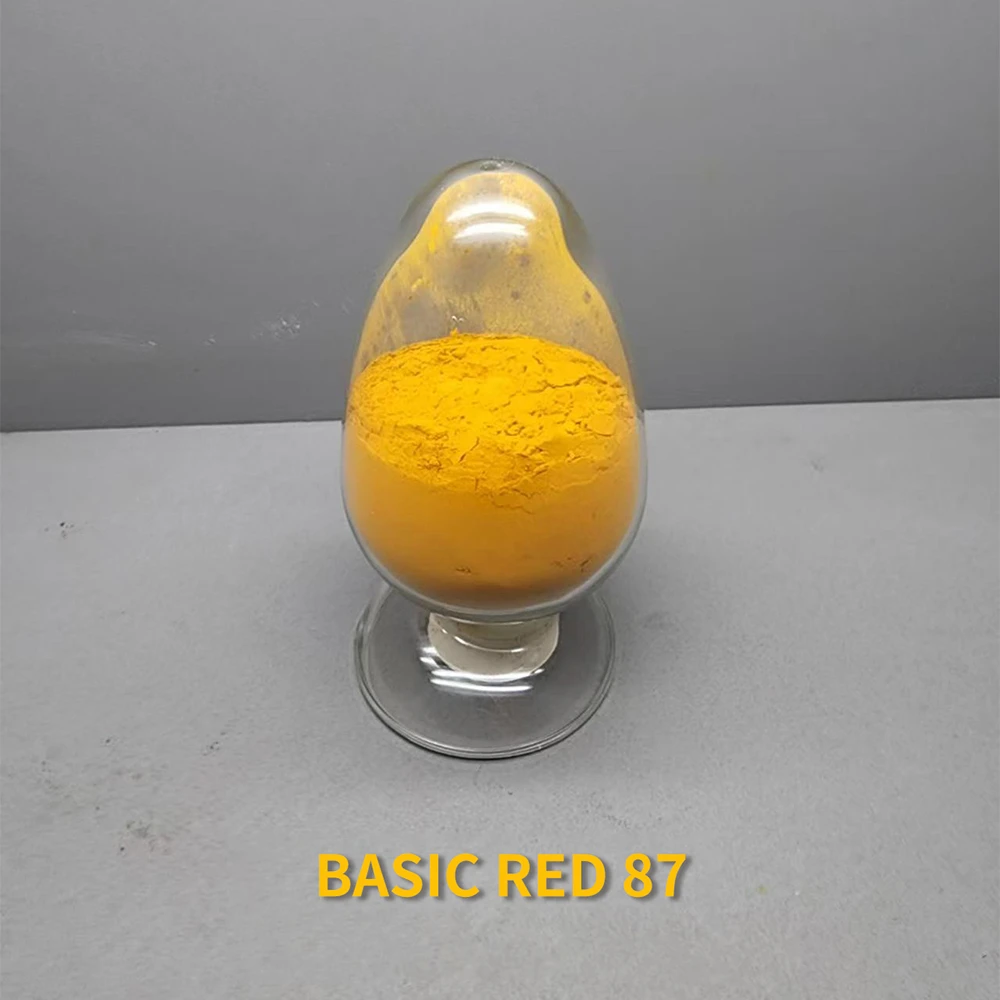
In the specialty chemicals value chain (Industry Classification: Chemicals → Specialty Chemicals → Dyes & Pigments), a China Basic Dye Factory plays a pivotal role in supplying cationic (basic) dyes engineered for acrylic fibers, paper coloration, and certain leather finishes. Basic dyes deliver brilliant shades, high tinctorial strength, and excellent exhaustion on acrylic substrates. A representative example is Cationic Golden Yellow X-GL, designed for level dyeing at mildly acidic pH, with fastness properties and compatibility for continuous or batch processes. Typical dyeing windows include pH 4.0–5.5, 95–100 °C on acrylic, supported by appropriate leveling agents to ensure uniform build-up.
- Product relevance spans textiles (acrylic yarns, blankets, knitwear), paper (tissue and writing papers), and selected leather applications where bright shades and cationic affinity are required.
- Technical specs focus on shade consistency, high exhaustion to minimize effluent color, and good compatibility with common auxiliaries used in sustainable textile dyeing workflows.
- Yanhong Chemical, via its Cationic Golden Yellow X-GL page, is referenced by buyers for dependable supply, batch-to-batch consistency, and technical documentation supporting process optimization.
Benefits & Use Cases of China Basic Dye Factory in Textiles, Paper & Leather
For textiles, a China Basic Dye Factory supports acrylic fiber dyeing across yarn dyeing, piece dyeing, and package dyeing. High-exhaustion basic dyes reduce rework and help printers achieve clean, vivid hues in fashion and home textiles. In paper mills, cationic dyes are favored for their strong affinity to cellulose under cationic demand, enabling stable shade control for tissues, boards, and writing papers. Leather and synthetic leather processors use basic dyes to achieve bright tones where conventional anionic systems underperform.
- Key advantages: strong shade strength (lower dosage), short dyeing cycles, excellent substrate affinity, and compatibility with modern auxiliaries that support sustainable textile dyeing.
- Competitive edge: reliable color matching, consistent particle size and solubility, and availability of dyes and their intermediates to stabilize lead times.
- Yanhong Chemical provides application guidance, TDS/SDS, and technical service that help mills fine-tune pH, temperature profiles, and leveling for reproducible outcomes.
Cost, Maintenance & User Experience
Total cost of ownership hinges on three factors: dosage, processing time, and rework rates. High-strength basic dyes can reduce grams-per-kilogram usage, while faster exhaustion shortens cycles and lowers steam and electricity consumption. Reduced shade corrections mean fewer chemical inputs and less labor. Durable packaging and stable shelf life support inventory efficiency for B2B buyers managing multiple lots and shades across seasons.
- Maintenance: adopt Good Housekeeping for cationic systems—rinse protocols to avoid cross-contamination with anionic products, monitor pH 4.0–5.5 on acrylic, and track liquor ratio to maintain reproducibility.
- User experience: textile and paper customers typically value easy dissolution, low dusting, and stable, repeatable shades. A simple ROI model considers savings from reduced dosage and cycle time versus unit dye price—often favoring higher-quality basic dyes that lower overall process costs.
Sustainability & Market Trends in Dyes & Textile Coloration
Market momentum is moving toward lower-impact colorations, tighter wastewater color limits, and increased transparency. For acrylics and paper, high-exhaustion basic dyes help reduce residual color in effluents. Brands and mills emphasize responsible chemistry, traceability of dyes and their intermediates, and process controls that cut energy and water. Regulatory frameworks (e.g., regional chemical management rules and buyer RSLs) are pushing suppliers to share data and promote best practices.
- Trends include optimized dye recipes with lower liquor ratios, improved fixation, and compatibility with water-reuse systems—core enablers of sustainable textile dyeing.
- Positioning: Yanhong Chemical supports forward-looking mills with technical guidance, product documentation, and consistent quality that aligns with continuous improvement goals in color management and environmental performance.
Conclusion on China Basic Dye Factory from Yanhong Chemical
For B2B decision makers in textiles, paper, and leather, a China Basic Dye Factory offers the right mix of performance, consistency, and cost control. By focusing on high-exhaustion, bright basic dyes and dependable supply of dyes and their intermediates, Yanhong Chemical helps manufacturers achieve repeatable quality with improved processing efficiency. Explore product details and application guidance for Cationic Golden Yellow X-GL and related solutions. Strong CTA: Visit our website: www.yanhongchem.com
-
High-Performance Lilac Fabric Dye for Industrial Textile Applications | Yanhong ChemicalNewsDec. 13, 2025
-
Jacquard Basic Dye: Durable, Vibrant Textile Solutions from Yanhong ChemicalsNewsDec. 03, 2025
-
Fabric Dye Company: Durable, Sustainable Solutions for B2B Textile NeedsNewsDec. 03, 2025
-
Basic Dye Factory: Essential Insights on Production, Impact & InnovationNewsDec. 13, 2025
-
Photochromic Fabric Dye: Innovative Textile Solutions for B2B Professionals | YanHongChemNewsJan. 06, 2026
-
Exploring the Science and Versatility of Color Changing Fabric Dye TechnologyNewsJan. 27, 2026