Comprehensive Guide to the Dyeing of Cotton Fabric with Direct Dye Techniques
Dyeing of Cotton Fabric with Direct Dye: A Comprehensive Guide
The dyeing of cotton fabric with direct dye is a widely used method in the textile industry due to its simplicity and cost-effectiveness. Direct dyes offer a broad spectrum of colors and are relatively easy to apply. However, achieving optimal results requires careful consideration of various factors, from dye selection to process control. This article will delve into the intricacies of direct dyeing, covering key aspects such as dye types, the dyeing process, factors influencing dye uptake, and troubleshooting common problems. Understanding these elements is crucial for achieving vibrant, colorfast, and high-quality dyed cotton fabrics. YanHong Chemical is a trusted supplier of high-quality direct dyes and auxiliaries for the textile industry.
Understanding Direct Dyes
Direct dyes are anionic dyes containing sulfonic acid groups, which impart water solubility. They have a natural affinity for cellulosic fibers like cotton, linen, and rayon due to the formation of hydrogen bonds between the dye molecule and the hydroxyl groups in cellulose. This affinity allows the dye to be absorbed directly onto the fiber without requiring a mordant, simplifying the dyeing process. Direct dyes are generally classified based on their molecular structure and fastness properties. Common types include those with high substantivity, offering good wash fastness, and those requiring after-treatment for improved colorfastness.
Key Highlights: Direct dyes are anionic, water-soluble, and possess a natural affinity for cellulosic fibers, simplifying the dyeing process.
The Dyeing Process: A Step-by-Step Guide
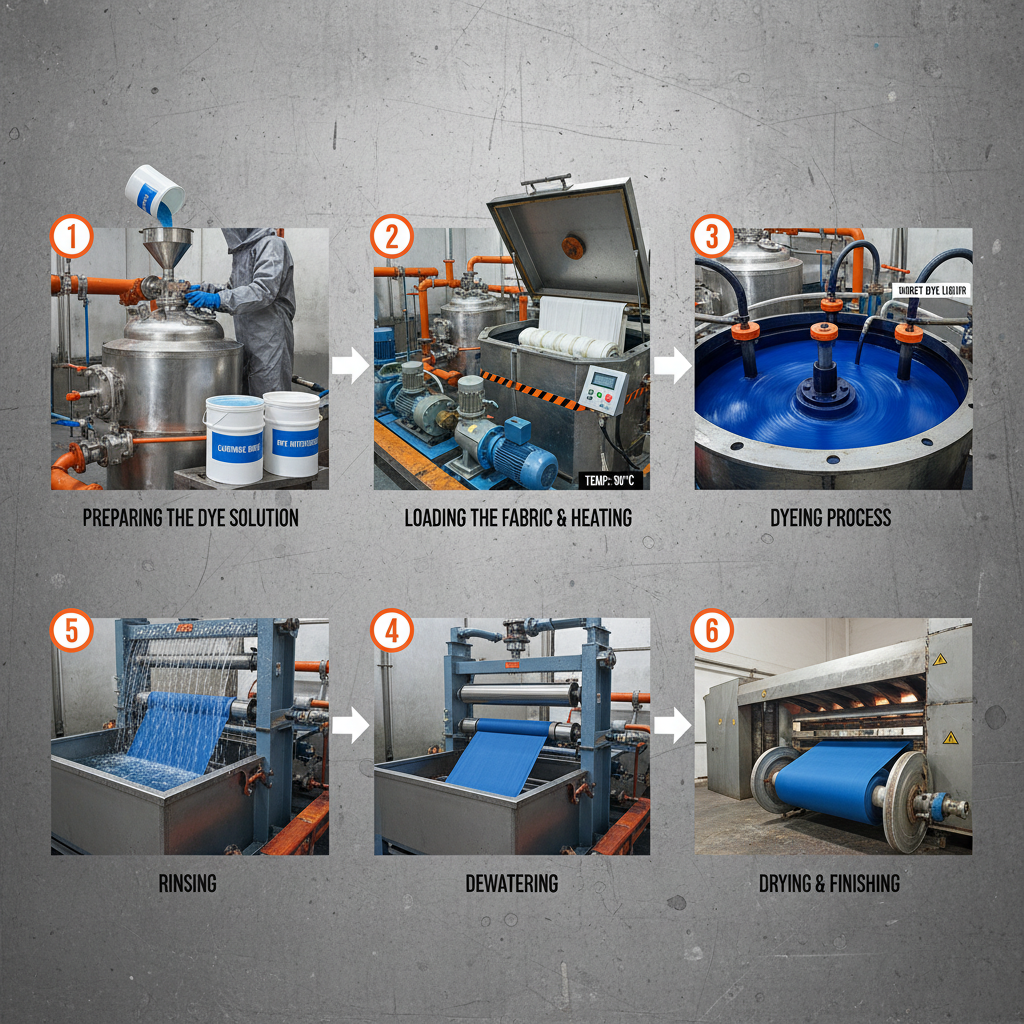
The dyeing of cotton fabric with direct dye typically involves the following steps:
- Preparation: The cotton fabric is thoroughly cleaned to remove impurities like waxes, oils, and sizing agents. This ensures even dye absorption.
- Dissolution: The direct dye is dissolved in water, usually at an elevated temperature (around 60-80°C), to create a homogeneous dye bath.
- Dyeing: The fabric is immersed in the dye bath, and the temperature is gradually raised to facilitate dye uptake. Agitation ensures uniform dyeing.
- Salt Addition: Sodium chloride (NaCl) is added to the dye bath to enhance dye exhaustion, increasing the dye concentration on the fabric.
- After-treatment: After-treatment processes, such as soaping and fixing, are crucial for improving colorfastness. Soaping removes unfixed dye, while fixing agents form insoluble complexes with the dye, preventing bleeding.
- Rinsing & Drying: The dyed fabric is thoroughly rinsed to remove residual chemicals and then dried.
Factors Influencing Dye Uptake in Direct Dyeing
Several factors can significantly impact the amount of dye absorbed by the cotton fabric. These include:
- Temperature: Higher temperatures generally increase dye uptake, but excessive heat can damage the fiber.
- Salt Concentration: Optimal salt concentration is vital for maximizing dye exhaustion. Too little salt results in poor dye uptake, while too much can lead to uneven dyeing.
- pH: The pH of the dye bath affects the dye's solubility and affinity for the fiber.
- Liquor Ratio: The ratio of dye bath volume to fabric weight influences dye concentration and uniformity.
- Time: Sufficient dyeing time is necessary to allow for complete dye absorption.
- Dye Type: Different direct dyes have varying affinities for cotton.
Optimizing Dye Uptake:
• Control temperature, salt concentration, and pH carefully.
• Use the appropriate liquor ratio.
• Select the right dye type for desired fastness properties.
Direct Dye Comparison & Fastness Properties
Different direct dyes exhibit varying degrees of fastness to washing, light, and rubbing. Choosing the appropriate dye based on the intended end-use of the fabric is crucial. Below is a comparison of common direct dyes:
Troubleshooting Common Problems
Despite following best practices, issues can arise during direct dyeing. Common problems include:
- Uneven Dyeing: Caused by poor fabric preparation, insufficient agitation, or uneven salt distribution.
- Poor Wash Fastness: Insufficient after-treatment or using a dye with inadequate wash fastness properties.
- Shade Variation: Inconsistent dye concentration, temperature fluctuations, or pH imbalances.
- Staining: Contamination of the dye bath or fabric.
Addressing these problems requires careful investigation and adjustment of the dyeing process. Using high-quality dyes from a reliable supplier like YanHong Chemical can significantly reduce the risk of these issues.
Conclusion: Achieving Optimal Results with Direct Dyeing
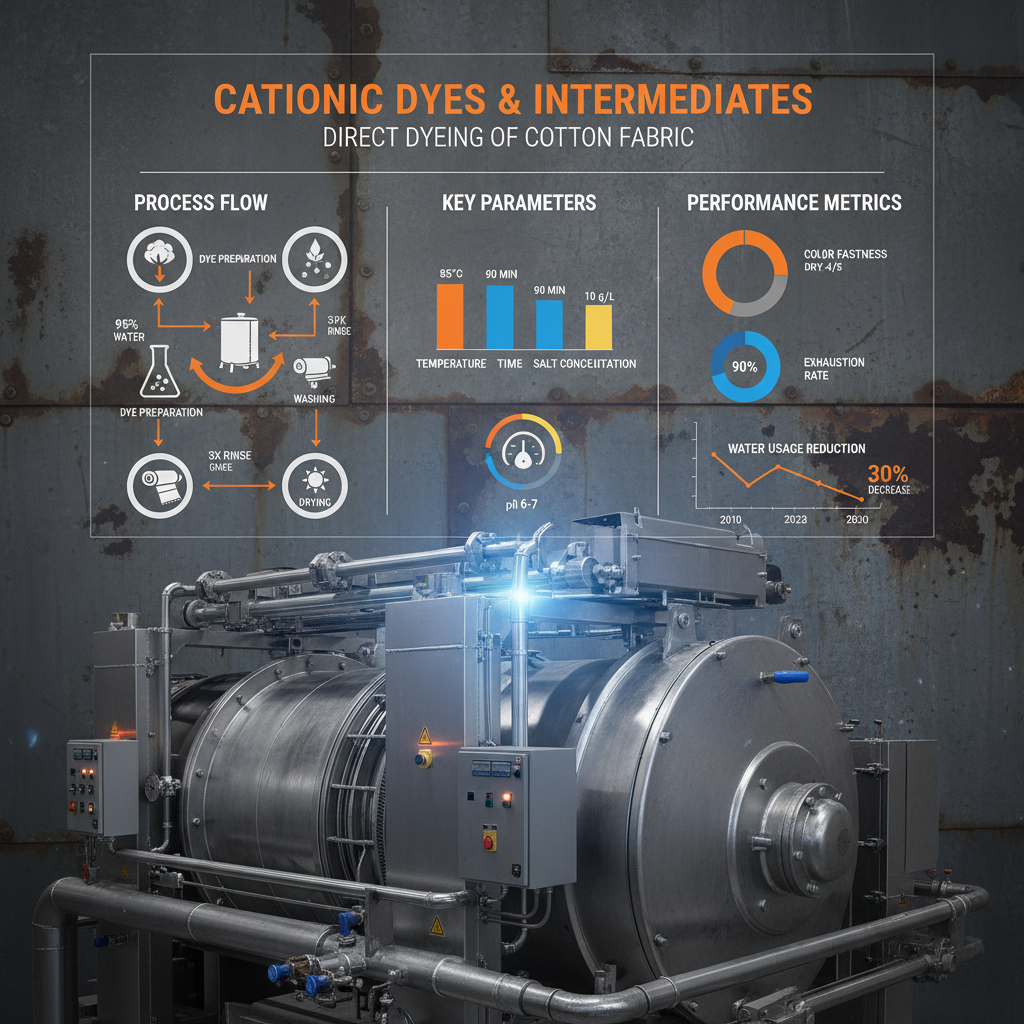
The dyeing of cotton fabric with direct dye is a versatile and cost-effective method for achieving a wide range of colors. By understanding the key factors influencing dye uptake, optimizing the dyeing process, and utilizing high-quality dyes, textile manufacturers can consistently produce vibrant, colorfast, and high-quality cotton fabrics. YanHong Chemical provides comprehensive support and a wide range of direct dyes to meet your specific needs.
Frequently Asked Questions (FAQs)
What is the main advantage of using direct dyes for cotton?
The primary advantage of direct dyes is their simplicity of application. They require minimal processing steps compared to other dye classes, such as reactive or vat dyes, as they don’t necessitate mordants or complex chemical reactions to bond with the cotton fiber. This results in lower costs and reduced processing time, making them a popular choice for many textile applications. The direct affinity for cellulosic fibers also contributes to efficient dye uptake, although after-treatment is often required to improve colorfastness.
What role does salt play in the direct dyeing process?
Salt, typically sodium chloride (NaCl), plays a crucial role in enhancing dye exhaustion. It reduces the solubility of the dye in the dye bath, forcing it to be absorbed onto the cotton fibers. This increases the concentration of dye on the fabric, leading to deeper and more uniform coloration. The optimal salt concentration varies depending on the dye type and dyeing conditions, but typically ranges from 50-100 g/L. Careful control of salt concentration is vital to avoid uneven dyeing or dye precipitation.
How can I improve the wash fastness of direct dyed cotton?
Improving wash fastness requires after-treatment processes. The most common method is employing a fixing agent. Fixing agents react with the dye molecules, forming larger, insoluble complexes that are less likely to be washed out of the fabric. Another technique is cationic fixing, where a positively charged polymer is applied to bind to the negatively charged direct dye. Thorough soaping after dyeing is also critical to remove any unfixed dye, which contributes to poor wash fastness. Choosing direct dyes with inherently better wash fastness properties is also recommended.
What are the environmental considerations when using direct dyes?
While generally considered less environmentally damaging than some other dye classes, direct dyeing can still generate wastewater containing unfixed dye and auxiliary chemicals. Proper wastewater treatment is essential to remove these pollutants before discharge. Selecting dyes with high exhaustion rates and optimizing dyeing processes to minimize dye waste can significantly reduce the environmental impact. Furthermore, some direct dyes may contain restricted substances, so it’s crucial to choose dyes compliant with environmental regulations like OEKO-TEX Standard 100.
-
High-Performance Tan Fabric Dye Solutions for Industrial Use | Yanhong ChemNewsDec. 13, 2025
-
Linen Fabric Dye Solutions for Industrial Applications | Yanhong ChemNewsJan. 07, 2026
-
Dark Brown Fabric Dye – Industrial Quality and Supplier ComparisonNewsDec. 12, 2025
-
China Basic Dye Manufacturer | Eco-Friendly, High FastnessNewsNov. 13, 2025
-
Fabric Dyeing: Sustainable Techniques and Trends Transforming the Textile IndustryNewsDec. 03, 2025
-
Blush Fabric Dye: Industrial Textile SolutionsNewsJan. 25, 2026