Guide to Choosing the Best black color dye for clothes
The Ultimate Guide to Choosing the Best Black Color Dye for Clothes
Whether you are looking to revive a faded favorite t-shirt or aiming for a professional deep-black finish for a new garment line, finding the right black color dye for clothes is essential. The secret to a long-lasting, rich hue lies not just in the pigment, but in the chemical compatibility between the dye and the fabric. In this comprehensive guide, we will explore the different types of dyes available, how to achieve a streak-free finish, and how to maintain that "brand new" look. Understanding the science of textile coloring allows you to transform dull fabrics into bold, elegant pieces with confidence.
Understanding Different Types of Black Dye
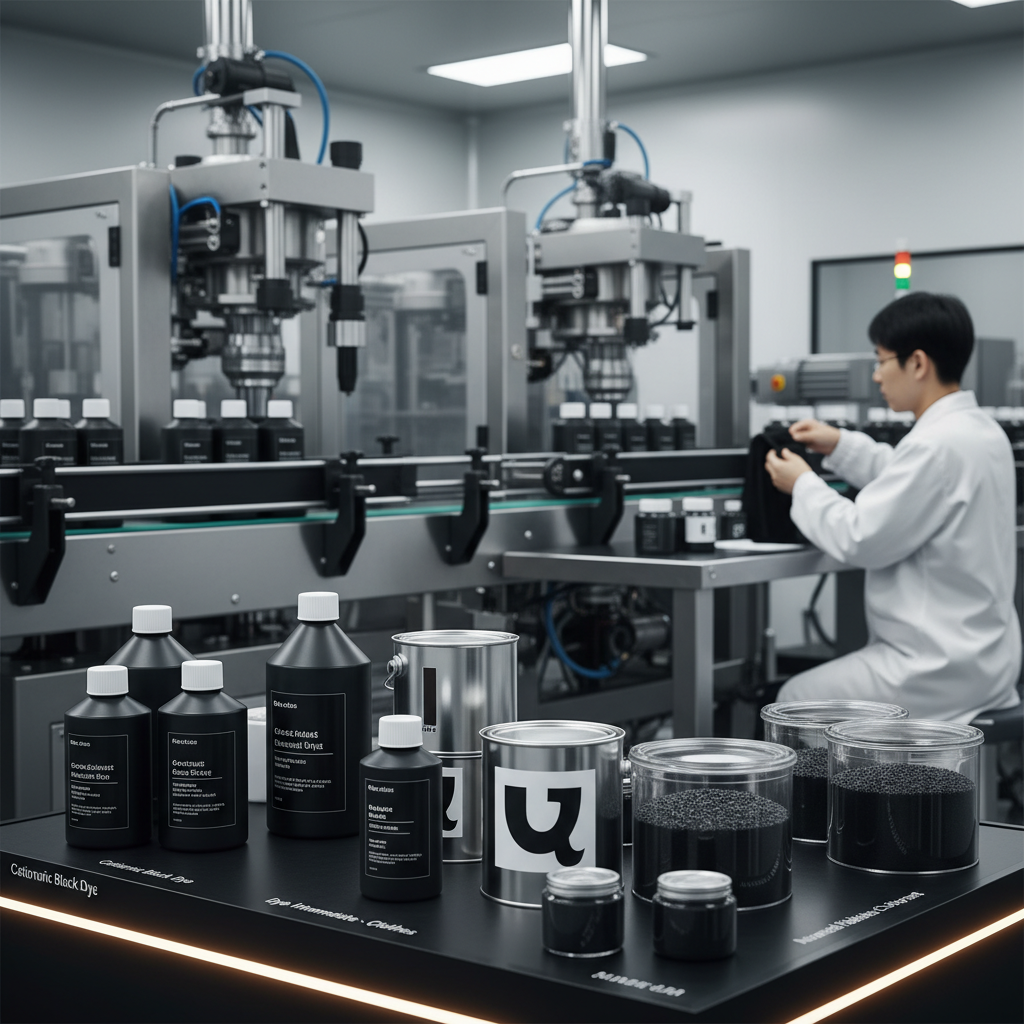
Not all fabrics are created equal, and therefore, not all black color dye for clothes works on every material. Generally, dyes are categorized by their chemical structure and the way they bond with fibers. Reactive dyes are the gold standard for cotton and linen, creating a covalent bond that resists washing. Disperse dyes are specifically engineered for synthetic fibers like polyester, which are otherwise "water-repellent." For those seeking a quick fix, all-purpose dyes offer convenience but may lack the permanence of specialized industrial solutions. Selecting the wrong type often leads to uneven coloring or rapid fading after the first wash.
Pro Tip: Always check the garment tag. If the fabric is more than 35% polyester, you must use a dye specifically labeled for synthetics to ensure the black color dye for clothes actually penetrates the fiber.
How to Apply Black Color Dye for Clothes Effectively
Achieving a professional result requires a systematic approach. First, ensure the fabric is clean and free of oils or residues. Using a stainless steel pot or a dedicated dyeing vessel is recommended to avoid contaminating future batches. The process usually involves dissolving the black color dye for clothes in hot water, adding a fixing agent like salt or vinegar (depending on the dye type), and stirring continuously. Constant movement is the only way to prevent "hot spots" or splotches, ensuring the pigment is distributed evenly across every fold of the garment.
Comparing Dye Performance by Fabric Type
The effectiveness of a black color dye for clothes varies significantly based on the textile's absorption rate. Natural fibers are porous and "thirsty," making them easy to dye but prone to fading if not fixed correctly. Synthetics are dense and require high temperatures to open the fiber pores. The following table illustrates the performance expectations when using high-grade professional dyes across common materials.
Common Mistakes When Using Black Color Dye for Clothes
Many users fail to achieve a professional finish because of a few critical errors. The most common is under-stirring, which leads to streaks. Another frequent mistake is ignoring the water temperature; if the water is too cool, the dye particles won't bond with the fabric. Furthermore, failing to use a color fixative after dyeing is a recipe for disaster, as the black pigment will bleed into other clothes during the first few washes. By utilizing professional-grade black color dye for clothes and following a strict protocol, these issues can be entirely avoided.
Technical Specifications for Industrial Grade Dyes
For commercial applications and textile manufacturers, precision is everything. Industrial black color dye for clothes is measured by its purity, concentration, and solubility. These dyes are designed to withstand rigorous industrial washing and UV exposure. Below are the typical technical specifications for our premium black textile dye range, ensuring consistency across thousands of garments.
Maintenance Tips for Dyed Black Garments
Once you have successfully used black color dye for clothes, the goal is to prevent the color from oxidizing or washing out. Always wash dyed clothes inside out in cold water to minimize friction and heat. Avoid using harsh detergents containing bleach or optical brighteners, as these can strip the black pigment and leave the fabric looking grayish. Air drying in the shade is significantly better than using a tumble dryer or exposing the garment to direct midday sunlight, which can cause UV-induced fading.
Conclusion: Elevate Your Wardrobe with Professional Dyeing
Using the right black color dye for clothes is more than just a way to save an old garment; it is a way to customize and upgrade your style. By choosing high-quality pigments, understanding your fabric composition, and following a precise application process, you can achieve a deep, lasting black that rivals luxury retail brands. Whether for home use or industrial production, investing in premium dyes ensures a flawless finish and long-term durability. Visit Yanhong Chem today for the highest grade textile solutions.
Frequently Asked Questions (FAQs)
Can I use black color dye for clothes on a blend of cotton and polyester?
Yes, but the result will depend on the percentage of each fiber. If the garment is a 50/50 blend, a standard cotton dye will only color the cotton fibers, leaving the polyester ones untouched, which often results in a "heathered" or charcoal gray look. To achieve a true, deep black on blends, you must use a specialized dye kit that includes both a reactive dye for the natural fibers and a disperse dye for the synthetic ones. Always check the label to determine the blend ratio before starting the process.
Why is my black dyed clothing fading so quickly?
Rapid fading is usually caused by three factors: the absence of a color fixative, using water that was too cold during the dyeing process, or washing the garment with hot water and harsh detergents. A fixative "locks" the dye into the fiber; without it, the pigment simply sits on the surface and washes away. Additionally, UV rays from the sun act as a bleaching agent. To maintain the intensity of your black color dye for clothes, always wash in cold water and dry your clothes in the shade.
Is it possible to dye a colored garment black?
Generally, yes. Black is the strongest pigment and can cover most lighter colors. However, if the garment is a very dark, saturated color like deep red or navy, it may influence the final tone of the black. In some cases, it is advisable to use a "color remover" or "discharge agent" first to strip the original pigment. This creates a neutral canvas, allowing the black color dye for clothes to bond more effectively and produce a pure, deep black without any underlying tints.
How much dye do I need for one garment?
The amount of dye depends on the weight and absorbency of the fabric. As a general rule, for a standard adult t-shirt or a pair of leggings, one standard packet or 30-50g of industrial powder is sufficient. However, heavy denim or thick wool coats may require double the amount. It is always better to use slightly more dye than too little; under-concentrating the dye bath often leads to uneven coloring and a lack of depth in the final black shade. Refer to the product specifications on the Yanhong Chem website for precise measurements.
-
Fabric Dye For Furniture: Durable, Sustainable Solutions for B2B ManufacturersNewsDec. 08, 2025
-
Gray Fabric Dye Solutions | Durable & Sustainable Textiles by YanhongChemNewsDec. 10, 2025
-
A Comprehensive Guide to Choosing the Best Pastel Fabric Dye for Your ProjectsNewsJan. 27, 2026
-
Exploring the World of Space Dye Fabric A Comprehensive GuideNewsMar. 04, 2026
-
Basic Black in Industrial Equipment: Timeless and ToughNewsDec. 13, 2025
-
Comprehensive Guide to the Dyeing of Cotton Fabric with Direct Dye TechniquesNewsFeb. 25, 2026