
Comprehensive Guide to Black Textile Dye Selection and Applications
Understanding Black Textile Dye: A Comprehensive Guide
Black textile dye is a cornerstone of the fashion and textile industries, providing the foundational color for countless garments and materials. Choosing the right dye impacts not only the aesthetic appeal but also the durability, wash fastness, and overall quality of the final product. This article explores the various types of black textile dyes, their applications, considerations for selection, and emerging trends. Whether you're a textile manufacturer, designer, or simply curious about the process, this guide provides valuable insights into the world of black dyes. Understanding these aspects is crucial for achieving optimal results and meeting the demands of a competitive market.
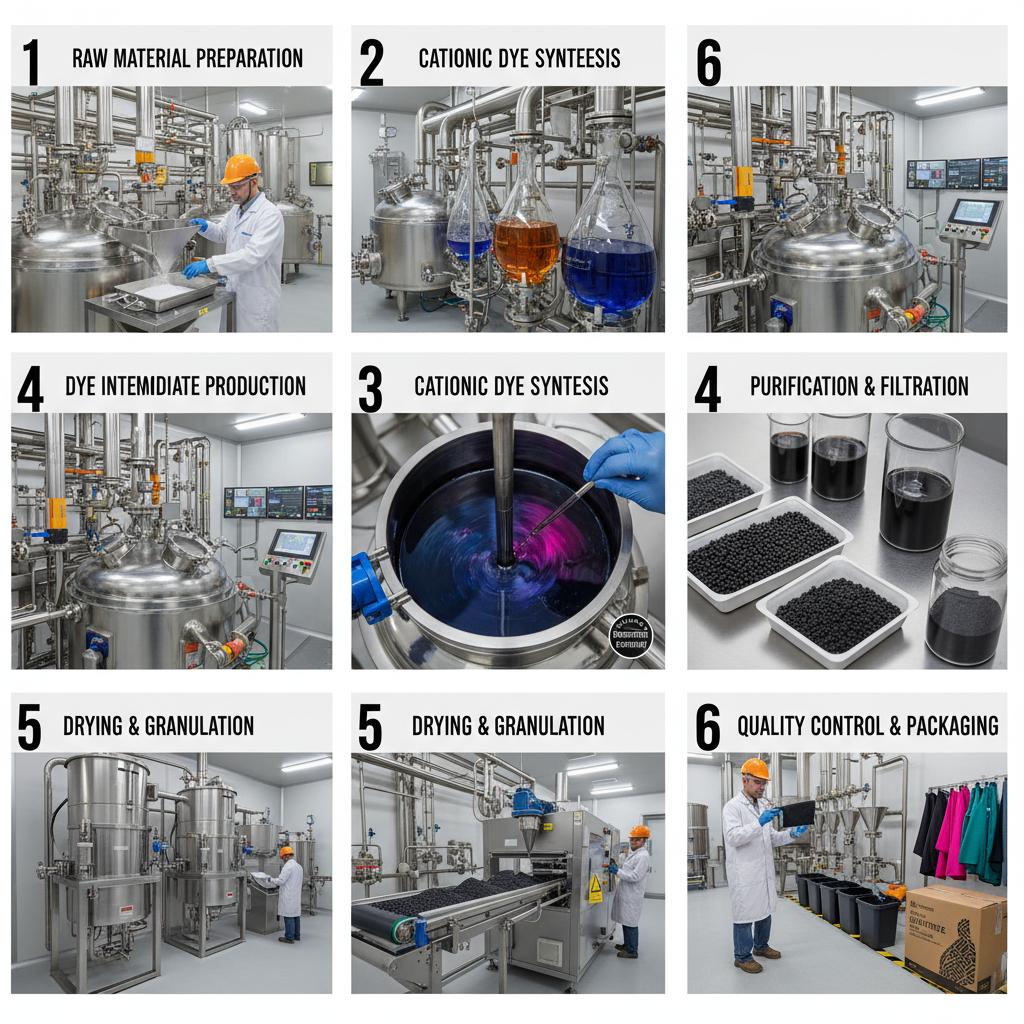
Types of Black Textile Dyes
There are several types of black textile dyes available, each with its own characteristics, advantages, and disadvantages. The most common include Reactive Dyes, Direct Dyes, Vat Dyes, and Sulfur Dyes. Reactive dyes are renowned for their bright shades and excellent wash fastness, making them ideal for cotton and other cellulosic fibers. Direct dyes are simpler to apply but generally have lower wash fastness. Vat dyes offer exceptional durability and colorfastness, often used for workwear and high-performance textiles. Finally, Sulfur dyes are a cost-effective option for darker shades on cellulosic fibers, though they may not have the same vibrancy as other options. Selecting the correct dye type hinges on the fiber content, desired performance characteristics, and budgetary constraints.
Key Considerations: Fiber type, desired colorfastness, cost, and environmental impact are all important factors when choosing a black textile dye.
Reactive Dyes for Black Textiles
Reactive dyes are a popular choice for achieving deep, lasting black shades on cotton, linen, and viscose. They form a covalent bond with the fiber, resulting in excellent wash and light fastness. This makes them suitable for garments that require frequent washing or exposure to sunlight. The dyeing process typically involves alkali and salt, and requires careful control of temperature and pH. Different reactive dye formulations offer varying levels of fastness and vibrancy, allowing for customization based on specific needs. YanHongChem provides high-quality reactive black dyes designed for optimal performance.
Reactive Dye Benefits:
• Excellent wash and light fastness
• Bright, vibrant shades
• Suitable for cellulosic fibers
• Strong fiber bond
Black Textile Dye Comparison
Choosing the optimal black textile dye requires a clear understanding of the strengths and weaknesses of each type. Here’s a comparative overview to help you make an informed decision:
Environmental Considerations and Sustainable Dyeing
The textile dyeing industry has historically been associated with environmental concerns, particularly water pollution. However, significant progress is being made towards more sustainable dyeing practices. This includes using dyes with lower environmental impact, optimizing dyeing processes to reduce water and energy consumption, and implementing effective wastewater treatment systems. Choosing dyes that are free from harmful substances and certified by reputable organizations like OEKO-TEX® is crucial. YanHongChem is committed to offering eco-friendly black textile dyes that meet stringent environmental standards.

Product Specifications of YanHongChem Black Reactive Dye
Here are the typical specifications for our high-quality black reactive dye, ensuring optimal performance in your textile applications:
Conclusion: Choosing the Right Black Textile Dye
Selecting the right black textile dye is critical for achieving desired results in color, durability, and sustainability. By considering the fiber type, performance requirements, and environmental impact, you can make an informed decision that aligns with your specific needs. YanHongChem offers a comprehensive range of high-quality, eco-friendly dyes to meet the evolving demands of the textile industry. Invest in quality dyes to ensure superior results and a lasting impact.
Frequently Asked Questions (FAQs)
What is the difference between reactive and direct black dyes?
Reactive dyes form a covalent bond with the fabric, resulting in superior wash and light fastness. This makes them ideal for garments that are frequently washed. Direct dyes, on the other hand, rely on weaker intermolecular forces and have lower fastness properties. While direct dyes are simpler and cheaper to apply, they are generally not suitable for items requiring high durability. Reactive dyes also offer a wider range of shades and are more suitable for cellulosic fibers, making them the preferred choice for many textile applications despite the slightly more complex application process.
How can I improve the fastness of black dyed fabrics?
Several factors contribute to improved dye fastness. Choosing a dye with high inherent fastness properties, like reactive or vat dyes, is crucial. Proper pretreatment of the fabric, including thorough scouring and bleaching, ensures optimal dye uptake. Optimizing dyeing parameters such as temperature, pH, and dye concentration is also essential. Finally, employing appropriate after-treatment processes, such as soaping and fixing agents, can further enhance colorfastness. Using a high-quality dye like those offered by YanHongChem will significantly improve your results.
Are there eco-friendly alternatives to traditional black dyes?
Yes, there is growing demand and availability of eco-friendly black dyes. These dyes are often free from harmful substances like azo dyes and heavy metals, and are produced using more sustainable processes. Reactive dyes, in particular, can be a more eco-friendly choice compared to some alternatives, as they have a high fixation rate, reducing dye waste. YanHongChem is committed to offering sustainable dye options that minimize environmental impact without compromising on quality or performance.
What safety precautions should I take when handling black textile dyes?
Always wear appropriate personal protective equipment (PPE) when handling textile dyes, including gloves, safety glasses, and a respirator if necessary. Work in a well-ventilated area to avoid inhaling dust or fumes. Avoid contact with skin and eyes. In case of contact, rinse thoroughly with water and seek medical attention if irritation persists. Always refer to the Material Safety Data Sheet (MSDS) for specific safety information related to the dye you are using. Proper handling and storage are crucial for ensuring a safe working environment.
-
Gray Fabric Dye Solutions | Durable & Sustainable Textiles by YanhongChemNewsDec. 10, 2025
-
Basic Principles And Production Process Parameters Of Cationic DyesNewsAug. 05, 2025
-
Reliable Powdered Fabric Dye for Industrial Textile ApplicationsNewsJan. 04, 2026
-
Basic Black in Industrial Equipment: Timeless and ToughNewsDec. 13, 2025
-
Black Basic in Industrial Equipment: Essentials and InsightsNewsDec. 13, 2025
-
Photochromic Fabric Dye: Innovative Textile Solutions for B2B Professionals | YanHongChemNewsJan. 06, 2026












