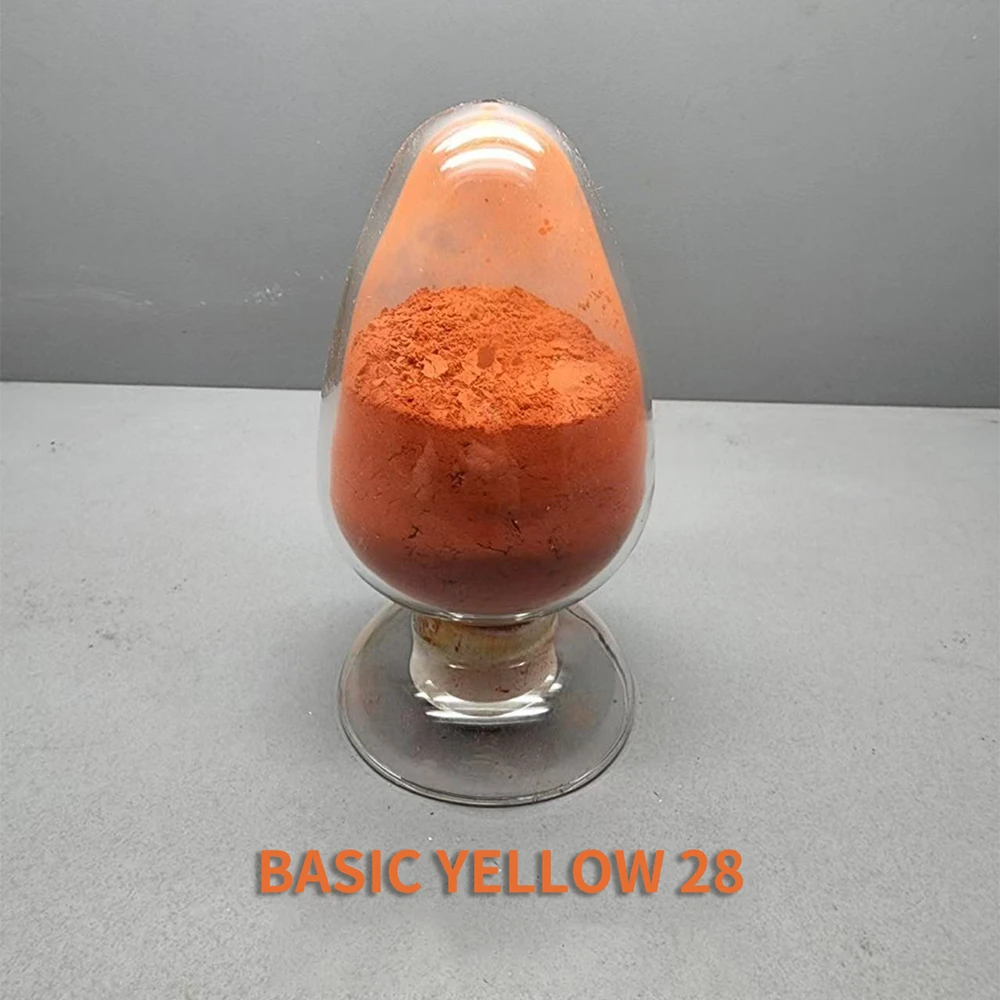
Understanding Basic Yellow 2: Industrial Uses, Benefits & Future Trends
Basic Yellow 2: An Understated Hero in the Dye Industry
At the crossroads of chemistry, industry, and everyday products, basic yellow 2 quietly plays a defining role. But what exactly is it, and why does it matter globally? From textiles to biomedical markers, the significance of this particular dye reaches far beyond a splash of color. Understanding basic yellow 2 opens doors to innovative manufacturing, sustainability advances, and even humanitarian efforts. Let's unpack the story of this seemingly simple compound and why it's woven into the fabric of modern industry and science.
The Global Stage: Why Basic Yellow 2 Catches Our Eye
Here’s the thing — dyes are part of a trillion-dollar global market, and azo dyes like basic yellow 2 stand as workhorses within this realm. According to the Wikipedia page on azo dyes, these compounds make up more than half of all synthetic dyes worldwide. Basic yellow 2, a cationic (basic) dye, is prized particularly in industries that rely on water-soluble, bright yellow pigmentation.
But why does this matter? The World Bank reports that textile manufacturing provides employment for over 70 million people globally — many in developing countries. Basic yellow 2 facilitates vibrant fabric coloration with comparatively straightforward synthesis methods, helping keep production cost-effective and scalable. Yet, outside textiles, its applications broaden into microbiology (highlighting cells under a microscope), paper dyeing, and even safety marking materials.
Oddly enough, with such widespread use, basic yellow 2 also intersects with environmental concerns—effluents containing azo dyes can pose pollution risks if untreated. This dual nature presents an ongoing challenge and motivation for cleaner technologies.
What Is Basic Yellow 2? Breaking It Down
Technically speaking, basic yellow 2 is also known as methyl yellow or CI Basic Yellow 2. It belongs to the class of basic (cationic) dyes, meaning it carries a positive charge, making it excellent at attaching to negatively charged surfaces, like some fibers or biological tissues.
The chemical structure has a distinct azo (-N=N-) group (... classic of azo dyes) combined with aromatic rings that produce its vibrant yellow hue. It’s watersoluble and often used where quick, intense coloration is necessary. Because it’s so vibrant and reliable, it found its niche in everything from textile dyeing to marking bacteria in laboratory staining techniques.
Basic yellow 2, in that context, isn’t just a pretty color—it’s a tool that bridges chemistry with practical, visible outcomes. Think of it like the artist’s brush in the industrial laboratory — subtle yet indispensable.
Key Characteristics That Define Basic Yellow 2
1. High Color Fastness
Many engineers and dyers alike appreciate basic yellow 2 for its durability on fibers, especially acrylic materials. That means less fading over time, an important aspect in fashion but also in safety or warning signage.
2. Water Solubility and Ease of Application
One of its biggest selling points is how easily it dissolves and transfers to substrates. This characteristic allows industries to maintain efficient dye baths and manageable waste streams.
3. Affinity for Specific Fibers and Materials
Because basic yellow 2 is a cationic dye, it binds best to anionic substrates, making it ideal for acrylics, wool, and silk, among others. Its affinity grants consistent results in coloration.
4. Versatility Beyond Textiles
From microbiological staining (it highlights cell nuclei and bacteria well) to coloring paper or plastics, its applications are diverse — a flexibility that many companies value.
5. Cost-Effectiveness
Compared to some newer synthetic dyes, basic yellow 2 offers a relatively affordable pigment that balances performance and budget, especially important in large-scale manufacturing.
Real-World Applications of Basic Yellow 2
Where exactly does basic yellow 2 get its legs? Spoiler: it’s quite broad.
- Textile Industry: Used widely in acrylic fiber coloration, this dye ensures bright, long-lasting yellows.
- Biological Staining: Microbiologists use it to visualize bacteria and cells, aiding diagnostics and research.
- Paper & Printing: It dyes paper bright yellow for marking, packaging, or artistic purposes.
- Plastics: Select plastic manufacturers add it for aesthetic or functional marking.
- Safety & Warning Signs: Bright yellow is quintessential for signalization; basic yellow 2 delivers where visibility counts.
Geographically, manufacturers in East Asia, India, and parts of Europe lead production, partly due to raw material availability and established chemical industry clusters. Meanwhile, large textile hubs in Bangladesh, Vietnam, and Turkey rely heavily on such dyes for vibrant fabric production.
In humanitarian contexts, reliable, cost-effective dyes assist in fabricating protective gear and tents, often yellow-tinted for visibility. So in disaster zones or refugee camps, the ripple effect of a simple dye extends to safety and dignity.
Basic Yellow 2 Product Specifications
| Specification | Detail |
|---|---|
| Chemical Name | Methyl Yellow (Basic Yellow 2) |
| Molecular Formula | C15H16N3Cl |
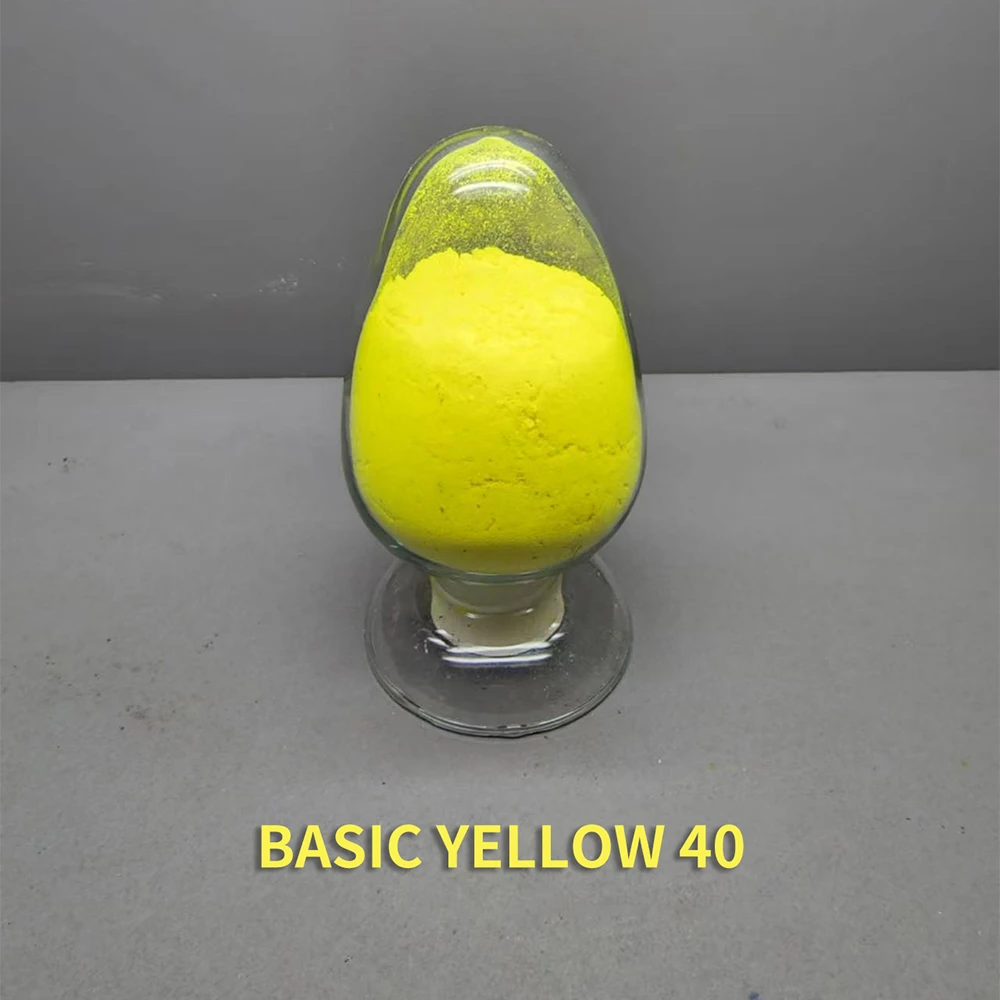
| Appearance | Yellow powder or crystals |
| Solubility | Water-soluble |
| Main Use | Textile dyeing, biological staining |
| Color Hue | Bright yellow |
| Stability | Moderate to high colorfastness on acrylic fibers |
Comparing Top Basic Yellow 2 Suppliers
| Supplier | Purity (%) | Packaging Size | Lead Time | Price Range (USD/kg) | Sustainability Certifications |
|---|---|---|---|---|---|
| Yanhong Chemicals | ≥ 98% | Bulk Bags (25kg) | 1-2 Weeks | 8–12 | ISO 14001 |
| Global Dyes Ltd. | 95-97% | Drums (20kg) | 2-3 Weeks | 7–10 | None |
| ChemTint Corp. | ≥ 99% | Bulk Bags (25kg), Drums | 3-4 Weeks | 12–15 | ISO 9001, Oeko-Tex |
The Benefits of Using Basic Yellow 2 Today and Tomorrow
When you break it down, the advantages of basic yellow 2 come in multiple layers:
- Cost Efficiency: Its economical production process keeps prices reasonable.
- Color Consistency: Manufacturers appreciate predictable hues batch after batch.
- Sustainability Potential: Though not perfect, advances in treatment technologies aim to lessen its environmental footprint.
- Reliability: Its established chemistry promises tried-and-true results.
- Impact on Safety: Vibrant yellows improve visibility in everyday and industrial applications, enhancing potentially life-saving warnings.
It feels like a small thing — a dye — yet it carries implications for innovation, trust in products, and even social welfare.
Looking Ahead: Innovations and Sustainability in Basic Yellow 2
Frankly, the dye industry must evolve in the face of climate concerns and tightening regulations. Basic yellow 2 isn't immune. Research pushes toward:
- Eco-Friendlier Synthesis Routes: Reducing hazardous solvents and waste.
- Advanced Wastewater Treatment: Bioremediation and photocatalytic processes to cleanse dye effluents more effectively.
- Digital Dyeing Technologies: Precise dosing and less water use through automation.
- Alternative Bio-Based Dyes: While basic yellow 2 remains prevalent, biotechnological methods challenge the status quo.
The industry talks about a circular economy for dyes—which would be a game changer—but we’re not quite there yet.
Challenges and How the Industry Tackles Them
Basic yellow 2's journey isn't all sunshine. Environmental persistence and potential toxicity are chief concerns. Disposal and treatment remain critical issues for manufacturers and regulators alike.
Innovative firms and NGOs work closely to implement:
- Improved effluent management systems to catch dyes before they enter waterways.
- Worker safety protocols to minimize exposure in factories.
- Regulatory compliance, such as REACH in Europe and environmental standards worldwide.
Many experts emphasize that it’s a gradual process combining chemistry, engineering, and policy — but the stakes justify the effort.
FAQ: Common Questions About Basic Yellow 2
- What industries primarily use basic yellow 2?
Textiles, microbiology labs, paper manufacturing, plastics, and safety signage industries primarily use this dye. - Is basic yellow 2 safe for human contact?
When handled properly under safety guidelines, it's generally safe. However, prolonged exposure or ingestion is harmful, so protective measures are essential. - How do manufacturers handle environmental concerns?
By investing in wastewater treatment technologies and following environmental regulations like ISO 14001, manufacturers reduce pollution risks. - Can basic yellow 2 be used in eco-friendly products?
While it is synthetic, ongoing research aims to make its production less toxic, and combining it with greener processes helps reduce the environmental footprint. - How long does it last on fabrics?
On acrylic fibers, the dye demonstrates moderate to high fastness, meaning the color remains vibrant for months to years under normal use conditions.
Summary and Next Steps
Whether you're an industry veteran or just curious, it’s clear that basic yellow 2 is more than a pigment—it's a vital thread in the tapestry of modern manufacturing and science. From its dependable coloration qualities to ongoing sustainability efforts, it balances tradition and innovation neatly. If you’re sourcing reliable dyes or interested in eco-conscious chemical suppliers, Yanhong Chemicals is a great place to start exploring. Sometimes, understanding one product deeply opens a window to broader industrial stories worth knowing.
And now, with that, maybe you’ll look at that yellow shirt or lab slide a little differently!
1. Azo Dye Wikipedia
2. World Bank Reports on Textile Industry Employment
3. ISO 14001 Environmental Management Standards Overview
-
Understanding Cationic Dyes in Textile Industry: Applications, Benefits & Future TrendsNewsDec. 03, 2025
-
Choosing The Right Dress Dye For Vibrant And Durable TextilesNewsMar. 06, 2026
-
Comprehensive Guide to Black Textile Dye Selection and ApplicationsNewsMar. 12, 2026
-
A Comprehensive Guide to Choosing the Best Pastel Fabric Dye for Your ProjectsNewsJan. 27, 2026
-
Achieving the Perfect Pastel Shade with Light Pink Dye for ClothesNewsApr. 04, 2026
-
Photochromic Fabric Dye: Innovative Textile Solutions for B2B Professionals | YanHongChemNewsJan. 06, 2026