Comprehensive Guide to Basic Yellow 28 – Properties, Uses & Suppliers
Understanding Basic Yellow 28: Why This Dye Matters More Than You Think
In the vast world of synthetic dyes, basic yellow 28 stands out as a vibrant, nitrogen-based cationic dye with a host of industrial and commercial applications. You might not realize it, but understanding its properties and uses sheds light on a significant slice of global manufacturing and textile industries. Beyond just color, it influences processes that impact everything from environmental concerns to humanitarian product design.
The Global Context: Why Basic Yellow 28 Deserves Your Attention
Synthetic dyes, including basic yellow 28, form an essential part of the global chemical market, valued in the billions annually. According to recent data from the International Dye Industry Federation and United Nations trade reports, over 50% of global textile production depends on cationic dyes, including this one. But here’s the kicker: these dyes don’t only brighten fabrics. They intersect with challenges like wastewater management, chemical safety standards (ISO 105-A06, for example), and sustainable manufacturing practices.
In fast-growing industrial regions — think Southeast Asia or parts of Eastern Europe — the demand for reliable, brightly colored products with consistent quality pushes basic yellow 28 right into the spotlight. Yet, the industry also wrestles with environmental consequences tied to dye effluents, prompting urgent innovation.
What Is Basic Yellow 28? A Simple Explanation
So, what exactly is basic yellow 28? In a nutshell, it’s a synthetic cationic (or basic) dye known chemically as a thiazine dye. It’s prized for its bright yellow color and excellent affinity for acrylic fibers and some polyesters. Unlike direct or reactive dyes, its positive ionic charge allows it to bind strongly to negatively charged substrates.
This means it’s highly valued in industries like textile manufacturing, paper printing, and even in producing biological stains for medical labs. Its role is both practical and aesthetic — ensuring colors are vibrant, fast, and consistent. And oddly enough, it’s also found in some niche applications such as markers in forensic science.
Key Characteristics That Make Basic Yellow 28 So Effective
Color Fastness and Durability
Basic yellow 28 doesn’t just look good under store lights — it resists fading from washing, sunlight, and friction better than many alternatives. For manufacturers, this means longer-lasting colors and higher customer satisfaction.
Compatibility with Fibers
Its cationic charge makes it ideal for certain fibers—especially synthetic ones like acrylics, where its attraction is strongest. But it can be finicky with natural fibers, requiring pre-treatment or blending with other dyes.
Environmental and Safety Profile
Like many dyes, basic yellow 28 prompts discussion on eco-toxicity and wastewater treatment. Modern production increasingly strives for cleaner synthesis methods and better waste management, responding to regulatory pressures worldwide.
Cost Efficiency
It’s relatively affordable to produce at scale, which drives its popularity in emerging markets where cost is often as important as quality. That said, costs can fluctuate with raw materials and regulatory compliance.
Where in the World Is Basic Yellow 28 Making an Impact?
This dye is far from an abstract chemical lab curiosity. It plays a significant role internationally:
- Textile hubs: India's booming apparel industry relies heavily on cationic dyes, where basic yellow 28 is used to achieve vibrant golden hues on acrylic blends.
- Paper industry: Japan and Germany incorporate it in specialty paper coloring, balancing opacity with brightness.
- Medical and scientific applications: Labs in the US and Europe use it as a stain in histology for diagnostics, showcasing its versatility beyond mere aesthetics.
During post-disaster relief operations, when brightly colored, fast-drying synthetic fabrics are needed for quick garment production, basic yellow 28 often turns up unexpectedly — proving it’s not just a pretty pigment, but a practical asset in crisis.
The Advantages and Long-Term Value of Basic Yellow 28
Beyond its eye-catching color, why do manufacturers keep choosing this dye? Here, the benefits stack up logically and emotionally:
- Cost-effectiveness: Affordable raw materials mean budget-friendly pricing for large-scale production.
- Reliability: Consistent color quality builds brand trust and lowers return rates.
- Environmental strides: Newer, greener production methods reduce the chemical footprint, which appeals to environmentally conscious companies and consumers.
- Safety and innovation: The biological staining potential means it’s not just a dye but a tool in scientific progress and medical diagnosis.
Frankly, it embodies a blend of tradition and emerging tech — a kind of old-school chemistry meeting modern ethics.
Looking Forward: Trends and Innovations Shaping Basic Yellow 28
What does the future hold? As sustainability and technology press forward, several exciting trends are emerging around basic yellow 28:
- Green chemistry: Researchers seek to minimize hazardous byproducts from synthesis, tapping bio-based feedstocks when possible.
- Digital textile printing: Integration of dyes like basic yellow 28 into inkjet formulations is on the rise, allowing for more flexible, on-demand coloring with less waste.
- Smart textiles: Hybrid fibers that respond to environmental triggers might use basic yellow 28 derivatives for color-change properties.
- Waterless dyeing technologies: Minimizing freshwater usage while applying dyes is big — including closed-loop systems that recycle solvent-based dyes.
Common Challenges—and How Industry Leaders Address Them
Despite its strengths, basic yellow 28 has its hurdles:
- Environmental concerns: Wastewater pollution remains a critical issue, especially in less regulated countries.
- Limited affinity for some fibers: This restricts its universal application without additional chemical treatments.
- Color fading under extreme conditions: Although generally good, some exposure may degrade intensity over time.
To cope, manufacturers use advanced filtration, electrochemical treatment of waste, and blend dyes for enhanced binding. Industry experts suggest ongoing innovation here is essential — no magic bullet yet, but progress continues.
Quick FAQ: Basic Yellow 28 in Everyday Terms
- What types of fabrics are best dyed with basic yellow 28?
- Primarily synthetic fibers like acrylics and certain polyesters, thanks to the dye’s positive charge that binds well with negatively charged fiber groups.
- How is basic yellow 28 treated in wastewater?
- It requires specialized chemical and biological treatments to break down; many mills now use membrane filtration or activated carbon adsorption to reduce environmental release.
- Is basic yellow 28 safe for medical staining?
- Yes, it’s widely used for staining cells and tissues due to its vivid color and binding properties, but like all lab chemicals, proper handling and disposal are important.
- Can the dye’s color be customized?
- Manufacturers often combine basic yellow 28 with other dyes or additives to adjust hue and intensity for specific yarns or end-uses.
- How long does textile dyeing with basic yellow 28 last?
- When applied properly, the color fastness can range from several months to years under normal use, proving durable in typical wear-and-tear scenarios.
Basic Yellow 28 Product Specifications
| Property | Specification |
|---|---|
| Chemical Name | C.I. Basic Yellow 28, Thiazine Dye |
| Molecular Formula | C17H20ClN3S·HCl |
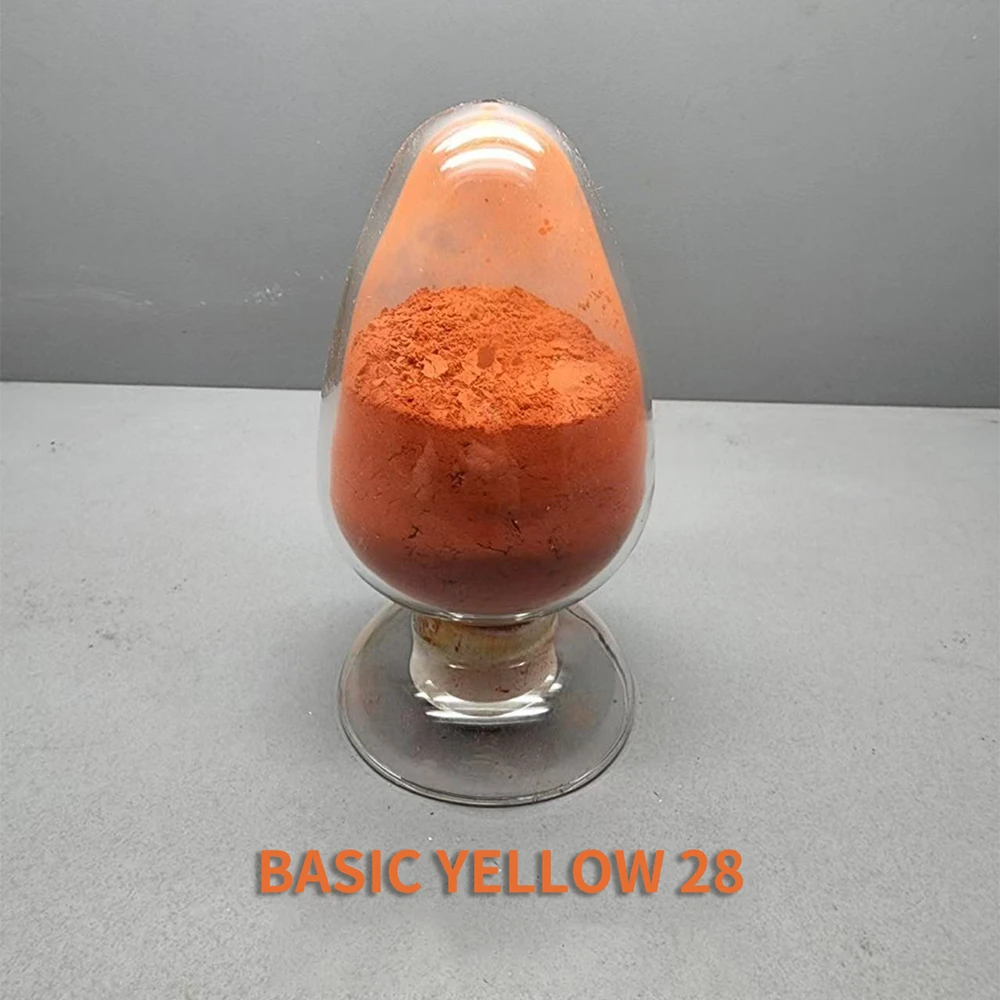
| Appearance | Yellow crystalline powder |
| Solubility | Water-soluble |
| Typical Use Concentration | 0.1–1% on weight of fabric |
| Color Fastness | 4–5 (washing, light, rubbing on acrylics) |
Basic Yellow 28 Suppliers: Vendor Comparison Overview
| Vendor | Country | Purity (%) | Delivery Time | Price Range (USD/kg) | Certification |
|---|---|---|---|---|---|
| YANHONG Chemicals | China | ≥98% | 7–10 days | 12–18 | ISO 9001 |
| EuroDye Ltd. | Germany | ≥99% | 10–14 days | 18–22 | REACH |
| TexColor Inc. | USA | ≥97% | 5–7 days | 15–20 | ISO 14001 |
Wrapping Up: Long-Term Benefits of Basic Yellow 28
When you strip it down, basic yellow 28 is more than just a bright pigment: it’s a versatile, cost-effective, and scientifically relevant agent with global applications that touch industries and even humanitarian efforts. Its balance of quality, affordability, and adaptability—alongside increasing sustainability efforts—makes it a smart choice for manufacturers worldwide.
Curious to learn more? Explore our extensive product catalog and detailed data sheets at YANHONG Chemicals, your reliable partner in advanced dye solutions. Whether you need comprehensive specs or custom order advice, they’ve got you covered.
Quick takeaways:
- Basic yellow 28 is primarily used in acrylic fiber dyeing and some specialty applications.
- While environmentally challenging, ongoing tech innovations aim to mitigate its impacts significantly.
- It’s globally relevant from textile megacenters to niche medical labs, showing surprising versatility.
References:
1) Wikipedia: Basic Dyes
2) ISO 105-A06: Color Fastness Testing
3) UN Environment Programme: Textile Industry and Environmental Impact
-
China Basic Dye Factory - Eco-Friendly, OEM & Fast DeliveryNewsNov. 13, 2025
-
Organic Fabric Dye: Durable, Eco-Friendly Solutions for IndustryNewsDec. 31, 2025
-
Durable Fabric Dye for Chairs | Industry-Leading Chemical SolutionsNewsJan. 06, 2026
-
Choosing the Optimal Outdoor Waterproof Fabric Dye for Enhanced DurabilityNewsJan. 27, 2026
-
Dark Blue Fabric Dye | Expert Guide & Vendor ComparisonNewsDec. 11, 2025
-
Burgundy Fabric Dye – Durable, Vibrant Solutions for Textile Industry | YanhongchemNewsDec. 11, 2025