Basic Blue 3 Dye: Properties, Applications, and Sustainable Solutions
What is Basic Blue 3 and Why it Matters Globally
Basic Blue 3 – a name that may ring a faint bell in chemistry labs but actually carries significant weight in industries ranging from textile manufacturing to biochemistry. This synthetic dye isn't just about adding color; it represents a bridge between traditional chemical manufacture and advanced modern applications, including humanitarian efforts and environmental technologies.
Globally, understanding substances like basic blue 3 is crucial. According to the ISO environmental standards, chemical dyes impact both water quality and ecosystem health when mismanaged. On the flip side, innovations around such dyes have enabled breakthroughs in medical staining techniques and durable fabrics that withstand harsh climates — think relief tents holding up during a crisis.
In essence, appreciating basic blue 3’s role is to appreciate a small but essential piece of world-scale manufacturing and sustainability puzzles.
The Global Context: Why Basic Blue 3 Still Matters
Basic blue 3 features prominently in the global dye market, which was valued at over $33 billion in recent years, according to industry reports. It's a cationic dye classified under thiazine dyes, favored for its vibrant hue and relatively good binding properties on fabrics.
But beyond aesthetics, its wide use raises challenges. Many developing countries grapple with wastewater contamination from dyes—making regulation crucial. The UN Environment Programme has highlighted the textile dyeing sector as among the most resource-intensive and pollutive industries worldwide. This means innovations around dyes like basic blue 3 don't just affect commerce; they touch on global water safety and community health.
Moreover, with growing emphasis on sustainability, scientists and manufacturers have been tweaking these dyes for “greener” profiles, less toxicity, and better biodegradability.
Defining Basic Blue 3: A Simple Explanation
In straightforward terms, basic blue 3 is a synthetic dye that belongs to the thiazine dye family. Unlike acid or direct dyes, it's a cationic dye, meaning it carries a positive charge which helps it bind strongly to negatively charged surfaces like cotton, wool, or paper.
Its deep blue color and chemical stability make it a staple in numerous industries, from textile dyeing and paper manufacturing to biological staining. Interestingly, in medical labs, it’s used to enhance contrast under microscopes — turning invisible bacteria or cell parts into sharply visible shapes.
So, though it sounds a bit technical at first, basic blue 3 underpins essential modern products and services that many take for granted.
Core Aspects of Basic Blue 3 You Should Know
1. Durability and Color Fastness
Basic blue 3 is prized for its vivid blue coloration and its resistance to fading under light and washing conditions. For textile engineers, this means garments or home textiles dyed with it retain their color vibrancy for longer.
2. Chemical Structure and Reactivity
Its thiazine ring gives basic blue 3 a stable core that resists breakdown, though it can interact predictably with other chemicals for various applications, even in analytical chemistry.
3. Eco-Impact and Biodegradability
One of the concerns has been its persistence in water bodies if released untreated. However, recent advancements have promoted ways to degrade it using bio-filters or photo-catalytic oxidation.
4. Cost-Effectiveness
Compared with natural dyes, basic blue 3 remains inexpensive to produce on a large scale, which historically cemented its place in commercial dyeing processes.
5. Safety Profile
While generally safe in controlled industrial use, basic blue 3 requires careful handling due to potential skin irritation and environmental toxicity if improperly disposed.
Applications of Basic Blue 3 Around the World
From bustling textile mills in Asia to academic labs in Europe, basic blue 3’s applications are surprisingly broad:
- Textile Industry: Used extensively in cotton and wool dyeing, basic blue 3 helps produce vibrant fabrics for fashion, upholstery, and decoration worldwide.
- Paper Coloring: Adds appealing tones to specialty papers for packaging or stationery.
- Medical Diagnostics: In microbiology, it stains bacterial cell walls aiding identification under microscopes in hospitals globally.
- Water Safety Testing: Occasionally used as indicators in tests evaluating water treatment efficacy.
For example, in regions recovering from natural disasters, where supply chains often falter, durable textiles dyed with basic blue 3 offer reliable materials for temporary shelters. Oddly enough, a little synthetic dye can make a big social difference.
Mini takeaway:
Basic blue 3 is more than just a dye. It’s a versatile chemical enabling countless industries to meet functional and safety standards in fabrics, diagnostics, and more.
Advantages & The Long-Term Value of Basic Blue 3
Aside from affordability and vivid color, basic blue 3 promotes:
- Reliability: Its chemical stability ensures longer-lasting products.
- Innovation Potential: As green chemistry evolves, formulations of basic blue 3 adapt, pushing sustainable practices forward.
- Social Impact: Used in medical staining, it aids diagnostics crucial to health outcomes, particularly in developing nations.
- Environmental Gains: With smart waste treatment, its ecological footprint is shrinking.
Honestly, when you think of the everyday products and services relying on it, basic blue 3’s blend of practicality and potential feels significant.
Looking Ahead: Trends and Innovations with Basic Blue 3
The future shines on greener chemistry. New derivatives of basic blue 3 are being engineered for enhanced biodegradability. Automation and digital textile printing also open doors for more precise, less wasteful dye usage.
Experts predict integration with nanomaterial coatings that offer color-changing fabrics for smart wearables — imagine outdoor gear shifting shades with temperature changes.
Additionally, policies encouraging recycling textile wastewater, supported by international environmental agreements, push manufacturers to rethink dyeing protocols including those using basic blue 3.
Challenges and Solutions in the Use of Basic Blue 3
There are no perfect substances and basic blue 3 is no exception. Challenges include:
- Environmental contamination: Without proper wastewater treatment, dyes pollute waterways.
- Regulatory compliance: Different countries have varying rules on acceptable chemical use.
- Health and safety risks for workers: Prolonged exposure risks need better workplace protections.
To counter these, innovations like enzymatic degradation, closed-loop dyeing systems, and stringent occupational standards show promise. Companies that invest in these processes often not only comply with regulations but gain market advantages.
Product Specification Table for Basic Blue 3
| Property | Specification |
|---|---|
| Chemical Name | Basic Blue 3 (Methylene Blue) |
| CAS Number | 7219-77-7 |
| Molecular Formula | C16H18ClN3S·xH2O |
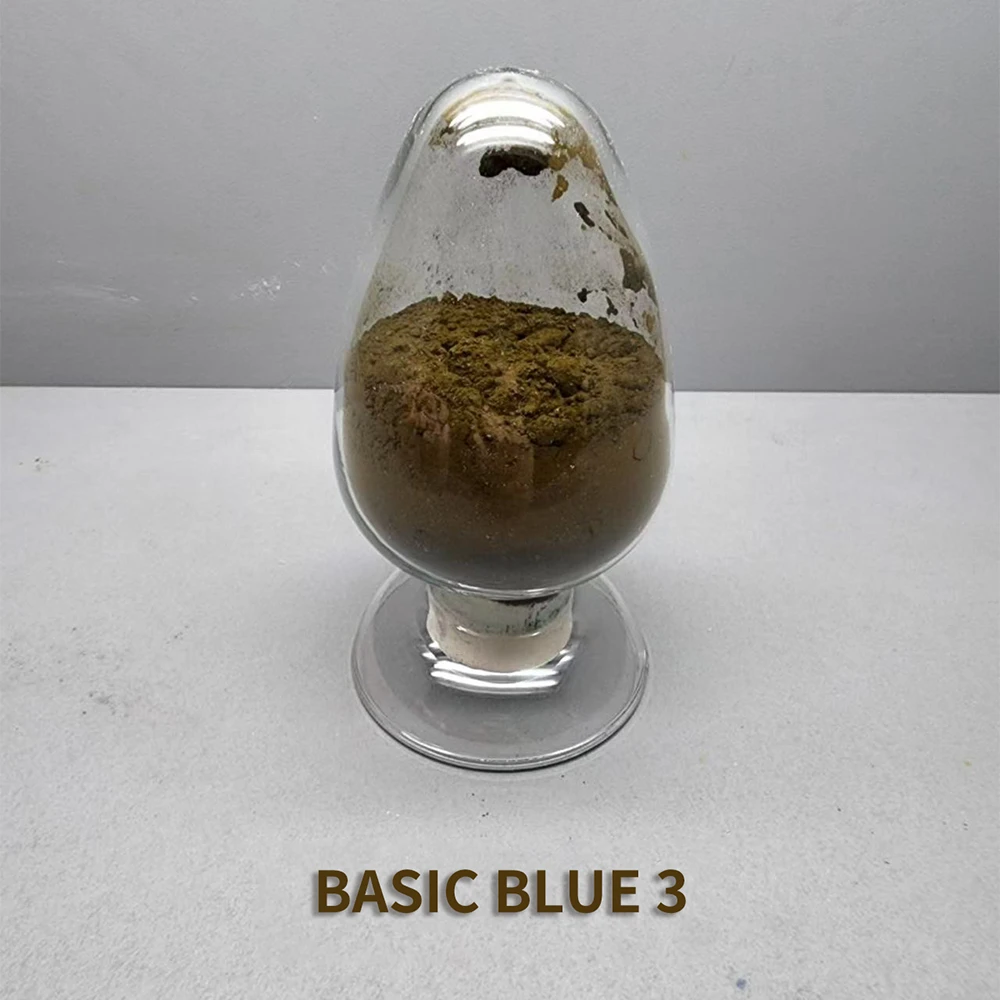
| Appearance | Dark green/blue powder or crystals |
| Solubility | Water soluble |
| pH Stability | Stable between pH 4–8 |
| Typical Use Concentration | 0.1–2% (w/v) in dye baths or solutions |
Vendor Comparison Table: Basic Blue 3 Suppliers
| Vendor | Purity (%) | Delivery Time | MOQ | Price (per kg) |
|---|---|---|---|---|
| Yanhong Chemicals | ≥98 | 5–7 days | 100 kg | $25 |
| DyeWorld GmbH | ≥97 | 7–10 days | 50 kg | $27 |
| ChemBright Co. | ≥98.5 | 3–6 days | 200 kg | $26.5 |
Frequently Asked Questions About Basic Blue 3
What industries most commonly use basic blue 3?
Basic blue 3 is prevalent in textiles, paper manufacturing, and medical diagnostics. Its strong binding properties and vibrant color make it suitable for dyeing fabrics and staining biological specimens alike.
Is basic blue 3 safe for use in consumer products?
In regulated amounts and proper handling conditions, yes. However, safety precautions should be observed as the dye can cause skin irritation and environmental harm if improperly disposed of.
Can basic blue 3 be considered eco-friendly?
Not inherently, but ongoing innovations in wastewater treatment and biodegradable dye analogs are paving the way toward greener applications of basic blue 3 and similar dyes.
How long does fabric dyed with basic blue 3 typically retain its color?
Under normal use and with proper washing, fabrics dyed with basic blue 3 maintain vibrant color for several months to years, depending on exposure to sunlight and detergents.
Where can I source high-quality basic blue 3 reliably?
Reputable chemical suppliers like Yanhong Chemicals provide certified purity and reliable delivery schedules globally.
Conclusion: The Last Word on Basic Blue 3
Basic blue 3 is more than just a hue—it represents a key player in the complex dance of modern industry, sustainability, and innovation. For manufacturers, researchers, and humanitarian organizations alike, understanding and sourcing quality basic blue 3 dyes can enhance product reliability, ecological responsibility, and social impact.
If you’re curious about integrating basic blue 3 into your workflow or products, feel free to explore trusted vendors and latest innovations. For more on this passionate topic, visit our website at Yanhong Chemicals — your gateway to quality dyes and expert support.
Mini takeaway:
Next time you see a deep blue textile or a stained microscope slide, you might just be looking at the quiet work of basic blue 3 — a dye with surprisingly global stories.
References
-
Reliable Navy Fabric Dye for Industrial Textile Applications | YanhongNewsDec. 07, 2025
-
Exploring the Creative World of Fabric Dye on Wood for Stunning FinishesNewsFeb. 26, 2026
-
Buy Dye for Clothes – Expert Tips & Reliable ProductsNewsDec. 03, 2025
-
Purple Fabric Dye: Durable, Sustainable, and Vibrant Textile SolutionsNewsDec. 05, 2025
-
What Is Basic Blue? Understanding Its Industrial ImportanceNewsDec. 13, 2025
-
Comprehensive Guide to CI Basic Violet 3 – Uses, Properties & Industry InsightsNewsDec. 03, 2025