Basic Blue 3 Dye – Applications, Benefits & Industry Insights | Yanhong Chem
Basic Blue 3 Dye: The Unsung Hero of Coloration Technology
At first glance, basic blue 3 dye might sound like some obscure chemical jargon limited to lab coats and dusty manuals. But in reality, it’s a cornerstone of modern industries — from textiles to biological staining, and even in some advanced printing processes. Globally, the ever-growing demand for reliable, vibrant dyes makes understanding basic blue 3 dye not just an academic exercise, but a practical necessity.
Why care, you ask? Well, in a world obsessed with color-fastness, sustainability, and multi-purpose functionality, mastering the use and characteristics of something like basic blue 3 dye can mean the difference between fading fabrics, ineffective diagnostics, or even environmental waste. So sticking around to know a bit more about its role isn’t just for chemists — designers, manufacturers, and environmental stewards stand to gain as well.
Takeaway: Basic blue 3 dye quietly supports many sectors where consistent color and reliability are non-negotiable — a small but mighty chemical with global reach.
Understanding the Global Context of Basic Blue 3 Dye
Let’s zoom out a bit. According to the World Bank, the global textile market is valued in the trillions of dollars, with colorants making up a critical portion of that supply chain. Basic blue 3 dye, a cationic dye, plays a pivotal role here, particularly in dyeing acrylic fibers and as a staining agent in microbiology.
However, the challenges loom large. Tens of thousands of tons of dyes enter wastewater annually, raising environmental concerns. Industry efforts are therefore focusing on safer production methods and efficient wastewater treatment (Wikipedia on Basic Blue 3 Dye). Thus, this dye represents both a powerful tool and a modern environmental challenge.
Mini takeaway:
Basic blue 3 dye has cemented its role worldwide, but addressing environmental impact is an ongoing global priority.
What Exactly Is Basic Blue 3 Dye?
In plain terms, basic blue 3 dye is a vibrant, water-soluble, cationic dye known chemically as methylene blue. You've probably heard of it in a biology lab — it's a go-to for staining blood smears or bacteria under a microscope. But don’t pigeonhole it as a mere lab reagent. It’s also applied industrially for dyeing synthetic fibers, especially acrylics, because it binds well to negatively charged fiber surfaces.
This dual identity makes it a unique chemical agent bridging scientific research and commercial manufacturing. ↵
- Chemical nature: Quaternary ammonium compound with high affinity to anionic sites.
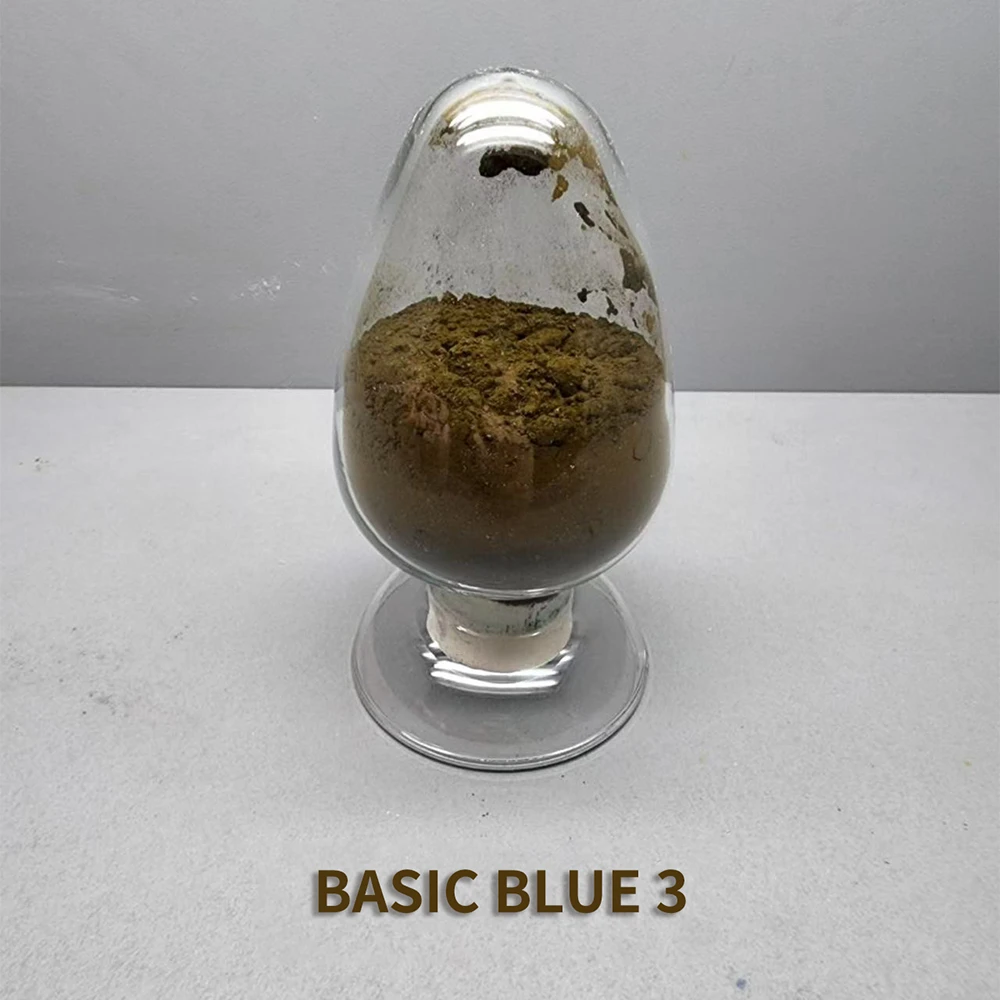
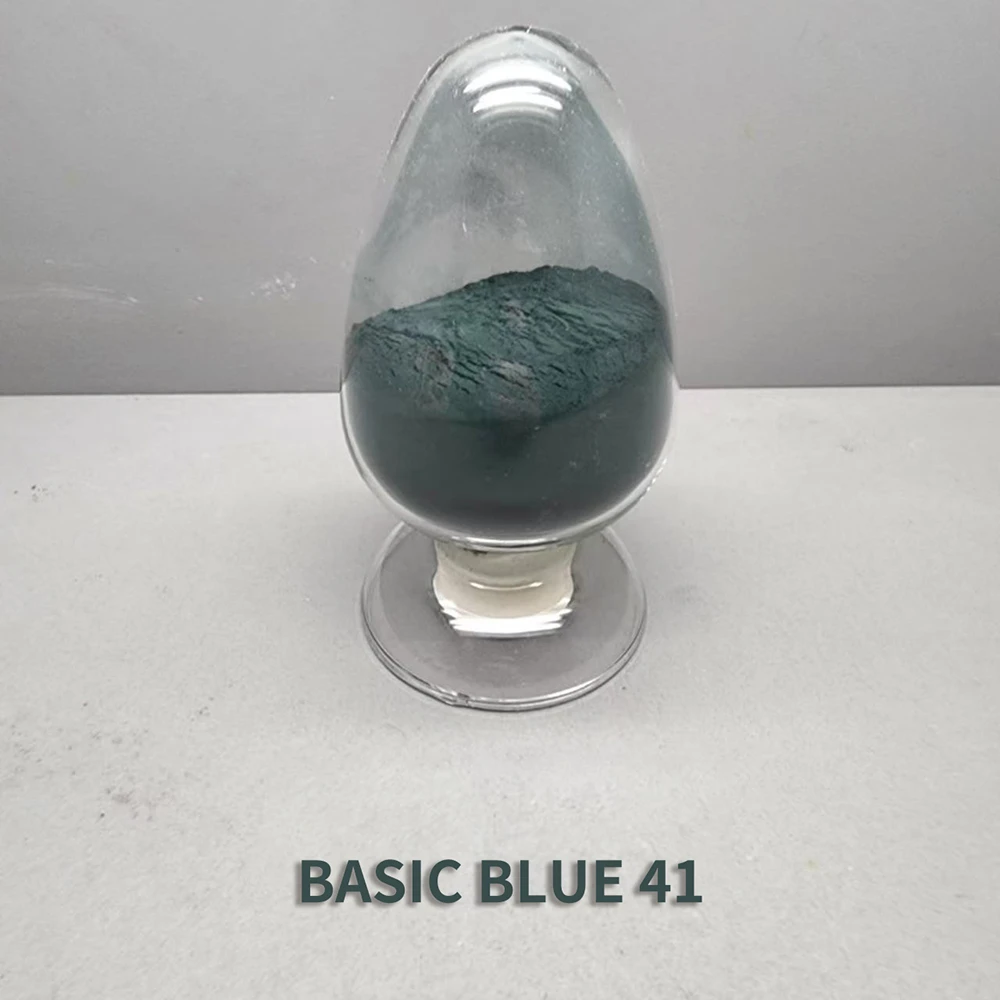
- Appearance: Deep blue crystalline powder or solution.
- Solubility: Highly soluble in water, making it efficient for wet processing.
Mini takeaway:
Basic blue 3 dye is versatile: a biological stain and a synthetic fiber dye. This multifunctionality explains its widespread use.
Key Characteristics and Components of Basic Blue 3 Dye
1. Durability and Colorfastness
One compelling feature engineers love about this dye is its relatively good colorfastness on certain fibers. It resists washing and light fading better than many other basic dyes, although it’s not bulletproof. In acrylic fabrics, this trait is especially prized for apparel or upholstery in both industrial and consumer markets.
2. Scalability of Production
The production process has been optimized for decades, enabling large-scale manufacturing at relatively low cost. Because the chemistry is well-understood, producing bulk quantities for textile and lab use is standard practice worldwide, helping meet growing demand.
3. Cost Efficiency
Compared to some specialty dyes, basic blue 3 is very affordable and accessible — great news for industries mindful of budgets. This cost efficiency extends to logistics, since it’s stable in shipment and storage.
4. Environmental Considerations
Well, here’s the catch: the dye’s persistence can become an environmental headache if wastewater is improperly treated. Industries are increasingly pressured by stricter ISO and local effluent standards to ensure zero hazardous discharge, sparking innovation in dye recycling and treatment.
5. Ease of Application
Thanks to its solubility and predictable interactions with fibers and tissues, applying basic blue 3 dye is relatively straightforward. It works well in both batch dyeing methods and automated systems, offering flexibility on busy factory floors.
| Specification | Value |
|---|---|
| Chemical Name | Methylene Blue (Basic Blue 3) |
| Molecular Formula | C16H18ClN3S · xH2O |
| Appearance | Dark blue powder/solution |
| Solubility | Highly soluble in water |
| Usage Range | Textiles, biological staining, printing |
| Typical Concentration | 0.1% to 2% solution |
Applications and Real-World Uses of Basic Blue 3 Dye
The uses of basic blue 3 dye stretch widely. In Asia’s massive textile mills, it colors acrylic sweaters and curtains with reliable consistency. In Europe and North America, it’s a mainstay stain in histology labs for identifying cell structures.
Oddly enough, the dye finds itself in environmental science, too — used in water tracing studies to track pollution currents or evaluate treatment system efficiency. NGOs working in remote disaster sites utilize it for rapid staining tests on water samples, assisting in emergency response.
A quick story I heard: a textile mill in Turkey switched exclusively to this dye for their acrylic lines after multiple complaints of fading. Their product acceptance in European markets soared within two years, underscoring the dye’s impact on commercial viability.
Mini takeaway:
From high factory floors to field labs, basic blue 3 dye delivers performance and reliability — a quiet enabler across industries and borders.
Benefits and Long-Term Value of Basic Blue 3 Dye
- Cost-Effectiveness: Its broad availability and simple production keep costs down, ideal for large-scale manufacturing.
- Sustainability Potential: When combined with wastewater treatment and recycling technology, it supports greener manufacturing.
- Safety and Reliability: Non-toxic in controlled applications, basic blue 3 helps maintain safety in labs and plants.
- Market Trust: Consistent color and staining behavior create dependable products and research results — fostering brand trust.
Upcoming Trends and Innovations
In textile chemistry circles, there’s a buzz about creating bio-based variants or composites of basic blue 3 dye that retain performance but ease environmental load. Likewise, advances in digital dyeing techniques and automation are improving dye uptake efficiency — less waste, more precision. A few labs worldwide are experimenting with nano-encapsulation to slowly release dye, reducing the need for re-dyeing cycles.
Also, the integration of green energy in dye production facilities complements these trends — per ISO 14000 standards, the pressure to “go green” is real and growing.
Challenges and Effective Solutions
Despite all these advantages, some challenges linger. For example, basic blue 3 dye can struggle with color bleeding if not applied properly. Environmental regulations tighten year after year, and many dye manufacturers scramble to reduce contaminant discharge. And, of course, sourcing raw materials ethically is an ongoing concern in some regions.
Fortunately, innovative filtration technologies, enzymatic degradation methods, and closed-loop manufacturing are being adopted increasingly. Industry insiders note that coupling these improvements with staff training and quality control systems is key to staying compliant and competitive.
FAQ: Frequently Asked Questions About Basic Blue 3 Dye
Q1: What types of fabric are best dyed with basic blue 3 dye?
A: Basic blue 3 dye works best on acrylic, wool, and silk fibers due to their anionic sites which readily bind the cationic dye. It’s less effective on cotton unless treated with mordants.
Q2: Is basic blue 3 dye safe for medical and laboratory use?
A: Yes, when used appropriately as per regulatory guidelines, it’s widely safe as a staining agent in clinical and research settings. However, it should be handled with care to avoid ingestion or skin contact in concentrated forms.
Q3: Can this dye be recycled or reused in industrial processes?
A: Some advanced wastewater treatment plants can recover and recycle dyes including basic blue 3, reducing waste and pollution. However, implementation depends on local infrastructure and investment.
Q4: How do environmental regulations affect the use of basic blue 3 dye?
A: Increasingly strict effluent and emissions standards require industries to adopt cleaner technologies, strict testing, and dye waste reduction strategies to comply and remain operational.
Q5: Where can I source high-quality basic blue 3 dye products?
A: Reliable vendors offer certified, ISO-compliant dye products — check trusted suppliers like Yanhong Chem for quality assurance and support.
| Vendor | ISO Certification | Price Range (USD/kg) | Sustainability Practices | Global Shipping |
|---|---|---|---|---|
| Yanhong Chem | ISO 9001, ISO 14001 | 5.00 - 7.50 | Wastewater recycling, eco-packaging | Yes |
| BlueChem Ltd. | ISO 9001 | 4.80 - 7.00 | Partial recycling programs | Limited |
| Global Dye Co. | ISO 14001 | 5.20 - 8.00 | Green energy powered plants | Yes |
Conclusion
Basic blue 3 dye might not be the flashy topic of your next cocktail party conversation, but for industries and researchers worldwide, it's a workhorse chemical. Its significance in textiles, laboratory science, and environmental applications cements its place in the dye hall of fame. While challenges like environmental impact persist, ongoing innovations and responsible sourcing are carving a path to sustainability.
So, if you’re thinking about upgrading your dye supply chain or need in-depth info on the fascinating chemistry behind bright, long-lasting blues, don’t hesitate to explore partners like Yanhong Chem. After all, mastering something as seemingly humble as basic blue 3 dye can lead to big strides in quality and sustainability.
So here’s the bottom line: in a kaleidoscopic world, getting your blue right counts more than you might think.
References and Further Reading:
-
Comprehensive Guide to CI 42520: Industrial and Humanitarian ApplicationsNewsDec. 03, 2025
-
Classification Of Cationic DyesNewsAug. 05, 2025
-
Pink Fabric Dye - Durable, Eco-Friendly Textile Solutions for Industry | YanhongchemNewsDec. 04, 2025
-
Outdoor Fabric Dye: Durable & UV-Resistant Options for IndustryNewsDec. 09, 2025
-
Beige Fabric Dye Solutions for Sustainable and Durable Textile Coloring | YanhongchemNewsDec. 09, 2025
-
Light Blue Fabric Dye: Industrial Guide & Vendor InsightsNewsDec. 12, 2025