Comprehensive Guide to Basic Blue 41: Meaning, Applications & Future Trends
Understanding Basic Blue 41: Its Role in Modern Industry and Global Impact
When you hear the term basic blue 41, you might think “Is this just another chemical?” But frankly, this dye touches a surprising range of industries worldwide—from textiles to electronics—and understanding it better reveals a story about color, chemistry, and sustainability. As supply chains become more global and manufacturing demands rise, knowing about compounds like basic blue 41 isn’t just academic: it’s essential for everyone invested in sustainability and innovation.
Global Context: Why Basic Blue 41 Matters
Did you know that the global dye market is expected to grow at roughly 4.5% yearly, hitting almost $50 billion within a few years? (Source: MarketWatch). That’s partly because industries—from fashion hubs in Asia to paper manufacturers in Europe—rely heavily on dyes like basic blue 41 for their striking hues and chemical stability. But with rising environmental scrutiny from organizations like the United Nations (UN Environment Programme) and ISO’s chemical safety standards, the chemistry behind these dyes is under the microscope. The challenge? How to balance color intensity with eco-friendly processing, something that basic blue 41’s chemistry tries to address.
What Exactly Is Basic Blue 41?
Simply put, basic blue 41 is a synthetic dye belonging to the group known as cationic or basic dyes. It’s prized for its brilliant blue shades and strong affinity for certain fibers such as acrylics and modified nylons. Oddly enough, while it looks like just a colorant, its molecular structure makes it versatile—often used in inks, plastics, and even biological staining.
In more humanitarian terms, basic blue 41’s vibrant color plays an unsung role in safety gear and medical textiles. Its stability means that garments retain color after multiple washes, important in fields where equipment durability signals reliability and trust.
Core Components & Key Factors
1. Color Intensity and Stability
The first thing engineers praise about basic blue 41 is its deep, consistent blue. The dye’s molecular composition ensures it resists fading from light or washing, a crucial factor in durable goods. You could say it’s a color that lasts as long as the product does.
2. Fiber Compatibility
Not all dyes bond well with every material, but basic blue 41 works particularly well on acrylic fibers. This selectivity means manufacturers can design products with precise color performance specifications, avoiding waste and inefficiency.
3. Manufacturing Scalability
The synthesis of basic blue 41 is streamlined enough for mass production—meaning industries can count on consistent supply. This factor is less obvious but critical when considering global logistics.
4. Environmental Impact
Here’s where it gets tricky. Like many synthetic dyes, improper processing can cause water pollution. But newer treatment methods, including advanced oxidation and bio-remediation, are helping mitigate risks. Industry-standard ISO certifications encourage manufacturers to follow safer protocols.
Basic Blue 41: Applications Across the Globe
In Asia, particularly China and India, basic blue 41 is heavily utilized in acrylic textile production, feeding booming apparel markets. Europe’s electronics industry leverages this dye in specialized inks for circuit boards that require thermal stability. Then, in North America, it’s common in medical diagnostics as a staining agent, helping pathologists analyze samples.
For example, in post-disaster emergency tents, textiles dyed with basic blue 41 maintain vibrant colors even after exposure to harsh environmental conditions, boosting visibility and safety. Similarly, remote industrial zones rely on such colorfastness to ensure that equipment stands out in rugged terrains.
Product Specifications of Basic Blue 41
| Property | Specification |
|---|---|
| Chemical Name | Basic Blue 41 (Methylene Blue) |
| CAS Number | 61-73-4 |
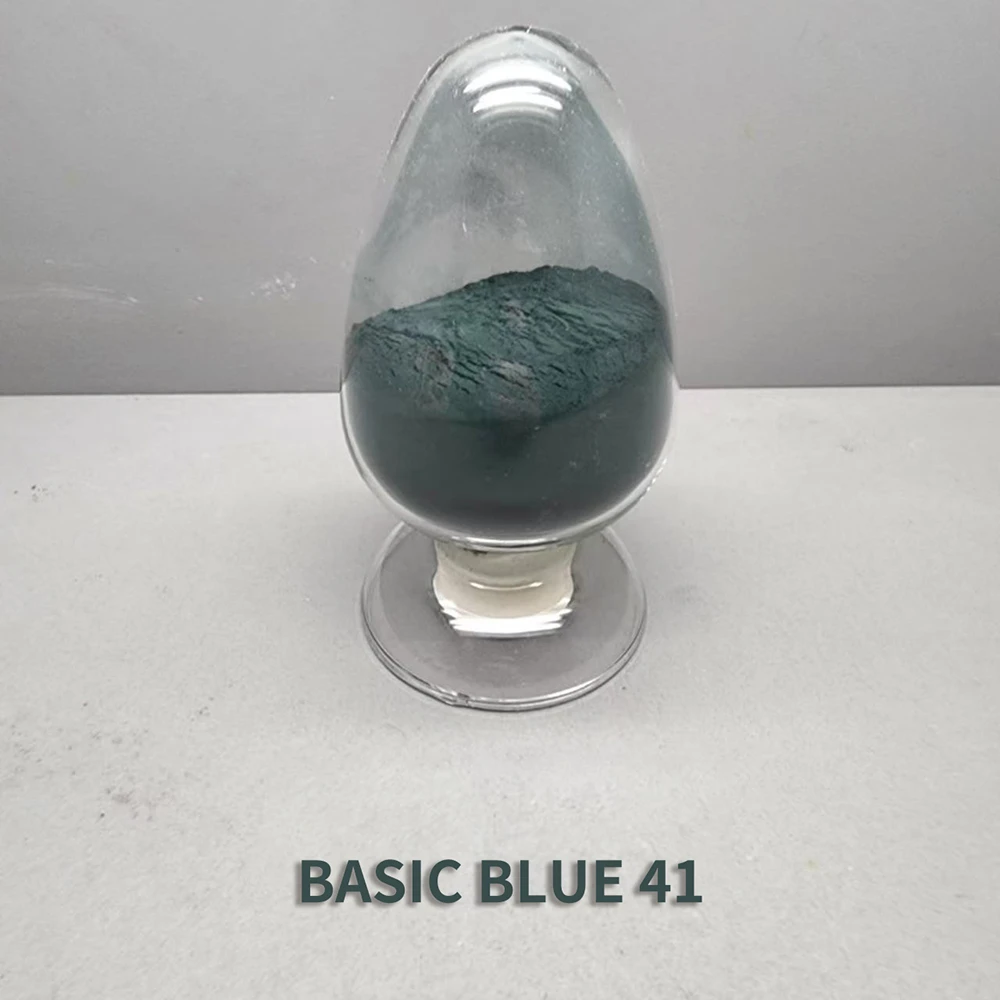
| Appearance | Dark blue powder or crystals |
| Solubility | Water soluble |
| Applications | Textiles, inks, medical diagnostics |
Advantages & Long-Term Value
On paper, the benefits are obvious: bright, lasting color and relatively affordable production. But thinking about it emotionally, the reliability basic blue 41 adds is equally important. Workers wearing safety gear in dimly lit environments, or doctors relying on stained slides for diagnoses, count on that consistency. Moreover, as sustainability becomes more than a buzzword, improved dyeing processes with basic blue 41 reduce chemical waste and energy consumption.
Vendor Comparison: Basic Blue 41 Suppliers
| Vendor | Purity (%) | MOQ (kg) | Certifications | Lead Time |
|---|---|---|---|---|
| Yanhong Chemicals | ≥ 98% | 100 | ISO 9001, REACH | 2 weeks |
| Global Dye Corp. | 95% | 200 | ISO 14001 | 3 weeks |
| EcoDyes Ltd. | ≥ 97% | 50 | REACH, Green Seal | 1 week |
Future Trends & Innovations
Moving ahead, the dye industry—including basic blue 41—faces pressure to innovate sustainably. For instance, researchers explore bioengineered dyes and waterless dyeing technologies to cut environmental footprints dramatically. There’s also an industry shift towards digital printing on textiles, which demands dyes with precise molecular controls—a challenge basic blue 41’s chemistry can meet with ongoing tweaking.
Challenges & Solutions in Using Basic Blue 41
The main challenges are environmental and regulatory. Effluent discharge from dyeing processes needs careful treatment, or it risks polluting waterways. Fortunately, many manufacturers have adopted closed-loop water systems and invest in scalable wastewater treatment plants. In addition, ensuring consistent supply chain transparency helps manage chemical safety, increasingly a demand from global brands.
Frequently Asked Questions About Basic Blue 41
- Q: Is basic blue 41 safe for skin-contact textiles?
A: Yes, generally it is considered safe after proper fixation during manufacturing. It’s widely used in textiles, but manufacturers follow strict testing to avoid allergic reactions. - Q: How can industries reduce pollution from basic blue 41 dyeing?
A: Using advanced wastewater treatment methods such as activated carbon filtration and enzymatic dye degradation can significantly lower chemical discharge. - Q: Can basic blue 41 be used on natural fibers like cotton?
A: It’s less effective on cotton due to its fiber chemistry. Instead, it’s primarily designed for synthetic fibers such as acrylic. - Q: What is the typical shelf life of basic blue 41 dye?
A: Stored properly in a cool, dry place, basic blue 41 can last 2–3 years without significant degradation. - Q: How do I source high-quality basic blue 41 internationally?
A: You can contact certified suppliers like Yanhong Chemicals who offer quality guarantees and compliance documentation.
Conclusion
In sum, basic blue 41 is more than a dye; it’s a dynamic component interwoven with global manufacturing, innovation, and sustainability efforts. Its versatility, durability, and potential for greener production make it a dye worth understanding and investing in. If this piques your interest, feel free to visit our website for detailed specs, samples, or expert guidance.
Oddly enough, colors like basic blue 41 don’t just brighten fabrics—they brighten possibilities.
References
-
Cream Fabric Dye Solutions for Industrial Textile Applications | YanHong ChemNewsDec. 08, 2025
-
Guide to Choosing the Best black color dye for clothesNewsApr. 09, 2026
-
Jacquard Basic Dye: Durable, Vibrant Textile Solutions from Yanhong ChemicalsNewsDec. 03, 2025
-
Fabric Dye On Human Hair | Durable, High-Performance Dye Solutions from Yanhong ChemNewsDec. 03, 2025
-
Premium Blue Fabric Dye Insights for Industrial Textile UseNewsDec. 04, 2025
-
Comprehensive Guide to China Basic Dye Manufacturer: Quality, Innovation & SustainabilityNewsDec. 03, 2025