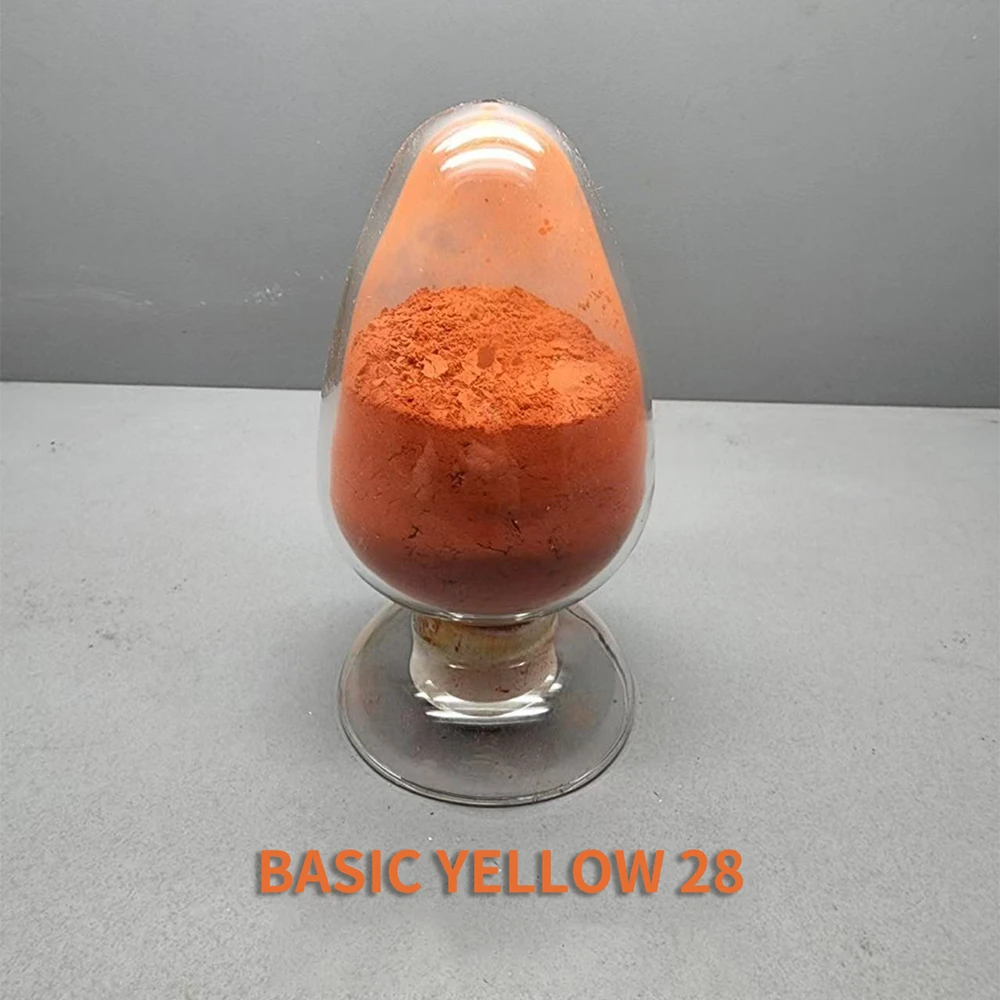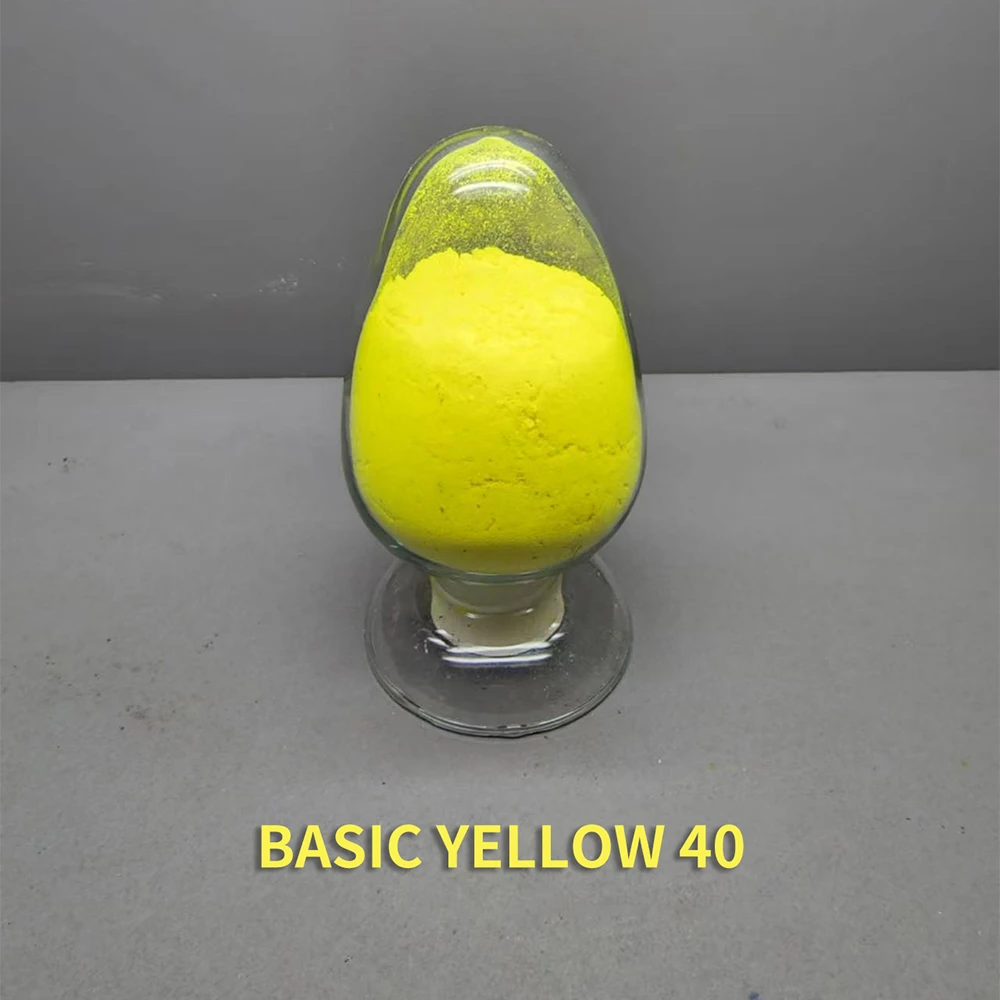
Basic Blue 9: Uses, Benefits, and Global Impact | YanHong Chemicals
Basic Blue 9: A Colorful Catalyst in Industry and Beyond
If you’ve ever wondered how a simple pigment can shift entire industrial landscapes, welcome to the world of basic blue 9. This chemical dye, widely known as a vibrant blue cationic dye, isn't just eye candy. It’s a staple in textiles, paper production, and even in some advanced scientific applications. Globally, understanding basic blue 9 matters because it impacts sectors ranging from apparel manufacturing to environmental safety—both vital in a world chasing sustainability and efficiency. Knowing its features and global uses helps businesses and researchers embrace smarter, more eco-conscious practices.
Global Relevance: Why Basic Blue 9 Matters Today
Across continents, demand for basic blue 9 remains robust. According to the International Dye Manufacturers Association (IDMA), more than 15,000 tons of basic blue 9 are produced annually, mostly fueling textile coloration in Asia and Europe. In developing countries, this dye helps generate significant employment and export revenues. Yet here’s the snag: improper handling and wastewater management linked to dyes like basic blue 9 raise environmental concerns. The UN Environment Programme stresses dye effluents as a key water pollutant worldwide, urging innovations in safer formulations and disposal methods. The challenge is clear—maintain the pigment’s benefits while minimizing harm.
Mini takeaway: Basic blue 9 is not just a colorant but a piece of a larger sustainability puzzle shaping global industry.
What Exactly Is Basic Blue 9?
In simple terms, basic blue 9 is a cationic dye, a molecule with a positive charge that binds strongly to negatively charged fabrics like acrylic fibers. Chemically called Methylene Blue, this dye shows remarkable staining ability, brilliant intensity, and strong affinity for substrates. Besides vibrant textiles, it finds uses in biological staining (think microscopes), as a redox indicator, and even in water treatment processes due to its interaction with pollutants. Its dual roles—as both an industrial workhorse and a scientific tool—demonstrate its versatility.
Basic blue 9 remains a proud example of “multi-tasking” chemicals in today’s industries.
Core Components and Practical Attributes
1. Affinity and Color Fastness
Its strong cationic nature ensures excellent attachment to fibers, delivering long-lasting color that resists washing and sunlight fading. This makes it ideal for fabrics expected to endure rigorous use.
2. Solubility and Ease of Use
Water soluble, basic blue 9 is easy to disperse and dye uniformly without complex processing steps. This feature saves time in textile manufacturing and supports automated dyeing lines.
3. Stability Under Various Conditions
The dye exhibits good chemical stability, tolerating pH and temperature ranges common in industrial settings. It won't degrade easily, which is crucial for product consistency.
4. Environmental Interaction
While efficient, it’s equally important to note its biodegradability is limited. Recent research focuses on variant formulations to improve eco-friendliness without sacrificing performance.
Quick summary: Basic blue 9 blends strong fixation, usability, and industrial resilience, although environmental stewardship remains an ongoing focus.
Practical Uses and Global Applications of Basic Blue 9
Industries worldwide harness basic blue 9 in innovative ways:
- Textile and Apparel: The largest application, where it imbues acrylic fibers with brilliant blue hues. For example, Turkish and Indian manufacturers produce bulk dyed fabrics for export markets.
- Paper and Pulp Industry: Used for tinting papers to enhance brightness and aesthetics.
- Biomedical Research: In staining cells and tissues under microscopes, aiding diagnoses and scientific studies globally.
- Water Treatment: Serves as a model pollutant dye in labs testing removal technologies, reflecting worldwide environmental efforts.
In practice, organizations like the Textile Institute in Manchester report that efficient dyeing with basic blue 9 leads to savings in water, energy, and dye usage, especially in high-volume manufacturing hubs.
Mini summary: From Istanbul to Manila, basic blue 9 supports diverse sectors, highlighting its true global footprint.
Specification Snapshot: Basic Blue 9 at a Glance
| Property | Specification |
|---|---|
| Chemical Name | Methylene Blue |
| Molecular Formula | C16H18ClN3S |
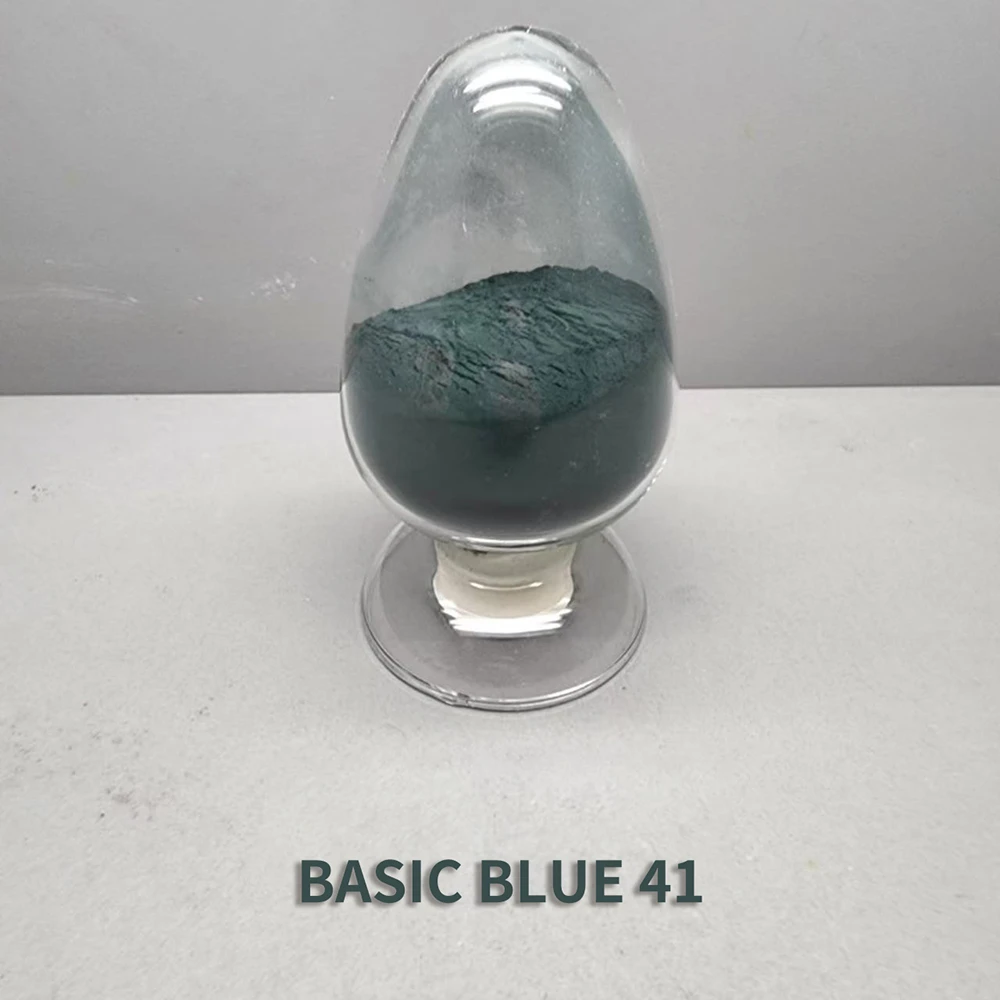
| Appearance | Dark green powder or crystals |
| Solubility | Soluble in water and ethanol |
| pH Stability | Stable between pH 3 to 8 |
| Typical Use Concentration | 0.01% - 0.1% (w/v) in dye baths |
Comparing Leading Basic Blue 9 Suppliers
| Vendor | Purity (%) | Environmental Compliance | Typical Price (per kg) | Lead Time |
|---|---|---|---|---|
| YanHong Chemicals | 99.8 | ISO 14001 Certified | $15 - $18 | 7-10 Days |
| BlueChem Corp. | 99.5 | Partial Compliance | $14 - $17 | 10-15 Days |
| DyePro International | 99.7 | ISO 14001 Certified | $16 - $20 | 5-7 Days |
Long-Term Advantages of Using Basic Blue 9
First, the dye’s durability means longevity in end products — fewer replacements, less waste. That's a solid financial win. Additionally, its versatility supports diverse industries, securing jobs and spurring innovation. Socially, vivid blue textiles help cultural industries worldwide preserve traditional weaving techniques updated with modern colors. Environmentally, when manufacturers adopt better effluent treatments, basic blue 9 dyes serve as a benchmark for safer chemical use. Emotionally speaking, products dyed with care and stable colors foster consumer trust — something you can't price easily.
Looking Forward: Innovations and Trends
Green chemistry leads the charge, as companies seek versions of basic blue 9 with reduced toxicity and faster biodegradation. Digitalization and automation in dye factories mean more precise usage, cutting waste dramatically. Nanotechnology-based dyeing and biosynthetic routes are on the horizon, promising sustainable, high-performance dyes that might reshape markets in unexpected ways. Interestingly, various startups are researching bio-based dyes that mimic traits of basic blue 9 but originate from algae or fungi.
Challenges and How the Industry Is Overcoming Them
Let’s be honest — no dye is perfect. Basic blue 9’s main pain points are environmental persistence and wastewater contamination risk. But advances in activated carbon filtration and microbial dye degradation have shown promise. Some firms now employ closed-loop systems minimizing discharge. Collaboration between manufacturers, regulators, and NGOs is tightening quality controls, reducing hazardous byproducts. So, solutions are underway — but it requires ongoing commitment and investment.
FAQs: Clearing Up Common Questions About Basic Blue 9
- What industries most rely on basic blue 9?
- Textile production tops the list, particularly acrylic fabric dyeing. Additionally, paper coloring and biomedical labs use it extensively.
- Is basic blue 9 safe for the environment?
- While effective, untreated discharge can harm aquatic life. Proper wastewater treatment is critical to mitigate impacts.
- Can I customize basic blue 9 concentration for my application?
- Definitely! Typical concentrations range from 0.01% to 0.1%. Adjusting this affects color intensity and processing costs.
- How quickly can I get shipments from major suppliers?
- Lead times vary—YanHong Chemicals typically ships within 7-10 days, which is fairly quick in this market.
- Are there eco-friendlier alternatives to basic blue 9?
- Research into bio-based dyes is ongoing but basic blue 9 remains among the most cost-effective stable cationic dyes available.
Final Thoughts on Basic Blue 9 and Why It Still Shines
At the crossroads of tradition and innovation, basic blue 9 continues to color our world — literally and metaphorically. Its proven reliability, industrial versatility, and ongoing evolution embody how chemistry and commerce intertwine. For manufacturers, researchers, and environmentalists alike, understanding this dye leads to smarter choices that protect the planet while crafting vibrant products. Curious to explore more? Visit us at https://www.yanhongchem.com to discover how our basic blue 9 solutions can amplify your business responsibly.
References
-
Dark Blue Fabric Dye | Expert Guide & Vendor ComparisonNewsDec. 11, 2025
-
Comprehensive Guide to Black Textile Dye Selection and ApplicationsNewsMar. 12, 2026
-
Neon Fabric Dye: Industrial-Grade Bright Textile Solutions | YanhongNewsDec. 09, 2025
-
Velvet Fabric Dye for Durable & Vibrant Velvet Textiles | Yanhong ChemNewsJan. 01, 2026
-
High-Quality Synthetic Fabric Dye for Industrial Applications | Yanhong ChemNewsDec. 03, 2025
-
High-Performance Tan Fabric Dye Solutions for Industrial Use | Yanhong ChemNewsDec. 13, 2025