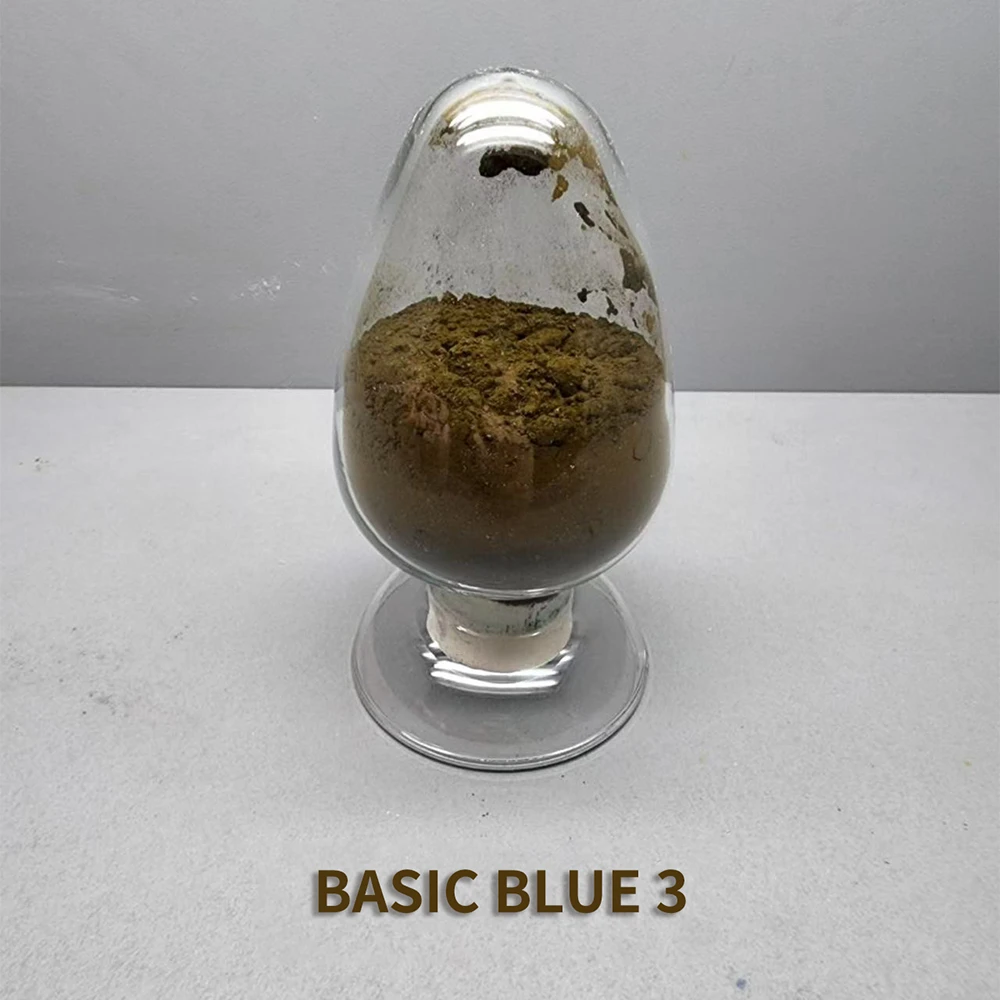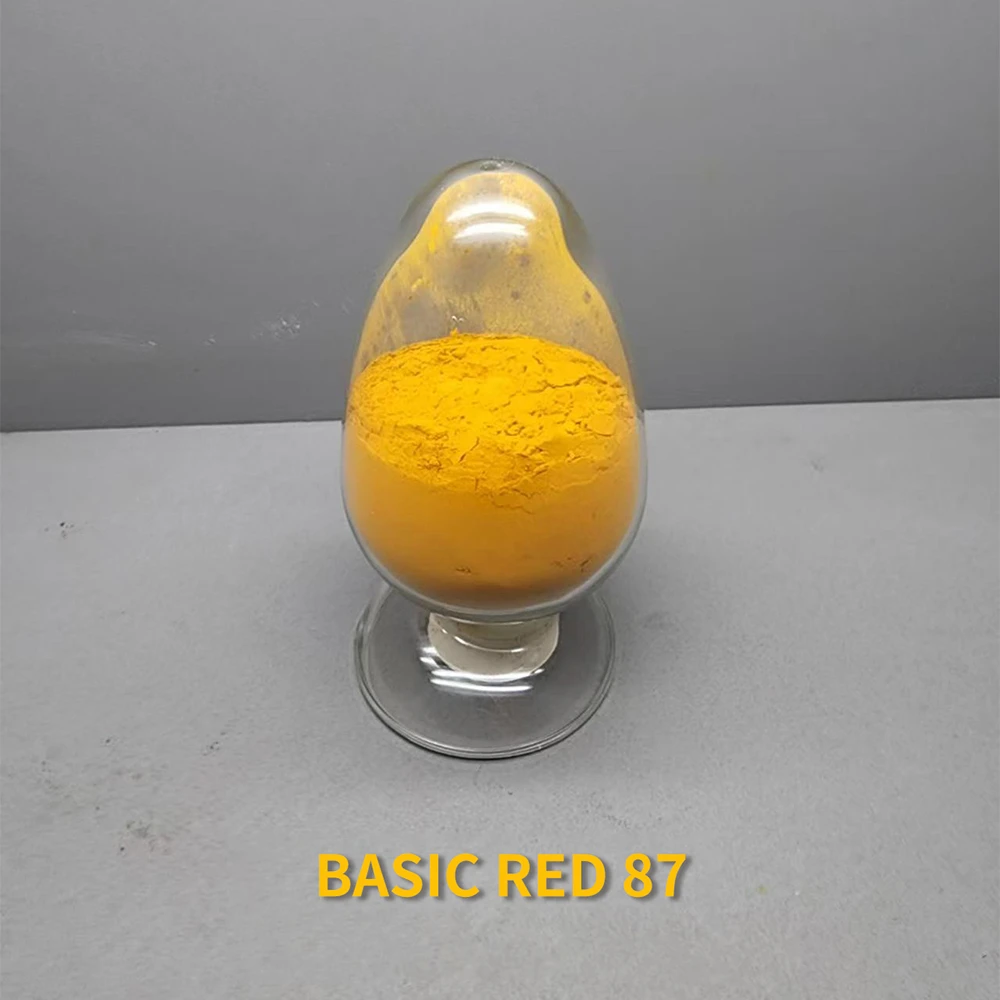
Purple Fabric Dye: Durable, Sustainable, and Vibrant Textile Solutions
Purple Fabric Dye: The Vibrant Backbone of Textile Innovation
Let’s start with the obvious: purple fabric dye isn’t just about making clothes look good (although it certainly does that well). This pigment has a surprisingly rich history and an even richer present in the global textile industry. It matters because, beyond aesthetics, purple dyes influence everything from economic trade patterns to sustainable manufacturing and even cultural symbolism worldwide. Understanding purple fabric dye can unlock insights on durability, cost-efficiency, and environmental impact in fabrics, which touch daily lives—from runway fashion to industrial uniforms to humanitarian aid supplies.
Global Relevance: Purple Fabric Dye in Context
Globally, the textile and apparel industry is one of the largest manufacturing sectors, contributing over 3% to the global GDP according to the World Bank. Within that, dyed fabric accounts for a massive share of production value. Purple fabric dye, historically rare and costly, is now fairly widespread due in part to advances in chemical synthesis and eco-friendly manufacturing technologies, helping meet consumer demand in markets from Europe to Asia. Yet, there’s a catch — the chemistry behind purple pigments often involves heavy metals or synthetic compounds that raise sustainability questions. Organizations like the International Organization for Standardization (ISO) and the United Nations Environment Programme (UNEP) have urged industries to rethink textile dyeing processes to reduce water pollution. So, purple dyes represent both a triumph of human creativity and an ongoing environmental challenge.
Defining Purple Fabric Dye
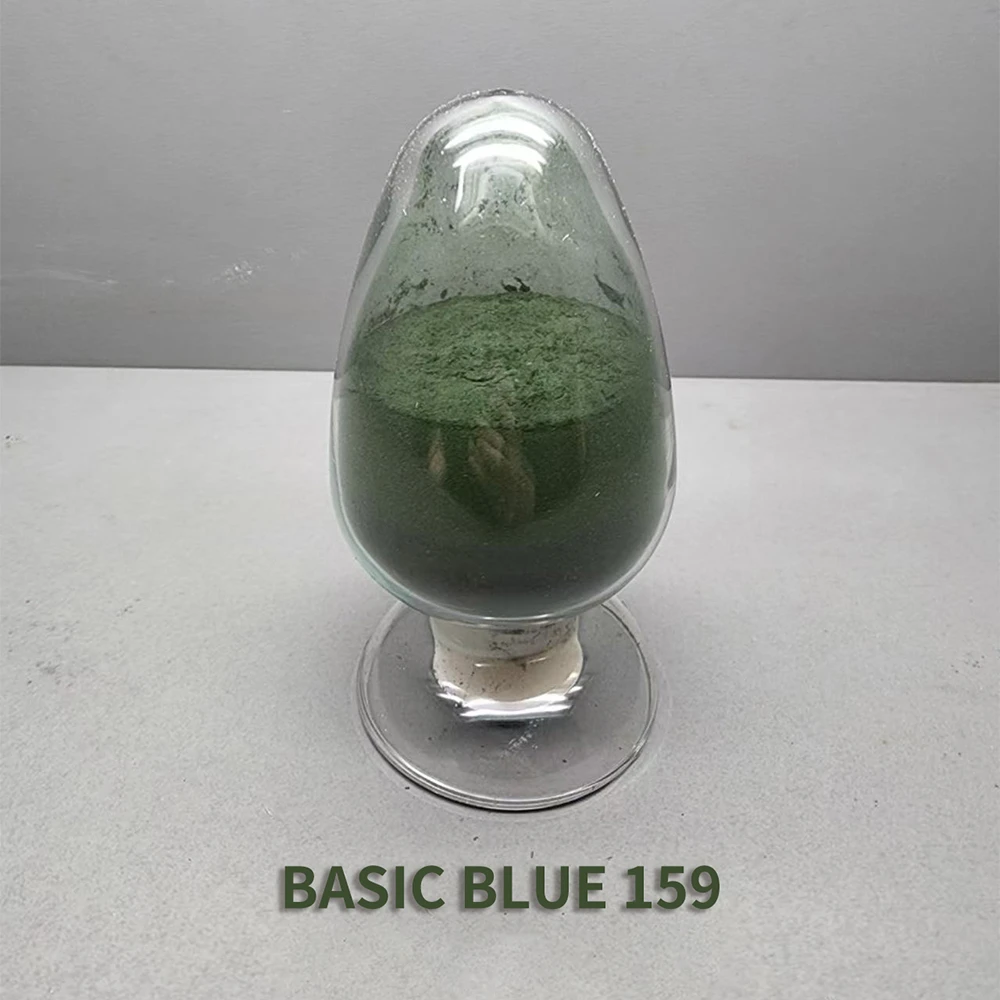
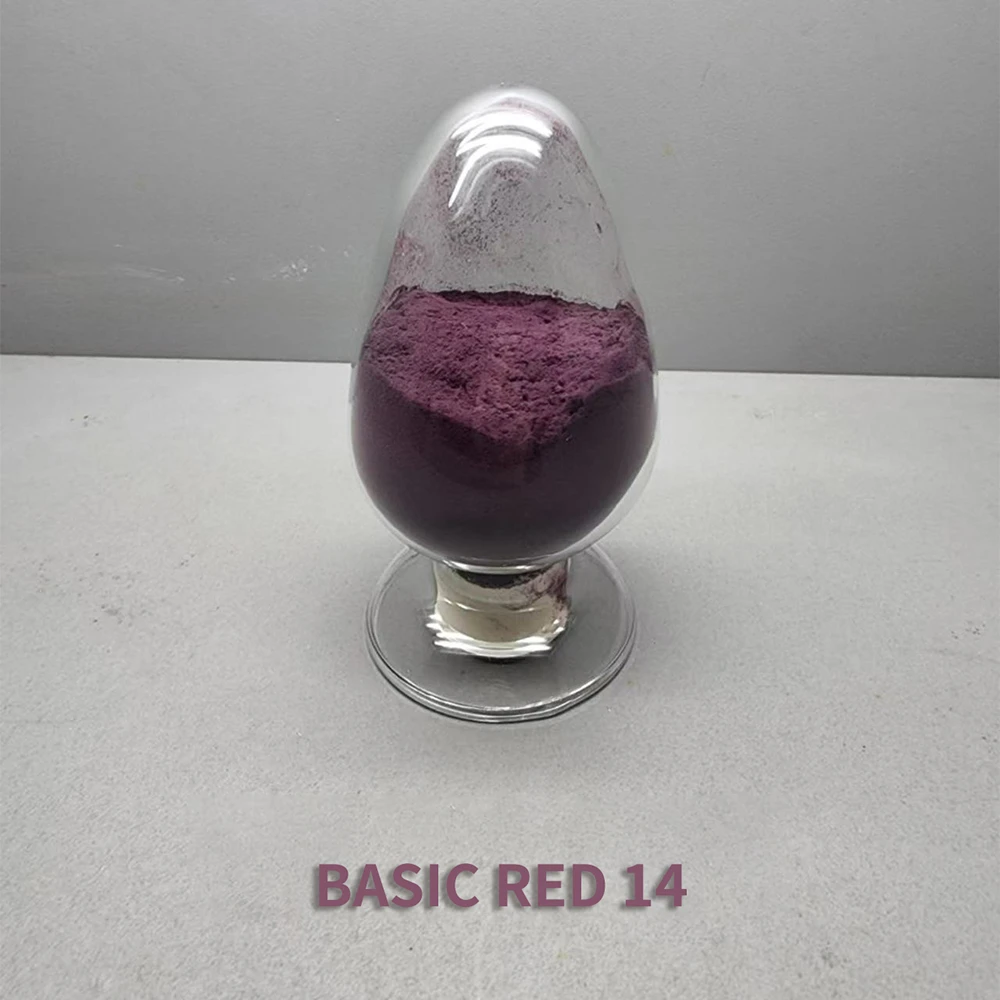
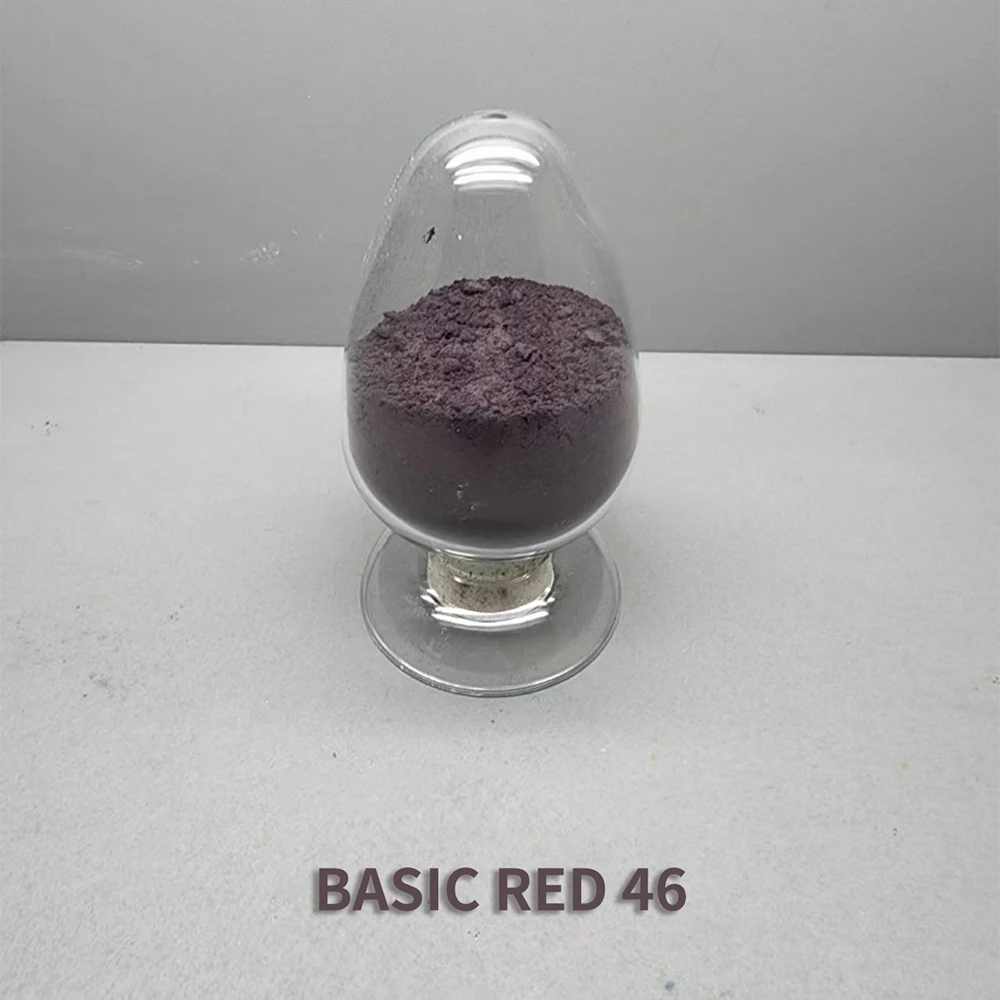
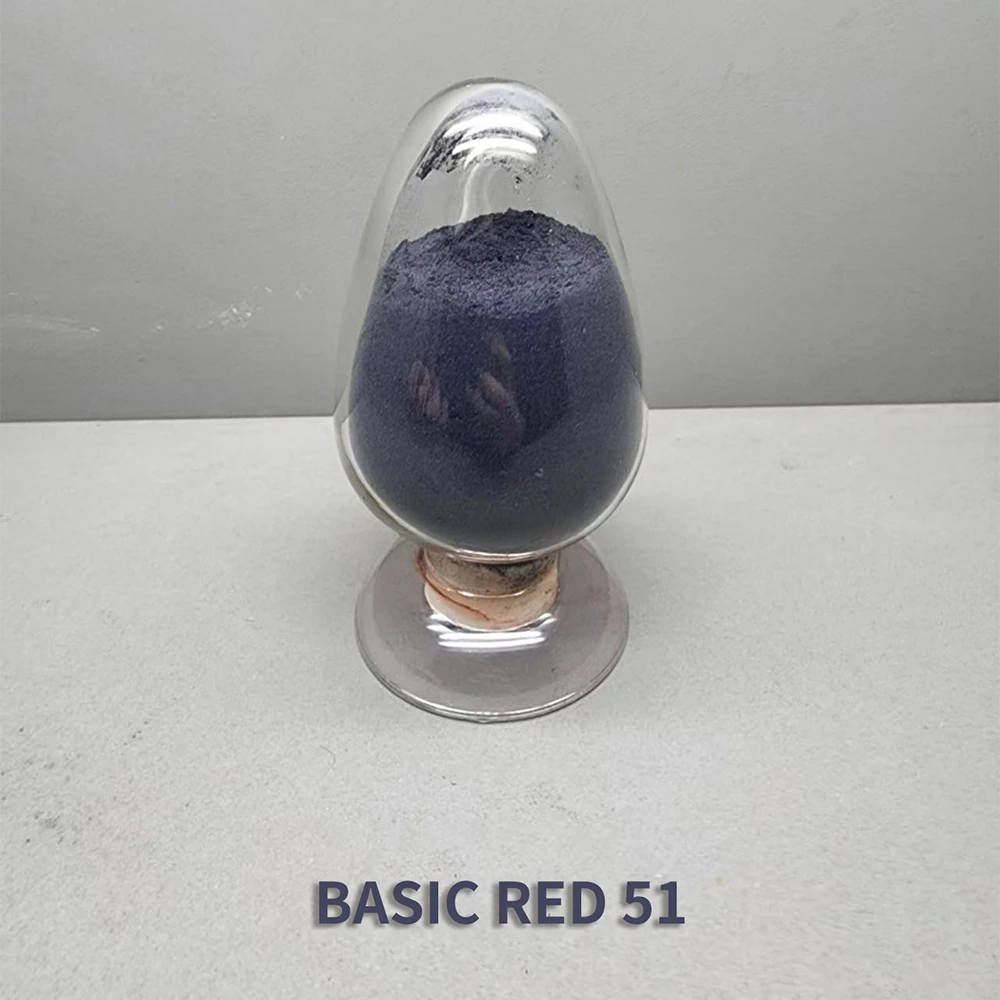
Simply put, purple fabric dye refers to any chemical (natural or synthetic) used to impart purple coloration to textiles. These dyes bind to fibers—like cotton, silk, polyester—and alter their appearance permanently. Purple dyes come in many forms, from traditional tyrian purple derived centuries ago from mollusks to modern azo and anthraquinone dyes made in labs. The connection to industry today is clear: purple dye is a key player in fashion, branding, and functional fabrics used in sectors ranging from healthcare to hospitality.
Core Components of Purple Fabric Dye
- Durability: Good purple fabric dyes resist fading under sunlight and washing, crucial for long-lasting garments.
- Scalability: Manufacturing processes must deliver consistent hues whether dyeing small fabric batches or massive rolls.
- Cost Efficiency: Dye formulas affect price — cheaper synthetic dyes dominate, but often carry sustainability trade-offs.
- Environmental Impact: Water use, chemical waste, and biodegradability of dyes are now paramount concerns.
- Color Fastness: A term describing how well the dye retains its shade during use and laundering.
Each factor snakes into practical realities — for example, uniform suppliers demand scalable, durable purple dyes that don’t bleed or fade, while boutique fashion brands may prioritize vibrancy over price.
Technical Specifications of a Typical Purple Fabric Dye
| Specification | Details |
|---|---|
| Dye Type | Reactive Synthetic Azo Dye |
| Color Fastness Rating | 4-5 (ISO standard) |
| Water Solubility | High at 60°C |
| Toxicity | Low, meets REACH compliance |
| Application Methods | Pad-Batch, Exhaust, Spray Dyeing |
Global Applications and Use Cases
Purple fabric dyes shine (pun intended) across various industries and regions. In fashion hubs like Italy and South Korea, designers rely on specific purple hues to evoke luxury and creativity. In industrial sectors—think automotive or hospitality—uniforms use purple dyes with high durability for brand recognition. Oddly enough, purple also finds niche uses in humanitarian contexts; NGOs sometimes provide purple-dyed temporary fabrics for shelters, partly because the unique color deters theft.
For example, in post-disaster relief operations in Southeast Asia, rapid-deployment shelters equipped with fabrics dyed in vibrant purple tones offer both visibility and a psychological boost for displaced people. Meanwhile, remote industrial zones in Scandinavia depend on stain-resistant purple fabrics for cold-weather gear.
Vendor Comparison of Popular Purple Fabric Dyes
| Supplier | Eco Compliance | Cost per kg | Dye Fastness | Availability |
|---|---|---|---|---|
| Yanhong Chemicals | High (REACH, ISO 14001) | $25 | 5 (Excellent) | Global |
| DyeMasters Inc. | Moderate | $20 | 4 (Good) | Asia, Europe |
| EcoDye Solutions | Very High (Bio-based) | $30 | 3-4 | North America |
Advantages and Long-Term Value of Purple Fabric Dye
Why bother selecting a good purple fabric dye? Well, it’s about more than color. Durable dyes reduce the frequency of replacement, lowering overall costs and environmental footprints. Cost efficiency helps protect tight manufacturing margins. On the social side, purple often represents dignity and creativity in many cultures, adding intangible brand value. Plus, eco-compliant dyes build consumer trust in an age of sustainability awareness.
Future Trends & Innovations
The future is both digital and green. Advances in biotechnology promise bio-derived purple pigments that minimize toxic runoff. Digital printing techniques enabled by purple inks and dyes offer smaller, customized batches that reduce waste. Automation helps maintain perfect color consistency, and companies increasingly focus on closed-loop water treatment when dyeing fabric. Honestly, it feels like the purple fabric dye industry is on the cusp of a sustainability renaissance.
Challenges & Emerging Solutions
No story is perfect, right? The biggest challenges for purple fabric dye relate to toxic chemical residues and high water consumption in dyeing processes. Also, reproducing exact purple hues across different materials can be tricky. But innovations like low-impact dyeing, enzymatic treatments, and AI-driven color matching software are answering these problems in real time. Collaboration across supply chains ensures these solutions reach production floors quickly.
FAQ: Frequently Asked Questions About Purple Fabric Dye
- Q: Is purple fabric dye safe for sensitive skin?
A: Most modern purple dyes, especially those that meet REACH or ISO safety standards, are designed to minimize allergic reactions. However, it’s wise to check if the fabric has been tested for dermatological safety—especially for babies or people with sensitive skin. - Q: How can I ensure color fastness of purple dyed fabric?
A: Color fastness depends largely on the dye type and treatment method. Using reactive or vat dyes with proper fixation processes improves wash and light fastness significantly. - Q: Can natural purple dyes be scaled for commercial use?
A: Natural dyes like those from madder or logwood are eco-friendly but often face scalability issues due to inconsistent color yield and cost. Most large-scale fabric dyeing relies on synthetic counterparts for uniformity and cost efficiency. - Q: How does purple fabric dye affect the environment?
A: Traditional synthetic dyes often generate toxic effluents and consume vast amounts of water, posing pollution risks. New eco-certified dyes and closed-loop systems are reducing these impacts substantially. - Q: Where can I source high-quality, eco-friendly purple fabric dyes?
A: Companies like Yanhong Chemicals specialize in REACH-compliant purple dyes with strong environmental credentials and global availability.
Conclusion: Why Purple Fabric Dye Matters
Purple fabric dye does more than add color—it influences how we make, wear, and think about textiles in today’s world. The blend of tradition and innovation in this field drives sustainability, economic opportunity, and aesthetic delight. Interested in learning more or sourcing premium purple fabric dyes? Visit our website: https://www.yanhongchem.com to explore your options.
In a way, each yard of fabric dyed purple tells a story — about chemistry, culture, and our collective future with textiles.
References
-
Thermochromic Fabric Dye for Industrial Textiles | Yanhong ChemicalNewsDec. 31, 2025
-
Gold Fabric Dye: Durable, Sustainable, and Luxurious Textile SolutionsNewsDec. 07, 2025
-
Comprehensive Guide to Achieving Brilliant White Colour Dye for ClothesNewsMar. 26, 2026
-
Exploring the Creative World of Fabric Dye on Wood for Stunning FinishesNewsFeb. 26, 2026
-
Bulk Fabric Dye: Quality and Choices for Industrial Textile ProcessingNewsDec. 03, 2025
-
Dye Sublimation Fabric: Durable & High-Performance Fabrics for Industry | YanhongchemNewsJan. 02, 2026