Synthetic Fiber Dye: Durable, Sustainable Coloring Solutions for Textiles
Understanding Synthetic Fiber Dye: The Color Behind Modern Textiles
Seriously, synthetic fiber dye might sound like a dry, technical term — but it’s really the unsung hero of everything colorful and durable in our modern wardrobes, industrial textiles, and even specialized gear. Why should you care? Well, global textile production alone consumes millions of tons of pigments and dyes annually, much of it synthetic. And across continents, industries rely on synthetic fiber dyes for vibrant, lasting color that doesn’t fade, wear out, or bleed. Knowing what goes into this process and how it shapes innovation unlocks a new appreciation for that favorite jacket or high-performance fabric you wear daily.
The Big Picture: Why Synthetic Fiber Dye Matters Globally
Globally speaking, the textile and apparel industry is a powerhouse — it’s worth an estimated $1.7 trillion, according to World Bank data. And synthetic fibers like polyester and nylon have overtaken natural fibers, mainly due to cost and performance. But natural fibers need dye, they say, and so do synthetic fibers — only the chemistry is different. This is where synthetic fiber dyes step in, lending bright colors that last through washing, UV exposure, and wear.
Oddly enough, the world’s fast fashion boom and rising demand in emerging markets emphasize the need for cost-efficient, sustainable dyeing solutions. The UN’s Sustainable Development Goals tie into this: reducing harmful chemical runoff from textile dyeing is crucial for environmental health. A challenge, sure, but also a massive opportunity for innovation.
So, What Exactly Is Synthetic Fiber Dye?
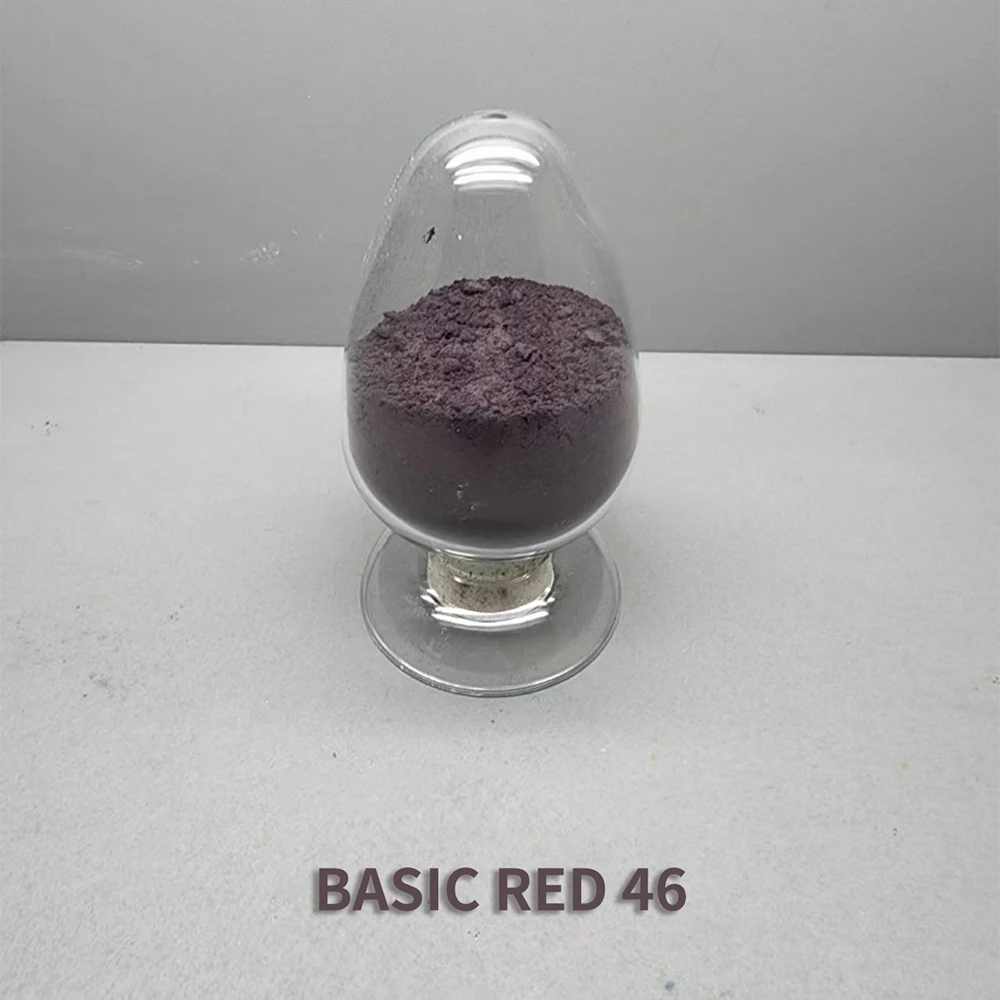
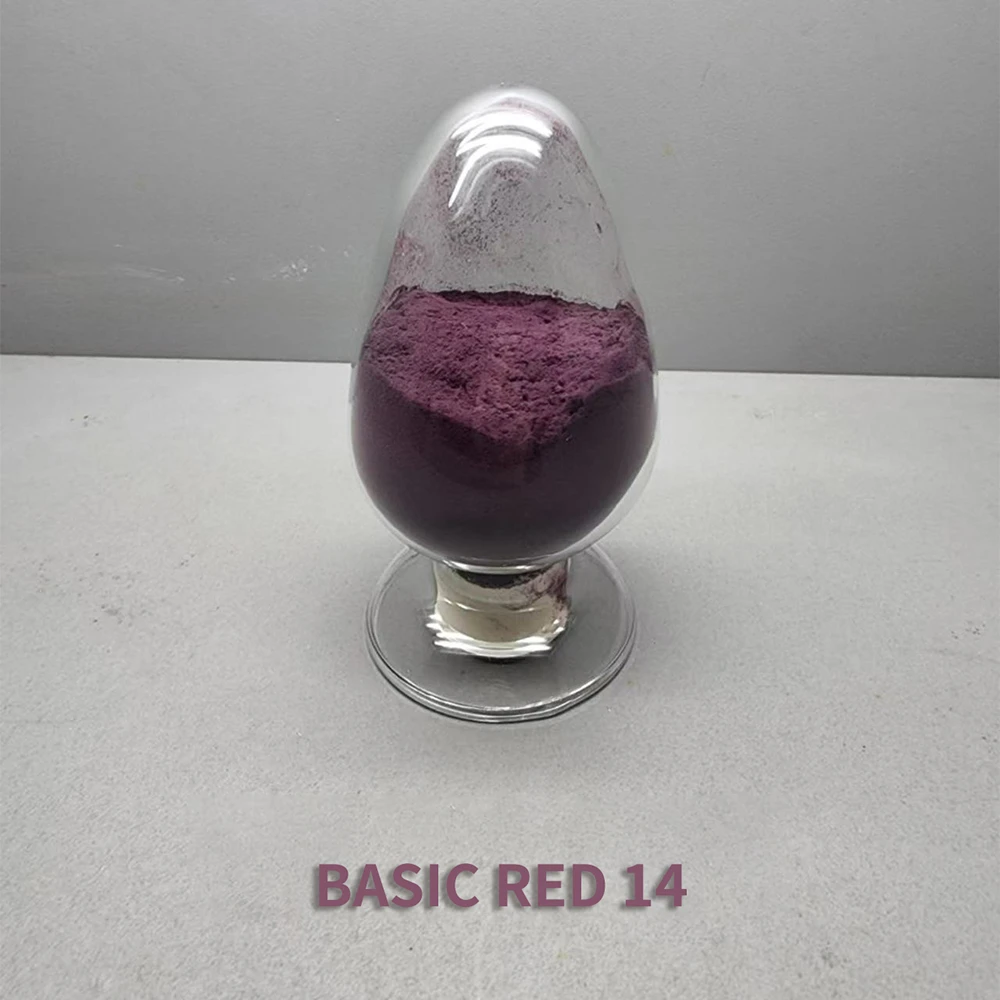
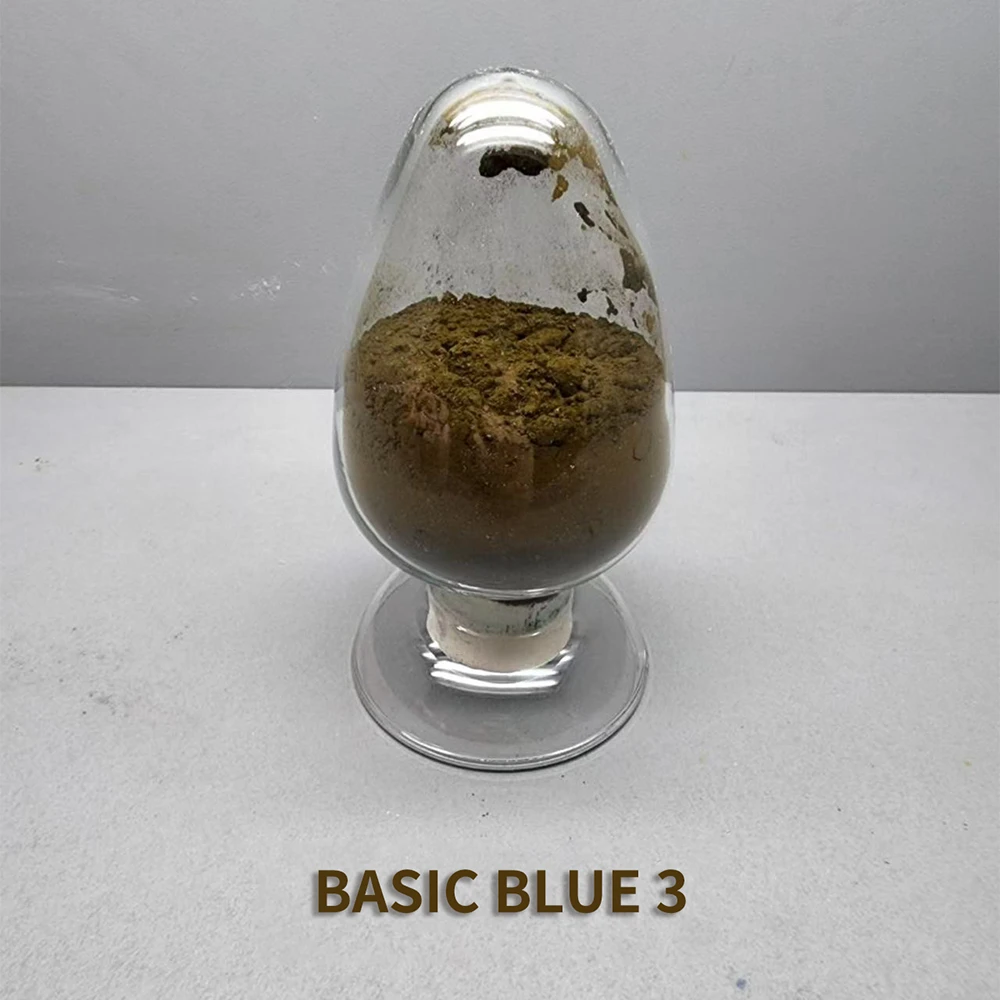
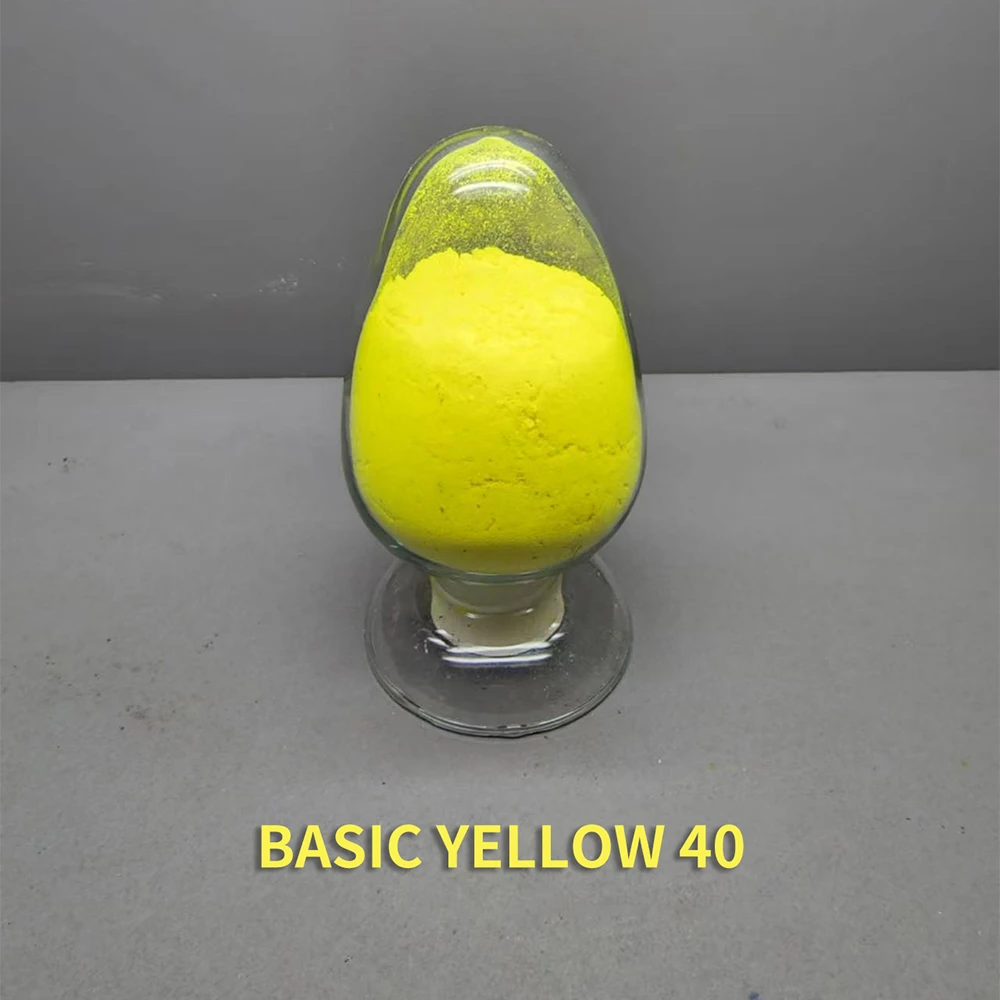
Simply put, synthetic fiber dye is a specially formulated coloring agent designed to bond with artificial fibers like polyester, acrylic, and nylon. Unlike natural dyes that typically soak into fibers like cotton or wool, synthetic fiber dyes often use disperse dyes — meaning the dye molecules disperse in water and then penetrate synthetic fiber polymers under heat or pressure.
Modern industry depends on these dyes not just for storytelling through fashion but to meet demanding performance specs for sportswear, automotive fabrics, and even military gear. Humanitarian efforts, like producing durable textiles for relief tents, also lean on the vivid, lasting colors only synthetic fiber dyes can guarantee.
Key Features to Know About Synthetic Fiber Dyes
1. Durability and Colorfastness
Fastness is king — many engineers say durability under washing, light, and rubbing is what sets synthetic fiber dyes apart from older methods. Since synthetic fibers are chemically different from natural fibers, dyes must be engineered to lock color firmly to fibers without degrading them.
2. Cost Efficiency
In large-scale textile manufacturing, even small savings on dyeing chemicals can mean millions saved globally. Synthetic fiber dyes offer consistent quality at a fraction of the cost when compared to natural dyes and water-inefficient processes.
3. Environmental Considerations
It’s not all sunshine and rainbows though. Dyeing synthetic fibers has traditionally used high energy and caused wastewater pollution. New generations of dyes focus on low-water-use and non-toxic formulas — which means better sustainability profiles aligned with ISO environmental standards.
4. Adaptability to Different Fibers
While polyester dominates, nylon, acrylic, and blends require tailored dye chemistries. The best synthetic fiber dyes are flexibly engineered for these variations — making manufacturers’ lives easier and their products more reliable.
5. Scalability for Industrial Use
Whether you dye thousands of meters of fabric daily or customize small batches, synthetic fiber dyes scale well. The chemistry is stable enough to deploy huge industrial dyeing machines or lab-scale development without losing quality.
Product Specifications at a Glance
| Specification | Typical Value | Notes |
|---|---|---|
| Dye Type | Disperse dye | Best for polyester and nylon fibers |
| Color Fastness (Wash) | 4 to 5 (ISO scale) | High resistance to color loss |
| Heat Fixation Temp | 130-160 °C | Typical for polyester dyeing |
| pH Range | 5 to 7 | Neutral to slightly acidic preferred |
| Environmental Compliance | OEKO-TEX®, REACH | Ensuring non-toxic output |
Mini takeaway: Synthetic fiber dye isn’t just color. It’s chemistry, engineering, and sustainability all wrapped up — ensuring your textiles look great and last long.
Where Synthetic Fiber Dye Really Makes a Difference
It feels like everywhere you look — but let’s zoom in on some practical uses:
- Fashion & Apparel: Synthetic fibers like polyester now account for more than half of global fiber production. Fast fashion brands rely on synthetic fiber dyes for quick turnaround with consistent quality.
- Sportswear: Durable, colorfast synthetic fibers hold bright team colors and functional designs through sweat and sun exposure.
- Industrial Textiles: Automotive interiors, outdoor tents, and filters demand long-lasting dye performance that doesn’t degrade under stress.
- Humanitarian Aid: Relief shelters and uniforms use dyed synthetic fabrics that can survive rough handling and harsh environments.
- Emerging Markets: Growing textile industries in Asia, Africa, and Latin America increasingly adopt synthetic fiber dyes to meet demand and stay competitive.
Advantages and Long-Term Value of Synthetic Fiber Dyes
Why do manufacturers keep choosing synthetic fiber dyes? The answer’s a mix of logic and — strangely enough — emotion. You want clothing that doesn’t fade after a few washes, you want uniforms and upholstery that maintain dignity and trustworthiness by looking professional year-round, and you want cost savings without sacrificing quality.
- Cost Savings: Large-scale production economies and fewer dye failures keep budgets low.
- Sustainability: New eco-certified dyes reduce waste and chemical impact.
- Reliability: Predictable colorfastness means fewer returns or dissatisfaction.
- Social Impact: Uniform colors in healthcare and aid build a sense of professionalism and unity.
- Innovation: Custom blends, digital printing integrations, and fiber-specific formulas push the industry forward.
Vendor Comparison: Leading Synthetic Fiber Dye Suppliers
| Supplier | Dye Range | Sustainability Certification | Price Level | Global Reach |
|---|---|---|---|---|
| Yanhong Chemical | Wide, including eco-friendly disperse dyes | OEKO-TEX®, REACH | Medium | Strong in Asia, expanding worldwide |
| BASF | Comprehensive, including specialty dyes | ISO 14001 | High | Global leader |
| Huntsman | Focused on performance dyes | REACH, bluesign® | Medium-High | Strong in Americas and Asia |
What’s Coming Next for Synthetic Fiber Dye?
The future glimmers with promise. We’re talking about greener chemistry — dyes that require less energy, generate minimal waste, and use biodegradable components. Plus, digital textile printing is revolutionizing how dyes are applied, enabling on-demand coloration with less storage waste. Automation and AI-driven process controls optimize dye baths for optimal hue and minimum environmental impact.
Additionally, innovation is taking the form of smart textiles, where the dyes themselves might interact with sensors or respond to environment changes. Excitingly, the next generation of synthetic fiber dye might not just color clothes but inform or protect the wearer.
Common Challenges and Smart Solutions
Not everything’s rosy — synthetic fiber dyeing faces hurdles. For one, achieving uniform color on fabric blends can be tricky because different fibers absorb dyes differently. Also, environmental compliance is a growing concern, with strict laws pushing dye producers to reduce water and chemical use.
Experts suggest adopting low-temperature dye fixation methods and closed-loop water systems, cutting pollution drastically. Advances in dye chemistry also reduce reliance on toxic auxiliaries, making modern synthetic fiber dye ever more eco-friendly.
FAQ: Your Questions on Synthetic Fiber Dye Answered
Q1: What types of synthetic fibers work best with synthetic fiber dyes?
A1: Polyester and nylon are the leading synthetic fibers dyed with synthetic fiber dyes. Particularly, disperse dyes are designed for these hydrophobic fibers, ensuring vibrant, lasting color even after repeated washing.
Q2: How do synthetic fiber dyes affect the environment?
A2: Traditional dyeing processes have high water and chemical usage, but newer synthetic fiber dyes comply with environmental standards like OEKO-TEX® and REACH, minimizing harmful runoff and energy consumption.
Q3: Can synthetic fiber dyes be used for printing as well as standard dyeing?
A3: Absolutely, they are compatible with both bulk dyeing and digital textile printing, allowing for flexible applications from large volumes to customized patterns.
Q4: Why are synthetic fiber dyes preferred over natural dyes for synthetic fabrics?
A4: Natural dyes usually don’t bond well with synthetic fibers due to different chemical structures. Synthetic fiber dyes are chemically engineered to penetrate and fix tightly, ensuring durability and vividness.
Q5: How can manufacturers ensure color consistency when using synthetic fiber dyes?
A5: Process control is key — closely monitoring temperature, pH, and timing during dyeing helps maintain consistent color quality, supported by advanced testing and quality control standards.
Wrapping It Up: Why Synthetic Fiber Dye Still Shines Bright
In the grand scheme, the synthetic fiber dye market isn’t just about colorful threads — it’s a complex weave of chemistry, ecology, economics, and artistry. Its importance touches fast fashion, high-performance textiles, and humanitarian efforts worldwide.
If you’re in the textile or apparel industry, diving deeper into synthetic fiber dye options can unlock quality, cost-efficiency, and much-needed sustainability. For those interested, checking out trusted suppliers like synthetic fiber dye manufacturers is a smart step toward smarter coloring solutions.
And honestly, next time you pull on that bright jacket or marvel at an intense pattern, you can thank synthetic fiber dye for more than just good looks — it’s a little miracle of modern chemistry.
Mini takeaway: Synthetic fiber dye is an ever-evolving field where technical innovation meets practical global challenges. It’s vibrant, responsible, and here to stay.
References
-
Premium Blue Fabric Dye Insights for Industrial Textile UseNewsDec. 04, 2025
-
Basic Green Color – Sustainable Pigments for Industry & InnovationNewsDec. 13, 2025
-
Purple Fabric Dye: Durable, Sustainable, and Vibrant Textile SolutionsNewsDec. 05, 2025
-
Understanding Cationic Dyes in Textile Industry: Applications, Benefits & Future TrendsNewsDec. 03, 2025
-
Fabric Dye for Bleach Stains – Restore and Recolor Textiles EasilyNewsJan. 06, 2026
-
Basic Black in Industrial Equipment: Timeless and ToughNewsDec. 13, 2025