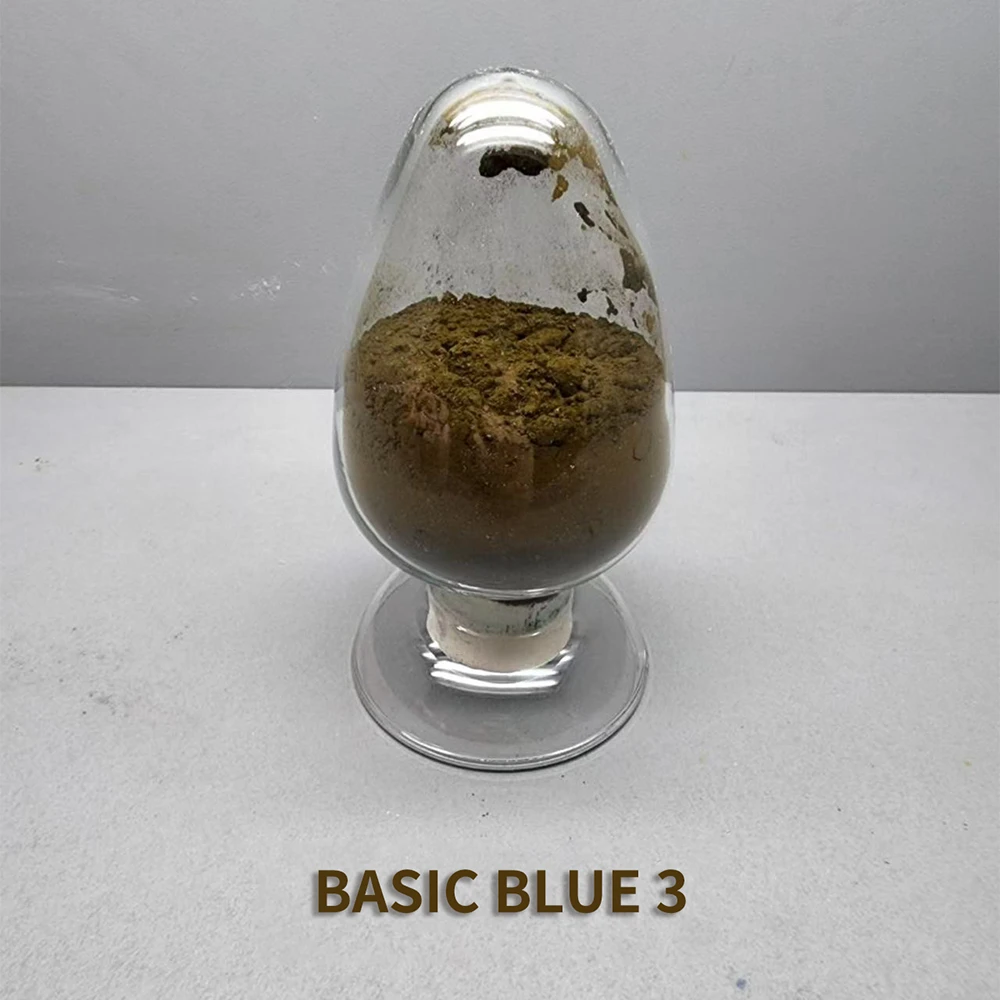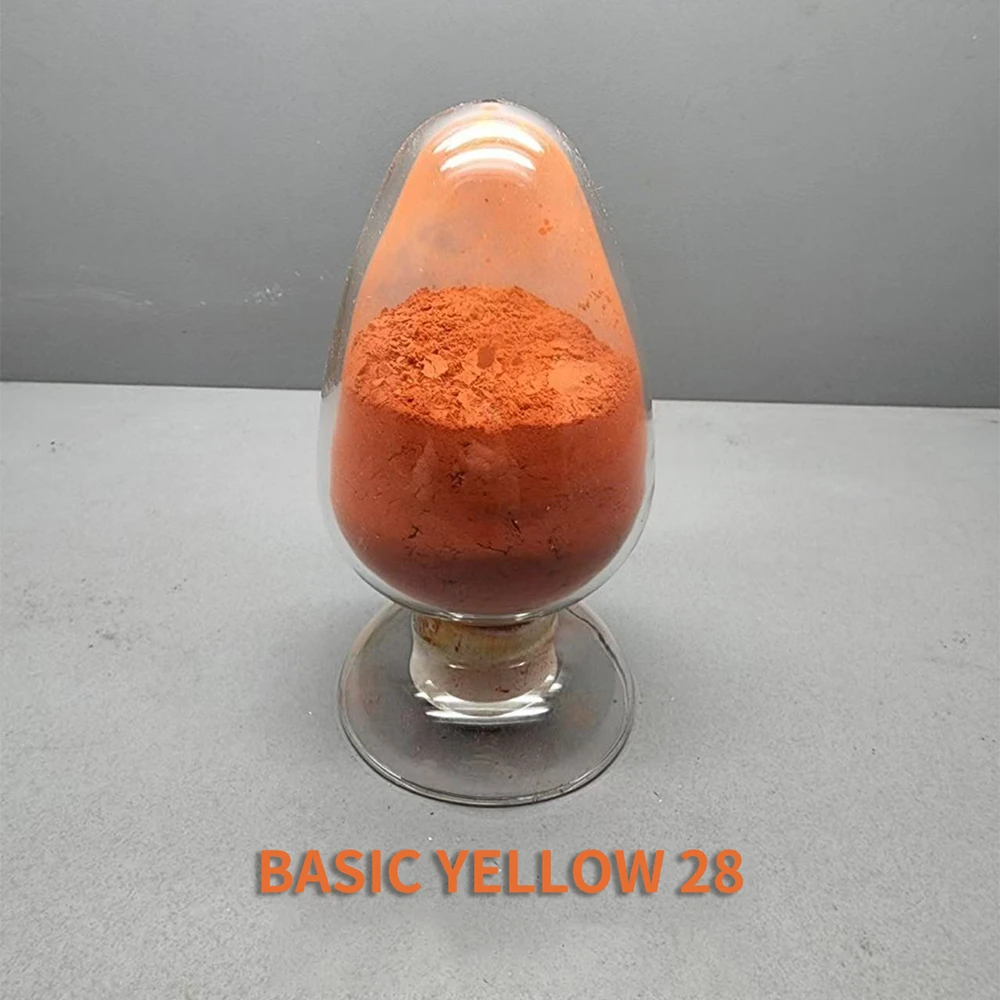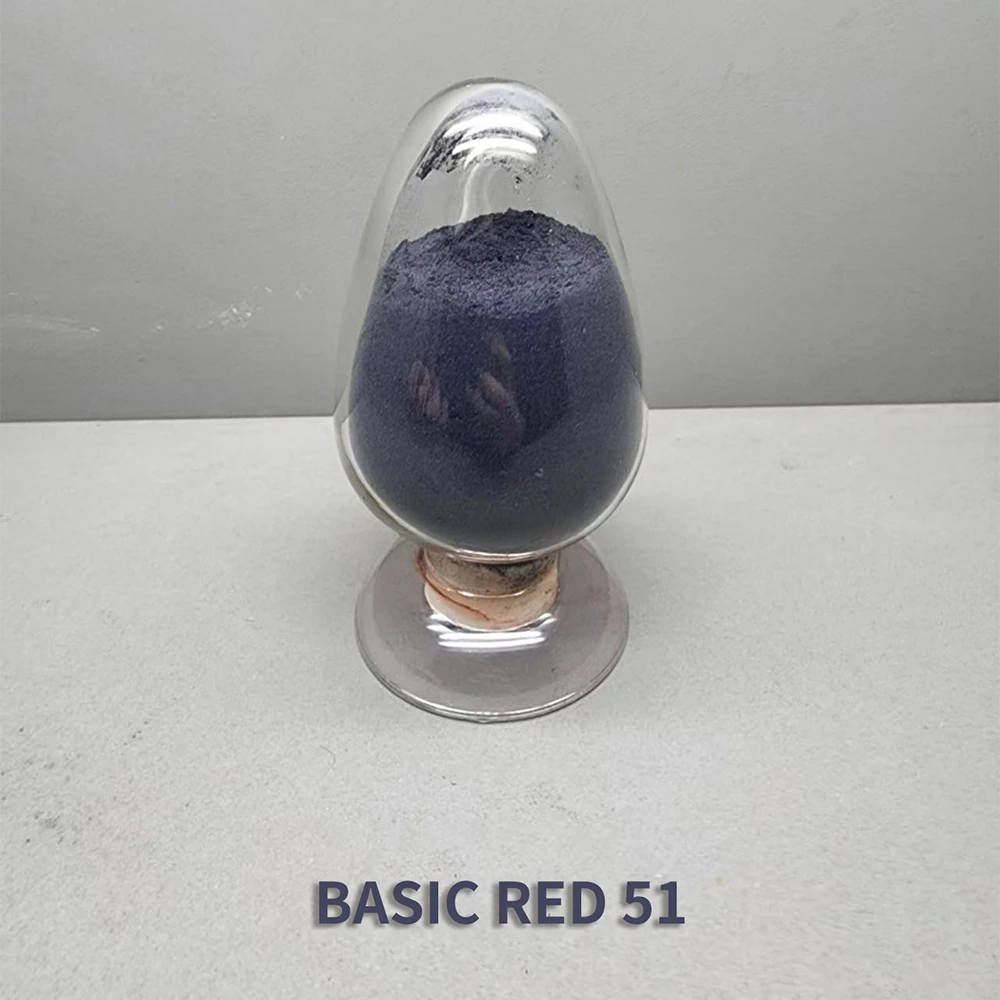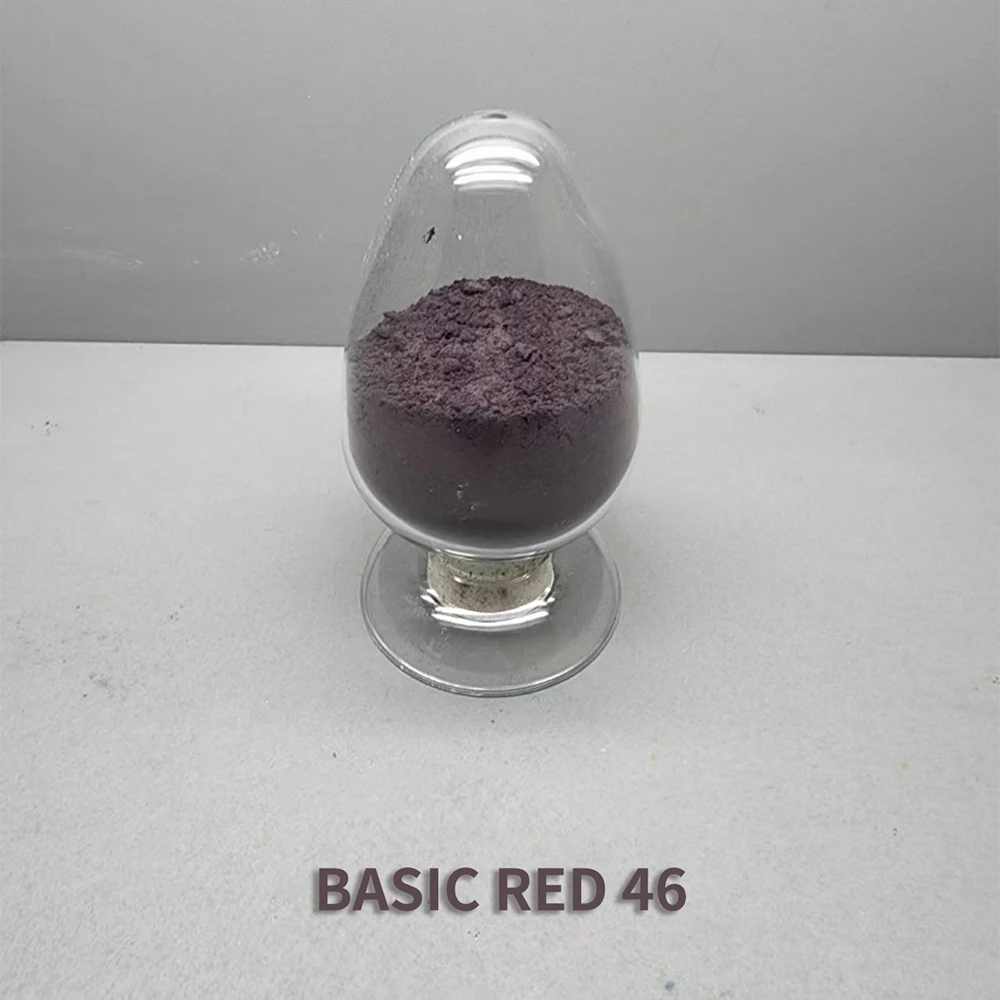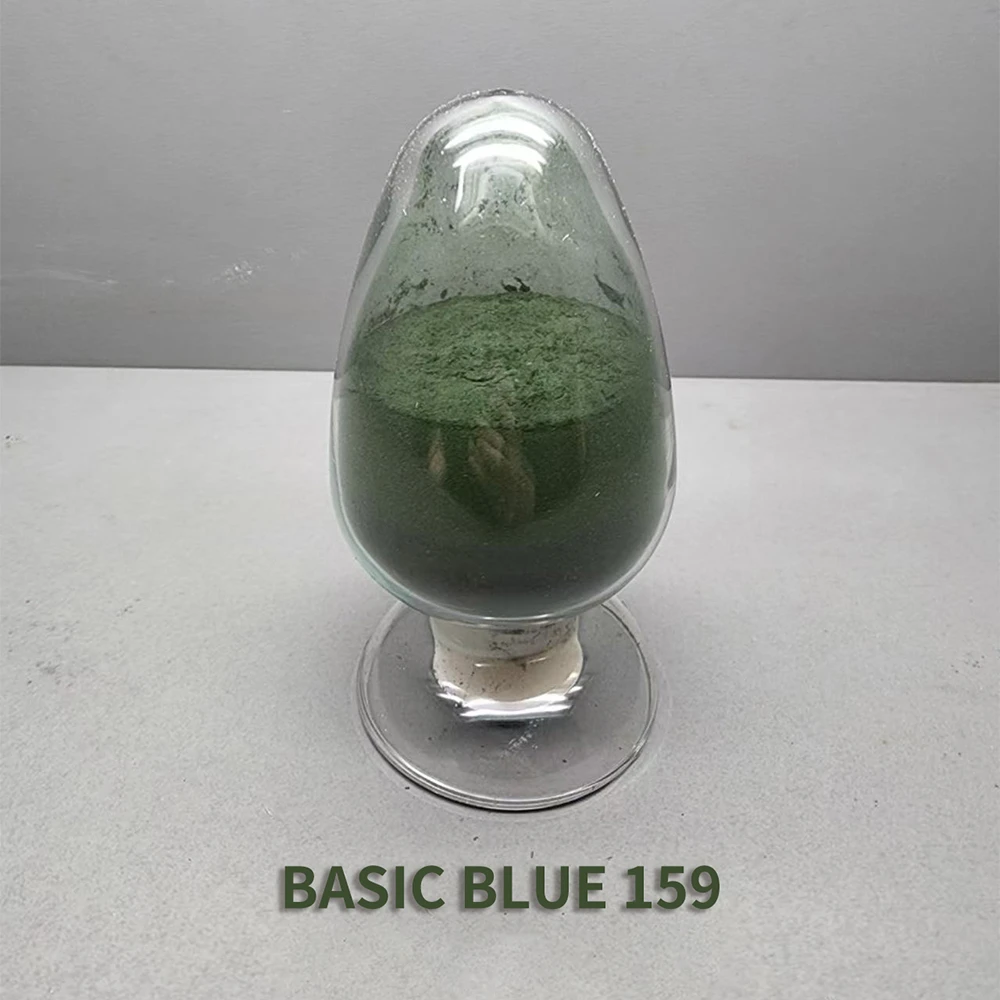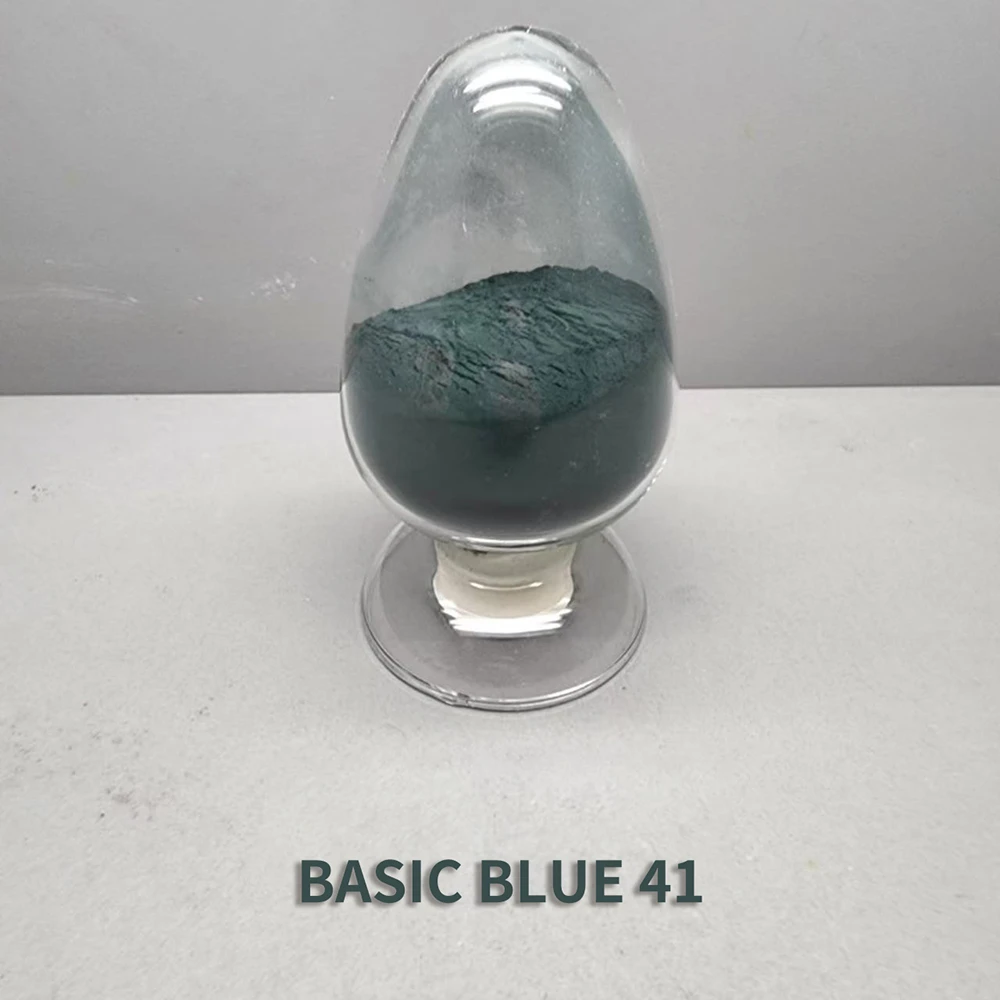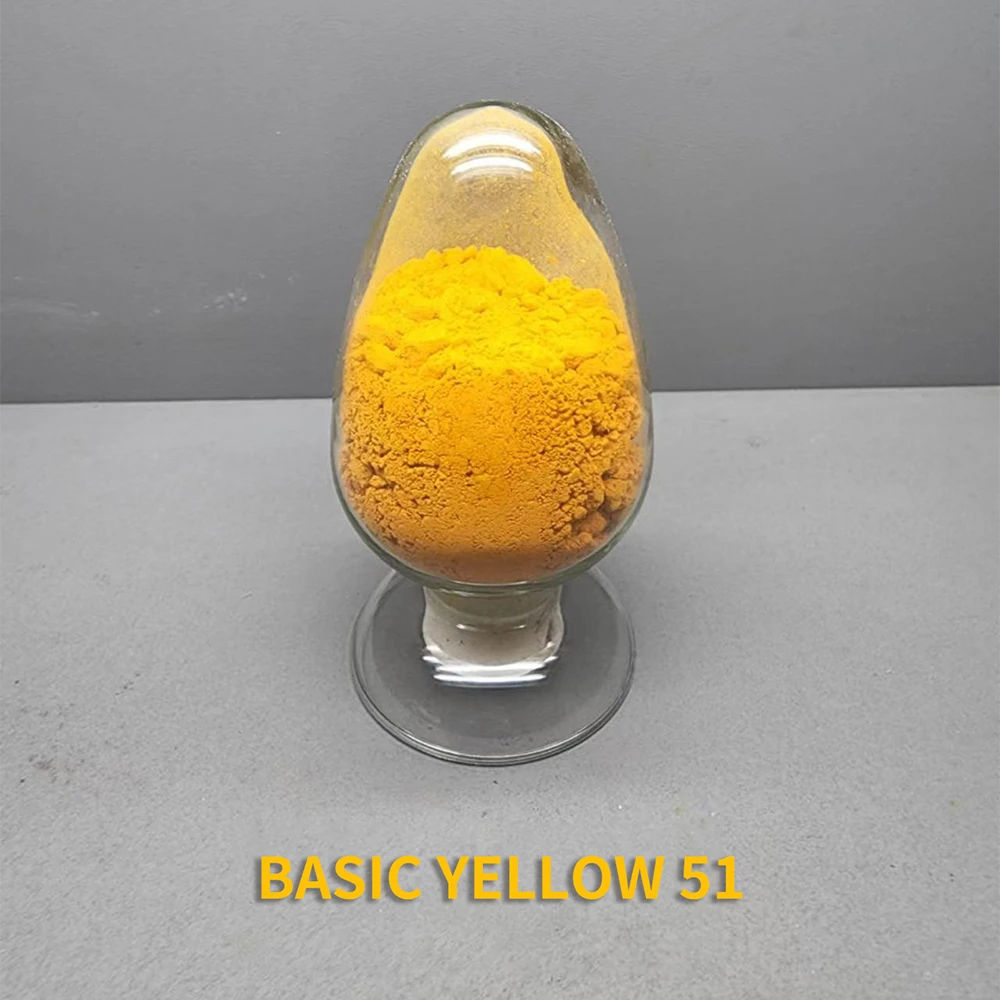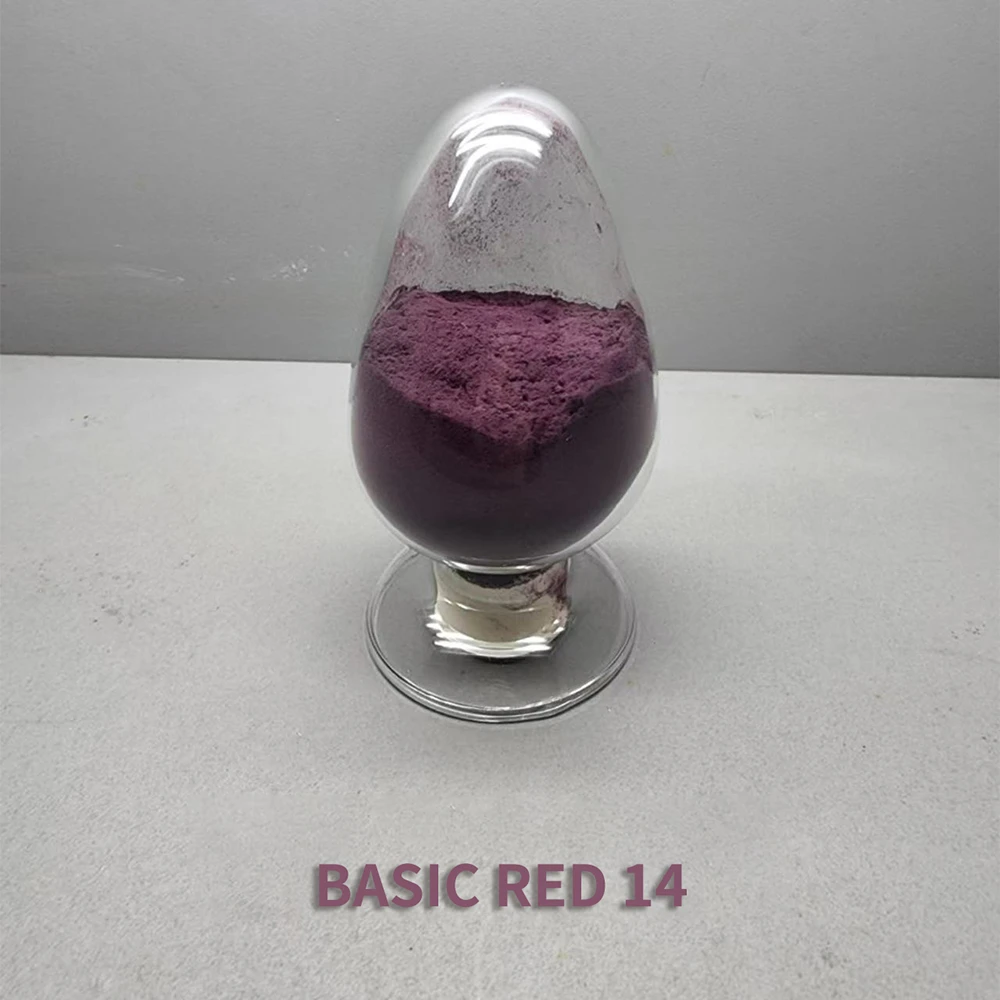
Black Textile Dye | Sustainable, Durable & High-Quality Textile Coloring
Black Textile Dye: A Global Staple in Coloration and Industry
Black textile dye, though simply described as a coloring agent, plays an outsized role in industries spanning fashion, manufacturing, and humanitarian aid worldwide. Understanding its nuances isn’t just for chemists but anyone interested in sustainable textiles, supply chain innovation, or even disaster relief efforts. Why? Because black is not just black—it carries with it challenges of durability, environmental impact, and cultural significance, and getting it right can ripple through economies and ecosystems alike.
The Worldwide Importance of Black Textile Dye
Globally, the textile industry accounts for nearly 2% of GDP in many developing countries, and black textiles form a significant fraction of consumer preferences. According to the United Nations Environment Programme, textile dyeing is the second largest polluter of water globally—a stark reality when you consider how black dyeing processes often require intensive chemical use.
In India and Bangladesh, where garment factories are economic lifelines, black textile dye must balance cost, efficiency, and environmental safety. Meanwhile, ISO standards continually evolve to push for less toxic, more colorfast dyes. The challenge? To deliver deep, even black hues that can withstand washing and sunlight, without dumping harmful pollutants. It’s a delicate dance of chemistry, industry pressure, and environmental stewardship.
What Exactly Is Black Textile Dye?
In the simplest terms, black textile dye is a chemical compound or mixture of compounds used to add a black color to fibers and fabrics. These dyes can be natural—like logwood extract—or synthetic, such as reactive, acid, or disperse dyes, each suited for particular fabric types like cotton, wool, or polyester. The dye molecules bond with fabric fibers, producing that deep black shade we often take for granted.
In modern industry, black textile dyes aren’t just about aesthetics; they’re vital in areas like military gear, workwear, and even disaster relief tarps and tents. Here, the black coloration often provides UV protection, camouflage, or a sense of formality and seriousness. On a humanitarian front, colored textiles—even black ones—can help provide dignity and comfort in post-crisis situations.
Summary
- Black textile dye is a crucial, versatile component in global textile production.
- Balancing deep coloration with sustainability is a central industry challenge.
- It serves important roles beyond fashion, such as in safety and aid contexts.
Core Components That Define Black Textile Dye Quality
Durability
One key factor is how well the dye holds up to wear and tear—think washing, sunlight, abrasion. A black dye that fades quickly might as well be useless for industrial uniforms or outdoor gear. Manufacturers rely heavily on colorfastness testing standards like ISO 105 to guarantee results.
Environmental Compatibility
Sustainability has moved from buzzword to necessity. Low-impact dyes using fewer hazardous chemicals and water-based dyeing methods are becoming the norm. This also helps companies meet strict environmental regulations and save on costly wastewater treatment.
Cost Efficiency
The black textile dye needs to hit a price point suitable for mass production while avoiding cheap shortcuts that compromise quality or increase toxicity. This balancing act affects the whole supply chain—from raw fiber selection to final garment.
Scalability
Can this dye formula be produced reliably in large quantities? Industries often require tens or hundreds of tons per month for everything from denim jeans to blackout curtains. Scalability also means the dye must perform consistently batch after batch.
Color Depth & Consistency
Deep, uniform black remains a holy grail. Sometimes, hues drift a bit blue or green, depending on the base chemicals. Consistency enables brands to maintain product identity and customer trust.
Compatibility With Fibers
Not all black dyes work for every fabric. Reactive dyes might be perfect for cotton but ineffective on synthetics, which often need disperse dyes. The right choice ensures both brilliance and fabric integrity.
Takeaway
- Durability and environmental impact often trump purely visual qualities.
- Smart sourcing and testing are essential to quality black textile dye production.
- Understanding fiber compatibility can save headaches and returns.
How Black Textile Dye Shapes Industries and Lives Worldwide
The use cases range widely. Fashion brands in Europe rely on black textile dye to create timeless pieces, where shade uniformity can make or break a runway collection. Meanwhile, in industrial hubs of Southeast Asia, heavy-duty black-dyed fabrics protect workers and machines alike.
In humanitarian aid contexts, black textile dye colors tarps and emergency blankets, which must resist fading under harsh sun and rough handling. UN and Red Cross field operations in Africa and South Asia often specify strict dyeing standards to keep equipment usable for longer.
Even sportswear manufacturers across North America increasingly demand black textile dye that can withstand sweat, chlorine, and frequent washing—highlighting the demand for innovation in waterproof and stain-resistant formulations.
Mini Summary
- Black textile dye is pivotal in sectors from fashion to disaster relief.
- Variations in quality and dye chemistry reflect area-specific challenges.
- Global organizations depend on reliable black textiles for safety and aid.
Advantages and the Long-Term Value of Black Textile Dye
From an environmental perspective, advances in black textile dye formulations reduce water usage and harmful chemical residue, making factories greener and community-friendly. Logistically, reliable black dye lowers product defects, returns, and waste.
Emotionally, a crisp, deep black garment or shelter provides dignity, professionalism, and even psychological comfort. Imagine a relief worker handing out tents that retain their dark color, helping shield vulnerable populations from glaring sun or prying eyes.
Economically, it’s often cheaper in the long run to invest in premium black textile dye that lasts, rather than repeatedly replacing faded or damaged goods.
Black Textile Dye Product Specifications
| Specification | Value | Details |
|---|---|---|
| Type | Reactive / Disperse / Vat | Depends on the fiber type; reactive generally for cotton |
| Color Fastness | > ISO 105 Standards | Resistant to washing, light, rubbing |
| Environmental Profile | Low VOC, heavy metal free | Compliant with REACH & Oeko-Tex |
| Application Method | Pad-dry, exhaust, or jet dyeing | Dependent on production equipment |
| pH Range | 4 - 10 | Safe for most textile processes |
| Typical Cost | $5 - $12 per kg | Varies by chemistry & scale |
Comparing Leading Black Textile Dye Vendors
| Vendor | Product Range | Environmental Compliance | Global Reach | Typical Price/kg |
|---|---|---|---|---|
| Yanhong Chemicals | Reactive & Disperse Black Dyes | REACH & Oeko-Tex Certified | Asia, Europe, N. America | $6 - $10 |
| Dystar | Broad Spectrum Textile Dyes | Sustainable Chemistry Programs | Global (100+ Countries) | $7 - $12 |
| BASF Textile Dyes | High-performance Reactive Dyes | ISO 14001 Certified | Global | $8 - $11 |
Emerging Trends and Innovations in Black Textile Dye
One of the exciting directions is the surge in black textile dye formulas based on bio-sourced molecules rather than petrochemicals. These reduce carbon footprint and often biodegrade more easily. Also, digital printing technology is revolutionizing how black textiles get colored — fewer chemicals, less water, and higher precision.
Automation and AI-driven quality control are getting integrated in dye production, allowing for incredibly consistent black shades across massive batches. With stricter regulations, companies are increasingly adopting closed-loop water systems, ensuring wastewater from dyeing is recycled rather than dumped.
Common Challenges and Practical Solutions
Of course, black textile dyeing isn’t without its headaches. Achieving uniformity across fabric rolls can be tricky — uneven dye uptake can create subtle streaks or patches. Some cheaper synthetic black dyes fade dramatically after repeated washing, causing product returns and customer frustration.
Innovative approaches include improved chemical stabilizers in dye formulations, pre-treatments on fibers for better dye binding, and enhanced after-treatment fixation processes. Industry experts emphasize ongoing R&D as key to overcoming these persistent issues.
FAQ: Frequently Asked Questions About Black Textile Dye
- Q: What types of fabrics can black textile dye be used on?
A: Black textile dye comes in different formulations to suit various fabrics. Reactive dyes are ideal for natural fibers like cotton and linen, while disperse dyes work best on synthetics such as polyester. Always check the dye compatibility with your fabric to ensure optimal results. - Q: How can I ensure black textiles won't fade quickly?
A: Selecting dyes with high colorfastness ratings is crucial. Additionally, using proper dyeing procedures, salt and alkali controls, and post-dye fixation treatments help improve longevity. Washing instructions also play a big role in maintaining color. - Q: Are black textile dyes environmentally safe?
A: Modern black dyes often adhere to environmental standards like REACH and Oeko-Tex, minimizing harmful chemicals. Look for vendors offering low-impact, heavy metal-free dyes and those using sustainable application techniques. - Q: Is black dyeing more costly than other colors?
A: Generally, yes. Achieving deep, uniform black requires more dye and precise methods, which can increase production costs. However, investing in quality black dyes often means less replacement and better customer satisfaction. - Q: Can black textile dye be customized for different industries?
A: Absolutely. Many suppliers offer tailored dyeing solutions to meet specific industry specs—whether for flame retardancy in workwear, UV protection in outdoor fabrics, or quick turnaround for fashion. Custom blends are quite common.
Wrapping Up: Why Black Textile Dye Matters More Than Ever
Black textile dye might sound niche, but its impact is truly broad, touching fashion runways, industrial workplaces, and humanitarian relief camps alike. When chosen wisely, it contributes not only to vibrant aesthetics but also to sustainability, safety, and dignity.
For manufacturers and buyers seeking reliable, eco-friendly black dyes that deliver consistency and performance, exploring trusted suppliers like Yanhong Chemicals is a smart starting point.
Understanding black textile dye today means you're part of a global effort to make textiles that work harder, last longer, and tread more lightly on the planet. In real terms—it's a small color with a pretty massive footprint.
References
-
Organic Fabric Dye: Durable, Eco-Friendly Solutions for IndustryNewsDec. 31, 2025
-
High-Performance Lilac Fabric Dye for Industrial Textile Applications | Yanhong ChemicalNewsDec. 13, 2025
-
Color Changing Dye for Fabric – Innovative Textile SolutionsNewsJan. 01, 2026
-
Comprehensive Guide to Achieving Brilliant White Colour Dye for ClothesNewsMar. 26, 2026
-
Durable Fabric Dye for Chairs | Industry-Leading Chemical SolutionsNewsJan. 06, 2026
-
Bulk Fabric Dye: Quality and Choices for Industrial Textile ProcessingNewsDec. 03, 2025