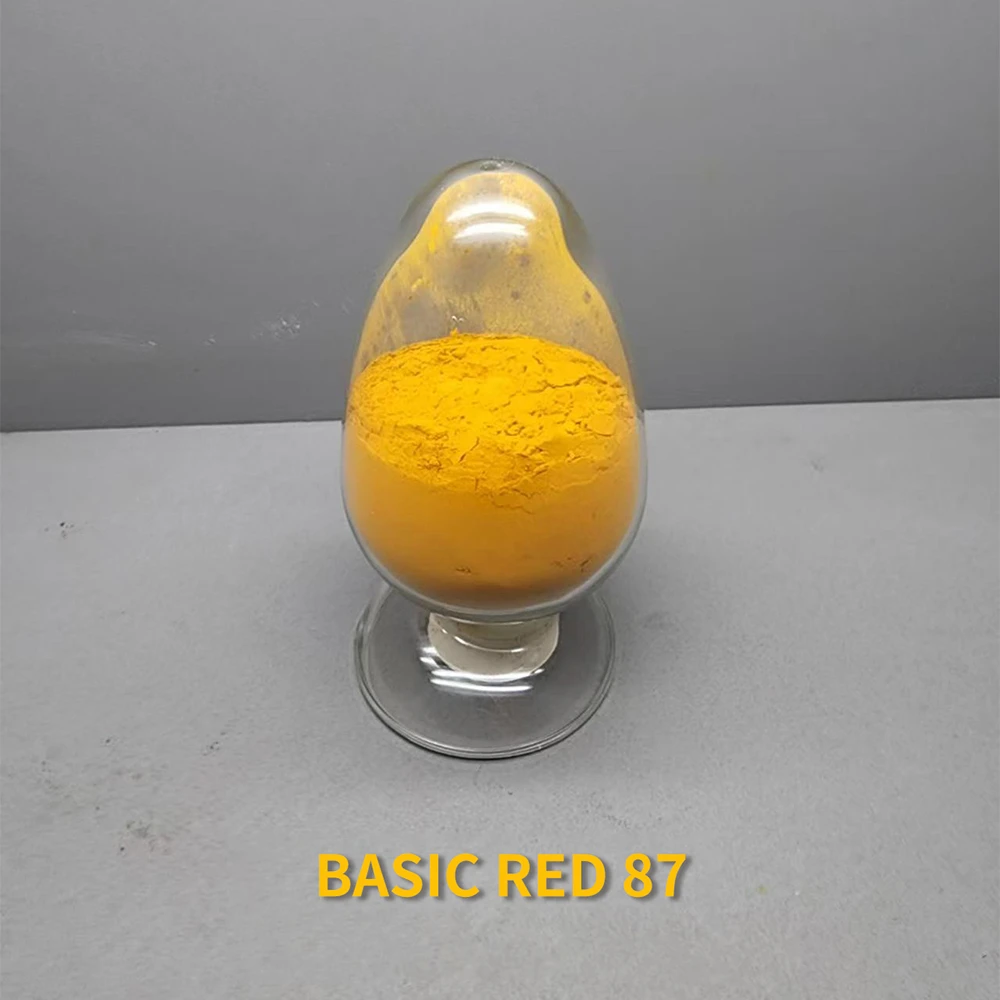
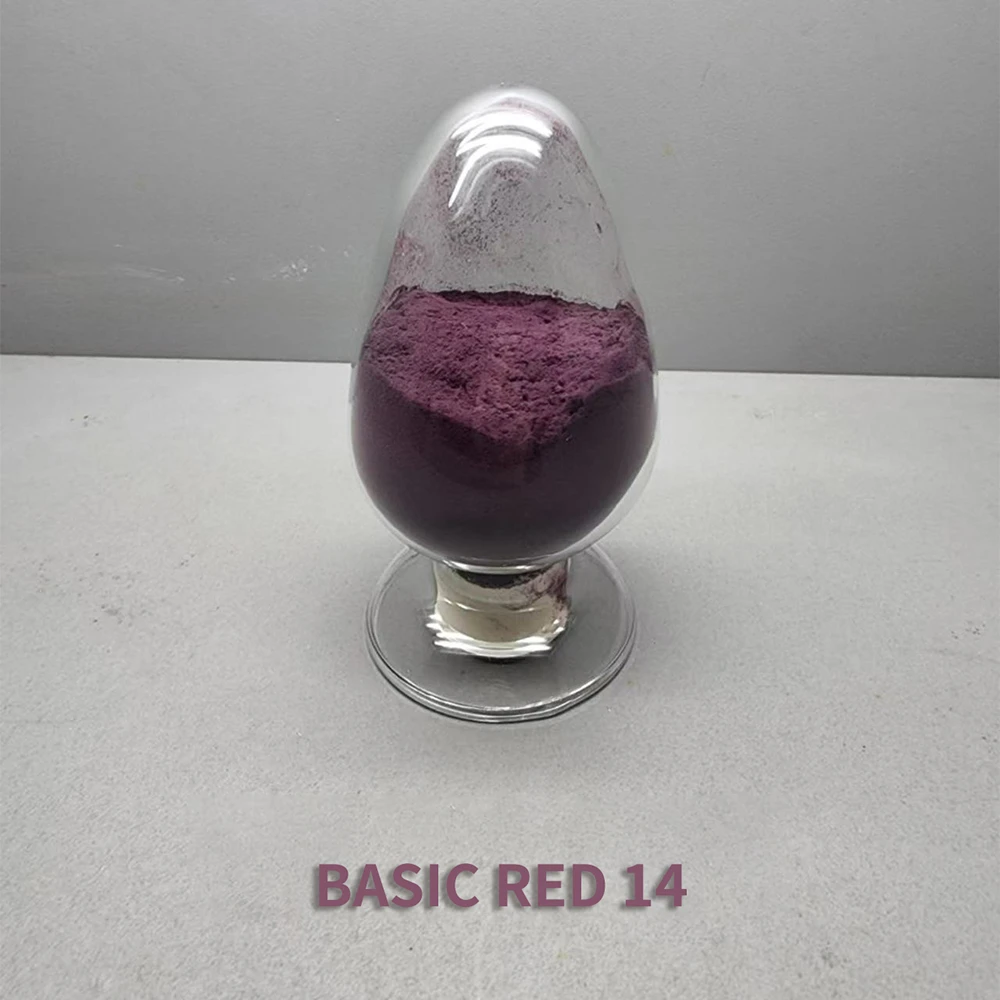
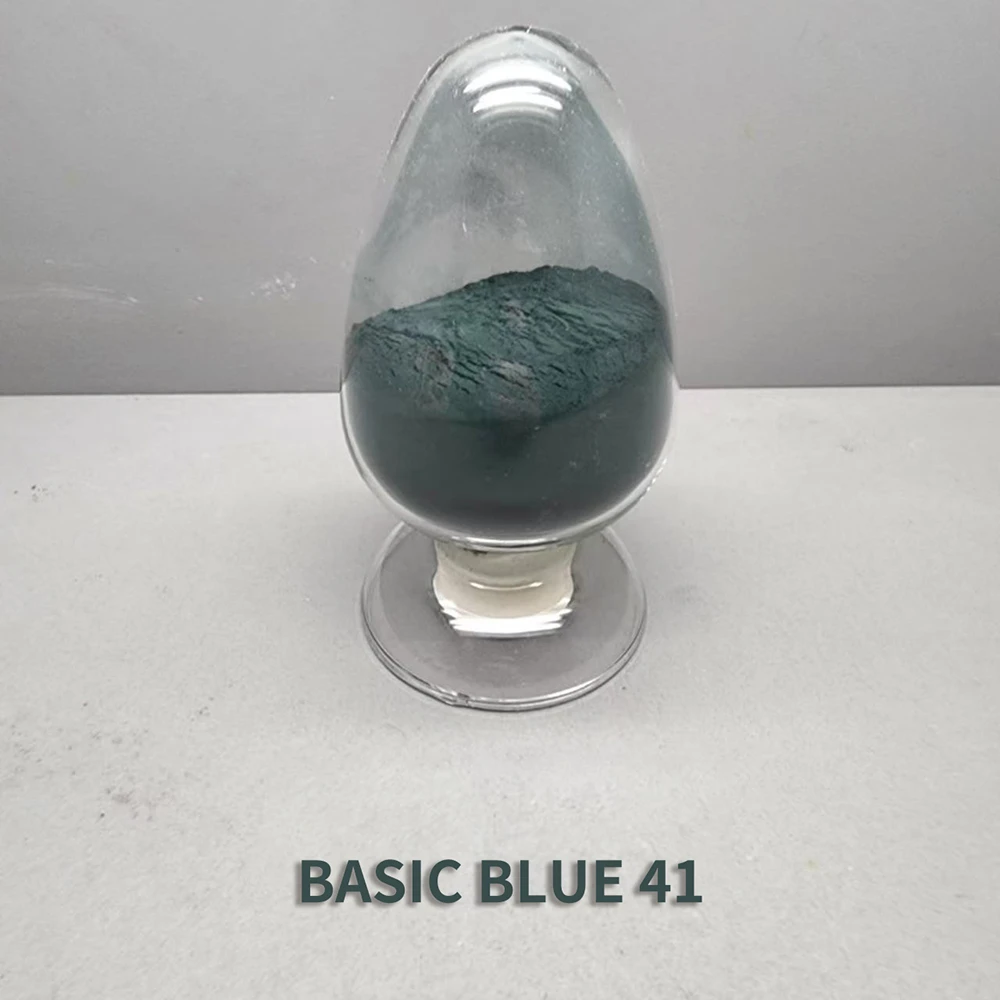
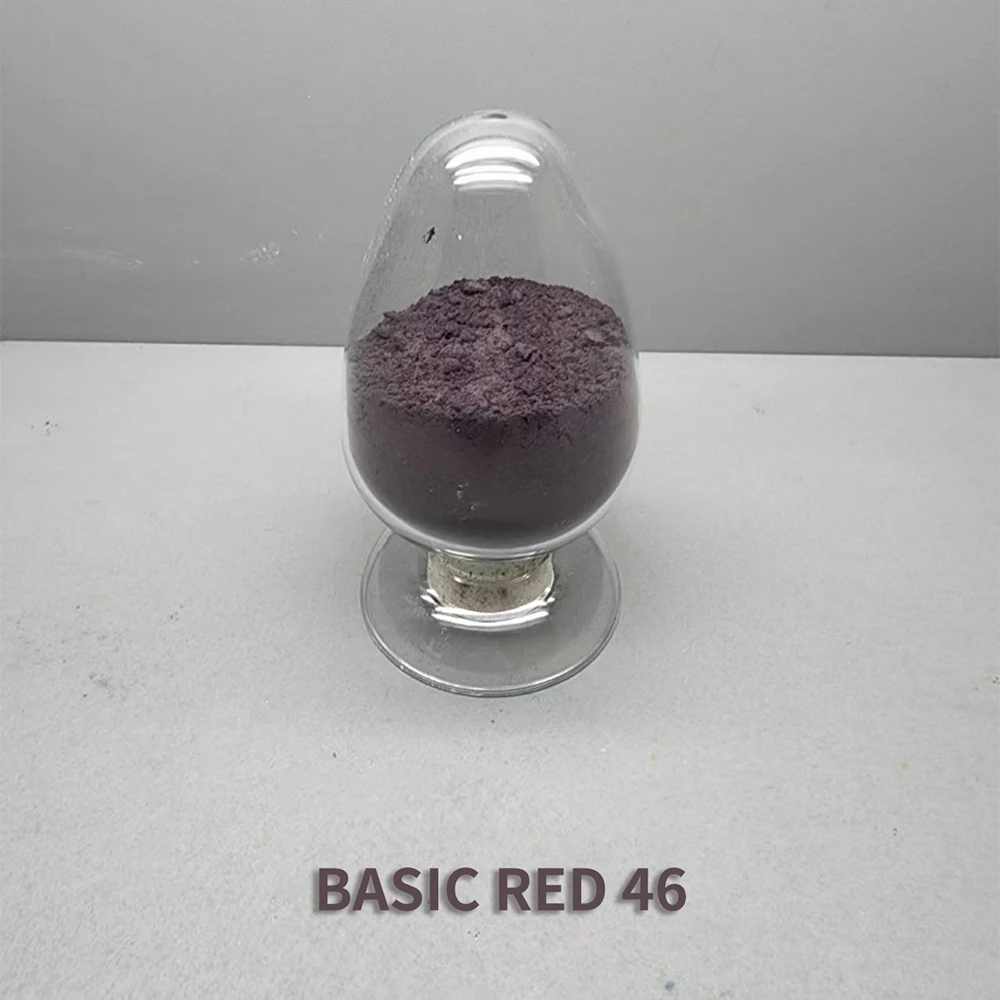
Reliable Basic Fuchsin Solution for Medical and Industrial Use | Yanhong Chemical
Why Basic Fuchsin Solution Still Matters in Today's World
Let's start simple: basic fuchsin solution is a vibrant magenta dye that’s been a staple in laboratories and industries for over a century. But why should anyone beyond chemists or biologists care? Well, it’s more than just a pretty color — its uses span from microbiology staining techniques crucial for disease diagnosis to vital industrial applications like textile dyeing and ink production. And as global health challenges evolve, methods using such dyes remain fundamental for diagnosing illnesses, testing water quality, and even cultural heritage preservation.
Understanding basic fuchsin solution, how it’s made, and where it fits today helps us appreciate that sometimes, tried-and-true chemistry powers cutting-edge science and industry alike. That’s not trivial — it's global, it touches multiple industries, and it quietly supports essential services far and wide.
The Global Role of Basic Fuchsin Solution: More Than Just a Dye
Did you know the global textile industry alone contributes nearly $1.5 trillion to the world economy? And roughly 30–50% of textiles undergo some form of dye treatment, including dyes like basic fuchsin solution derivatives. Beyond fashion and fabric, basic fuchsin has crucial applications in medicine, especially bacteriology, where it identifies tuberculosis bacteria using the Ziehl-Neelsen stain. The World Health Organization (WHO) still recommends this stain for Mycobacterium tuberculosis diagnostics in many low-resource settings.
But here's a challenge: many regions with the highest TB burden struggle with access to reliable reagents, or suffer supply chain delays. Basic fuchsin solution, being relatively affordable and effective, addresses this gap — an elegant, if somewhat humble, tool in global health diagnostics.
Mini takeaway: The dye’s affordability and reliability make basic fuchsin solution an unsung hero in global health and industry.
What Exactly Is Basic Fuchsin Solution?
In straightforward terms, basic fuchsin solution is a chemical stain composed primarily of rosaniline hydrochloride, pararosaniline, and typically some methanol or ethanol as solvent. It’s a triple-dye mixture that stains acidic cell components — nuclei, certain bacteria, and some tissue fibers — with a distinctive, bright purple-red hue. In microbiology terms, it’s both a dye and a vital diagnostic reagent.
Modern industries also utilize it due to its strong affinity for cellulose fibers and synthetic polymers, making it useful far beyond the microscope slide. Oddly enough, despite digital imaging’s rise, this dye’s unique properties ensure it remains a go-to stain in numerous fields.
Core Components and Features of Basic Fuchsin Solution
1. Vibrant Staining Capacity
The hallmark of this dye is its intense magenta color, which binds effectively to cellular materials and fibers, enabling clear visualization of structures otherwise invisible under light microscopy or rapid, reliable textile coloration.
2. Chemical Stability
While it’s sensitive to light over long periods, freshly prepared basic fuchsin solutions hold up well under proper conditions and maintain consistent performance — critical in labs and industrial processes that demand repeatability over time.
3. Versatile Solubility
The solution dissolves readily in water and alcohol-based solvents, making it adaptable for different staining protocols and textile treatment methods.
4. Compatibility with Other Reagents
Basic fuchsin often pairs with counterstains or acids, enabling multistep staining techniques like acid-fast staining, showcasing its flexibility in complex protocols.
5. Toxicity and Handling Precautions
Granted, the dye’s carcinogenic potential means labs and factories must adhere strictly to safety handling, ventilation, and disposal guidelines, ensuring user protection without sacrificing utility.
Mini takeaway: It’s a colorful workhorse with quirks — balancing potency with careful handling requirements.
How Is Basic Fuchsin Solution Used Worldwide?
- Medical Diagnostics: In countries burdened by tuberculosis and leprosy, basic fuchsin solution is indispensable for Ziehl-Neelsen staining, helping identify acid-fast bacilli and direct treatment.
- Textile Dyeing: Developing nations powering global fashion exports regularly employ it for imparting rich red hues on natural fibers.
- Histology and Pathology: Research and clinical labs worldwide use it routinely to stain cells and tissues, aiding disease diagnosis and academic studies.
- Culture Preservation: Museums and conservators sometimes use solutions based on basic fuchsin for restoring or detecting earlier pigment layers on artifacts.
In places as diverse as rural India’s health clinics and European textile factories, this dye quietly but reliably plays its role. Through such global applications, the dye ties together health, economy, and culture — pretty impressive for a chemical solution, no?
The Real Benefits of Basic Fuchsin Solution
Picture this: a diagnostic test in a small village clinic, where patients' lives depend on accurate, affordable TB detection. Thanks to basic fuchsin solution, the margin for error shrinks, delivering reliable results without costly equipment.
From a financial viewpoint, it’s cost-efficient — bulk chemical production keeps prices manageable in factories and labs alike. From an environmental angle, while some solvents are hazardous, newer formulations aim at reducing volatile organic compounds (VOCs) and waste.
On a human level, reliable stains build trust: clinicians feel confident in readings; industries gain consistent dye lots; students learn with dependable reagents. So in all, it’s safety, dignity, innovation, and trust, rolled into a splash of brilliant color.
Looking Ahead: Emerging Trends Affecting Basic Fuchsin Solution
Innovation is not just about new colors but refining existing ones. The push for greener chemistry motivates companies to explore water-based or less toxic solvent systems for basic fuchsin. Digital microscopy grows, but counterintuitively, the need for better stains like basic fuchsin increases to generate clearer images for AI algorithms — sometimes you need classic chemistry to fuel new tech.
Furthermore, standardization efforts (ISO compliant reagents) and scaling automated staining machines mean labs can handle growing testing loads efficiently, all with this dye.
Common Challenges with Solutions and Fixes
Handling carcinogenic dyes is no small matter. That’s why many labs invest in fume hoods and personal protective equipment. Suppliers now provide safer, standardized grades, minimizing variability. And several research groups are experimenting with synthetic alternatives mimicking basic fuchsin’s staining strength but with lower toxicity.
Storage remains a concern — the dye can degrade with light exposure, so amber bottles and cold storage are practical fixes. It’s not perfect, but incremental improvements continue.
Practical FAQ About Basic Fuchsin Solution
- Q: What is the typical shelf life of basic fuchsin solution once prepared?
- A: Fresh basic fuchsin solution generally remains effective for 1–2 months if stored in dark, cool conditions. Over time, exposure to light or air oxidizes it, reducing stain intensity.
- Q: Can basic fuchsin solution be used directly on synthetic fabrics?
- A: Yes, but with care. It binds best to natural fibers like cotton or wool. For synthetics, pre-treatment or mordants improve dye uptake.
- Q: Is it safe to dispose of used basic fuchsin solution down regular drains?
- A: No. Due to toxicity and environmental impact, disposal must follow local hazardous waste guidelines to avoid contamination.
- Q: How does basic fuchsin compare to other microbiological stains?
- A: It’s uniquely suited for acid-fast staining due to its affinity for mycolic acids in bacterial cell walls, a task many other dyes can't perform accurately.
Quick Look: Product Specifications of Typical Basic Fuchsin Solution
| Specification | Typical Value | Notes |
|---|---|---|
| Concentration (w/v) | 1%–5% | Varies by application |
| pH Range | ~2–3 (acidic) | Optimal for staining |
| Solvent | Water/Methanol mixture | Depends on formulation |
| Storage | Amber bottle, 4°C, dark place | Minimize light degradation |
| Toxicity | Potentially carcinogenic | Handle with PPE |
Vendor Comparison: Leading Suppliers of Basic Fuchsin Solution
| Vendor | Purity (%) | Price per Liter (USD) | Safety Certifications | Global Shipping |
|---|---|---|---|---|
| Yanhong Chemical | 98 | 45 | ISO 9001, REACH | Yes |
| Sigma-Aldrich | 99 | 85 | ISO 9001, FDA | Yes |
| Merck | 99.5 | 90 | ISO 14001, REACH | Yes |
Wrapping Up: The Subtle Strength of Basic Fuchsin Solution
So, where does that leave us? Basic fuchsin solution isn’t just an old-school chemical — it’s a quiet backbone to ongoing scientific advancement, industrial processes, and public health efforts worldwide. It’s affordable, versatile, and despite some handling caveats, indispensable.
If you're curious or need reliable basic fuchsin solutions, don't hesitate to visit us. Because sometimes, the simplest chemical solutions deliver the most stunning impact.
References
-
Premium Fabric Dye For Sale | Durable Industrial Textile Dyes from Yanhong ChemNewsDec. 03, 2025
-
Fabric Dye for Bleach Stains – Restore and Recolor Textiles EasilyNewsJan. 06, 2026
-
Reliable Navy Fabric Dye for Industrial Textile Applications | YanhongNewsDec. 07, 2025
-
What Is Basic Blue? Understanding Its Industrial ImportanceNewsDec. 13, 2025
-
Comprehensive Guide to Black Textile Dye Selection and ApplicationsNewsMar. 12, 2026
-
Light Blue Fabric Dye: Industrial Guide & Vendor InsightsNewsDec. 12, 2025