Basic Fuchsin Stain – The Essential Dye For Diagnostics and Industry
Understanding Basic Fuchsin Stain: A Vital Tool in Science and Industry
Basic fuchsin stain might not be the buzzword you hear at cocktail parties, but within laboratories, medical fields, and industrial processes worldwide, it plays an invaluable role. This vibrant magenta dye is a cornerstone for microbiology, histology, and other chemical applications — allowing scientists and technicians to identify microorganisms, detect cellular structures, and improve product safety. Its relevance isn’t just academic; understanding the uses and nuances of basic fuchsin stain connects directly to advancements in healthcare, environmental monitoring, and manufacturing quality control globally.
Why Basic Fuchsin Stain Matters Globally
From the World Health Organization reporting persistent infectious diseases worldwide to the ISO’s emphasis on standardized chemical reagents, diagnostic dyes like basic fuchsin stain play a global part in enhancing public health and product safety. Each year, labs across continents rely on this stain to detect pathogens like Mycobacterium tuberculosis or to assess wound infections quickly. Yet supply chain delays or inconsistent quality can seriously impact outbreak responses or industrial inspections, especially in lower-income or disaster-prone regions.
In industrial zones, from China to Europe, basic fuchsin helps in quality checking dye batches, verifying paper coatings, and testing materials for contaminants — a silent hero behind many end-user products. And, intriguingly, its widespread use reflects growing trends toward affordable, reliable chemical tools that reduce reliance on more complex (and expensive) diagnostics.
What Exactly Is Basic Fuchsin Stain?
At its core, basic fuchsin stain is a magenta-colored mixture of rosaniline dyes, known chemically as a triphenylmethane dye. It’s water-soluble, and when used in staining procedures, it binds readily to acidic tissue components and certain bacteria, allowing microscopic visualization. Modern labs value it for its sensitivity and for being a standard reagent in Ziehl-Neelsen and other acid-fast staining methods, crucial for identifying tuberculosis and leprosy bacteria.
But this isn’t just clinical stuff. The dye’s industrial applications — like checking ink formulations or dyeing textiles — highlight its versatility. It connects scientific precision with practical utility, making it indispensable for many workflows.
Key Characteristics of Basic Fuchsin Stain
1. Staining Intensity and Clarity
The vibrant magenta produced by basic fuchsin stain is not just eye candy—it gives clear, sharp contrast under microscopes to reveal specific bacteria and cell structures. This clarity is essential when diagnosing conditions or assessing material integrity.
2. Chemical Stability and Shelf Life
Ideally, basic fuchsin stain solutions maintain their potency for months if stored correctly, usually in cool, dark places. This stability means laboratories in remote areas can stock up without worrying about rapid degradation—although it’s always a balancing act with supply chains.
3. Cost-Effectiveness
Compared to more modern fluorescent dyes or molecular markers, basic fuchsin remains a budget-friendly option — particularly valuable in resource-limited settings.
4. Versatility Across Applications
Whether it’s bacterial staining in medical labs or dye testing in paper and textile industries, its usage scope is broad. This flexibility is why stakeholders from healthcare NGOs to manufacturing plants consider it a must-have chemical.
5. Ease of Use and Adaptability
Preparing stain solutions and applying them is a routine procedure. Labs often customize concentrations depending on their specific requirements — showing how adaptable basic fuchsin stain is.
Basic Fuchsin Stain Specifications
| Specification | Details |
|---|---|
| Chemical Formula | C20H20N3Cl |
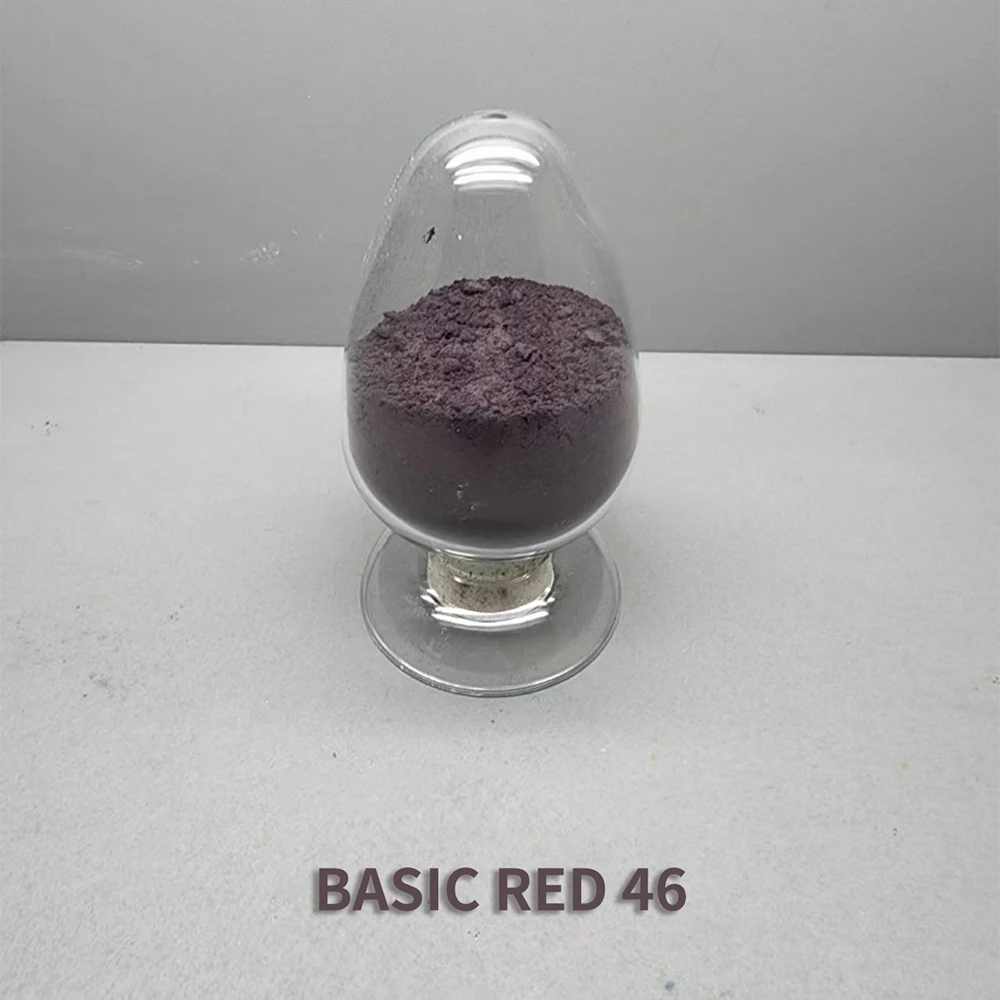
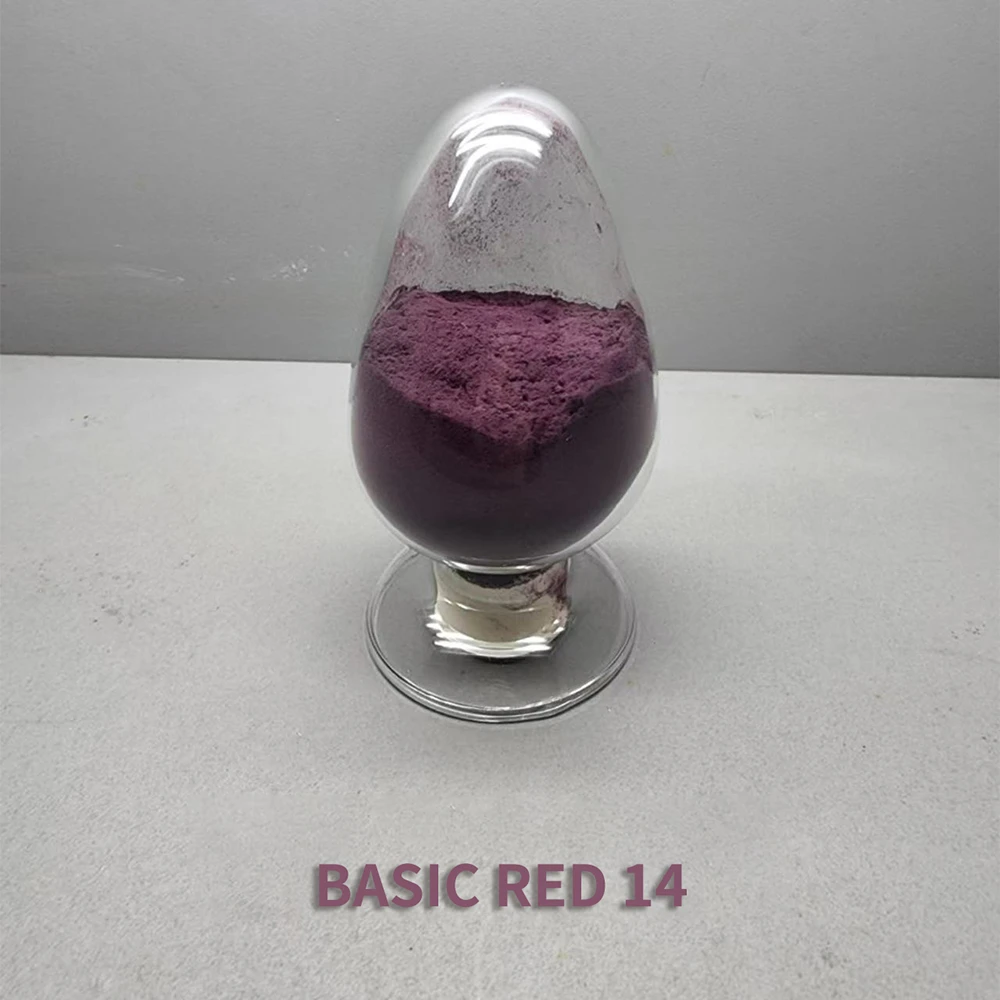
| Physical Appearance | Crystalline powder, magenta |
| Solubility | Water soluble |
| Typical Stain Concentration | 0.1% – 1% (w/v) solution |
| Shelf Life | 12–18 months (properly stored) |
| Typical Applications | Acid-fast bacterial detection, textile dyeing, ink manufacturing |
Who Supplies the Best Basic Fuchsin Stain?
| Vendor | Purity (%) | Price per kg (USD) | Global Reach | Quality Certifications |
|---|---|---|---|---|
| YanHong Chemicals | ≥97% | $420 | 100+ countries | ISO 9001, REACH |
| ChemPure Labs | 95% | $390 | Europe, Asia | ISO 17025 |
| StainPro Inc. | ≥98% | $450 | North America | FDA Registered |
Where and How Is Basic Fuchsin Stain Used Worldwide?
Its most famous role is probably in medical diagnostics. Consider tuberculosis screening in countries like India or South Africa, where acid-fast bacilli staining using basic fuchsin stain is a daily routine. On another note, textile factories in Southeast Asia test fabric colors with it, ensuring vibrant and lasting dyes. Meanwhile, in Europe, quality labs in paper and ink manufacturing leverage this stain for contaminant detection.
Even humanitarian agencies use basic fuchsin for quick checks during field clinics or temporary hospitals after natural disasters. Its portability and ready availability mean health workers in remote zones can still perform critical diagnostics, reducing delays in treatment.
Advantages & Long-Term Impact of Using Basic Fuchsin Stain
- Cost Efficiency: Affordable and requiring minimal infrastructure, it enables widespread diagnostic capacity.
- Reliability: Trusted results with decades-long global use encourage confidence in tests and manufacturing checks.
- Social Impact: In public health, quicker bacterial identification saves lives and supports containment measures.
- Sustainability: When sourced responsibly, it aligns with environmental safety regulations, reducing chemical waste.
- Innovation Friendliness: Compatible with emerging staining protocols and automation equipment for modern labs.
Future Trends & Innovations Surrounding Basic Fuchsin Stain
As green chemistry gets hotter, expect new, more eco-friendly variants or formulations that reduce toxicity without compromising staining power. Digital image analysis combined with basic fuchsin staining in automated microscopy is becoming common, speeding diagnostic workflows. With AI-powered scanning growing, stains like basic fuchsin offer reliable visual markers to feed these systems.
Moreover, the rise of remote & mobile diagnostic units means the stain’s simplicity and durability will be prized even more — especially in emerging healthcare markets and industrial field inspections. Sustainability compliance and customizable stain kits for specific industries point towards a future where it’s fine-tuned for exact use cases.
Challenges & How Industry Experts Tackle Them
No product is perfect, and basic fuchsin stain poses challenges such as staining inconsistency from batch variations or disposal concerns due to chemical toxicity. However, improvements in manufacturing purity controls, regular quality testing, and offering MSDS (Material Safety Data Sheets) make handling safer.
Innovation-wise, some labs combine basic fuchsin with other dyes for multiplex staining, reducing time and reagent waste. Also, training programs and online tutorials help less-experienced technicians avoid common pitfalls.
FAQ: Your Basic Fuchsin Stain Questions Answered
- What is basic fuchsin stain, and how is it used?
Basic fuchsin stain is a magenta dye used primarily in microbiology to detect acid-fast bacteria like tuberculosis. It binds to bacterial cell walls, making them visible under a microscope. - Can I use basic fuchsin stain for textile dyeing?
Yes, though it’s more commonly used as a diagnostic stain, some textile manufacturers utilize it to test and ensure colorfastness and dye formulation consistency. - How should basic fuchsin stain be stored for longest shelf life?
Store it away from light and heat, preferably in a sealed container at room temperature or cooler. This helps maintain staining quality for up to 18 months. - Is basic fuchsin stain eco-friendly?
While not entirely benign, responsible disposal and newer non-toxic formulations are improving its environmental footprint in labs and industry. - Where can I buy reliable basic fuchsin stain?
Companies like YanHong Chemicals supply high-quality, ISO-certified stain worldwide, ensuring consistency and compliance.
Wrapping It Up: Why Basic Fuchsin Stain Still Matters
When you think about the big picture, understanding and using basic fuchsin stain isn’t just for dye geeks or lab techs. This reliable, time-tested stain is a quiet enabler of medical breakthroughs, industry quality, and humanitarian logistics worldwide. It bridges modern science with practical realities — and that’s why it remains a relevant, cherished chemical in laboratories and factories alike.
If you’re curious to explore more, or source high-grade basic fuchsin stain, do visit YanHong Chemicals for detailed information and tailored solutions.
-
Premium Blue Fabric Dye Insights for Industrial Textile UseNewsDec. 04, 2025
-
What Are Basic Dyes? A Quick Look at Their Industrial UseNewsDec. 13, 2025
-
Mustard Fabric Dye: Durable & Sustainable Color Solutions for Industrial Fabrics | YanhongchemNewsJan. 05, 2026
-
Red Fabric Dye for Industry – Durable High-Performance Dye Solutions by YanhongchemNewsDec. 04, 2025
-
Comprehensive Guide to CI Basic Violet 3 – Uses, Properties & Industry InsightsNewsDec. 03, 2025
-
Comprehensive Guide to White Fabric Dye: Technology, Applications & SustainabilityNewsDec. 03, 2025