Finding a reliable basic dye factory is a critical strategic decision for textile manufacturers and chemical distributors who require high-saturation colors and consistent batch quality. In the specialized sector of the chemical raw materials and chemical products manufacturing industry, the ability to source dyes that balance vivid hue expression with industrial stability determines the final quality of acrylic and modified fibers.
The primary challenge for procurement officers is navigating the trade-off between dye uptake rates and environmental compliance. Low-quality dyes often leave significant residues in wastewater, increasing treatment costs and risking regulatory non-compliance, while high-performance cationic dyes optimize production efficiency and minimize ecological footprints.
This guide provides a technical and commercial framework for evaluating basic dye manufacturing capabilities, focusing on performance indicators such as fastness, process adaptability, and the specific technical advantages of modern cationic series products used in automotive and home textiles.

Core Competencies of Modern Dye Manufacturing

A professional basic dye factory must integrate advanced R&D with scaled production to ensure that each batch of cationic dyestuff meets stringent purity and solubility standards. The integration of a professional production testing team and superior testing equipment allows manufacturers to stabilize the molecular structure of dyes, ensuring that the resulting colors are uniform and free from splashes during mass production.
Xingtai Yanhong Chemical Technology Co., Ltd. leverages over thirty years of specialized experience in cationic dyestuff and dye intermediates. By focusing on high-performance cationic series, they provide a stable supply chain that supports various industrial processes, from rapid dyeing to high-temperature and high-pressure environments, meeting the diverse needs of a global sales network.
Technical Specifications for Cationic Dyestuffs
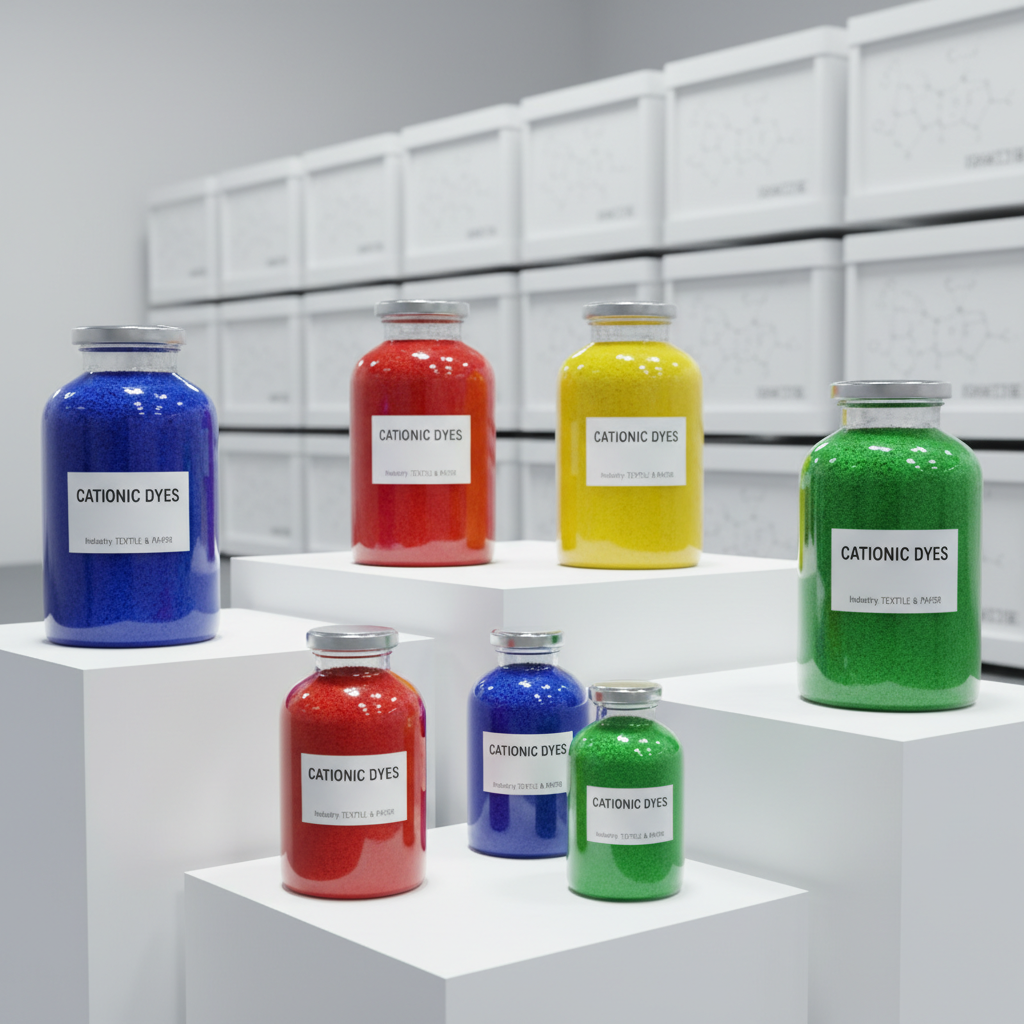
High-performance cationic dyes, such as Cationic Golden Yellow X-GL, are engineered for specific affinity with acrylic and modified acrylic fibers. The key technical requirement is the ability to endow fibers with a bright, saturated hue while maintaining excellent leveling and migration properties. This prevents color differences, which is essential for high-end textile products where visual consistency is non-negotiable.
Critical parameters include the dye uptake rate, which directly impacts both the efficiency of the dyeing cycle and the volume of residue in wastewater. A high uptake rate ensures that the maximum amount of pigment is absorbed by the fiber, reducing the chemical load in effluent and aligning the manufacturing process with green environmental protection standards.
Industrial Application Scenarios and Fiber Compatibility
The application of basic dyes extends across several demanding industries, primarily focusing on acrylic fibers used in automotive interiors, home textiles, and outdoor fabrics. In these environments, the dye must withstand constant exposure to UV light, frequent washing, and perspiration without fading or losing its textural integrity.
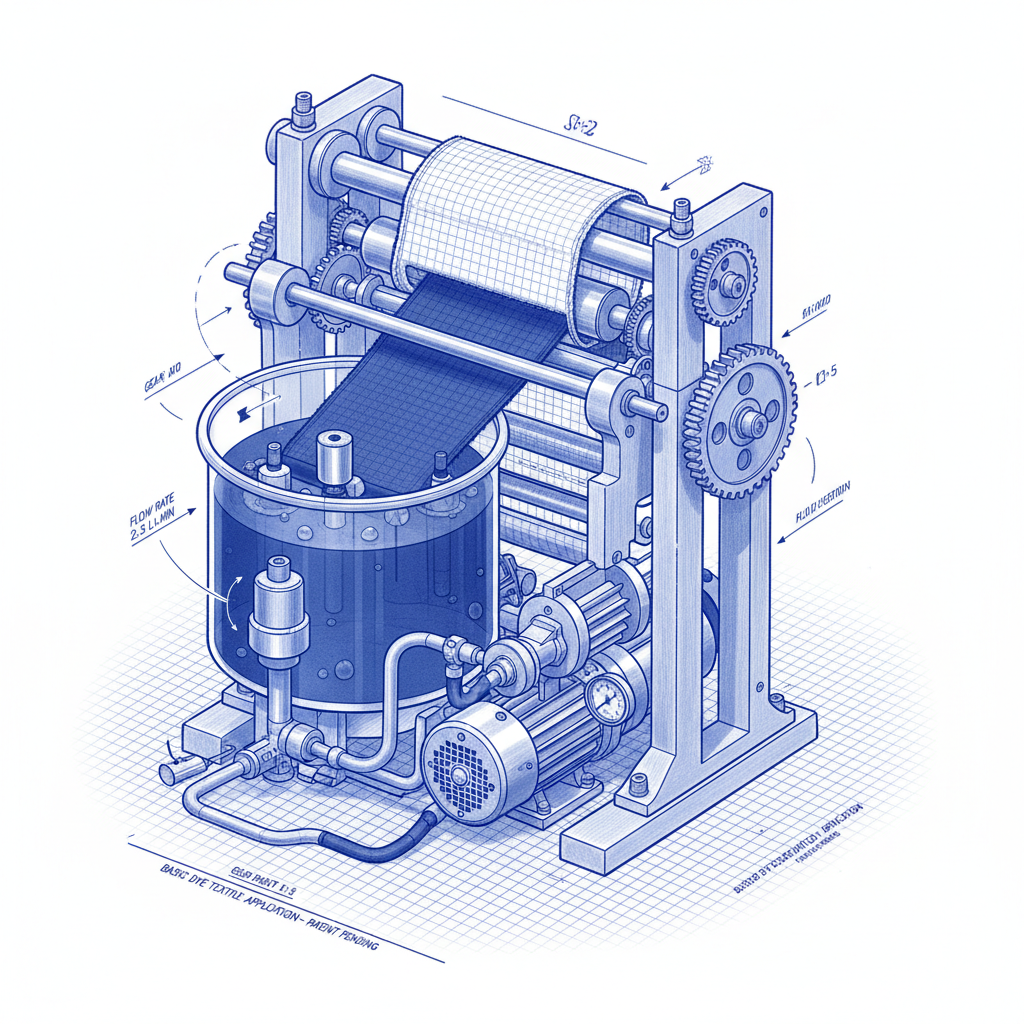
For instance, dyes like Cationic Blue X-GB and Cationic Red X-5GN are developed to handle the rigors of high-temperature and high-pressure dyeing. This adaptability allows textile factories to choose between continuous dyeing or rapid dyeing processes depending on their throughput requirements, ensuring that the final product—whether it be sportswear or automotive upholstery—maintains long-lasting color brilliance.
Performance Index for High-End Colorants
When analyzing the effectiveness of a basic dye factory's output, the industry uses a relative performance index to measure fastness and efficiency. This conceptual framework helps buyers understand how different dye series perform across critical quality dimensions such as lightfastness and wash fastness.
The chart illustrates a normalized relative score (1-10) across five key performance dimensions. High scores in "Dye Uptake" and "Light Fastness" indicate a premium product capable of reducing environmental impact while ensuring the longevity of the colored fabric in outdoor applications.
Evaluation Framework for Supplier Selection
Selecting a supplier in the specialized chemical products manufacturing sector requires more than comparing price lists. Buyers should evaluate the manufacturer's technical support capabilities and their ability to provide customized solutions. A comprehensive service range—from cellulose research and development to strict quality control in packaging—indicates a supplier capable of maintaining consistency across large orders.
Furthermore, the flexibility of color matching is a vital criterion. The ability to combine specific cationic dyes to achieve personalized colors for different markets allows textile brands to remain competitive. A factory that provides high solubility and compatibility across its product range reduces the risk of color streaks and uneven dyeing during the production phase.
Operational Risks and Mitigation in Dyeing Processes
One of the most frequent risks in the dyeing process is the occurrence of color splashes or uneven saturation. This is often caused by poor leveling properties of the dye or incompatible temperature gradients during high-pressure dyeing. To mitigate this, manufacturers must use dyes with superior permeability and affinity, ensuring the pigment penetrates the fiber uniformly.
Another operational risk involves wastewater management. Dyes with low uptake rates lead to higher concentrations of residues, which can result in costly filtration requirements and environmental penalties. Shifting to high-uptake dyes not only improves production efficiency but also reduces the operational cost of wastewater treatment plants within the factory.
Comparison of Dyeing Solution Approaches
Depending on the required output and the nature of the fiber, manufacturers choose between different cationic dye approaches. The following table compares the standard industrial approach with the high-performance optimized approach typically provided by a specialized basic dye factory.
| Approach Type | Uptake Efficiency | Fastness Level | Environmental Impact |
|---|---|---|---|
| Conventional Dye | Moderate | Standard | Higher Residue |
| High-Performance Cationic | High | Excellent | Low Residue |
| Rapid Dyeing Series | Very High | High | Moderate Residue |
| Modified Acrylic Dye | High | Superior | Low Residue |
| Continuous Process Dye | Moderate | High | Moderate Residue |
| Eco-Optimized Dye | Maximum | Excellent | Minimal Residue |
As shown, the transition to high-performance cationic series significantly enhances both the quality of the textile (fastness) and the sustainability of the production process (reduced environmental impact).
Frequently Asked Questions
Cationic dyes produced by such factories are primarily designed for acrylic fibers and modified acrylic fibers, providing high saturation and excellent affinity.
They are compatible with various industrial processes, including high-temperature and high-pressure dyeing, rapid dyeing, and continuous dyeing systems.
By increasing the dye uptake rate, more pigment is absorbed by the fiber, which effectively reduces the amount of dye residues in wastewater.
Yes, high-quality cationic dyes offer excellent solubility and compatibility, allowing for flexible color matching to meet personalized market demands.
The most important indicators are lightfastness, wash fastness, and sweat fastness, especially for fabrics used in automotive interiors and outdoor gear.
Consistency is maintained through professional R&D teams and the use of advanced dyestuff testing equipment to monitor chemical purity and hue stability.
Conclusion
Selecting a basic dye factory requires a rigorous assessment of technical performance, specifically regarding dye uptake rates and fastness indicators. By prioritizing manufacturers who integrate advanced R&D with sustainable production practices, textile producers can achieve superior color consistency and reduce their environmental overhead.
For organizations seeking high-performance cationic dyestuffs and professional technical support, further product specifications and application guidance are available at www.yanhongchem.com to help optimize your production workflow.