Selecting a reliable china basic dye factory involves more than just comparing price points; it requires a deep dive into the technical consistency of cationic dyestuffs and their compatibility with specific synthetic fibers. For textile manufacturers, the stability of a dye batch can be the difference between a high-value automotive interior and a rejected shipment of upholstery.
The specialized chemical industry in China has evolved from simple mass production to a high-tech R&D focus, where performance metrics like light fastness and wash resistance are now standardized. This shift allows global buyers to source high-performance dyes that meet rigorous environmental and durability standards without sacrificing vibrancy.
In this guide, we evaluate the critical technical parameters and procurement considerations for sourcing cationic dyes, utilizing the operational expertise of Xingtai Yanhong Chemical Technology Co., Ltd. to illustrate how advanced production processes translate into industrial-grade reliability.

Evaluating the Technical Infrastructure of Modern Dye Factories

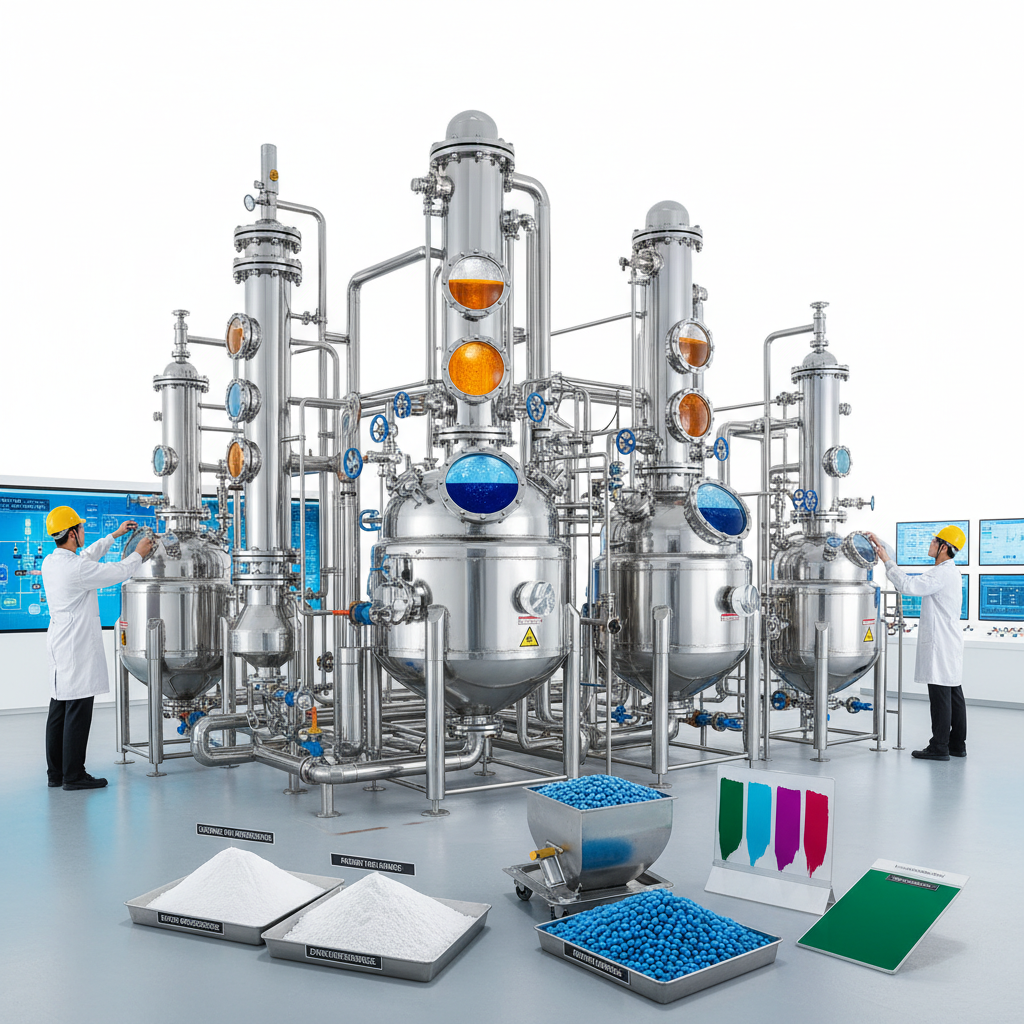
A professional china basic dye factory is defined by its integration of R&D and production. For instance, Xingtai Yanhong Chemical Technology Co., Ltd., located in the Jiasong Industrial Zone, operates as a High-Tech enterprise that doesn't just mix chemicals but engineers them for specific fiber affinities. This integration ensures that the transition from laboratory sample to mass production remains seamless.
The core of such facilities lies in their testing equipment. When dealing with cationic dyestuffs, the ability to monitor pH stability and exhaustion rates in real-time is critical. Without advanced scientific research and development, factories often struggle with "shade drifting," where the color varies slightly between batches, creating significant risks for large-scale industrial users.
Moreover, the spatial organization of the factory—separating dye intermediate production from final synthesis—prevents cross-contamination. This structural rigor is what allows high-performance series products to maintain the purity required for high-temperature and high-pressure dyeing processes.
Key Performance Indicators for High-End Cationic Dyestuffs
When analyzing product specifications, such as those for Cationic Brill Yellow X-10GFF, the primary focus is on the synergy between brilliance and durability. High-performance cationic dyes must exhibit a high exhaustion rate, which means more of the dye adheres to the fiber and less is wasted in the effluent, directly impacting both cost and environmental load.
Affinity and penetration are the two non-negotiable metrics. A dye with excellent affinity for acrylic fibers ensures a saturated tone, while uniform penetration prevents the "ring dyeing" effect, where the core of the fiber remains colorless. This is particularly vital for textiles that undergo heavy friction, such as automotive seating.
Fastness performance—specifically light, wash, and rubbing fastness—determines the lifecycle of the end product. Dyes designed for outdoor textiles must resist UV degradation, requiring a molecular structure that remains stable under prolonged sunlight exposure and varied pH levels.
Strategic Applications in Automotive and Outdoor Textiles
The application of cationic dyestuffs extends far beyond basic clothing. In the automotive sector, fabrics must withstand extreme temperature fluctuations and constant UV exposure. Products like Cationic Red X-5GN and Cationic Blue X-GB are specifically engineered for these environments, offering the vivid tones required for luxury interiors while meeting strict perspiration and light-fastness standards.
Home textiles and upholstery represent another critical vertical. Here, the demand is for "leveling properties"—the ability of the dye to distribute evenly across large surfaces of fabric without spotting. High-temperature dyeing processes are often employed to ensure that the dye penetrates deep into the acrylic fibers, providing a lasting luster that resists fading after repeated washing.
Beyond textiles, the paper and ink industries utilize these dyes for their solubility and brightness. Because cationic dyes are highly soluble, they can be formulated into precise shades for high-speed printing and specialty paper production, where consistency across thousands of meters of material is the primary quality benchmark.
Benchmarking Dye Uptake and Color Saturation Efficiency
Measuring the efficiency of a dye involves comparing the "exhaustion rate" (how much dye leaves the bath) against the "color yield" (how much of that dye actually produces the desired shade). In a standard industrial environment, basic dyes may show variability, but high-performance cationic series are designed for maximum utilization.
When comparing standard industrial benchmarks against optimized cationic solutions, we see a marked improvement in both environmental impact and visual consistency. The following data represents the relative efficiency of high-performance cationic dyes across five critical operational dimensions.
china basic dye factory Performance Metrics
As indicated, the optimized cationic approach significantly reduces wastewater residue while increasing the saturation of the fiber. This efficiency is achieved through better molecular affinity, allowing for shorter dyeing cycles and reduced energy consumption during the high-temperature phase.
Procurement Framework for Sustainable Chemical Sourcing
Procuring chemical agents from a china basic dye factory requires a shift from "lowest cost" to "total cost of ownership." A cheaper dye that requires three times the amount of water for rinsing or results in a 5% rejection rate due to color streaks is actually more expensive than a premium product with high exhaustion rates.
Buyers should evaluate the supplier's ability to provide customized solutions. For example, if a manufacturer is producing automotive fabrics, they need a dye that is compatible with specific modified acrylic fibers. A factory that provides technical support and sample testing before bulk shipment significantly reduces the risk of implementation failure.
Verification of quality control protocols is the final step. Professional factories utilize superior dyestuff testing equipment to ensure that every batch matches the master sample. This consistency is what allows brands to maintain their identity across different production sites globally.
Future Shifts in Low-Emission Cationic Dye Technology
The trajectory of the dye industry is moving toward "green chemistry." This involves developing dyes that require lower temperatures for fixation, thereby reducing the carbon footprint of the textile mill. We are likely to see a transition toward dyes with even higher solubility, which reduces the need for auxiliary chemical agents that often pollute wastewater.
Digital precision in color matching is also expected to integrate more deeply with factory production. By utilizing advanced R&D teams to create "digital twins" of dye formulations, factories could potentially predict the outcome of a dyeing process before a single liter of water is used, drastically reducing waste during the sampling phase.
Furthermore, the development of new types of high-performance cationic series will likely focus on "multi-functional" dyes—those that provide not only color but also inherent properties like antimicrobial resistance or enhanced flame retardancy, specifically for the medical and safety textile sectors.
Comparative Matrix for Cationic Dye Selection
Choosing the right dye depends on the final application's environment. While a bright yellow may be ideal for decorative upholstery, it may not have the UV stability required for outdoor awnings. The following matrix assists procurement officers in aligning product characteristics with end-use requirements.
The comparison below highlights the trade-offs between different cationic dye types based on their technical strengths and the specific industrial conditions they are designed to withstand.
| Dye Category | Primary Strength | Ideal Application | Critical Limit |
|---|---|---|---|
| High-Brilliance Yellow | Saturated Luster | Decorative Interiors | Moderate UV Exposure |
| Deep Red Cationic | High Affinity | Automotive Seating | High Temp Process |
| Stable Blue Series | Wash Fastness | Sportswear/Outdoor | Requires Precise pH |
| Modified Cationic | Rapid Penetration | Industrial Felt | Lower Shade Range |
| Eco-Efficient Series | Low Residue | Sustainable Apparel | Longer Fixation Time |
| Specialty Ink Dye | High Solubility | Digital Printing | Low Rubbing Fastness |
Ultimately, the selection process should be guided by a technical trial. By analyzing the dye's behavior on the specific fiber blend used in production, manufacturers can ensure that the chosen product delivers the required longevity and aesthetic quality.
Frequently Asked Questions
Conclusion
The selection of a partner among the various china basic dye factory options should be based on a rigorous evaluation of technical capacity and product stability. As the textile industry moves toward more demanding applications in automotive and outdoor sectors, the reliance on high-performance cationic dyestuffs with proven fastness and efficiency becomes paramount.
By prioritizing suppliers like Xingtai Yanhong Chemical Technology Co., Ltd., who combine decades of production experience with advanced R&D, manufacturers can ensure their products maintain a competitive edge in quality and sustainability. For those evaluating specific product grades or seeking customized dyeing solutions, detailed technical specifications are available through www.yanhongchem.com.