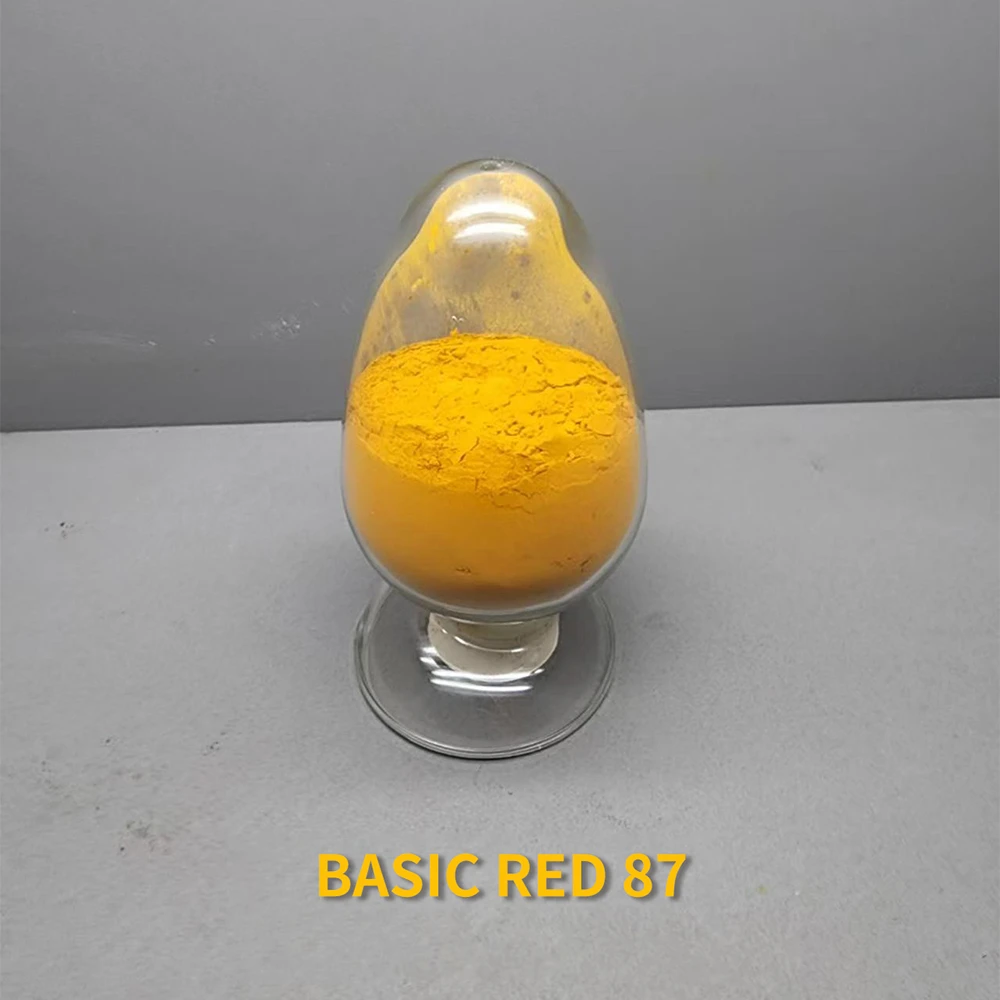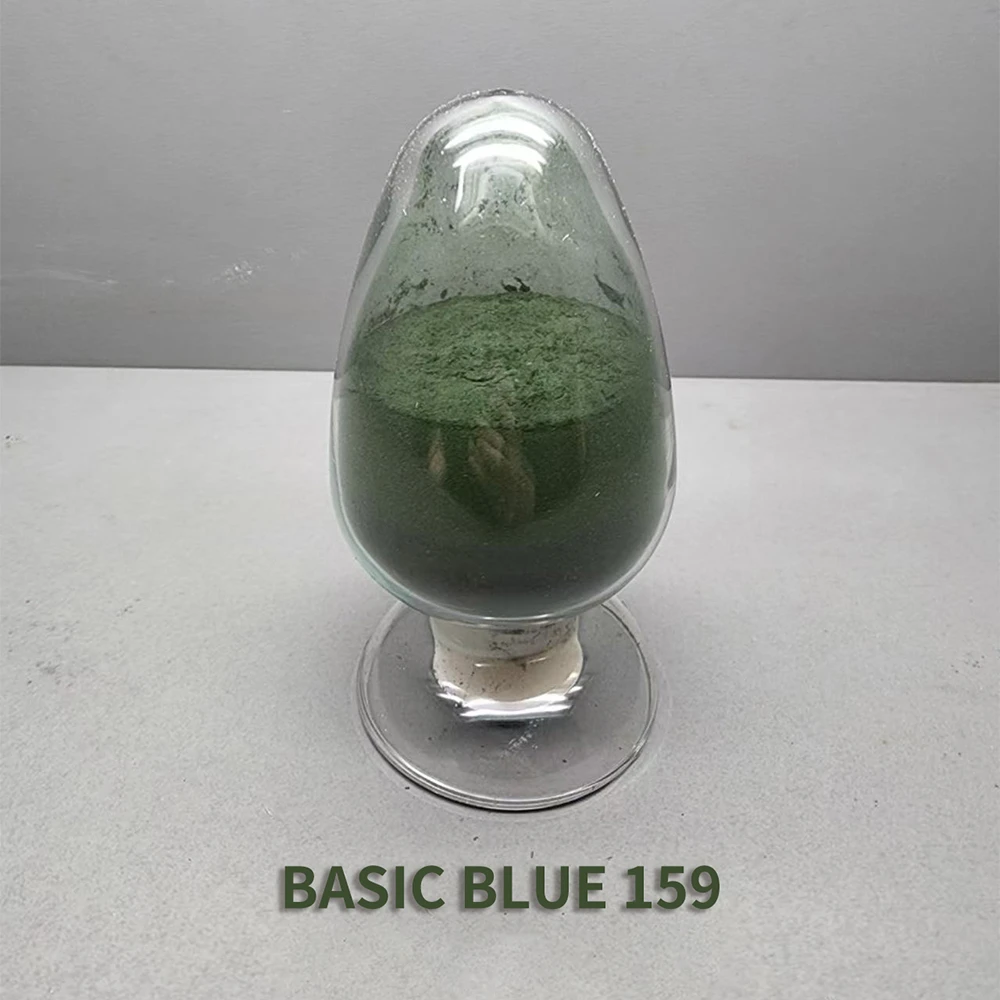
Powdered Fabric Dye: Sustainable Textile Solutions & Industry Insights
Understanding Powdered Fabric Dye: A Colorful Revolution in Textiles
Powdered fabric dye might sound like just another ingredient in the vast world of textile manufacturing, but honestly, it's far more significant. Consider this: textiles form an essential part of global trade, employment, and daily life. Coloring fabrics efficiently and sustainably can make a huge difference not only in industrial outputs but also on humanitarian fronts where quick, reliable solutions matter. Understanding powdered fabric dye reveals why colorants aren’t just about aesthetics—they’re pivotal for economies, cultures, and innovative sustainability efforts worldwide.
The Global Context: Why Powdered Fabric Dye Matters Today
Globally, the textile industry is a backbone for millions. According to the United Nations Industrial Development Organization (UNIDO), textiles are among the largest manufacturing sectors worldwide, employing nearly 60 million people. With the global textile market expected to grow steadily, the demand for effective, eco-friendly dyeing methods surges alongside it.
Here’s a challenge: traditional liquid dyes can be heavy, expensive to ship, and sometimes environmentally harmful — think about massive volumes of wastewater and chemical runoffs. Powdered fabric dye offers a compelling alternative. It is lighter, easier to store and transport, and often more concentrated, reducing waste. This helps textile producers across emerging economies and disaster relief suppliers who need rapid, deployable solutions for coloring fabrics with limited resources.
So, the puzzle is not just about “how to add color” but how to do it sustainably and practically worldwide.
What Exactly Is Powdered Fabric Dye?
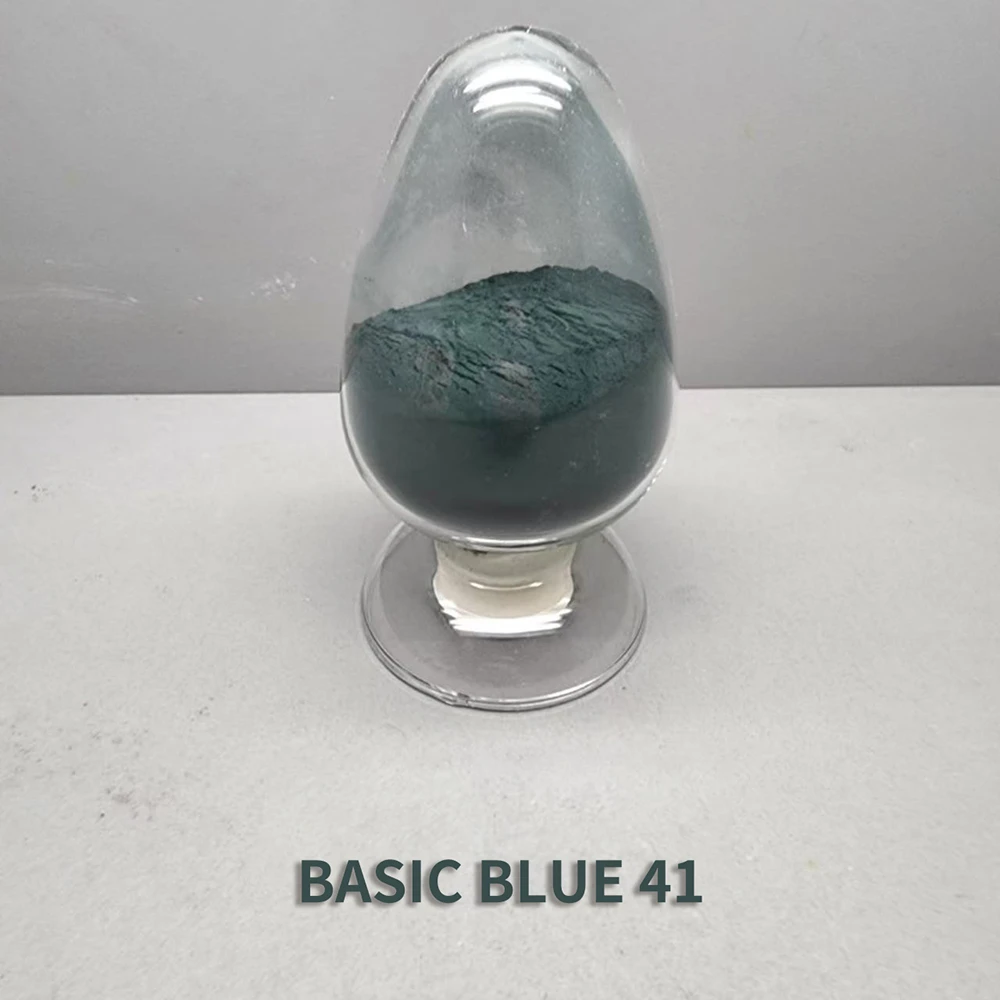
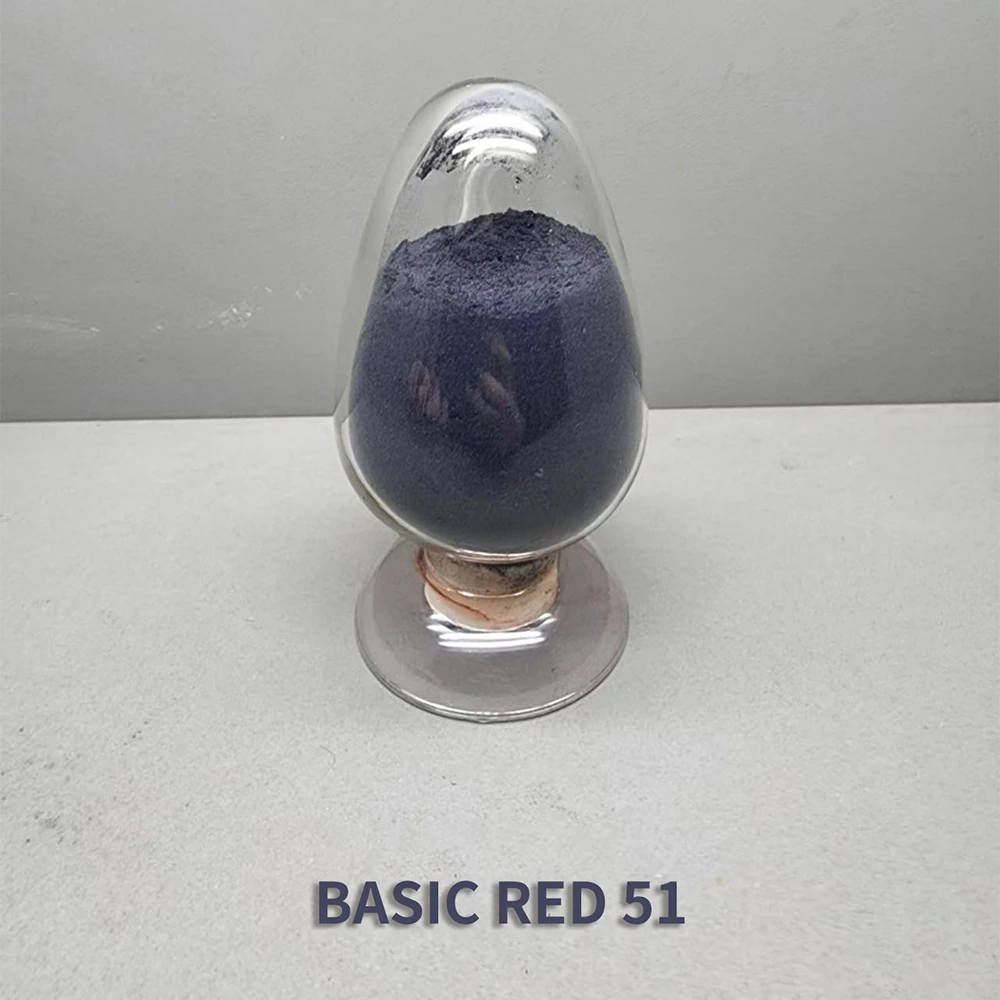
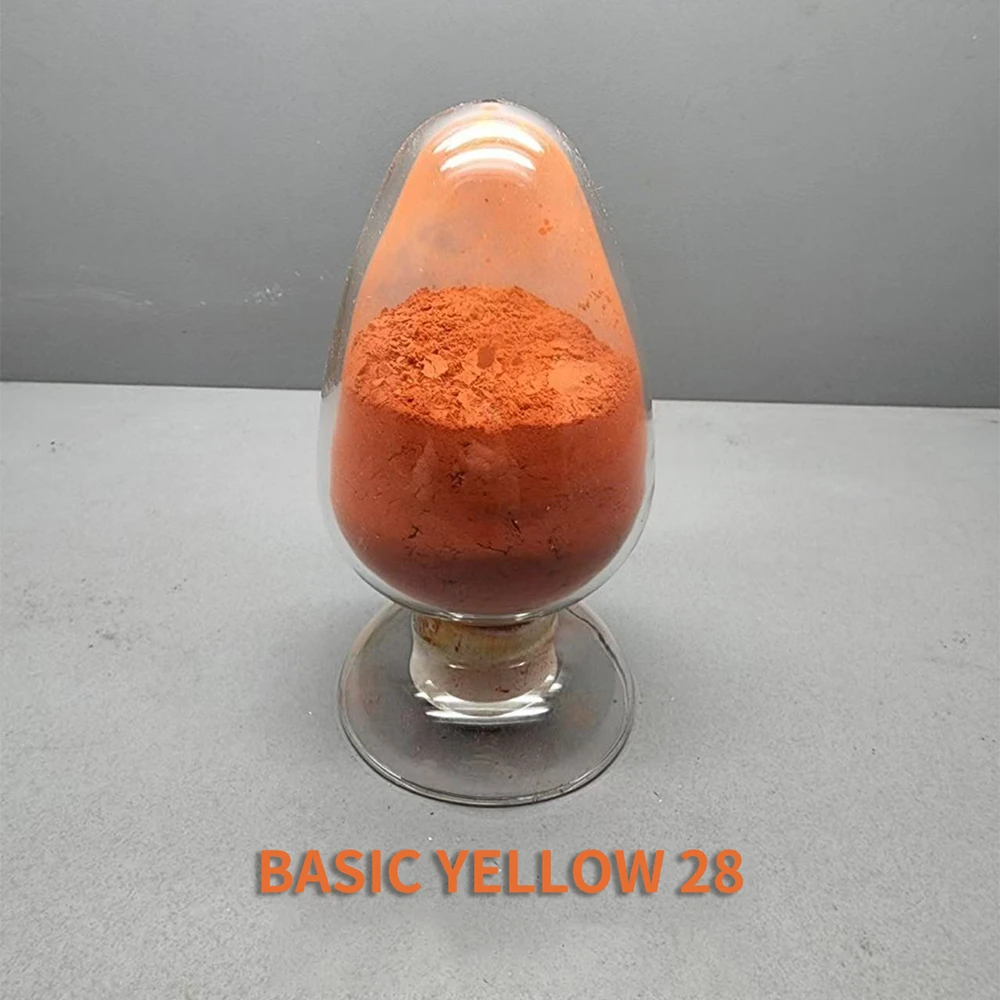
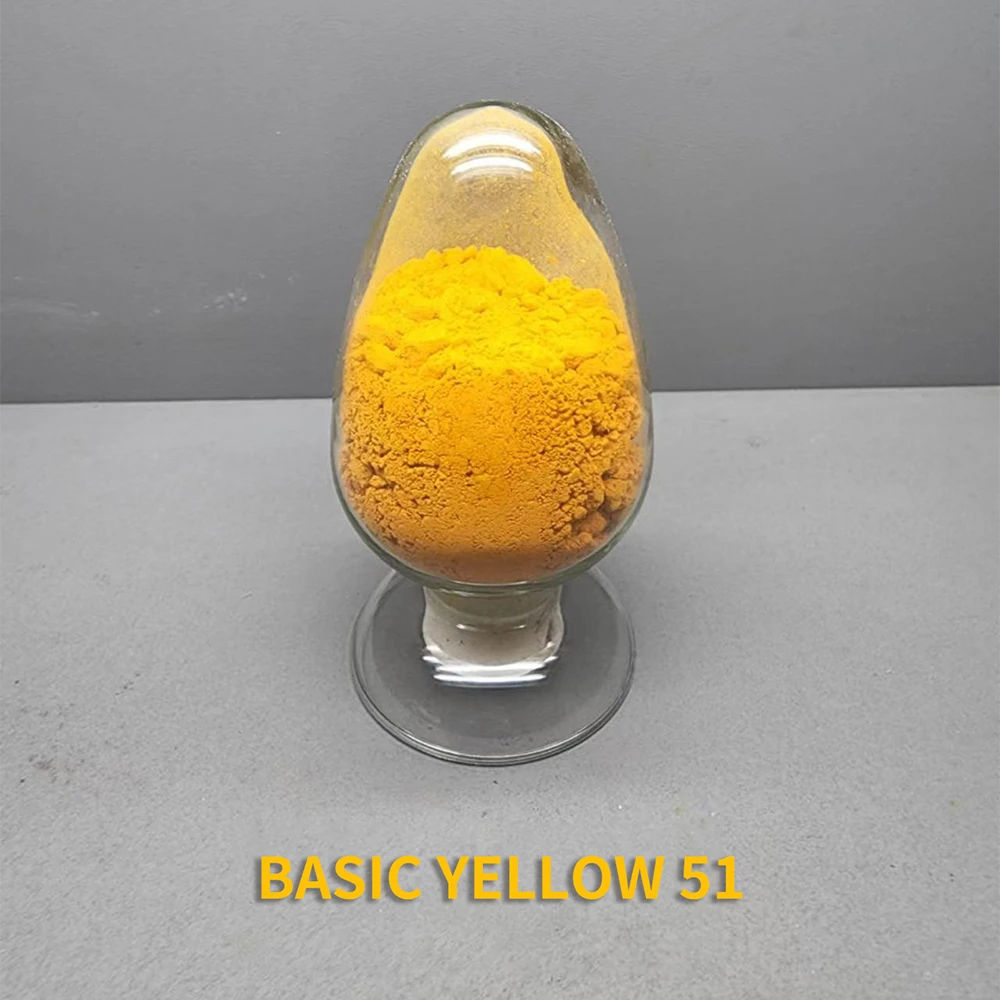
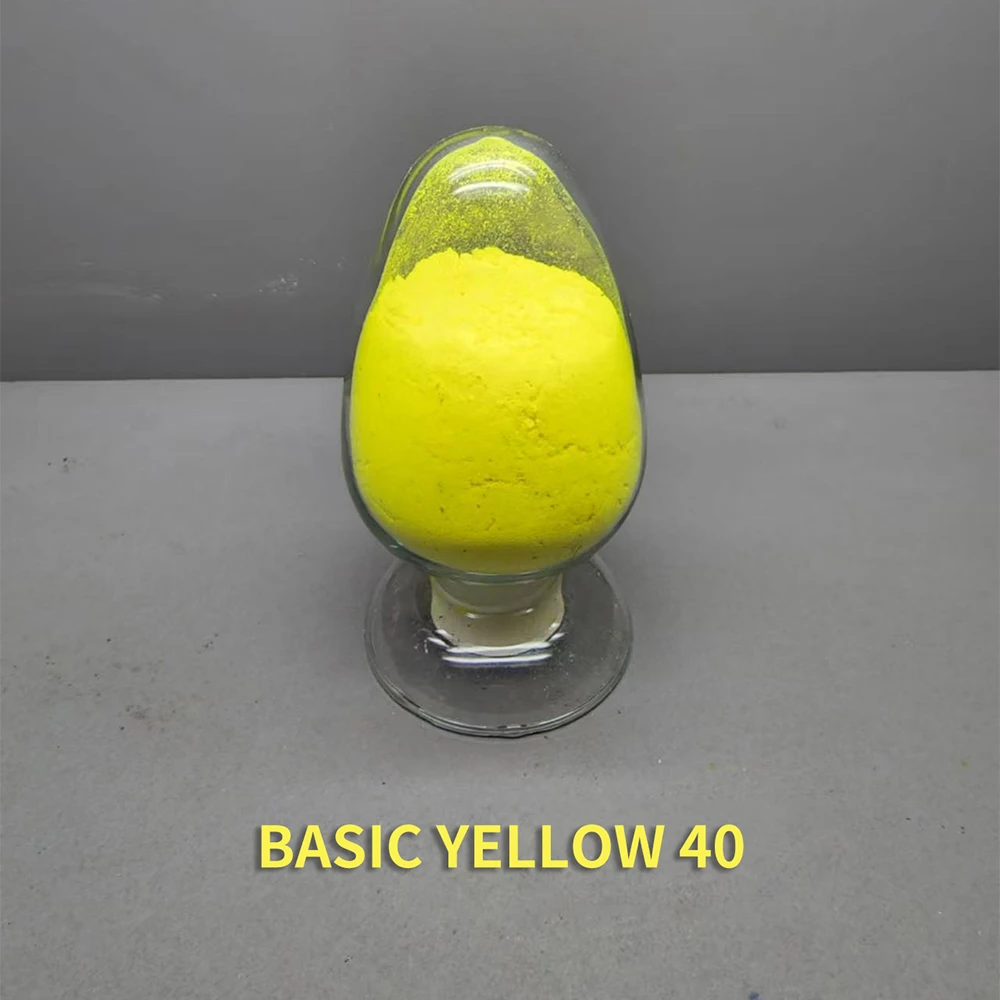
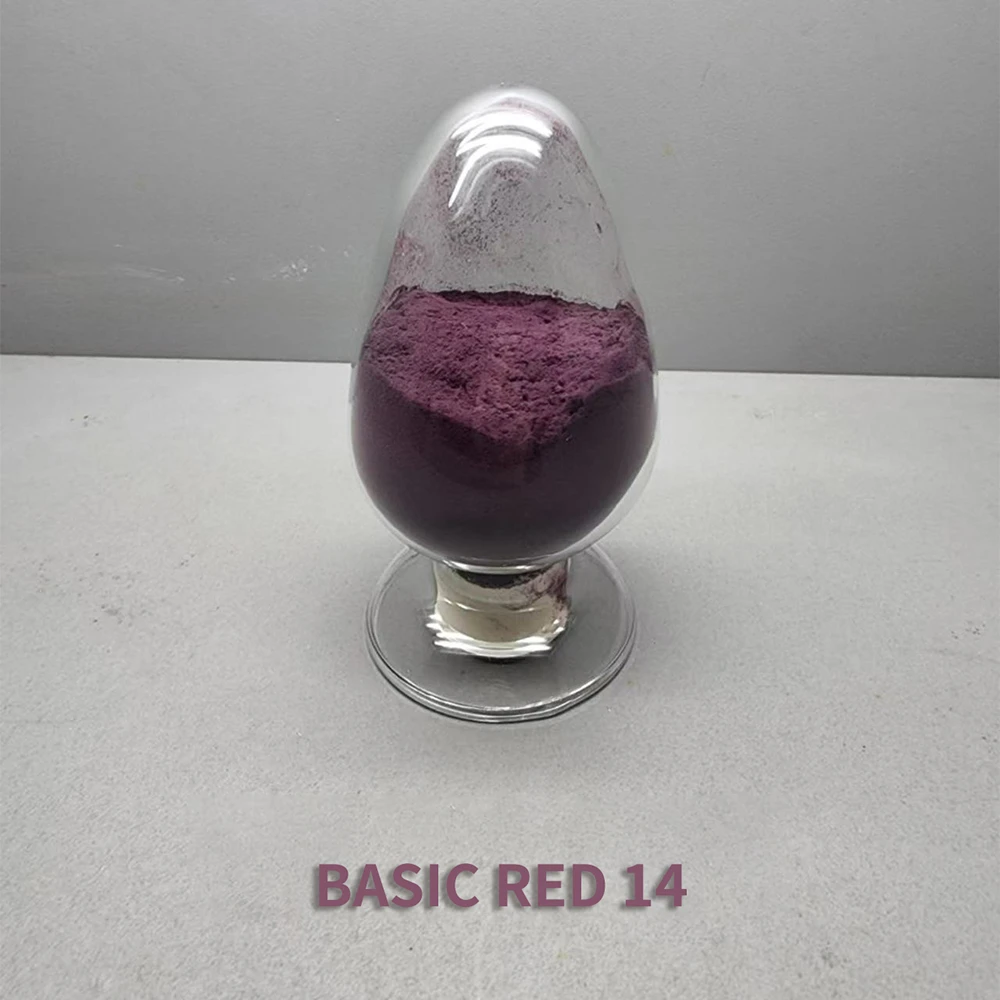
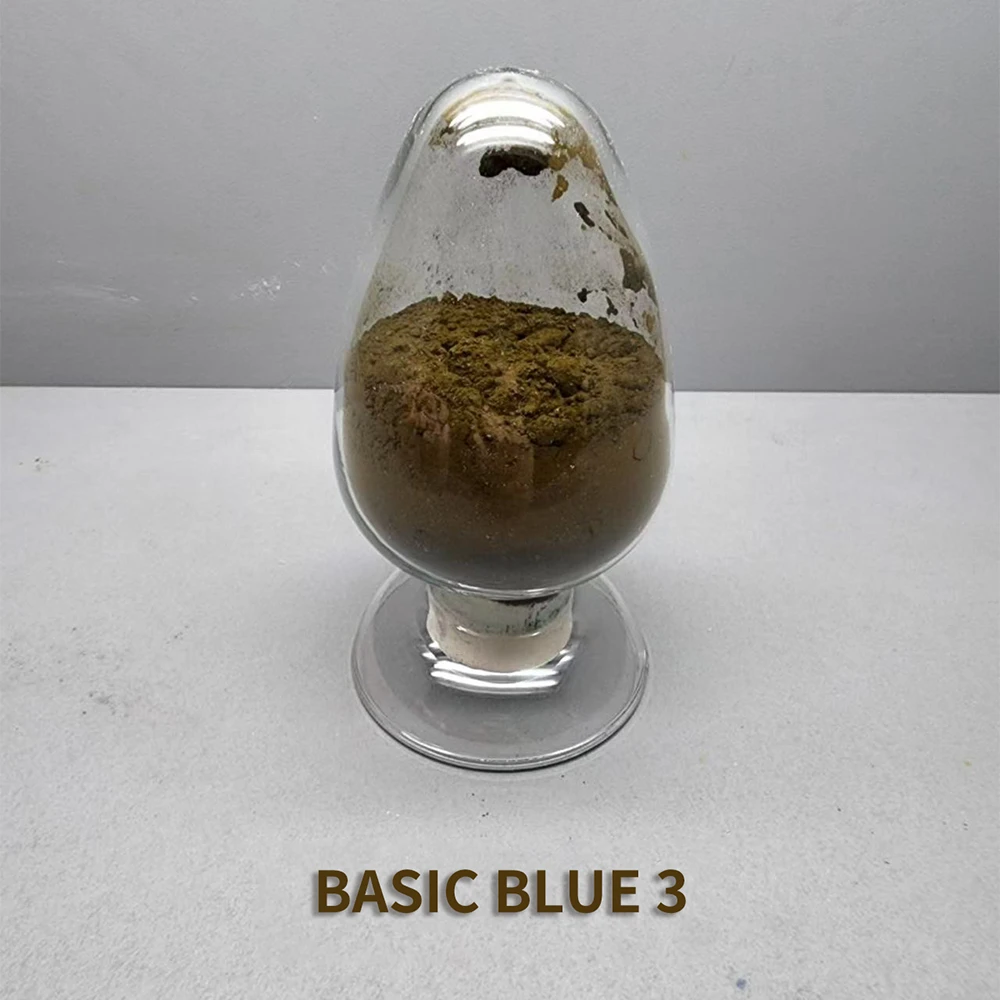
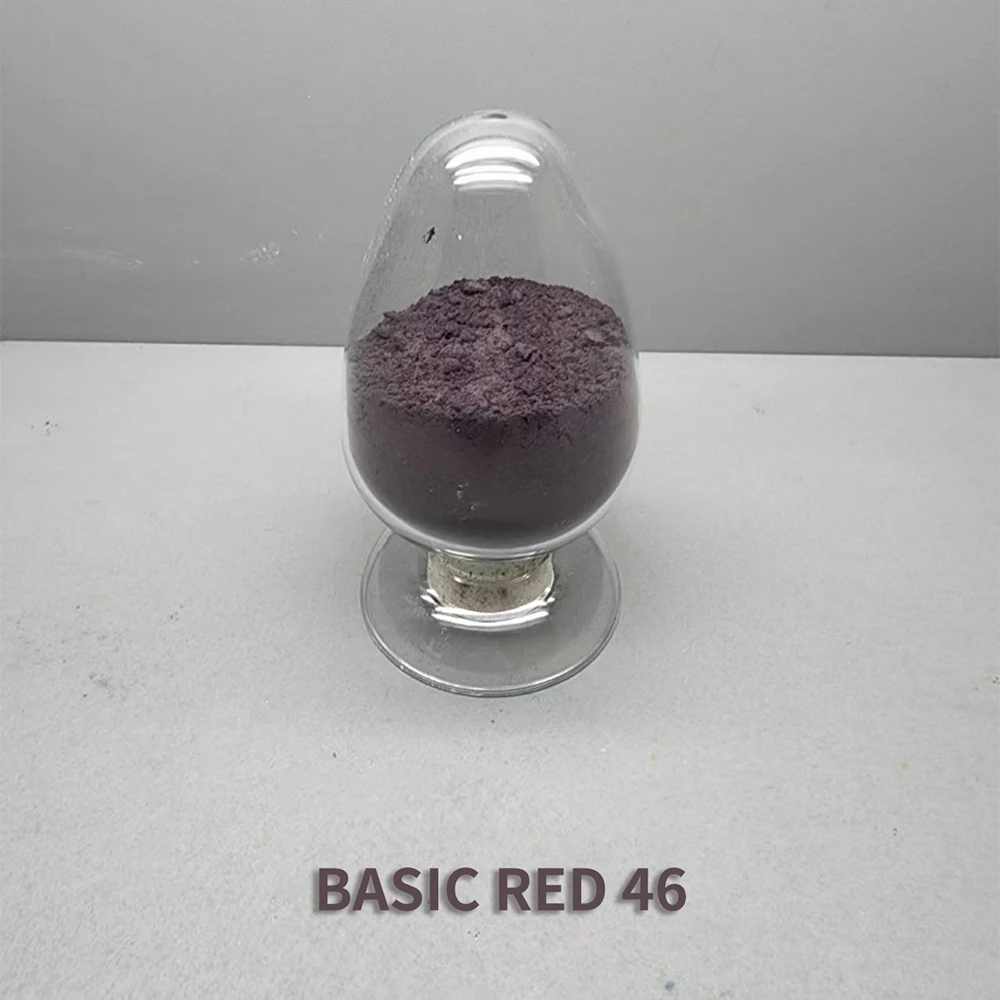
To keep things simple, powdered fabric dye is a dry, concentrated form of colorant specifically designed for applying vibrant hues on textiles. Unlike liquid dyes, it arrives in granular or fine powder form, making it compact to store and less prone to spoilage.
In the modern industry—imagine factories, artisan workshops, and remote areas—powdered dyes provide a practical, adaptable alternative. Interestingly, they also play a role in humanitarian aid, where coloring fabrics quickly can support the creation of uniforms, tents, or relief items under challenging logistical conditions.
Core Components of Powdered Fabric Dye
- Color Concentrate: The heart of any dye, offering vivid pigmentation that ensures long-lasting colorfastness on varied textiles.
- Binders & Carriers: These help facilitate even application and help the dye bond with fabric fibers.
- Solubility Agents: Enhance the powder’s ability to dissolve efficiently during the dyeing process.
- Anti-caking Additives: Prevent lumps forming during storage or shipment, essential for maintaining dye quality.
Durability
Powdered fabric dyes often provide exceptional resistance to fading under exposure to sunlight, washing, and abrasion. This makes them ideal for outdoor textiles and high-use garments. Durability translates directly into consumer satisfaction and lower environmental impact from discarded products.
Scalability & Cost Efficiency
Because powdered dyes are concentrated, less material is needed per batch, translating into cost savings. Manufacturers in both large-scale factories and smaller local operations appreciate this efficiency. Plus, shipping lighter powder cuts logistics costs.
Eco-friendliness
Compared to traditional liquid dyes, powdered variants often generate less wastewater and utilize fewer harmful chemicals. Many brands are now formulating biodegradable or low-impact powders, aligning with global sustainability goals to reduce pollution.
Consistency and Customization
The finely milled texture of powder allows for greater consistency in shade and texture across batches. This is critical in fashion and industrial settings where brand colors must remain uniform.
Real-World Applications of Powdered Fabric Dye
Powdered fabric dye finds use across continents and industries. For instance, in South Asia, local textile mills rely on powdered dye because it reduces dependency on complex logistics for bulk liquids. Likewise, NGOs involved in disaster relief use powders to re-color tent fabrics or clothing rapidly—even in cramped settings without large dye vats.
In Europe, textile manufacturers integrate powdered dyes into automated dyeing machines, increasing efficiency and output while reducing waste. Japan’s evolving fashion designers leverage custom-toned powdered dyes to experiment with sustainable capsule collections.
The demand stretches beyond just cloth makers. Think upholstery, industrial filters, automotive fabrics, and sportswear—all benefiting from the flexible application of powdered dyes.
Advantages & Their Long-Term Value
- Environmental Impact: Reduced water use and less chemical waste means less harm to aquatic ecosystems—something pressing according to UN water sustainability goals.
- Cost Savings: Lower transportation and storage costs make powdered dyes appealing, especially for small and medium enterprises.
- Reliability & Quality: Consistent color output builds trust with clients and consumers, essential for brand integrity.
- Social Benefits: Rapid dyeing solutions support local economies and disaster relief—helping restore dignity quickly via vibrant clothes or uniforms.
Frankly, the mix of practicality, economy, and sustainability is why powdered fabric dye is gaining traction globally.
Product Specification Table
| Specification | Typical Value | Unit |
|---|---|---|
| Pigment Concentration | 85 | % |
| Particle Size | 25–40 | Microns |
| pH (dye solution) | 6.5–7.5 | - |
| Solubility | >98 | % |
| Storage Life | 12 | Months |
Vendor Comparison: Selecting the Right Supplier
| Vendor | Price/kg | Delivery Lead Time | Eco Credentials | Customization Options |
|---|---|---|---|---|
| ColorPlus Industries | $12.50 | 2 weeks | ISO 14001 Certified | Yes |
| HueMakers Ltd. | $11.80 | 3 weeks | Green Seal Certified | Limited |
| Spectrum Dyes Co. | $13.00 | 1 week | B Corp Certified | Extensive |
Looking Ahead: Innovations and Future Trends
Looking forward, there’s a real buzz around integrating nanotechnology and bio-based pigments into powdered fabric dye formulas. These innovations promise even greater environmental benefits and color vibrancy. Digitally controlled dyeing machines are dropping fabric waste, adjusting pigmentation precisely, cutting resources. Some labs are developing powders from recycled textiles themselves, closing the loop in circular fashion.
Regulations from ISO and world environmental bodies encourage safer chemical profiles and energy-efficient processes. Here and there, initiatives emerge to improve the supply chain transparency, helping brands and consumers trust powdered dyes’ green promises more fully.
Challenges and Smart Solutions
Despite its perks, powdered fabric dye isn’t without issues. Uniform dissolution can be tricky, requiring skilled handling to avoid patchy colors. High humidity during storage may cause caking. Also, some powders still use synthetic pigments that aren’t biodegradable.
That said, ongoing research around anti-caking agents, moisture-resistant packaging, and shifting to plant-based pigments show promise. Manufacturers supporting end-user training and investing in quality control help bridge these gaps too.
FAQ: Your Powdered Fabric Dye Questions Answered
- Q: How do powdered fabric dyes compare in environmental impact to liquid dyes?
- Powdered dyes typically use less water and generate less effluent, reducing pollution drastically. While liquid dyes can create large volumes of wastewater, powders offer a more concentrated, less wasteful alternative.
- Q: Can powdered fabric dyes be used on all types of textiles?
- They work well on most natural and synthetic fibers; however, formulation may vary. Some powders are specifically designed for cotton, silk, polyester, or blends, so it’s important to pick the right type for your fabric.
- Q: Are powdered fabric dyes safe to handle without special equipment?
- Generally, these dyes are considered safe with basic precautions—using gloves and masks during mixing is advisable to avoid inhaling dust. Always follow vendor safety sheets for best practices.
- Q: How long can powdered fabric dye be stored before it loses quality?
- Most powdered dyes have a shelf life of about 12 months if stored in dry, cool conditions in sealed packaging. Moisture and heat can degrade their effectiveness over time.
Wrapping Up: Why Powdered Fabric Dye Deserves Your Attention
The evolving story of powdered fabric dye is really one about smarter, cleaner, and more adaptable coloring solutions that keep pace with modern textile needs—whether in sprawling factories or emergency tents in far-flung regions. For businesses and humanitarian agencies alike, it’s a tool to add vibrance, resilience, and sustainability to fabrics worldwide.
Want to dive deeper or explore premium powdered fabric dyes? Check out our range at powdered fabric dye supplier offerings — because when color matters, every detail counts.
Quick Takeaways
- Powdered fabric dye reduces shipping weights and environmental footprints.
- It offers durable, uniform colors suitable for many textile types.
- Key industry and humanitarian applications highlight its versatility.
- Future tech and greener chemistries promise an even brighter dyeing future.
References
-
Comprehensive Guide to the Dyeing of Cotton Fabric with Direct Dye TechniquesNewsFeb. 25, 2026
-
Gold Fabric Dye: Durable, Sustainable, and Luxurious Textile SolutionsNewsDec. 07, 2025
-
Exploring Reactive Dyes in Textile A Comprehensive Guide to Chemistry and ApplicationNewsMar. 05, 2026
-
Understanding Synthetic Dye Black Applications Sourcing and Emerging TrendsNewsMar. 10, 2026
-
Rhodamine B Cationic Dye - Industrial Grade & Reliable SuppliersNewsDec. 03, 2025
-
Comprehensive Guide to Fabric Dye Price Factors and Optimization StrategiesNewsFeb. 27, 2026