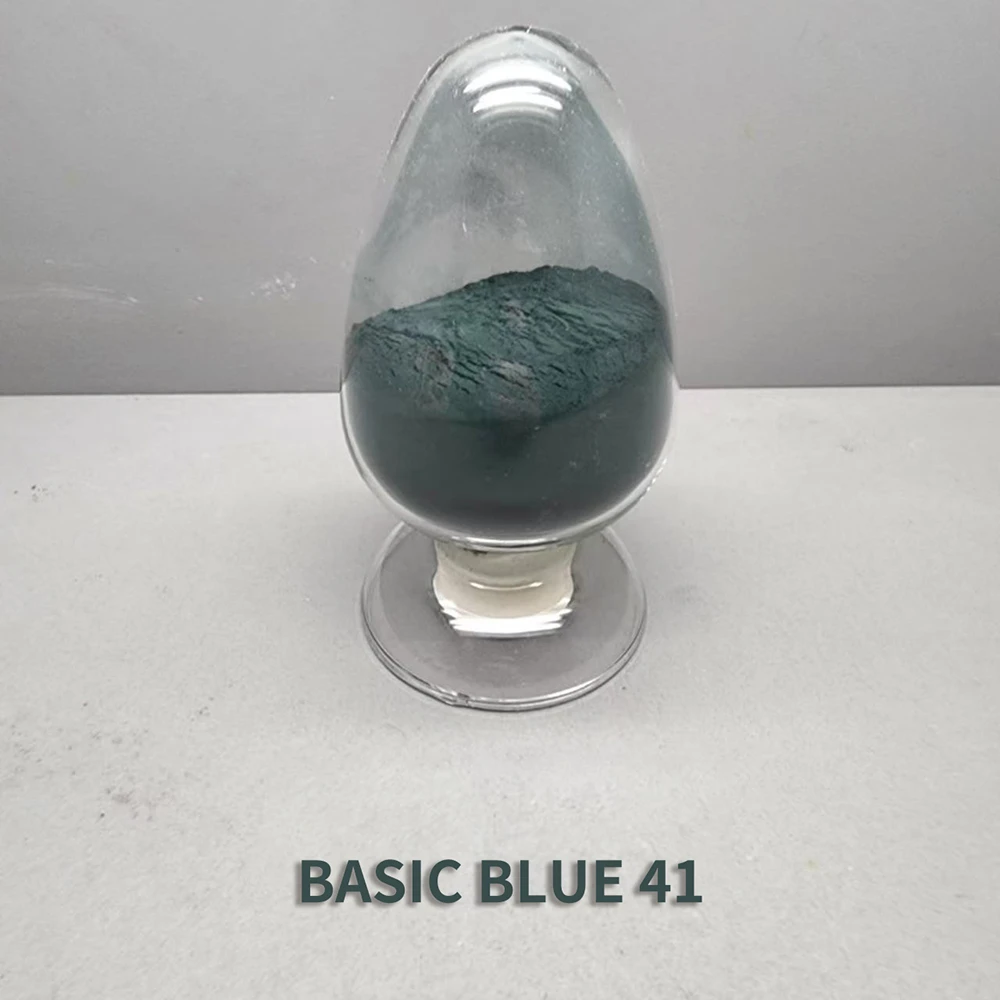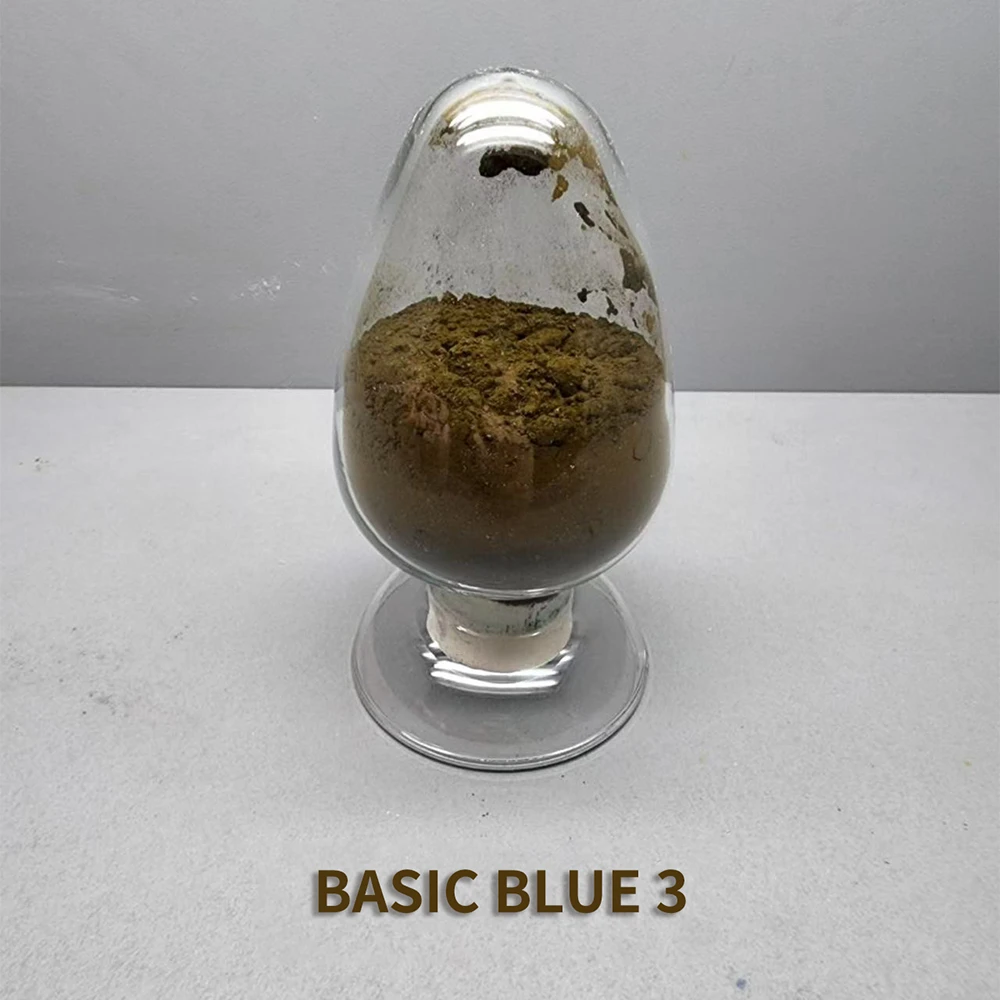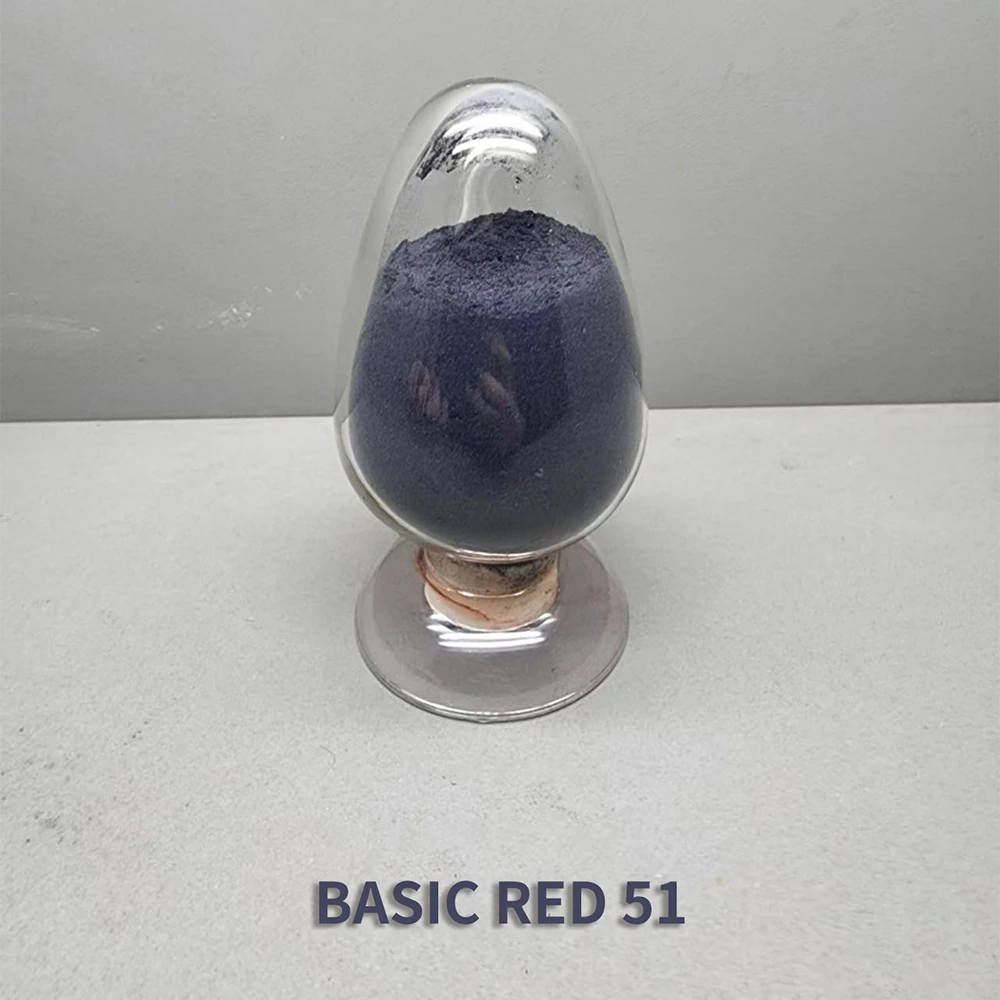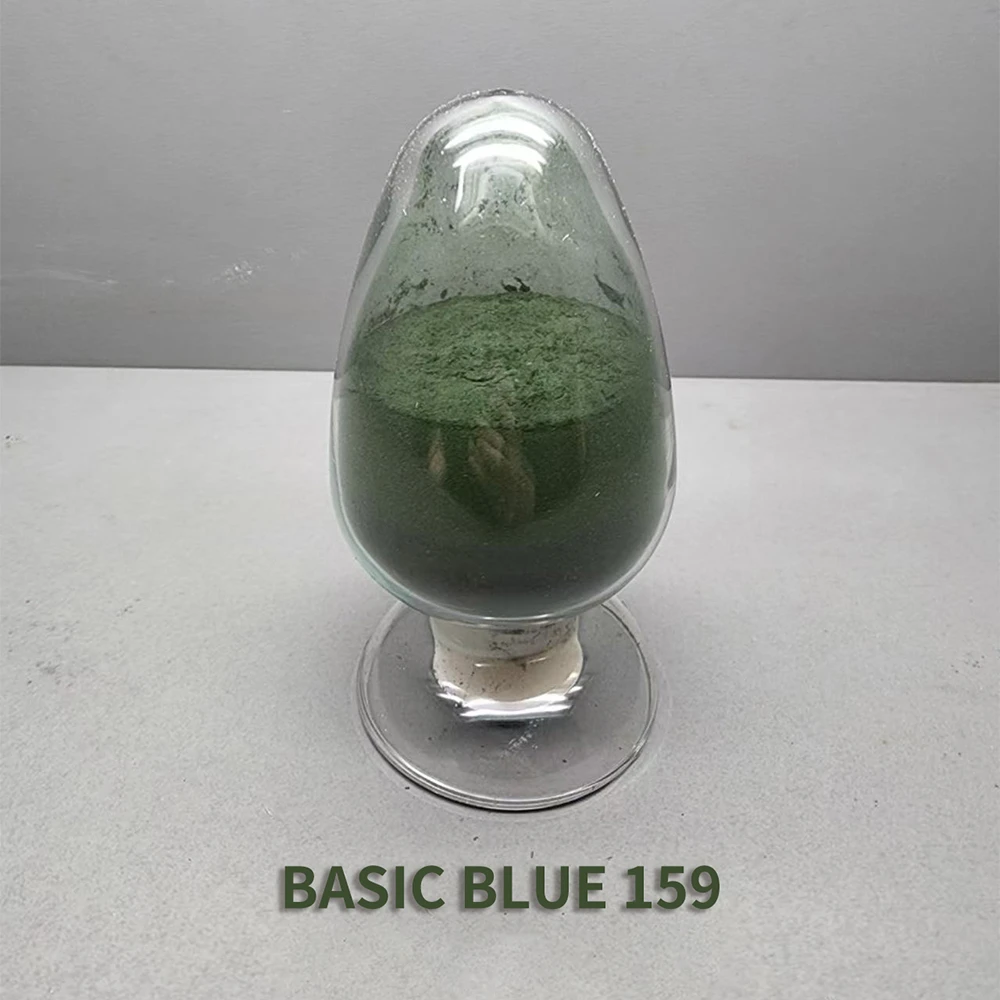
Fabric Dye for Sofa: Durable, Sustainable, and Stylish Upholstery Colors
Understanding Fabric Dye for Sofa: Why It Matters Worldwide
Ever paused to consider what keeps your favorite sofa looking fresh and vibrant? That's where fabric dye for sofa plays a surprisingly big role. More than just a splash of color, these dyes influence everything from environmental impact and manufacturing economies to the feel and longevity of your living space’s centerpiece. Globally, with millions of sofas produced every year and consumers demanding sustainability alongside style, understanding the ins and outs of fabric dyeing processes is becoming critical for manufacturers, trade professionals, and even homeowners.
In a nutshell, fabric dye for sofas are specialized coloring agents designed to impart durable, fade-resistant hues onto the various fabrics used in upholstery. But beyond aesthetics, their innovation touches on environmental stewardship, cost effectiveness, and durability — all major factors in today’s global furniture markets.
The Global Context: More Than Just Color
When you think globally, the upholstery industry is massive. According to the International Organization for Standardization (ISO), textile dyeing alone accounts for about 20% of global industrial water pollution. That’s not trivial. Combine that with the World Bank’s notes on the $500 billion furniture industry, and you see why innovations in fabric dyeing—especially for sofas—matter.
There’s more to the story: with rapid urbanization and changing lifestyles worldwide, demand for fresh, stylish sofas surges, especially across Asia-Pacific and North America. But with that comes a challenge — how do manufacturers meet this demand sustainably, without compromising on quality or driving up costs? Here’s where the humble fabric dye plays a stealthy yet vital role.
What Exactly Is Fabric Dye for Sofa?
In simple terms, fabric dye for sofa refers to the pigments or chemical compounds applied to sofa upholstery fabrics to give them color. We're not just talking any paint here: these dyes must penetrate deeply, resist fading from sunlight and cleaning products, and be non-toxic to human contact. The fabrics themselves range from natural fibers like cotton and linen to synthetics such as polyester and microfiber.
Beyond home furniture, these dyes have found humanitarian uses too — in refugee camps, for example, where durable and easily renewable seating fabrics can mean a small, comforting symbol of stability.
Core Aspects of Fabric Dye for Sofa
Durability
Imagine a sofa whose color fades after only a few months—that’s a no-go in any world-class living room. Dyes designed specifically for upholstery ensure resistance to rubbing (abrasion), sunlight (UV rays), and detergents.
Color Fastness
Fastness means the color stays consistent, no bleeding or uneven fading, even after multiple cleaning cycles. It’s a bit like a lasting friendship—steady and reliable.
Environmental Impact
Modern fabric dyes increasingly emphasize low water usage, biodegradable chemicals, and reduced toxic waste. Many producers comply with ISO 14001 environmental management norms to reduce pollution footprints.
Cost Efficiency
Producing dyes that provide high-quality effects without pushing prices through the roof is a balancing act. Fabric dye for sofa must keep costs manageable, especially for large-scale manufacturers.
Fabric Compatibility
Different sofa fabrics react differently to dyes. A polyester sofa can demand a totally different dye chemistry than cotton, so versatility here is key.
Customization & Aesthetics
Finally, the dye should open up broad color palettes and finishes—matte, glossy, textured—for the designer’s creative toolbox.
Mini takeaway: The perfect sofa dye lives at the intersection of tech, art, and ethics — durable, safe, stylish, and sustainable.
Worldwide Applications and Real-World Use Cases
Most of the upholstery fabrics today are dyed in large facilities in China, India, and Turkey — the heartlands of furniture manufacturing. But it doesn’t end there.
- Hospitality & Hotels: These sectors demand both quantity and consistent quality. Long-lasting sofa colors mean less frequent replacements and happier guests.
- Healthcare Environments: Here, non-toxic, hypoallergenic dyes are essential for patient safety and hygiene.
- Refugee Camps & Disaster Relief: Durable dyed fabrics offer quick replacements and comfort items that can be critical for morale.
- Home Markets Worldwide: Consumers increasingly want eco-friendly sofas aligned with their values. Fabric dye for sofa helps brands answer that call.
Oddly enough, remote industrial zones and military bases also benefit from highly durable upholstery that stands up to extreme conditions, kept colorful with specialized dyes.
Advantages & Long-Term Value of Choosing Good Fabric Dye for Sofa
The advantages go beyond aesthetics. First, durable dyes lower the total cost of ownership since sofas need less frequent reupholstering or replacement. That adds up, especially in commercial contexts.
Environmentally, newer eco-conscious dyes reduce harmful waste, cut water usage, and limit chemical runoff into waterways, matching global sustainability goals like those of the United Nations Sustainable Development Goals (UN SDGs).
Socially, offering sofas dyed with safe, tested materials preserves human health—nothing but dignity and care, right in your living room.
Innovation in dyeing also fosters trust between customers and brands, a key factor in the crowded textile industry.
Product Specification Table
| Specification | Typical Values | Notes |
|---|---|---|
| Color Fastness to Washing | ≥ 4 (ISO 105-C06) | Excellent resistance to household laundering |
| UV Resistance | ≥ 6 (ISO 105-B02) | Suitable for sunny rooms or light exposure |
| Eco Tox Profile | Low aquatic toxicity | Compliant with REACH and Oeko-Tex standards |
| Dye Uptake Efficiency | > 85% | Reduces waste and cost |
| Compatible Fabrics | Cotton, Polyester, Acrylic | Versatile application range |
Comparing Major Fabric Dye Vendors
| Vendor | Sustainability | Price Range (USD/kg) | Regional Strength | Key Features |
|---|---|---|---|---|
| Yanhong Chemicals | ISO 14001 certified, low wastewater | 3.50 - 5.00 | Asia, Global export | High fastness, customized shades |
| ColorPro Dyes | Moderate, increasing eco focus | 4.00 - 6.50 | Europe, North America | Wide color range, strong UV resistance |
| DuraTex Solutions | High emphasis on biodegradables | 5.00 - 7.00 | Global | Innovative green dyes, versatile |
Exciting Developments in Fabric Dye for Sofa
The next decade looks promising for fabric dye tech. Smart dyes that change color with temperature or light, plant-based natural dyes replacing synthetics, and digital pigment printing to minimize waste — these are rapidly moving from labs into production lines.
Automation and AI-driven color matching systems are helping manufacturers reduce errors, cut lead times, and offer bespoke color mixing. Green energy-powered dyeing plants are also becoming a reality, lowering carbon footprints dramatically.
Frankly, it’s a blend of chemistry, cutting-edge tech, and the pressing global mandate for sustainability — quite the trifecta.
Typical Challenges and How the Industry is Tackling Them
Not everything is rosy. Water pollution remains a concern despite advances, especially in regions with lax enforcement. Color consistency across batches can falter without tight quality controls. Also, balancing cost versus ecological friendliness is tricky; sometimes green dyes cost more, which can slow adoption.
Industry leaders often share solutions like closed-loop water systems, stricter supply chain audits, and shared R&D partnerships to overcome these barriers. Collaborative efforts between dye manufacturers and fabric producers have reduced mismatches and waste.
FAQ About Fabric Dye for Sofa
- Q: How long does sofa fabric dye typically last before fading?
- A: With high-quality fabric dye for sofa, color can last 5-7 years in normal indoor use, resisting sunlight and cleaning detergents.
- Q: Are eco-friendly fabric dyes for sofas more expensive?
- A: Initially, they might cost 10-20% more, but lower waste and better health impacts often save money over time.
- Q: Can fabric dyes be customized to match unique sofa designs?
- A: Yes, many vendors offer custom shades and finishes, including textured or metallic looks.
- Q: Is the dyeing process different for synthetic vs. natural sofa fabrics?
- A: Yes, synthetic fabrics like polyester require different dye chemistries and techniques than natural ones like cotton to ensure color adherence and fastness.
- Q: Where can I find suppliers specializing in sustainable fabric dyes for sofas?
- A: Companies like Yanhong Chemicals specialize in eco-friendly options widely used in the upholstery industry.
Conclusion: Bringing it All Together
So, fabric dye for sofa isn’t just a splash of color—it’s a critical element balancing style, longevity, environmental care, and cost. Manufacturers, designers, and consumers alike benefit from paying attention to what’s beneath the surface, quite literally.
Looking ahead, as styles evolve and sustainability becomes non-negotiable, the partnership between fabric dyes and sofas will only get stronger, smarter, and greener.
Feel inspired? Visit our website for more about high-performance fabric dye for sofa options and how you can be part of this colorful revolution.
Mini takeaway: Choosing the right fabric dye means you’re picking quality, durability, and conscience — all rolled into one cozy sofa.
References
-
Comprehensive Guide to Black Fabric Dye – Durability, Sustainability & Industry InsightsNewsDec. 03, 2025
-
Comprehensive Guide to Choosing the Right Fabric Leather Dye for Optimal ResultsNewsFeb. 28, 2026
-
Understanding Dye Fabric Colour for Optimal Textile Production and QualityNewsFeb. 24, 2026
-
Understanding Synthetic Clothes Dye Composition Benefits and Sustainable PracticesNewsMar. 08, 2026
-
Exploring the World of Space Dye Fabric A Comprehensive GuideNewsMar. 04, 2026
-
Purple Fabric Dye: Durable, Sustainable, and Vibrant Textile SolutionsNewsDec. 05, 2025