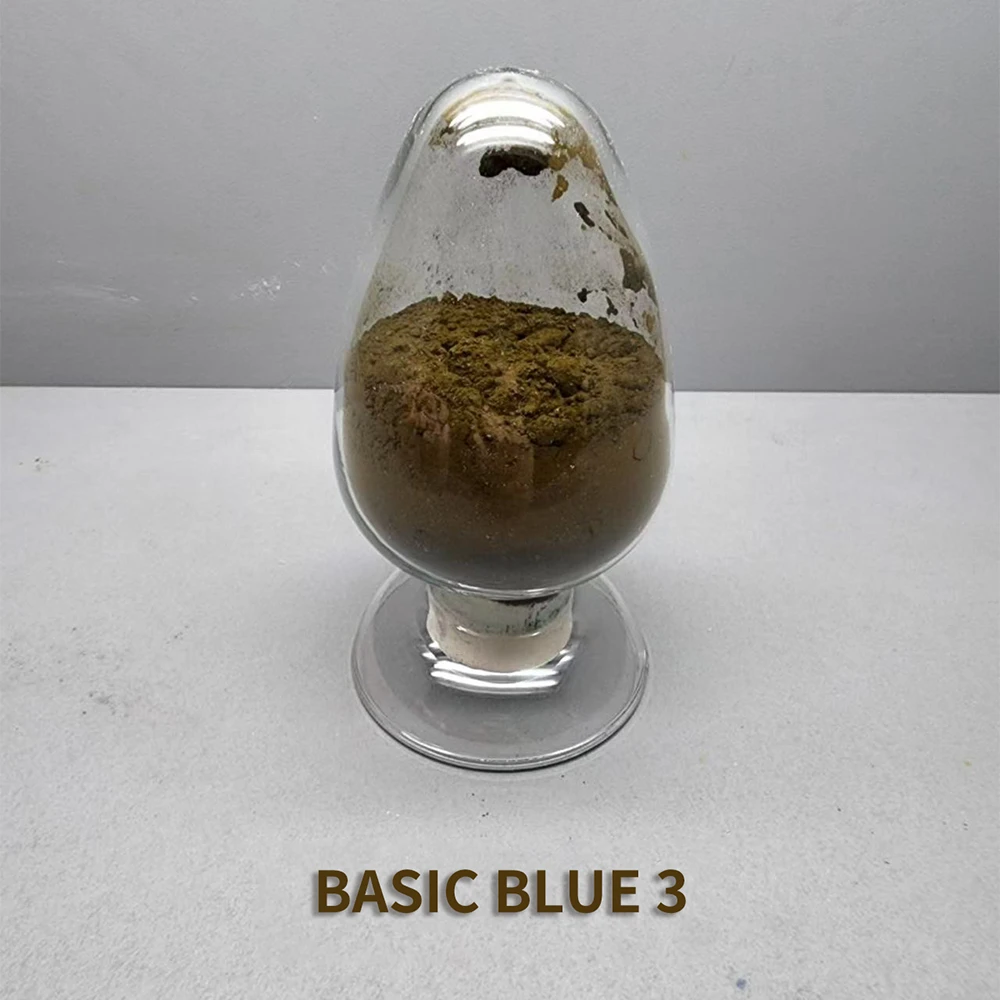
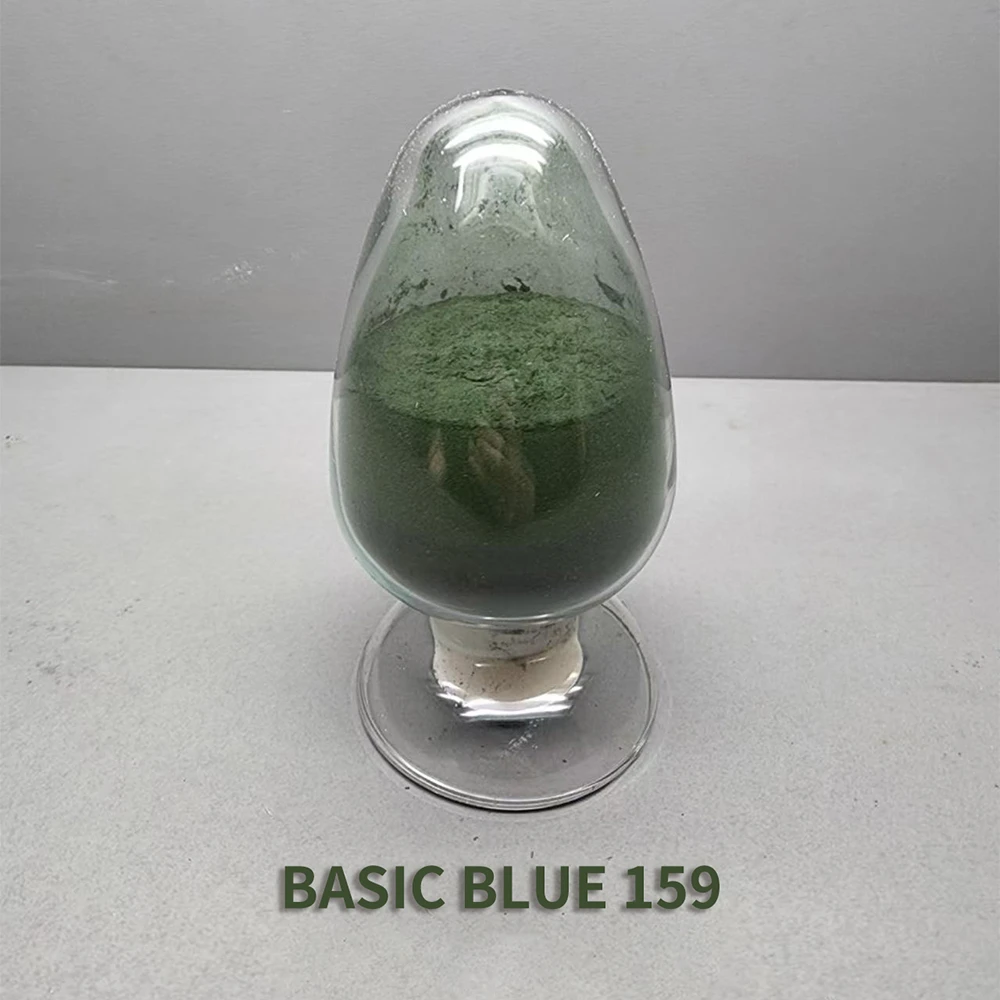
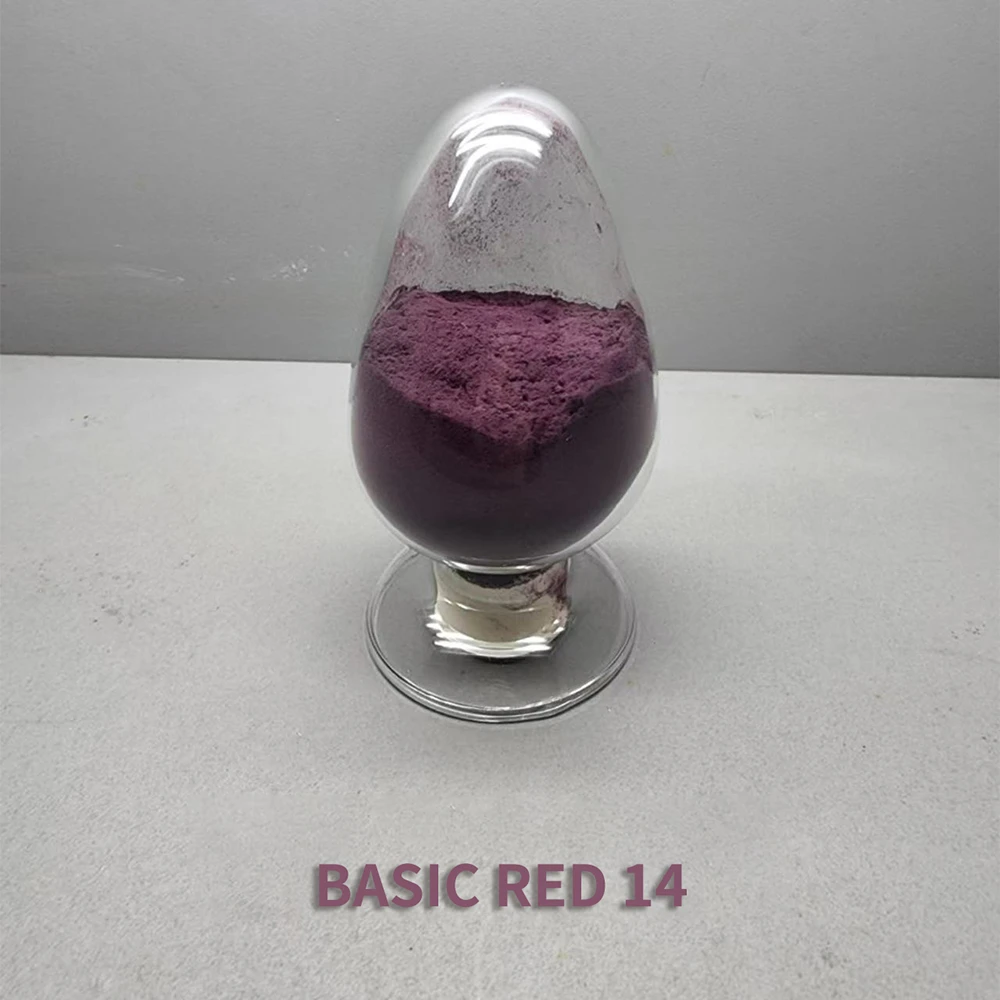
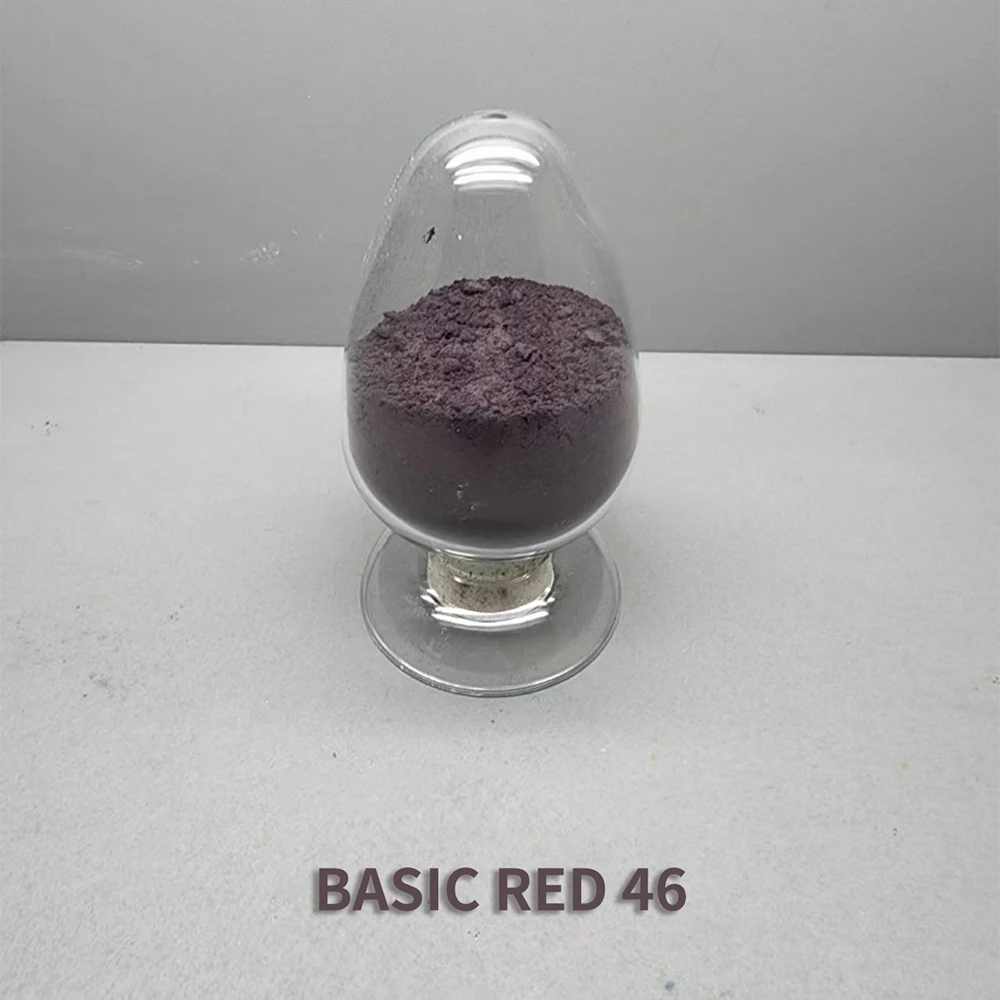
Eco-Friendly Charcoal Fabric Dye | Durable & Sustainable Textile Solution
Charcoal Fabric Dye: A Sustainable Twist in Textile Coloring
When we talk about fabric dyes, the usual culprits—synthetic dyes or natural pigments—come to mind. But charcoal fabric dye? That’s something a bit more intriguing. It’s a niche innovation that’s slowly gaining global attention for both its environmental benefits and its resilient properties. At its core, charcoal fabric dye is more than just a pigment; it’s part of a larger conversation on sustainable materials and eco-friendly industrial practices.
Why It Matters Globally
Globally, the textile industry is infamous for being one of the highest polluters—polluting water, spewing chemical waste, and consuming vast energy resources. According to the United Nations Environment Programme, textile dyeing alone contributes substantially to water pollution worldwide. Charcoal fabric dye offers a fascinating alternative that touches on sustainability, durability, and cost-efficiency, making it relevant as we push the industry toward greener horizons.
Mini Takeaway: Charcoal fabric dye isn’t just a color option; it’s a step toward reducing textile industry’s environmental footprint without compromising quality.
Defining Charcoal Fabric Dye in Simple Terms
So, what exactly is charcoal fabric dye? Think of it as a dye made by incorporating activated charcoal particles or charcoal-derived pigments into the fabric dyeing process. Activated charcoal itself is known for its porous structure and ability to trap impurities, but in textiles, it's used primarily for the deep, earthy black tones it imparts and the added durability it brings.
It isn’t just a fancy pigment. Charcoal fabric dye connects modern industrial needs like sustainable production with humanitarian needs, especially in regions where pollution controls are limited but textile demand persists.
Core Aspects of Charcoal Fabric Dye
Durability
One of the standouts about charcoal dye is how it locks color better than many traditional dyes. While some dyes fade or wash away easily, charcoal’s naturally robust molecular structure anchors hues more firmly, so garments stay richer longer.
Eco-Friendly Source
Since charcoal can be sourced from agricultural waste or sustainably harvested wood, it’s inherently greener than synthetic dyes derived from petrochemicals. This reduces harmful effluents and lowers the carbon footprint of dyeing operations.
Cost Efficiency
Activated charcoal itself is cost-effective and widely available, especially in parts of Asia and Africa. Using it as a dye can reduce reliance on expensive imported chemical dyes and foster local dye production economies.
Health and Safety
In some manufacturing environments, chemical dyes pose risks to skin workers and the environment. Charcoal fabric dye tends to be non-toxic, posing fewer occupational hazards and resulting in safer products.
Scalability
One challenge—and also a strength—is scalability. Charcoal dye technology is advancing so it can be deployed in both artisanal hand-dyeing and large-scale textile manufacturing, a versatility that is rare.
Mini Takeaway: From toughness and safety to local sourcing, charcoal fabric dye blends practical benefits with sustainability, addressing multiple needs.
Global Applications & Real-World Uses
You might think charcoal dye sounds like a niche product for hipster brands or eco-warriors. But in reality, diverse industries and regions have found it useful. For example:
- Fashion Brands: Some eco-conscious labels in Europe and Japan use charcoal fabric dye as part of zero-waste collection lines.
- Humanitarian Textiles: In disaster relief programs, durable charcoal-dyed fabrics maintain quality despite harsh conditions.
- Industrial Workwear: In remote zones like mining or oil fields, charcoal-dyed uniforms offer both durability and resistance to stains.
It’s kind of remarkable how such a traditional-sounding dye finds itself at the crossroads of modern industry and global humanitarian needs.
Advantages & Long-Term Value
Tangibly, the cost savings from reduced water treatment and chemical use add up fast. But it’s also about less tangible benefits:
- Sustainability: Less pollution, and using waste-based charcoal keeps a circular economy running.
- Social Impact: Safer workplace conditions generate trust and dignity among laborers.
- Innovation & Reliability: Combining tradition with modern testing ensures a reliable, quality product — kind of a win-win.
Though we often focus on numbers, the emotional reassurance in knowing your clothes or workwear come from safer, cleaner processes really resonates with many consumers and businesses alike.
Product Specification Table
| Property | Details |
|---|---|
| Color Range | Deep black to charcoal gray shades |
| Material Compatibility | Cotton, Linen, Hemp, Polyester blends |
| Durability Rating | High; maintains color for 30+ wash cycles |
| Environmental Impact | Low water usage, biodegradable pigments |
| Production Scale | Small-batch artisanal to industrial runs |
| Toxicity | Non-toxic, hypoallergenic |
Comparing Charcoal Fabric Dye Vendors
| Vendor | Eco-Certification | Production Capacity | Pricing (per kg) | Region |
|---|---|---|---|---|
| EcoDyed Textiles Co. | GOTS, OEKO-TEX | 800 kg/week | $12 - $15 | Europe |
| GreenChar Dye Solutions | ISO 14001 | 1500 kg/week | $10 - $14 | Asia |
| NaturalHue Fabrics | OEKO-TEX | 500 kg/week | $13 - $16 | North America |
Looking Ahead: Future Trends and Innovations
What’s next for charcoal fabric dye? Well, the textile industry is usually conservative but gradually bending toward innovation, especially with digital transformation. Imagine sensors integrated with charcoal pigments, making “smart” sustainable clothing that monitors health or environment. Or automation in dyeing processes that reduces waste even further.
Also exciting are ongoing research projects to combine charcoal dyes with bio-based fixatives that improve fastness without synthetic additives. The drive for greener chemistry worldwide ensures charcoal fabric dye won’t just be a story of the past.
Challenges & Practical Solutions
Of course, charcoal fabric dye isn’t without its challenges. For one, achieving consistent color shades at industrial scale can be tricky due to natural variability in charcoal sources. Plus, adapting existing textile machines to charcoal-based dye sometimes requires tweaks.
Experts recommend rigorous testing and sourcing from certified suppliers to keep quality stable. Moreover, hybrid dyeing systems that combine charcoal with small amounts of other natural dyes help balance consistency with eco-friendliness.
FAQ: Frequently Asked Questions About Charcoal Fabric Dye
- How long does charcoal dye last compared to synthetic dyes?
- Charcoal fabric dye typically maintains its color vibrancy for 30 or more wash cycles, which is comparable to many synthetic dyes. Its durability arises from charcoal’s porous molecular structure that binds well to fabric fibers.
- Is charcoal fabric dye safe for people with sensitive skin?
- Yes, charcoal dyes are generally considered non-toxic and hypoallergenic. They lack harsh chemicals often found in synthetic dyes, making them a good option for sensitive skin garments.
- Can charcoal fabric dye be used on synthetic fabrics like polyester?
- While traditionally more compatible with natural fabrics, advances have made it feasible to use charcoal dyes on polyester blends with correct fixatives and temperature control during dyeing.
- Where can I purchase charcoal fabric dye for small-batch production?
- Several vendors specialize in eco-friendly dyes. I’d recommend checking trusted suppliers such as those certified by OEKO-TEX or ISO standards. Also, Yanhong Chem offers a range of charcoal-based textile dyes suited for artisanal or industrial scales.
- Does charcoal dyeing require special equipment?
- Not necessarily. Many factories can adapt existing dyeing machines with minor adjustments, though artisanal methods often use traditional vats. It’s advisable to consult with suppliers to optimize processes when switching to charcoal dye.
Conclusion: Why Charcoal Fabric Dye Is Poised for Growth
To wrap things up, charcoal fabric dye merges compelling sustainability with practical, durable textile coloring. In a world that increasingly values eco-conscious production—whether for fashion, industry, or humanitarian contexts—it offers one of those rare wins where green meets performance. If you’re thinking about stepping into eco-friendly textiles or simply curious about innovative dyeing options, exploring charcoal fabric dye solutions is well worth your time.
For a deeper look or to source quality charcoal dye products, visit our website: Yanhong Chem. Trust me, it feels good to wear and produce fabrics that respect both people and planet.
References
-
Rye Fabric Dye: Sustainable Textile ColoringNewsJan. 26, 2026
-
Neon Fabric Dye: Industrial-Grade Bright Textile Solutions | YanhongNewsDec. 09, 2025
-
Comprehensive Guide to Fabric Dye Price Factors and Optimization StrategiesNewsFeb. 27, 2026
-
Exploring the Creative World of Fabric Dye on Wood for Stunning FinishesNewsFeb. 26, 2026
-
Comprehensive Guide to Choosing the Right Fabric Leather Dye for Optimal ResultsNewsFeb. 28, 2026
-
Comprehensive Guide to the Dyeing of Cotton Fabric with Direct Dye TechniquesNewsFeb. 25, 2026