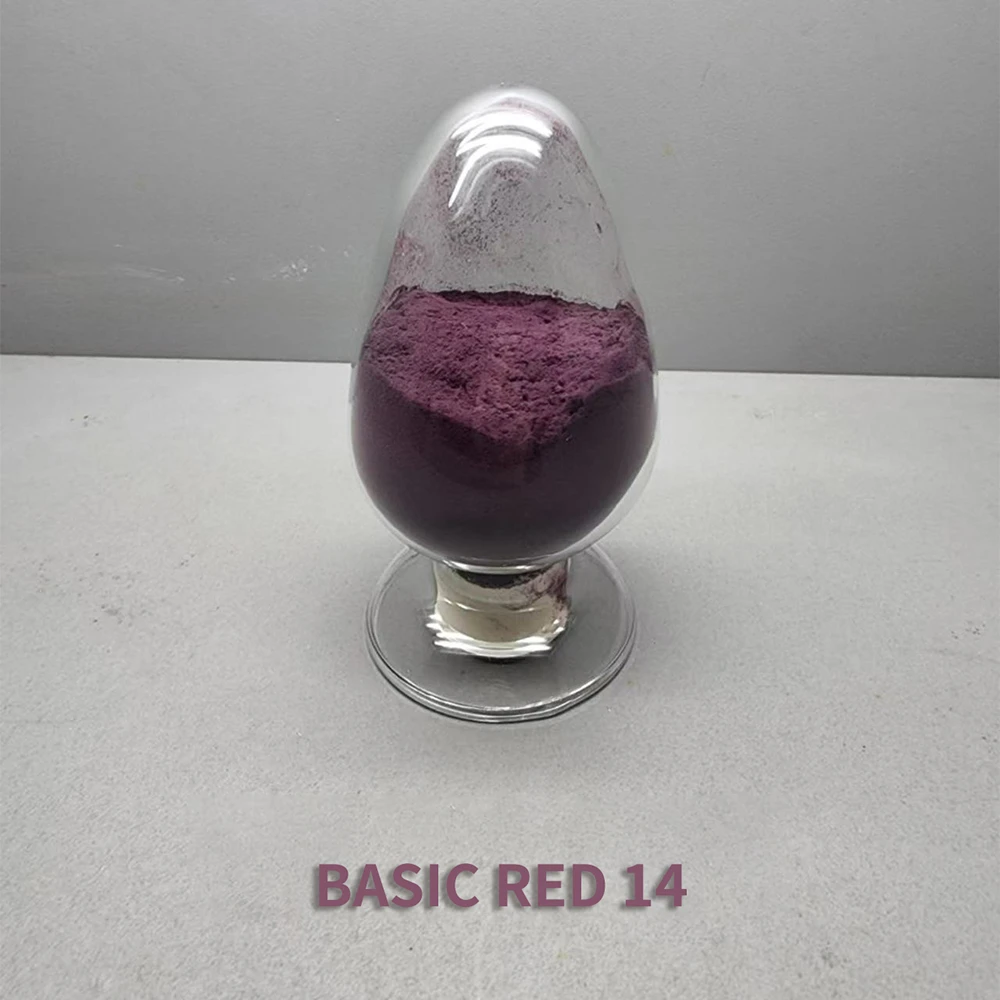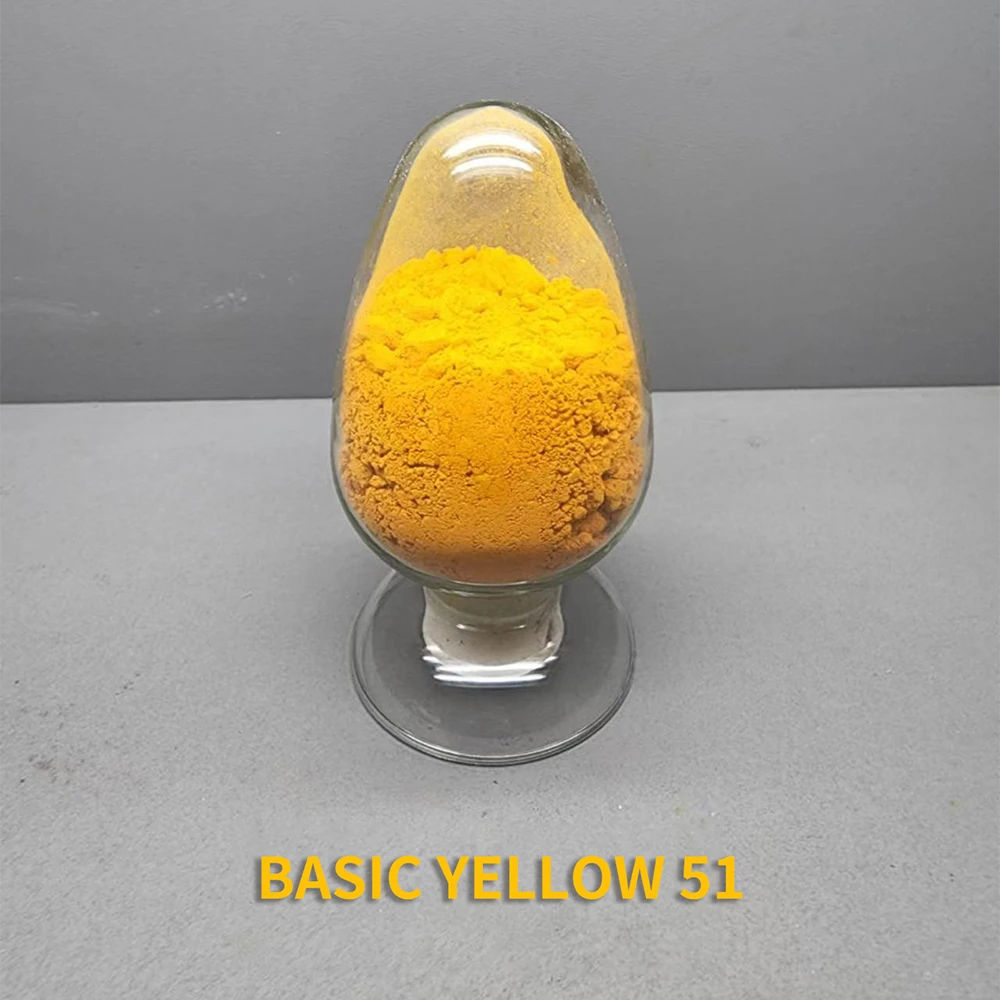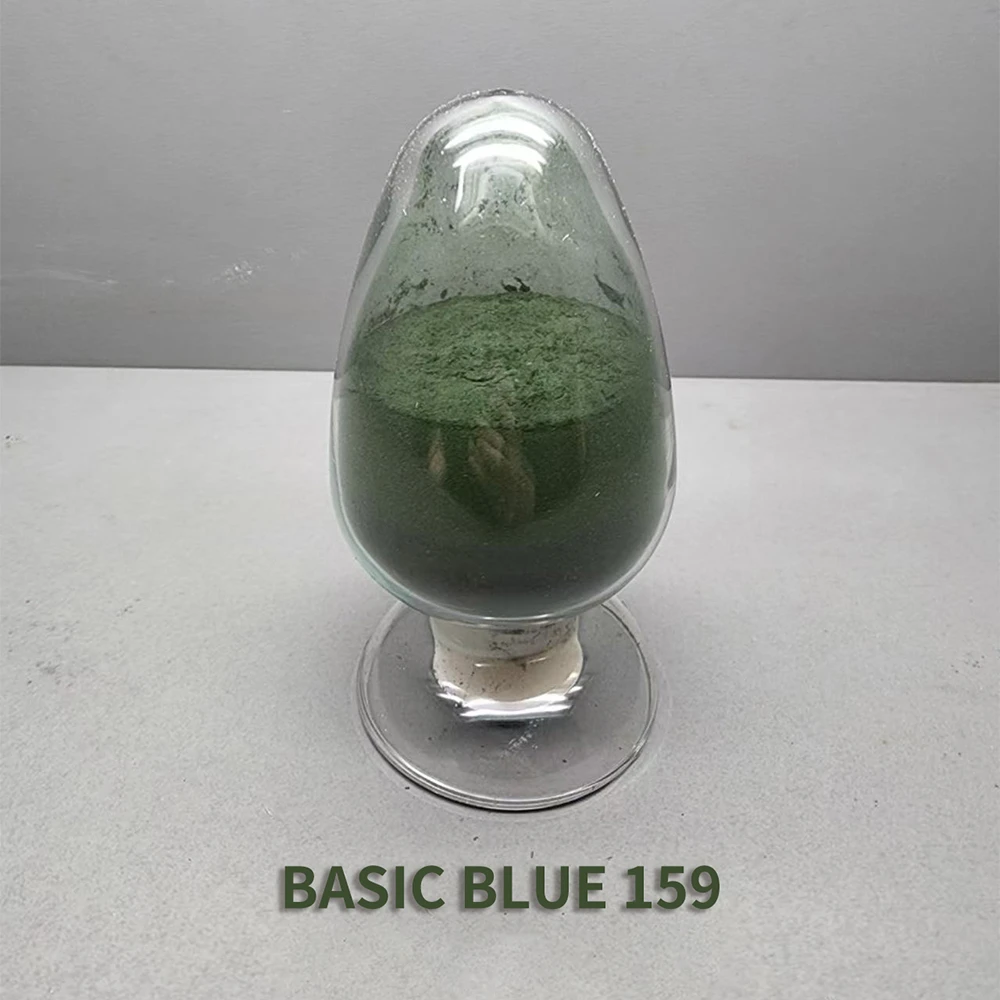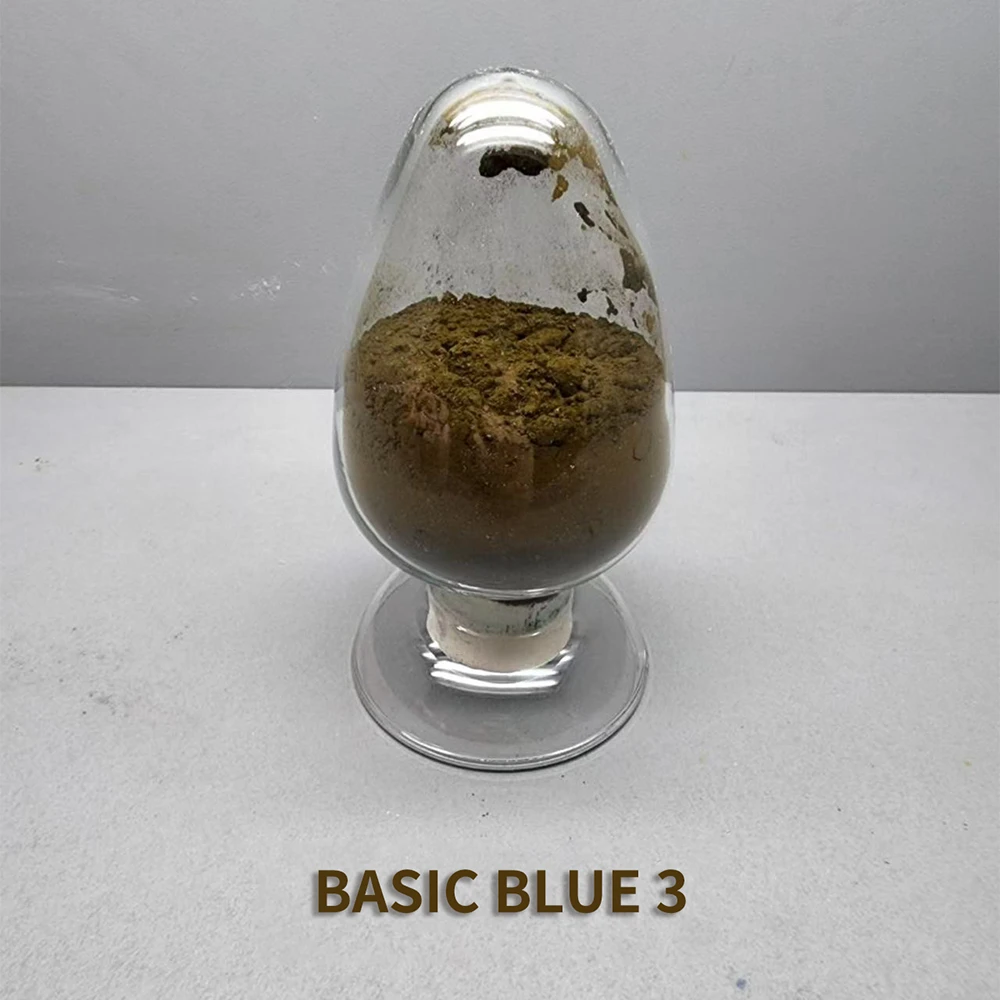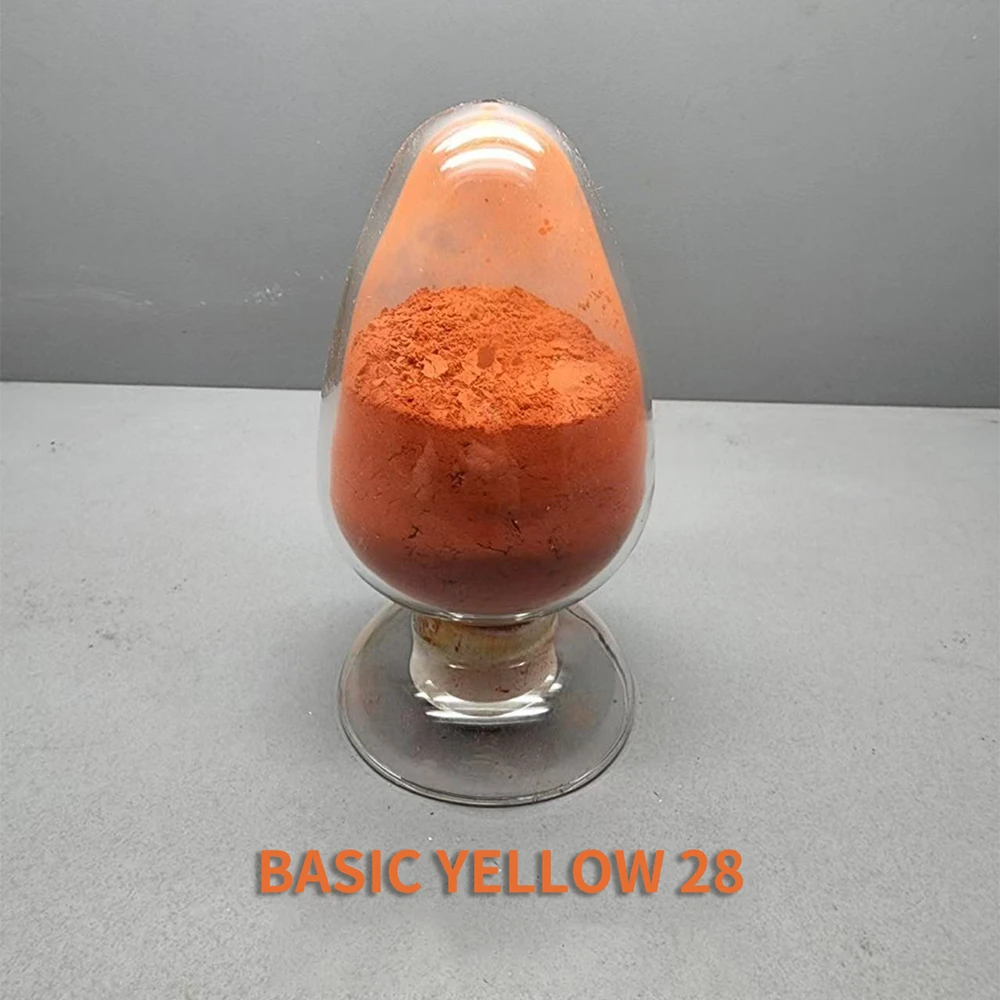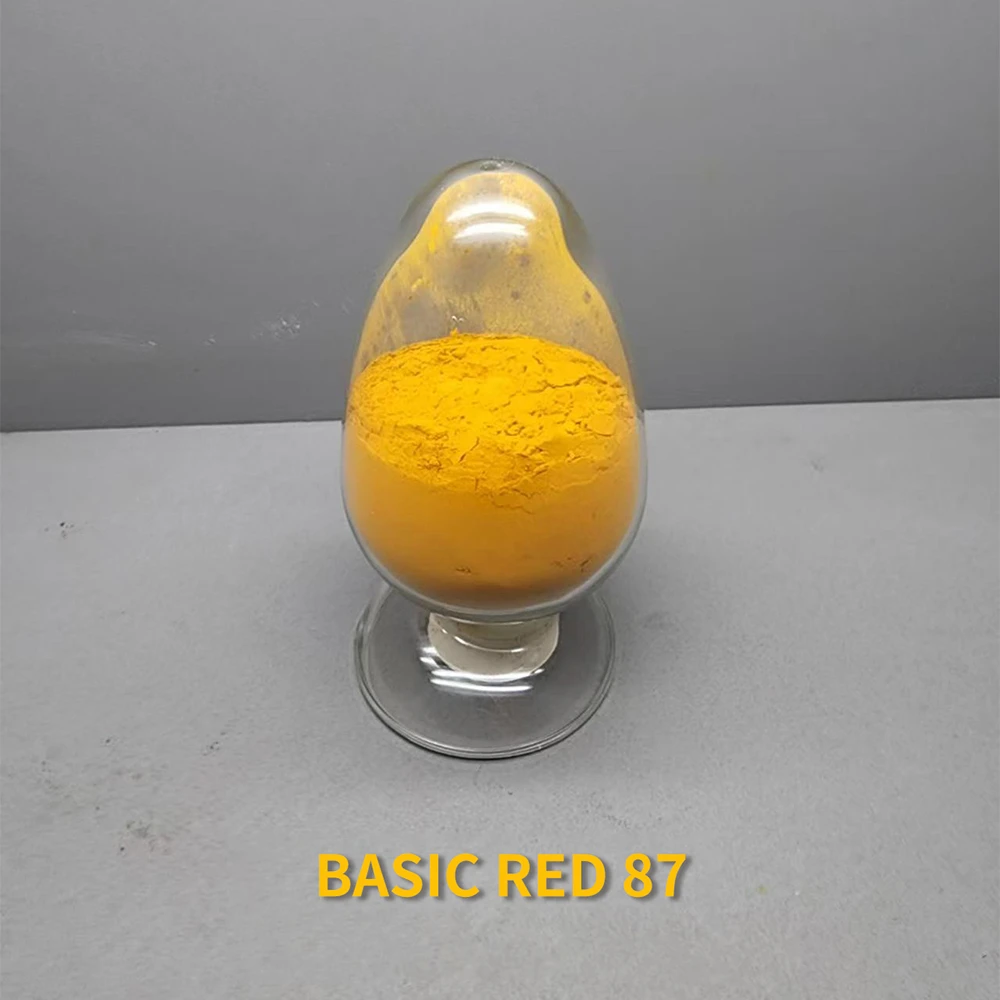
Comprehensive List of Cationic Dyes and Their Industrial Importance | Yanhong Chemicals
The Subtle Power of Cationic Dyes: Why a List of Cationic Dyes Matters Globally
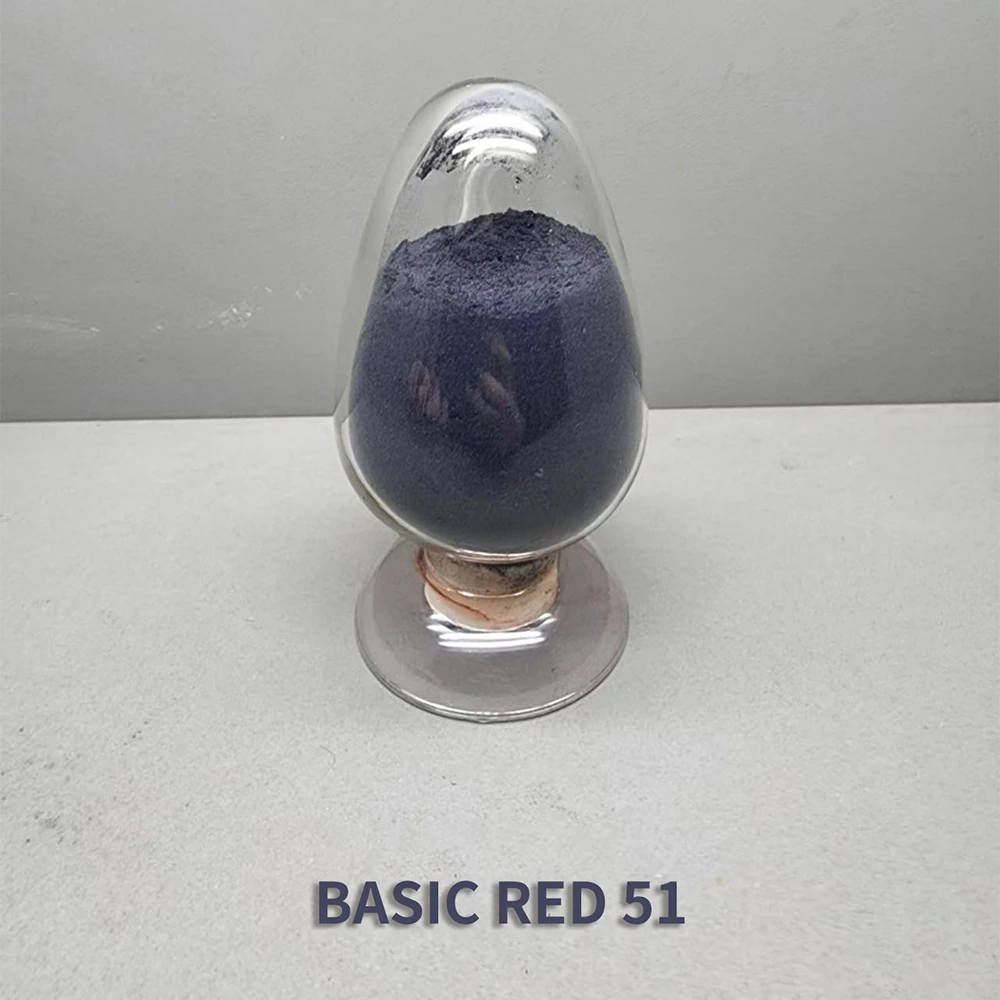
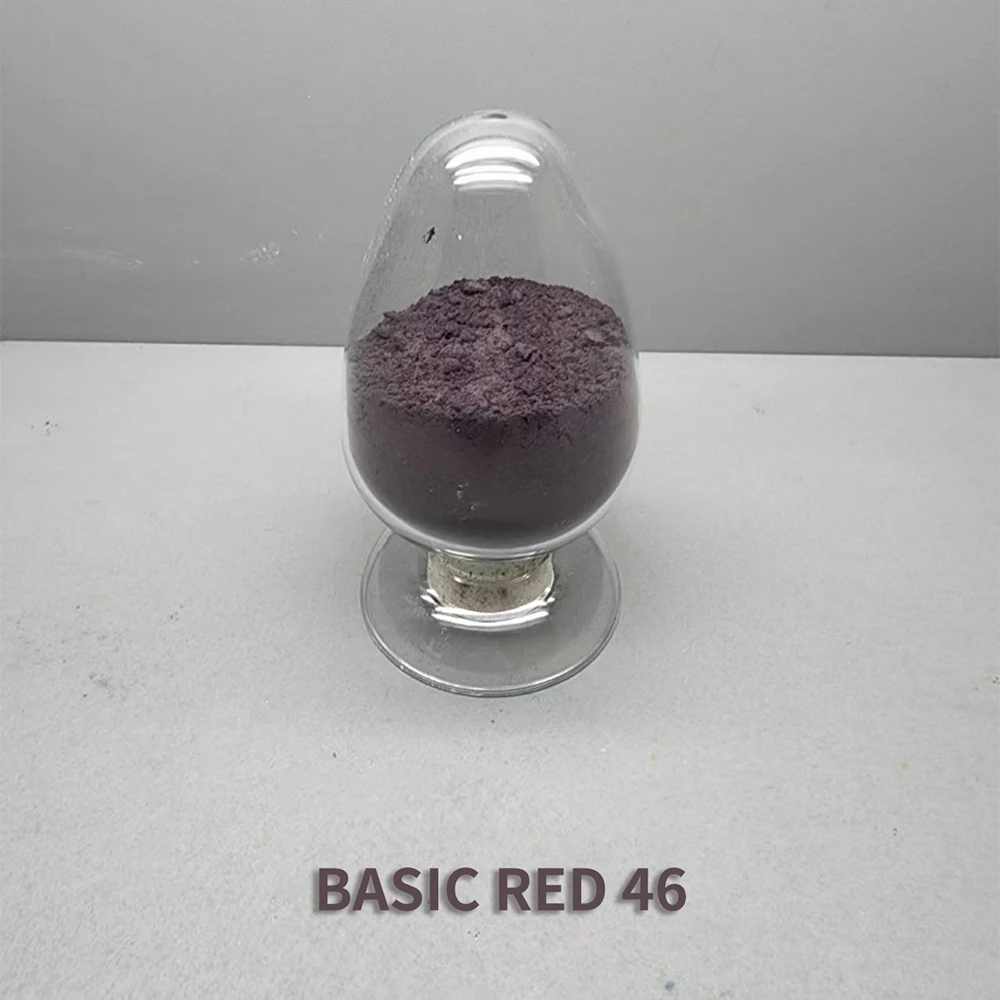
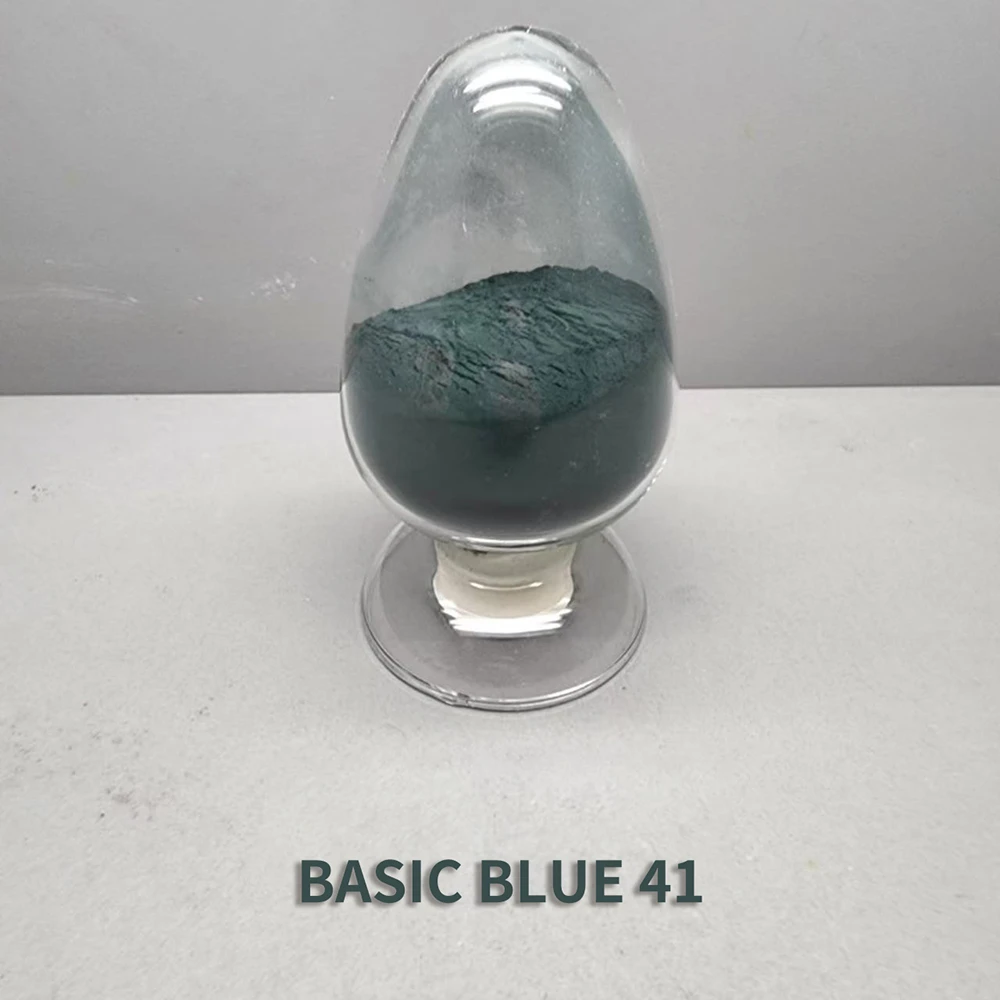
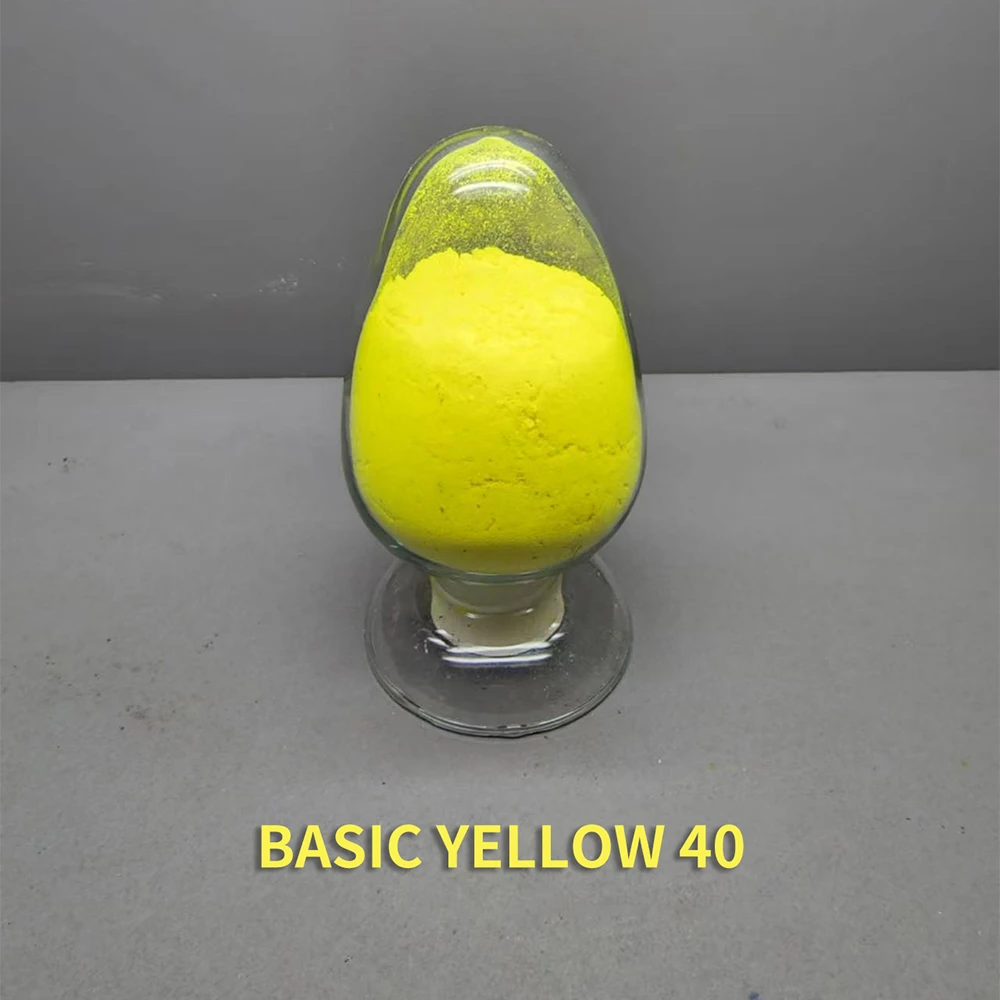
Sometimes, the seemingly small details, like the colorants that give fabrics and products their vivid hues, have an outsized impact on industries, communities, and the environment. Cationic dyes, a fascinating group in the world of dye chemistry, deeply influence textiles, paper, and even biological research. Having a solid grasp of a list of cationic dyes isn't just chemical jargon — it’s a gateway to understanding sustainable manufacturing, efficient industrial processes, and even humanitarian technologies.
Worldwide, the textile industry alone consumed roughly 1.7 million tons of dyes in 2020, and cationic dyes represent a sizable slice of this. Properly characterizing and choosing dyes from an authoritative list affects product longevity, environmental safety, and cost efficiency. Given rising regulations around toxicity (think ISO standards) and sustainability, the stakes have never been higher.
Defining the List of Cationic Dyes: What Exactly Are They?
At its core, a “list of cationic dyes” is a catalog or classification of dyes characterized by a permanent positive charge in their molecular structure. This positive charge allows them to bind effectively with negatively charged substrates like acrylic fibers, wool, silk, and certain plastics. Unlike their anionic counterparts, cationic dyes typically excel in vibrant coloration and good fastness on synthetic fibers.
They’re not just pretty colors, though — they play pivotal roles in industrial coloring processes, biomedical tracking, and even wastewater treatment research. In humanitarian contexts, such as emergency textile production and medical diagnostics, understanding which dye from the list suits the job can be critical.
Key Features To Know About Cationic Dyes
1. Affinity and Fiber Compatibility
One remarkable aspect is their affinity for specific fibers, especially those with acidic groups. Acrylic fibers are a popular canvas because their anionic sites and synthetic nature mesh perfectly with cationic dyes’ structure.
2. Color Brightness and Stability
Many cationic dyes produce exceptionally bright and deep shades, holding up well to sunlight and washing, which is why sportswear, furniture upholstery, and even photographic films value them.
3. Environmental and Health Considerations
Historically, some cationic dyes were problematic due to toxicity or poor biodegradability. But the industry has shifted: newer cationic dyes on standard lists prioritize eco-friendliness without sacrificing performance.
4. Cost Efficiency and Scalability
For manufacturers, scalability is key. The dyes’ synthesis routes and raw materials often determine whether they’re cost-effective for large-scale fabric production or niche uses like laboratory stains.
Mini Takeaway:
Understanding cationic dyes through a comprehensive list helps you reconcile performance expectations with economic and environmental realities — a crucial balance in modern manufacturing.
Real-World Applications of the List of Cationic Dyes
You might imagine these dyes confined to the glitzy clothes on fashion runways, but their reach is much broader. Here’s a quick dive into where these dyes turn up:
- Textile Manufacturing: Acrylic fibers dominate cold-weather apparel, and the brightness and washfastness of cationic dyes make them standards for winter coats, gloves, and activewear popular in North America and Europe.
- Paper & Printing: High-quality photographic papers and security printing often incorporate cationic dyes from specific lists because of their sharp hues and resistance to fading.
- Biomedical Fields: Certain cationic dyes help stain tissues or track cell movements in microscopy.
- Wastewater Treatment: Paradoxically, some cationic dyes also serve as models to understand dye adsorption and removal in water purification projects in Asia and Africa.
Particularly in remote industrial zones, using an official list ensures selecting dyes that are easier to source and have predictable supply chains. Oddly enough, I once learned from a textile scientist that missing a clear, standardized list leads to messy color inconsistencies — a nightmare for producers.
Why Choosing From The Right Cationic Dyes Matters
Let’s go beyond just color and aesthetics: the right dye choice can spell the difference between textile durability or early product failure. Beyond cost savings due to fewer returns and less waste, there’s a social side — think of how durable work uniforms can enhance safety and dignity for laborers in harsh environments.
Sustainability is an increasingly visible factor; greener cationic dyes reduce harmful effluents and minimize treatment burdens downstream. In that sense, the list helps manufacturers make rational, forward-thinking decisions that align with their environmental targets.
Looking Ahead: Innovations on The Horizon for Cationic Dyes
The future? It’s bright, vivid, and greener in equal measure. Integrating biotechnology to synthesize dyes via microbial fermentation or enzyme-assisted chemistry is advancing rapidly—potentially reducing reliance on petrochemicals. Imagine fabric dyed using a process closer to cooking than chemistry.
Automation and smart textiles are also letting cationic dyes change colors on demand or respond to environmental stimuli — a far cry from the static printed fabric of yesteryear.
Challenges & How the Industry Tackles Them
No topic is complete without addressing the bumps in the road. Environmental regulations have tightened, meaning some traditional cationic dyes face restrictions due to toxic intermediates or non-biodegradable residues. Alternate synthetic routes and fuller environmental impact assessments are the response.
Another challenge is pricing pressures coupled with the complexity of dye chemistry. Expert chemists often optimize molecular designs to maintain performance while driving down costs.
Product Specification Table: Typical Cationic Dyes Characteristics
| Parameter | Typical Value | Remarks |
|---|---|---|
| Molecular Weight | 300 - 650 g/mol | Varies by chemical class |
| Water Solubility | High | Enables easy fiber absorption |
| Lightfastness | Moderate to High | Depends on dye structure |
| Exhaustion Rate | 70% - 95% | Efficiency in dyeing process |
| Toxicity (LD50) | Varies widely | Modern dyes trend toward lower toxicity |
Vendor Comparison Table: Popular Suppliers of Cationic Dyes
| Vendor | Product Range | Sustainability Initiatives | Lead Time | Price Tier |
|---|---|---|---|---|
| Yanhong Chemicals | Extensive, including bio-based | ISO 14001, reduced water usage | 2-3 weeks | Mid |
| DyeMasters Inc. | Focused on textile cationics | Some biodegradable products | 3-4 weeks | High |
| ChemCo | General-purpose dyes | Limited eco focus | 1-2 weeks | Low |
FAQ: Your Top Questions About List of Cationic Dyes
- What types of fibers are best dyed with cationic dyes?
- Cationic dyes have a strong affinity for acrylic fibers, wool, and silk because these fibers carry negative charges that attract the positive dye molecules. Polyester and cotton generally don’t take cationic dyes well without chemical modification.
- Are cationic dyes environmentally safe?
- Many traditional cationic dyes posed environmental hazards due to persistence or toxicity. However, modern formulations focus on biodegradability and lower toxicity. Always check for ISO 14001 certification or green chemistry compliance for safer choices.
- Can cationic dyes be used for digital fabric printing?
- While mostly used in conventional dyeing, some cationic dyes are being adapted for digital textile printing, particularly for acrylic-based inks, but this area is still evolving. Pilot projects suggest potential for more vibrant and durable prints.
- How can I get an updated official list of cationic dyes?
- Industry associations and major chemical suppliers like Yanhong Chemicals regularly publish detailed dye lists. Checking ISO resources or dye manufacturer datasheets is also a reliable route.
- What are common challenges when working with cationic dyes?
- Issues often include uneven dye uptake, wastewater treatment complexity, and restrictions on some hazardous compounds. Advances in dye chemistry and wastewater technology are helping to mitigate these problems.
Final Thoughts: Why Keeping an Eye on Cationic Dyes Is Worth It
Frankly, you might never have suspected that a "list of cationic dyes" could unpack so much about global industry, environment, and innovation. Whether you’re running a fabric mill, designing next-gen smart textiles, or ensuring dyes meet sustainability standards, this list is a compass in a complex world of color chemistry.
Visit our website for the latest in cationic dye developments and product offerings: https://www.yanhongchem.com. Because every color counts, in more ways than one.
References
-
Comprehensive Guide to the Cationic Dyeable Polyester Process: Sustainability and InnovationNewsDec. 03, 2025
-
Light Pink Fabric Dye – Precision & Quality from Yanhong ChemicalNewsJan. 05, 2026
-
Choosing The Right Dress Dye For Vibrant And Durable TextilesNewsMar. 06, 2026
-
Comprehensive Guide to the Dyeing of Cotton Fabric with Direct Dye TechniquesNewsFeb. 25, 2026
-
What Is Basic Blue? Understanding Its Industrial ImportanceNewsDec. 13, 2025
-
Comprehensive Guide to White Fabric Dye: Technology, Applications & SustainabilityNewsDec. 03, 2025