Comprehensive Guide to Types of Basic Dyes: Applications & Trends
Understanding Types of Basic Dyes: Why It Matters Everywhere
Whether you’re flipping through textile catalogs or skimming scientific papers, the phrase types of basic dyes is bound to pop up – not just as jargon but as a crucial element in industries ranging from fabric manufacturing to electronics. Why? Because the world’s vivid colors often depend on these dyes to bring materials to life with brightness, durability, and affordability. At a glance, understanding these dyes may seem niche, but they ripple far beyond lab benches or factories.
Globally, a clear grasp of the variety and applications of basic dyes touches on sustainability, trade, and even humanitarian aid — dyeing everything from hospital textiles to high-tech printing inks. After all, knowing which dye suits which substrate or environment is a small but pivotal piece in the puzzle of global manufacturing and environmental impact.
Mini takeaway: Types of basic dyes are not just chemical compounds—they’re foundational to many industries’ color strategies and sustainability goals worldwide.
The Worldwide Importance of Basic Dyes in Industry and Beyond
Did you know that the global textile market alone was valued at over $920 billion in 2022, according to the World Bank? An overwhelming amount of this hinges on coloring processes where types of basic dyes play starring roles. They are prized for their brilliance and affinity to synthetic fibers such as acrylics and polyesters.
However, challenges arise — the environmental footprint of azo dyes, widespread use of chemicals in wastewater, and regulations from bodies like ISO demanding safer, eco-friendly alternatives. The push for sustainability sparks innovation in dye chemistry and use, affecting everything from manufacturing hubs in Southeast Asia to Europe’s quality standards.
Mini takeaway: Basic dyes have global relevance not only in colorful product output but also in overcoming environmental and regulatory hurdles shaping industry trends.
What Exactly Are “Types of Basic Dyes”?
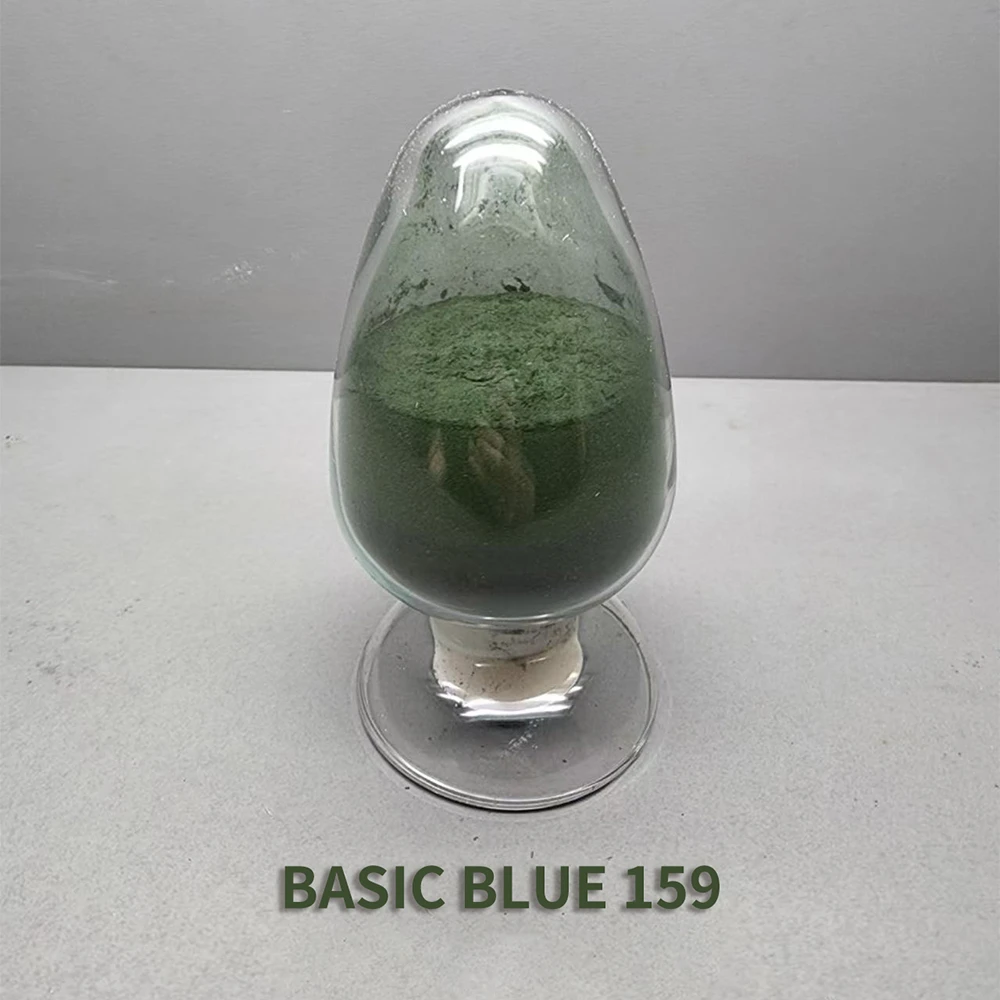
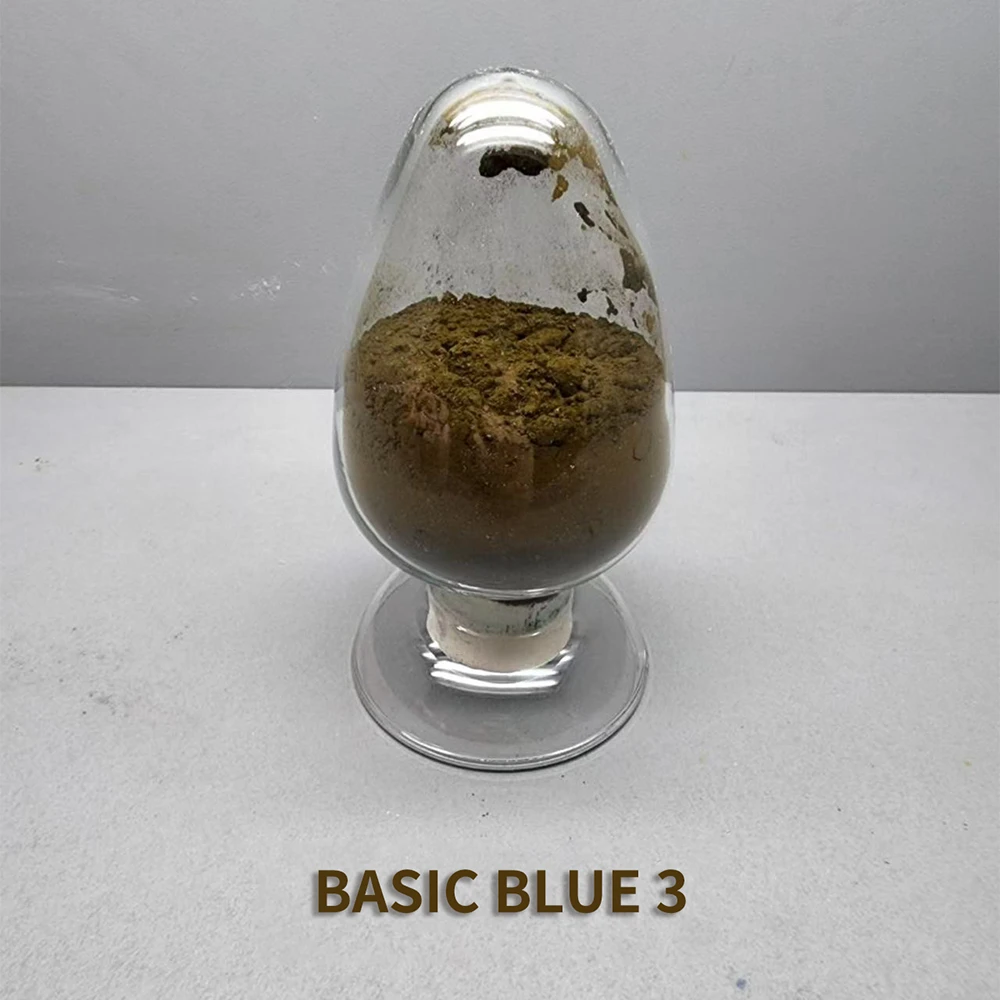
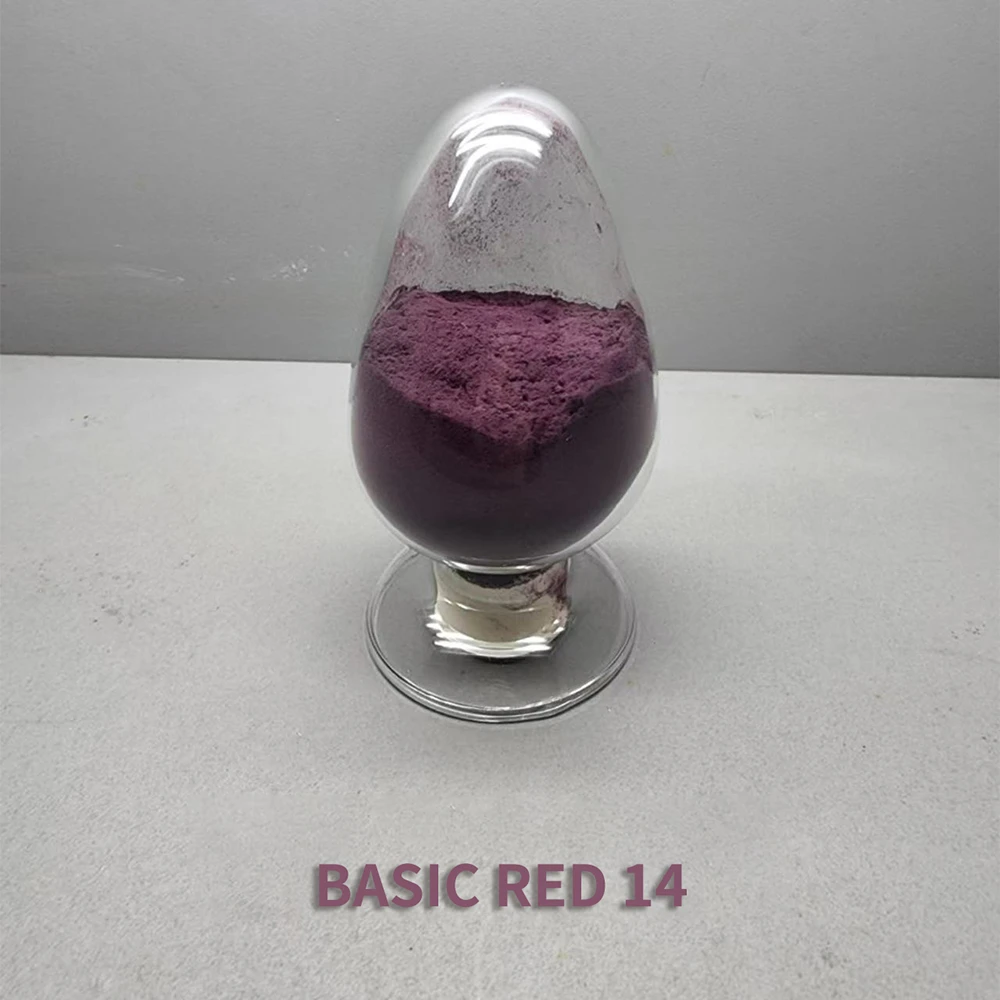
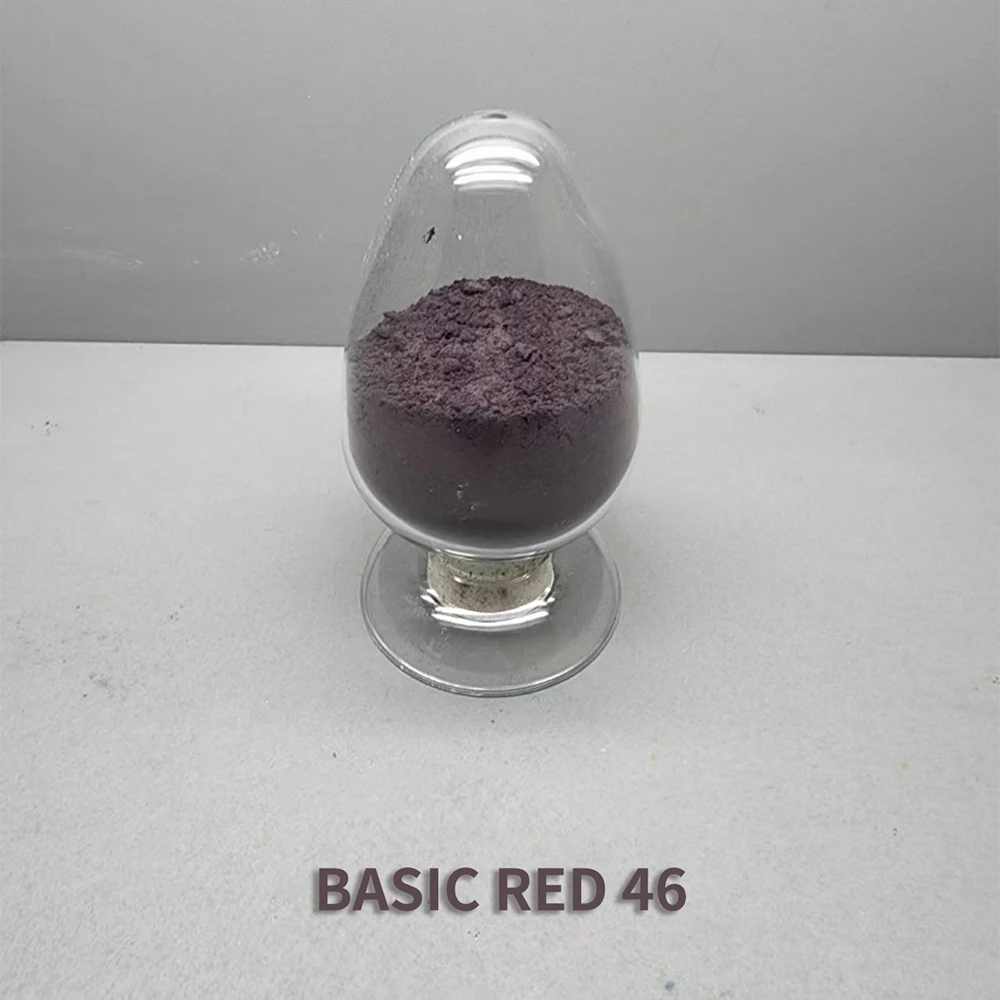
Basic dyes are a class of cationic (positively charged) dyes that bind strongly to negatively charged substrates, especially acrylic fibers and certain paper types. They differ from acidic or reactive dyes in chemistry and applications.
For a simple image: picture tiny charged molecules attracted magnetically to fibers, coloring them with sharp, bright hues. Depending on the chemical structure, basic dyes can be classified into various types — from simple monochromatic compounds to complex mixtures used in photography or printing.
These dyes are widely favored where intense colors and fastness are required, especially in modern uses such as inkjet printing and electronics, where precision and vibrancy are paramount. Their role is also critical in humanitarian applications, like durable color-coded medical textiles that aid in emergency logistics and hygiene.
Mini takeaway: Think of types of basic dyes as specialized color molecules with a positive charge, tailor-made for bright, durable, and functional coloring on certain synthetic materials.
Core Aspects to Know About Basic Dyes
1. Color Fastness and Durability
While brilliant, many basic dyes tend to show poor wash fastness on natural fibers but excel on acrylics and plastics. Manufacturers improve this with mordants or polymer additives to meet industrial durability standards — a must for textiles used in harsh environments.
2. Solubility and Application Versatility
Basic dyes are usually water-soluble, facilitating easier mixing and application in liquid dye baths or ink formulations. This property makes them ideal for industrial printing or coating processes, where uniform color distribution is key.
3. Cost Efficiency for Mass Production
Compared to other dye classes, basic dyes are often more affordable due to simpler manufacturing processes. This cost effectiveness helps industries maintain low production costs while delivering rich hues. It’s no accident that mass-market acrylic fabrics often use basic dyes.
4. Environmental Impact & Regulatory Compliance
Sadly, some basic dyes pose toxicity concerns and have restrictive discharge limits, especially azo compounds linked to carcinogenic byproducts. Industry efforts focus on eco-friendly formulations and upgrading wastewater treatment compliant with ISO 14001 and REACH standards.
5. Scalability Across Industries
Basic dyes’ modular chemistry enables large-scale production with relatively consistent quality, spanning apparel, electronics printers, and specialty inks. Their scalability feeds into global supply chains efficiently, but requires careful quality checks to avoid batch inconsistencies.
Mini takeaway: The value of basic dyes lies in balancing color brilliance, cost, scale, and environmental responsibility—a tricky tightrope many manufacturers strive to master.
Real-World Uses: Where Basic Dyes Make a Difference Globally
Basic dyes are ubiquitous, appearing in sectors such as:
- Textile Manufacturing: Acrylic sweaters and sportswear rely heavily on these dyes for vibrant colors.
- Printing & Packaging: Colorful inks for labels and electronic displays use basic dyes due to their clarity and quick-drying properties.
- Medical Textiles: Color-coded hospital materials help maintain hygiene and operational efficiency in high-pressure environments.
- Disaster Relief and Aid: Emergency shelters often use acrylic fabrics colored with basic dyes for durability and quick identification.
- Education & Art Supplies: Water-based dyes produce bright, safe colors for kids’ paints and markers.
Regions like South Asia and China are major players in manufacturing, while Europe pushes greener innovations. NGOs sometimes collaborate with dye producers to create safe, non-toxic products for crisis zones.
Mini takeaway: From everyday clothes to humanitarian tools, basic dyes paint a vivid yet practical layer over industries worldwide.
The Long-Term Value of Using Basic Dyes
Why stick with these dyes when alternatives exist? Because they balance emotional assurance with hard logic:
- Cost Savings: Sustainably scalable without breaking budgets.
- Sustainability: Emerging green formulations mean less water pollution and better biodegradability.
- Reliability: Consistent quality fuels brand trust and user confidence.
- Safety & Dignity: Especially in healthcare and relief contexts, trusted color coding enhances safety and personal dignity.
Frankly, when a bright acrylic jacket means both style and function without alarming your wallet or conscience, you feel the benefits on many levels.
What’s Next? Innovations and Trends in Basic Dye Technology
Looking ahead, the dye industry eyes cleaner chemistry and automation. Nanotechnology is improving color fastness, while digital printing expands possibilities for bespoke dye mixtures. Regulations push for less hazardous materials, and renewable resources feed into bio-based dyes derived from plants.
Some labs are even exploring smart dyes responsive to environmental changes — imagine clothes that change shade based on temperature or pH — with basic dye chemistry forming the backbone of these innovations.
Challenges Ahead and How the Industry Responds
It’s not all rosy. Issues like toxicity, poor fastness on some fabrics, and regulatory hurdles can stall adoption. But research into polymeric basic dyes, better wastewater treatment, and stricter quality protocols show promise in overcoming these limitations. Many companies now partner with certification bodies to keep improving.
Types of Basic Dyes: Frequently Asked Questions
- Q1: What makes basic dyes different from reactive or acid dyes?
- Basic dyes are cationic and bond strongly to acrylic and synthetic fibers, whereas reactive dyes form covalent bonds with cellulose fibers like cotton, and acid dyes target nylon or wool. This difference affects application methods and durability.
- Q2: Are basic dyes safe for skin-contact textiles?
- Many basic dyes are safe when properly fixed, but some azo-based dyes have toxicity concerns. It’s essential to use certified dyes compliant with safety standards in products worn against skin.
- Q3: Can basic dyes be used in digital textile printing?
- Yes! Thanks to their water solubility and bright colors, specific basic dyes are adapted for inkjet printers, especially for acrylic substrates, enabling sharp, vivid prints.
- Q4: How is environmental pollution from basic dye waste controlled?
- Industries use advanced wastewater treatments, including activated carbon filtration and biological treatment, often guided by ISO 14001 certifications to minimize environmental release.
- Q5: Where can I learn more about the range of basic dyes available?
- Explore detailed info on types of basic dyes offered by reputable manufacturers and researchers, including specifications and safety data sheets.
Product Specification Table: Selected Types of Basic Dyes
| Dye Name | Chemical Class | Primary Use | Wash Fastness | Toxicity Level |
|---|---|---|---|---|
| Methylene Blue | Thiazine Class | Medical, Textile | Moderate | Low |
| Rhodamine B | Xanthene Class | Inks, Paper | Good | Moderate |
| Basic Violet 10 | Triphenylmethane | Textile, Printing | Fair | Low |
Vendor Comparison: Leading Basic Dye Suppliers
| Vendor | Product Range | Sustainability Practices | Geographic Reach | Pricing |
|---|---|---|---|---|
| Yanhong Chemical | Extensive: >50 dyes incl. eco formulations | ISO 14001 certified; bio-based dye research | Global (Asia, Europe, Americas) | Competitive, volume discounts |
| DyeTech Solutions | Focused, mainly textile basics | Limited sustainability programs | Europe, Asia | Mid-range, premium products |
| EcoDye Industries | Select green basic dyes | Leader in eco-innovation | North America, Europe | Higher price, sustainable focus |
Final Thoughts on the Spectrum of Basic Dyes
In the grand scheme, types of basic dyes are much more than colorful chemicals — they’re reflections of an industry balancing cost, quality, sustainability, and social needs. With ongoing innovation and stricter eco-regulations, the basic dyes market feels poised to adapt while continuing to saturate the products we interact with daily.
So, whether you’re a brand manager scouting for the right dye or a curious mind intrigued by chemistry’s colorful side, knowing these types opens doors to smarter, cleaner, and more creative applications.
Ready to explore more or source quality basic dyes? Visit https://www.yanhongchem.com for comprehensive solutions and latest innovations.
References
-
What You Should Know About Basic Dye Manufacturers: Industry Insights & TrendsNewsDec. 03, 2025
-
High-Performance Tan Fabric Dye Solutions for Industrial Use | Yanhong ChemNewsDec. 13, 2025
-
Lavender Fabric Dye - Reliable Industrial Quality from Yanhong ChemicalNewsDec. 13, 2025
-
Pink Fabric Dye - Durable, Eco-Friendly Textile Solutions for Industry | YanhongchemNewsDec. 04, 2025
-
Reliable Navy Fabric Dye for Industrial Textile Applications | YanhongNewsDec. 07, 2025
-
China Basic Dye Factory: High-Purity, Fast Delivery, GreenNewsDec. 13, 2025