Dec . 02, 2025 19:42
Back to list
Comprehensive Guide to the List of Cationic and Anionic Dyes | Yanhong Chemicals
Understanding the List of Cationic and Anionic Dyes: Why It Matters Today
If you’ve ever wondered what those vibrant colors on your clothes, paper, or even inks are made of, then you’re already dabbling in the fascinating world of cationic and anionic dyes. Simply put, these dyes are the chemical wizards behind practically every hue we see in textiles, plastics, and inks. But beyond just brightening our surroundings, understanding the list of cationic and anionic dyes has far-reaching implications — from environmental safety to industrial efficiency, and even humanitarian efforts in remote regions. Worldwide, the global dye market has been booming, with estimates from industry reports suggesting it could reach $10 billion or more in the next few years. The types of dyes – chiefly cationic (positively charged) and anionic (negatively charged) – form the backbone of this market. Knowing which dyes to use, and the properties they bring, plays a critical role in manufacturing quality products, ensuring sustainable production, and addressing environmental challenges such as water pollution. Frankly, the stakes are higher than ever, especially with growing global emphasis on eco-friendly manufacturing. ---The Bigger Picture: Why the Global Industry Cares About This List
Dye manufacturing and usage isn’t just a niche concern — the ripple effects stretch across continents and sectors. According to the United Nations Environment Programme, textile dye effluents are among the major pollutants in water bodies worldwide. With over 800,000 tons of dyes produced each year, improper disposal has serious consequences, especially in emerging economies. On top of that, ISO standards related to dye purity and toxicity ensure that industries adhere to safety protocols – but compliance requires knowing exactly what dyes you’re dealing with. The “list of cationic and anionic dyes” isn’t just a catalog; it’s often a roadmap for businesses and governments striving to improve quality, safety, and environmental stewardship. In practical terms, industries ranging from fashion and paper manufacturing to electronics (think OLED displays) depend on accurately identifying and using dyes suited to their needs. But mixing up cationic with anionic dyes, or misunderstanding their chemistry, can lead to costly production errors or toxic byproducts. This complexity underlines the importance of a comprehensive, reliable list tailored to modern industrial demands. Mini takeaway: The world’s dye industry may seem colorful on the surface, but it carries deep environmental and regulatory weight — knowing your cationic from anionic dyes keeps things safe and savvy. ---So, What Exactly Are Cationic and Anionic Dyes?
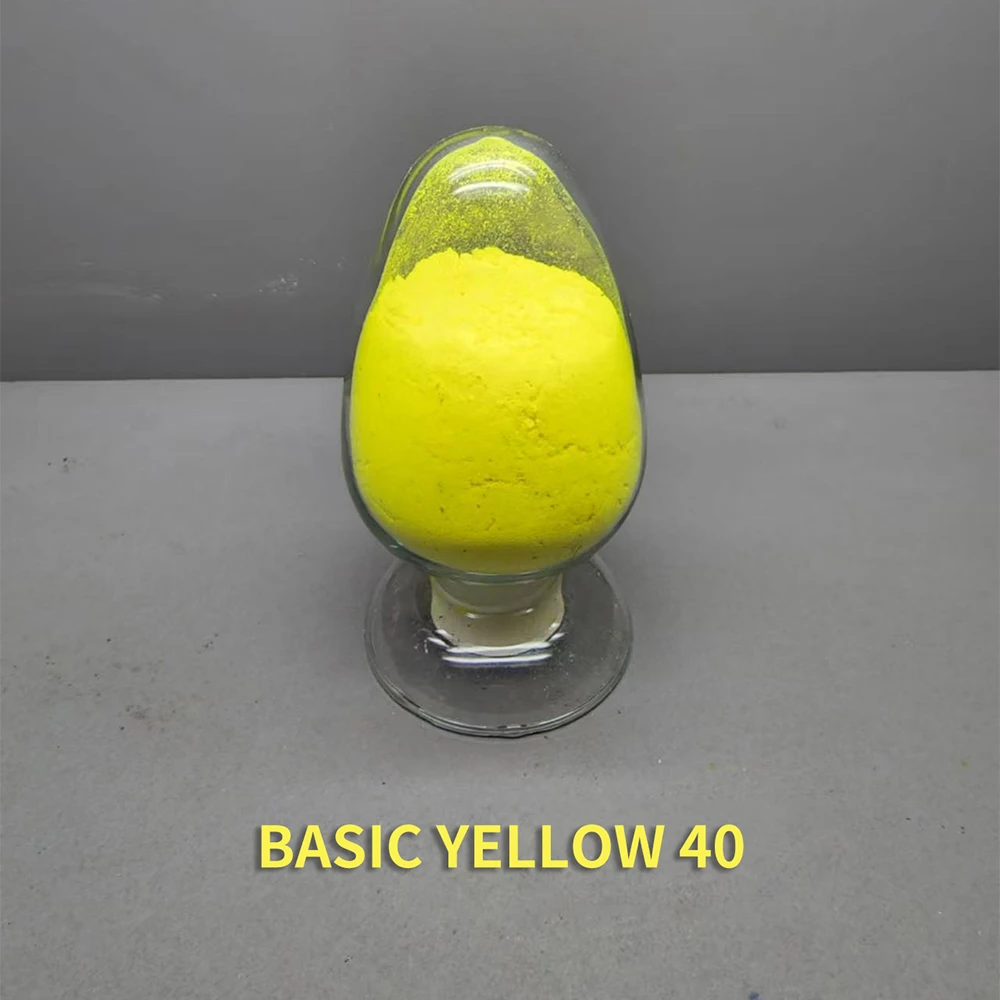
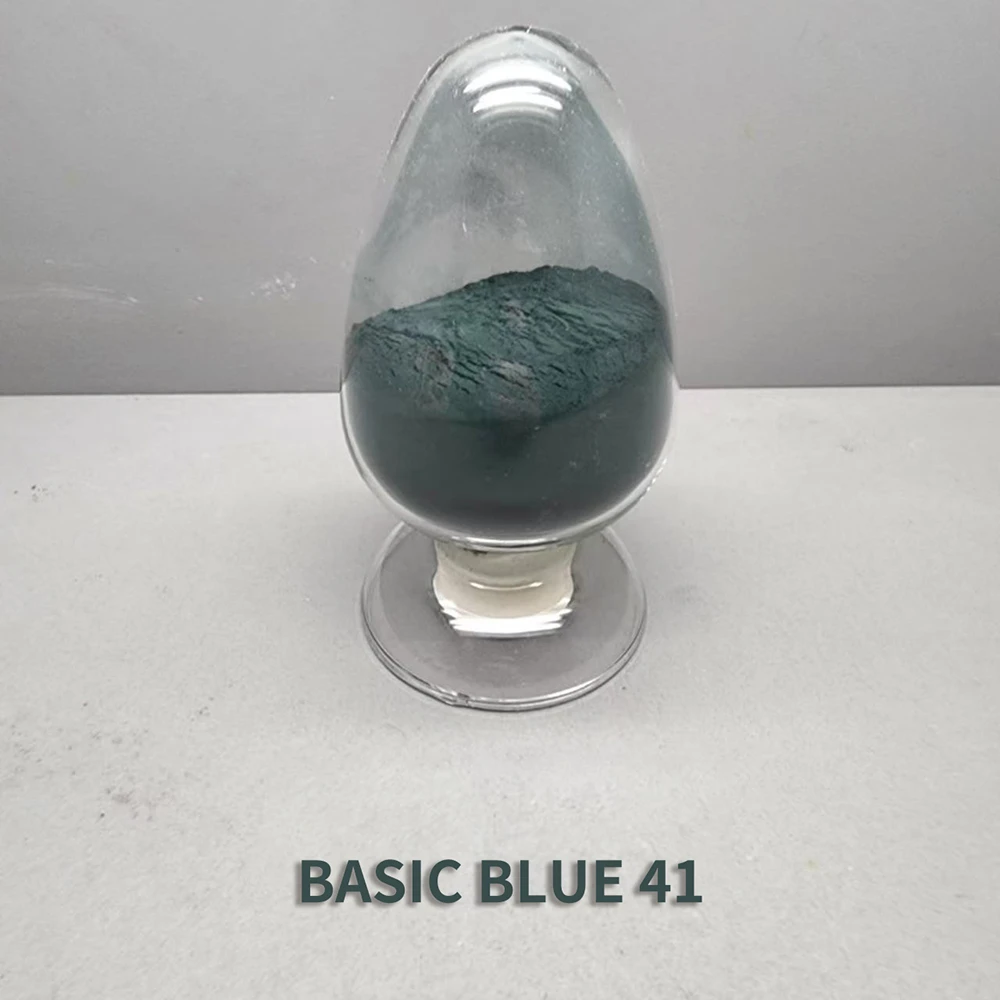
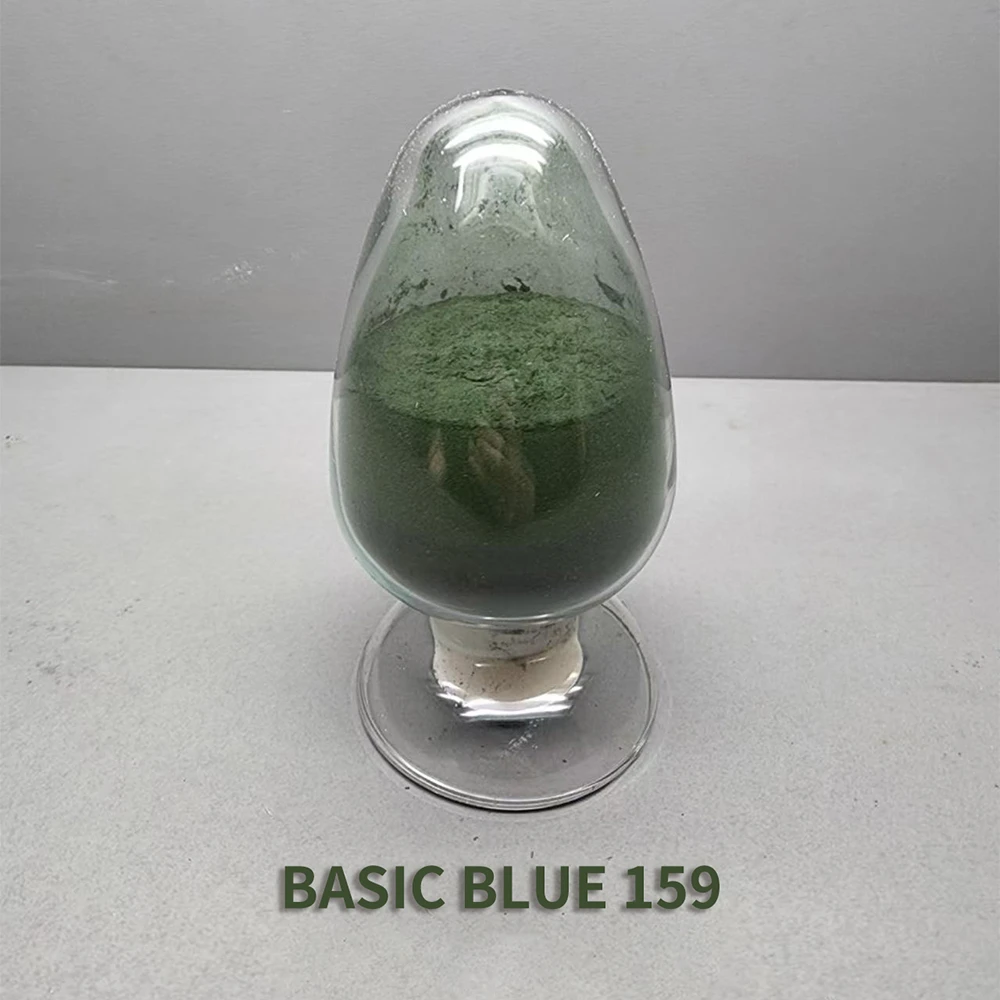
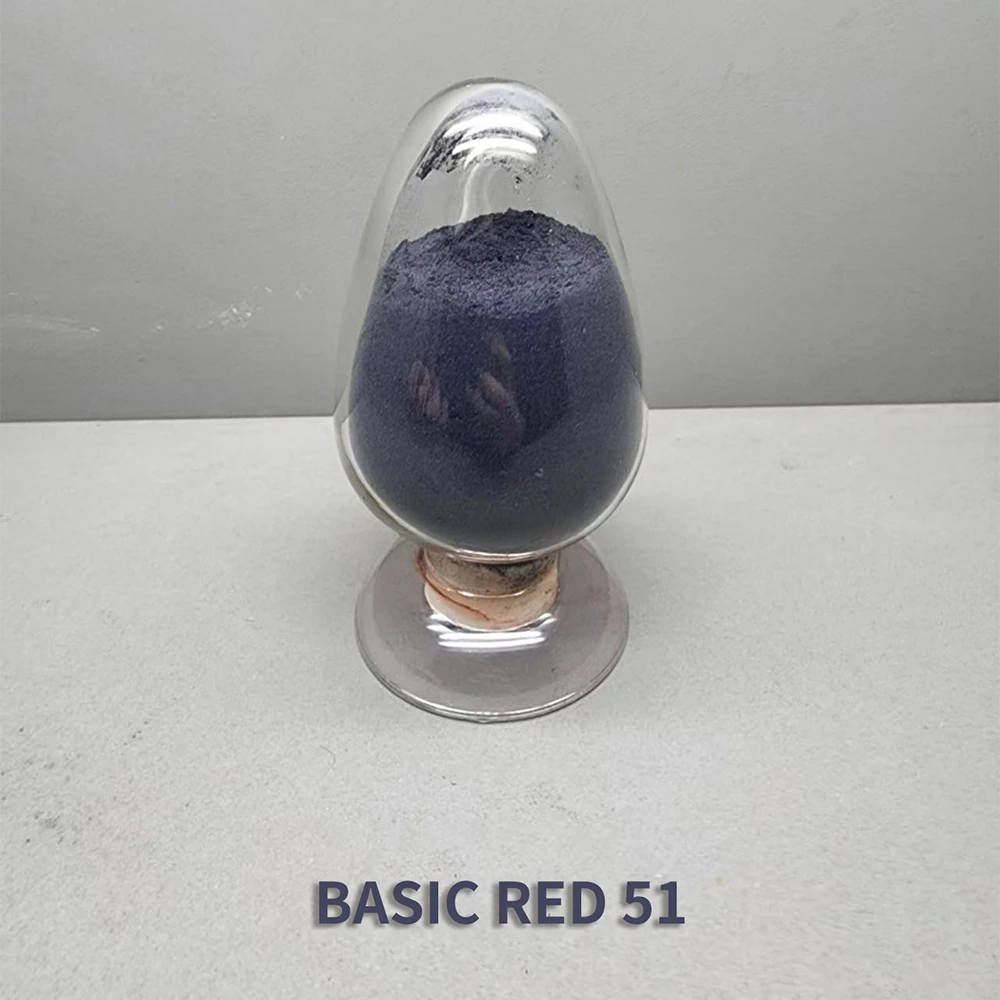
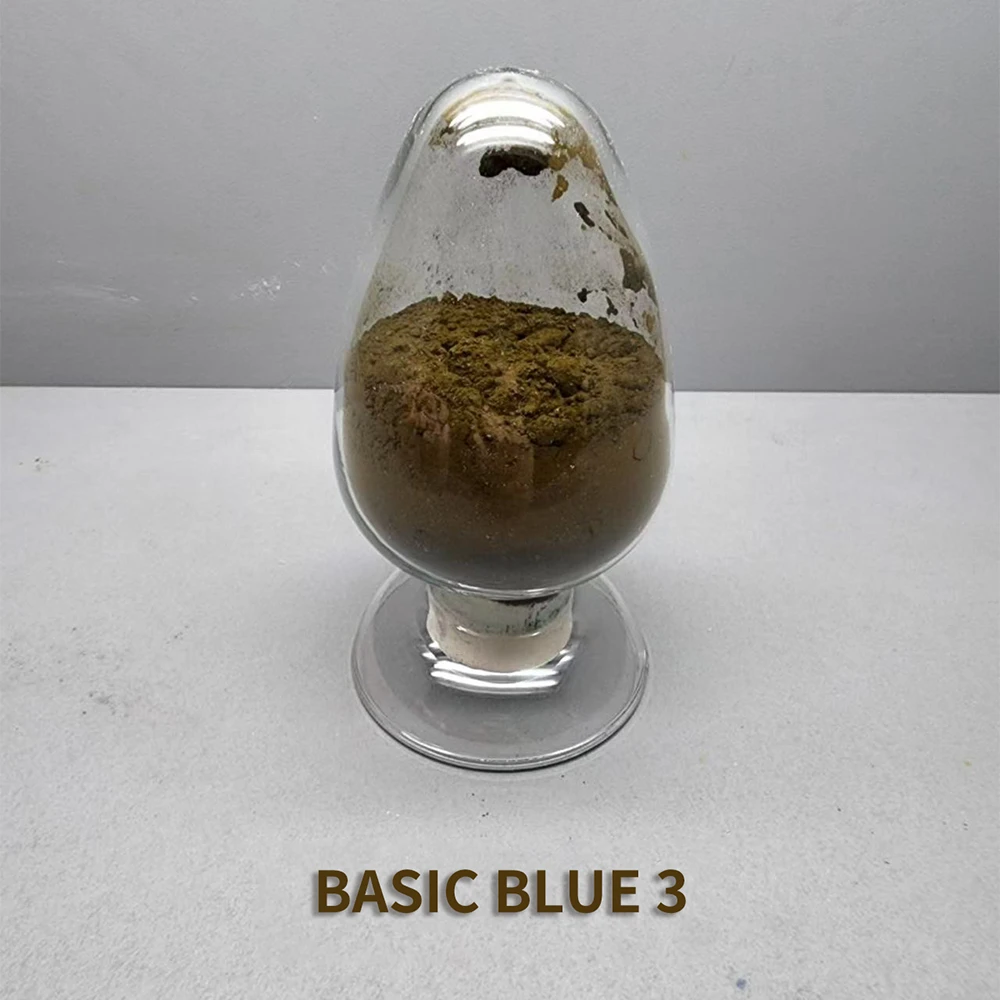
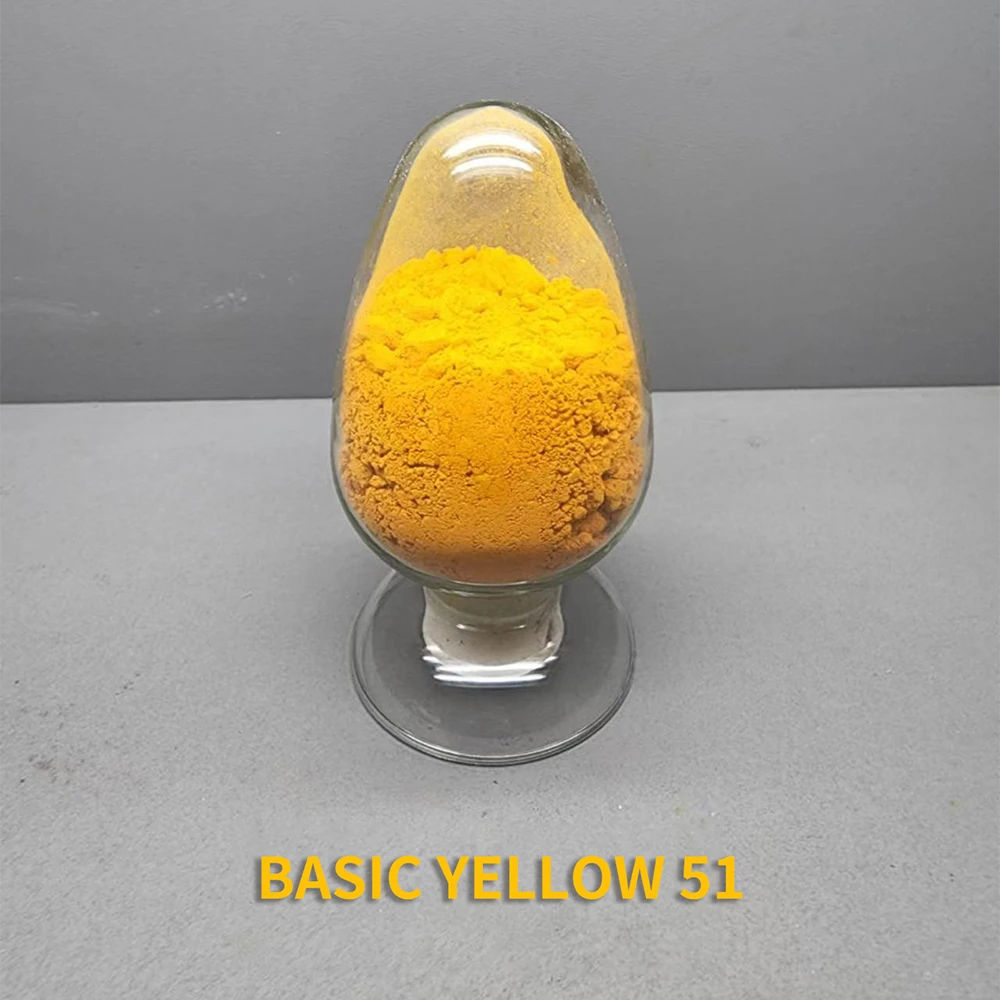
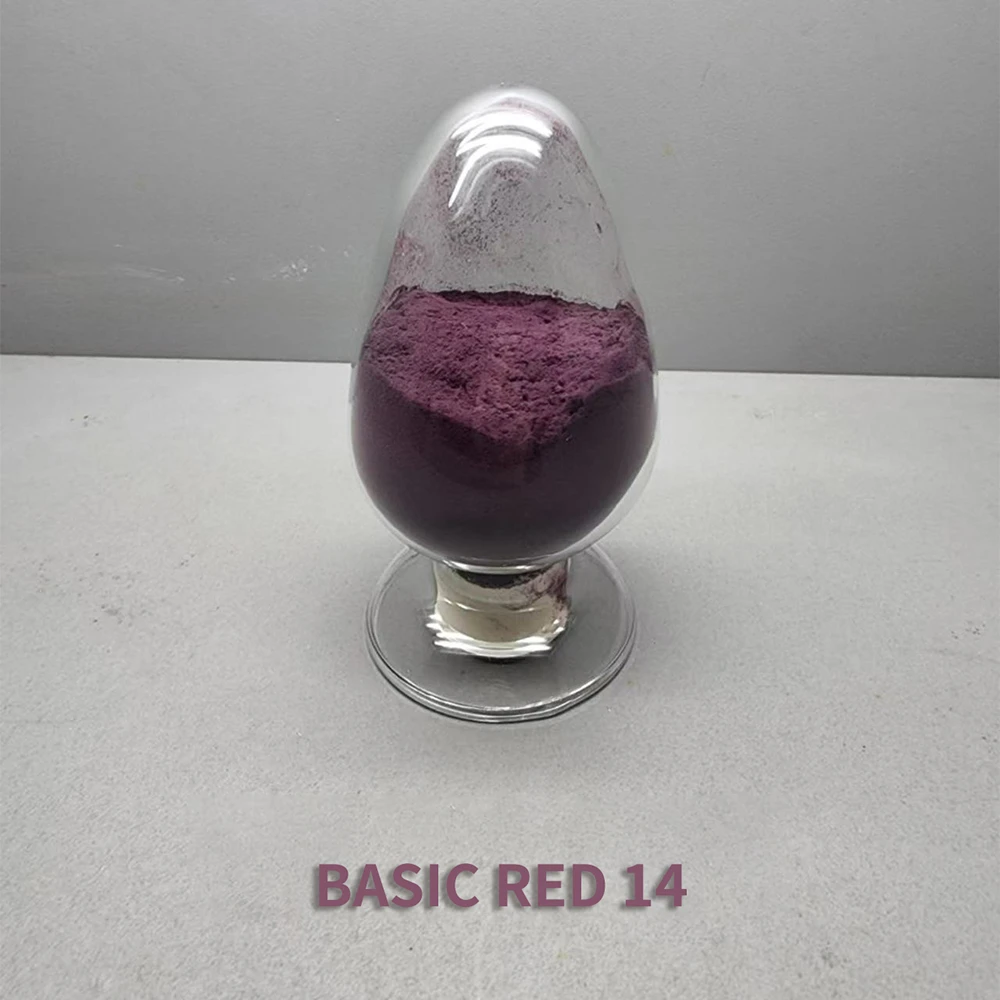
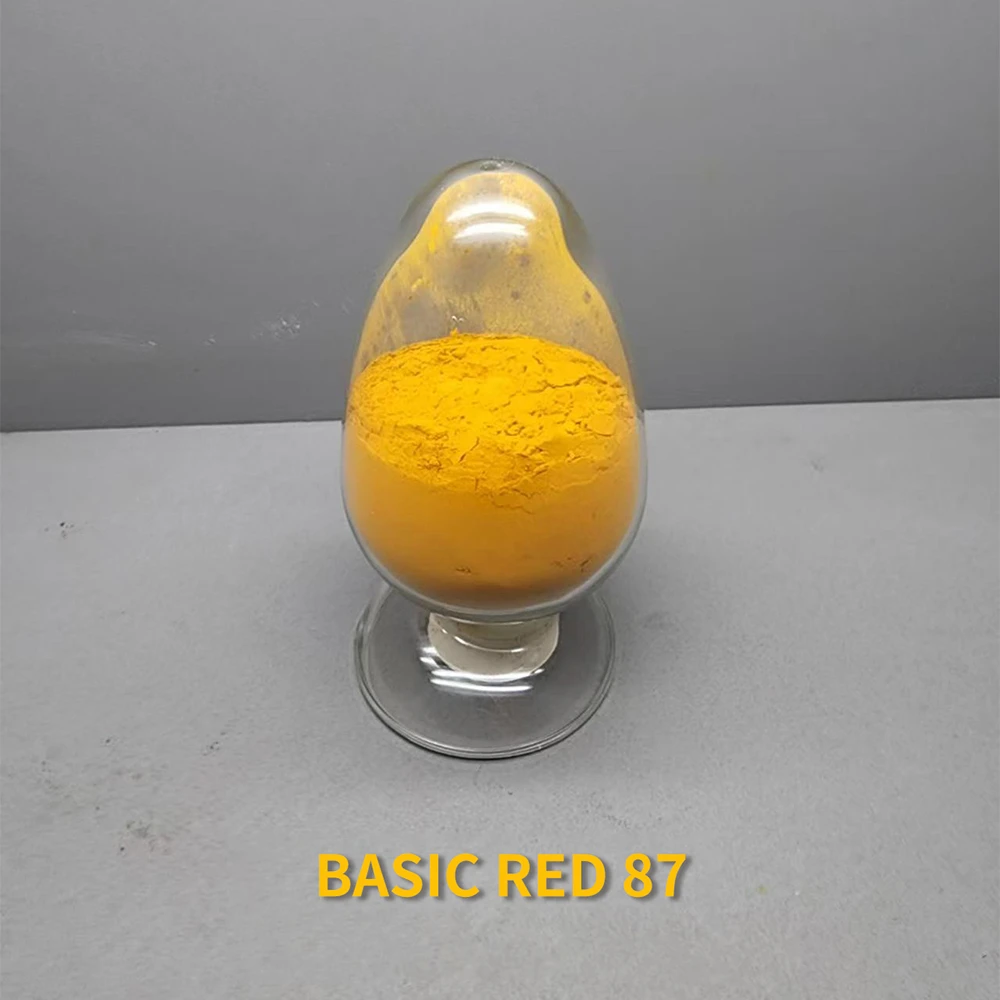
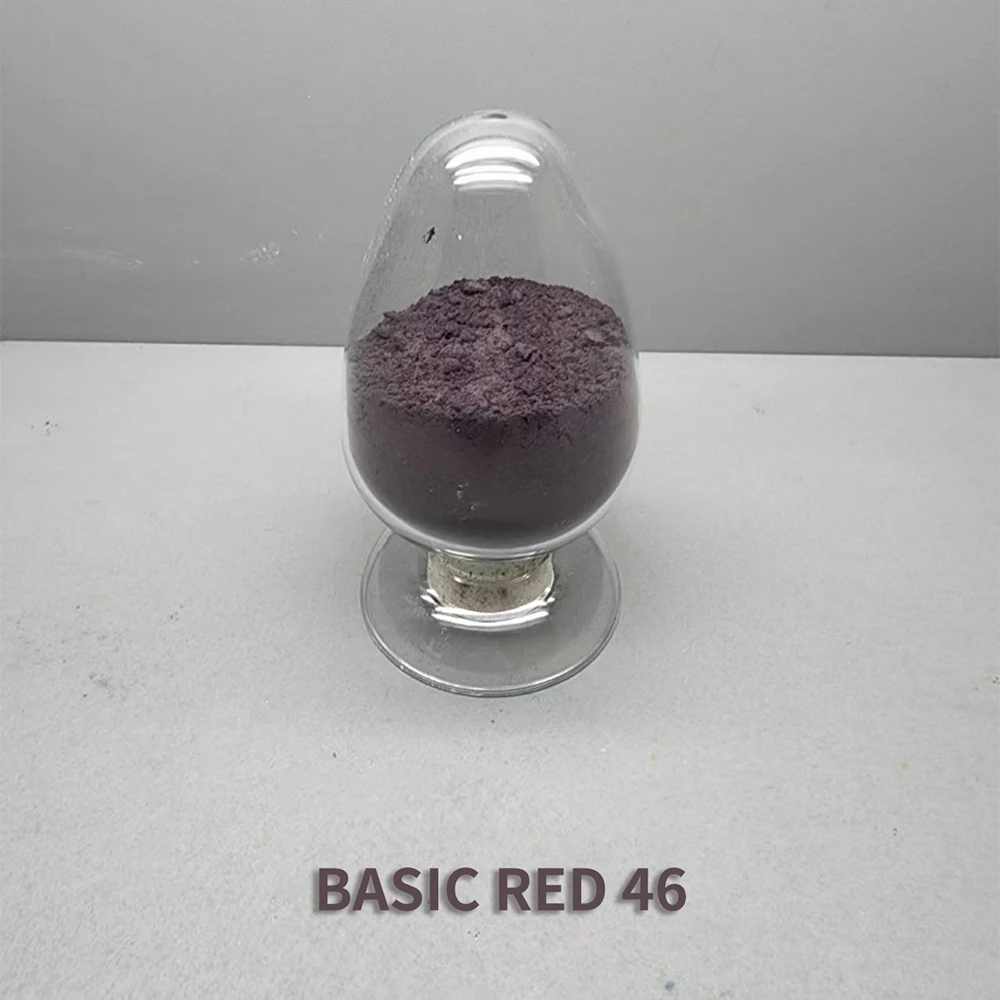
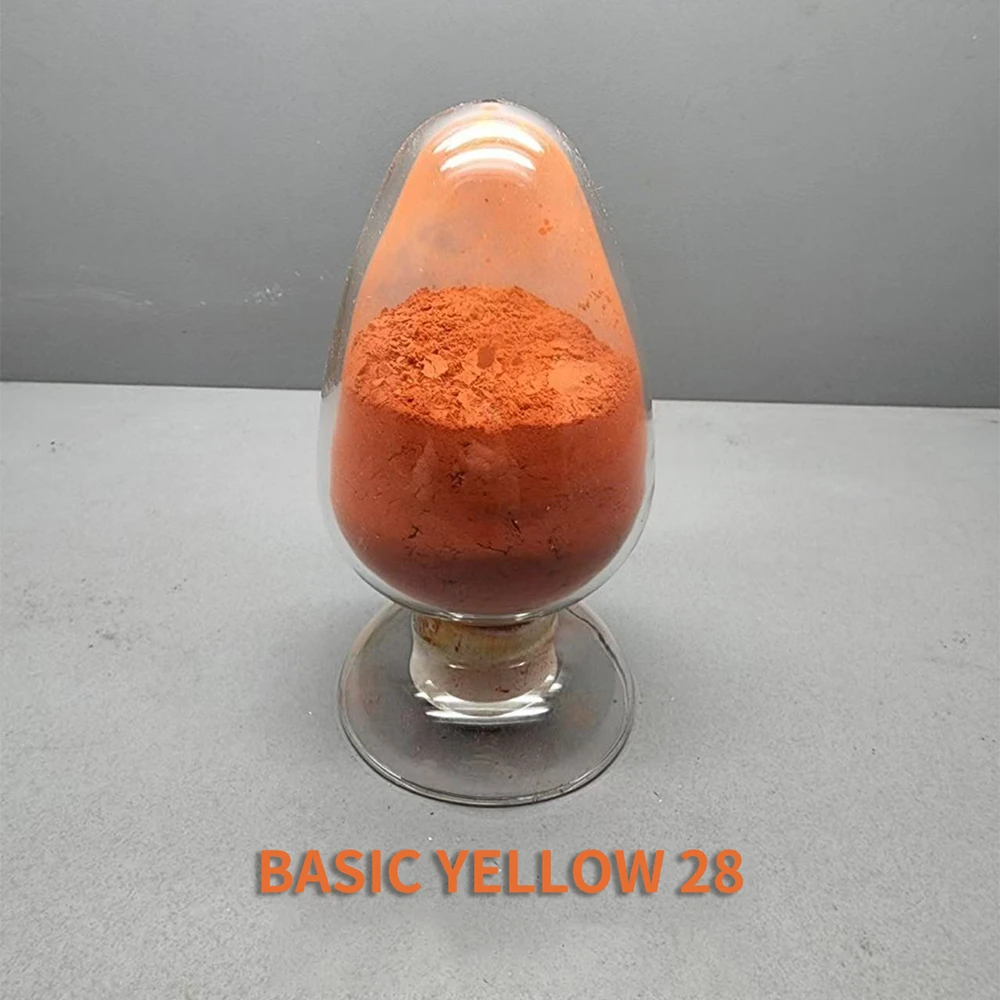
At its core, the difference boils down to electrical charge — cationic dyes carry a positive charge, while anionic dyes carry a negative one. This seemingly small detail affects how they interact with fabrics or surfaces. Cationic dyes, frequently known as basic dyes, are water-soluble and have a strong affinity for negatively charged fibers like acrylics. Their brilliance and colorfastness make them popular in specialty textiles, paper products, and even biological staining. Anionic dyes, including acid and direct dyes, tend to attach to positively charged fibers such as wool or nylon. Because they usually form ionic bonds, they tend to be more wash-fast (resistant to color fading). Together, cationic and anionic dyes form complementary tools for manufacturers wanting precise color effects on various materials. Rather than being esoteric chemistry terms, these families of dyes directly impact the look, feel, and longevity of products we use every day. Mini takeaway: Think of cationic dyes as “positive charmers” and anionic dyes as “negative selectors” — their charge influences which materials they cozy up to. ---Key Factors Shaping the Use of Cationic and Anionic Dyes
Durability and Colorfastness
Cationic dyes tend to be vibrant but sometimes less colorfast unless formulated carefully. Anionic dyes often shine in durability, critical for fabrics that endure heavy washing or sunlight exposure.Compatibility with Fibers
The fiber type (wool, nylon, acrylic, polyester) largely dictates which dye family excels. For example, cationic dyes are excellent for acrylics but hit a wall with cotton, while anionic dyes cover a wider range of natural fibers.Environmental Impact
This increasingly matters. Some cationic dyes, if improperly treated, can bioaccumulate and harm aquatic life. Anionic dyes, often large molecules, might be harder to degrade biologically. Both require careful effluent treatment.Cost Efficiency and Scalability
Large-scale textile producers weigh dye costs heavily. Some anionic dyes are cheaper and easier to source globally. Cationic dyes can be pricier due to synthesis complexity but provide unique color qualities.Safety and Regulation
Certain dyes fall under strict regulations like REACH or EPA listings for toxicity. Being able to reference a certified list of cationic and anionic dyes helps companies avoid regulatory pitfalls. Mini takeaway: Choosing the right dye isn’t just about aesthetics — it’s a balancing act involving durability, environment, cost, and compliance. ---Where Are These Dyes Used Most — Real-World Applications
Industries across the globe rely heavily on these dyes—here are some highlights: - Fashion and Textile Manufacturing: India, China, and Bangladesh lead massive textile output that uses both cationic and anionic dyes extensively. Their differentiated dyeing helps meet global fabric diversity demands. - Paper and Packaging: Thanks to cationic dyes’ affinity for paper pulp, they’re widely used in printing and packaging sectors in Europe and North America. - Biomedical Fields: Cationic dyes stain cells and tissues to help pathologists visualize structures under microscopes — a smaller but crucial niche. - Disaster Relief and Humanitarian Aid: In remote areas, durable and safe dyed fabrics (like tarps or tents) rely on stable anionic dyes resistant to fading and microbial damage. - Electronics: OLED and display makers often employ specially derived cationic dyes for vivid, long-lasting colors. Mini takeaway: Whether you wear it, hold it, or see it, these dyes quietly enhance many aspects of daily life — globally and locally. ---Advantages and Long-Term Benefits of Understanding This Dye List
- Sustainability: Selecting less toxic, biodegradable dyes reduces waterway pollution — a huge win for ecosystems and communities. - Cost Savings: Proper dye choice avoids costly re-dyes and product waste, saving money and resources. - Innovation: Knowing your dyes empowers development of cutting-edge materials like smart textiles or eco-packaging. - Social Impact: Safer dyes contribute to healthier work environments and consumer products. In an industry often criticized for pollution, a thorough grasp of the cationic and anionic dye landscape can drive positive change. ---Looking Ahead: Future Trends in Dye Technology
- Bio-based and Natural Dyes: These are rising, aimed at complementing traditional dyes for green initiatives. - Digital Dyeing: Automation and inkjet technologies let manufacturers apply dyes with precision, conserving material and energy. - Improved Effluent Treatment: New enzymatic or membrane techniques promise to clean dye wastewater more effectively. - Smart Dyes: Incorporating sensing or color-changing abilities for wearable tech is an emerging frontier. All of these trends depend on a solid foundation — a trusted list to guide the right dye choice for new materials and processes. ---Challenges and How Experts Solve Them
Challenges like dye fixation inconsistencies, environmental toxicity, and compatibility issues persist. Yet, innovations such as: - Modified dye compounds improving retention rates. - Closed-loop water systems in textile factories. - Regulatory frameworks pushing safer alternatives. … together mitigate risks and improve outputs. Mini takeaway: No perfect dye exists, but expert knowledge and tech advances keep improving the game. ---FAQ: Common Questions About the List of Cationic and Anionic Dyes
Q: How do I know if a dye is cationic or anionic?A: Generally, cationic dyes carry a positive charge and target acrylic fibers, while anionic dyes are negatively charged and used for wool or nylon. Detailed chemical data sheets or certified list of cationic and anionic dyes help identify them precisely. Q: Are cationic dyes more harmful to the environment than anionic dyes?
A: Both types have environmental impacts if untreated but cationic dyes can bioaccumulate more easily. Proper wastewater treatment minimizes risks regardless of dye type. Q: Can I substitute one dye type for another?
A: Not without adjusting the fabric or process. Fiber compatibility is key; replacing an anionic dye with a cationic one usually leads to poor dye uptake. Q: Where can industries source standardized dye lists?
A: Reputable chemical suppliers and regulatory agencies usually provide such lists. Our list of cationic and anionic dyes is a reliable resource. ---
Product Specification Table: Typical Cationic vs Anionic Dye Properties
| Property | Cationic Dyes | Anionic Dyes |
|---|---|---|
| Charge | Positive (+) | Negative (−) |
| Common Fibers | Acrylic, Polyester | Wool, Nylon, Cotton |
| Water Solubility | High | Moderate to High |
| Fastness to Washing | Moderate | Good to Excellent |
| Environmental Concern | Bioaccumulation Risk | Persistence in Effluent |
| Typical Cost Level | Medium to High | Low to Medium |
Vendor Comparison Table: Major Suppliers for Cationic and Anionic Dyes
| Supplier | Dye Range | Global Presence | Sustainability Initiatives | Typical Lead Time |
|---|---|---|---|---|
| Yanhong Chemicals | Extensive cationic & anionic list | Asia, Europe, Americas | ISO 14001 certified, effluent recycling | 2-3 weeks |
| Dystar | Wide, with specialty dyes | Global | Sustainable Raw Material focus | 1-2 weeks |
| BASF | Industrial grade cationic/anionic | Global, large capacity | Carbon footprint tracking | 3-4 weeks |
Wrapping Up: Why Keeping Up With the List Is a Smart Move
The list of cationic and anionic dyes isn’t just alphabet soup in a chemistry textbook — it’s real-world, practical knowledge that drives entire industries and influences the health of our planet. In a nutshell, mastering this list helps manufacturers make better choices, comply with regulations, protect ecosystems, and keep the dye game innovative yet responsible. If you’re looking to dive deeper or source reliable dyes, check out our comprehensive list of cationic and anionic dyes. It’s a solid place to start for high-quality, sustainable dye solutions. ---References
Latest news
-
Purple Fabric Dye: Durable, Sustainable, and Vibrant Textile SolutionsNewsDec. 05, 2025
-
China Basic Dye Manufacturer | Eco-Friendly, High FastnessNewsNov. 13, 2025
-
Comprehensive Guide to Synthetic Fiber Dye Selection and ApplicationNewsMar. 11, 2026
-
Understanding Synthetic Clothes Dye Composition Benefits and Sustainable PracticesNewsMar. 08, 2026
-
Photochromic Fabric Dye: Innovative Textile Solutions for B2B Professionals | YanHongChemNewsJan. 06, 2026
-
Sustainable Eco Friendly Fabric Dye Solutions for Industrial UseNewsJan. 01, 2026