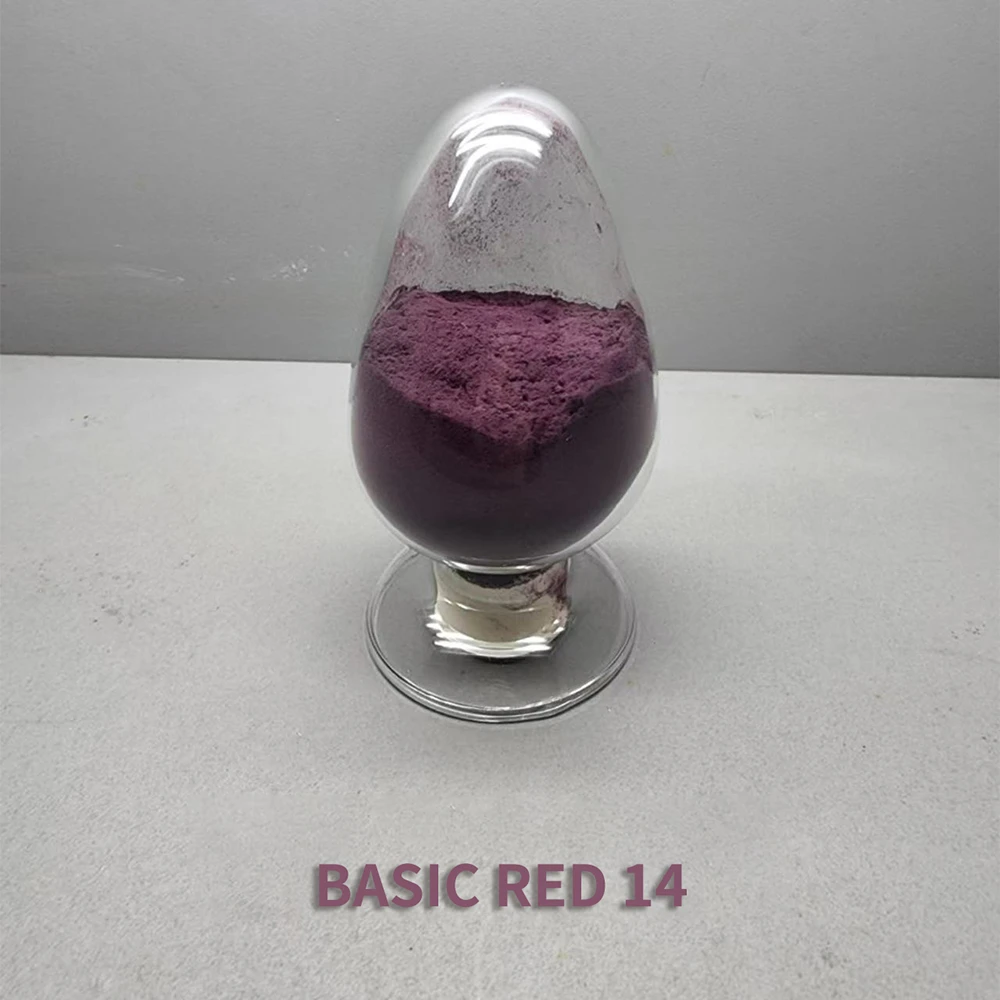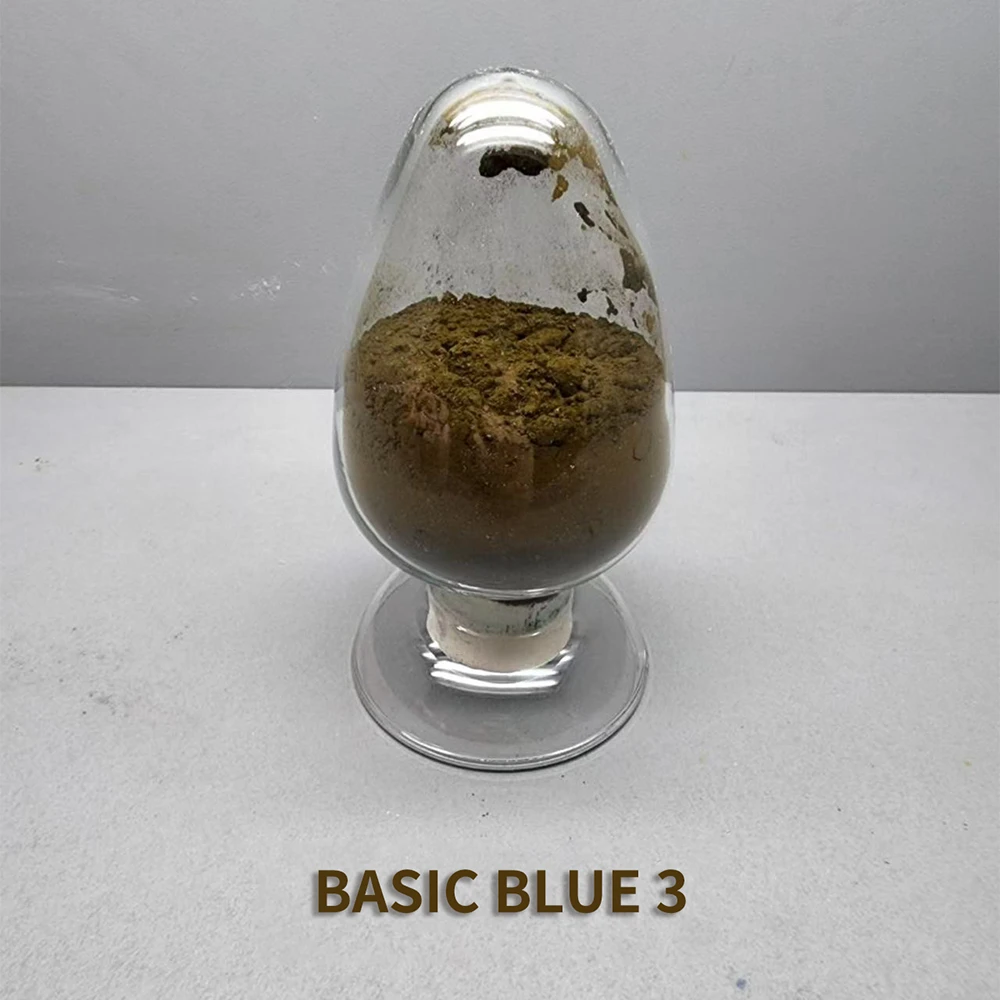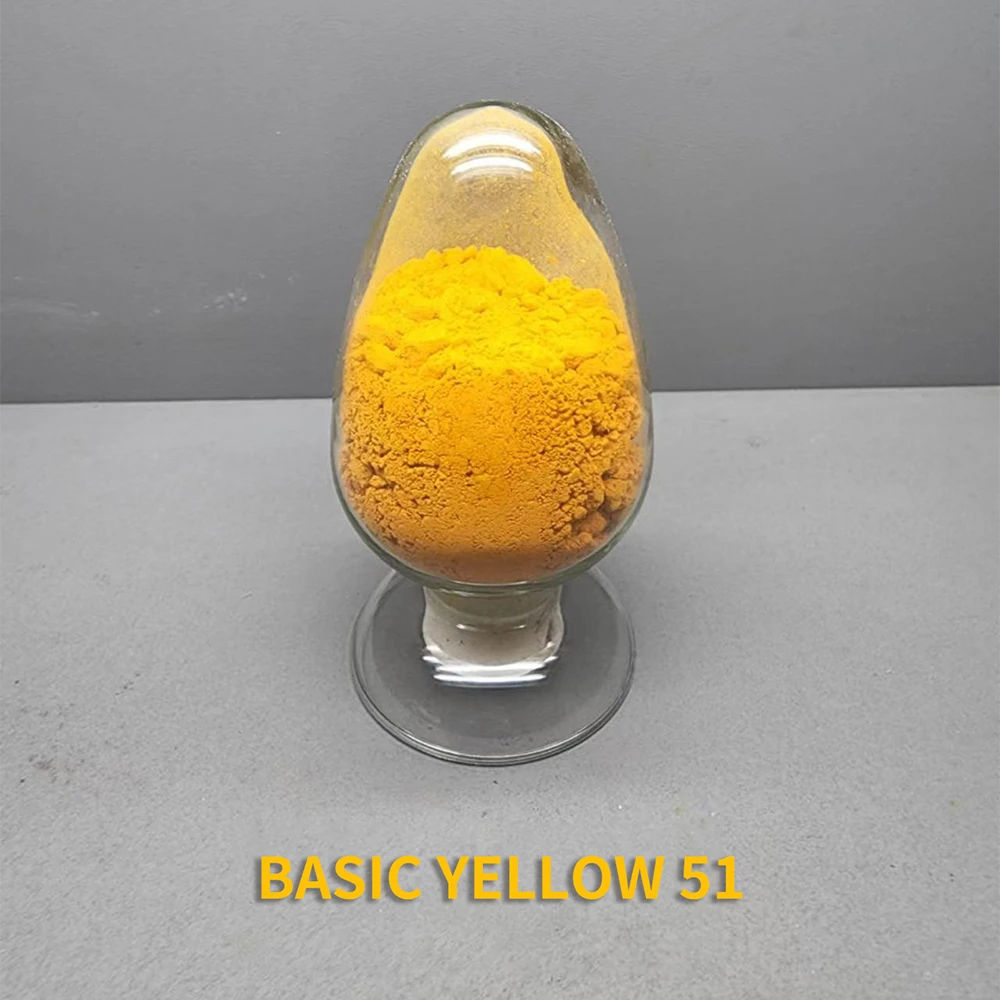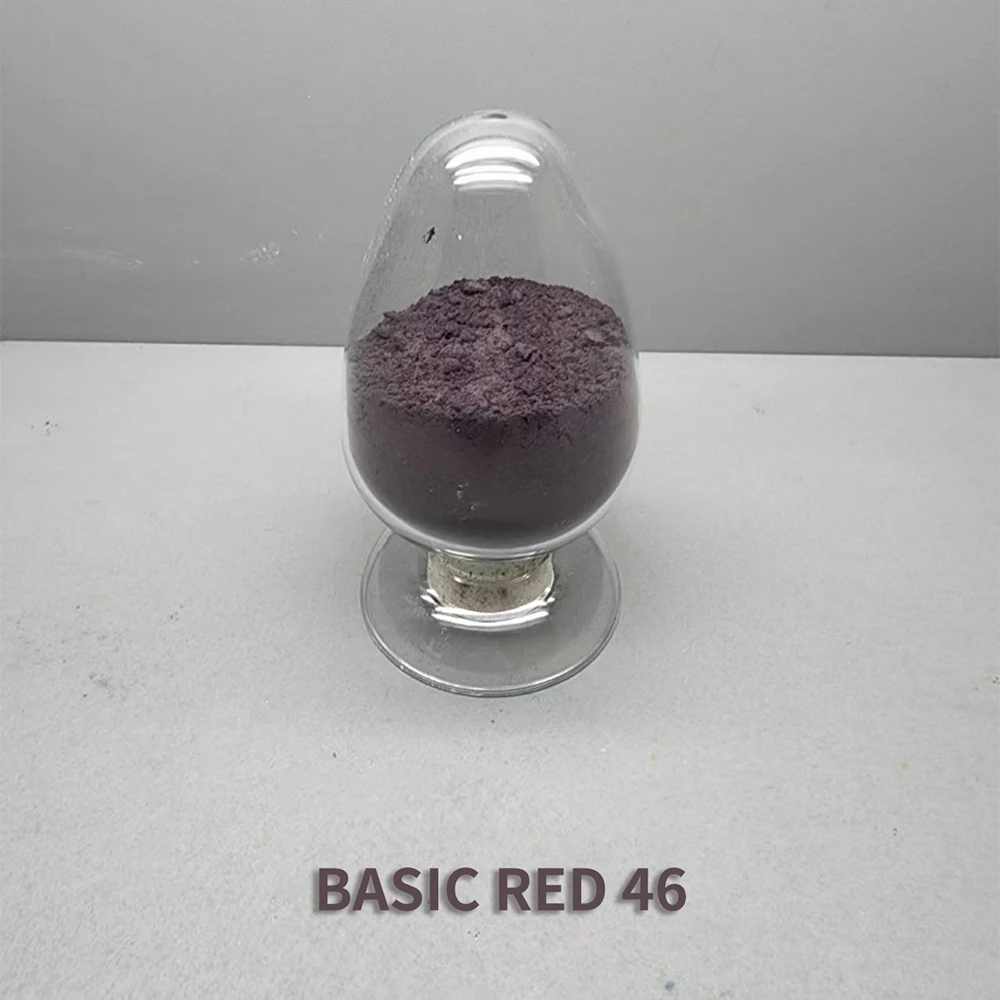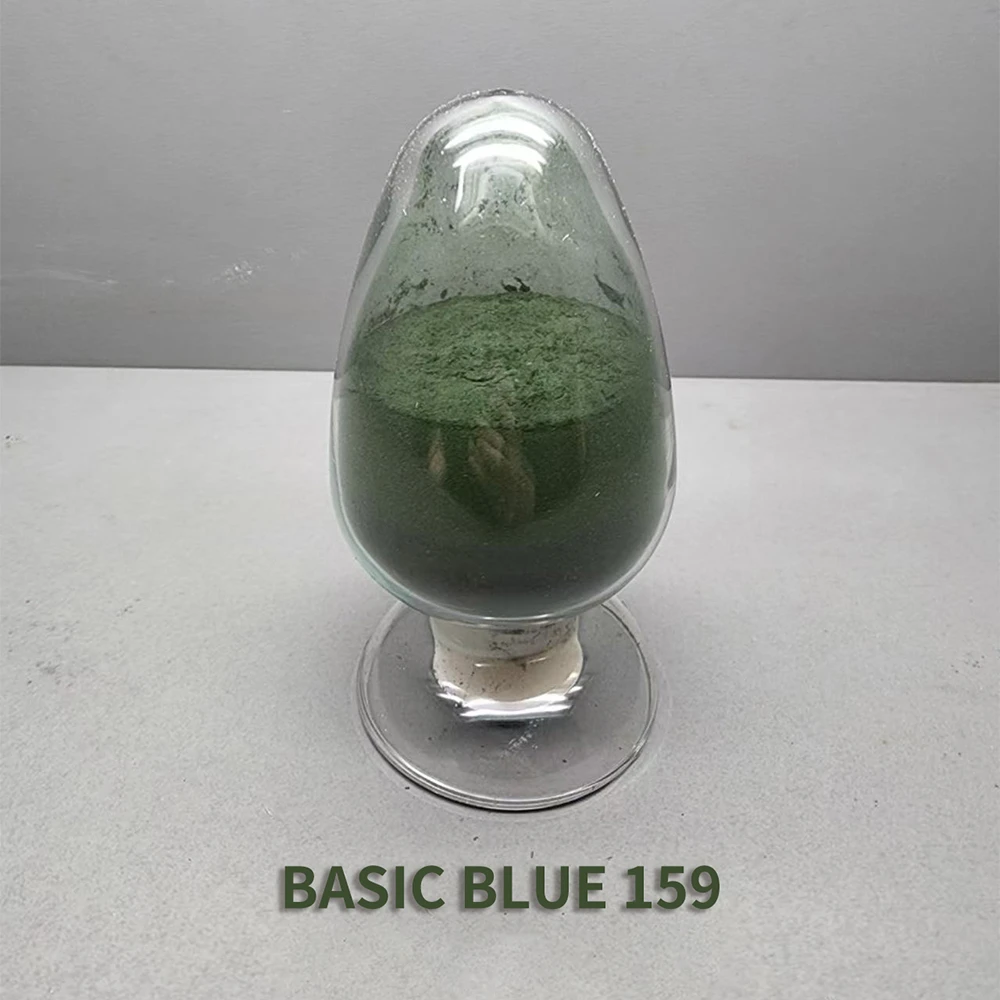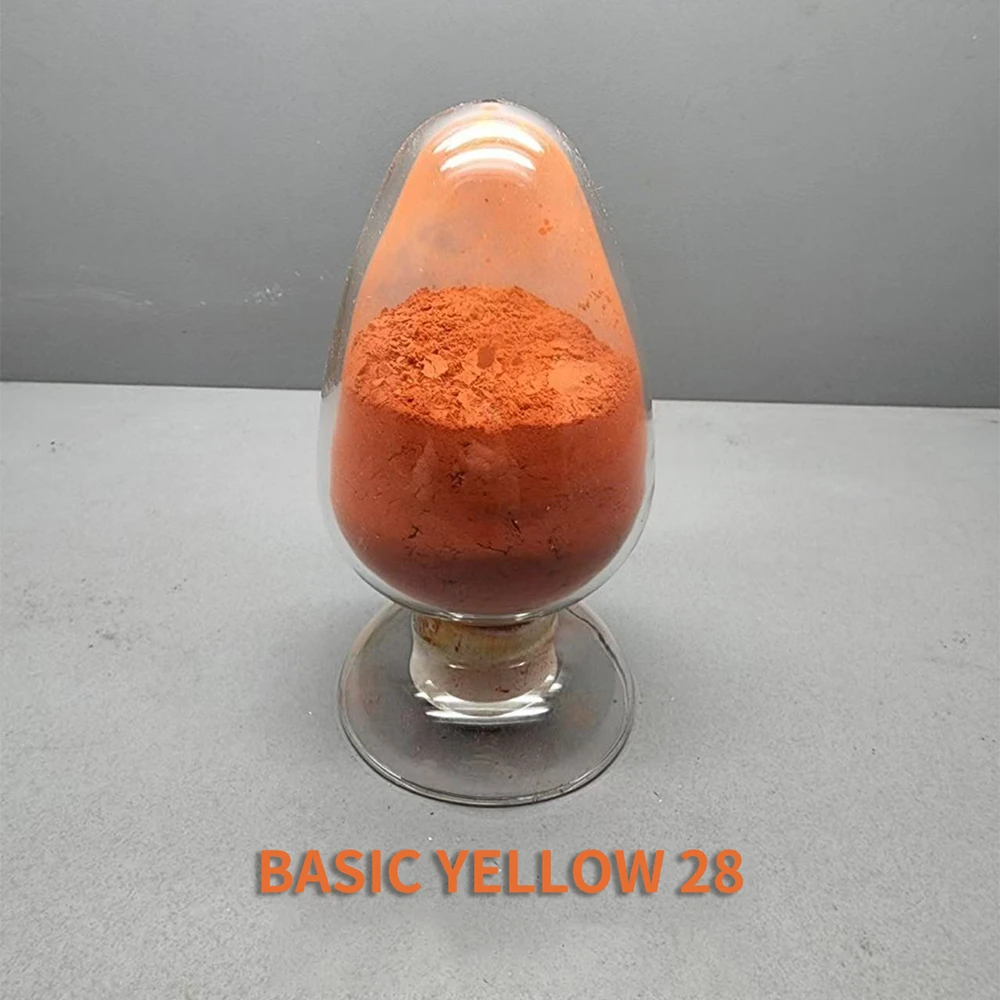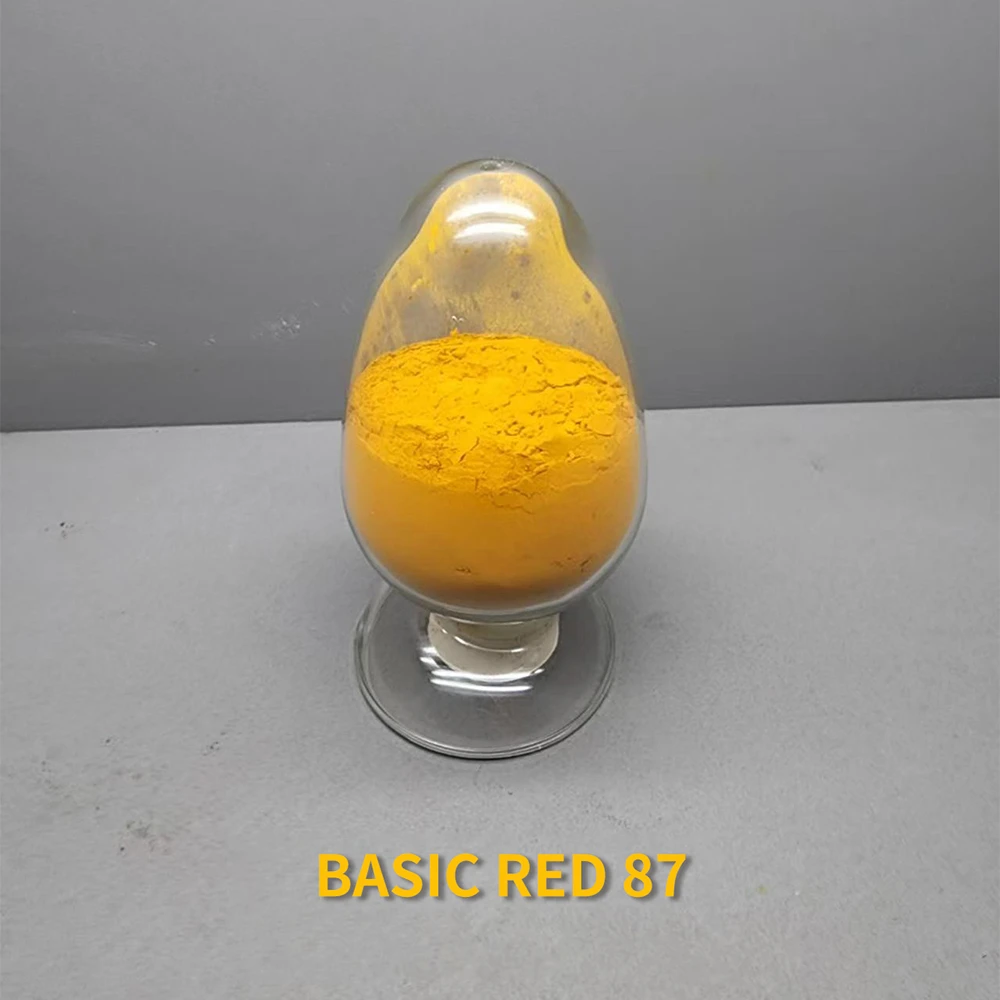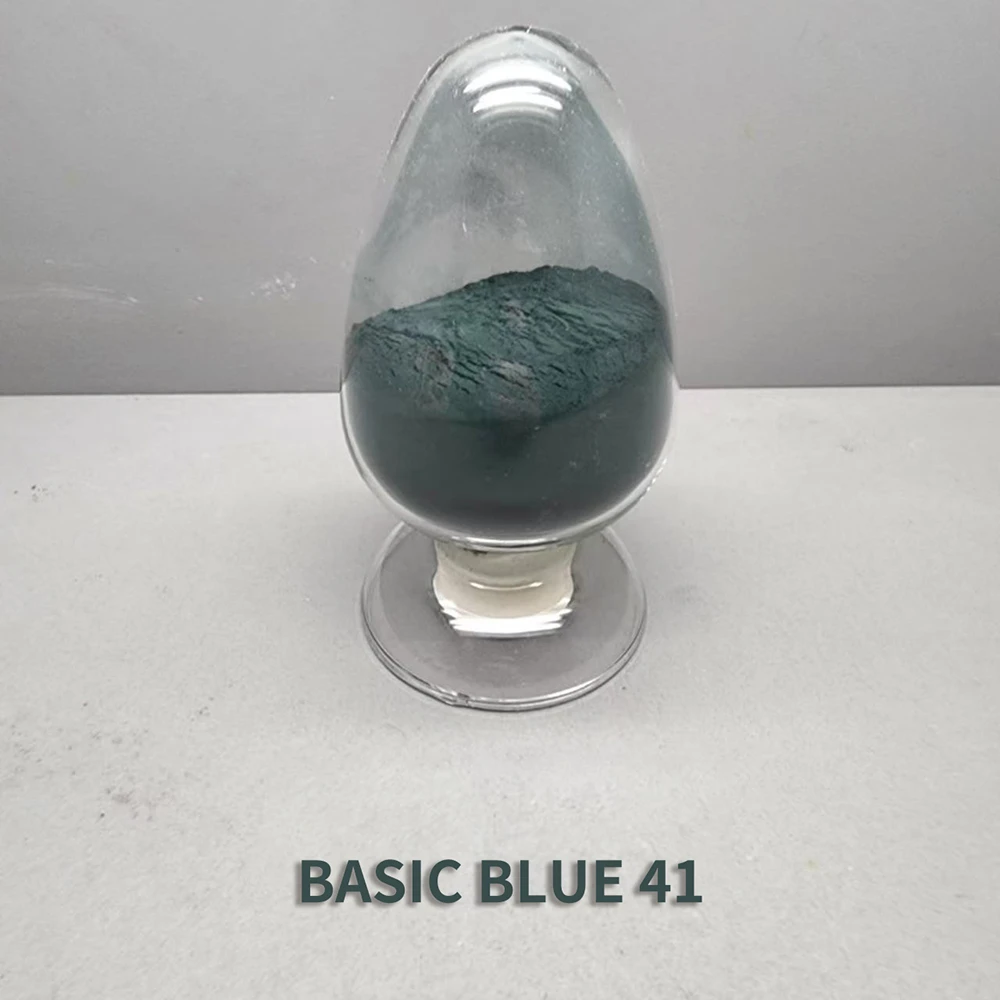
Cationic Dyes Are Also Known As Basic Dyes – Essential Guide & Industry Insights
Why Understanding Cationic Dyes Matters Worldwide
Cationic dyes are also known as basic dyes, and they play a surprisingly outsized role in our everyday world — from the textiles wrapping us to the inks on printed electronics. Globally, the demand for vibrant, colorfast, and efficient dyes continues to grow, driven not just by fashion but also by medical, industrial, and environmental applications. If you’re curious why so many industries swear by cationic dyes and what the fuss is about, this article is your handy guide.
To put it simply: grasping the nuances of cationic dyes means better quality products, more sustainable production, and smarter innovation — and that matters, especially as we look to greener chemistry and smarter manufacturing worldwide.
The Global Context: Why Cationic Dyes Are Taking Center Stage
Did you know that the global textile industry alone consumed roughly 9.8 million tons of dye materials in 2023? According to the International Organization for Standardization (ISO), cationic dyes comprise a significant share of this, particularly in synthetic fiber markets like acrylic and polyester blends.
But here’s the catch: many traditional dyeing processes contribute heavily to water pollution – something the UN Environment Programme has been sounding alarms about for years. Cationic dyes, thanks to their unique chemical affinity, make it easier to produce brighter colors with less wastage. This reduces chemical bleed and environmental impact — a fact often overlooked outside specialty circles.
Industries across Asia, Europe, and the Americas are scrambling to integrate improved forms of cationic dyes into their workflows, balancing cost, environmental compliance, and consumer demand for quality.
What Exactly Are Cationic Dyes?
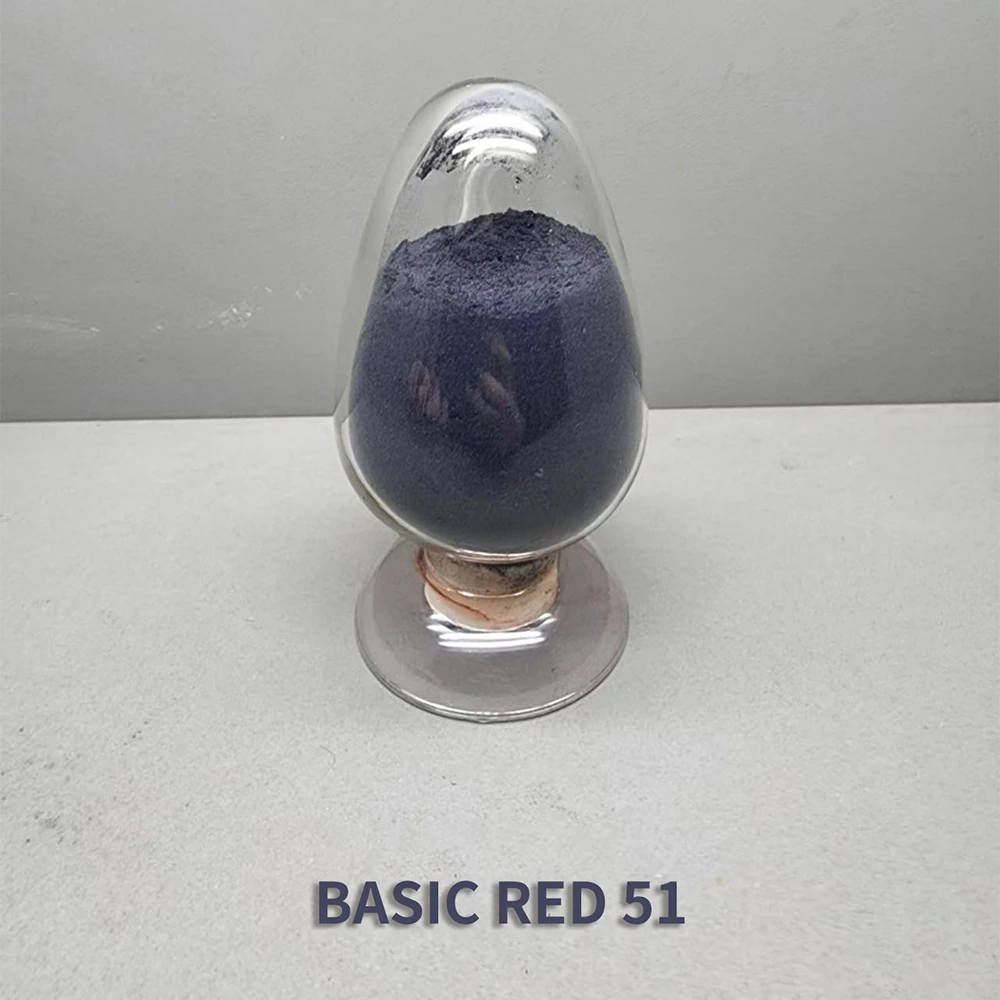
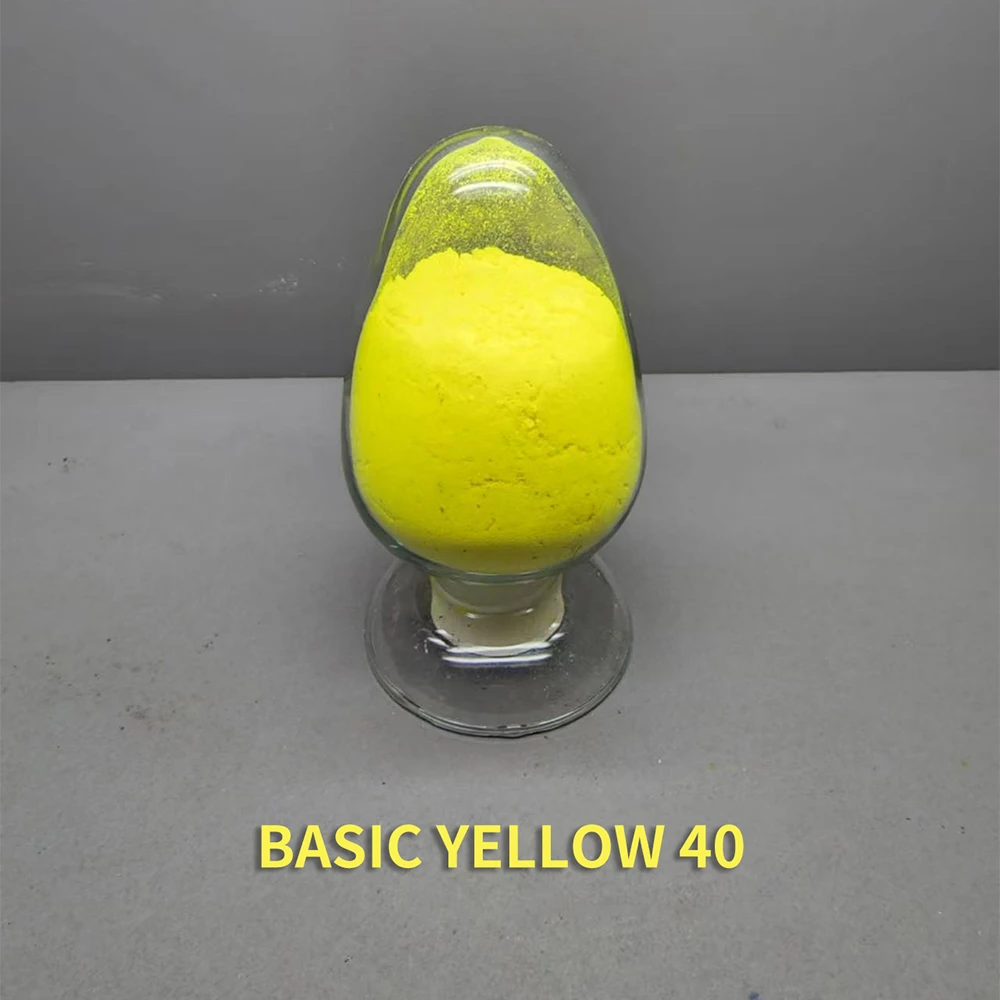
In the simplest terms, cationic dyes are positively charged dyes (hence “cationic”) that bind primarily to negatively charged materials, such as synthetic fibers — think acrylics and polyamides. They’re sometimes called basic dyes because their molecules contain basic (alkaline) groups.
Because of this, they exhibit excellent affinity and brilliant shades, especially reds, blues, and purples, that are hard to achieve with other dye classes. This characteristic makes cationic dyes indispensable in industries requiring high colorfastness and vibrancy, such as fashion, medical textiles, and even some high-tech printed circuits.
Interestingly, the same positive charge that defines cationic dyes also influences their dyeing behavior and environmental profile. Understanding this is crucial for anyone involved in material science or industrial chemistry.
Mini Takeaway:
- Cationic dyes are positively charged, commonly known as basic dyes.
- They bind well to synthetic fibers, offering vivid and durable colors.
- They help industries achieve better colorfastness while reducing chemical waste.
Core Aspects of Cationic Dyes That Drive Their Performance
1. Affinity and Dyeing Efficiency
The positive charge helps cationic dyes quickly attract and bind to negatively charged fiber surfaces. This leads to faster dyeing cycles and less color loss during washing — a big plus for manufacturers juggling tight production timelines.
2. Color Vibrancy and Range
Because of their molecular structure, cationic dyes produce intensely bright colors. Reds and blues seem to "pop" more than with other dye types, which makes them favorites for those striking designs you see in sportswear or luxury textiles.
3. Durability and Colorfastness
Fastness properties can sometimes be a drawback, but advances in molecular tailoring mean many cationic dyes now resist fading from sunlight and washing better than before. This is one reason medical professionals trust fabrics colored with these dyes for scrubs and protective gear.
4. Cost Efficiency
Generally, they require less dye mass per tone achieved, which means lower costs. Plus, the less dye wasted, the less you pay for waste treatment — a win-win for manufacturers.
5. Environmental Compatibility
Although no dye is perfect environmentally, cationic dyes tend to generate fewer toxic byproducts when used properly. Plus, many suppliers are now offering greener versions, aiming for compliance with UN sustainable production guidelines.
Mini Takeaway:
- Positive charge = stronger binding and faster dyeing.
- Bright, durable colors suit multiple industries.
- Efficiency and greener formulations continue to improve.
The Global Reach: Where and How Cationic Dyes Are Used Today
From the fast fashion racks of Milan to industrial upholstery in São Paulo, cationic dyes color the world. Synthetic fibers produced mainly in China and India rely heavily on these dyes. The medical sector in Europe uses them extensively for wound dressings and protective garments — applications where both color and performance matter.
In developing nations, local textile hubs benefit from improved dyeing efficiency, which lowers costs and environmental footprint, helping small-scale producers compete globally. Oddly enough, cationic dyes have also found a niche in digital printing technologies, inkjet inks, and even some novel applications like organic electronics.
| Specification | Typical Range / Value | Notes |
|---|---|---|
| Molecular Weight | 300 - 700 g/mol | Varies by dye formula |
| pH Range for Optimal Dyeing | 4.5 - 6.5 | Mildly acidic conditions preferred |
| Heat Stability | High (up to 130°C for 1 hour) | Suitable for industrial processes |
| Wash Fastness (Grades) | 3 - 5 (ISO 105-C06) | Generally good with modern formulas |
| Light Fastness (Grades) | 2 - 4 (ISO 105-B02) | Depends on dye structure |
The Advantages and Bigger Picture Value of These Dyes
For manufacturers, the immediate benefits are obvious: brighter shades, less resource waste, shorter cycle times. But beyond that, enhancing the chemical makeup of cationic dyes is driving significant gains in environmental sustainability and worker safety. There’s something quietly powerful about knowing that the fabrics you wear—and even those used in hospitals—are made with technologies that minimize pollutants and hazards.
From a consumer standpoint, better fastness means clothes last longer and keep their vibrancy — and that contributes to less textile waste, an increasingly urgent concern in our throwaway age. This combination of innovation and responsibility is why many textile engineers now prefer cationic dyes over alternatives.
Looking Forward: Trends Shaping the Future of Cationic Dyes
Green chemistry is a buzzword for a reason, and cationic dyes are no exception. Developers are working on waterless dyeing processes that leverage the unique chemical properties of cationic dyes to reduce freshwater use drastically. Also, digital printing with cationic-based inks is blurring lines between textile dyeing and electronics manufacturing — kind of sci-fi, really.
On the policy front, tighter controls on wastewater discharge in countries like China and India — the top dye producers — are forcing quicker innovation cycles and adoption of eco-friendlier formulas. Add to that, the push for biodegradable and plant-based dye precursors, and it’s clear cationic dyes will evolve in a more sustainable direction in the next decade.
Challenges in Usage and How Industry Addresses Them
Despite many upsides, cationic dyes aren’t perfect. Their affinity for synthetic fibers means they don’t bind well to natural fibers like cotton, which limits some applications. For this reason, blended fabrics require complex, multi-step dyeing processes.
Also, not all cationic dyes have ideal lightfastness — reds tend to fade faster outdoors, for example. To tackle this, chemists are formulating dye blends and encapsulating dyes in nanocarriers to boost durability.
Finally, disposing of dye effluent responsibly remains a challenge worldwide, though new membrane and enzymatic treatments are slowly becoming standard.
| Supplier | Eco-Friendly Options | Price Range (per kg) | Lead Time |
|---|---|---|---|
| Yanhong Chemical | Yes, plant-based precursors | $12 - $18 | 7-14 days |
| DyeTech International | Limited | $10 - $15 | 14-21 days |
| EcoDyes Ltd. | Fully bio-based | $20 - $25 | 10-15 days |
FAQ: Your Questions About Cationic Dyes Answered
- Q: What materials do cationic dyes work best on?
- A: They have the strongest affinity for synthetic fibers with negatively charged sites, particularly acrylics and polyamides. They generally don’t work well on cotton or natural fibers without a pretreatment.
- Q: Are cationic dyes environmentally friendly?
- A: While not perfectly green, modern cationic dyes produce less waste and pollution than many older dye classes. Plus, advances in biodegradable and plant-based formulas are making them increasingly eco-friendly.
- Q: How do cationic dyes compare with reactive or acid dyes?
- A: Unlike reactive dyes that form covalent bonds with fibers, cationic dyes rely on electrostatic attraction; this enables faster dyeing but sometimes lower fastness on certain fibers compared to acid dyes.
- Q: Can these dyes be used in digital printing?
- A: Yes! Cationic dyes are popular in inkjet inks for textiles and specialty printed electronics due to their sharp colors and suitability for mild processing conditions.
- Q: How do manufacturers minimize dye fading?
- A: Using dye blends, UV absorbers, and advanced encapsulation technologies helps improve lightfastness, extending the lifespan of cationic dye-colored fabrics.
Wrapping Up: Why Keep an Eye on Cationic Dyes?
Whether you're a chemist, manufacturer, or simply someone who appreciates crisp, lasting colors, cationic dyes are a fascinating intersection of chemistry, engineering, and sustainability. Their role in coloring synthetics efficiently while nudging the industry toward greener processes makes them quietly essential worldwide.
Interested in exploring further or sourcing innovative and eco-conscious cationic dyes? Visit our website: https://www.yanhongchem.com — where expertise meets innovation.
References:
-
Basic Black in Industrial Equipment: Timeless and ToughNewsDec. 13, 2025
-
Off White Fabric Dye – Industry-Trusted Quality and DurabilityNewsDec. 30, 2025
-
Classification Of Cationic DyesNewsAug. 05, 2025
-
China Basic Dye Factory - Eco-Friendly, OEM & Fast DeliveryNewsNov. 13, 2025
-
Pink Fabric Dye - Durable, Eco-Friendly Textile Solutions for Industry | YanhongchemNewsDec. 04, 2025
-
Achieving Vibrant Color with Mint Green Dye for Clothes A Comprehensive GuideNewsMar. 31, 2026